 Sign In




The gameplay of the diaspora team of Scotland is primarily based on creating a numerical advantage in the opposing half rather than controlling the ball Under the 3-5-2 formation of AJ Bownas. This is done through looking to attack and score as quickly as possible, while minimizing risk with the strong help of the two full backs on either flank. During the opening of matches, his team often plays a vertical passing game, making use of long balls out from the back to stretch their opponents, and creating spaces for the more creative players to exploit.
This article is more than 1 year old
The 70 coaches of the Diaspora World Cup
This article is more than 1 year old
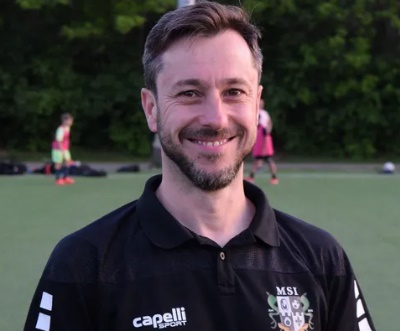

AJ Bownas
Scotland
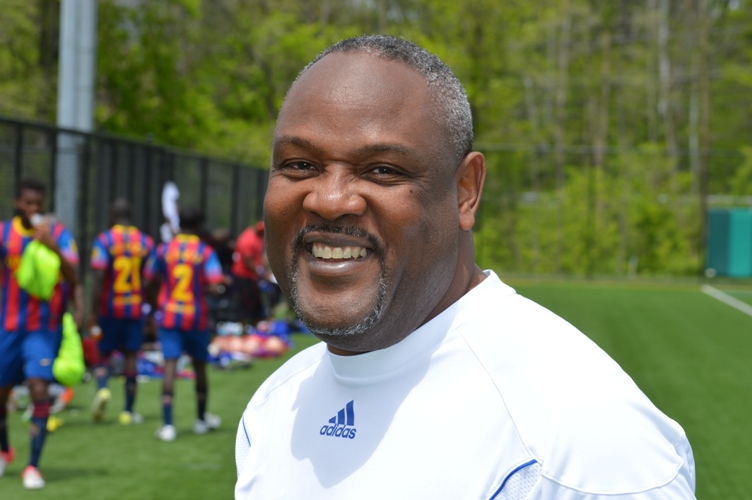

Albert Acquaye
Ghana
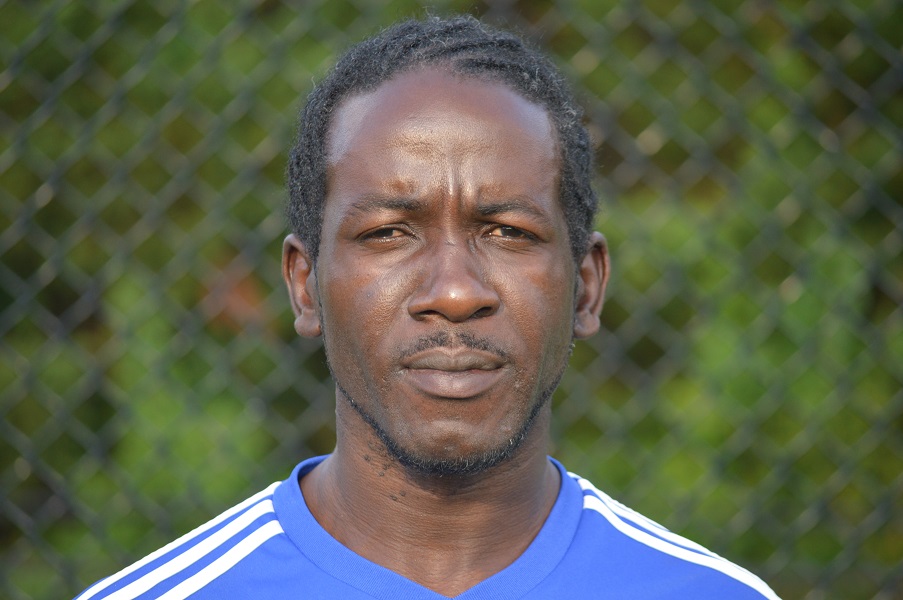

Alister Davis
Panama
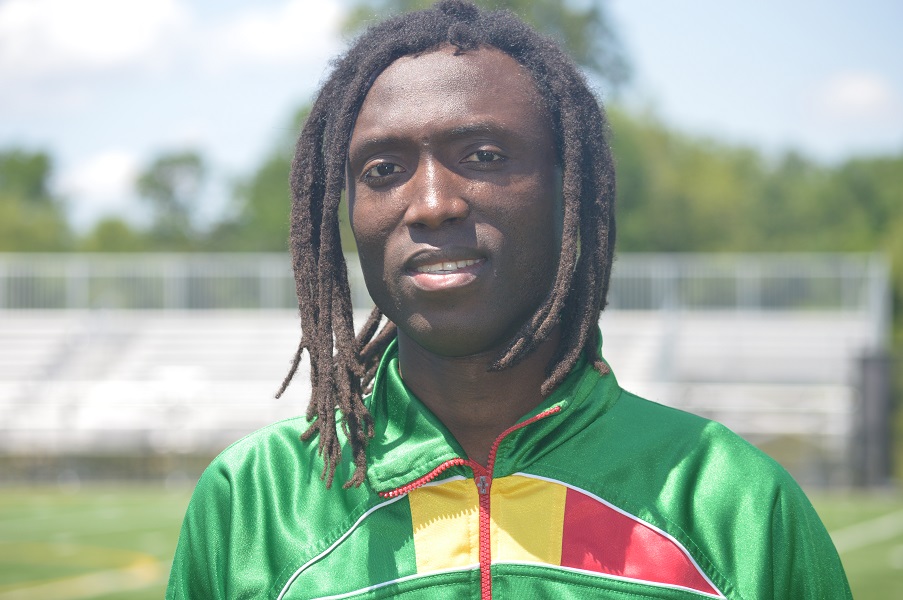

Ben Diedhiou
Benin

Black Ngando
E. Guinea

Boni Tambwe
Congo DR

Brandon C.
Cameroon

Bryan Bugarin
Philippines

Chuk Seisay
Sierra L.

Dave Atkinson
England
1
AJ Bownas
DesignationHead Coach
Coaching Formation3-5-2
CountryScotland
2
Albert Acquaye
DesignationHead Coach
Coaching Formation4-3-3
CountryGhana
Mr. Albert Acquaye is a pragmatic head coach, who is known for his high tempo, offensive minded, possession-based style, which is inspired by the new soccer style of play. His tactical approach is in stark contrast to other styles popular at the Diaspora World Cup, which is either inspired by the man-to-man marking of defense, or the zonal 4–4–2 formation. Acquaye instead uses a fluid and innovative 5–3–2 formation, which can easily transform into a 4-3-3 formation when attacking, with the full-backs, frequently running into spaces to give his team a numerical advantage
3
Alister Davis
DesignationHead Coach
Coaching Formation4-4-2
CountryPanama
Alister Davis is known for his man-to-man management skills, his composed and demanding yet caring style as a coach, and for his ability to motivate his players and build positive relationships with them, making him a well-liked figure among fans and players alike. Many observers at the Diaspora World Cup opined that Mr. Alister Davis is not the greatest tactician of soccer, but that he had a good understanding of the game, describing him as fiercely loyal to the players who serve him well, and he understands the game with his magnetic enthusiasm.
4
Ben Diedhiou
DesignationHead Coach
Coaching Formation 4-3-3
CountryBenin
Ben Diedhiou is a coach who believes in the importance of the psychological aspect of the game, as well as creating a united dressing room environment through fun, leadership, and good humor. He is known for his ability to develop youth talent and felt it is important to give his younger players freedom rather than indoctrination through tactical discussions. He also found ways to incorporate several talented players into his team. This has led to the use of switches of play to stretch their opponents and this style was not only spectacular, but also successful.
5
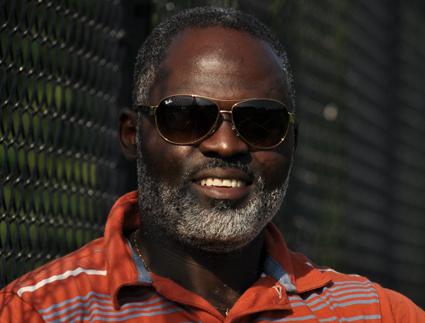
Black Ngando
DesignationHead Coach
Coaching Formation4-2-2-2
CountryE. Guinea
Head Coach of the diaspora of Equatorial G. Black Ngando has a tactic that emphasizes attractive, possession-based football, often using a fluid 4-2-2-2 formation that is more of a strategic framework than a rigid shape. His philosophy centered on positional play and intelligent movement, with full backs playing a key role in providing attacking width and overlapping runs. This style is built on a strong tactical foundation that prioritized attacking and offensive freedom, though it could be seen as vulnerable defensively even though the system encouraged a collective and unified attacking approach.
6
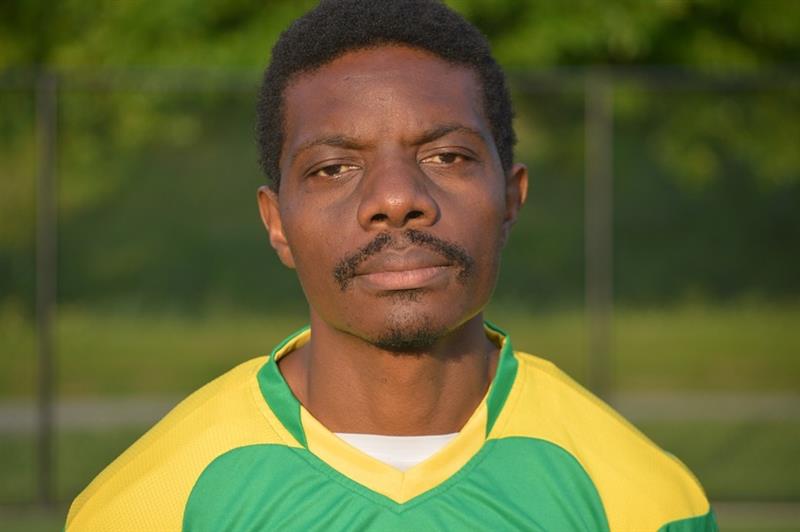
Boni Tambwe
DesignationHead Coach
Coaching Formation4-4-2
CountryCongo DR
Boniface Tambwe prefers a grass-roots approach to football, stressing the importance of at least two big, strong headers in central defense. His defensive schemes often use dominant libero. In defense, he usually prefers robustness and height over footballing abilities. Many observers at the Diaspora World Cup have criticized this as dated and anachronistic, with Tambwe rebutting the claims due to his success at the 2014 Diaspora World Cup season. His team regularly develops pressure on the wings complemented with at least one dominant header as the striker with usually more experienced players.
7
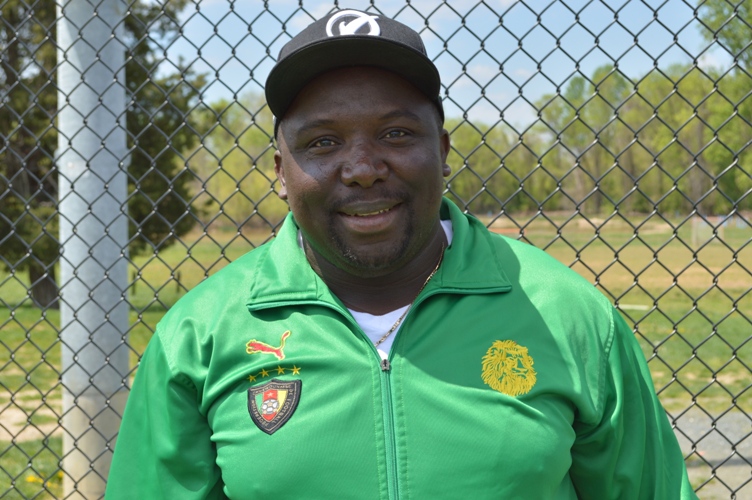
Brandon C.
DesignationHead Coach
Coaching Formation4-3-3
CountryCameroon
In contrast to other previous more offensive minded managers of the Diaspora of Cameroon, Brandon Chenwi is instead known for his more pragmatic and physical attitude as a coach, with a focus on defensive stability. During the 2014 and 2015 Diaspora World Cup, he used a formation with a strong back-line, and two defensive midfielders who won back the ball and distributed it to other players to control possession. While he was praised for his success, his tactical intelligence, the atypically less spectacular gameplay of his team under his tenure, was also criticized by fans.
8
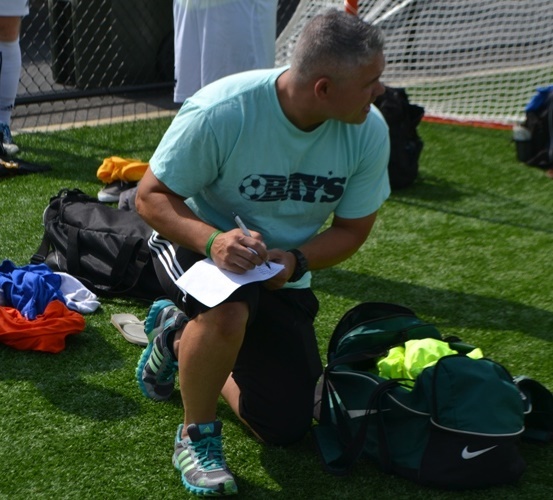
Bryan Bugarin
DesignationHead Coach
Coaching Formation4-3-3
CountryPhilippines
Bryan Bugarin is a coach known to prefer the 4-3-3 formation. In this formation, the two wingers move inside and act like attacking midfielders, creating space for the full backs and fluidity in the attack, effectively being a 4–2–2–2 when the team is on the offensive. The two holding midfielders provide the defensive muscle to win midfield battles. Utilizing this formation, his team defeated the undefeated diaspora of Turkey during the 2017 season while being down to ten men. It is essentially this formation that Bugarin also utilizes during the 2018 season.
9
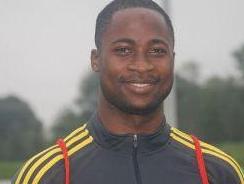
Chuk Seisay
DesignationHead Coach
Coaching Formation 4-3-3
CountrySierra L.
Chuck Seisay has an unorthodox coaching style, and this includes meticulous preparation, an underdog mentality, and a unique approach to using rules, as highlighted by anecdotes where his players deliberately exploited obscure rules to their advantage. His leadership is often confrontational and focused on creating a strong sense of togetherness within the team to achieve victory. Seisay is also known for using psychological tactics to outsmart opponents, such as the time he instructed his players to fall together in the penalty box to avoid having two players sent off.
10
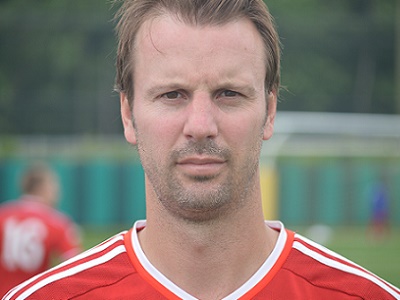
Dave Atkinson
DesignationHead Coach
Coaching Formation4-3-3
CountryEngland
Dave Atkinson as a coach has an essential philosophy to guide his team towards playing attack minded as a cohesive unit. In doing this, he believes a team can achieve the dual objectives of winning games and ensuring the enjoyment of the spectacle for the fans at the Diaspora World Cup. He is also renowned for his attention to detail and quick adaptability to the changing situations of a game particularly in the second half. During the 2014 season, he has placed emphasis on creating chances from set-pieces, while not allowing the opponent to create chances from set-pieces.

All bets are off
Lorem ipsum dolor sit amet, consectetur adipiscing elit, sed do eiusmod tempor incididunt ut
labore et dolore magna aliqua. Ut enim ad minim veniam, quis nostrud exercitation ullamco
laboris nisi ut aliquip ex ea commodo consequat. Duis aute irure dolor in
reprehenderit in voluptate velit esse cillum dolore eu fugiat nulla pariatur.
Guardian Pick
A Fulham player in the top 100! Mitro is a very good player: great in the air, decent finishing and links play well. He has some limitations, mainly lack of pace, crap penalty record and picks up too many bookings. Not sure he's necessarily one of best 100 in the world but at least it will annoy the surprisingly large numbers of people on internet desperate to be proved right that he's 'not good enough'.
Guardian Pick
Not one to critique these lists - they are what they are.
But I really dont get the Theo Hernandez love. He also appeared in more than one "team of the tournament" I saw from different media channels and pundits.While tactical shape of France was a big part of it he was completely rinsed on more than one occasion in the world cup. And while he can point to those tactics as a root cause, the manner of his rinsing was not good in my …
I think Messi deserves top spot just for the jedi assist against the Netherlands. I still wake up thinking about that sometimes. Genius.
Interesting, so he has form for miss hitting passes. I'm joking.
Interesting, so he has form for miss hitting passes. I'm joking.
Thiago Silva at #75!
Comedy gold. I know this is pointed out elsewhere on here but it bears repeating, Silva is one of top 5 defenders in Europe.