 Sign In




 Facebook
 X-Twitter
 Instagram
 Linkedin
 Youtube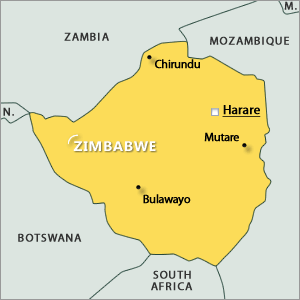
More Information
More Information
Street Soccer in Zimbabwe
Street soccer is a popular recreational activity in Zimbabwe, where children and teenagers regularly play informal football matches in neighbourhood streets, school playgrounds, village fields, community grounds, public parks, and open spaces. These games provide young players with an enjoyable and affordable way to stay active, improve their football skills, and build strong friendships through the sport.
The fast-paced and creative nature of street soccer encourages close ball control, quick passing, skillful dribbling, and intelligent movement. Playing in smaller spaces helps participants strengthen their technical ability, build confidence, improve teamwork, and develop quick decision-making while adapting to different playing conditions.
Street soccer offers an accessible way for communities across Zimbabwe to enjoy football without requiring professional facilities or expensive equipment. It promotes healthy lifestyles, strengthens local relationships, and inspires many young people to continue their football journey through schools, local clubs, academies, and organised competitions.
Street Soccer Culture in Zimbabwe
Football is one of the most popular sports in Zimbabwe, and street soccer is often where many children first develop their passion for the game. Informal matches organised by schools, friends, and neighbourhood communities create a welcoming atmosphere where players of different ages and abilities can participate while sharing their love for football.
Skills Developed Through Street Soccer
Street soccer helps players improve dribbling, first touch, passing accuracy, shooting technique, agility, balance, ball control, tactical awareness, and spatial awareness. Regular games also strengthen communication, creativity, confidence, resilience, and the ability to make quick decisions during fast-paced situations.
Street Soccer and Community Development
Street soccer brings communities together through football while encouraging teamwork, positive youth participation, and active lifestyles. It also provides aspiring players with valuable experience before progressing to school teams, local football clubs, academies, or organised youth football programmes.
The Zimbabwean in the DMV Metro

- Key Locations: Many residents are settled in suburban Maryland cities like Gaithersburg and Silver Spring, as well as parts of Northern Virginia.
- Professional Profile: Reflecting Zimbabwe’s historically high literacy rates, the diaspora in the DMV consists largely of white-collar professionals, including international development experts, medical personnel, academics, tech professionals, and policy analysts.
- The Coalition For Zimbabweans in the DC Area (COZDA): A community-driven group focused on empowering local Zimbabwean residents and supporting grassroots initiatives.
- Embassy of Zimbabwe (Washington, D.C.): Located on New Hampshire Avenue NW, the Embassy of the Republic of Zimbabwe acts as a central hub. It frequently hosts independence celebrations, educational immersion visits, and registers citizens to build a comprehensive diaspora skills database.
- The Diaspora Networking Group: Spearheads regional business summits, independent non-profit fundraising for schools and healthcare back home, and investment dialogues.
- Remittances & Investment: The DMV diaspora remains highly connected to home, frequently moving capital to support families, real estate ventures, and independent healthcare or education services in Zimbabwe.
- Events & Festivities: Annual celebrations, such as Independence Day gatherings in Gaithersburg, Maryland, regularly bring hundreds of community members together to enjoy traditional Zimbabwean food, music, and networking.
Significance
Zimbabwean immigration to the United States has generally reflected British colonial rule, the struggle for majority government, political unrest, economic decline, professional opportunities, education, asylum, and family reunification.
Zimbabwean migration historically focused on South Africa, Botswana, Zambia, the United Kingdom, and other regional destinations rather than the United States. Early overseas arrivals mainly included students, diplomats, religious workers, academics, healthcare professionals, and businesspeople seeking education or specialised employment. Emigration increased during the final years of white-minority rule and the armed struggle for independence. A larger movement developed from the late 1990s as political instability, unemployment, declining public services, land disputes, and severe economic difficulties encouraged skilled professionals and families to leave. Zimbabweans later reached the United States through university study, professional employment, family sponsorship, asylum, and the Diversity Visa programme. Community organisations, churches, and family networks helped newcomers settle while maintaining cultural connections with Zimbabwe.
Zimbabwean Migration Before Independence
Before independence, the country was known as Southern Rhodesia and was governed under British colonial influence. Migration was shaped by mining, commercial agriculture, taxation, racial restrictions, regional labour demand, and political conflict. African workers frequently travelled to South Africa, Zambia, Botswana, and neighbouring territories for employment in mines, farms, railways, construction, and domestic service. Smaller numbers went to Britain and the United States for education, religious work, diplomacy, or professional training. In 1965, the white-minority government issued a unilateral declaration of independence from Britain, which was not internationally recognised. The liberation struggle that followed displaced families and encouraged political activists, students, professionals, and refugees to seek safety or support abroad. Zimbabwe achieved internationally recognised independence on April 18, 1980.
Late-Twentieth- and Early-Twenty-First-Century Immigration
The United States recognised Zimbabwe and established diplomatic relations on the day of independence in 1980. During the following years, Zimbabweans travelled abroad primarily for education, professional employment, business, and family reasons. Emigration expanded considerably from the late 1990s and during the 2000s as political tensions, unemployment, shortages, hyperinflation, and deteriorating economic conditions affected everyday life. South Africa and the United Kingdom remained leading destinations, while the United States, Canada, Australia, and other countries attracted doctors, nurses, teachers, engineers, academics, technology workers, entrepreneurs, students, asylum seekers, and families. Zimbabwean organisations abroad helped newcomers find housing and employment while preserving English, Shona, Ndebele, traditional food, music, dance, religious practices, and close relationships with relatives at home through remittances and regular communication.
Latest Fixtures & Results
| 04.04.2027 |  |
D. Republic | - |  |
Zimbabwe |
| 04.18.2027 |  |
San Marino | - | |
Zimbabwe |
| 04.25.2027 | |
Zimbabwe | - |  |
Macedonia |
| 05.02.2027 |  |
North Korea | - | |
Zimbabwe |
| 05.09.2027 | |
Zimbabwe | - |  |
Dominica |
| 05.11.2027 | |
Zimbabwe | - |  |
United N. |
| 05.16.2027 |  |
Tunisia | - | |
Zimbabwe |
| 05.23.2027 | |
Zimbabwe | - |  |
Nicaragua |
| 05.30.2027 |  |
Grenada | - | |
Zimbabwe |
