The Diaspora World Cup operates in some of the major cities and metro areas in
United States and
Canada. Our network of register players includes 20 cities, 200 countries, 400
teams, and 10,000
players. Join our movement to solve the world's most pressing challenges:
Illiteracy
Who We are text will be here Who We are text will be here Who We are text will
be here Who We
are text will be here Who We are text will be here Who We are text will be here
Who We are text
will be here Who We are text will be here Who We are text will be here
What We Do text will be here What We Do text will be here What We Do text will
be here What We
Do text will be here What We Do text will be here What We Do text will be here
What We Do text
will be here What We Do text will be here What We Do text will be here What We
Do text will be
here What We Do text will be here What We Do text will be here
Get Involved text will be here Get Involved text will be here Get Involved text
will be here Get
Involved text will be here Get Involved text will be here Get Involved text will
be here Get
Involved text will be here Get Involved text will be here Get Involved text will
be here Get
Involved text will be here
Education is a basic Human Right and the Diaspora World Cup global school
program focuses its
energy in some the poorest countries around the world. We build schools in some
of the poorest
countries around the worldthat historically had no adequate school structure.
Any member of the
World Diaspora has the power to end illiteracy around the world through the
power of soccer.
High-profile sport figures, global leaders, business leaders, political figure,
journalists,
activists, philanthropists, actors, and entrepreneurs united by their commitment
to the Diaspora
World Cup mission to eradicate illiteracy around the world through the power of
soccer. They serve
as role models and spread the Diaspora World Cup vision and commitment of a
world mobilized
through soccer.
Diaspora 2027: complete guide to all players | The Diaspora
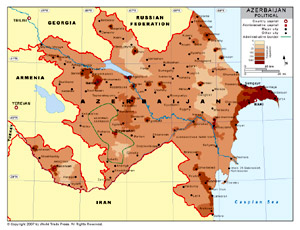
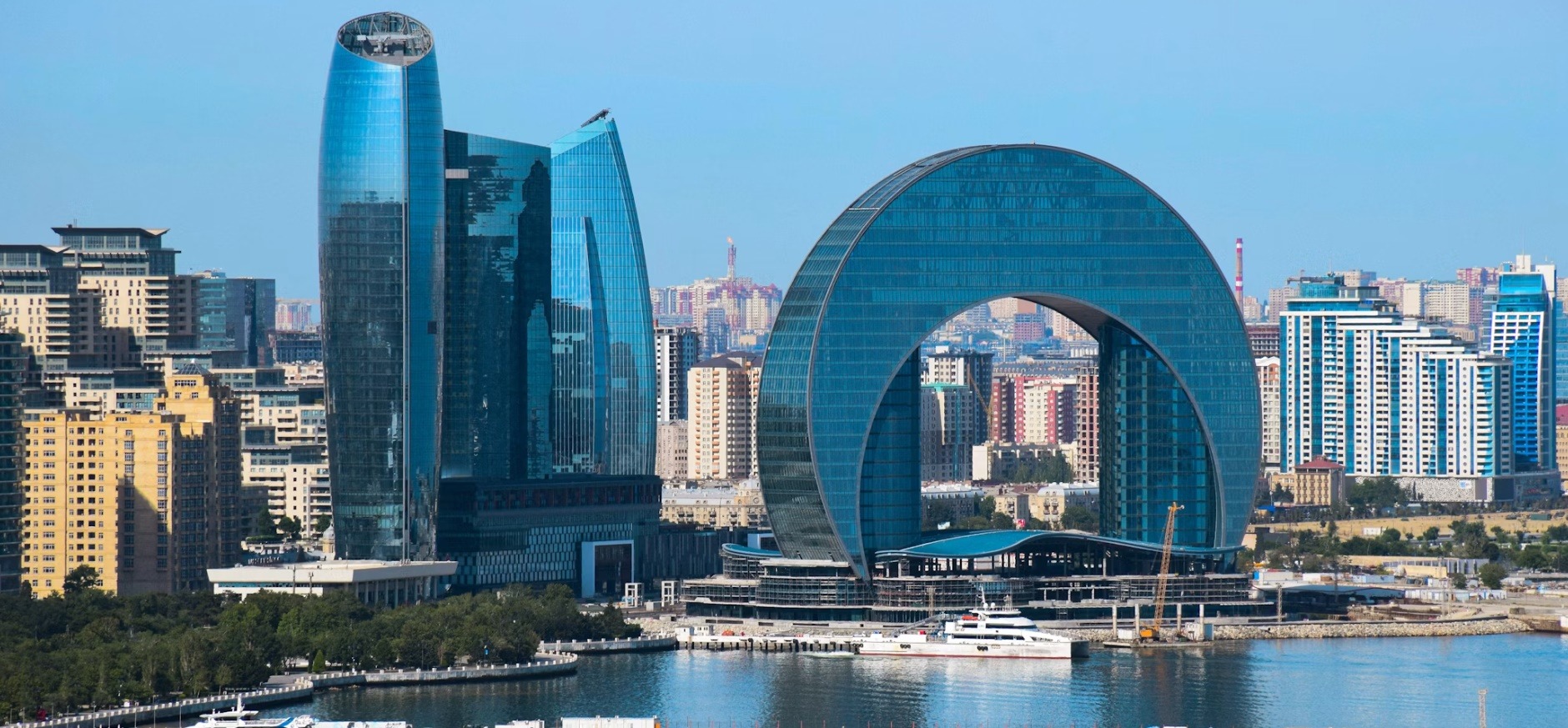
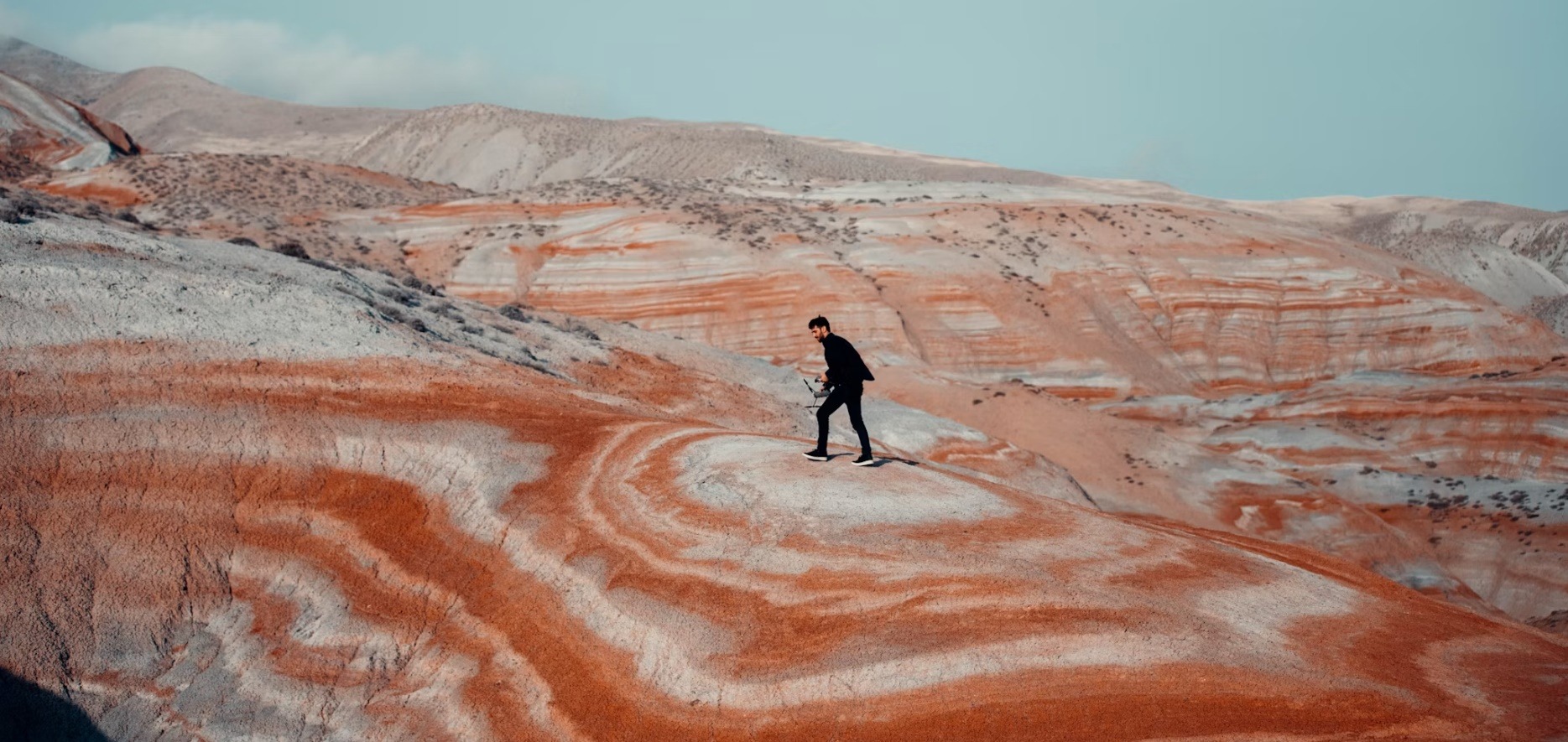
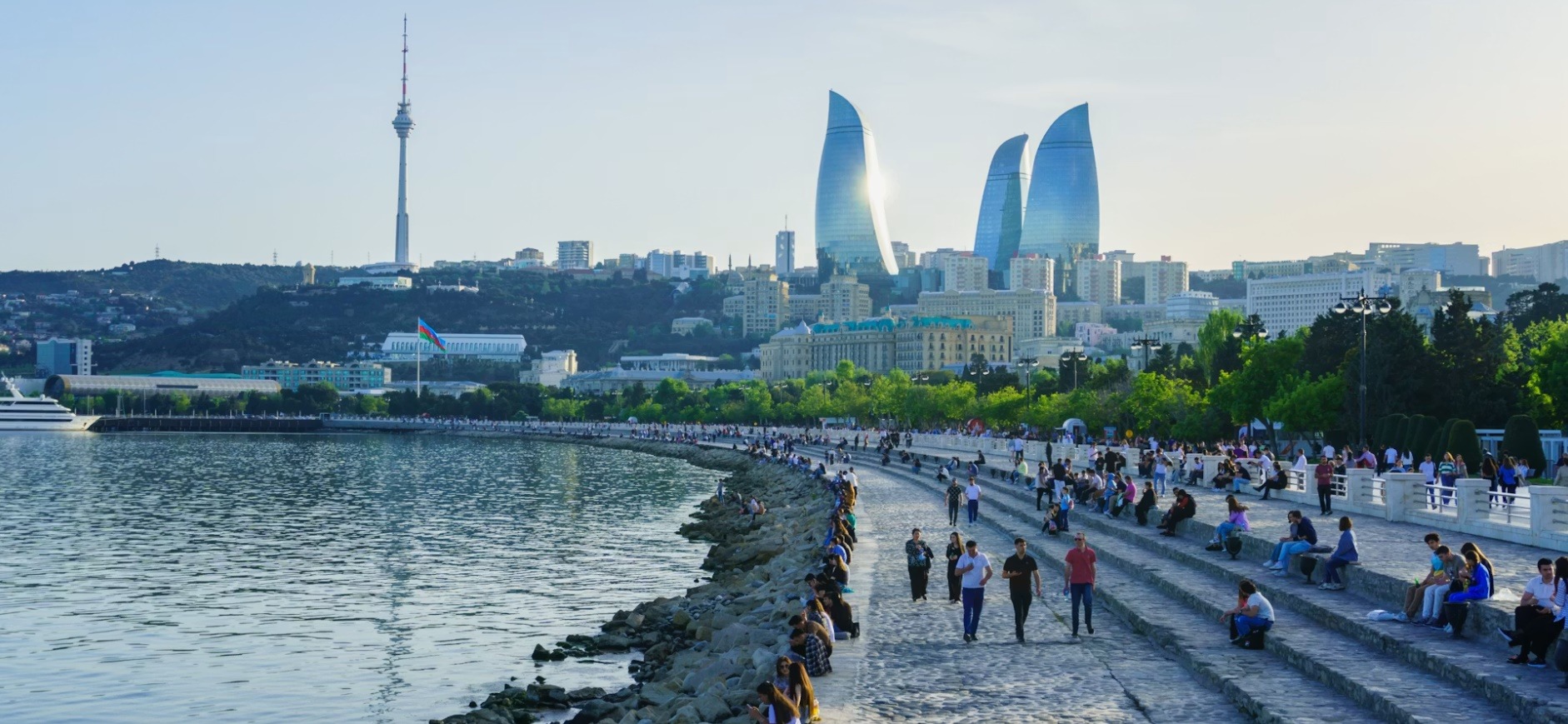
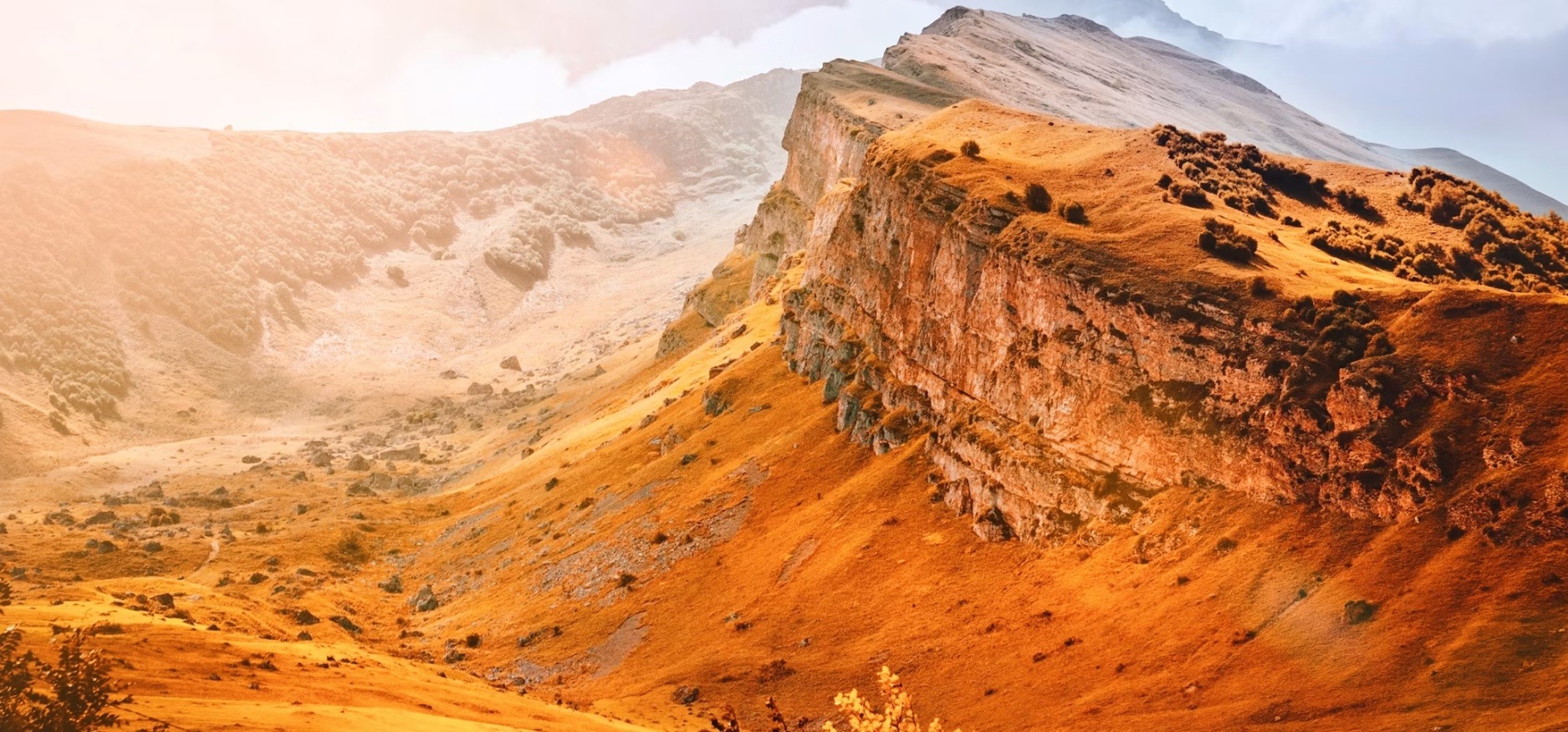
AZERBAIJAN
Welcome to the 2028 Diaspora World Cup. Rockville – Aspen Hill
Rockville – Aspen Hill
Welcome to the 2028 Diaspora World Cup. Rockville – Aspen Hill
The Azerbaijani diaspora in the DMV (District of Columbia, Maryland, and Virginia) region is an active, growing, and highly organized cultural and civic community. Centered primarily around the Washington, D.C. metro area and Northern Virginia, the community balances grassroots cultural preservation with active political and diplomatic advocacy. Key Community H...The Azerbaijani diaspora in the DMV (District of Columbia, Maryland, and Virginia) region is an active, growing, and highly organized cultural and civic community. Centered primarily around the Washington, D.C. metro area and Northern Virginia, the community balances grassroots c...
More Information
Chelsea Official
Download The 5th Stand, Chelsea’s official mobile app, to see exclusive content, match action and all the latest news from Stamford Bridge.
More Information
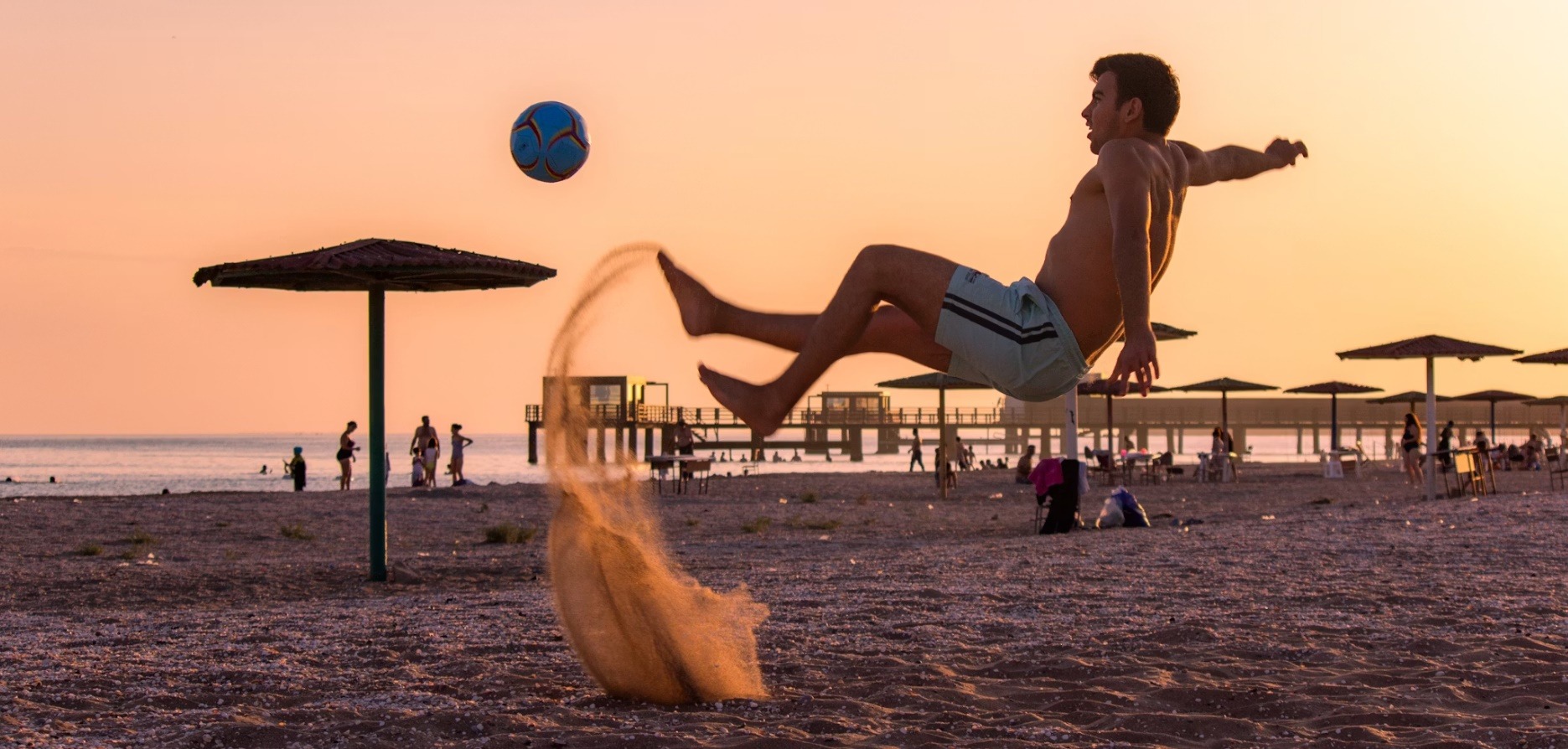
Street Soccer in Azerbaijan
Street soccer is a popular activity in Azerbaijan, where children and teenagers frequently gather in neighbourhoods, school playgrounds, parks, and open community spaces to enjoy informal football matches. These games are a regular part of daily life, giving young players an opportunity to stay active while improving their football skills with friends.
Playing in compact spaces encourages quick passing, close ball control, fast footwork, and better awareness on the field. The informal nature of street soccer also helps players build confidence, develop teamwork, and adapt to different playing conditions through regular practice.
Street soccer provides an accessible way for communities to enjoy football without the need for professional facilities or expensive equipment. It encourages healthy lifestyles, strengthens friendships, and supports the development of future football talent across the country.
Street Soccer Culture in Azerbaijan
Football is one of the most popular sports in Azerbaijan, and street soccer is often where many young players first develop their interest in the game. Friendly matches organised by neighbours, schools, and local communities create an inclusive environment where everyone has the chance to participate.
Skills Developed Through Street Soccer
Street soccer helps players improve dribbling, passing, first touch, agility, balance, and quick decision-making. The fast-paced style of play also strengthens communication, creativity, and confidence during competitive situations.
Street Soccer and Community Development
Street soccer brings local communities together through a shared passion for football while encouraging active participation among young people. It also provides aspiring players with a strong foundation before progressing to school teams, football clubs, or organised youth development programmes.
The Azerbaijani in the DMV Metro
The Azerbaijani diaspora in the DMV (District of Columbia, Maryland, and Virginia) region is an active, growing, and highly organized cultural and civic community. Centered primarily around the Washington, D.C. metro area and Northern Virginia, the community balances grassroots cultural preservation with active political and diplomatic advocacy.
Key Community Hubs & Organizations
The House of Azerbaijan: Located in Alexandria, Virginia, this primary community venue hosts cultural events, educational programs, and community gatherings.
Baku Delicious: A popular Azerbaijani market and gathering spot in the DMV area that serves as a casual hub for community meetups and national celebrations.
US-Azeris Network (USAN): A Washington, D.C.-based grassroots advocacy organization focused on connecting Azerbaijani-American voters and promoting civic engagement.
Major Cultural & Civic Activities
Annual Cultural Festivals: The community actively participates in regional events, such as the Washington D.C. Turkish Festival, featuring traditional "Innabi" dances, mugham music, and traditional clothing.
Holiday Celebrations: Annual gatherings are organized for Nowruz (Persian New Year) and national milestones like Independence Day and Victory Day, often hosted in collaboration with the Embassy of Azerbaijan.
Youth & Language Initiatives: Strong community emphasis is placed on teaching the Azerbaijani language, history, and culture to first- and second-generation youth through specialized network programs.
Significance
Azerbaijani immigration to the United States has generally reflected political upheaval, Soviet rule, conflict, economic opportunity, education, professional employment, and family reunification.
Azerbaijani migration to the United States remained limited during the early twentieth century but gradually increased after political leaders and intellectuals fled the Soviet occupation of Azerbaijan in 1920. Later arrivals included Azerbaijanis from the Soviet Union, Turkey, and Iran, particularly after the Iranian Revolution of 1979. Migration expanded following the restoration of Azerbaijan’s independence in 1991, when economic difficulties, regional conflict, education, and professional opportunities encouraged more people to relocate. Azerbaijani communities developed in New York, New Jersey, California, Texas, Florida, and other metropolitan areas. Immigrants established cultural associations, businesses, religious institutions, and professional networks while preserving the Azerbaijani language, music, food, traditions, and close relationships with relatives abroad.
Azerbaijani Migration Before Soviet Rule
Azerbaijani migration to the United States was uncommon before the twentieth century because most movement occurred within the Russian Empire, Persia, the Caucasus, and neighbouring regions. Early arrivals may have included merchants, sailors, students, diplomats, and skilled workers travelling for trade, education, or employment. Political instability increased during the Russian Revolution and the establishment of the Azerbaijan Democratic Republic in 1918. When Bolshevik forces occupied Azerbaijan in 1920, government officials, political activists, intellectuals, and supporters of independence faced pressure and persecution. Many initially escaped to Turkey, Iran, and European countries rather than travelling directly to the United States. Some members of this political diaspora later moved to America, where they promoted Azerbaijani culture and independence while maintaining connections with communities elsewhere.
Late-Twentieth-Century Immigration
Azerbaijani immigration increased during the second half of the twentieth century as refugees, students, professionals, and families moved from the Soviet Union, Iran, Turkey, and Europe. In 1957, immigrants in New Jersey established the Azerbaijan Society of America, one of the earliest organised Azerbaijani community institutions in the country. Further migration followed the Iranian Revolution of 1979, while the collapse of the Soviet Union and Azerbaijan’s renewed independence in 1991 created another important wave. Economic uncertainty, regional conflict, university education, specialised employment, and family sponsorship encouraged settlement in the United States. Azerbaijani immigrants entered fields such as medicine, engineering, science, technology, education, commerce, and the arts, while community organisations helped newcomers preserve cultural traditions and adapt to American society.
Lorem ipsum dolor sit amet, consectetur adipiscing elit, sed do eiusmod tempor incididunt ut
labore et dolore magna aliqua. Ut enim ad minim veniam, quis nostrud exercitation ullamco
laboris nisi ut aliquip ex ea commodo consequat. Duis aute irure dolor in
reprehenderit in voluptate velit esse cillum dolore eu fugiat nulla pariatur.
 Sign In




 Facebook
 X-Twitter
 Instagram
 Linkedin
 Youtube