Sign In




 Facebook
 X-Twitter
 Instagram
 Linkedin
 Youtube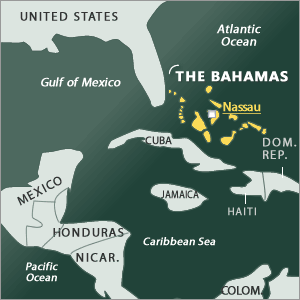

Significance
Bahamian migration has generally reflected colonial rule, limited employment opportunities, maritime trade, agricultural work, tourism, family connections, natural disasters, education, and the islands’ close relationship with the United States.
Bahamian migration developed through centuries of movement between the islands, Florida, and other Caribbean territories for fishing, shipwreck salvage, trade, marriage, and employment. Movement to the United States increased during the nineteenth and early twentieth centuries, particularly toward Key West and South Florida, where Bahamians worked in fishing, sponging, farming, construction, and domestic service. Between 1900 and 1920, thousands of Bahamians moved to Florida, sometimes as seasonal agricultural workers. Later migration continued through education, professional employment, family reunification, and temporary labour programmes. Bahamian communities helped shape settlements in Key West, Coconut Grove, Lemon City, and other areas of South Florida while maintaining close cultural and family connections with their home islands.
Bahamian Migration Before Independence
Before The Bahamas gained independence, migration was shaped by British colonial rule and the islands’ location near Florida and major Atlantic shipping routes. British Loyalists and enslaved Africans arrived after the American Revolution, while liberated Africans and African Seminoles later settled in different parts of the islands. Bahamians regularly travelled to the Florida Keys to fish, collect sponges, catch turtles, salvage wrecked ships, and trade goods. During the late nineteenth and early twentieth centuries, limited farmland, unemployment, hurricanes, and changes in industries such as sponging encouraged many residents to relocate to Key West, Miami, and nearby communities. Bahamian immigrants established churches, businesses, neighbourhoods, and family networks that contributed significantly to the early development of South Florida.
Late-Twentieth-Century Migration
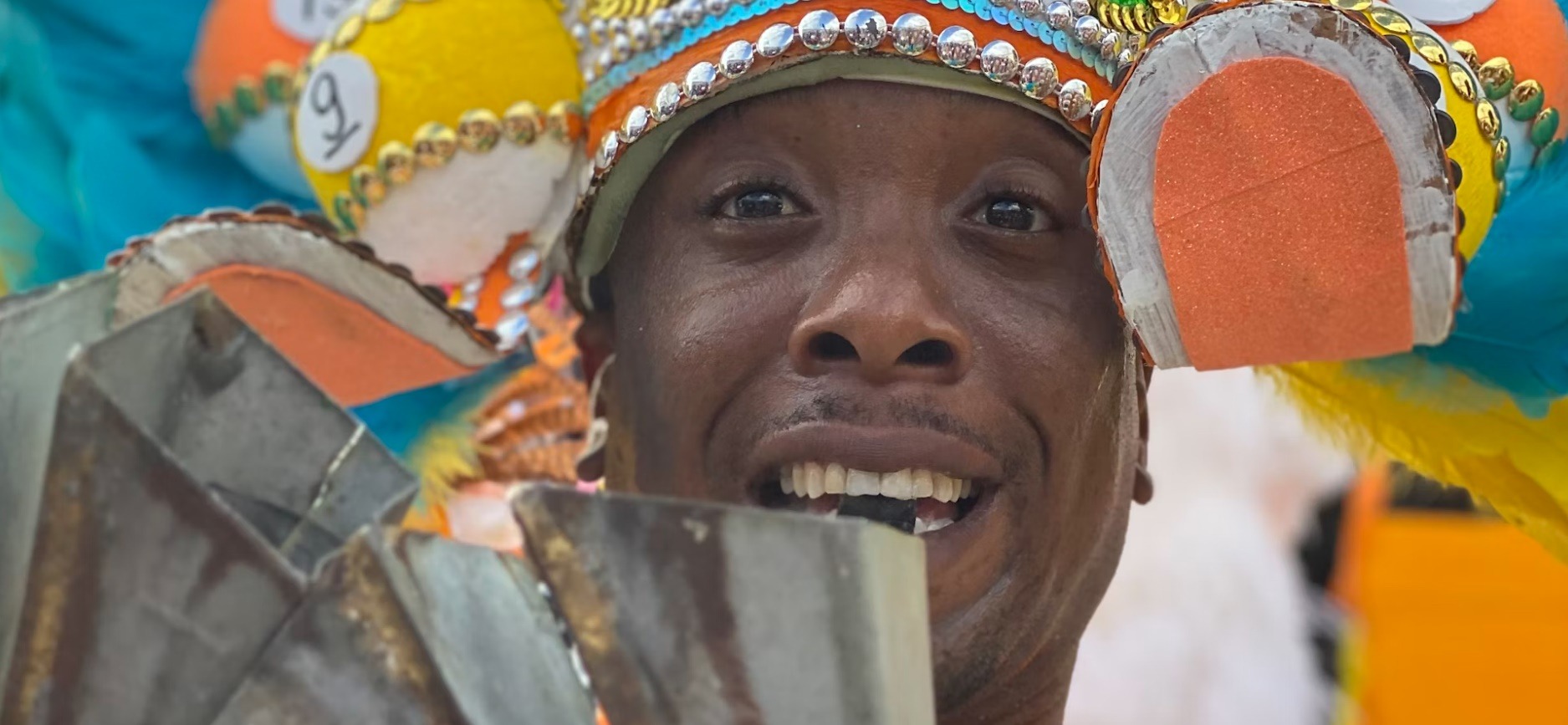
The Bahamas achieved independence from Britain on July 10, 1973, but migration remained an important part of the country’s economic and social life. Bahamians continued moving to the United States, Canada, and the United Kingdom for university education, healthcare, professional employment, and family reunification. At the same time, the growth of tourism, hotels, construction, financial services, and transportation attracted workers from Haiti, Jamaica, other Caribbean countries, and overseas. Some Bahamians returned after studying or working abroad, bringing professional experience and financial resources to the islands. Migrants and their descendants continued to preserve Bahamian traditions through family organisations, churches, food, music, Junkanoo celebrations, and regular travel between The Bahamas and established communities abroad.