 Sign In




 Facebook
 X-Twitter
 Instagram
 Linkedin
 Youtube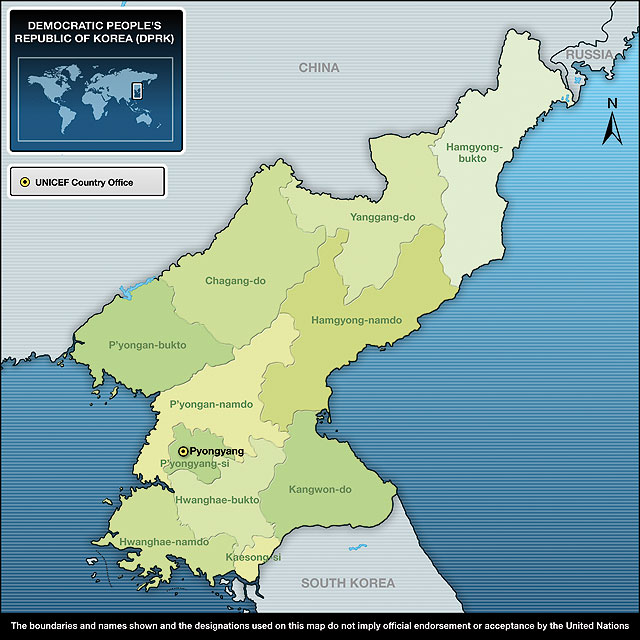
More Information
More Information
Street Soccer in North Korea
Street soccer is a recreational activity enjoyed by children and teenagers in North Korea, where informal football games are often played in school grounds, neighbourhood areas, public spaces, and local community fields. These games provide young players with opportunities to stay active, practice football skills, and enjoy the sport with friends.
The smaller and informal nature of street soccer encourages quick passing, close ball control, teamwork, and fast decision-making. Playing in simple environments helps participants develop technical skills, creativity, and confidence while adapting to different playing conditions.
Street soccer provides a simple and accessible way for communities across North Korea to participate in football without requiring large professional facilities. It encourages physical activity, social interaction, and interest in the sport among young players.
Street Soccer Culture in North Korea
Football is one of the most recognised sports in North Korea, and many young players begin learning the game through informal matches with classmates, neighbours, and local groups. These games help introduce basic football techniques and encourage participation from an early age.
Skills Developed Through Street Soccer
Street soccer helps players improve dribbling, first touch, passing accuracy, agility, balance, ball control, and awareness. Regular play also develops communication, teamwork, discipline, and quick decision-making during matches.
Street Soccer and Community Development
Street soccer encourages community participation by bringing young people together through football. It supports active lifestyles, teamwork, and skill development while providing a foundation for players interested in progressing to school teams, local clubs, or organised football programmes.
The NORTH KOREA in the DMV Metro

The **North Korean diaspora in the DMV** (District of Columbia, Maryland, and Virginia) is a highly specialized **micro-diaspora** composed primarily of North Korean defectors, human-rights advocates, researchers, students, and policy professionals. Unlike larger immigrant communities, the region does not contain a traditional North Korean ethnic enclave. Instead, its significance comes from **Washington's role as the center of U.S. foreign policy, North Korean human-rights advocacy, and international diplomacy**.
### Civic Advocacy & Community Networks
* **Human Rights Advocacy:** The DMV serves as one of the country's most important centers for organizations advocating for **North Korean human rights and refugee issues**. Local forums, conferences, public campaigns, and congressional events provide platforms for defectors to share personal experiences and raise awareness about conditions inside North Korea.
* **Alliance for Korea United — Washington:** **AKU Washington** provides a civic platform connecting Korean-American organizations, North Korean defectors, activists, and supporters. Its programming includes events focused on North Korean defector history, reunification, human rights, and public education.
* **Friends for Future:** The **Friends for Future** network connects North Korean survivors and defectors with American professionals, universities, nonprofits, and community organizations. Its programs emphasize mentorship, education, career development, and long-term integration into American society.
* **Federal Policy Network:** Washington's concentration of federal agencies, congressional offices, think tanks, and human-rights organizations gives local North Korean advocates unusually direct access to policymakers. Defectors and advocacy groups regularly participate in briefings, conferences, testimony, and public diplomacy programs focused on North Korea.
### Key Community Gatherings
* **North Korean Defectors' Day:** **July 14** provides a dedicated occasion for recognizing North Korean defectors and highlighting their experiences. Local advocacy groups use the occasion for commemorative programs, educational forums, fundraising, and discussions about preserving the history of North Korean escapees.
* **Human Rights & Policy Forums:** Throughout the year, universities, think tanks, advocacy organizations, and government institutions in Washington host conferences and panel discussions addressing North Korean human rights, refugee policy, freedom of information, reunification, and regional security.
* **Defector Cultural Events:** Visiting North Korean defectors, youth groups, athletes, and survivors are often brought to Washington for meetings with policymakers, community organizations, and American audiences, making the capital an important national stage for their stories.
### Korean-American Community Connections
Because there is no substantial North Korean commercial enclave, the community's everyday social and cultural infrastructure overlaps significantly with the **much larger Korean-American population in the DMV**.
* **Annandale:** Northern Virginia's Korean-American commercial center provides access to Korean grocery stores, restaurants, churches, professional services, and community organizations. These institutions can also provide informal cultural and practical support to North Korean newcomers.
* **Ellicott City & Suburban Maryland:** The broader Korean-American community in Maryland provides additional access to Korean-language services, churches, markets, restaurants, and social networks.
* **Korean-American Churches & Mutual-Aid Networks:** Korean churches and community organizations can serve as important informal bridges for language assistance, employment connections, social integration, and practical support, particularly for individuals adjusting to life in the United States.
### Academic & Professional Networks
The DMV's universities and policy institutions also provide an important support structure for the community.
* **Universities & Scholarships:** North Korean defectors studying in the region can connect with specialized scholarship programs, mentors, researchers, and university-based networks focused on education and professional development.
* **Think Tanks & Policy Institutions:** Washington's concentration of Korea-focused researchers, diplomats, journalists, and foreign-policy specialists creates a professional ecosystem where North Korean defectors can contribute firsthand perspectives to academic and policy discussions.
Overall, the **North Korean presence in the DMV is defined less by population size and more by political visibility and institutional importance**. The community is anchored by human-rights organizations, defector networks, federal policy institutions, universities, and the broader Korean-American community. Washington therefore functions not as a traditional North Korean neighborhood, but as a **national hub for North Korean human-rights advocacy, defector voices, education, and policy engagement**.
Significance
Immigration from North Korea has generally reflected political division, armed conflict, authoritarian governance, humanitarian displacement, educational opportunities, professional employment, asylum, refugee resettlement, and family reunification.
Migration from North Korea has historically been shaped by war, political isolation, strict government controls, and humanitarian conditions. Unlike most countries, emigration from North Korea has been highly restricted for decades, making overseas migration relatively rare. Those who have left have often done so by fleeing persecution, political repression, food insecurity, or economic hardship, typically travelling first through neighboring countries before seeking asylum elsewhere. A small number have ultimately settled in the United States through refugee resettlement, humanitarian protection, education, or family reunification programs. Today, North Korean immigrants and refugees in the United States maintain close ties with the broader Korean community while adapting to life in a democratic society.
North Korean Migration Before the Division of Korea
Before the division of the Korean Peninsula, the northern region formed part of Korea, which was annexed by Japan in 1910 and remained under Japanese colonial rule until 1945. Migration during this period was influenced by agriculture, mining, industrial development, military service, education, and forced labor under Japanese administration. Koreans travelled within East Asia as farmers, laborers, students, merchants, teachers, and civil servants, while some were compelled to relocate during the colonial era. Following Japan's surrender in 1945, Korea was divided along the 38th parallel, leading to the establishment of the Democratic People's Republic of Korea (North Korea) on September 9, 1948. The United States did not establish diplomatic relations with North Korea, and migration between the two countries remained extremely limited.
Late-Twentieth- and Early-Twenty-First-Century Immigration
Migration from North Korea has remained limited because of strict government restrictions on international travel and emigration. The Korean War (1950–1953), recurring food shortages during the 1990s, political persecution, and ongoing human rights concerns prompted some North Koreans to flee through China and Southeast Asia before seeking protection in South Korea, the United States, or other countries. A small number have entered the United States through refugee resettlement, humanitarian protection, educational opportunities, or family reunification. In the United States, North Korean immigrants and refugees often rely on family networks, churches, refugee assistance organizations, Korean community associations, and humanitarian groups for support with housing, employment, education, language services, and community integration while preserving the Korean language, traditional cuisine, cultural heritage, and connections with relatives who remain on the Korean Peninsula.
Latest Fixtures & Results
| 04.04.2027 |  |
North Korea | - |  |
Grenada |
| 04.11.2027 |  |
D. Republic | - | |
North Korea |
| 04.18.2027 | |
North Korea | - |  |
United N. |
| 04.25.2027 |  |
San Marino | - | |
North Korea |
| 05.02.2027 | |
North Korea | - |  |
Zimbabwe |
| 05.09.2027 | |
North Korea | - |  |
Macedonia |
| 05.16.2027 |  |
Dominica | - | |
North Korea |
| 05.23.2027 | |
North Korea | - |  |
Tunisia |
| 05.30.2027 |  |
Nicaragua | - | |
North Korea |
