The Diaspora World Cup operates in some of the major cities and metro areas in
United States and
Canada. Our network of register players includes 20 cities, 200 countries, 400
teams, and 10,000
players. Join our movement to solve the world's most pressing challenges:
Illiteracy
Who We are text will be here Who We are text will be here Who We are text will
be here Who We
are text will be here Who We are text will be here Who We are text will be here
Who We are text
will be here Who We are text will be here Who We are text will be here
What We Do text will be here What We Do text will be here What We Do text will
be here What We
Do text will be here What We Do text will be here What We Do text will be here
What We Do text
will be here What We Do text will be here What We Do text will be here What We
Do text will be
here What We Do text will be here What We Do text will be here
Get Involved text will be here Get Involved text will be here Get Involved text
will be here Get
Involved text will be here Get Involved text will be here Get Involved text will
be here Get
Involved text will be here Get Involved text will be here Get Involved text will
be here Get
Involved text will be here
Education is a basic Human Right and the Diaspora World Cup global school
program focuses its
energy in some the poorest countries around the world. We build schools in some
of the poorest
countries around the worldthat historically had no adequate school structure.
Any member of the
World Diaspora has the power to end illiteracy around the world through the
power of soccer.
High-profile sport figures, global leaders, business leaders, political figure,
journalists,
activists, philanthropists, actors, and entrepreneurs united by their commitment
to the Diaspora
World Cup mission to eradicate illiteracy around the world through the power of
soccer. They serve
as role models and spread the Diaspora World Cup vision and commitment of a
world mobilized
through soccer.
Diaspora 2027: complete guide to all players | The Diaspora
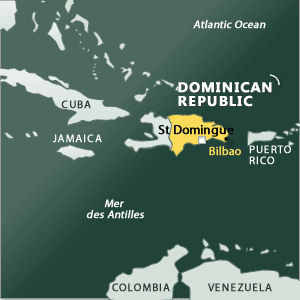
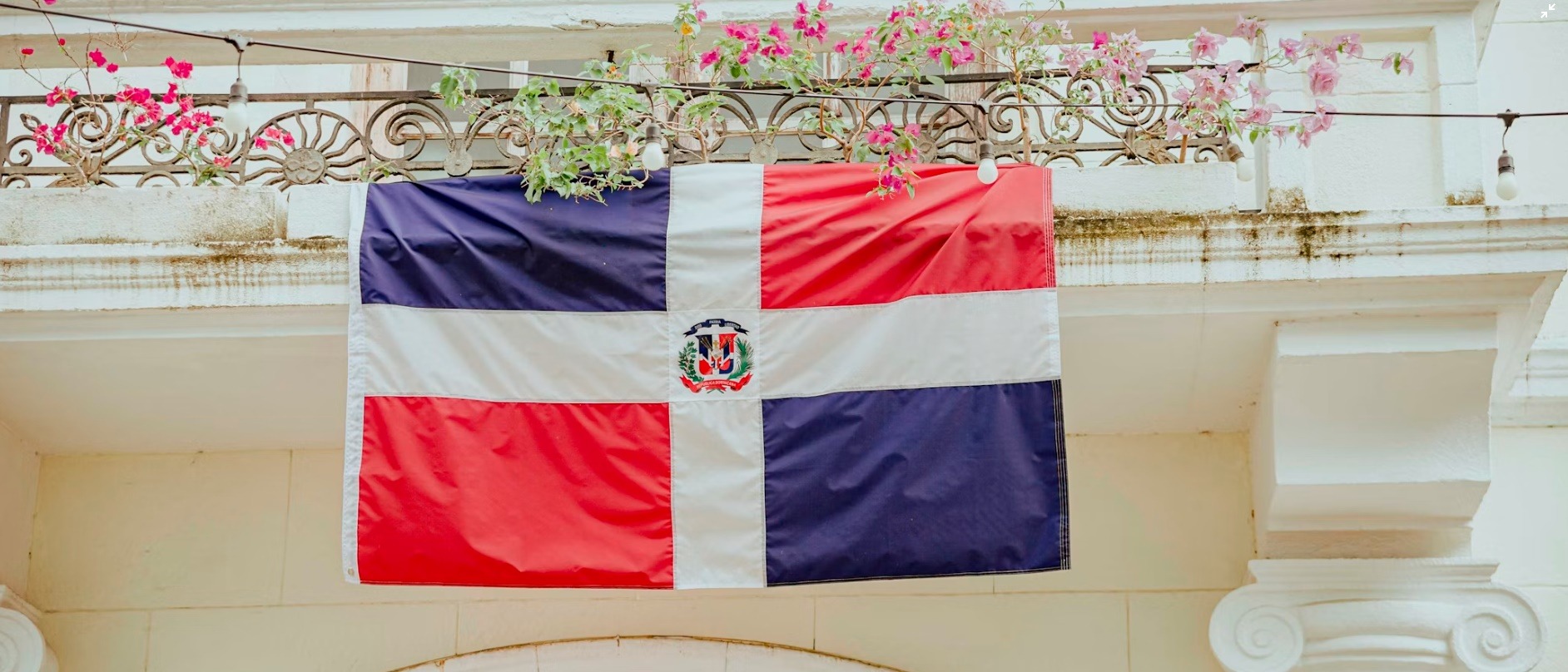
D. REPUBLIC
Welcome to the 2028 Diaspora World Cup. Rockville – Aspen Hill
Rockville – Aspen Hill
Welcome to the 2028 Diaspora World Cup. Rockville – Aspen Hill
The Dominican diaspora holds a distinct and rapidly growing presence within the Washington, D.C., Maryland, and Virginia (DMV) area. While the region's overall Hispanic population has historically been shaped predominantly by Central American communities - particularly Salvadorans - the Dominican population has carved out rich professional networks, culinary stro...The Dominican diaspora holds a distinct and rapidly growing presence within the Washington, D.C., Maryland, and Virginia (DMV) area. While the region's overall Hispanic population has historically been shaped predominantly by Central American communities - particularly Salvadoran...
More Information
Chelsea Official
Download The 5th Stand, Chelsea’s official mobile app, to see exclusive content, match action and all the latest news from Stamford Bridge.
More Information
Street Soccer in Dominican Republic
Street soccer is a popular activity in the Dominican Republic, where children and teenagers regularly play football in neighbourhood streets, school areas, public courts, parks, and community spaces. These informal games bring young people together and provide an enjoyable way to stay active while developing their football skills.
The lively nature of street soccer helps players improve quick footwork, close ball control, passing, and creativity. Playing in smaller areas encourages fast reactions, individual expression, and teamwork, allowing participants to learn through constant involvement in the game.
Street soccer provides an accessible way for communities across the Dominican Republic to enjoy football without requiring expensive facilities. It supports active lifestyles, strengthens social connections, and gives young players an opportunity to build confidence through sport.
Street Soccer Culture in Dominican Republic
Football continues to grow in popularity in the Dominican Republic, and street soccer plays an important role in introducing young people to the game. Matches are often organised by friends, schools, and local groups, creating a welcoming space where players can participate and enjoy football together.
Skills Developed Through Street Soccer
Street soccer helps players develop dribbling, ball control, passing, agility, balance, and awareness. The fast rhythm of the game also improves communication, decision-making, and the ability to respond quickly during competitive situations.
Street Soccer and Community Development
Street soccer connects communities by bringing people together through football and encouraging positive recreational activities. It also helps talented players gain practical experience before joining local clubs, school teams, or organised football programmes.
Chelsea Official
The Dominican diaspora holds a distinct and rapidly growing presence within the Washington, D.C., Maryland, and Virginia (DMV) area. While the region's overall Hispanic population has historically been shaped predominantly by Central American communities - particularly Salvadorans - the Dominican population has carved out rich professional networks, culinary strongholds, and cultural visibility across the metropolitan footprint.
📊 Population & Demographics
Growth Trends: Nationwide, the Dominican-origin population grew significantly over the last two decades. In the DMV, they represent an expanding segment of the Caribbean community, numbering an estimated 13,800+ foreign-born residents alongside a robust population of second-generation Dominican-Americans.
Regional Hubs: In Washington, D.C. proper, they comprise over 11% of the total Hispanic population, clustered visibly in neighborhoods like Mount Pleasant, Columbia Heights, and parts of Ward 4 (such as Brightwood). In the suburbs, vibrant communities thrive across Prince George's County and Montgomery County in Maryland.
🤝 Professional & Cultural Networks
The community connects tightly through targeted professional organizations and civic advocacy bodies:
Dominican Professional Association (DPA): Founded in 2021, the DPA supports young professionals, intellectual growth, and small businesses. It focuses extensively on networking across Maryland, Virginia, and D.C., while heavily celebrating Afro-Latino culture and local community representation.
Mayor's Office on Latino Affairs (MOLA): D.C.'s official municipal resource body that works directly with community leaders to ensure the Dominican diaspora possesses direct access to language services, workforce training, and cultural equity funding.
Cultural Imprint: Annual celebration - such as Dominican Independence Day events hosted in tandem with local city agencies - keep traditional music, dance, and heritage visible downtown.
Culinary Hubs & Community Gathering Places
Because the local diaspora is more dispersed than the massive enclaves found in the Northeast, Dominican "comedores" (diners) and traditional restaurants serve as the vital physical anchors for the community.
Significance
Dominican immigration to the United States has generally reflected political instability, dictatorship, economic hardship, employment opportunities, family reunification, education, and established migration networks.
Dominican migration to the United States remained relatively limited until the second half of the twentieth century. Early arrivals included merchants, sailors, students, diplomats, artists, businesspeople, and professionals travelling for trade, education, or specialised employment. Large-scale migration began during the 1960s following the assassination of longtime dictator Rafael Trujillo in 1961 and the political and economic instability that followed. Immigration expanded after the Immigration and Nationality Act of 1965 prioritised family reunification, enabling established immigrants to sponsor close relatives. Dominican communities developed especially in New York, New Jersey, Florida, Massachusetts, Pennsylvania, and Rhode Island. Immigrants established businesses, restaurants, churches, newspapers, cultural associations, and family networks while maintaining strong relationships with the Dominican Republic.
Dominican Migration Before the Major Immigration Waves
Before the 1960s, direct Dominican migration to the United States was comparatively uncommon. The Dominican Republic declared independence from Haiti in 1844, returned to Spanish rule in 1861, and restored its independence in 1865. Early international movement occurred mainly between the Dominican Republic, Puerto Rico, Cuba, other Caribbean islands, and the United States. Dominicans travelling to America were commonly merchants, sailors, diplomats, students, political exiles, religious workers, or members of internationally connected families. Maritime trade and geographic proximity supported movement to New York and other eastern ports, but migrants remained widely dispersed and did not initially form large communities. Political instability and changing governments periodically forced opposition figures and intellectuals into exile, creating early networks that later helped relatives and other migrants settle in the United States.
Late-Twentieth-Century Immigration
Dominican immigration increased substantially after Trujillo’s death in 1961, the political crisis of the early 1960s, and the armed conflict and United States intervention of 1965. Economic difficulties, unemployment, political uncertainty, and higher American wages encouraged additional migration. Family reunification became the principal pathway after the 1965 immigration reforms, producing continuing migration through relatives already established in the United States. New York City became the main centre of Dominican settlement, particularly neighbourhoods in Upper Manhattan and the Bronx, while important communities also developed in New Jersey, Massachusetts, Florida, Pennsylvania, and Rhode Island. Dominican immigrants created grocery stores, restaurants, transportation companies, beauty salons, churches, media organisations, and cultural associations while preserving Spanish, merengue and bachata music, traditional food, religious customs, baseball culture, and close family connections across national borders.
Lorem ipsum dolor sit amet, consectetur adipiscing elit, sed do eiusmod tempor incididunt ut
labore et dolore magna aliqua. Ut enim ad minim veniam, quis nostrud exercitation ullamco
laboris nisi ut aliquip ex ea commodo consequat. Duis aute irure dolor in
reprehenderit in voluptate velit esse cillum dolore eu fugiat nulla pariatur.
 Sign In




 Facebook
 X-Twitter
 Instagram
 Linkedin
 Youtube