 Sign In




 Facebook
 X-Twitter
 Instagram
 Linkedin
 Youtube
More Information
More Information
Street Soccer in United Nations
Street soccer is enjoyed by people from many countries represented within the United Nations. Children and young people around the world regularly play informal football matches in neighbourhood streets, school playgrounds, community parks, public courts, and open spaces. These games provide an accessible way to stay active, improve football skills, and build friendships through the sport.
The fast-paced nature of street soccer encourages close ball control, quick passing, creative dribbling, and intelligent movement. Playing in compact spaces helps participants improve their technical ability, confidence, teamwork, and decision-making while adapting to different playing conditions.
Street soccer promotes inclusion, healthy lifestyles, cultural exchange, and community engagement. It demonstrates how football can bring people together across different backgrounds while encouraging fair play, respect, and cooperation.
Street Soccer Culture in United Nations
Football is one of the world's most popular sports, and street soccer reflects its universal appeal across many cultures and communities. Informal matches create opportunities for people of different ages and backgrounds to connect through a shared love of the game.
Skills Developed Through Street Soccer
Street soccer helps players improve dribbling, first touch, passing accuracy, shooting technique, agility, balance, ball control, tactical awareness, and spatial awareness. Regular games also strengthen communication, creativity, confidence, teamwork, and the ability to make quick decisions under pressure.
Street Soccer and Community Development
Street soccer encourages positive youth participation, active lifestyles, teamwork, and social inclusion. Around the world, it serves as a pathway for aspiring players to progress into school teams, local football clubs, academies, futsal programmes, and organised youth football competitions.
UNITED N.

- PAHO (Pan American Health Organization): Headquartered in Foggy Bottom, PAHO serves as the independent regional office of the World Health Organization (WHO) for the Americas. It employs a vast, multi-national network of global public health experts and scientists.
- The Bretton Woods Complements: While technically independent, the World Bank Group and the International Monetary Fund (IMF) work in lockstep with the UN system. Their sprawling downtown D.C. headquarters house thousands of international development economists and policy professionals who collaborate closely with UN agencies like UNDP and UNICEF.
- UN Field and Liaison Offices: Agencies like the UN High Commissioner for Refugees (UNHCR), the UN Environment Programme (UNEP), and the World Food Programme (WFP) maintain highly active Washington liaison offices. These offices serve as career destinations for international civil servants managing U.S. government relations and global logistics.
- UNA-NCA (United Nations Association of the National Capital Area): Established in 1952, UNA-NCA is one of the oldest and largest divisions of the United Nations Association of the USA. It functions as a core community anchor for over 2,000 members, volunteers, and supporters.
- The Young Professionals Program (UNA-NCA YP): This localized initiative provides extensive career scaffolding, networking happy hours, and mentorship pipelines for next-generation international affairs professionals entering the multilateral ecosystem. [1]
- Strategic Intersectional Alliances: The local UN diaspora frequently interfaces with local affinity groups. For example, UNA-NCA partners with Black Professionals in International Affairs (BPIA) to host high-profile events, such as the Global Affairs Forum, linking the multilateral community with regional diplomatic leaders. [1]
Significance
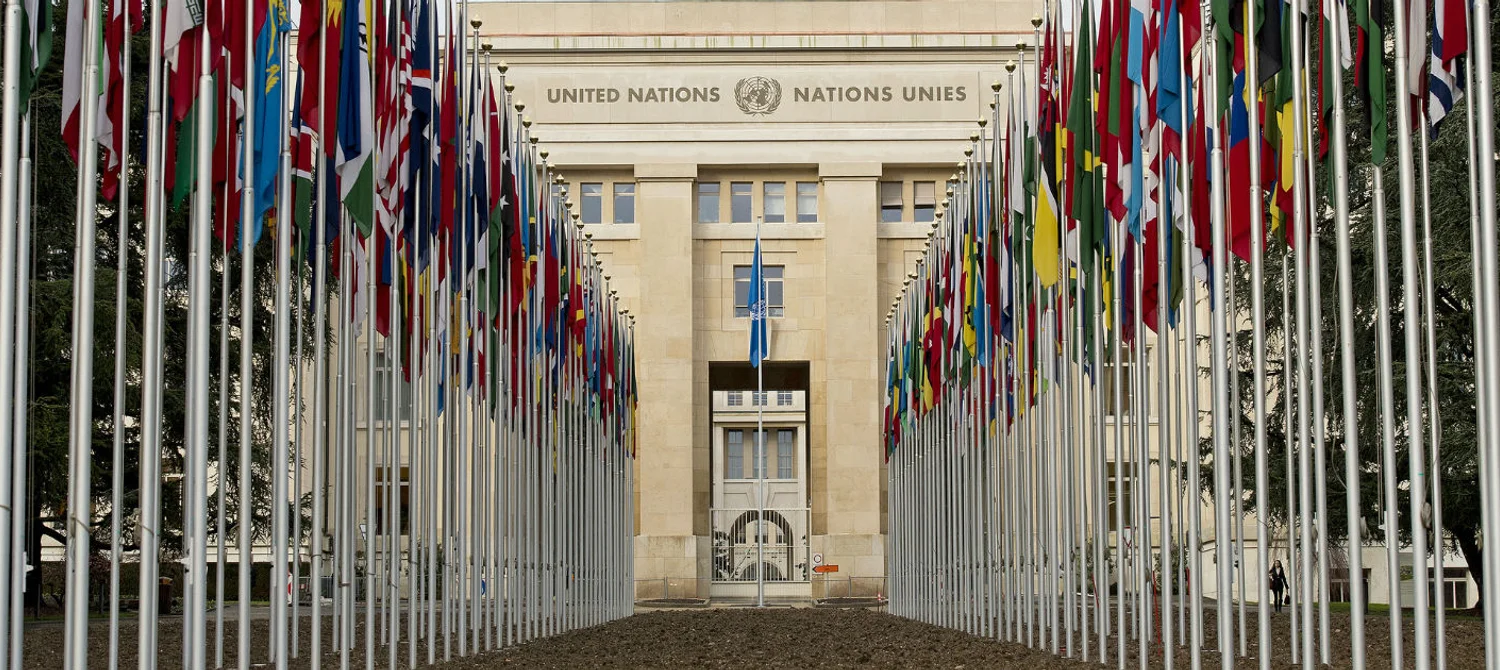
The United Nations is not a country, but it has significantly influenced global migration by protecting refugees, coordinating humanitarian assistance, supporting displaced populations, promoting human rights, and encouraging international cooperation.
The United Nations was established after World War II to preserve international peace, promote cooperation, protect human rights, and address humanitarian problems affecting people across national borders. Migration became an important part of its work as wars, persecution, decolonisation, poverty, and political instability displaced millions. UN agencies assist refugees, internally displaced people, stateless persons, migrant workers, asylum seekers, and communities receiving newcomers. The Office of the United Nations High Commissioner for Refugees protects people forced to flee, while the International Organization for Migration supports governments and migrants through emergency assistance, resettlement, health programmes, voluntary return, and migration policy. These organisations do not control national immigration laws but help countries cooperate and respond to migration more safely and humanely.
International Cooperation Before the United Nations
Before the United Nations existed, responsibility for migrants and refugees rested mainly with individual governments, charities, religious organisations, and temporary international bodies. World War I, revolutions, changing borders, persecution, and the collapse of empires created large refugee populations across Europe and neighbouring regions. The League of Nations introduced early international efforts to assist refugees, but protection remained limited and inconsistent. World War II produced an even greater humanitarian emergency as millions were killed, displaced, deported, or left without homes. Allied governments consequently supported the creation of a stronger international organisation. The United Nations Charter was signed in San Francisco on June 26, 1945, and the organisation officially came into existence on October 24, 1945.
Postwar Refugee and Migration Protection
After World War II, the United Nations developed institutions and legal standards for people forced to cross borders. UNHCR was established in 1950 to help displaced Europeans and later expanded its work to refugee crises worldwide. The 1951 Refugee Convention defined who qualifies as a refugee and established important protections, while the 1967 Protocol removed the Convention’s original time limitations. The United Nations also supports humanitarian relief, refugee resettlement, voluntary return, local integration, statelessness reduction, and protection during armed conflict. The International Organization for Migration formally joined the UN system in 2016 and now coordinates migration-related support with governments and humanitarian partners. Together, UN bodies promote safer migration while recognising that individual countries retain authority over admission, visas, citizenship, and border policies.
Latest Fixtures & Results
| 04.04.2027 |  |
United N. | - |  |
San Marino |
| 04.18.2027 |  |
North Korea | - | |
United N. |
| 04.25.2027 | |
United N. | - |  |
Dominica |
| 05.02.2027 |  |
Tunisia | - | |
United N. |
| 05.09.2027 | |
United N. | - |  |
Nicaragua |
| 05.11.2027 |  |
Zimbabwe | - | |
United N. |
| 05.16.2027 |  |
Grenada | - | |
United N. |
| 05.23.2027 | |
United N. | - |  |
D. Republic |
| 05.30.2027 |  |
Macedonia | - | |
United N. |
