
The Diaspora World Cup operates in some of the major cities and metro areas in
United States and
Canada. Our network of register players includes 20 cities, 200 countries, 400
teams, and 10,000
players. Join our movement to solve the world's most pressing challenges:
Illiteracy
Who We are text will be here Who We are text will be here Who We are text will
be here Who We
are text will be here Who We are text will be here Who We are text will be here
Who We are text
will be here Who We are text will be here Who We are text will be here
What We Do text will be here What We Do text will be here What We Do text will
be here What We
Do text will be here What We Do text will be here What We Do text will be here
What We Do text
will be here What We Do text will be here What We Do text will be here What We
Do text will be
here What We Do text will be here What We Do text will be here
Get Involved text will be here Get Involved text will be here Get Involved text
will be here Get
Involved text will be here Get Involved text will be here Get Involved text will
be here Get
Involved text will be here Get Involved text will be here Get Involved text will
be here Get
Involved text will be here
Education is a basic Human Right and the Diaspora World Cup global school
program focuses its
energy in some the poorest countries around the world. We build schools in some
of the poorest
countries around the worldthat historically had no adequate school structure.
Any member of the
World Diaspora has the power to end illiteracy around the world through the
power of soccer.
High-profile sport figures, global leaders, business leaders, political figure,
journalists,
activists, philanthropists, actors, and entrepreneurs united by their commitment
to the Diaspora
World Cup mission to eradicate illiteracy around the world through the power of
soccer. They serve
as role models and spread the Diaspora World Cup vision and commitment of a
world mobilized
through soccer.
Diaspora 2027: complete guide to all players | The Diaspora
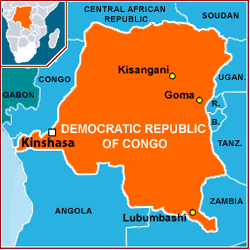
CONGO DR
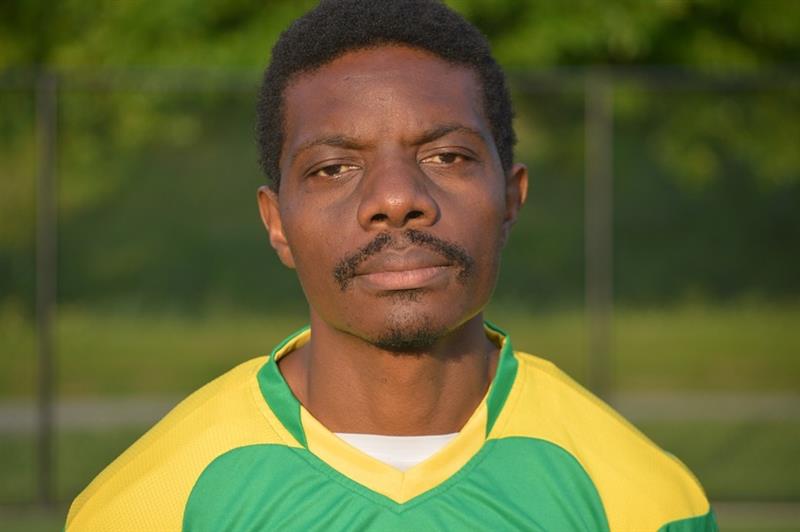
Welcome to the 2028 Diaspora World Cup. Kensington – Chevy C.
Kensington – Chevy C.
Welcome to the 2028 Diaspora World Cup. Kensington – Chevy C.
The Democratic Republic of the Congo (DRC) diaspora in the Washington, D.C., Maryland, and Virginia (DMV) area is a vibrant, politically active, and culturally rich community concentrated primarily in suburban Maryland (such as Montgomery and Prince George's counties) and Northern Virginia. Key Focal Points & Civic Engagement Political Mobilization & Protests: G...The Democratic Republic of the Congo (DRC) diaspora in the Washington, D.C., Maryland, and Virginia (DMV) area is a vibrant, politically active, and culturally rich community concentrated primarily in suburban Maryland (such as Montgomery and Prince George's counties) and Northe...
More Information
Chelsea Official
Download The 5th Stand, Chelsea’s official mobile app, to see exclusive content, match action and all the latest news from Stamford Bridge.
More Information
Street Soccer in DR Congo
Street soccer is a popular activity in the Democratic Republic of the Congo, where children and teenagers regularly play football in neighbourhoods, school grounds, village open spaces, and community fields. These informal matches are part of everyday life, giving young players a fun and accessible way to stay active while improving their football skills.
Playing on small and often improvised pitches helps participants develop close ball control, accurate passing, quick footwork, and smart decision-making. The fast-paced nature of street soccer encourages creativity, teamwork, and confidence, allowing players to strengthen their technical abilities through regular practice.
Street soccer provides an affordable way for communities across DR Congo to enjoy football without requiring professional facilities or expensive equipment. It promotes healthy lifestyles, strengthens friendships, and inspires many young people to pursue their passion for the sport.
Street Soccer Culture in DR Congo
Football is one of the most popular sports in DR Congo, and street soccer is often where many young players first discover their love for the game. Informal matches organised by neighbours, schools, and local communities create a welcoming environment where players of all ages and abilities can participate.
Skills Developed Through Street Soccer
Street soccer helps players improve dribbling, first touch, passing accuracy, agility, balance, ball control, and awareness. Regular play also develops communication, confidence, and the ability to make quick decisions under pressure.
Street Soccer and Community Development
Street soccer brings communities together through a shared love of football while encouraging active participation and healthy lifestyles. It also provides aspiring players with a strong foundation before progressing to school teams, local football clubs, or organised youth football programmes.
The Congo DR in the DMV Metro
The Democratic Republic of the Congo (DRC) diaspora in the Washington, D.C., Maryland, and Virginia (DMV) area is a vibrant, politically active, and culturally rich community concentrated primarily in suburban Maryland (such as Montgomery and Prince George's counties) and Northern Virginia.
Key Focal Points & Civic Engagement
Political Mobilization & Protests: Given the proximity to federal institutions, the DRC diaspora in the DMV frequently organizes high-profile demonstrations in Washington, D.C.. Recent major actions include marching to demand international attention for violence in eastern Congo and gathering to oppose proposed constitutional changes in the DRC.
The "Genocost" Initiative: The community actively promotes the recognition of Genocost (Genocide for economic gains in the Congo), urging the diaspora to sign petitions and advocate via the Embassy of the Democratic Republic of the Congo.
Cultural Advocacy: Activists and figures within the local diaspora—such as Sylvia Rubuye—frequently partner with institutions like the Johns Hopkins Bloomberg Center to amplify the voices and stories of DRC survivors.
Community Spaces & Organizations
The Congo Social Club: A prominent regional community organization that hosts youth-focused networking events, town halls, and cultural programs. They frequently collaborate with Maryland local government leaders for initiatives like African Youth Day.
Embassy of the DRC: Located at 1100 Connecticut Ave NW in Washington, D.C., the embassy serves as the central administrative and diplomatic hub for the diaspora, managed under Ambassador Yvette Kapinga Ngandu.
Faith and Music Hubs: Local African immigrant churches throughout Silver Spring, MD, and Alexandria, VA, serve as essential gathering places, often anchoring the community through Congolese rumba music and Lingala-language services.
Significance
Immigration from the Democratic Republic of the Congo has generally reflected Belgian colonial rule, political instability, dictatorship, armed conflict, ethnic violence, forced displacement, refugee resettlement, education, professional employment, and family reunification.
Migration from the Democratic Republic of the Congo—also called Congo-Kinshasa and formerly known as Zaire—has historically occurred mainly within Central and East Africa. Congolese residents moved to Angola, Uganda, Rwanda, Burundi, Tanzania, Zambia, and the Republic of the Congo for trade, employment, education, family connections, or safety. Direct migration to the United States remained limited until the late twentieth century, when political repression, economic decline, regional wars, and humanitarian crises encouraged greater movement abroad. Students, diplomats, academics, professionals, asylum seekers, and refugees later established communities in the United States through education, employment, family sponsorship, the Diversity Visa programme, and humanitarian resettlement.
Congolese Migration Before Independence
Before independence, migration was shaped by the Congo Free State and later Belgian colonial administration. Colonial authorities recruited or compelled residents to work in plantations, mines, transportation projects, military units, and administrative centres. Congolese workers, traders, soldiers, religious figures, and families also travelled across neighbouring Central African territories, while smaller numbers went to Belgium for education, exhibitions, government service, or specialised training. Direct settlement in the United States remained uncommon because most political, commercial, and educational connections operated through Belgium and other European colonial networks. The Belgian Congo became independent as the Republic of the Congo on June 30, 1960, and the United States recognised the new country and established diplomatic relations on the same date.
Late-Twentieth- and Early-Twenty-First-Century Immigration
Congolese migration increased after independence as the Congo Crisis, political repression, economic decline, and the dictatorship of Mobutu Sese Seko disrupted the country. Renamed Zaire in 1971, it became the Democratic Republic of the Congo again in 1997. The First and Second Congo Wars and continuing violence involving armed groups displaced millions of residents, especially in the eastern provinces. Many fled first to neighbouring African countries before some were resettled in the United States, Canada, and Europe. Congolese arrivals included refugees, asylum seekers, students, healthcare workers, academics, religious leaders, businesspeople, and relatives joining established families. Churches, refugee agencies, and community organisations helped newcomers obtain housing, education, healthcare, language assistance, and employment while preserving French, Lingala, Swahili, Kikongo, Tshiluba, music, food, religious traditions, and family connections.
Lorem ipsum dolor sit amet, consectetur adipiscing elit, sed do eiusmod tempor incididunt ut
labore et dolore magna aliqua. Ut enim ad minim veniam, quis nostrud exercitation ullamco
laboris nisi ut aliquip ex ea commodo consequat. Duis aute irure dolor in
reprehenderit in voluptate velit esse cillum dolore eu fugiat nulla pariatur.