
Responsive Header
  • Where We Work
  • Cameroon
  • The Diaspora World Cup operates in some of the major cities and metro areas in United States and Canada. Our network of register players includes 20 cities, 200 countries, 400 teams, and 10,000 players. Join our movement to solve the world's most pressing challenges: Illiteracy
  • Who We are text will be here Who We are text will be here Who We are text will be here Who We are text will be here Who We are text will be here Who We are text will be here Who We are text will be here Who We are text will be here Who We are text will be here
  • What We Do text will be here What We Do text will be here What We Do text will be here What We Do text will be here What We Do text will be here What We Do text will be here What We Do text will be here What We Do text will be here What We Do text will be here What We Do text will be here What We Do text will be here What We Do text will be here
  • Get Involved text will be here Get Involved text will be here Get Involved text will be here Get Involved text will be here Get Involved text will be here Get Involved text will be here Get Involved text will be here Get Involved text will be here Get Involved text will be here Get Involved text will be here
  • Education is a basic Human Right and the Diaspora World Cup global school program focuses its energy in some the poorest countries around the world. We build schools in some of the poorest countries around the worldthat historically had no adequate school structure. Any member of the World Diaspora has the power to end illiteracy around the world through the power of soccer.
  • High-profile sport figures, global leaders, business leaders, political figure, journalists, activists, philanthropists, actors, and entrepreneurs united by their commitment to the Diaspora World Cup mission to eradicate illiteracy around the world through the power of soccer. They serve as role models and spread the Diaspora World Cup vision and commitment of a world mobilized through soccer.
  •  
  •  
Diaspora 2027: complete guide to all players | The Diaspora
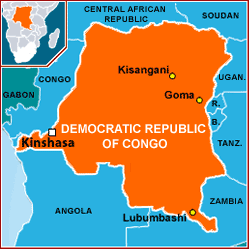
CONGO DR
Kensington – Chevy C.
Welcome to the 2027 Diaspora World Cup.
Kensington – Chevy C.

Significance

Immigration from the Democratic Republic of the Congo has generally reflected Belgian colonial rule, political instability, dictatorship, armed conflict, ethnic violence, forced displacement, refugee resettlement, education, professional employment, and family reunification.

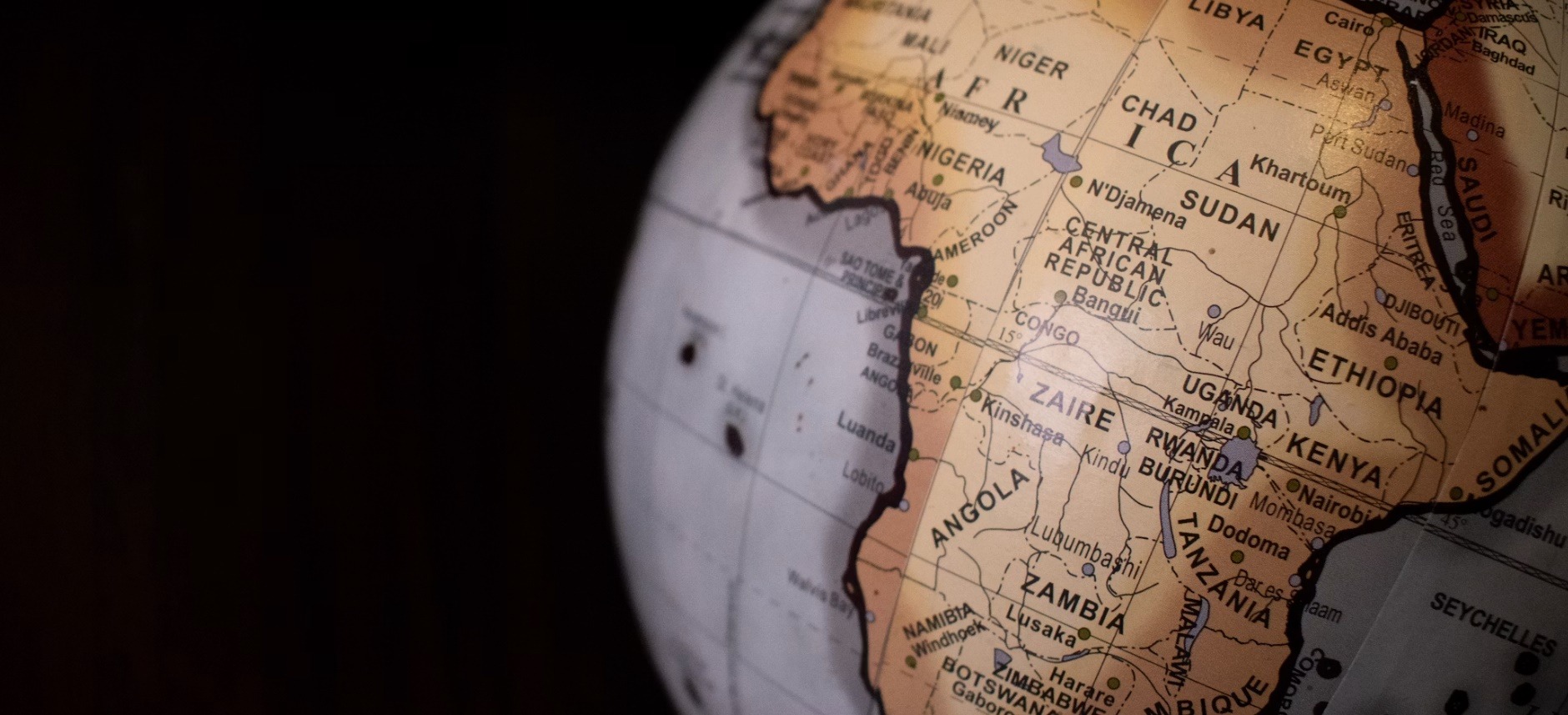
Migration from the Democratic Republic of the Congo—also called Congo-Kinshasa and formerly known as Zaire—has historically occurred mainly within Central and East Africa. Congolese residents moved to Angola, Uganda, Rwanda, Burundi, Tanzania, Zambia, and the Republic of the Congo for trade, employment, education, family connections, or safety. Direct migration to the United States remained limited until the late twentieth century, when political repression, economic decline, regional wars, and humanitarian crises encouraged greater movement abroad. Students, diplomats, academics, professionals, asylum seekers, and refugees later established communities in the United States through education, employment, family sponsorship, the Diversity Visa programme, and humanitarian resettlement.

Congolese Migration Before Independence

Before independence, migration was shaped by the Congo Free State and later Belgian colonial administration. Colonial authorities recruited or compelled residents to work in plantations, mines, transportation projects, military units, and administrative centres. Congolese workers, traders, soldiers, religious figures, and families also travelled across neighbouring Central African territories, while smaller numbers went to Belgium for education, exhibitions, government service, or specialised training. Direct settlement in the United States remained uncommon because most political, commercial, and educational connections operated through Belgium and other European colonial networks. The Belgian Congo became independent as the Republic of the Congo on June 30, 1960, and the United States recognised the new country and established diplomatic relations on the same date.

Late-Twentieth- and Early-Twenty-First-Century Immigration

Congolese migration increased after independence as the Congo Crisis, political repression, economic decline, and the dictatorship of Mobutu Sese Seko disrupted the country. Renamed Zaire in 1971, it became the Democratic Republic of the Congo again in 1997. The First and Second Congo Wars and continuing violence involving armed groups displaced millions of residents, especially in the eastern provinces. Many fled first to neighbouring African countries before some were resettled in the United States, Canada, and Europe. Congolese arrivals included refugees, asylum seekers, students, healthcare workers, academics, religious leaders, businesspeople, and relatives joining established families. Churches, refugee agencies, and community organisations helped newcomers obtain housing, education, healthcare, language assistance, and employment while preserving French, Lingala, Swahili, Kikongo, Tshiluba, music, food, religious traditions, and family connections.

Congo DR country image
Congo DR overview image

Team Standings

Teams Mp W D L GF GA Pt
Chile Chile 0 0 0 0 0 0 0
Comoros Comoros 0 0 0 0 0 0 0
Congo DR Congo DR 0 0 0 0 0 0 0
Croatia Croatia 0 0 0 0 0 0 0
Gabon Gabon 0 0 0 0 0 0 0
Hong K. Hong K. 0 0 0 0 0 0 0
Jordan Jordan 0 0 0 0 0 0 0
Lebanon Lebanon 0 0 0 0 0 0 0
Mali Mali 0 0 0 0 0 0 0
Morocco Morocco 0 0 0 0 0 0 0

Squad List

Brendon Gregory
Forward
Cedric Atonfack
Midfielder
Chuck Nonso
Defender
Claude Mbah
Forward
David Ade
Midfielder
Don Karafili
Defender
Emma Noundo
Goalkeeper
Fabrice Mukoko
Forward
Fontaine Ben
Defender
Geresse Pembele
Forward
Grace G. Likutu
Midfielder
Ivan Cyrille
Midfielder
John Nanjo
Defender
John Tambe
Midfielder
Mohamed Thiam
Forward
Mugniu A Dipo
Goalkeeper
Neol Namdi
Midfielder
Osita Ibe
Defender
Williams Eric
Midfielder

Coaching Staff
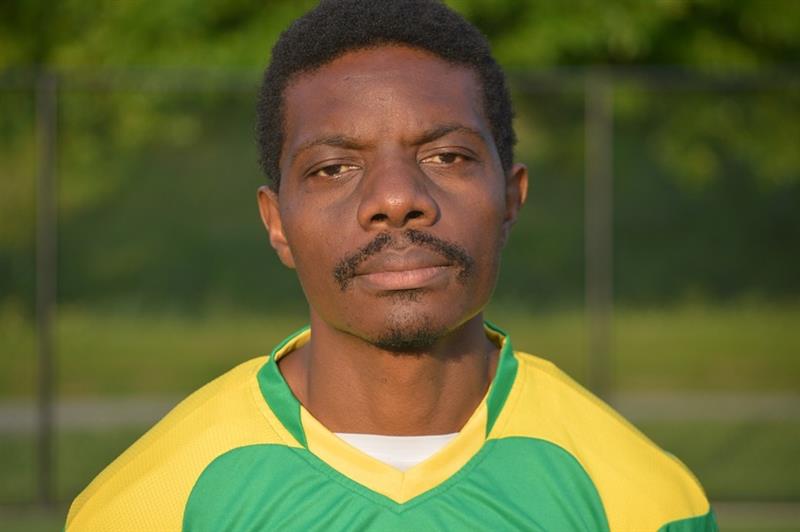
Boni Tambwe
C
Boni Tambwe
Head Coach