The Diaspora World Cup operates in some of the major cities and metro areas in
United States and
Canada. Our network of register players includes 20 cities, 200 countries, 400
teams, and 10,000
players. Join our movement to solve the world's most pressing challenges:
Illiteracy
Who We are text will be here Who We are text will be here Who We are text will
be here Who We
are text will be here Who We are text will be here Who We are text will be here
Who We are text
will be here Who We are text will be here Who We are text will be here
What We Do text will be here What We Do text will be here What We Do text will
be here What We
Do text will be here What We Do text will be here What We Do text will be here
What We Do text
will be here What We Do text will be here What We Do text will be here What We
Do text will be
here What We Do text will be here What We Do text will be here
Get Involved text will be here Get Involved text will be here Get Involved text
will be here Get
Involved text will be here Get Involved text will be here Get Involved text will
be here Get
Involved text will be here Get Involved text will be here Get Involved text will
be here Get
Involved text will be here
Education is a basic Human Right and the Diaspora World Cup global school
program focuses its
energy in some the poorest countries around the world. We build schools in some
of the poorest
countries around the worldthat historically had no adequate school structure.
Any member of the
World Diaspora has the power to end illiteracy around the world through the
power of soccer.
High-profile sport figures, global leaders, business leaders, political figure,
journalists,
activists, philanthropists, actors, and entrepreneurs united by their commitment
to the Diaspora
World Cup mission to eradicate illiteracy around the world through the power of
soccer. They serve
as role models and spread the Diaspora World Cup vision and commitment of a
world mobilized
through soccer.
Diaspora 2027: complete guide to all players | The Diaspora
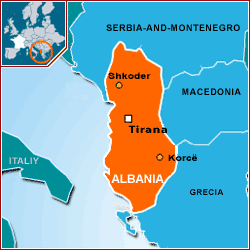
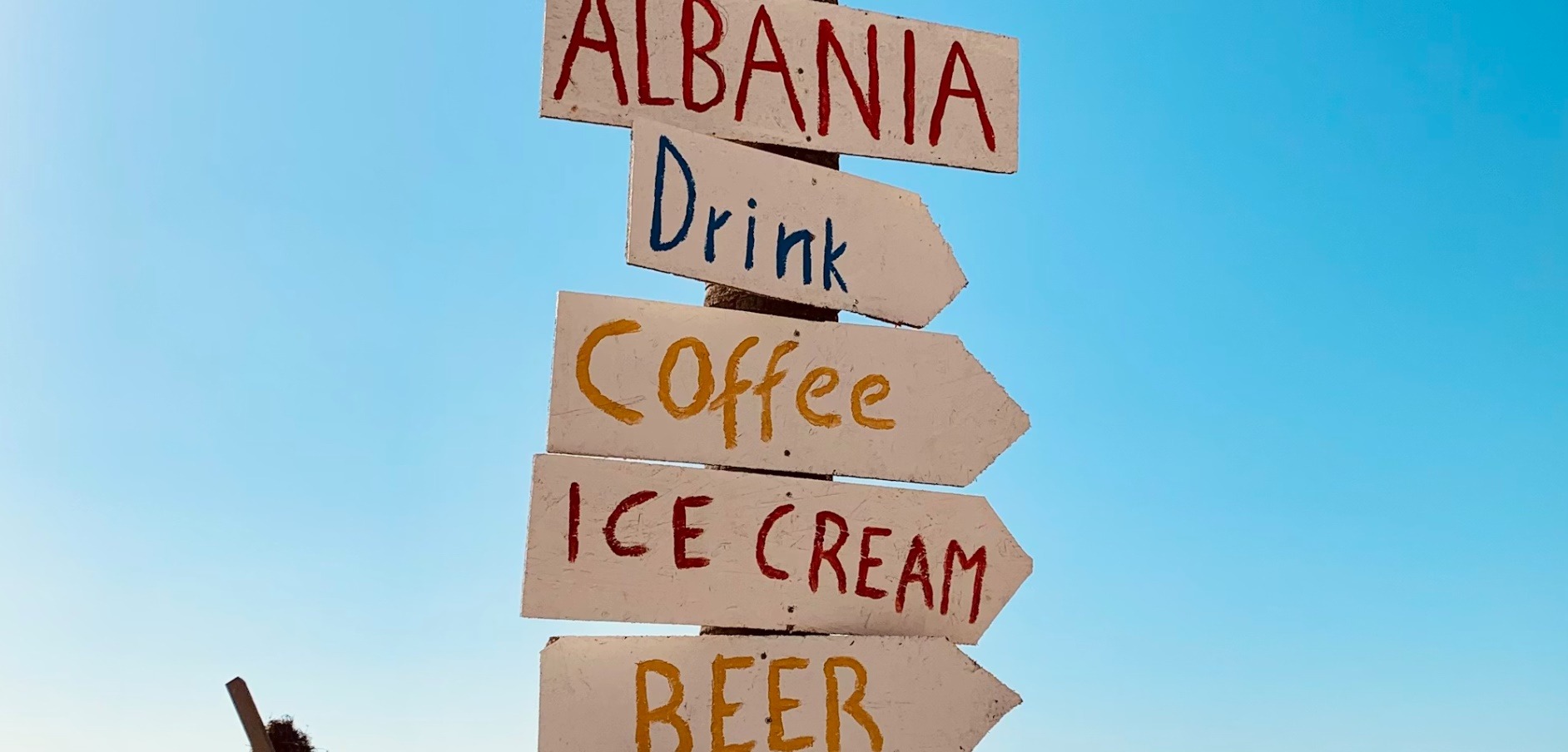
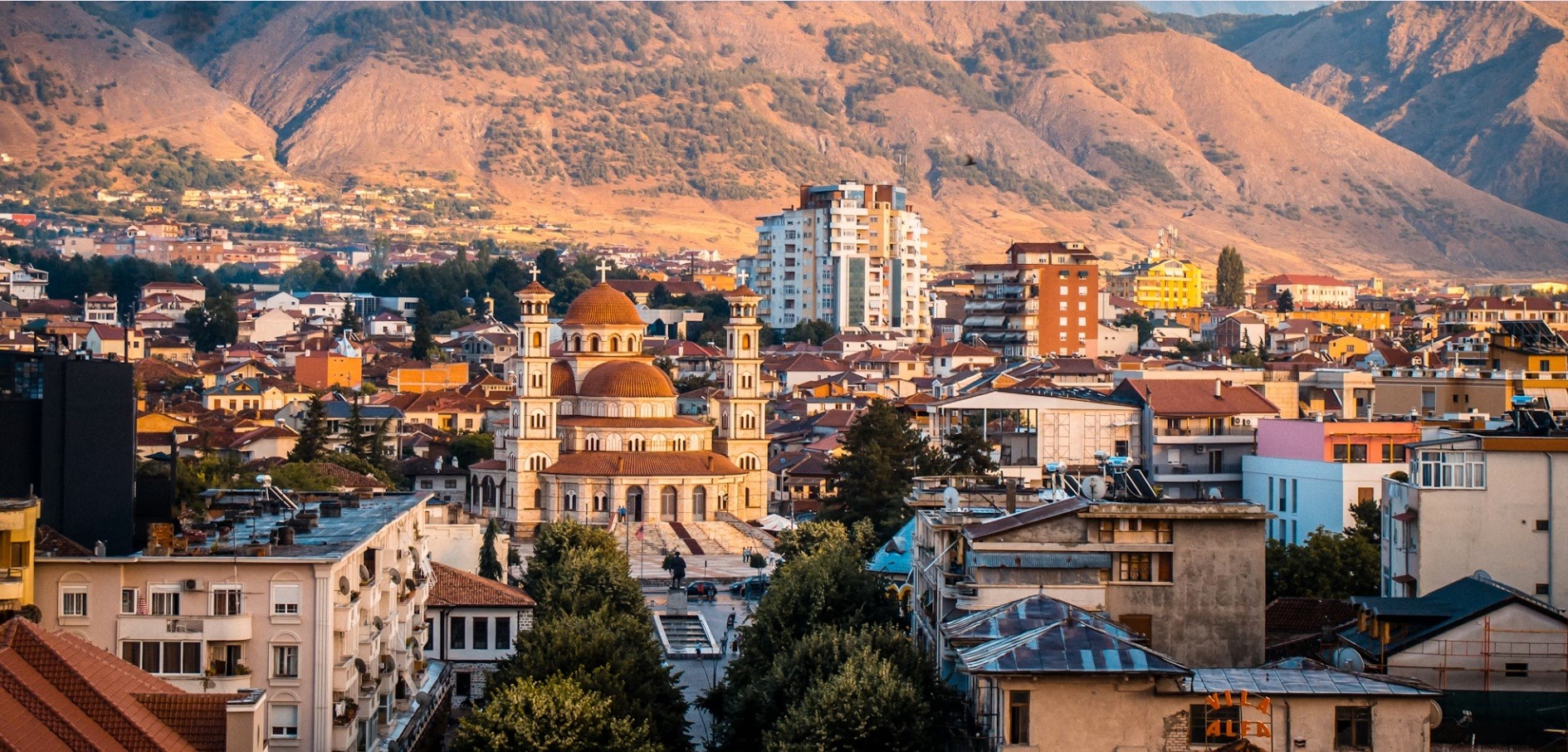
ALBANIA
Welcome to the 2028 Diaspora World Cup. Kensington – Chevy C.
Kensington – Chevy C.
Welcome to the 2028 Diaspora World Cup. Kensington – Chevy C.
The Albanian diaspora in the DMV (DC-Maryland-Virginia) metro region numbers several thousand residents. Unlike the large working-class enclaves in New York or Detroit, the DMV community features a high concentration of professionals, diplomats, and policy experts working in international institutions, federal agencies, and higher education. Geographic Distributi...The Albanian diaspora in the DMV (DC-Maryland-Virginia) metro region numbers several thousand residents. Unlike the large working-class enclaves in New York or Detroit, the DMV community features a high concentration of professionals, diplomats, and policy experts working in inte...
More Information
Chelsea Official
Download The 5th Stand, Chelsea’s official mobile app, to see exclusive content, match action and all the latest news from Stamford Bridge.
More Information
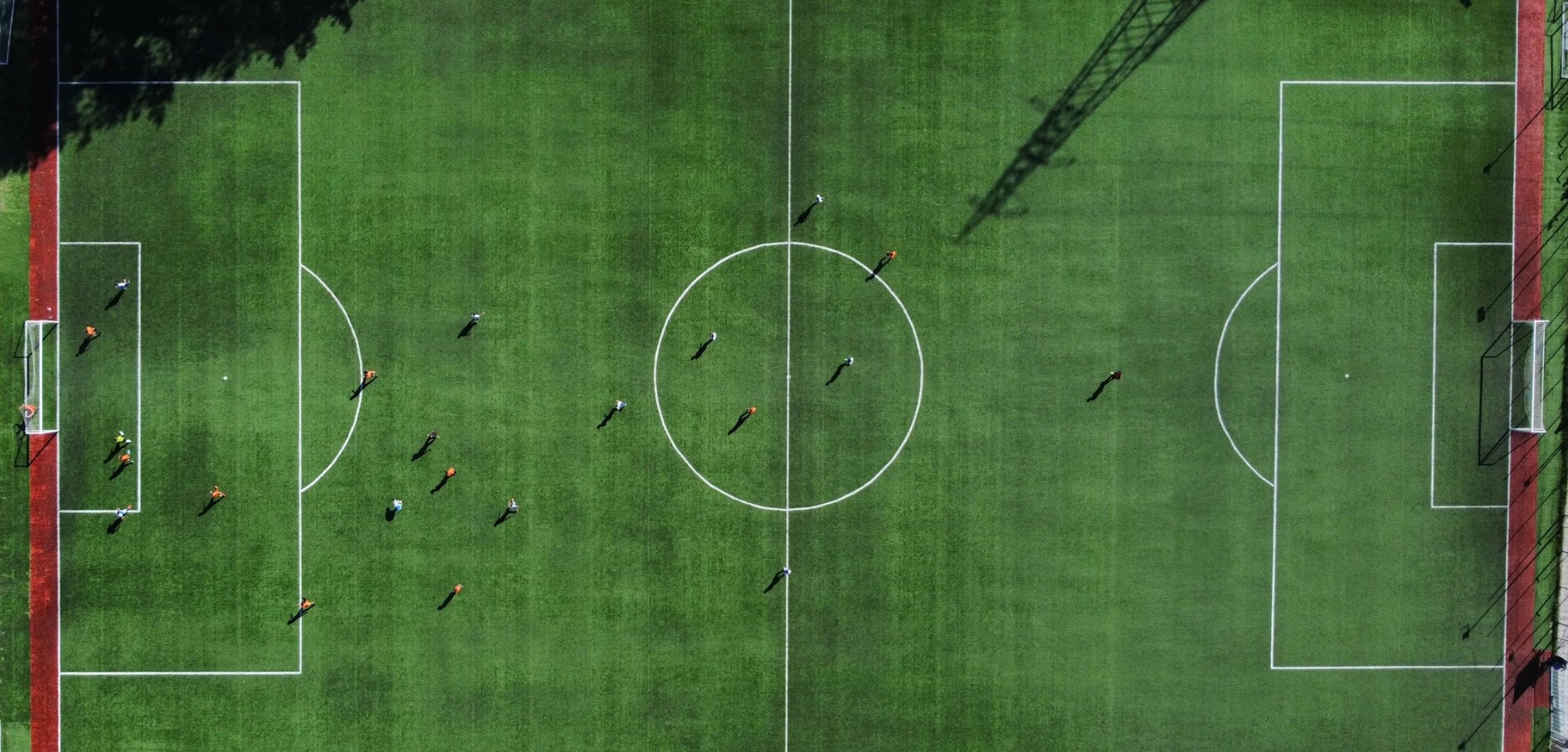
Street Soccer in Albania
Street soccer is popular in Albania and is commonly played by children and teenagers in neighbourhoods, school grounds, public parks, and open community spaces. Informal matches give young players an enjoyable way to improve teamwork, coordination, and football skills.
Playing on smaller pitches encourages quick passing, close ball control, and fast decision-making, helping players develop important technical abilities in a relaxed and competitive environment.
Street soccer also provides an accessible way for local communities to enjoy football without requiring professional facilities. It encourages physical activity, friendship, and participation among young people across the country.
Street Soccer Culture in Albania
Street soccer is an important part of Albania's football culture. Friendly matches are often organised by schools, neighbourhood groups, and local communities using simple rules and small teams that allow everyone to participate.
Skills Developed Through Street Soccer
Playing street soccer helps participants improve dribbling, passing, balance, agility, speed, and close ball control. The fast-paced nature of the game also strengthens communication and quick decision-making under pressure.
Street Soccer and Community Development
Street soccer brings young people together and strengthens community connections through a shared passion for football. It also provides opportunities for talented players to develop their skills before joining school teams, local football clubs, or organised football programmes.
The Albania in the DMV Metro
The Albanian diaspora in the DMV (DC-Maryland-Virginia) metro region numbers several thousand residents. Unlike the large working-class enclaves in New York or Detroit, the DMV community features a high concentration of professionals, diplomats, and policy experts working in international institutions, federal agencies, and higher education.
Geographic Distribution and Community Profile
Where they live: Populations are scattered across Northern Virginia (including Fairfax, Arlington, and Loudoun counties), Montgomery County in Maryland, and Washington, D.C. proper.
Professional Networks: Organizations like Albanian Professionals in DC (APDC). connect members working at institutions like the International Monetary Fund and the World Bank Group, skewing community engagement toward policy, economics, and international affairs.
Civic & Diplomatic Engagement: The presence of the Embassy of Albania in Washington D.C. serves as a focal point for national holidays, cultural preservation efforts, and occasional diaspora-led civic or political demonstrations.
Significance
Albanian immigration to the United States has been episodic—generally reflecting Ottoman rule, economic hardship, political conflict, communist repression, and Albania’s transition to democracy.
Albanian settlement in the United States began during the late nineteenth century and increased during the opening decades of the twentieth century, when young workers left the Balkans in search of employment and greater security. Many early immigrants originated in southern Albania and settled in Boston, New York, Chicago, and other industrial cities. Migration declined after the United States introduced restrictive immigration quotas and Albania later became an isolated communist state. Political refugees continued to arrive after World War II, while Albanian migration increased substantially after the communist government collapsed in 1990–1991. Later arrivals established communities throughout New York, Massachusetts, Michigan, Connecticut, and other parts of the United States.
Albanian Immigration Before Independence
Albanian migration to the United States began while Albanian territories were still governed by the Ottoman Empire. The earliest arrivals were generally merchants, labourers, students, and young unmarried men seeking employment or attempting to avoid poverty, political instability, and military service. Albanian immigrants began arriving in noticeable numbers during the late nineteenth century, with Boston becoming one of their most important destinations. Many worked in factories, mills, restaurants, construction, and other forms of manual labour while sending money to relatives in their homeland. Because Albania did not become an independent state until 1912, early immigrants were sometimes recorded by American officials as Greeks, Turks, or citizens of the countries from which they had travelled. Albanian communities gradually established newspapers, churches, cultural societies, and political organisations that helped preserve their language and traditions while supporting Albania’s movement for independence.
Twentieth-Century Immigration
Albanian immigration increased during the early twentieth century as economic hardship, political unrest, the Balkan Wars, and the First World War disrupted life throughout the region. Early communities expanded in Boston, New York, Detroit, Cleveland, and Chicago, where immigrants found employment in factories, manufacturing, restaurants, and small businesses. Immigration restrictions introduced during the 1920s reduced arrivals from Southern and Eastern Europe. After World War II, Albania came under the communist government of Enver Hoxha, which imposed strict controls on emigration and isolated the country from much of the outside world. Some political opponents and refugees nevertheless escaped and settled in the United States. The largest modern migration wave began after the communist system collapsed in 1990–1991. Economic instability, unemployment, political uncertainty, and social disorder encouraged thousands of Albanians to leave, creating new communities while strengthening older Albanian American settlements.
Lorem ipsum dolor sit amet, consectetur adipiscing elit, sed do eiusmod tempor incididunt ut
labore et dolore magna aliqua. Ut enim ad minim veniam, quis nostrud exercitation ullamco
laboris nisi ut aliquip ex ea commodo consequat. Duis aute irure dolor in
reprehenderit in voluptate velit esse cillum dolore eu fugiat nulla pariatur.
 Sign In




 Facebook
 X-Twitter
 Instagram
 Linkedin
 Youtube