The Diaspora World Cup operates in some of the major cities and metro areas in
United States and
Canada. Our network of register players includes 20 cities, 200 countries, 400
teams, and 10,000
players. Join our movement to solve the world's most pressing challenges:
Illiteracy
Who We are text will be here Who We are text will be here Who We are text will
be here Who We
are text will be here Who We are text will be here Who We are text will be here
Who We are text
will be here Who We are text will be here Who We are text will be here
What We Do text will be here What We Do text will be here What We Do text will
be here What We
Do text will be here What We Do text will be here What We Do text will be here
What We Do text
will be here What We Do text will be here What We Do text will be here What We
Do text will be
here What We Do text will be here What We Do text will be here
Get Involved text will be here Get Involved text will be here Get Involved text
will be here Get
Involved text will be here Get Involved text will be here Get Involved text will
be here Get
Involved text will be here Get Involved text will be here Get Involved text will
be here Get
Involved text will be here
Education is a basic Human Right and the Diaspora World Cup global school
program focuses its
energy in some the poorest countries around the world. We build schools in some
of the poorest
countries around the worldthat historically had no adequate school structure.
Any member of the
World Diaspora has the power to end illiteracy around the world through the
power of soccer.
High-profile sport figures, global leaders, business leaders, political figure,
journalists,
activists, philanthropists, actors, and entrepreneurs united by their commitment
to the Diaspora
World Cup mission to eradicate illiteracy around the world through the power of
soccer. They serve
as role models and spread the Diaspora World Cup vision and commitment of a
world mobilized
through soccer.
Diaspora 2027: complete guide to all players | The Diaspora
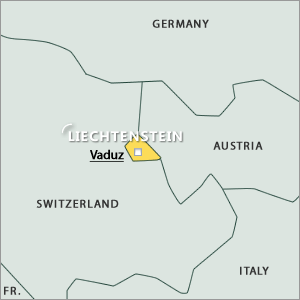
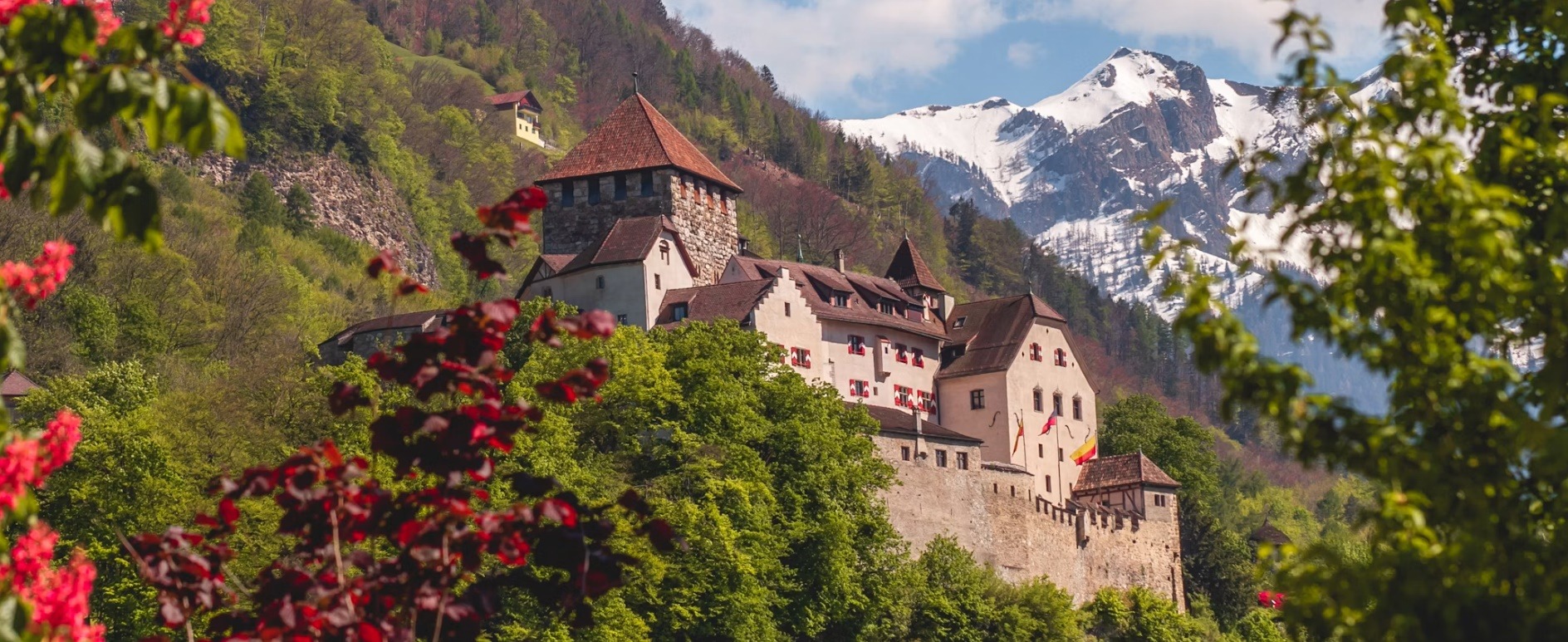
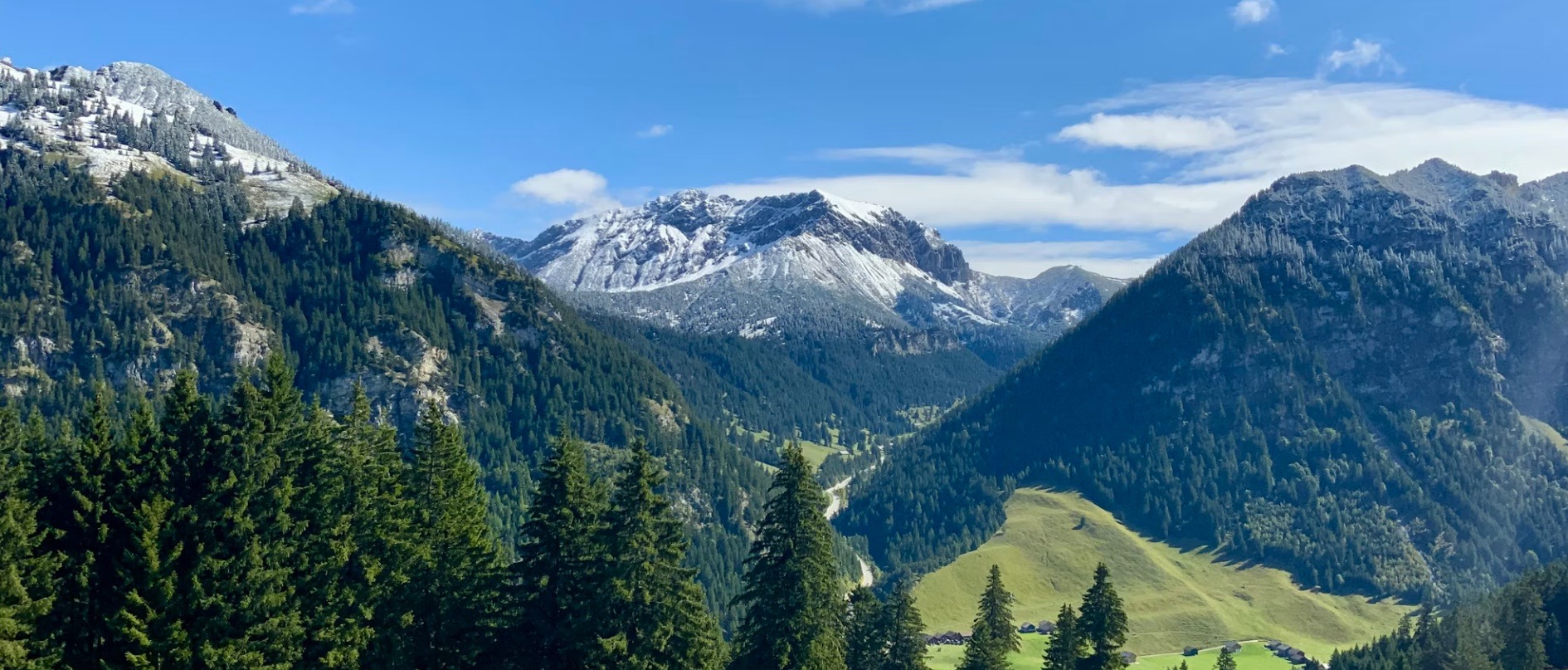
LIECHTENSTEIN
Welcome to the 2028 Diaspora World Cup. Kensington – Chevy C.
Kensington – Chevy C.
Welcome to the 2028 Diaspora World Cup. Kensington – Chevy C.
The Liechtenstein diaspora in the DMV (Washington, D.C., Maryland, and Virginia) is a hyper-micro community centered primarily around diplomatic, financial, legal, and European policy networks. Given Liechtenstein's very small population, the DMV does not have a geographic Liechtenstein neighborhood or dedicated commercial district. Instead, community connections...The Liechtenstein diaspora in the DMV (Washington, D.C., Maryland, and Virginia) is a hyper-micro community centered primarily around diplomatic, financial, legal, and European policy networks. Given Liechtenstein's very small population, the DMV does not have a geographic Liecht...
More Information
Chelsea Official
Download The 5th Stand, Chelsea’s official mobile app, to see exclusive content, match action and all the latest news from Stamford Bridge.
More Information
Street Soccer in Liechtenstein
Street soccer is a popular way for children and teenagers in Liechtenstein to enjoy football, with informal matches regularly taking place in neighbourhood parks, school playgrounds, village squares, and community sports areas. These games provide a fun opportunity for young players to stay active, socialise with friends, and improve their football skills outside organised training.
The compact playing areas encourage precise passing, close ball control, quick movement, and intelligent decision-making. Street soccer allows participants to develop confidence, creativity, and teamwork while adapting to different playing surfaces and friendly competition in a relaxed environment.
Street soccer offers an accessible and affordable way for communities across Liechtenstein to enjoy football without requiring professional facilities. It promotes healthy lifestyles, strengthens local friendships, and encourages young people to continue participating in the sport.
Street Soccer Culture in Liechtenstein
Football is widely enjoyed in Liechtenstein, and street soccer is often where many children first develop their interest in the game. Informal matches organised by schools, neighbours, and local communities create a welcoming atmosphere where players of different ages and abilities can enjoy football together.
Skills Developed Through Street Soccer
Street soccer helps players improve dribbling, first touch, passing accuracy, agility, balance, ball control, and awareness. Regular games also strengthen communication, creativity, confidence, and the ability to make quick decisions during fast-paced play.
Street Soccer and Community Development
Street soccer brings communities together through football while encouraging teamwork, active lifestyles, and positive youth participation. It also provides aspiring players with valuable experience before progressing to school teams, local football clubs, academies, or organised youth football programmes.
The LIECHTENSTEIN in the DMV Metro
The Liechtenstein diaspora in the DMV (Washington, D.C., Maryland, and Virginia) is a hyper-micro community centered primarily around diplomatic, financial, legal, and European policy networks. Given Liechtenstein's very small population, the DMV does not have a geographic Liechtenstein neighborhood or dedicated commercial district. Instead, community connections are maintained through the Embassy, national celebrations, and broader Swiss, Austrian, and European networks.
Community Hubs and Institutional Presence
The Embassy of the Principality of Liechtenstein: Located in Washington, D.C., the Embassy serves as the principal diplomatic and community anchor for Liechtenstein nationals in the region. It provides consular and diplomatic services while maintaining relationships with the small resident community and hosting official receptions.
Liechtenstein National Day: August 15 provides the principal national occasion for local Liechtenstein nationals, diplomats, European representatives, and professional contacts to gather and celebrate the Principality's national identity and heritage.
Professional & Financial Networks: The DMV's Liechtenstein-linked population is closely connected to international finance, corporate law, investment, diplomacy, and European policy, reflecting the Principality's economic profile.
Cultural and Social Dynamics
Passport DC & Cultural Diplomacy: The annual Passport DC / Around the World Embassy Tour offers an important public-facing opportunity for Liechtenstein to present its culture and national identity. Embassy programming can highlight Alpine heritage, tourism, art, stamps, environmental policies, and the country's distinctive political and economic model.
Swiss & Austrian Connections: Liechtenstein's German-language and Central European heritage creates particularly strong connections with Swiss and Austrian communities in Washington. These networks provide social, cultural, and professional opportunities that would be difficult to sustain through a standalone community infrastructure.
European Diplomatic Networks: Liechtenstein's small population and close European integration make EU diplomatic circles and broader European professional networks important components of local community life.
Cultural Preservation: With no dedicated Liechtenstein commercial district or large local population, heritage preservation is primarily maintained through embassy events, national celebrations, professional relationships, and connections with other German-speaking European communities.
Community Structure: The Liechtenstein DMV population is best understood as a diplomatic and professional micro-diaspora, with the Embassy functioning as the central anchor and Swiss, Austrian, and wider European networks supplying much of the surrounding social infrastructure.
Significance
Immigration from Liechtenstein has generally reflected economic opportunity, educational advancement, professional employment, entrepreneurship, family reunification, scientific research, international business, and cultural exchange.
Migration from Liechtenstein has historically been limited because of the country's small population, high standard of living, and strong economy. Most international movement has involved students, skilled professionals, entrepreneurs, business executives, and families pursuing educational, commercial, and professional opportunities abroad. Close economic integration with Switzerland and neighboring Austria has encouraged regional mobility, while the United States has attracted smaller numbers of Liechtenstein citizens through higher education, multinational business, scientific research, specialized employment, and family sponsorship. Today, immigrants from Liechtenstein maintain strong cultural, economic, and family ties with their homeland while contributing to diverse professional sectors in the United States.
Migration from Liechtenstein Before Independence
The Principality of Liechtenstein was established in 1719 within the Holy Roman Empire and has remained an independent sovereign state since the dissolution of the Confederation of the Rhine in the nineteenth century. Migration during earlier centuries was influenced by agriculture, regional trade, craftsmanship, military service, education, and commerce with neighboring Switzerland, Austria, and southern Germany. Residents commonly travelled as merchants, farmers, artisans, students, and government officials within Central Europe. Direct migration to the United States remained relatively uncommon because of Liechtenstein's small population and limited overseas migration. The United States formally recognized Liechtenstein in the nineteenth century, and diplomatic relations have since developed through economic, financial, and cultural cooperation.
Late-Twentieth- and Early-Twenty-First-Century Immigration
Migration patterns evolved during the late twentieth and early twenty-first centuries as globalization, higher education, and international business created new opportunities abroad. Students, physicians, engineers, scientists, academics, entrepreneurs, financial specialists, information technology professionals, and corporate executives increasingly travelled to the United States for university education, specialized employment, research, investment, or family reunification. Academic exchange programs, multinational corporations, and international financial cooperation have continued to support professional mobility between the two countries. In the United States, immigrants from Liechtenstein often rely on family networks, cultural organizations, alumni associations, and professional groups for support with housing, employment, education, and community integration while preserving German as the official language, traditional cuisine, cultural heritage, local customs, and close relationships with relatives in Liechtenstein.
Lorem ipsum dolor sit amet, consectetur adipiscing elit, sed do eiusmod tempor incididunt ut
labore et dolore magna aliqua. Ut enim ad minim veniam, quis nostrud exercitation ullamco
laboris nisi ut aliquip ex ea commodo consequat. Duis aute irure dolor in
reprehenderit in voluptate velit esse cillum dolore eu fugiat nulla pariatur.
 Sign In




 Facebook
 X-Twitter
 Instagram
 Linkedin
 Youtube