
The Diaspora World Cup operates in some of the major cities and metro areas in
United States and
Canada. Our network of register players includes 20 cities, 200 countries, 400
teams, and 10,000
players. Join our movement to solve the world's most pressing challenges:
Illiteracy
Who We are text will be here Who We are text will be here Who We are text will
be here Who We
are text will be here Who We are text will be here Who We are text will be here
Who We are text
will be here Who We are text will be here Who We are text will be here
What We Do text will be here What We Do text will be here What We Do text will
be here What We
Do text will be here What We Do text will be here What We Do text will be here
What We Do text
will be here What We Do text will be here What We Do text will be here What We
Do text will be
here What We Do text will be here What We Do text will be here
Get Involved text will be here Get Involved text will be here Get Involved text
will be here Get
Involved text will be here Get Involved text will be here Get Involved text will
be here Get
Involved text will be here Get Involved text will be here Get Involved text will
be here Get
Involved text will be here
Education is a basic Human Right and the Diaspora World Cup global school
program focuses its
energy in some the poorest countries around the world. We build schools in some
of the poorest
countries around the worldthat historically had no adequate school structure.
Any member of the
World Diaspora has the power to end illiteracy around the world through the
power of soccer.
High-profile sport figures, global leaders, business leaders, political figure,
journalists,
activists, philanthropists, actors, and entrepreneurs united by their commitment
to the Diaspora
World Cup mission to eradicate illiteracy around the world through the power of
soccer. They serve
as role models and spread the Diaspora World Cup vision and commitment of a
world mobilized
through soccer.
Diaspora 2027: complete guide to all players | The Diaspora
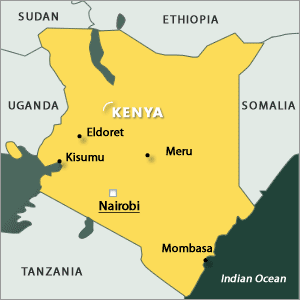
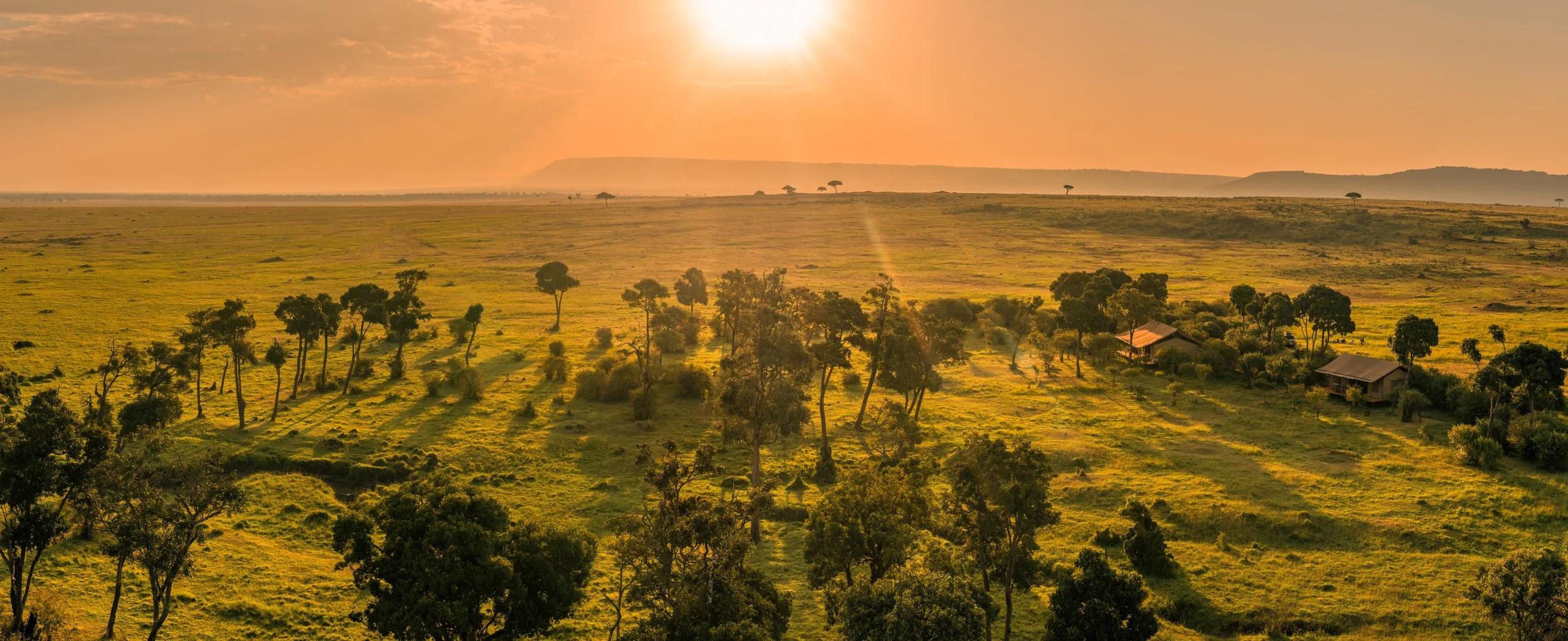
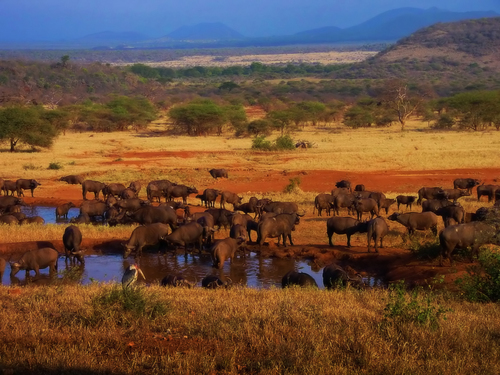
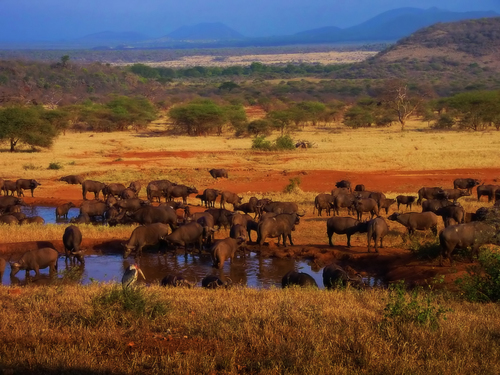
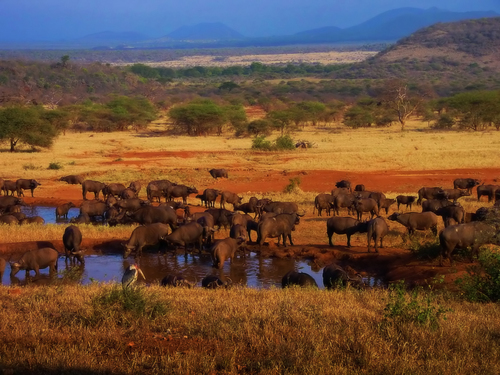
KENYA
Welcome to the 2028 Diaspora World Cup. Silver Spring – Takoma P.
Silver Spring – Takoma P.
Welcome to the 2028 Diaspora World Cup. Silver Spring – Takoma P.
The Kenyan diaspora in the DMV (Washington, D.C., Maryland, and Virginia) is a large, professionally diverse, and highly organized East African community. The population combines established immigrant families with healthcare professionals, technology workers, entrepreneurs, federal employees, students, and international-development specialists. Community life is...The Kenyan diaspora in the DMV (Washington, D.C., Maryland, and Virginia) is a large, professionally diverse, and highly organized East African community. The population combines established immigrant families with healthcare professionals, technology workers, entrepreneurs, fede...
More Information
Chelsea Official
Download The 5th Stand, Chelsea’s official mobile app, to see exclusive content, match action and all the latest news from Stamford Bridge.
More Information
Street Soccer in Kenya
Street soccer is a widely enjoyed activity in Kenya, where children and teenagers regularly gather in neighbourhoods, school compounds, village grounds, public parks, and open community spaces to play informal football matches. These games are an important part of daily life, giving young players an exciting way to stay active while developing their football skills with friends.
The fast and energetic nature of street soccer encourages players to improve close ball control, quick passing, creative dribbling, and intelligent movement. Playing on smaller and often improvised pitches helps participants become more adaptable, confident, and effective at working as a team in challenging situations.
Street soccer provides an affordable and accessible way for communities across Kenya to enjoy football without requiring professional facilities or expensive equipment. It promotes healthy lifestyles, strengthens local friendships, and inspires many young people to pursue football through schools, clubs, and organised competitions.
Street Soccer Culture in Kenya
Football is one of the most popular sports in Kenya, and street soccer is often where many children first develop their passion for the game. Informal matches organised by schools, neighbours, and community groups create an inclusive atmosphere where players of different ages and abilities can participate.
Skills Developed Through Street Soccer
Street soccer helps players improve dribbling, first touch, passing accuracy, agility, balance, ball control, and awareness. Regular games also strengthen communication, creativity, confidence, and the ability to make quick decisions during fast-paced play.
Street Soccer and Community Development
Street soccer brings communities together by encouraging teamwork, positive youth engagement, and active outdoor recreation. It also provides aspiring players with valuable experience before progressing to school teams, local football clubs, academies, or organised youth football programmes.
The KENYA in the DMV Metro
The Kenyan diaspora in the DMV (Washington, D.C., Maryland, and Virginia) is a large, professionally diverse, and highly organized East African community. The population combines established immigrant families with healthcare professionals, technology workers, entrepreneurs, federal employees, students, and international-development specialists. Community life is supported by diplomatic institutions, professional associations, churches, cultural organizations, and strong economic connections with Kenya.
Community Hubs and Institutional Presence
The Embassy of the Republic of Kenya: Located in Washington, D.C., the Embassy serves as the principal diplomatic and administrative anchor for Kenyan nationals in the region. It provides consular services while supporting diaspora outreach, investment initiatives, community forums, national celebrations, and passport and identification services.
Kenya Diaspora Advisory Council (KDAC): A diaspora-engagement platform focused on strengthening relationships between Kenyans abroad and institutions in Kenya. Its priorities include investment, political participation, diaspora rights, and connections between professionals overseas and development opportunities in Kenya.
Kenyan American Professional Association (KAPA): Provides a professional networking platform for Kenyan Americans working in healthcare, technology, government, business, and other fields. It supports mentorship, career development, entrepreneurship, and professional relationships.
Professional & Economic Networks: The community has strong links to Washington's international-development ecosystem, with members working across healthcare, technology, finance, government, international organizations, and public policy.
Cultural and Social Dynamics
Suburban Maryland & Northern Virginia: Kenyan families and professionals are distributed throughout the DMV, with particularly strong social networks in Maryland suburbs and Northern Virginia. Churches, schools, businesses, and community associations often function as informal cultural centers.
Faith-Based Community Life: Churches play a particularly important role in Kenyan social organization. Congregations such as All Nations Community Church, Upendo Baptist Church, and other Catholic and Protestant churches provide worship, fundraising, youth activities, Swahili-language programming, networking, and mutual aid.
Swahili & Heritage Preservation: Swahili-language services, youth camps, cultural programs, food, music, and family gatherings help maintain Kenyan identity among younger generations.
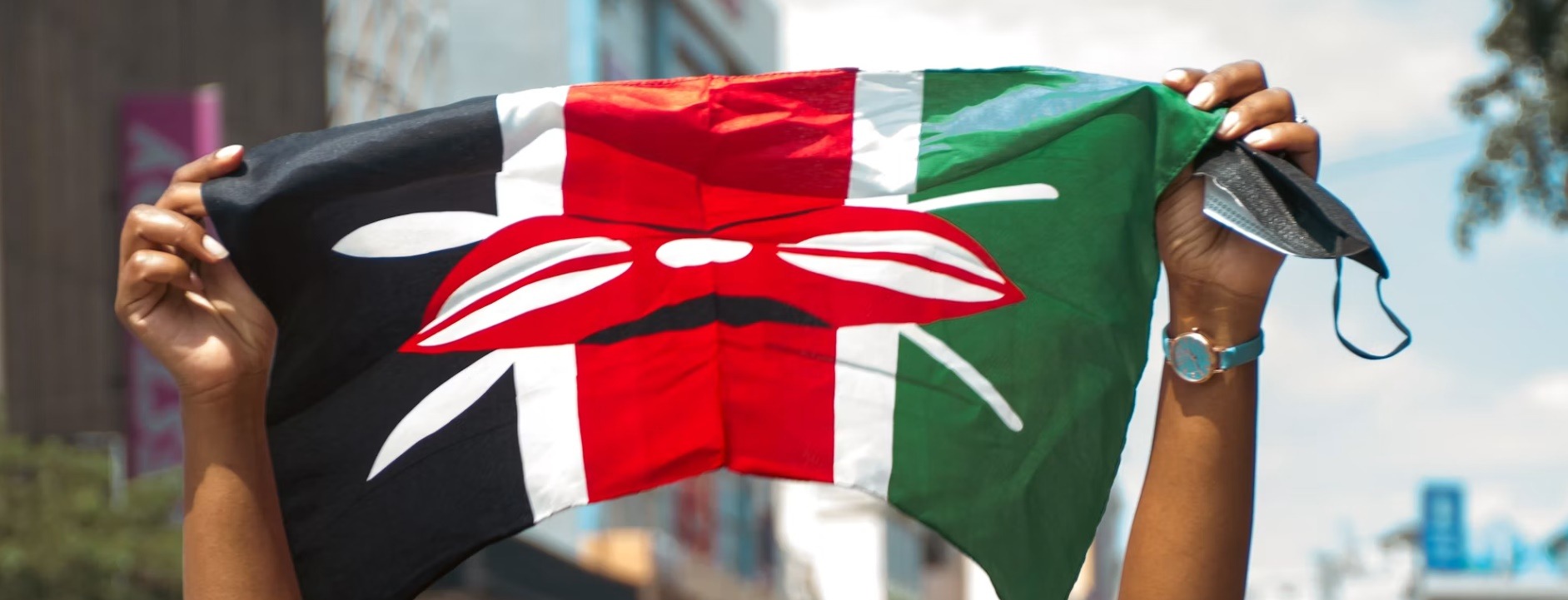
National Celebrations:Jamhuri Day, Mashujaa Day, and other Kenyan national occasions provide opportunities for community celebrations, cultural performances, traditional clothing, music, food, and diaspora networking.
Economic & Investment Engagement: Kenyan professionals and entrepreneurs maintain extensive financial and family ties with Kenya through remittances, investment, business partnerships, and development initiatives, making the DMV an important transnational economic hub.
East African Networks: Because of the region's interconnected East African population, Kenyan residents frequently participate in broader Ugandan, Tanzanian, Rwandan, Ethiopian, and other African community networks, particularly through churches, professional groups, food businesses, and cultural events.
Community Structure: The Kenyan DMV community is best understood as a large, professionally integrated East African diaspora, with the Embassy and professional associations providing civic infrastructure while churches, family networks, businesses, and cultural organizations form the strongest everyday social connections.
Significance
Immigration from Kenya has generally reflected British colonial rule, educational opportunities, professional employment, economic development, political transition, family reunification, international business, and skilled migration.
Migration from Kenya has historically been shaped by regional mobility within East Africa and longstanding ties with the United Kingdom established during British colonial rule. Kenyans commonly migrated to neighboring countries, including Uganda, Tanzania, Ethiopia, and other parts of East Africa, for trade, education, employment, and family connections. Overseas migration expanded after independence as students, healthcare professionals, academics, government officials, entrepreneurs, and skilled workers sought higher education and career opportunities in the United Kingdom, the United States, Canada, and other countries. Today, Kenyan immigrants have established growing communities in the United States while maintaining strong cultural, linguistic, economic, and family ties with their homeland.
Kenyan Migration Before Independence
Before independence, Kenya was administered as the British Colony and Protectorate of Kenya. Migration during the colonial period was influenced by agriculture, railway construction, government administration, missionary education, military recruitment, regional commerce, and public service. Residents frequently travelled throughout East Africa as farmers, traders, labourers, teachers, civil servants, students, and members of extended families. Direct migration to the United States remained relatively limited because educational, political, and commercial connections were centred primarily on the United Kingdom and other British territories. Kenya gained independence on December 12, 1963, and the United States recognized the new nation shortly thereafter before establishing diplomatic relations.
Late-Twentieth- and Early-Twenty-First-Century Immigration
Migration increased after independence as expanding educational opportunities, economic reforms, professional careers, and globalization encouraged many Kenyans to seek opportunities abroad. Students, physicians, nurses, engineers, scientists, academics, entrepreneurs, information technology specialists, business professionals, and researchers increasingly travelled to the United States for university education, specialized employment, scientific research, investment, or family reunification. Family sponsorship, academic exchange programs, and professional recruitment—particularly in healthcare, education, technology, and business—have continued to support migration in recent decades. In the United States, Kenyan immigrants often rely on family networks, churches, mosques, cultural associations, alumni organizations, and professional groups for support with housing, employment, education, and community integration while preserving Swahili, English, and Indigenous Kenyan languages, traditional cuisine, music, cultural heritage, religious practices, and close relationships with relatives in Kenya.
Lorem ipsum dolor sit amet, consectetur adipiscing elit, sed do eiusmod tempor incididunt ut
labore et dolore magna aliqua. Ut enim ad minim veniam, quis nostrud exercitation ullamco
laboris nisi ut aliquip ex ea commodo consequat. Duis aute irure dolor in
reprehenderit in voluptate velit esse cillum dolore eu fugiat nulla pariatur.