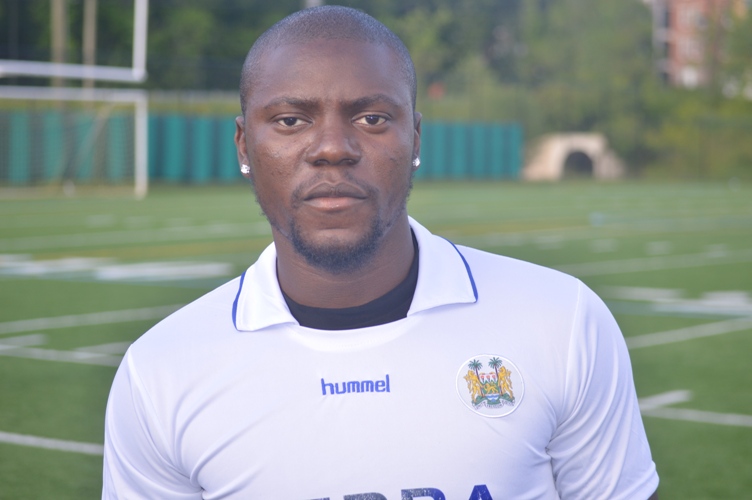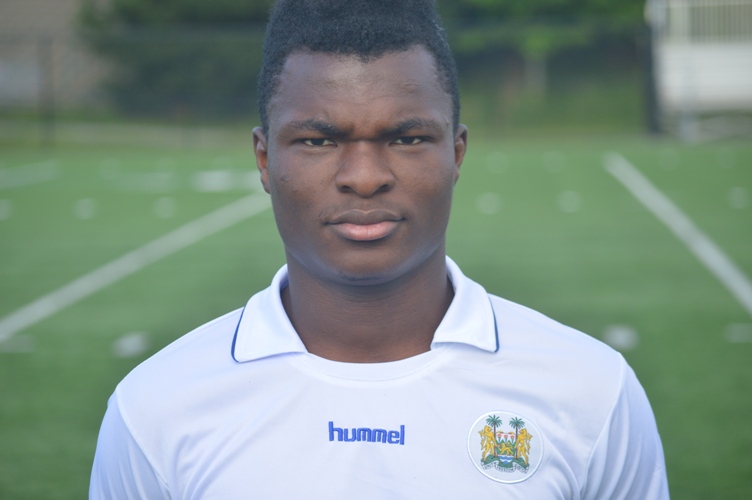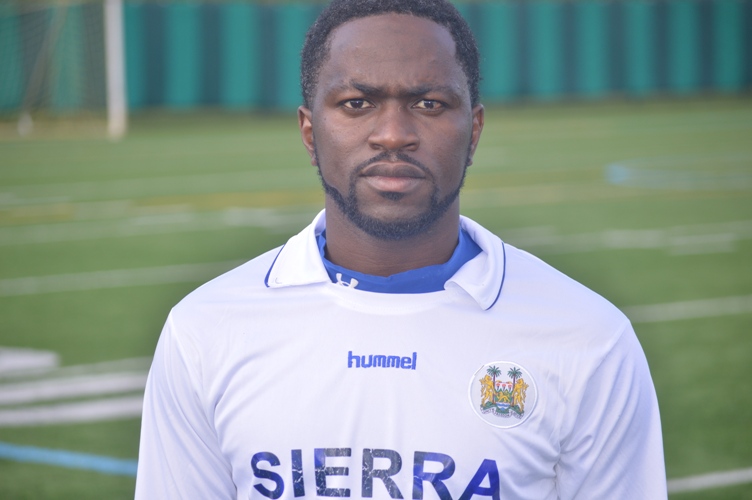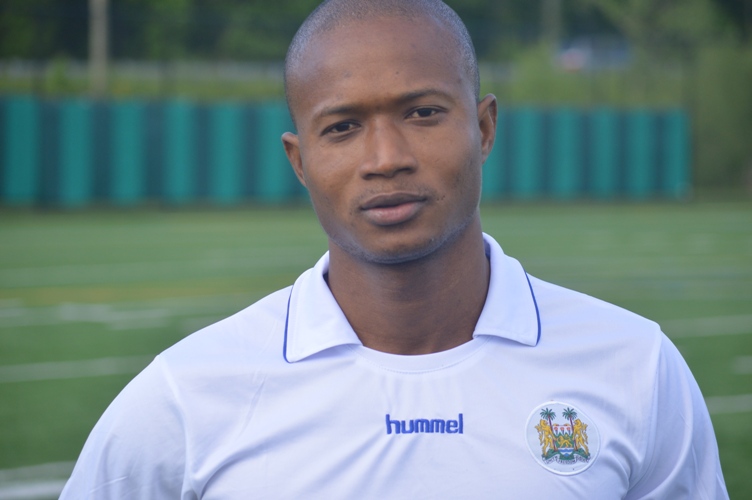

The Diaspora World Cup operates in some of the major cities and metro areas in
United States and
Canada. Our network of register players includes 20 cities, 200 countries, 400
teams, and 10,000
players. Join our movement to solve the world's most pressing challenges:
Illiteracy
Who We are text will be here Who We are text will be here Who We are text will
be here Who We
are text will be here Who We are text will be here Who We are text will be here
Who We are text
will be here Who We are text will be here Who We are text will be here
What We Do text will be here What We Do text will be here What We Do text will
be here What We
Do text will be here What We Do text will be here What We Do text will be here
What We Do text
will be here What We Do text will be here What We Do text will be here What We
Do text will be
here What We Do text will be here What We Do text will be here
Get Involved text will be here Get Involved text will be here Get Involved text
will be here Get
Involved text will be here Get Involved text will be here Get Involved text will
be here Get
Involved text will be here Get Involved text will be here Get Involved text will
be here Get
Involved text will be here
Education is a basic Human Right and the Diaspora World Cup global school
program focuses its
energy in some the poorest countries around the world. We build schools in some
of the poorest
countries around the worldthat historically had no adequate school structure.
Any member of the
World Diaspora has the power to end illiteracy around the world through the
power of soccer.
High-profile sport figures, global leaders, business leaders, political figure,
journalists,
activists, philanthropists, actors, and entrepreneurs united by their commitment
to the Diaspora
World Cup mission to eradicate illiteracy around the world through the power of
soccer. They serve
as role models and spread the Diaspora World Cup vision and commitment of a
world mobilized
through soccer.
Diaspora 2027: complete guide to all players | The Diaspora
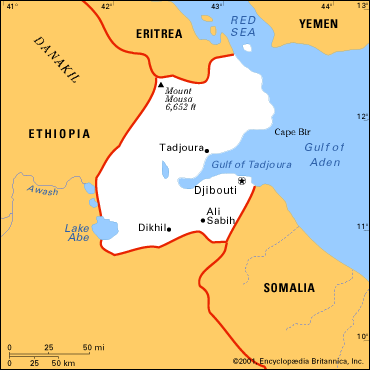
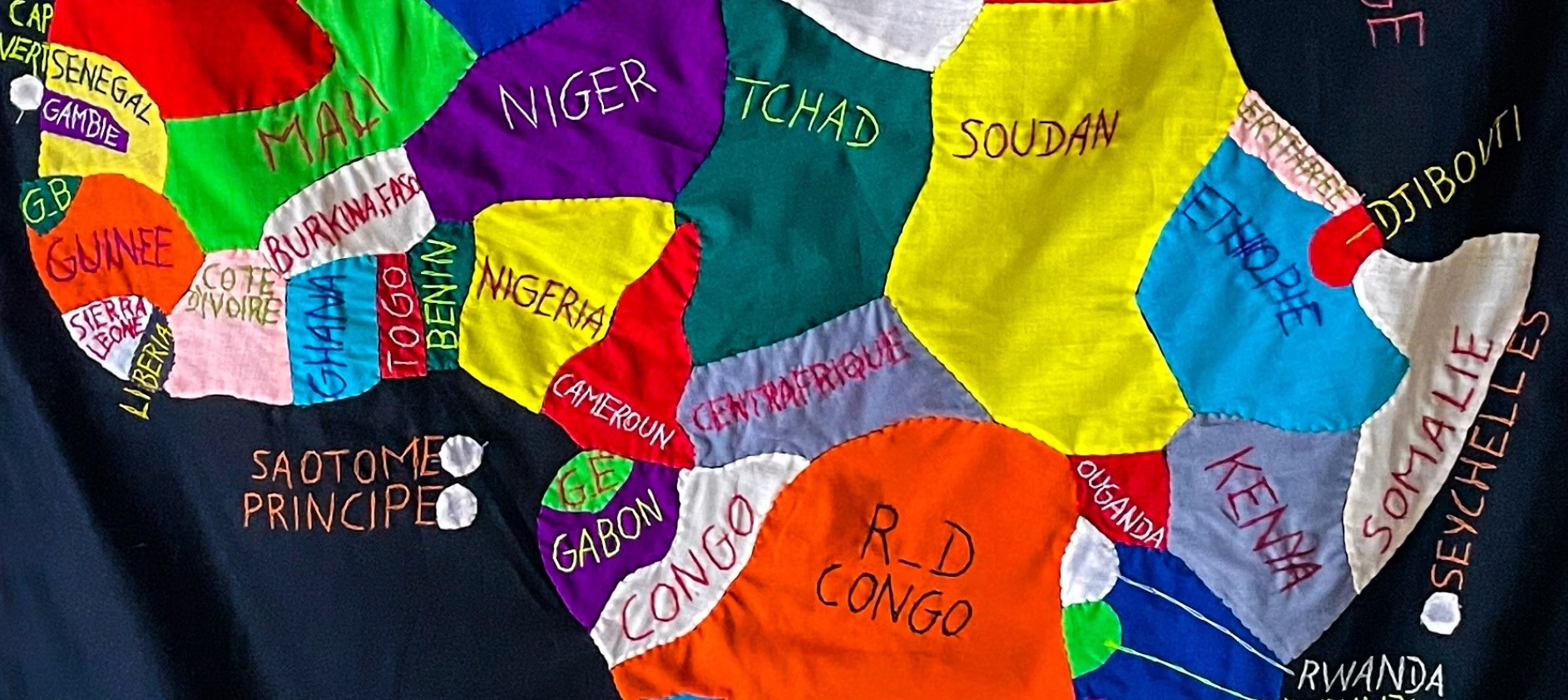
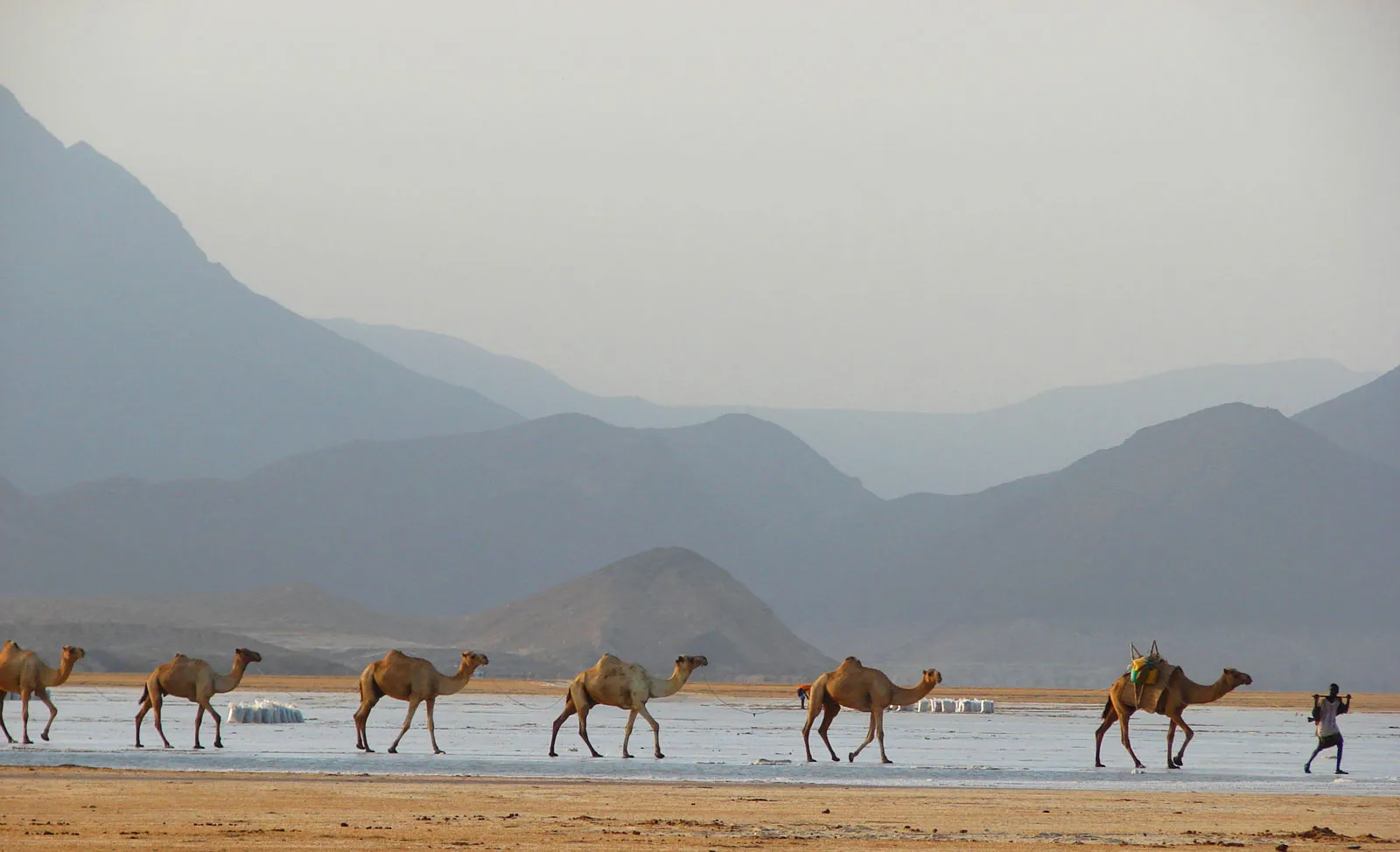
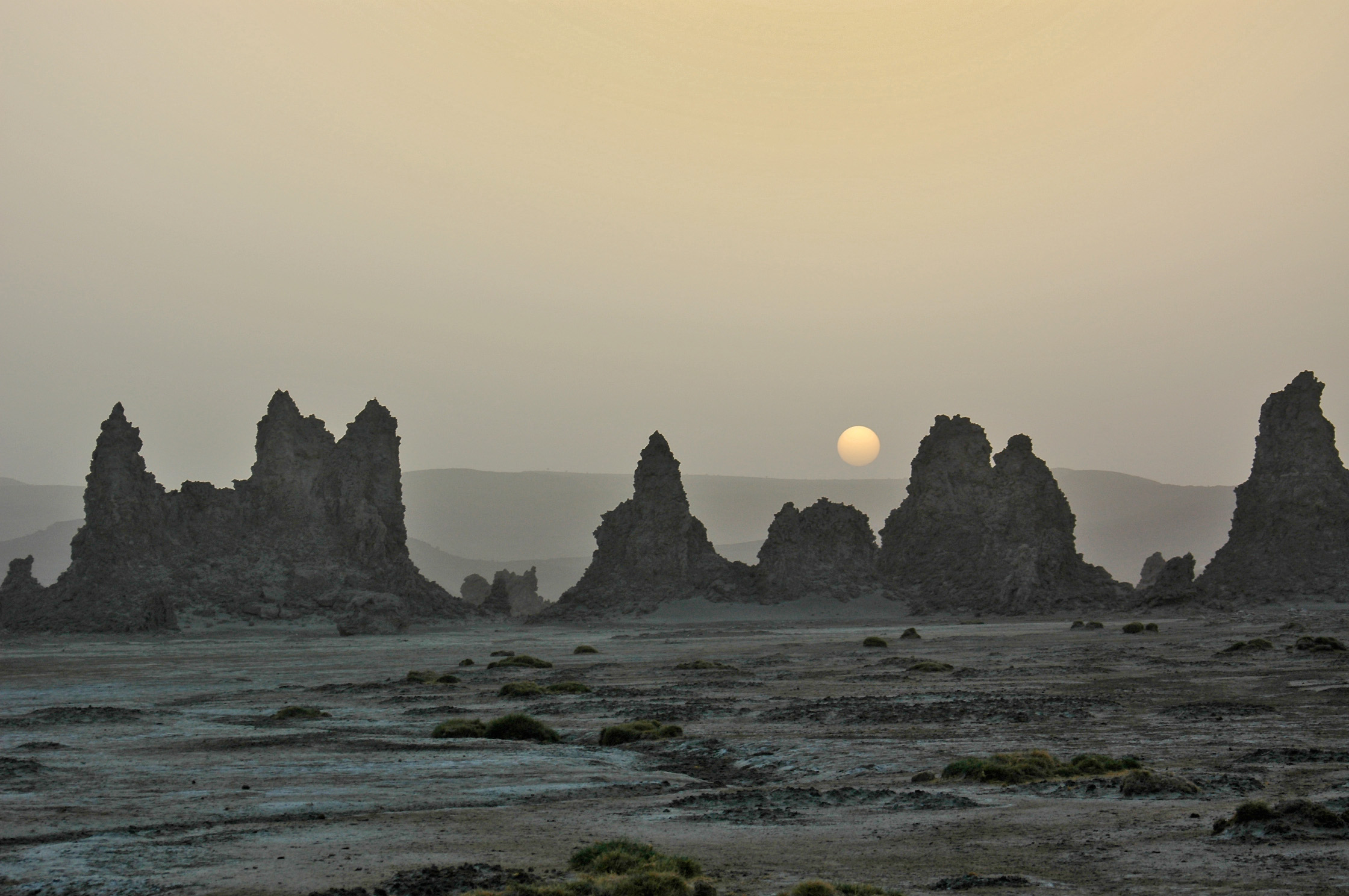
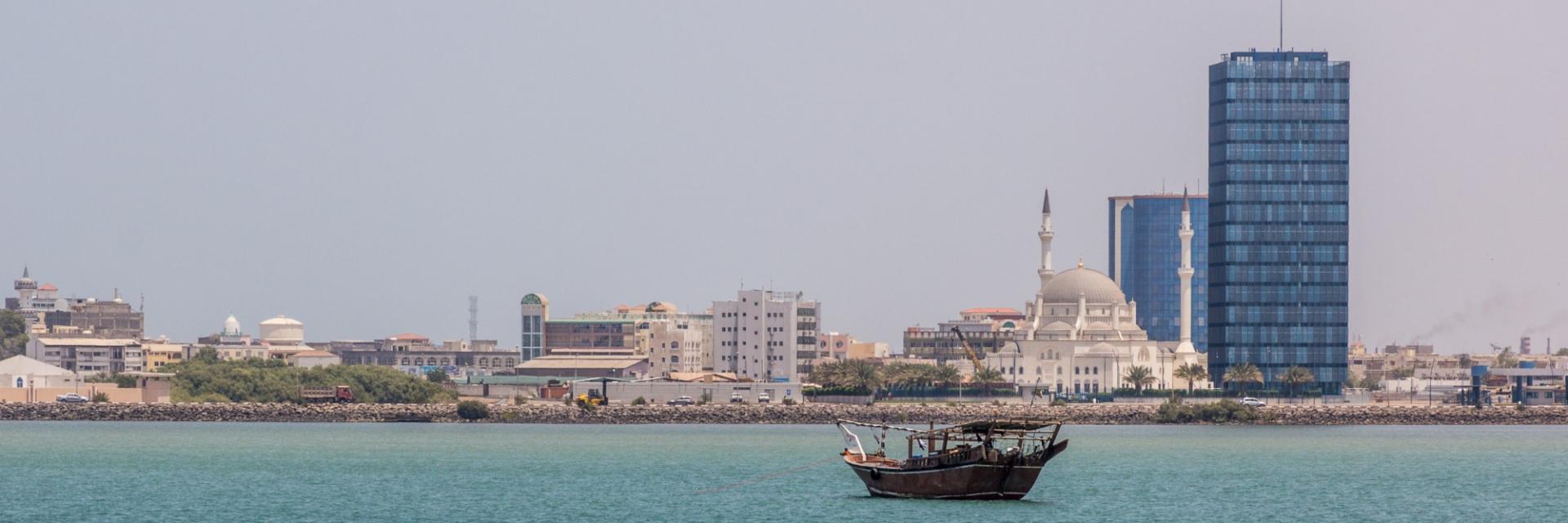
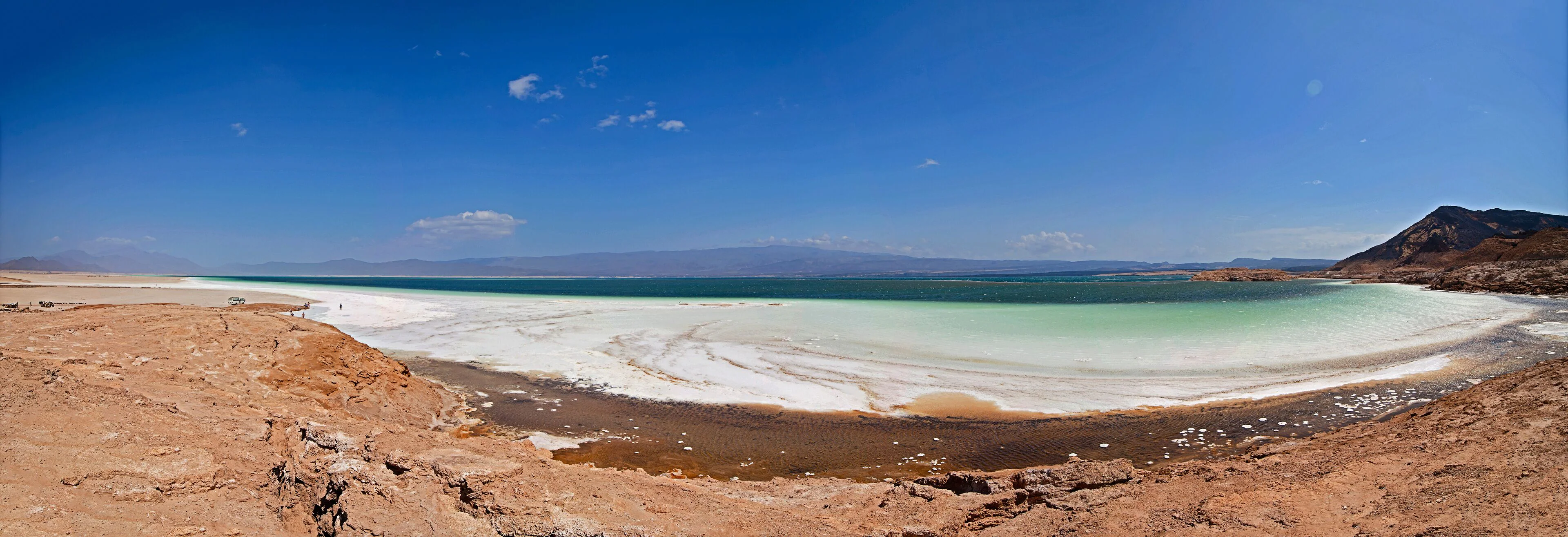
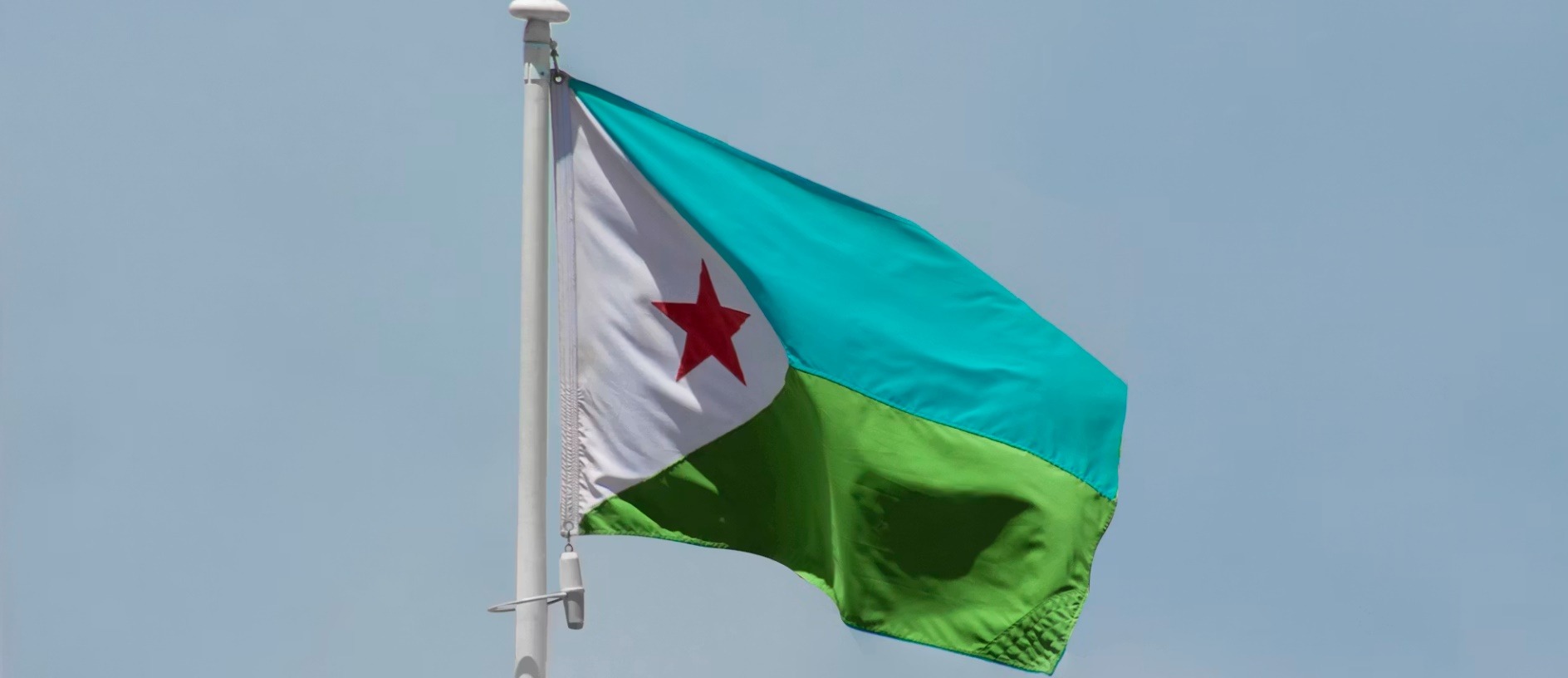
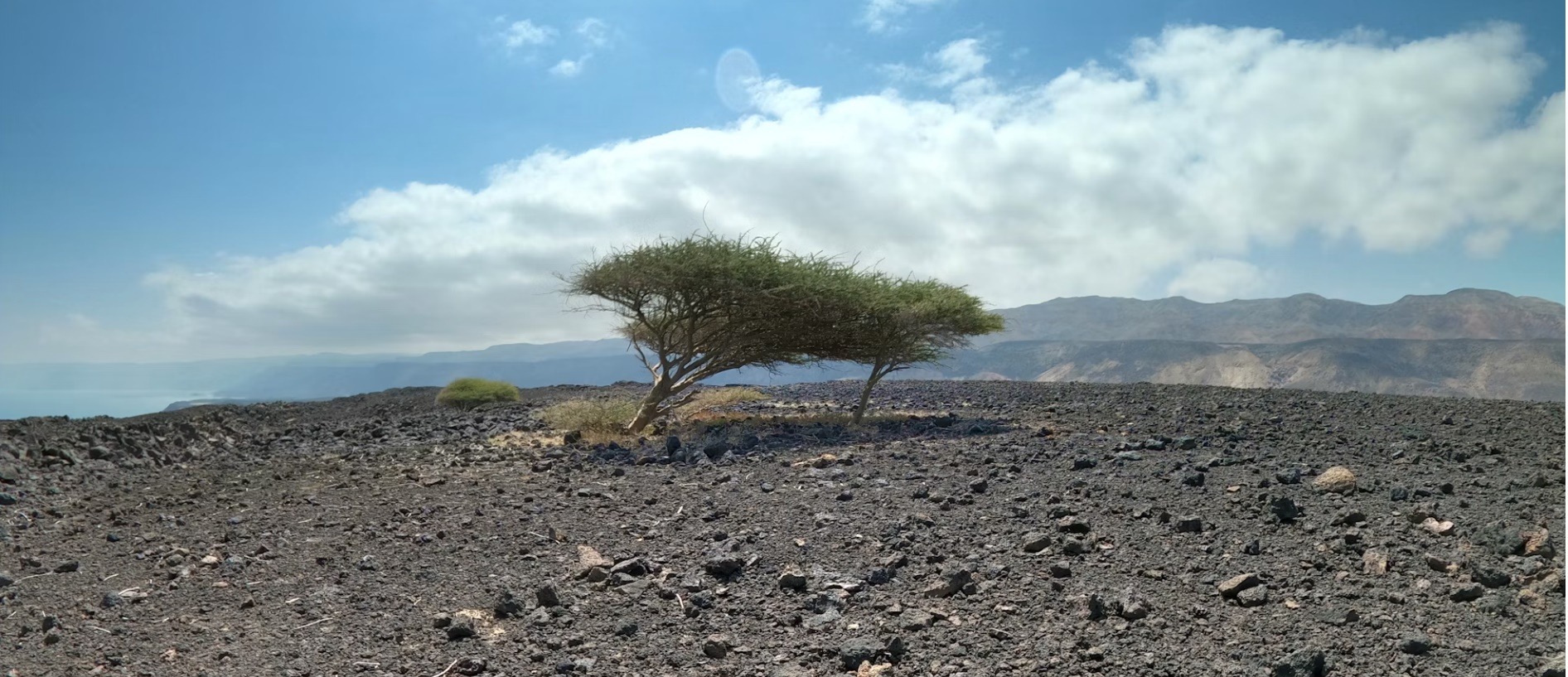
DJIBOUTI
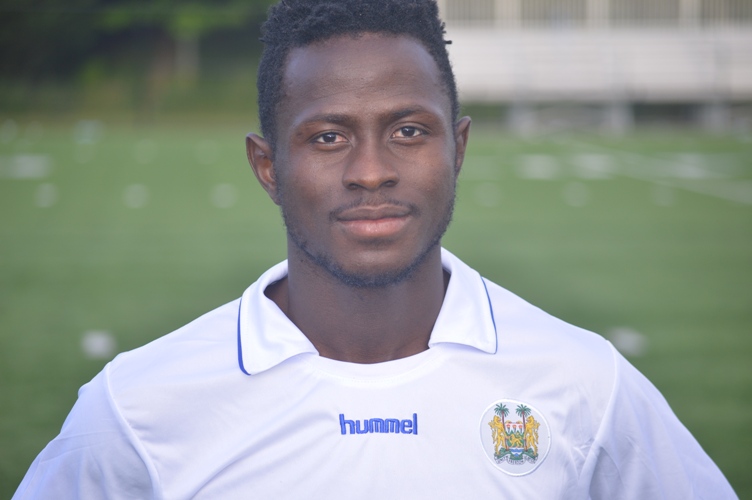
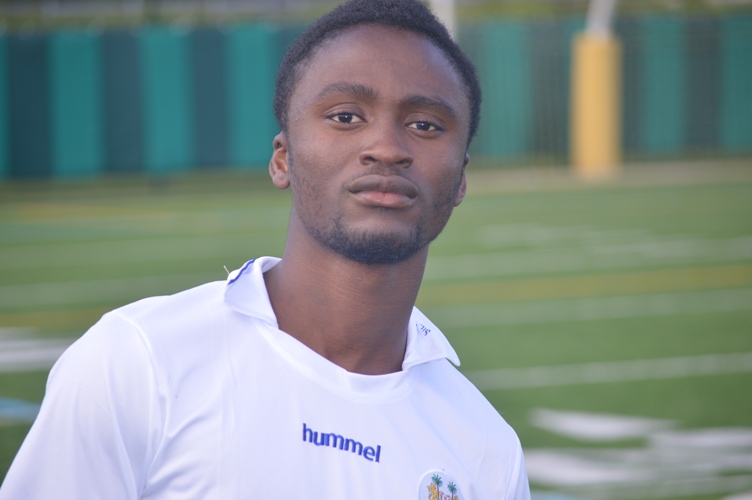
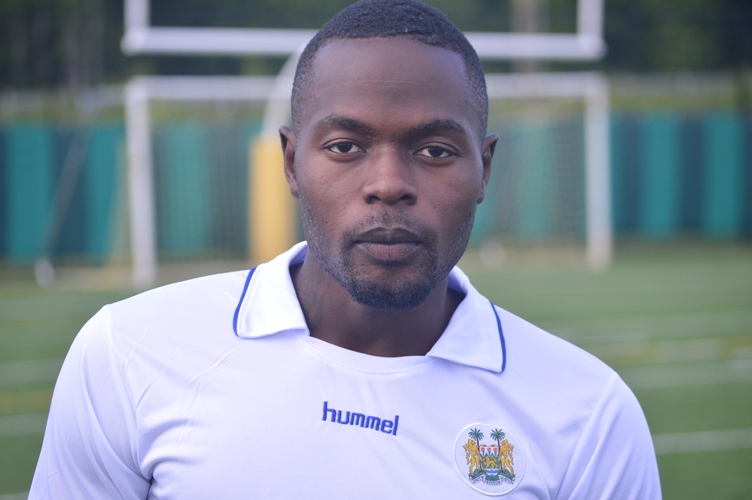
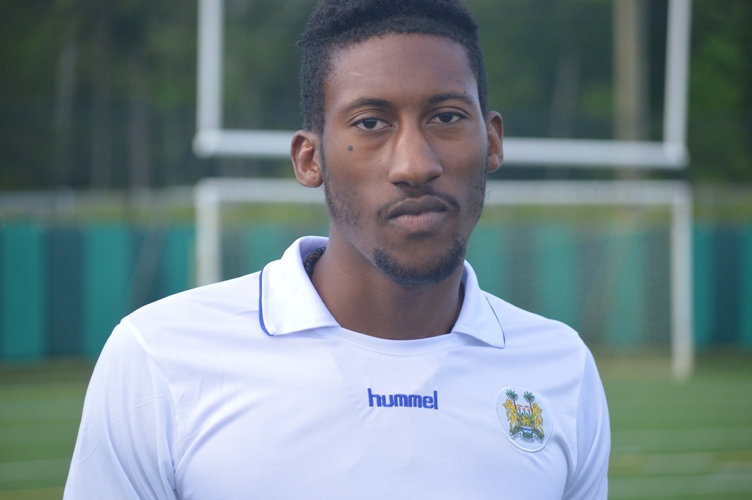
Welcome to the 2028 Diaspora World Cup. Silver Spring – Takoma P.
Silver Spring – Takoma P.
Welcome to the 2028 Diaspora World Cup. Silver Spring – Takoma P.
The Djiboutian diaspora in the DMV (Washington, D.C., Maryland, and Virginia) is a close-knit, highly integrated immigrant population centered heavily around the nation's capital. While it is smaller in total numbers compared to neighboring Horn of Africa populations like the Ethiopian or Somali communities, it remains highly visible due to local strategic partne...The Djiboutian diaspora in the DMV (Washington, D.C., Maryland, and Virginia) is a close-knit, highly integrated immigrant population centered heavily around the nation's capital. While it is smaller in total numbers compared to neighboring Horn of Africa populations like the Eth...
More Information
Chelsea Official
Download The 5th Stand, Chelsea’s official mobile app, to see exclusive content, match action and all the latest news from Stamford Bridge.
More Information
Street Soccer in Djibouti
Street soccer is enjoyed by many children and teenagers in Djibouti, where informal football matches are often played in neighbourhood areas, school grounds, community spaces, and open sandy fields. These games provide young players with an opportunity to stay active, enjoy football, and build friendships within their local communities.
Playing in challenging outdoor conditions helps participants develop quick movement, close ball control, passing skills, and adaptability. The smaller playing areas encourage players to think quickly, work together, and improve their techniques through regular practice.
Street soccer offers an accessible way for communities across Djibouti to participate in football without requiring large stadiums or expensive equipment. It encourages physical activity, strengthens social connections, and helps young players develop a lasting interest in the sport.
Street Soccer Culture in Djibouti
Football is widely followed in Djibouti, and street soccer often serves as an introduction to the game for many young players. Matches organised by friends, schools, and neighbourhood groups create opportunities for communities to come together and enjoy football.
Skills Developed Through Street Soccer
Street soccer helps players improve dribbling, first touch, passing accuracy, balance, agility, and awareness. The quick style of play also develops communication, creativity, and decision-making in tight situations.
Street Soccer and Community Development
Street soccer brings young people together through a shared passion for football while promoting active lifestyles and teamwork. It also provides a foundation for talented players before joining school teams, local clubs, or organised football programmes.
Chelsea Official
The Djiboutian diaspora in the DMV (Washington, D.C., Maryland, and Virginia) is a close-knit, highly integrated immigrant population centered heavily around the nation's capital. While it is smaller in total numbers compared to neighboring Horn of Africa populations like the Ethiopian or Somali communities, it remains highly visible due to local strategic partnerships, defense contracting, and diplomatic missions.
Key Community Anchors
The Focal Point: The Embassy of the Republic of Djibouti acts as the centralized cultural and civic hub for Djiboutians living across the region. Located at 1156 15th St NW #515, Washington, D.C., the embassy routinely interfaces with the local diaspora for civic updates, passport services, and community engagement.
Cultural & Religious Ties: Due to their shared cultural heritage, languages (Somali and Afar), and religion (Islam), many members of the Djiboutian diaspora actively integrate with broader Horn of Africa networks and local Muslim community organizations. Local venues like Center DC provide general social, spiritual, and community building opportunities for a diverse mix of East African and local residents.
Bilateral & Professional Integration: A distinct segment of the local diaspora works in defense, logistics, international maritime trade, or federal contracting. This stems directly from the strategic partnership between the United States and Djibouti, which hosts Camp Lemonnier—the only permanent U.S. military installation on the African continent.
Major Cultural Celebrations
The local community frequently coordinates with the embassy to host public and private events, the largest being:
Djiboutian Independence Day: Commemorating June 27, 1977, this major milestone typically draws local diaspora families, regional diplomats, and U.S. State Department officials for formal celebrations and community dinners.
Significance
Djiboutian migration has generally reflected French colonial rule, Red Sea trade, regional labour movement, drought, limited employment, education, political change, professional opportunities, asylum, and family reunification.
Migration from Djibouti has historically occurred mainly within the Horn of Africa, the Arabian Peninsula, and France rather than through large-scale movement to the United States. Djiboutians travelled to Ethiopia, Somalia, Yemen, Saudi Arabia, France, and other destinations for trade, maritime employment, education, government service, professional work, and family connections. The country’s strategic location near the Red Sea made it an important centre for shipping and regional movement. Direct migration to the United States remained comparatively small and mainly involved students, diplomats, academics, military personnel, skilled professionals, asylum seekers, and relatives joining family members. Djiboutian communities abroad maintained connections through remittances, family visits, religious institutions, and cultural associations.
Djiboutian Migration Before Independence
Before independence, the territory was governed by France and was known first as French Somaliland and later as the French Territory of the Afars and Issas. Migration was influenced by the development of Djibouti’s port, construction of the railway connecting the coast with Addis Ababa, colonial military service, maritime commerce, and regional labour demand. Afar, Somali, Arab, Ethiopian, and other communities moved across borders as pastoralists, merchants, dockworkers, sailors, railway employees, soldiers, students, and government workers. Direct settlement in the United States remained uncommon because most political, educational, and commercial connections operated through France and neighbouring territories. These regional movements helped establish the multicultural population and commercial importance of modern Djibouti.
Late-Twentieth- and Early-Twenty-First-Century Migration
Lorem ipsum dolor sit amet, consectetur adipiscing elit, sed do eiusmod tempor incididunt ut
labore et dolore magna aliqua. Ut enim ad minim veniam, quis nostrud exercitation ullamco
laboris nisi ut aliquip ex ea commodo consequat. Duis aute irure dolor in
reprehenderit in voluptate velit esse cillum dolore eu fugiat nulla pariatur.