
The Diaspora World Cup operates in some of the major cities and metro areas in
United States and
Canada. Our network of register players includes 20 cities, 200 countries, 400
teams, and 10,000
players. Join our movement to solve the world's most pressing challenges:
Illiteracy
Who We are text will be here Who We are text will be here Who We are text will
be here Who We
are text will be here Who We are text will be here Who We are text will be here
Who We are text
will be here Who We are text will be here Who We are text will be here
What We Do text will be here What We Do text will be here What We Do text will
be here What We
Do text will be here What We Do text will be here What We Do text will be here
What We Do text
will be here What We Do text will be here What We Do text will be here What We
Do text will be
here What We Do text will be here What We Do text will be here
Get Involved text will be here Get Involved text will be here Get Involved text
will be here Get
Involved text will be here Get Involved text will be here Get Involved text will
be here Get
Involved text will be here Get Involved text will be here Get Involved text will
be here Get
Involved text will be here
Education is a basic Human Right and the Diaspora World Cup global school
program focuses its
energy in some the poorest countries around the world. We build schools in some
of the poorest
countries around the worldthat historically had no adequate school structure.
Any member of the
World Diaspora has the power to end illiteracy around the world through the
power of soccer.
High-profile sport figures, global leaders, business leaders, political figure,
journalists,
activists, philanthropists, actors, and entrepreneurs united by their commitment
to the Diaspora
World Cup mission to eradicate illiteracy around the world through the power of
soccer. They serve
as role models and spread the Diaspora World Cup vision and commitment of a
world mobilized
through soccer.
Diaspora 2027: complete guide to all players | The Diaspora
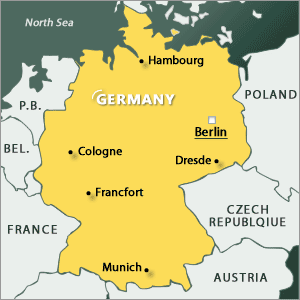
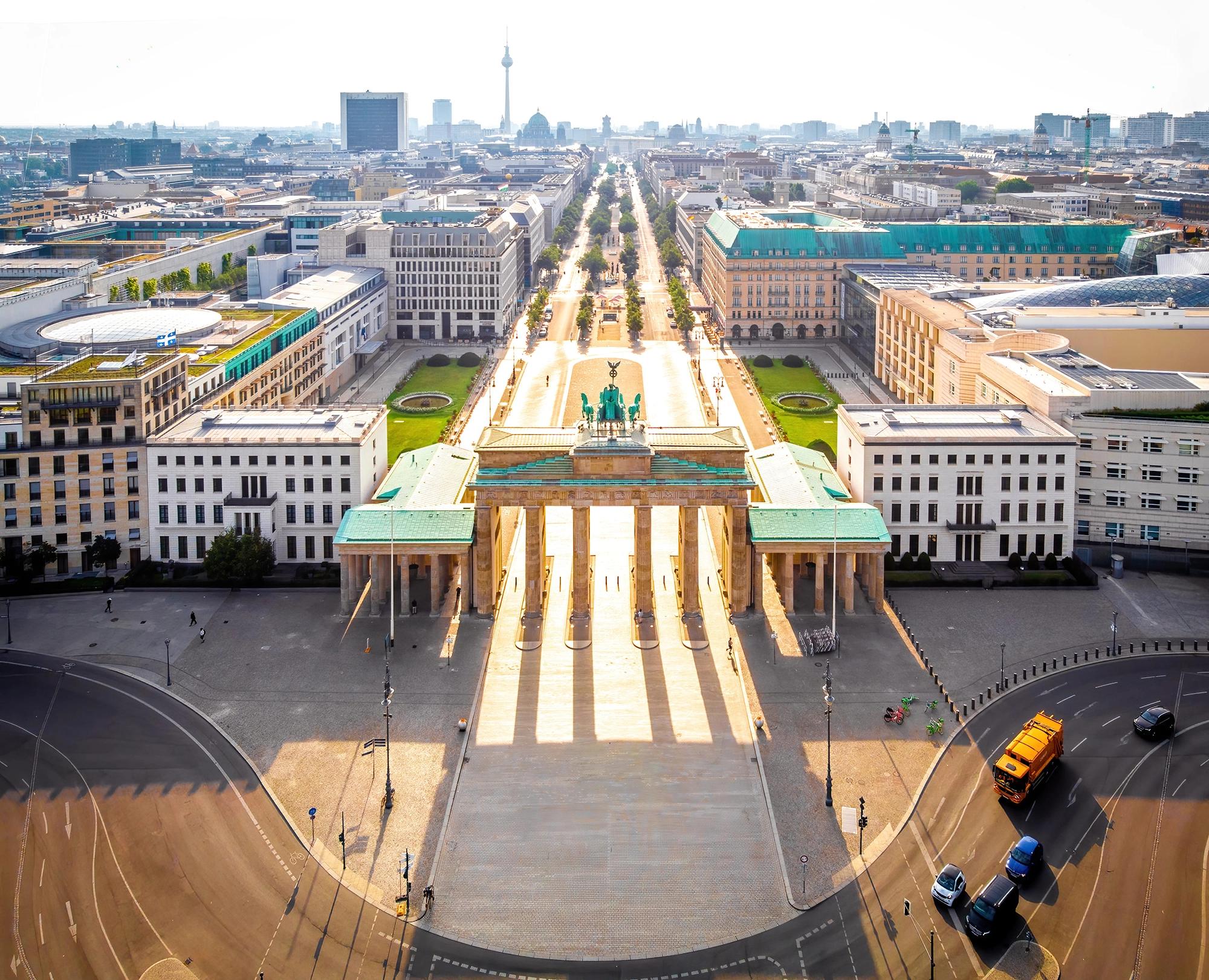
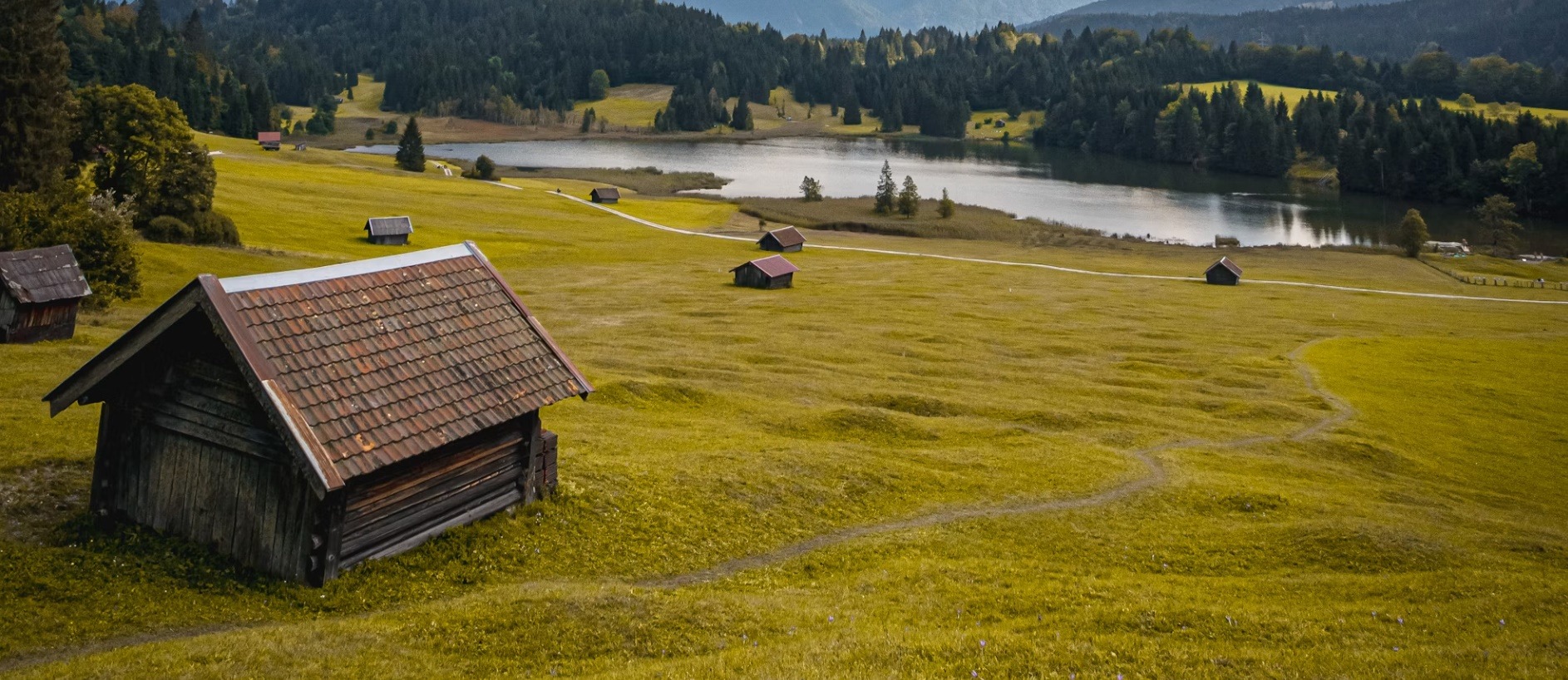
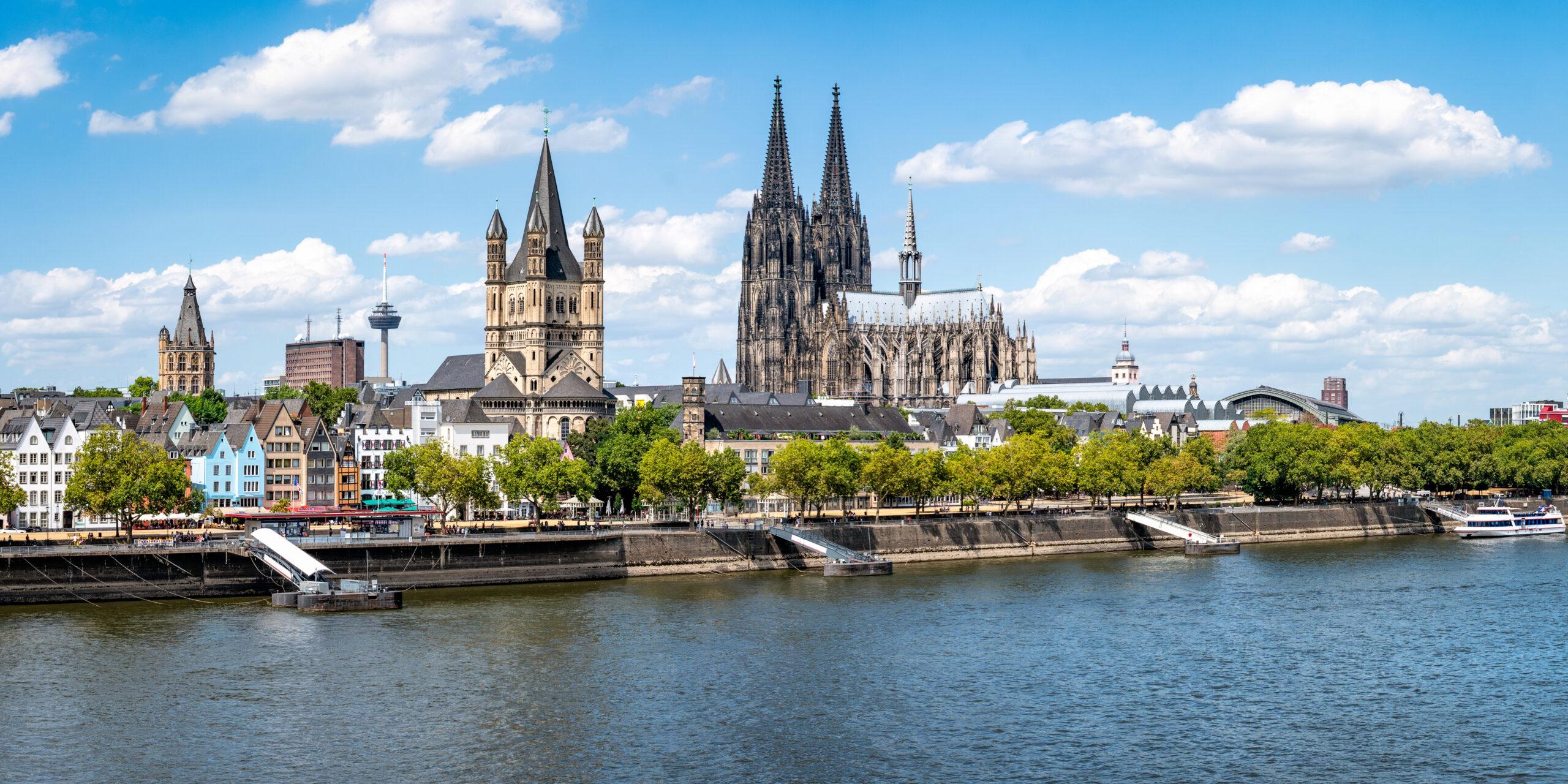
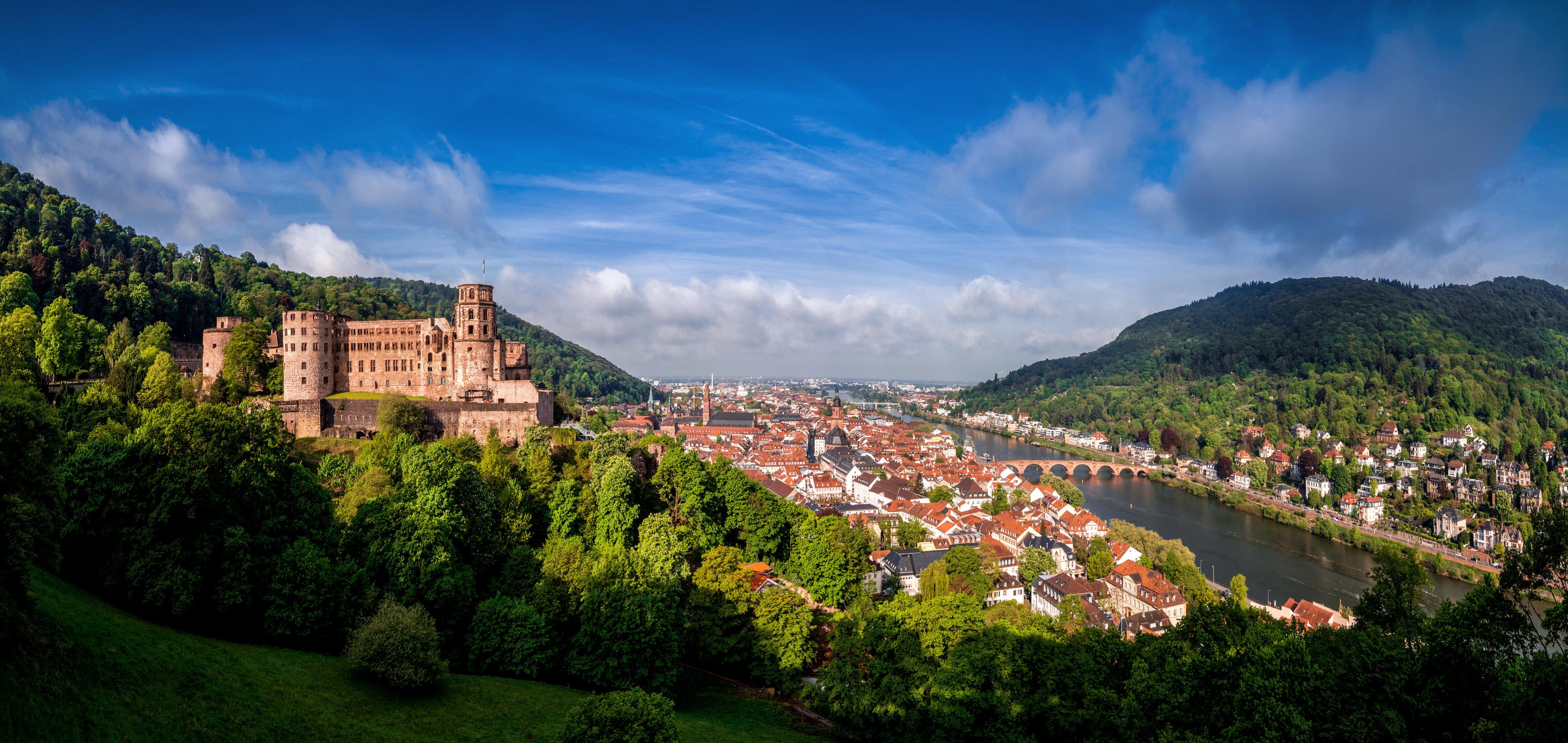
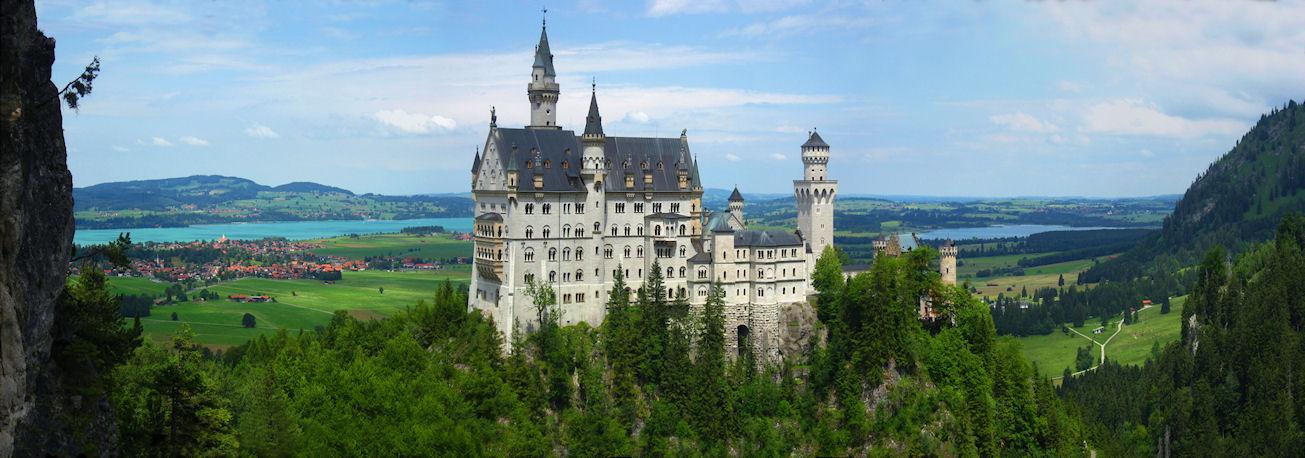
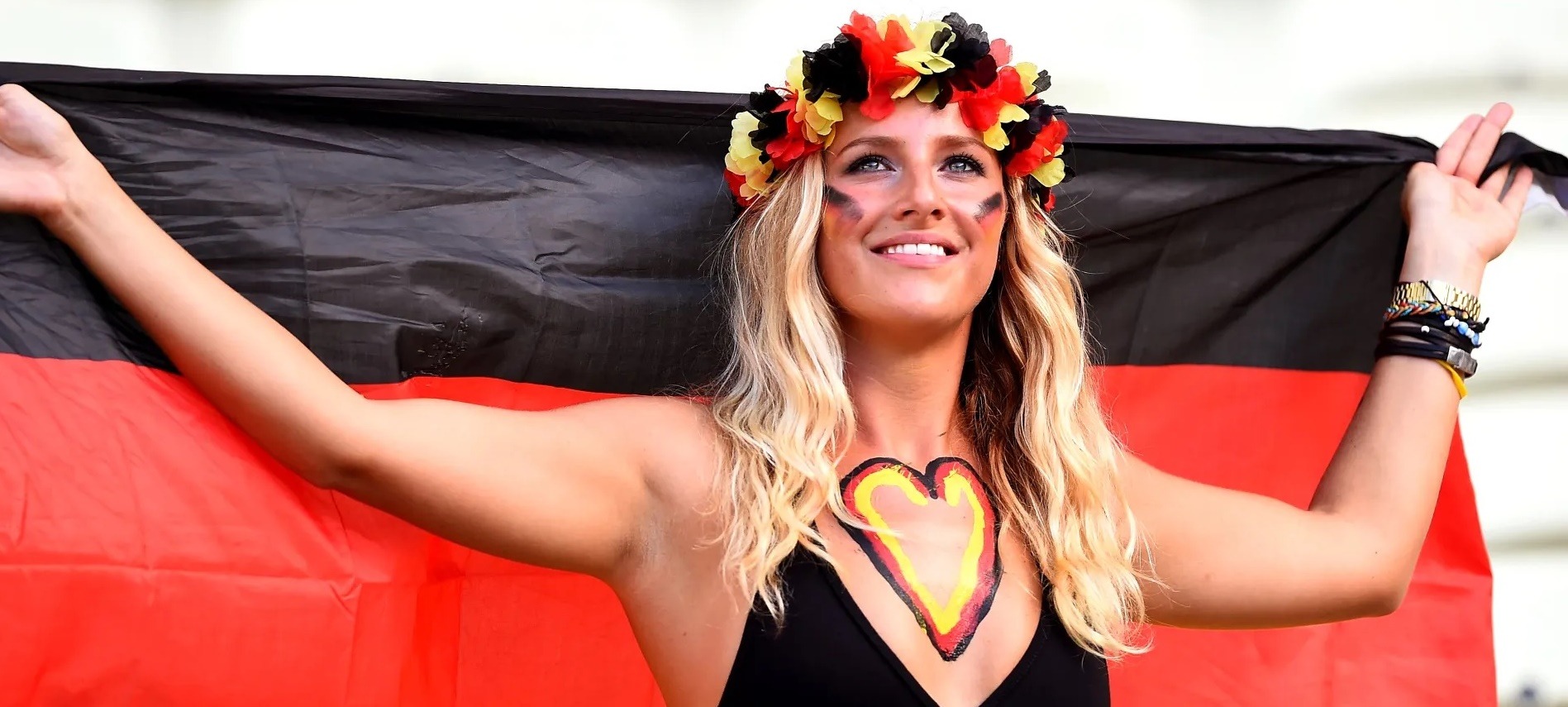
GERMANY
Welcome to the 2028 Diaspora World Cup. Silver Spring – Takoma P.
Silver Spring – Takoma P.
Welcome to the 2028 Diaspora World Cup. Silver Spring – Takoma P.
The German diaspora in the Washington, D.C., Maryland, and Virginia (DMV) region comprises a vibrant, multi-layered community of roughly 560,000 residents who claim German ancestry. This population spans historical families settled since the 18th and 19th centuries, alongside a modern, transient expat community of diplomats, corporate leaders, and international s...The German diaspora in the Washington, D.C., Maryland, and Virginia (DMV) region comprises a vibrant, multi-layered community of roughly 560,000 residents who claim German ancestry. This population spans historical families settled since the 18th and 19th centuries, alongside a m...
More Information
Chelsea Official
Download The 5th Stand, Chelsea’s official mobile app, to see exclusive content, match action and all the latest news from Stamford Bridge.
More Information
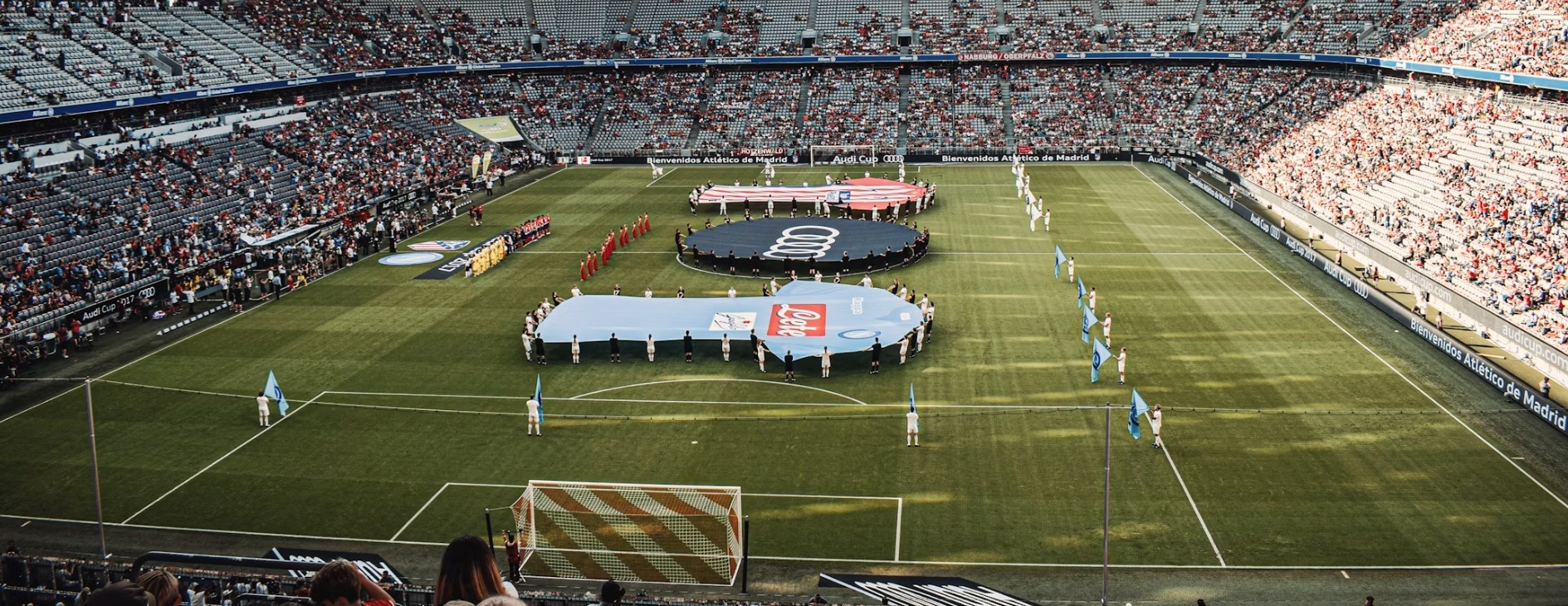
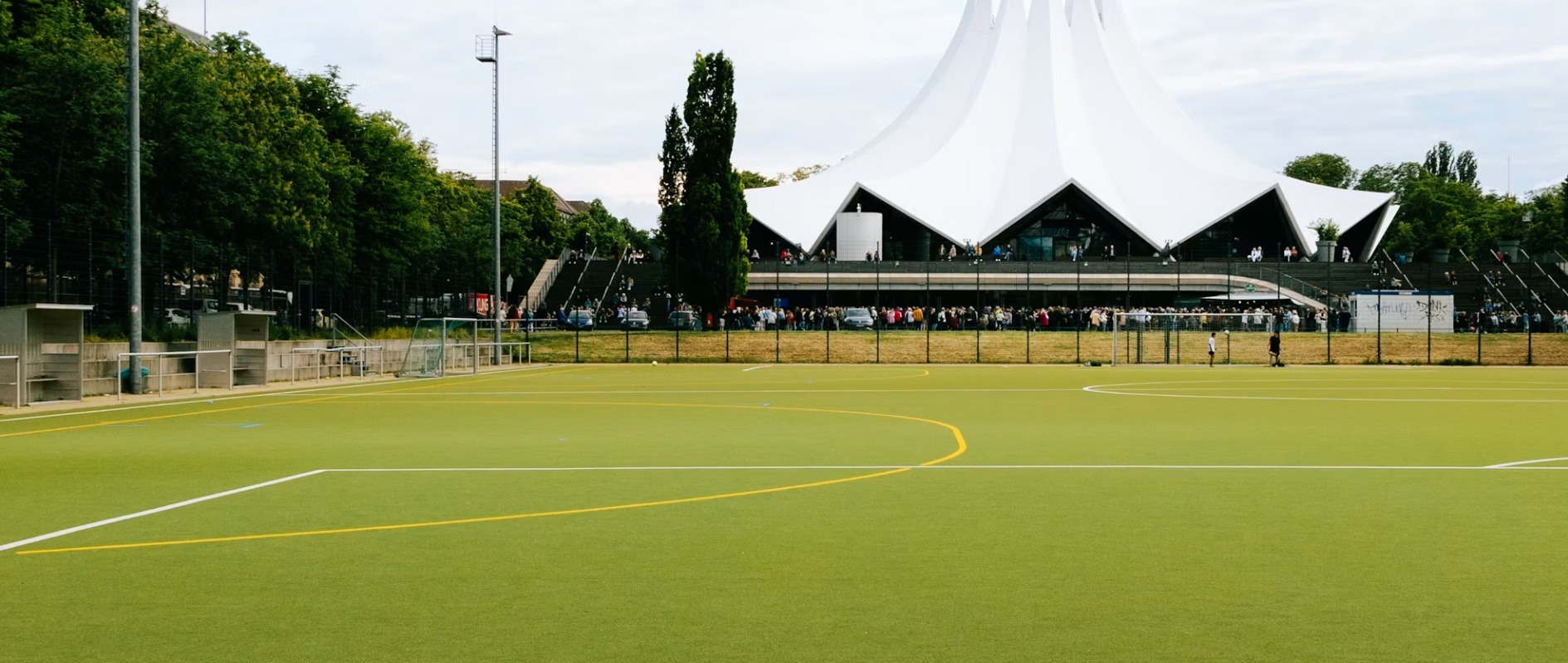
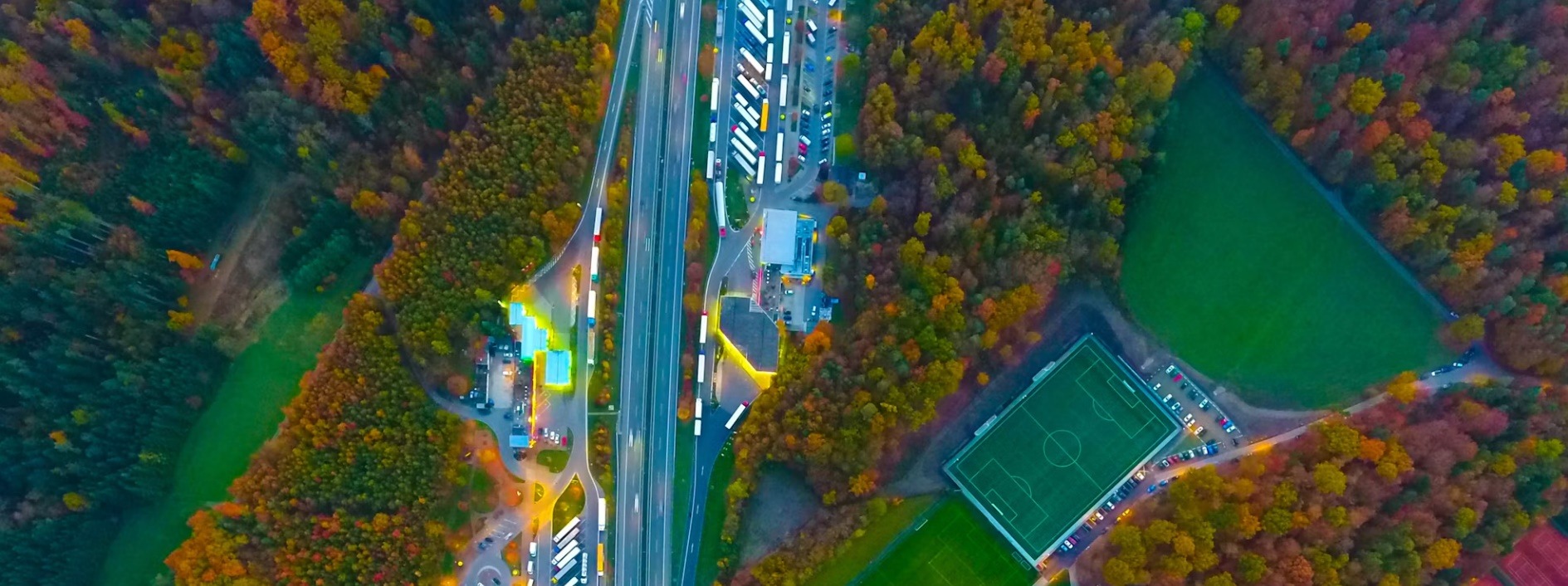
Street Soccer in Germany
Street soccer is a well-established part of football culture in Germany, where children and teenagers regularly play informal matches in neighbourhood courts, school playgrounds, public parks, and community sports facilities. These games give young players an opportunity to enjoy football outside organised training while building friendships and improving their skills.
Playing on compact pitches encourages precise passing, intelligent movement, quick ball control, and fast decision-making. The continuous action helps players refine their technique, develop tactical awareness, and gain confidence through competitive yet enjoyable games with friends.
Street soccer provides an accessible way for communities across Germany to participate in football without needing professional stadiums or large playing fields. It promotes active lifestyles, encourages social interaction, and supports the country's strong grassroots football culture.
Street Soccer Culture in Germany
Football is deeply rooted in German sporting life, and street soccer has long been an important starting point for young players. Informal matches organised by friends, schools, and local communities create an inclusive environment where players can develop their passion for the game from an early age.
Skills Developed Through Street Soccer
Street soccer helps players improve first touch, dribbling, passing accuracy, agility, balance, spatial awareness, and ball control. The fast pace of the game also strengthens communication, tactical thinking, creativity, and quick decision-making.
Street Soccer and Community Development
Street soccer brings neighbourhoods together by creating opportunities for young people to connect through football and outdoor activity. It also provides a valuable foundation for aspiring players before progressing to school teams, grassroots clubs, football academies, or organised youth competitions.
The Germany in the DMV Metro
The German diaspora in the Washington, D.C., Maryland, and Virginia (DMV) region comprises a vibrant, multi-layered community of roughly 560,000 residents who claim German ancestry. This population spans historical families settled since the 18th and 19th centuries, alongside a modern, transient expat community of diplomats, corporate leaders, and international scholars.
📊 Demographic Footprint
Total Population: Approximately 559,490 residents with German ancestry live in the DC metro area.
Regional Concentration: German roots make up roughly 10.3% of the total ancestry reported across the Washington metro region.
Top Concentrations: While spread across the suburbs, Frederick, MD (specifically ZIP code 21701) holds one of the highest concentrated populations. Germantown, MD also traces its foundational roots to 19th-century German shopkeepers.
🏛️ Cultural & Historical Institutions
The epicenter of the modern diaspora relies heavily on bilateral relations and historical preservation:
German-American Heritage Foundation & Museum: Located in the historic 7th Street corridor (historically a German-American business hub), this museum documents the ancestral contributions of Germans to the United States.
Goethe-Institut Washington: The official cultural institute of the Federal Republic of Germany. It hosts language classes, film screenings, and cross-cultural exchanges.
German Historical Institute (GHI): A prominent research institute fostering transatlantic historical scholarship.
German International School Washington D.C. (GISW): Located in Potomac, MD, this school serves as an educational and cultural cornerstone for expatriate and bilingual families.
Diplomatic and Trade Bodies: The German Embassy and the Representative of German Industry and Trade (RGIT) manage political and economic transatlantic ties.
🗺️ Historical Landmarks in D.C.
Historical architecture and monuments created by German immigrants are woven directly into the fabric of the National Mall:
German-American Friendship Garden: Located on the National Mall, commemorating centuries of immigration.
Eastern Market: Designed by the famous German immigrant architect Adolf Cluss.
Prospect Hill Cemetery: The historic resting place for many of the District's early German master craftsmen and architects.
Significance
Immigration from Germany has generally reflected political change, economic opportunity, industrialization, war, religious freedom, education, professional employment, scientific research, family reunification, and international business.
Migration from Germany has played a significant role in the history of the United States since the colonial era. During the eighteenth and nineteenth centuries, millions of Germans emigrated to North America seeking farmland, religious freedom, economic opportunity, and political stability. German immigrants established communities across the United States, contributing to agriculture, manufacturing, commerce, education, science, and public service. Following the Second World War, migration patterns shifted toward skilled professionals, students, researchers, entrepreneurs, corporate employees, and family-sponsored immigrants. Today, immigration from Germany continues through higher education, multinational business, scientific collaboration, specialized employment, and family reunification, with German Americans maintaining strong cultural and economic ties between the two countries.
German Migration Before Independence
Before the establishment of modern Germany in 1871, the region consisted of numerous kingdoms, duchies, and principalities within the Holy Roman Empire and later the German Confederation. Migration was influenced by religious persecution, political unrest, agricultural change, military conflict, and economic hardship. Many Germans emigrated to the American colonies during the eighteenth century, particularly to Pennsylvania and other Mid-Atlantic regions, where they became farmers, craftsmen, merchants, teachers, and religious leaders. Large-scale migration continued throughout the nineteenth century as industrialization, population growth, and the failed Revolutions of 1848 encouraged many Germans to seek opportunities abroad. German unification in 1871 further strengthened diplomatic and commercial relations with the United States while migration remained substantial.
Late-Twentieth- and Early-Twenty-First-Century Immigration
Immigration patterns changed significantly after the Second World War as Germany experienced reconstruction, economic growth, and closer international cooperation. Students, engineers, scientists, healthcare professionals, academics, information technology specialists, entrepreneurs, diplomats, and corporate executives increasingly migrated to the United States for higher education, research, specialized employment, investment, or family reunification. Academic exchange programs, multinational companies, and scientific partnerships have continued to encourage professional mobility between the two countries. In the United States, German immigrants often rely on family networks, cultural societies, churches, alumni associations, and professional organizations for support with employment, education, and community integration while preserving the German language, traditional cuisine, festivals, music, cultural heritage, and close relationships with relatives and institutions in Germany.
Lorem ipsum dolor sit amet, consectetur adipiscing elit, sed do eiusmod tempor incididunt ut
labore et dolore magna aliqua. Ut enim ad minim veniam, quis nostrud exercitation ullamco
laboris nisi ut aliquip ex ea commodo consequat. Duis aute irure dolor in
reprehenderit in voluptate velit esse cillum dolore eu fugiat nulla pariatur.