
Responsive Header
  • Where We Work
  • Cameroon
  • The Diaspora World Cup operates in some of the major cities and metro areas in United States and Canada. Our network of register players includes 20 cities, 200 countries, 400 teams, and 10,000 players. Join our movement to solve the world's most pressing challenges: Illiteracy
  • Who We are text will be here Who We are text will be here Who We are text will be here Who We are text will be here Who We are text will be here Who We are text will be here Who We are text will be here Who We are text will be here Who We are text will be here
  • What We Do text will be here What We Do text will be here What We Do text will be here What We Do text will be here What We Do text will be here What We Do text will be here What We Do text will be here What We Do text will be here What We Do text will be here What We Do text will be here What We Do text will be here What We Do text will be here
  • Get Involved text will be here Get Involved text will be here Get Involved text will be here Get Involved text will be here Get Involved text will be here Get Involved text will be here Get Involved text will be here Get Involved text will be here Get Involved text will be here Get Involved text will be here
  • Education is a basic Human Right and the Diaspora World Cup global school program focuses its energy in some the poorest countries around the world. We build schools in some of the poorest countries around the worldthat historically had no adequate school structure. Any member of the World Diaspora has the power to end illiteracy around the world through the power of soccer.
  • High-profile sport figures, global leaders, business leaders, political figure, journalists, activists, philanthropists, actors, and entrepreneurs united by their commitment to the Diaspora World Cup mission to eradicate illiteracy around the world through the power of soccer. They serve as role models and spread the Diaspora World Cup vision and commitment of a world mobilized through soccer.
  •  
  •  
Diaspora 2027: complete guide to all players | The Diaspora
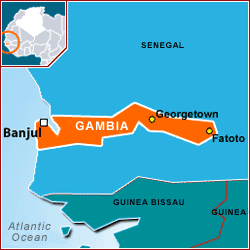
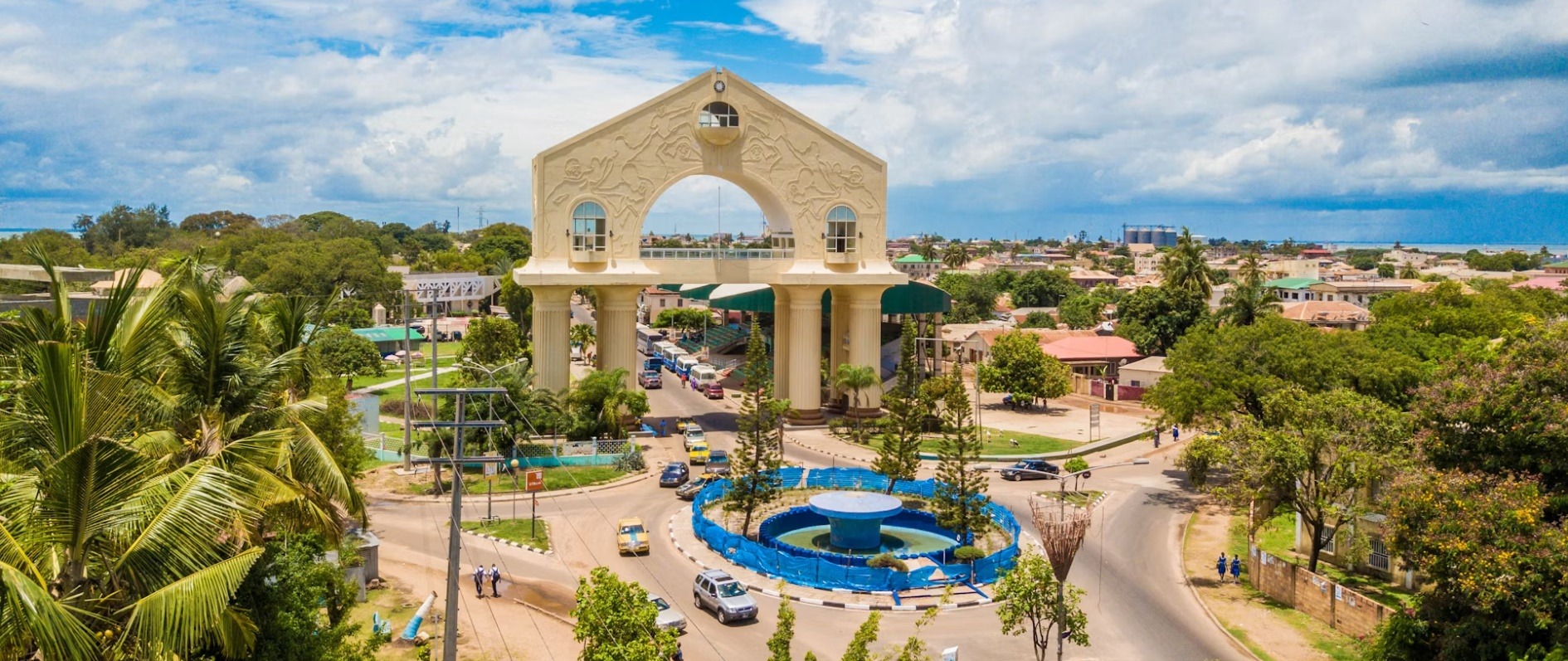
GAMBIA
Silver Spring – Takoma P.
Welcome to the 2027 Diaspora World Cup.
Silver Spring – Takoma P.

Significance

Immigration from The Gambia has generally reflected British colonial rule, educational opportunities, labour migration, economic hardship, family reunification, political developments, international trade, and professional employment.

Migration from The Gambia has historically been influenced by regional mobility within West Africa and longstanding connections with the United Kingdom resulting from British colonial administration. Gambians commonly migrated to Senegal and other neighbouring countries for trade, seasonal work, education, family relationships, and business. Overseas migration expanded after independence as students, healthcare professionals, academics, government officials, businesspeople, and skilled workers sought educational and employment opportunities in the United Kingdom, the United States, and other countries. In recent decades, economic challenges, youth unemployment, family sponsorship, and professional opportunities abroad have contributed to continued migration to the United States, where Gambian immigrants have established communities while maintaining strong cultural, religious, and family ties with their homeland.

Gambian Migration Before Independence

Before independence, The Gambia was administered as a British colony and protectorate, with its economy centred on agriculture, river trade, and colonial administration. Migration during the colonial period was shaped by commerce, seasonal agricultural labour, missionary education, government service, and military recruitment. Residents frequently travelled to Senegal and other parts of British West Africa as traders, farmers, labourers, students, civil servants, and members of extended families. Direct migration to the United States remained limited because most educational, political, and commercial links were focused on the United Kingdom and neighbouring West African territories. The Gambia gained independence on February 18, 1965, and the United States recognized the new nation the same year before establishing diplomatic relations.

Late-Twentieth- and Early-Twenty-First-Century Immigration

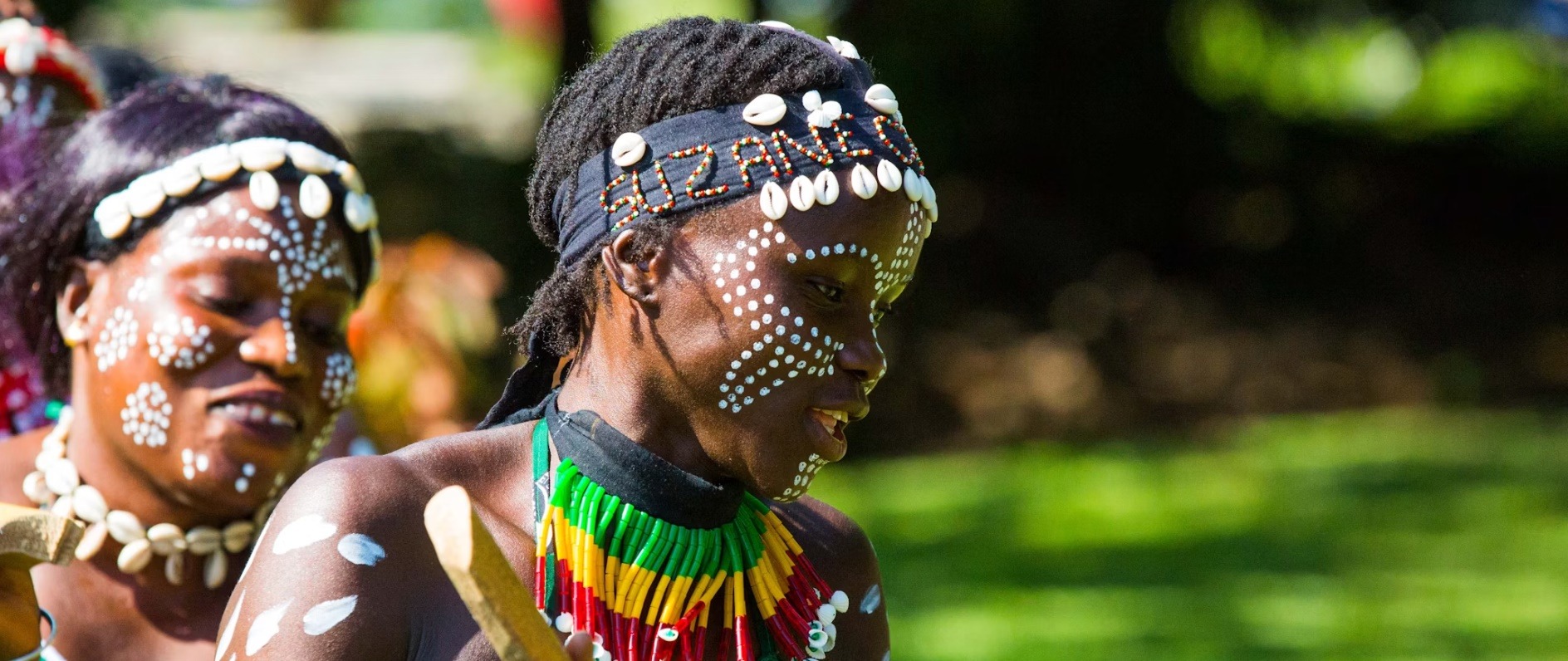
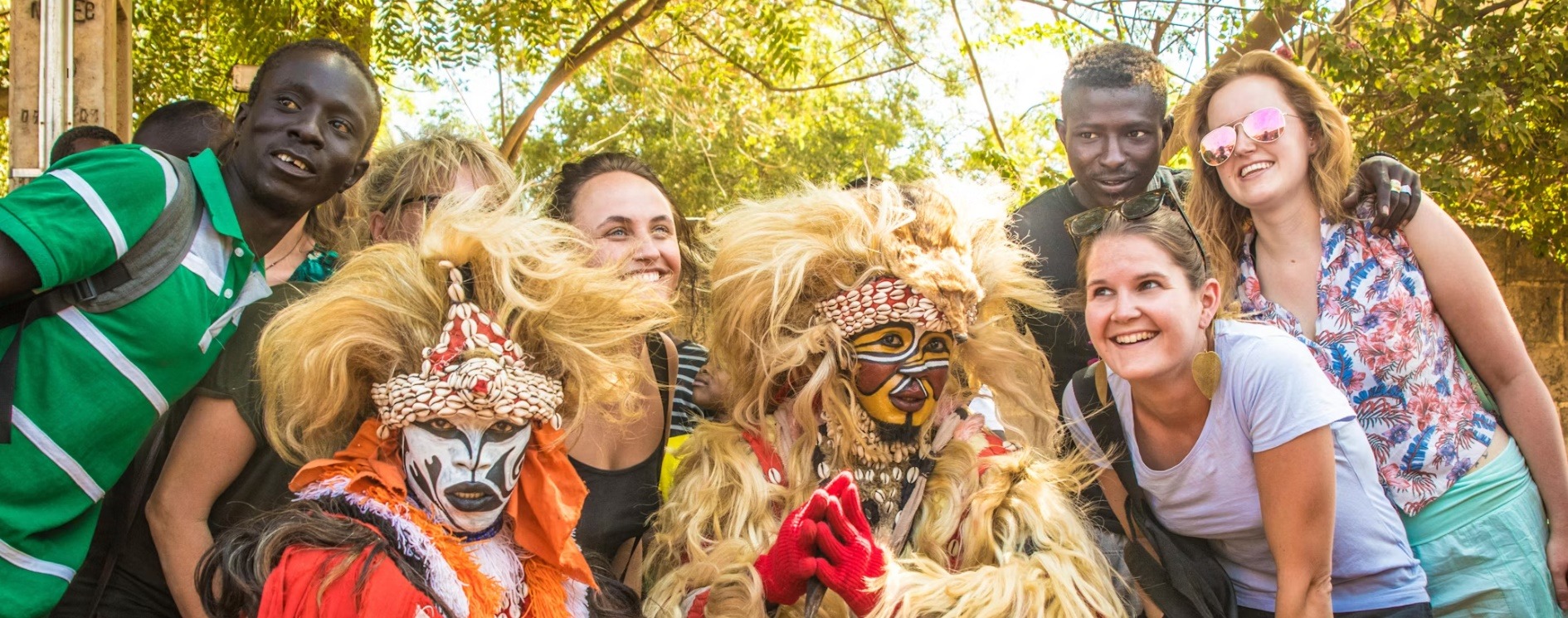
Migration increased after independence as Gambians pursued higher education, specialised careers, and improved economic opportunities abroad. Students, nurses, physicians, teachers, engineers, entrepreneurs, government officials, and skilled professionals travelled to the United Kingdom, the United States, and other countries for university studies, employment, business, or family reunification. Economic pressures, limited domestic employment opportunities, and periods of political change encouraged additional migration during the late twentieth and early twenty-first centuries. In the United States, Gambian immigrants have relied on family networks, mosques, churches, community organizations, and cultural associations for assistance with housing, employment, education, and social integration while preserving Mandinka, Wolof, Fula, and other local languages, traditional cuisine, music, religious practices, and close connections with relatives in The Gambia.


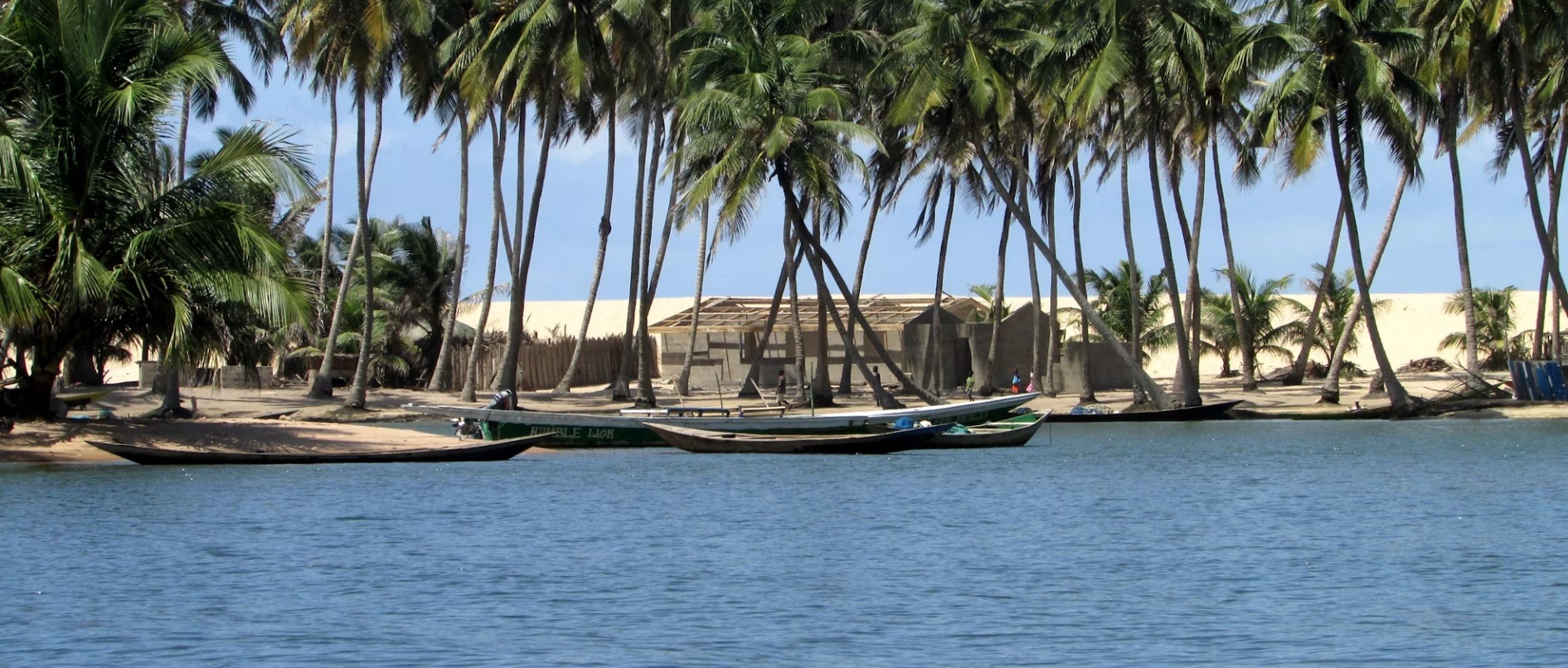
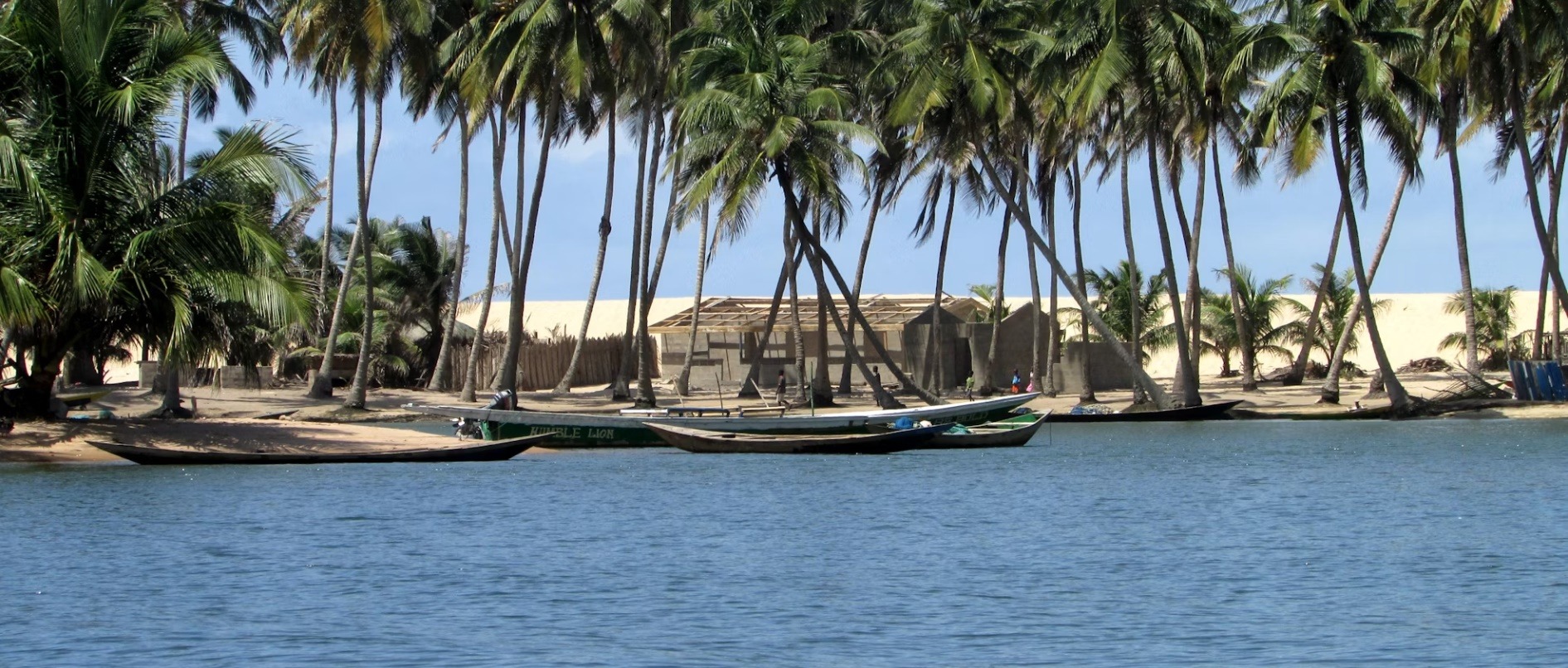
Gambia country image
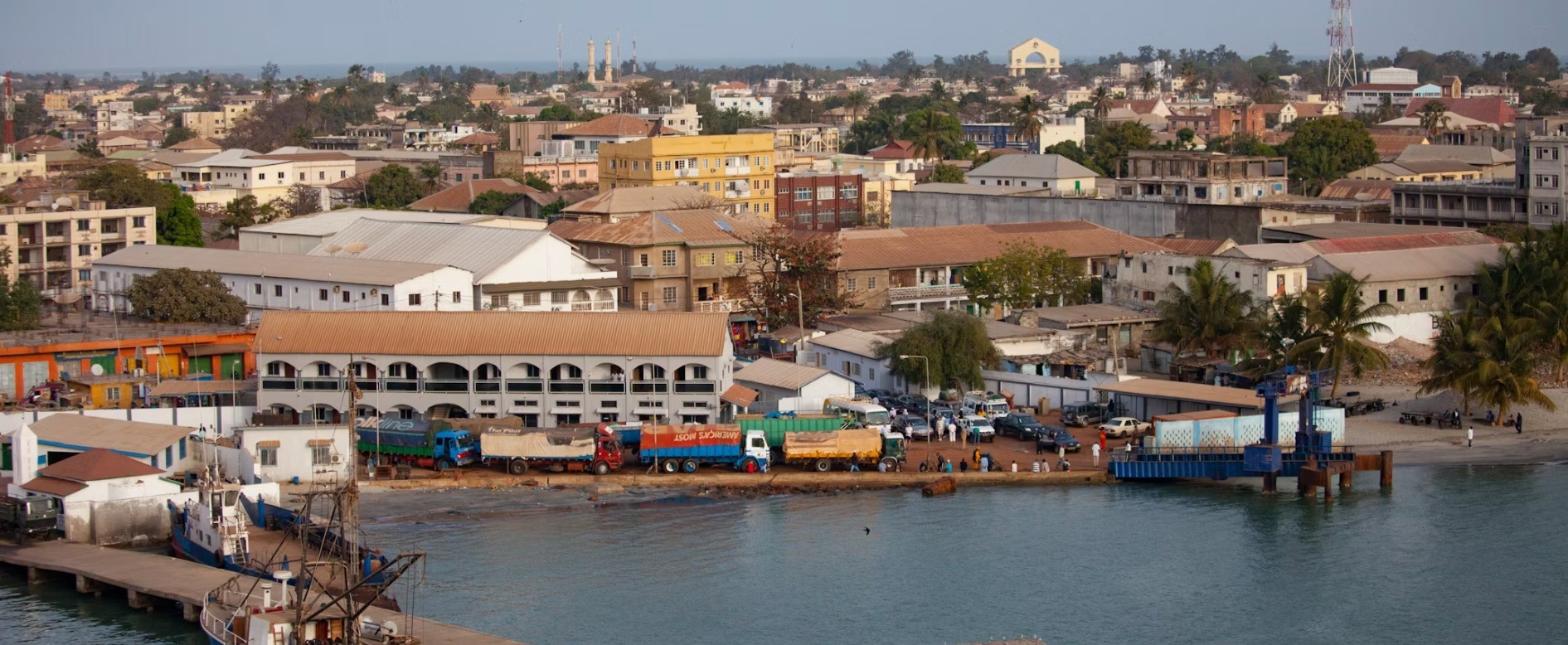
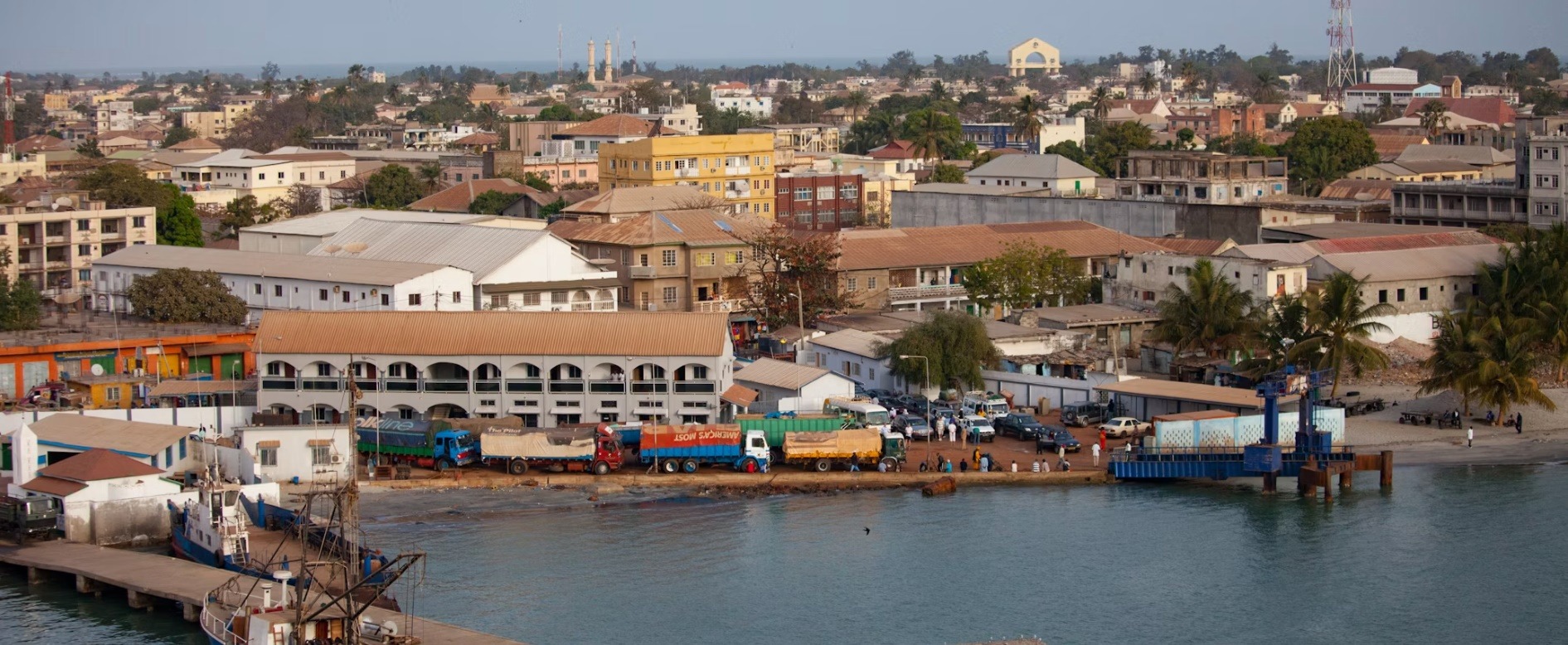
Gambia overview image
Gambia anthem image
Gambia anthem image
Gambia anthem image
Gambia anthem image

Team Standings

Teams Mp W D L GF GA Pt
Brazil Brazil 0 0 0 0 0 0 0
Burkina F. Burkina F. 0 0 0 0 0 0 0
Cote I. Cote I. 0 0 0 0 0 0 0
Djibouti Djibouti 0 0 0 0 0 0 0
E. Guinea E. Guinea 0 0 0 0 0 0 0
France France 0 0 0 0 0 0 0
Gambia Gambia 0 0 0 0 0 0 0
Germany Germany 0 0 0 0 0 0 0
Togo Togo 0 0 0 0 0 0 0
Trinidad T. Trinidad T. 0 0 0 0 0 0 0

Squad List

David Camara
Goalkeeper
Doulaye Thiam
Midfielder
Eric Dougnaglo
Midfielder
Farah A Toure
Midfielder
Fode Camara
Defender
Gil De Souza
Goalkeeper
Ibrahim Thiam
Defender
Ipolite N. Ali
Forward
Karamo Souare
Defender
Michel Lama
Midfielder
Moh Camara
Forward
Mohamed Diallo
Defender
Mohamed Toure
Goalkeeper
Moussa Mbouya
Midfielder
Moussa Sy
Midfielder
Namory Mbouya
Defender
Ousmane Camara
Defender
Saidou Toure
Defender
Saliou Diallo
Forward
Sekou Camara
Midfielder
Siaka Kamara
Defender
Souley Diawara
Midfielder
Tamsir Camara
Midfielder
Thieno Camara
Forward
Zack Diallo
Midfielder

Coaching Staff
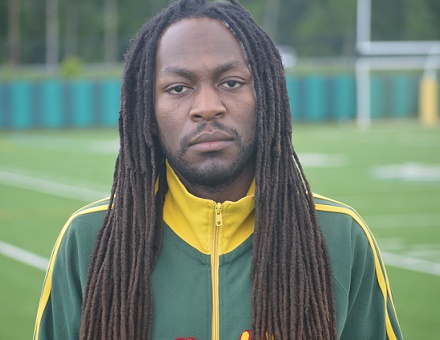
James Barry
C
James Barry
Head Coach