The Diaspora World Cup operates in some of the major cities and metro areas in
United States and
Canada. Our network of register players includes 20 cities, 200 countries, 400
teams, and 10,000
players. Join our movement to solve the world's most pressing challenges:
Illiteracy
Who We are text will be here Who We are text will be here Who We are text will
be here Who We
are text will be here Who We are text will be here Who We are text will be here
Who We are text
will be here Who We are text will be here Who We are text will be here
What We Do text will be here What We Do text will be here What We Do text will
be here What We
Do text will be here What We Do text will be here What We Do text will be here
What We Do text
will be here What We Do text will be here What We Do text will be here What We
Do text will be
here What We Do text will be here What We Do text will be here
Get Involved text will be here Get Involved text will be here Get Involved text
will be here Get
Involved text will be here Get Involved text will be here Get Involved text will
be here Get
Involved text will be here Get Involved text will be here Get Involved text will
be here Get
Involved text will be here
Education is a basic Human Right and the Diaspora World Cup global school
program focuses its
energy in some the poorest countries around the world. We build schools in some
of the poorest
countries around the worldthat historically had no adequate school structure.
Any member of the
World Diaspora has the power to end illiteracy around the world through the
power of soccer.
High-profile sport figures, global leaders, business leaders, political figure,
journalists,
activists, philanthropists, actors, and entrepreneurs united by their commitment
to the Diaspora
World Cup mission to eradicate illiteracy around the world through the power of
soccer. They serve
as role models and spread the Diaspora World Cup vision and commitment of a
world mobilized
through soccer.
Diaspora 2027: complete guide to all players | The Diaspora
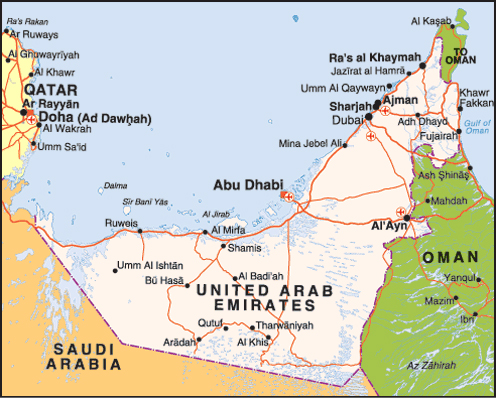
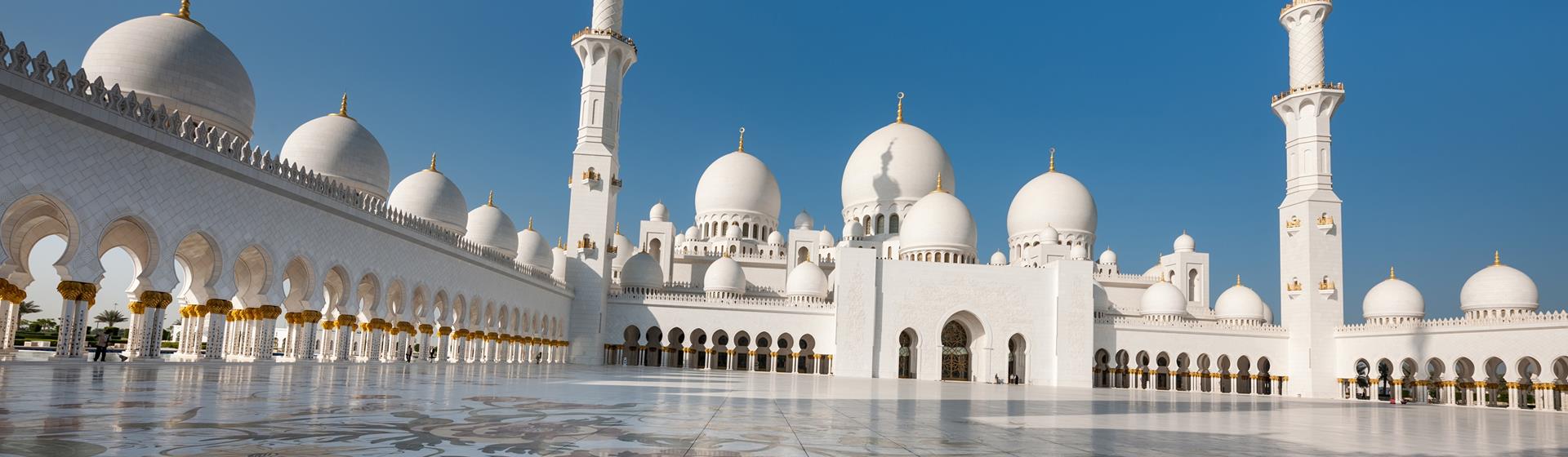
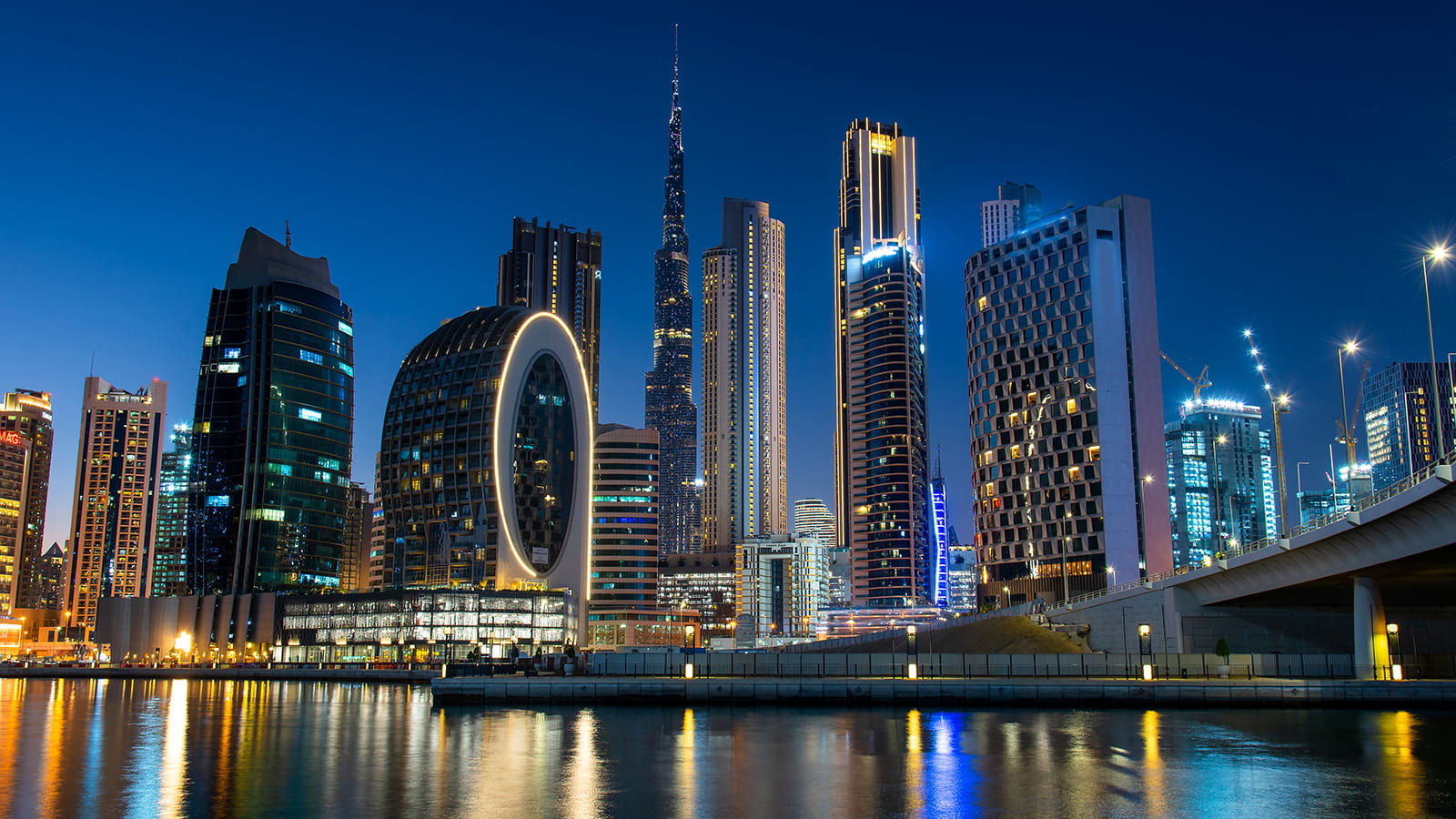
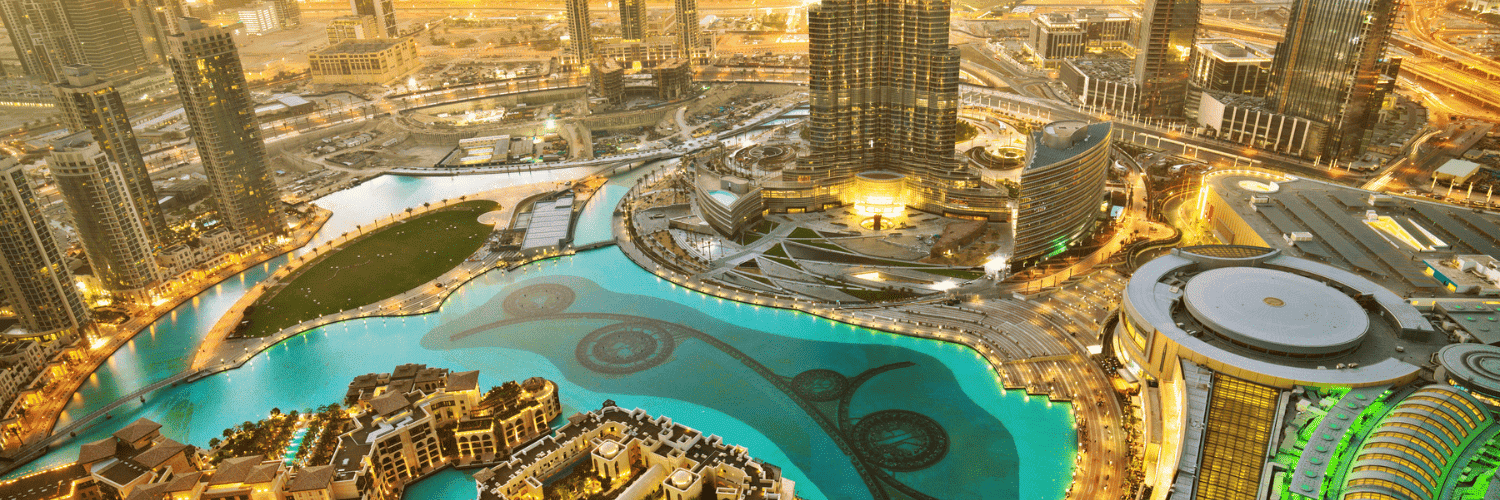
UNITED A.E
Welcome to the 2028 Diaspora World Cup. Wheaton – Adelphi
Wheaton – Adelphi
Welcome to the 2028 Diaspora World Cup. Wheaton – Adelphi
The United Arab Emirates (UAE) diaspora in the DMV (District of Columbia, Maryland, and Virginia) region is a highly specialized, elite, and transient community. Unlike larger, multi-generational immigrant groups, the Emirati population in the nation's capital is primarily composed of diplomats, military attachés, high-level business executives, and sponsorship-...The United Arab Emirates (UAE) diaspora in the DMV (District of Columbia, Maryland, and Virginia) region is a highly specialized, elite, and transient community. Unlike larger, multi-generational immigrant groups, the Emirati population in the nation's capital is primarily compos...
More Information
Chelsea Official
Download The 5th Stand, Chelsea’s official mobile app, to see exclusive content, match action and all the latest news from Stamford Bridge.
More Information
Street Soccer in United Arab Emirates
Street soccer is a popular recreational activity in the United Arab Emirates, where children and teenagers regularly play informal football matches in neighbourhood parks, school playgrounds, community sports courts, residential areas, public spaces, and local futsal facilities. These games provide young players with an enjoyable way to stay active, improve their football skills, and spend time with friends in a fun and competitive environment.
The fast-paced and technical style of street soccer encourages close ball control, quick passing, creative dribbling, and intelligent movement. Playing in smaller spaces helps participants sharpen their technique, build confidence, strengthen teamwork, and improve their decision-making while adapting to different playing conditions.
Street soccer offers an accessible and affordable way for communities across the United Arab Emirates to enjoy football without requiring professional stadiums. It promotes healthy lifestyles, encourages social interaction, and inspires many young players to continue their football journey through schools, local clubs, academies, futsal programmes, and organised competitions.
Street Soccer Culture in United Arab Emirates
Football is one of the most popular sports in the United Arab Emirates, and street soccer is often where many children first develop their passion for the game. Informal matches organised by schools, neighbourhood groups, and local communities create an inclusive atmosphere where players of different ages and skill levels can participate while sharing their enthusiasm for football.
Skills Developed Through Street Soccer
Street soccer helps players improve dribbling, first touch, passing accuracy, shooting technique, agility, balance, ball control, tactical awareness, and spatial awareness. Regular games also strengthen communication, creativity, confidence, composure, and the ability to make quick decisions during fast-paced play.
Street Soccer and Community Development
Street soccer plays an important role in bringing communities together through football. It encourages teamwork, positive youth participation, and active lifestyles while providing aspiring players with valuable experience before progressing to school teams, local football clubs, academies, futsal programmes, or organised youth football competitions.
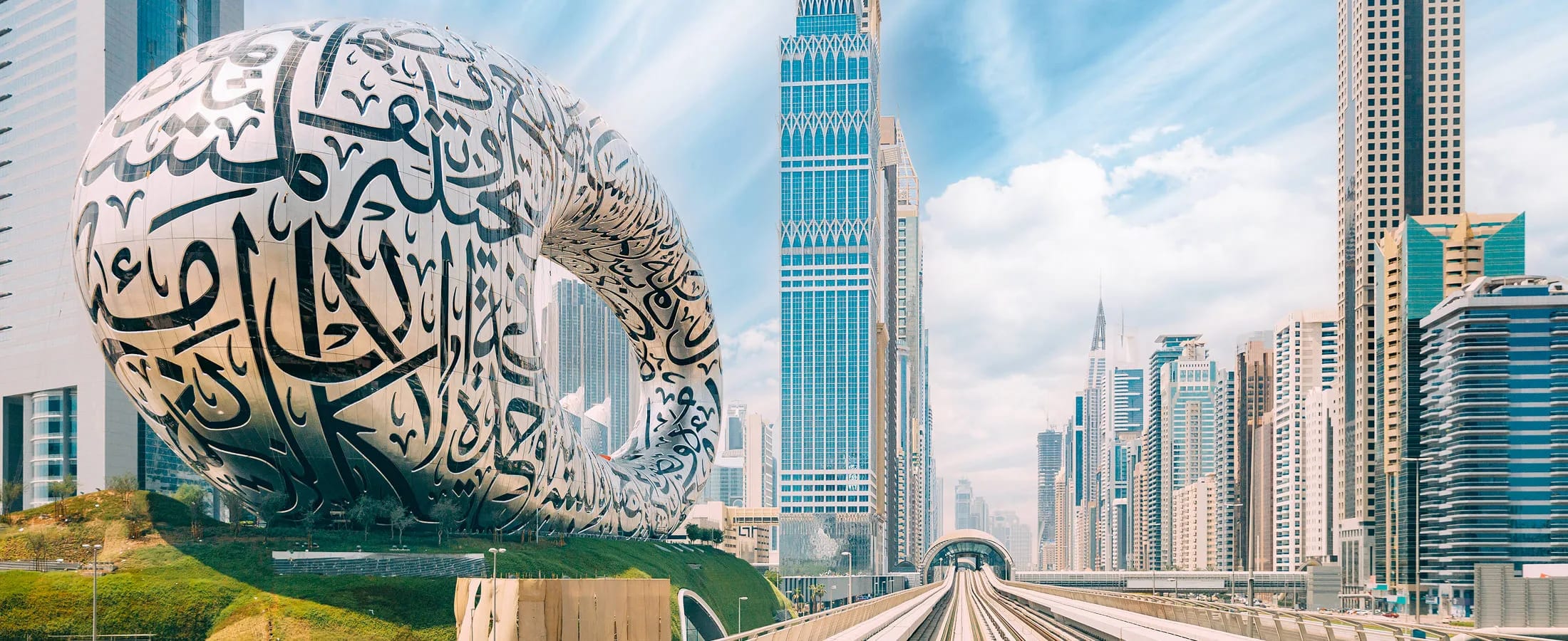
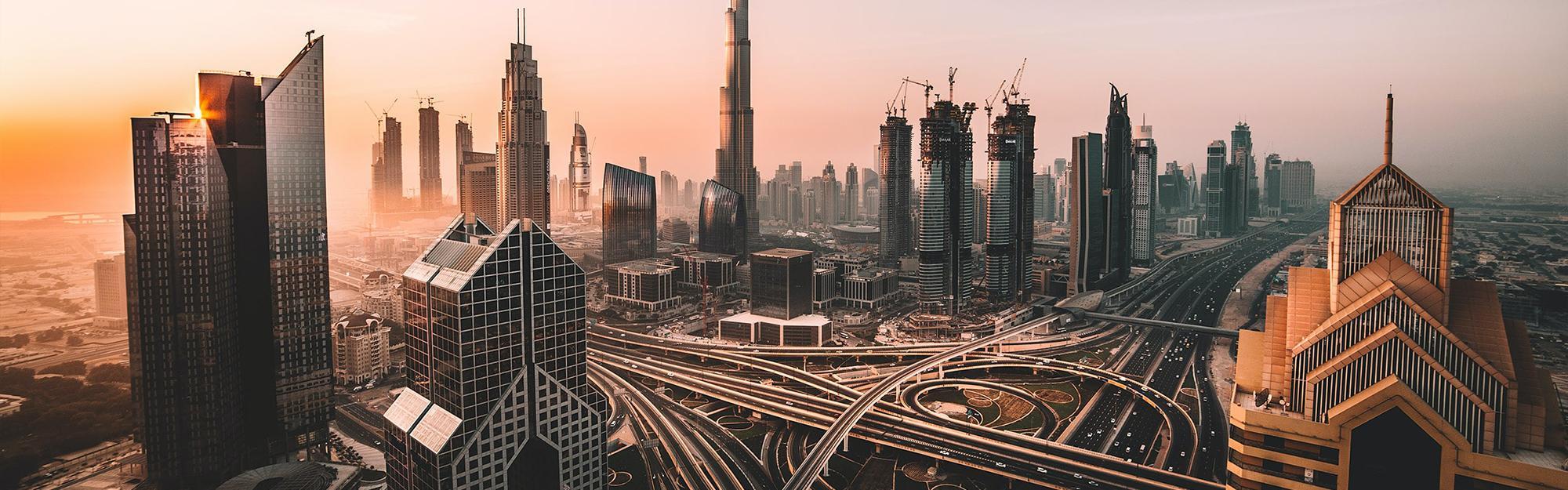
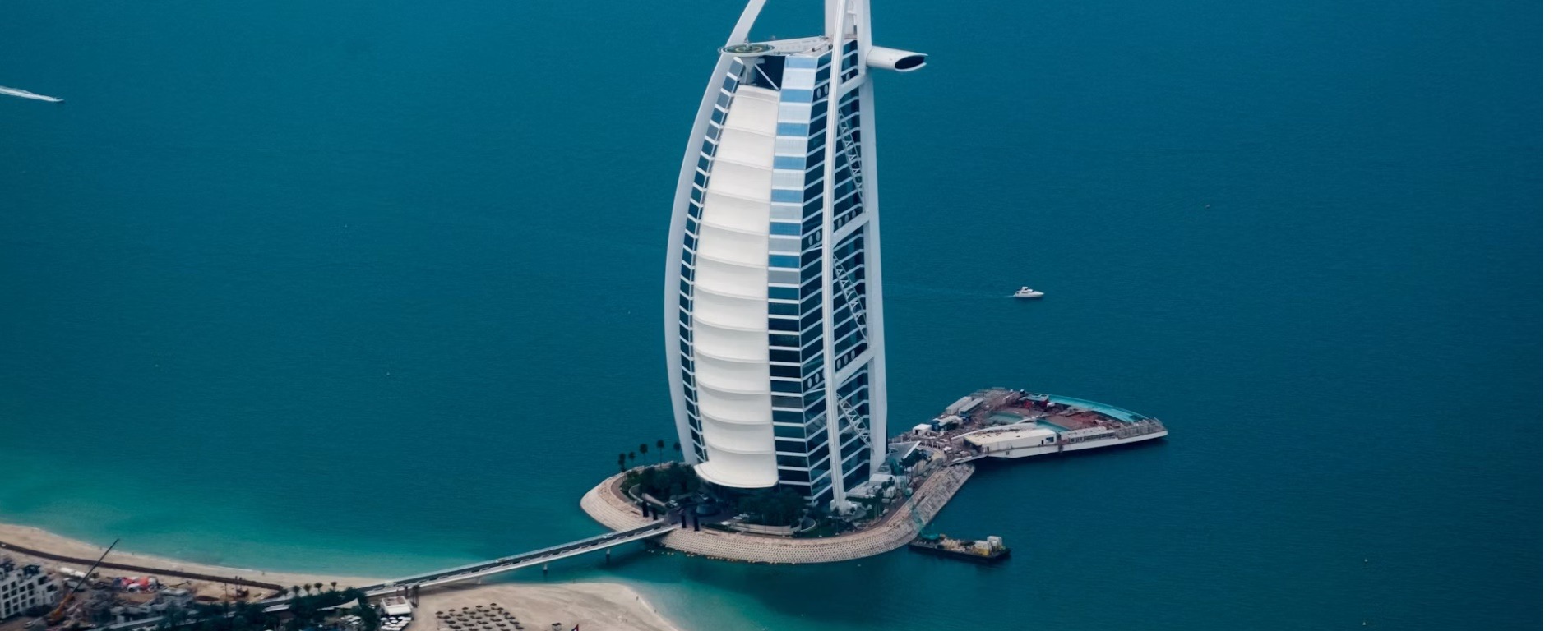
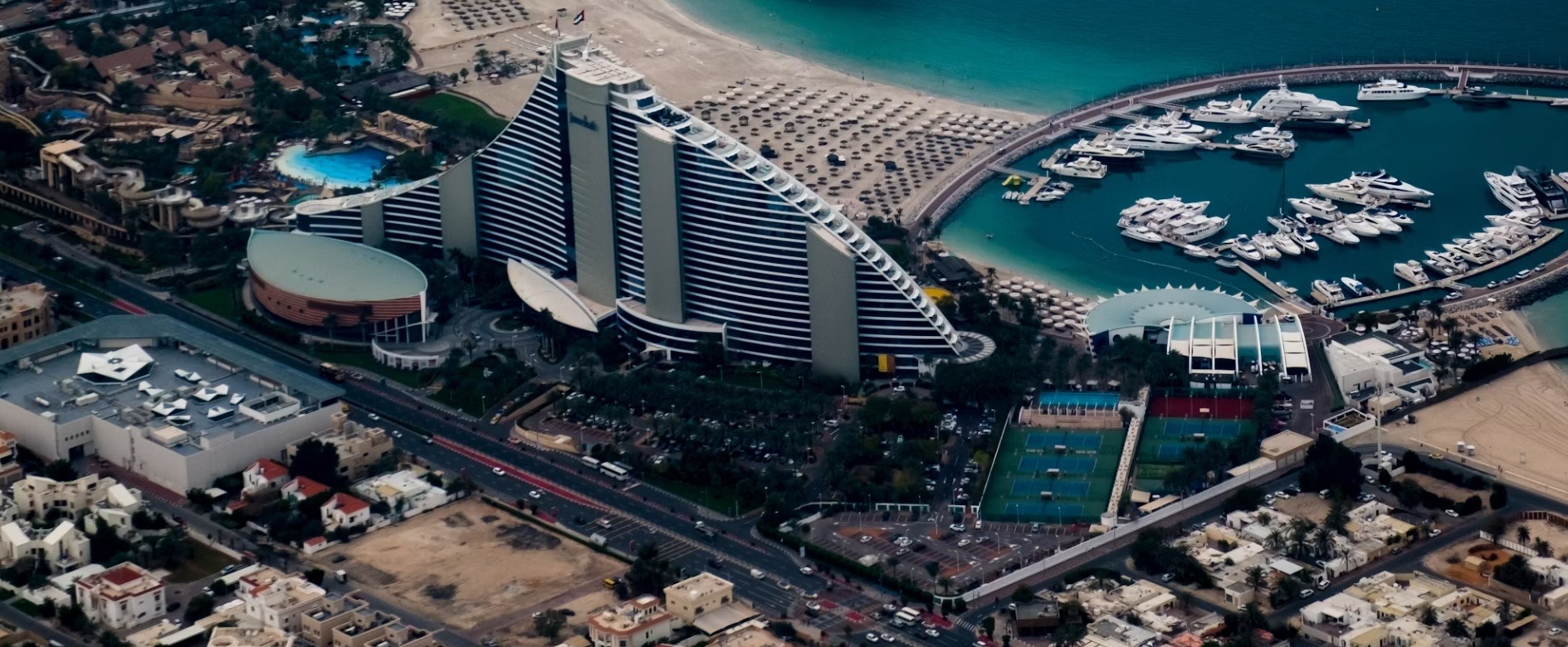
The UNITED A.E in the DMV Metro
The United Arab Emirates (UAE) diaspora in the DMV (District of Columbia, Maryland, and Virginia) region is a highly specialized, elite, and transient community. Unlike larger, multi-generational immigrant groups, the Emirati population in the nation's capital is primarily composed of diplomats, military attachés, high-level business executives, and sponsorship-backed university students. The community acts less like a traditional residential enclave and more like a high-profile corporate, educational, and diplomatic network.
🏛️ Diplomatic Core and Institutional Ties
Because it centers on Washington, D.C., the diaspora is fundamentally anchored by state-level partnerships and bilateral institutions:
The UAE Embassy in Washington, D.C.: Located on International Court NW, the Embassy of the United Arab Emirates serves as the absolute epicenter for the diaspora. Led by longstanding Ambassador Yousef Al Otaiba, the embassy coordinates intensive public diplomacy campaigns (such as the UAE USA United initiative) and acts as a central gathering point for the community.
National Day & Cultural Galas: Every December, the embassy hosts massive, high-profile National Day celebrations. These gatherings unite local Emiratis with U.S. policymakers, showcasing traditional Emirati arts, music, and heritage while reinforcing transatlantic alliances.
🩺 Specialized Professional Sectors and Academic Cohorts
The demographic profile of Emiratis in the DMV is defined by distinct professional and medical tracks:
Medical Fellowship Networks: A highly unique subset of the DMV's Emirati diaspora consists of healthcare professionals and medical students. Through formal institutional partnerships, the UAE Embassy routinely coordinates mentorship and professional development programs alongside regional institutions like The George Washington University Hospital and Children’s National Hospital.
Government and Tech Contractors: Due to massive investments in American innovation—spanning clean energy, aerospace engineering, and defense technology—many Emirati professionals reside in Northern Virginia to liaise with defense agencies and tech hubs.
Higher Education: A rotating population of Emirati undergraduate and graduate students resides near major regional campuses, including Georgetown University, George Washington University, and George Mason University.
Significance
Emirati immigration to the United States has generally reflected overseas education, diplomatic relations, professional employment, business opportunities, healthcare, family connections, and the international development of the United Arab Emirates.
Migration from the United Arab Emirates to the United States has remained comparatively limited because of the country’s small citizen population and the employment opportunities created by its oil, trade, aviation, finance, construction, and service industries. Early arrivals mainly included students, diplomats, merchants, government officials, businesspeople, and professionals seeking education or specialised training. After the UAE gained independence in 1971, stronger diplomatic, commercial, and educational relations encouraged additional travel and settlement. Emiratis reaching the United States commonly studied at universities, worked in international business or government, received medical care, or joined family members. At the same time, the UAE developed into one of the world’s leading destinations for foreign workers.
Emirati Migration Before Federation
Before the UAE was established, the region consisted of separate sheikhdoms commonly known as the Trucial States, which maintained treaty relationships with Britain. Migration was shaped by pearl diving, fishing, maritime commerce, date cultivation, seasonal labour, and trade across the Persian Gulf and Indian Ocean. Residents travelled to Bahrain, Oman, Iran, India, East Africa, and other regional destinations as sailors, merchants, pearl divers, religious scholars, and workers. Direct settlement in the United States was uncommon because educational, political, and commercial relationships were concentrated within the Gulf, South Asia, and Britain. The development of petroleum resources later transformed the economy and attracted foreign specialists, technicians, administrators, and labourers, beginning the region’s transition from a source of limited regional movement into a major international labour destination.
Late-Twentieth- and Early-Twenty-First-Century Migration
The United Arab Emirates was established on December 2, 1971, and the United States recognised the new federation the following day. Emirati migration abroad subsequently expanded through government scholarships, university education, diplomatic assignments, military training, international business, professional employment, healthcare, and family reunification. Students and professionals travelled to the United States, Britain, Canada, Australia, and other countries, although many returned after completing their education or assignments. Meanwhile, rapid economic development made the UAE a major destination for migrant workers from South Asia, Southeast Asia, the Middle East, Africa, Europe, and North America. Foreign workers became the large majority of the resident population and supported construction, domestic work, hospitality, transportation, healthcare, technology, finance, retail, and other industries.
Lorem ipsum dolor sit amet, consectetur adipiscing elit, sed do eiusmod tempor incididunt ut
labore et dolore magna aliqua. Ut enim ad minim veniam, quis nostrud exercitation ullamco
laboris nisi ut aliquip ex ea commodo consequat. Duis aute irure dolor in
reprehenderit in voluptate velit esse cillum dolore eu fugiat nulla pariatur.
 Sign In




 Facebook
 X-Twitter
 Instagram
 Linkedin
 Youtube