
Responsive Header
  • Where We Work
  • Cameroon
  • The Diaspora World Cup operates in some of the major cities and metro areas in United States and Canada. Our network of register players includes 20 cities, 200 countries, 400 teams, and 10,000 players. Join our movement to solve the world's most pressing challenges: Illiteracy
  • Who We are text will be here Who We are text will be here Who We are text will be here Who We are text will be here Who We are text will be here Who We are text will be here Who We are text will be here Who We are text will be here Who We are text will be here
  • What We Do text will be here What We Do text will be here What We Do text will be here What We Do text will be here What We Do text will be here What We Do text will be here What We Do text will be here What We Do text will be here What We Do text will be here What We Do text will be here What We Do text will be here What We Do text will be here
  • Get Involved text will be here Get Involved text will be here Get Involved text will be here Get Involved text will be here Get Involved text will be here Get Involved text will be here Get Involved text will be here Get Involved text will be here Get Involved text will be here Get Involved text will be here
  • Education is a basic Human Right and the Diaspora World Cup global school program focuses its energy in some the poorest countries around the world. We build schools in some of the poorest countries around the worldthat historically had no adequate school structure. Any member of the World Diaspora has the power to end illiteracy around the world through the power of soccer.
  • High-profile sport figures, global leaders, business leaders, political figure, journalists, activists, philanthropists, actors, and entrepreneurs united by their commitment to the Diaspora World Cup mission to eradicate illiteracy around the world through the power of soccer. They serve as role models and spread the Diaspora World Cup vision and commitment of a world mobilized through soccer.
  •  
  •  
Diaspora 2027: complete guide to all players | The Diaspora
SLOVAKIA
Wheaton – Adelphi
Welcome to the 2027 Diaspora World Cup.
Wheaton – Adelphi

Significance

Slovak immigration to the United States has generally reflected rural poverty, land shortages, industrial employment, Magyarization, political change, war, communist rule, professional opportunities, education, and family reunification.

Slovak migration to the United States became significant during the late nineteenth and early twentieth centuries. Early arrivals included farmers, miners, steelworkers, factory labourers, railway workers, artisans, merchants, and families seeking higher wages and greater economic security. Many settled in Pennsylvania, Ohio, Illinois, New Jersey, New York, and other industrial states where coal mines, steel mills, factories, and railways offered employment. Because Slovakia was then part of Austria-Hungary, immigration records often classified Slovaks as Austrians or Hungarians. Immigrants established Catholic and Lutheran churches, newspapers, schools, fraternal societies, cultural organisations, and mutual-aid associations that preserved the Slovak language, religious traditions, food, music, and national identity.

Slovak Migration Before Czechoslovakia

Before Czechoslovakia was created in 1918, present-day Slovakia belonged to the Kingdom of Hungary within Austria-Hungary. Migration was shaped by agricultural hardship, population growth, limited farmland, unemployment, industrial change, and pressure to adopt Hungarian language and culture. The largest movement occurred between 1899 and 1915, when nearly half a million Slovaks emigrated to the United States. Many were young men who initially planned to earn money and return home, although numerous families settled permanently. Slovaks commonly worked in coal mining, steel production, manufacturing, construction, railways, and agriculture. Community organisations provided insurance, employment assistance, religious services, and cultural support, while Slovak-American leaders also promoted national rights and later supported the creation of Czechoslovakia.
Late-Twentieth- and Early-Twenty-First-Century Immigration

Slovak immigration declined after the United States introduced restrictive quota laws during the 1920s. Later migration was influenced by World War II, communist rule in Czechoslovakia, political persecution, refugee displacement, education, and professional employment. Some refugees and political exiles settled in the United States after the communist takeover of 1948 and following the suppression of the Prague Spring in 1968. Other arrivals included doctors, engineers, scientists, academics, artists, businesspeople, students, and relatives joining established families. Czechoslovakia peacefully separated into the Czech Republic and Slovakia on January 1, 1993, and the United States recognised independent Slovakia that same day. Modern Slovak immigrants continue preserving their heritage through churches, festivals, language programmes, cultural societies, and family connections.


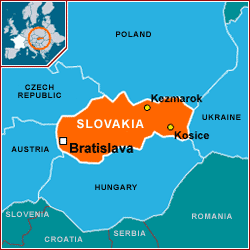
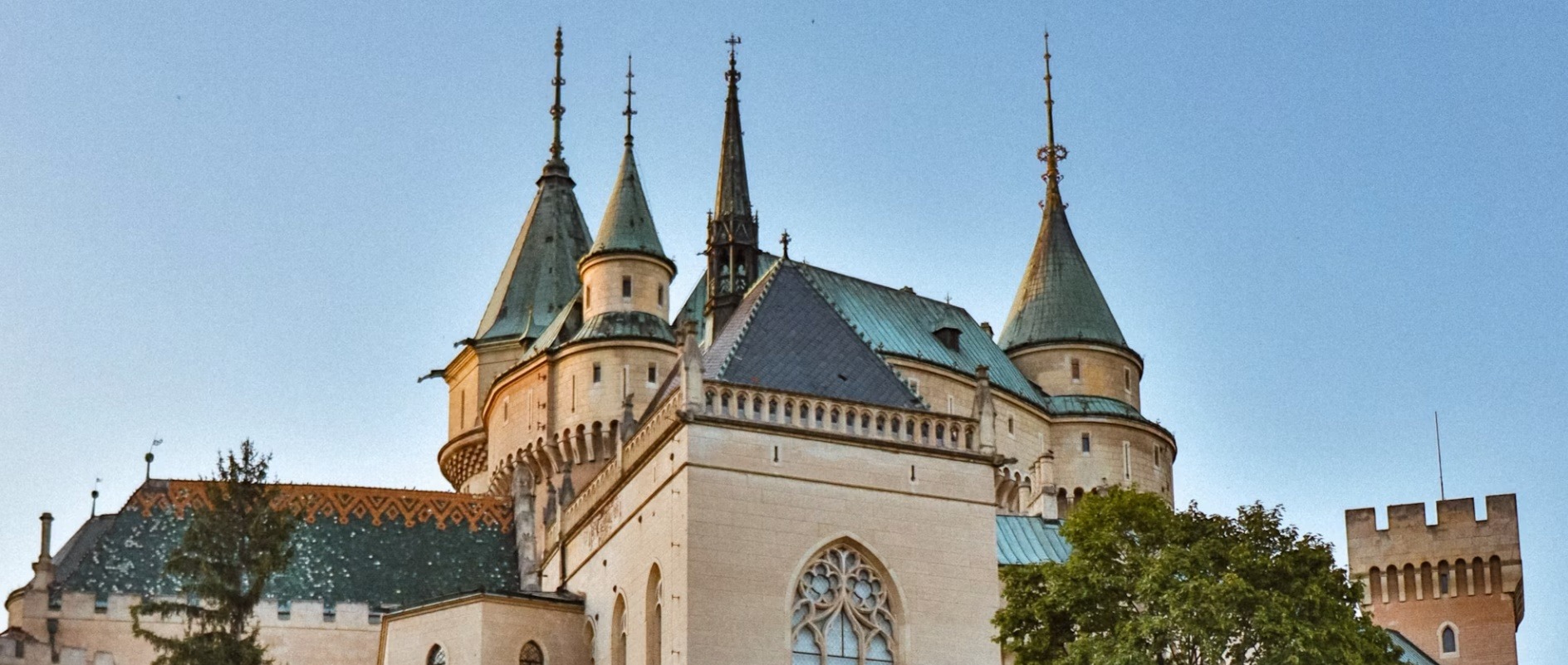
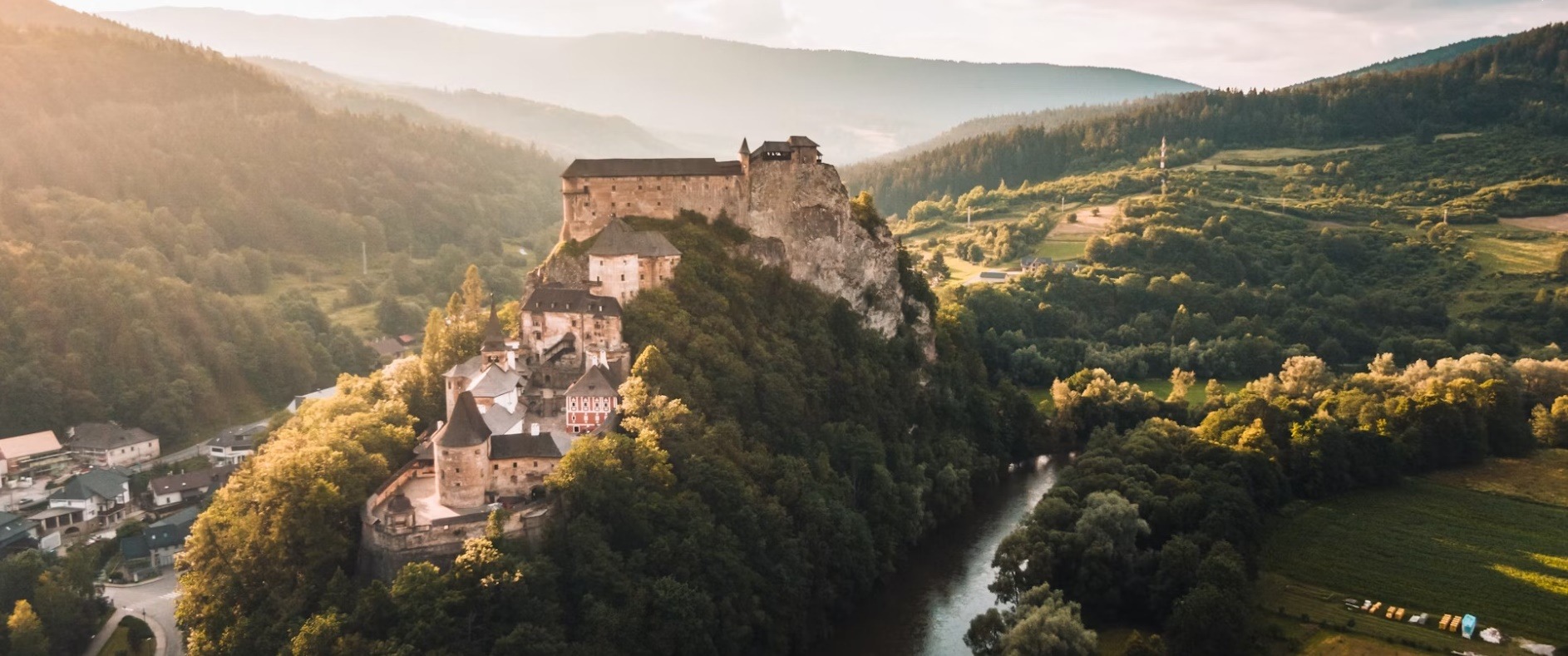
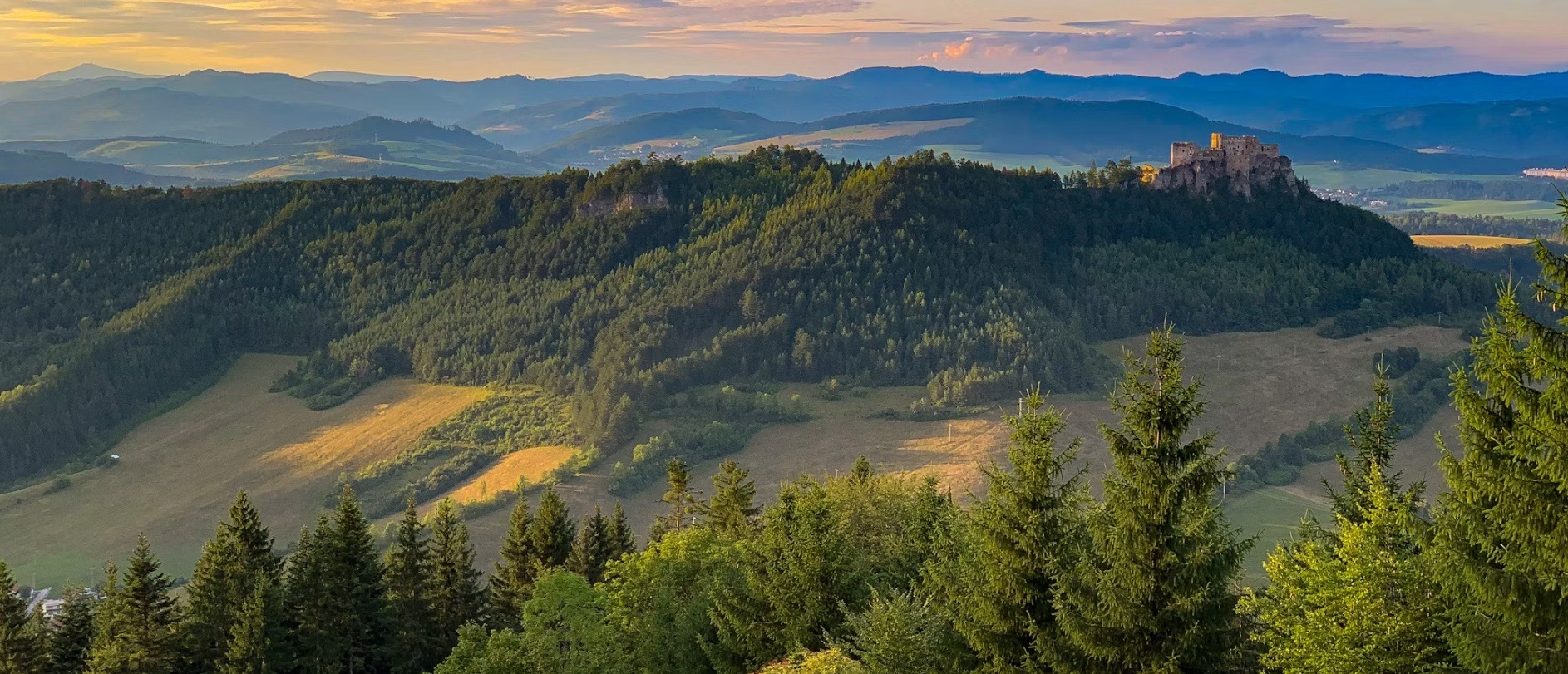
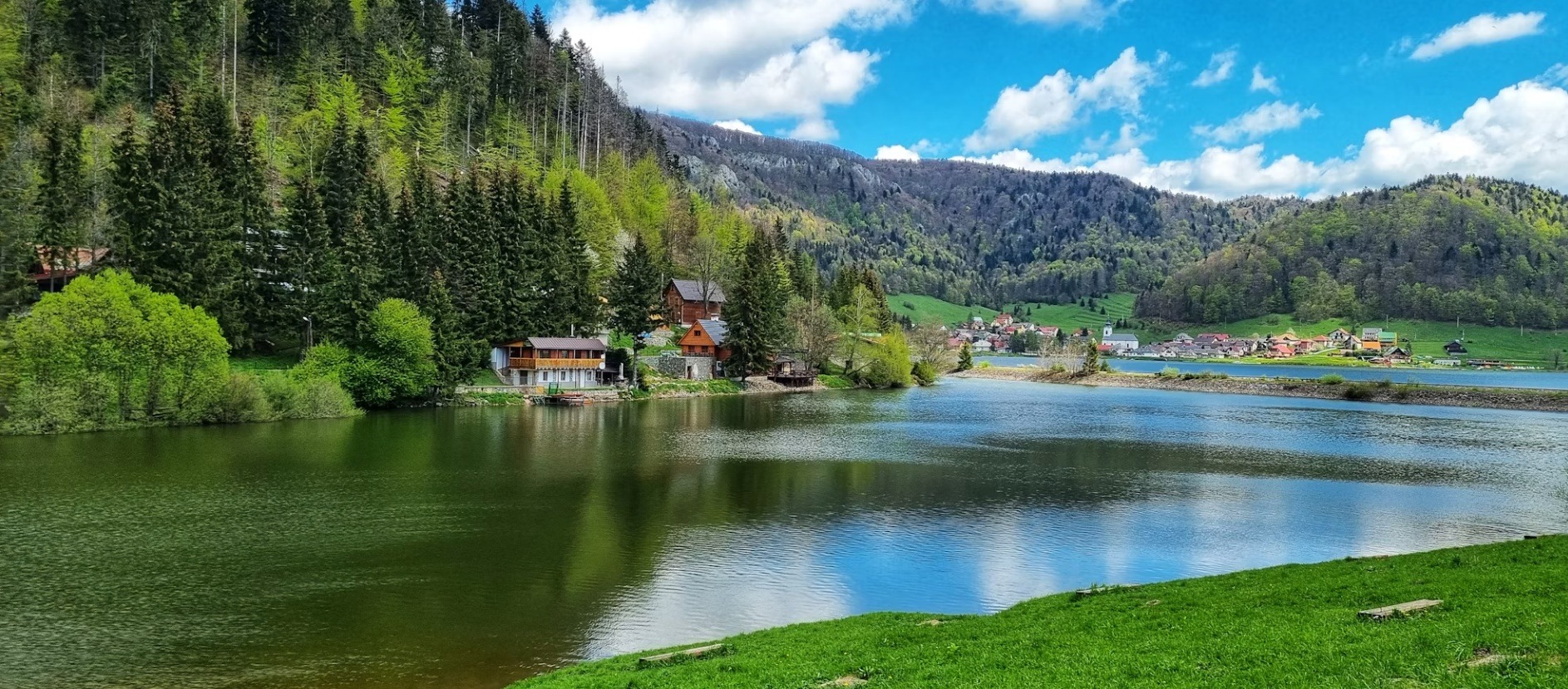
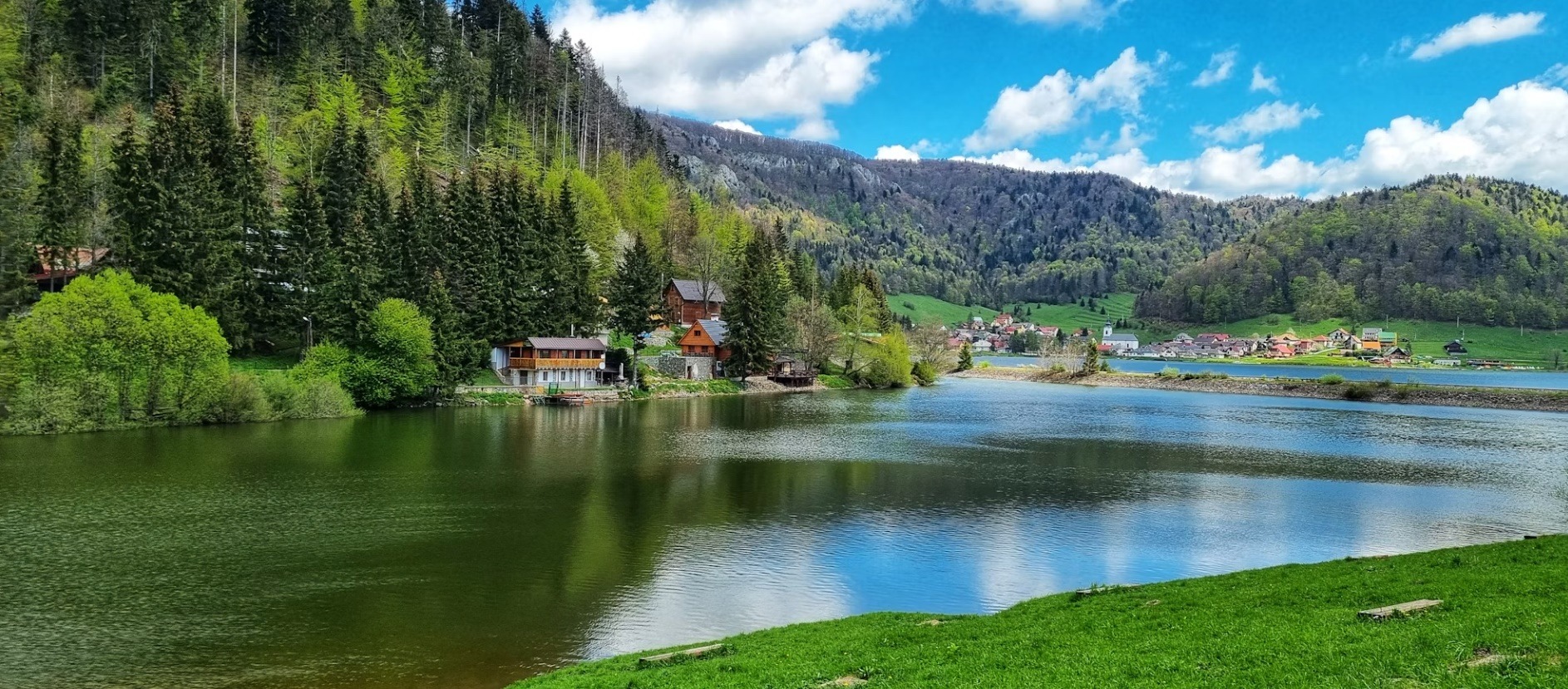
Slovakia country image
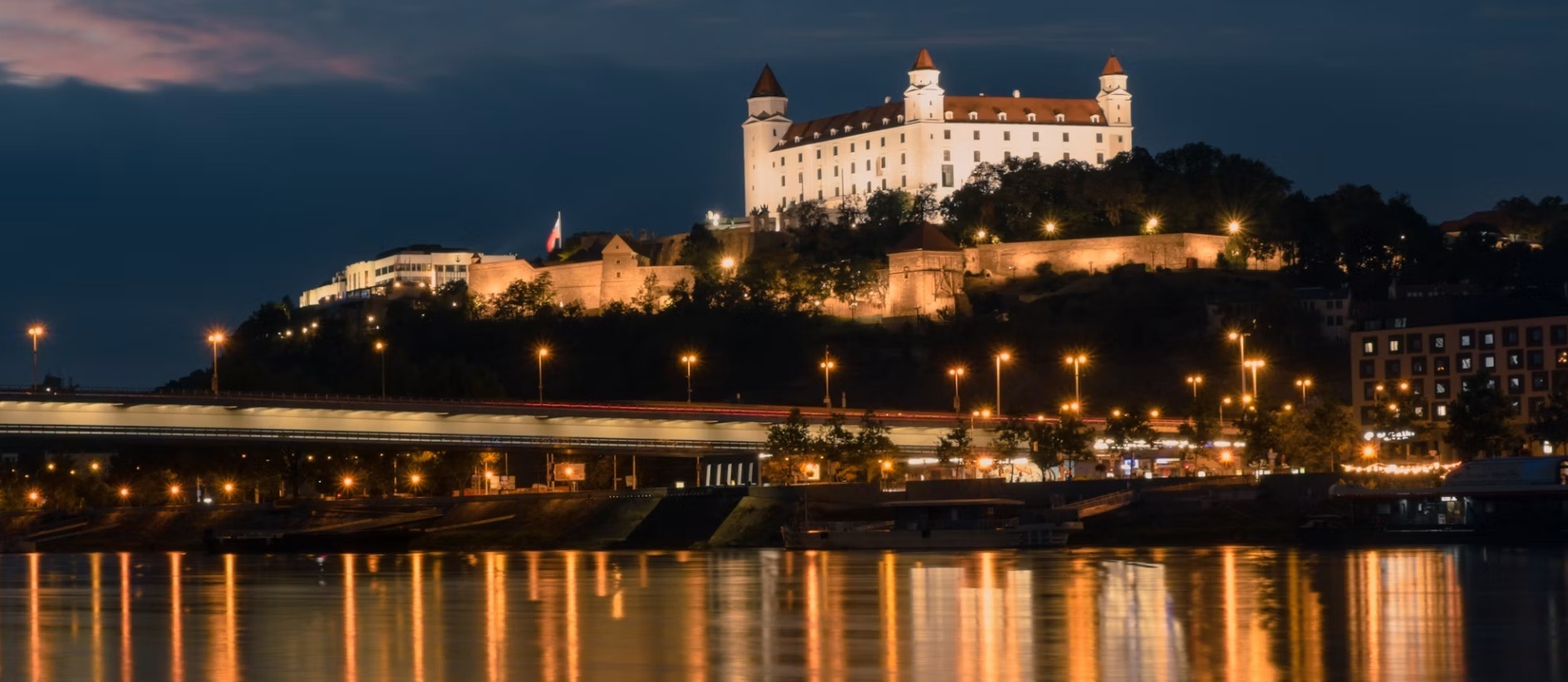
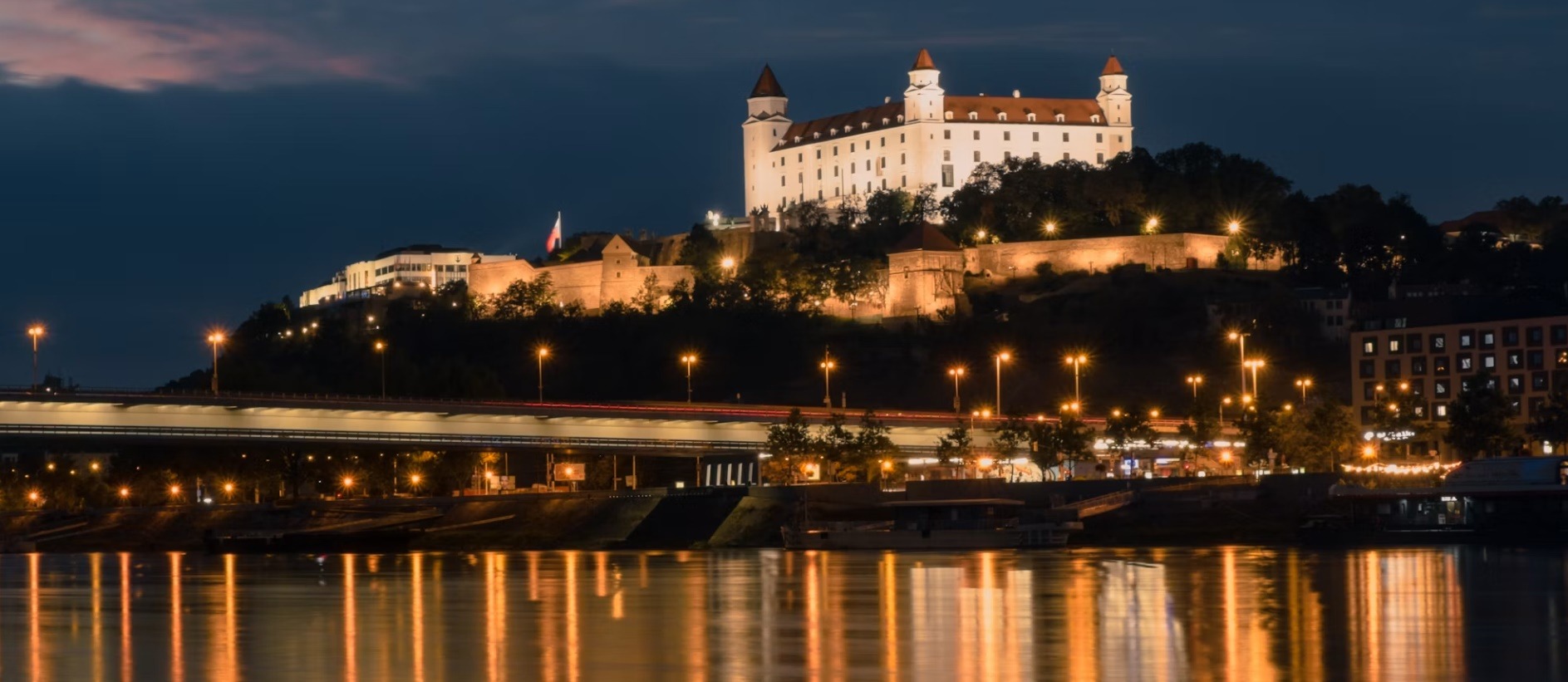
Slovakia overview image
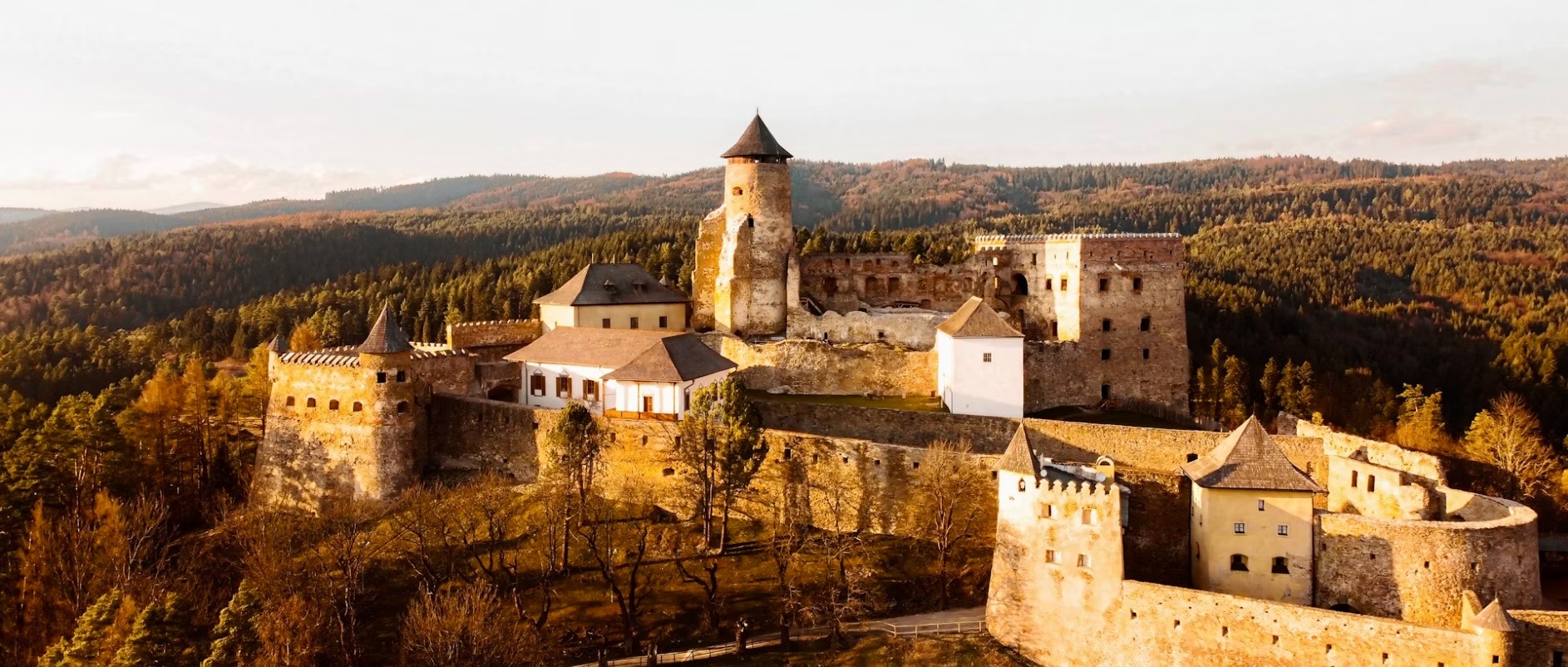
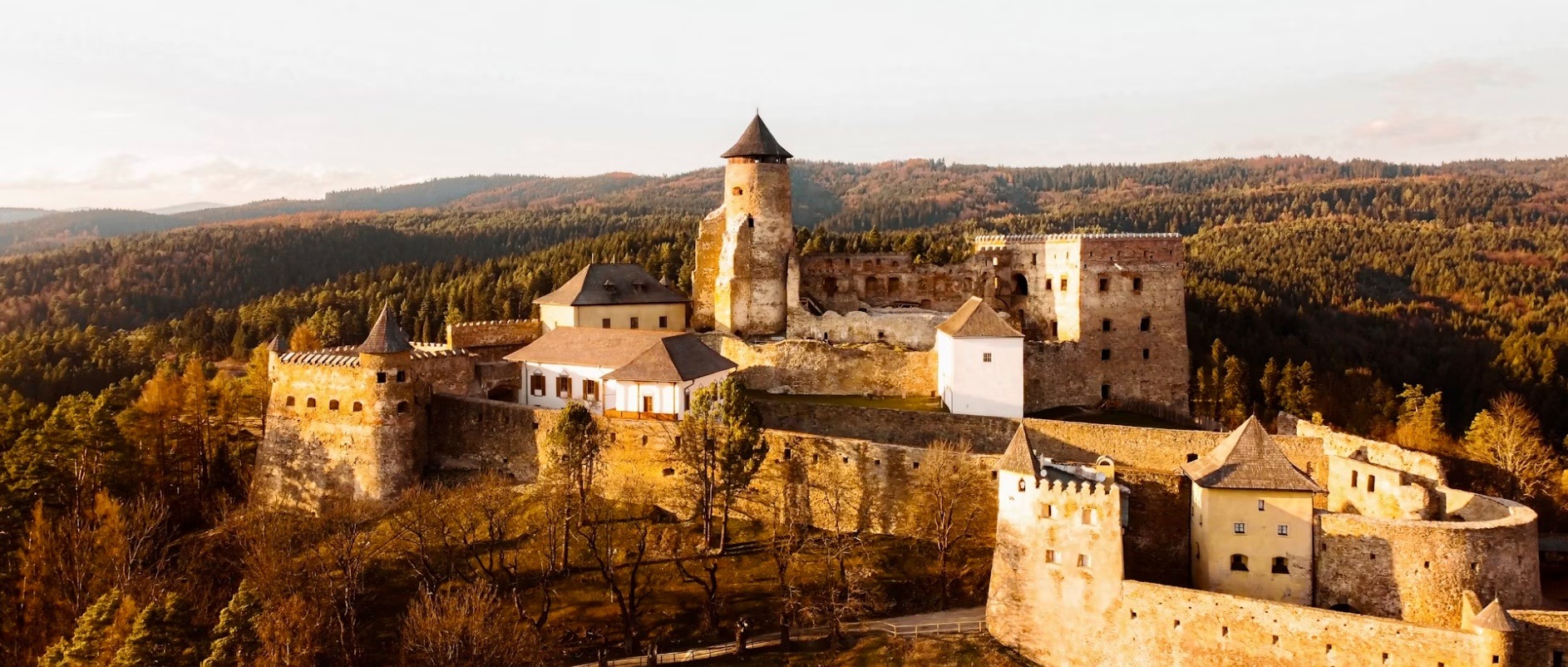
Slovakia anthem image

Team Standings

Teams Mp W D L GF GA Pt
Cook I. Cook I. 0 0 0 0 0 0 0
Fiji Fiji 0 0 0 0 0 0 0
Guyana Guyana 0 0 0 0 0 0 0
Mongolia Mongolia 0 0 0 0 0 0 0
New C. New C. 0 0 0 0 0 0 0
Samoa Samoa 0 0 0 0 0 0 0
Slovakia Slovakia 0 0 0 0 0 0 0
Solomon I. Solomon I. 0 0 0 0 0 0 0
Sudan Sudan 0 0 0 0 0 0 0
Venezuela Venezuela 0 0 0 0 0 0 0