The Diaspora World Cup operates in some of the major cities and metro areas in
United States and
Canada. Our network of register players includes 20 cities, 200 countries, 400
teams, and 10,000
players. Join our movement to solve the world's most pressing challenges:
Illiteracy
Who We are text will be here Who We are text will be here Who We are text will
be here Who We
are text will be here Who We are text will be here Who We are text will be here
Who We are text
will be here Who We are text will be here Who We are text will be here
What We Do text will be here What We Do text will be here What We Do text will
be here What We
Do text will be here What We Do text will be here What We Do text will be here
What We Do text
will be here What We Do text will be here What We Do text will be here What We
Do text will be
here What We Do text will be here What We Do text will be here
Get Involved text will be here Get Involved text will be here Get Involved text
will be here Get
Involved text will be here Get Involved text will be here Get Involved text will
be here Get
Involved text will be here Get Involved text will be here Get Involved text will
be here Get
Involved text will be here
Education is a basic Human Right and the Diaspora World Cup global school
program focuses its
energy in some the poorest countries around the world. We build schools in some
of the poorest
countries around the worldthat historically had no adequate school structure.
Any member of the
World Diaspora has the power to end illiteracy around the world through the
power of soccer.
High-profile sport figures, global leaders, business leaders, political figure,
journalists,
activists, philanthropists, actors, and entrepreneurs united by their commitment
to the Diaspora
World Cup mission to eradicate illiteracy around the world through the power of
soccer. They serve
as role models and spread the Diaspora World Cup vision and commitment of a
world mobilized
through soccer.
Diaspora 2027: complete guide to all players | The Diaspora
TURKS C.
Welcome to the 2028 Diaspora World Cup. Wheaton – Adelphi
Wheaton – Adelphi
Welcome to the 2028 Diaspora World Cup. Wheaton – Adelphi
The Turks and Caicos Islands (TCI) diaspora in the DMV region is an exceptionally small, low-profile, and highly professional community. Because the home country has a small native population (under 60,000 residents), its global diaspora is highly concentrated in closer geographic regions like The Bahamas and Florida. In the nation's capital, the TCI presence doe...The Turks and Caicos Islands (TCI) diaspora in the DMV region is an exceptionally small, low-profile, and highly professional community. Because the home country has a small native population (under 60,000 residents), its global diaspora is highly concentrated in closer geographi...
More Information
Chelsea Official
Download The 5th Stand, Chelsea’s official mobile app, to see exclusive content, match action and all the latest news from Stamford Bridge.
More Information
Street Soccer in Turks and Caicos Islands
Street soccer is a popular recreational activity in the Turks and Caicos Islands, where children and teenagers regularly play informal football matches in neighbourhood streets, school playgrounds, community parks, village areas, public courts, and open fields. These games provide young players with a fun and accessible way to stay active, improve their football skills, and enjoy the sport with friends.
The fast and energetic nature of street soccer encourages close ball control, quick passing, creative dribbling, and intelligent movement. Playing in smaller spaces helps participants strengthen their technique, improve confidence, develop teamwork, and make quicker decisions during competitive matches.
Street soccer offers an affordable and accessible way for communities across the Turks and Caicos Islands to enjoy football without requiring professional facilities. It promotes healthy lifestyles, strengthens community relationships, and inspires many young people to continue their football journey through schools, local clubs, academies, and organised competitions.
Street Soccer Culture in Turks and Caicos Islands
Football continues to grow in popularity throughout the Turks and Caicos Islands, and street soccer is often where many children first develop their passion for the game. Informal matches organised by schools, friends, and neighbourhood communities create a welcoming atmosphere where players of different ages and skill levels can participate while sharing their love for football.
Skills Developed Through Street Soccer
Street soccer helps players improve dribbling, first touch, passing accuracy, shooting technique, agility, balance, ball control, spatial awareness, and tactical understanding. Regular games also strengthen communication, creativity, confidence, teamwork, and the ability to make quick decisions in fast-paced situations.
Street Soccer and Community Development
Street soccer brings communities together through football while encouraging teamwork, positive youth participation, and active lifestyles. It also provides aspiring players with valuable experience before progressing to school teams, local football clubs, academies, or organised youth football programmes.
The TURKS C. in the DMV Metro
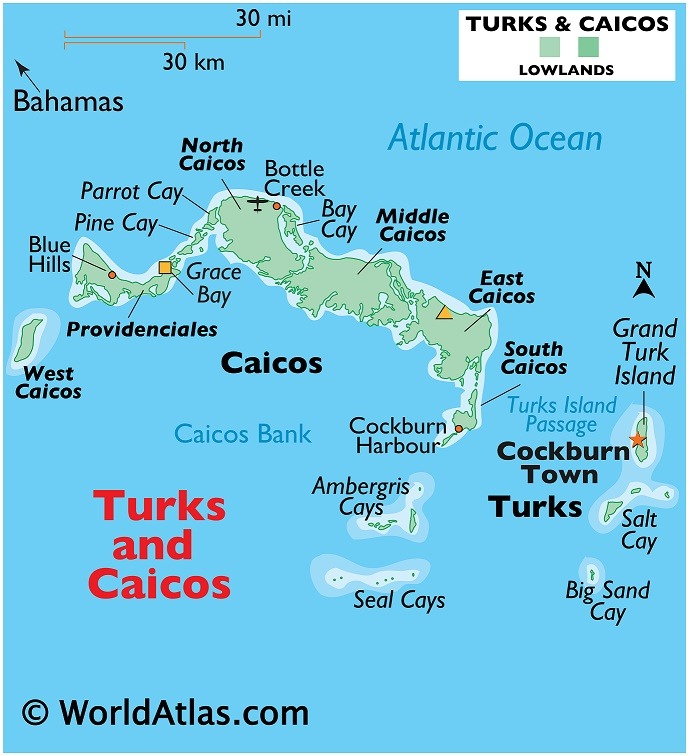
The Turks and Caicos Islands (TCI) diaspora in the DMV region is an exceptionally small, low-profile, and highly professional community. Because the home country has a small native population (under 60,000 residents), its global diaspora is highly concentrated in closer geographic regions like The Bahamas and Florida. In the nation's capital, the TCI presence does not form a distinct residential enclave; instead, it operates as a specialized network of multilateral legal professionals, environmental policy advisors, luxury tourism consultants, and British diplomatic affiliates.
🏛️ The British Overseas Territory Framework
Because Turks and Caicos is a British Overseas Territory, its formal administrative, diplomatic, and consular footprint in Washington, D.C., is managed directly through the British Embassy:
Consular and Legal Pipeline: TCI citizens (who hold British Overseas Territories Citizenship) utilize the British Embassy on Massachusetts Avenue NW for high-level diplomatic affairs, passport processing, and strategic trade relations.
Bilateral Policy: Local TCI professionals in the District frequently work at the intersection of environmental conservation and climate resilience, engaging with Washington-based institutions like the World Bank and the Inter-American Development Bank (IDB) to secure sustainable development grants for the Caribbean.
📈 Strategic Homeland Engagement
Despite its small size, the local TCI diaspora is increasingly being engaged by its home government through digital and institutional channels:
The TCI Diaspora Portal: The Turks and Caicos Ministry of Immigration and Border Services actively reaches out to professionals in major U.S. metro areas through theOfficial TCI Diaspora Platform. This initiative seeks to catalog the skills of islanders living abroad, making it easier for expats in the DMV to invest in homeland real estate, consult on tourism infrastructure, or return for government employment.
The "Brain Gain" Push: The home government actively targets educated expats in east-coast political hubs like D.C. to bridge knowledge gaps back home in financial services, marine biology, and legal framework overhauls.
🤝 Inter-Caribbean Social Spaces
Due to their numbers, TCI expats in the DMV rarely establish standalone physical community centers. Instead, they integrate into broader, highly active Caribbean-American networks:
Suburban Alliances: Families are broadly scattered across Montgomery County, MD, and Fairfax County, VA, frequently gathering through pan-Caribbean church networks and regional West Indian carnival associations.
Cultural Cross-Pollination: Local TCI islanders often connect socially with the much larger Bahamian and Jamaican diaspora networks in the DMV, sharing spaces that celebrate Lucayan heritage, Caribbean music, and traditional island cuisine.
🚗 A Common Point of Confusion: The "TCI DMV"
For individuals conducting local digital research, the acronym "DMV" can cause significant cross-referencing confusion:
The Domestic DMV: In Washington, D.C., Maryland, and Virginia, "DMV" stands for the metropolitan area.
The Caribbean DMV: In the Turks and Caicos Islands, "DMV" refers to the literal Turks and Caicos Department of Motor Vehicles based in Providenciales. Local news regarding vehicle licensing quotas, plates, or road audits under the TCI Ministry of Home Affairs frequently pop up under this shared abbreviation.
Are you looking to connect with the Turks and Caicos community for a specific professional, cultural, or personal reason? Let me know if you would like:
Guidance on navigating the TCI Diaspora Registration Drive resources from abroad.
Information on pan-Caribbean professional networks operating in Washington, D.C.
A breakdown of Caribbean-American cultural festivals in Maryland and Virginia
If you want, tell me:
Your primary goal (professional networking, consular services, or cultural events?)
Whether you are a TCI citizen looking to register with the home government.
I can provide the most relevant digital resources or network contacts.
Significance
Turks and Caicos Islander migration has generally reflected British colonial rule, the decline of the salt industry, limited employment, hurricane damage, education, tourism development, family networks, and the search for improved economic opportunities.
Migration from the Turks and Caicos Islands has historically focused on the Bahamas, the United Kingdom, the United States, Canada, and other Caribbean territories. Islanders travelled abroad as sailors, salt workers, domestic employees, construction labourers, students, teachers, healthcare workers, and professionals. Emigration increased after the salt industry declined during the twentieth century, leaving the small island economy with few employment opportunities. Many families relocated to the Bahamas, particularly Grand Bahama, while others settled in Florida, New York, and other overseas locations. Tourism and international business later created new jobs at home and encouraged some islanders to return. Overseas communities maintained close relationships through remittances, family visits, churches, cultural organisations, and island celebrations.
Migration Before Modern Economic Development
Before modern tourism development, migration was shaped by maritime trade, salt production, plantation agriculture, slavery, and changing British colonial administration. Indigenous Lucayan people originally inhabited the islands, but enslavement and European diseases caused their population to disappear soon after European contact. Bermudian salt collectors began visiting during the seventeenth century and later established permanent settlements supported by the forced labour of enslaved Africans. After the American Revolution, British Loyalists and enslaved workers moved from the former colonies to the Caicos Islands and developed cotton plantations. Salt eventually became the principal industry, employing generations of islanders on Grand Turk, Salt Cay, and South Caicos. Limited land, recurring storms, low wages, and dependence on a single industry encouraged residents to seek work in nearby Caribbean territories.
Twentieth- and Early-Twenty-First-Century Migration
The salt industry largely collapsed during the 1940s, producing unemployment and substantial emigration, especially to the Bahamas. During the following decades, islanders also travelled to Britain, Canada, and the United States for education, healthcare, professional training, employment, and family reunification. Tourism began expanding during the 1960s and later transformed Providenciales and other islands, creating jobs in hotels, construction, transportation, government, and financial services. This development attracted returning islanders as well as workers from Haiti, Jamaica, the Dominican Republic, the Bahamas, and other countries. The Turks and Caicos Islands remain a self-governing British Overseas Territory rather than an independent country. Communities abroad preserve their identity through churches, food, music, storytelling, festivals, family associations, and continued connections with the islands.
Lorem ipsum dolor sit amet, consectetur adipiscing elit, sed do eiusmod tempor incididunt ut
labore et dolore magna aliqua. Ut enim ad minim veniam, quis nostrud exercitation ullamco
laboris nisi ut aliquip ex ea commodo consequat. Duis aute irure dolor in
reprehenderit in voluptate velit esse cillum dolore eu fugiat nulla pariatur.
 Sign In




 Facebook
 X-Twitter
 Instagram
 Linkedin
 Youtube