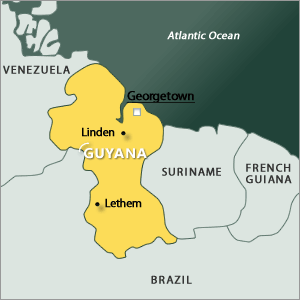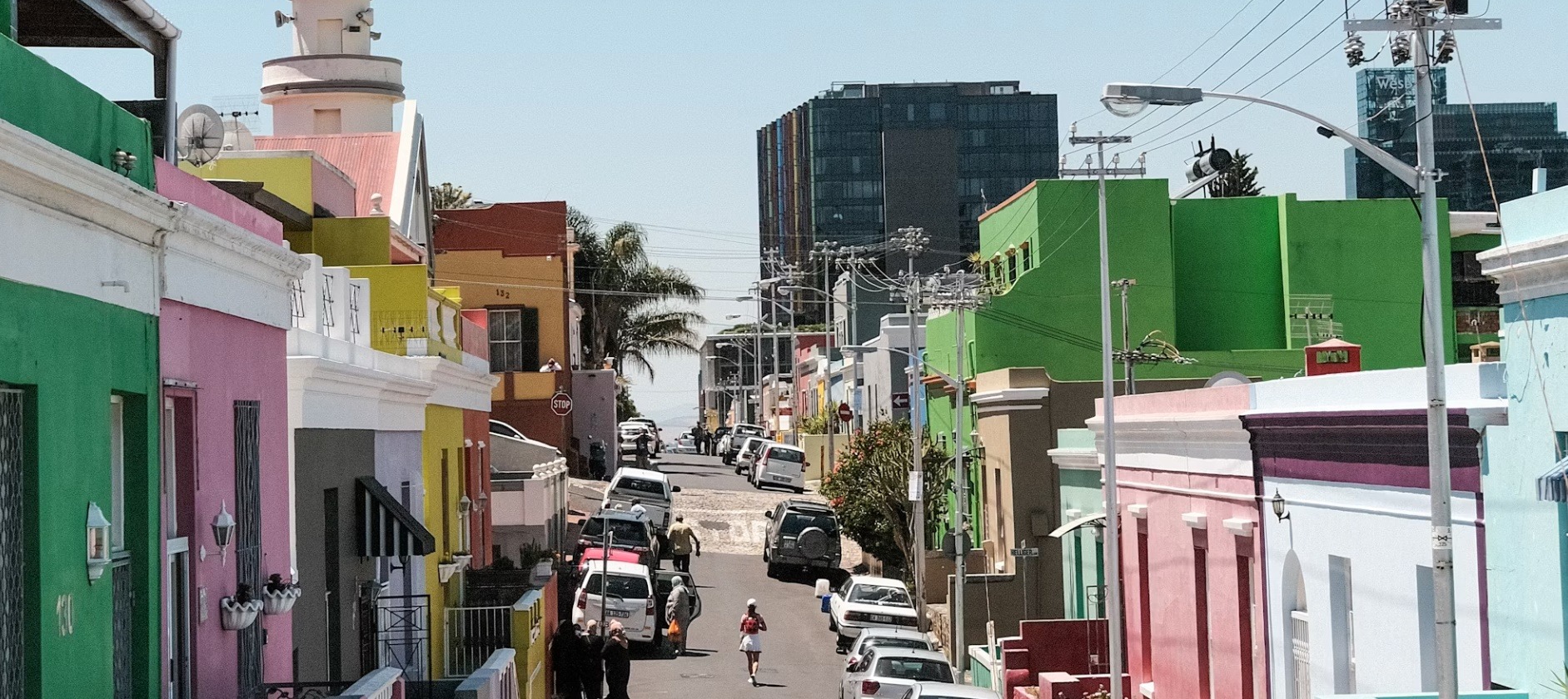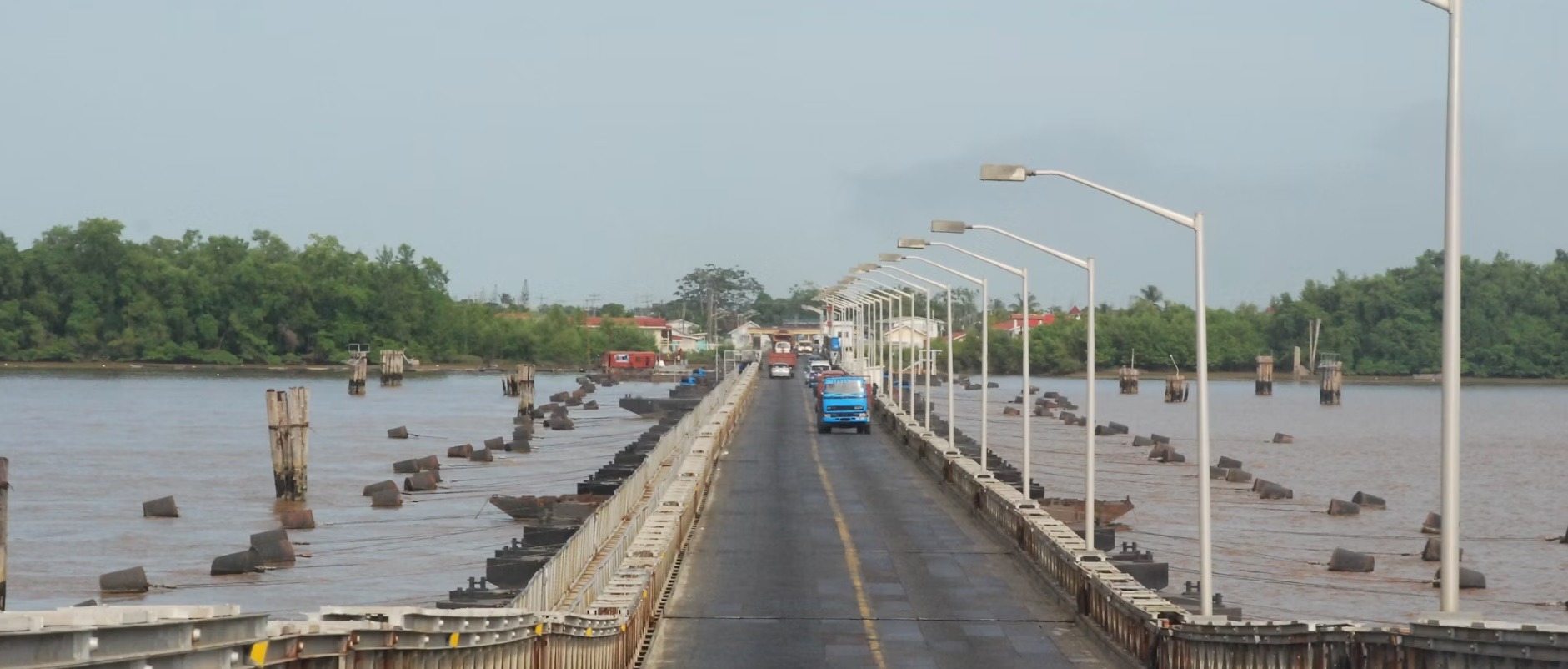

Street soccer is enjoyed by many children and teenagers in Guyana, where informal football matches are regularly played in neighbourhoods, school grounds, village communities, parks, and open recreational spaces. These games provide a fun and active way for young people to spend time with friends while improving their football skills.
Playing on smaller and often improvised pitches encourages quick thinking, close ball control, accurate passing, and smooth movement. The fast pace of street soccer helps players develop confidence, creativity, and teamwork as they adapt to different playing conditions and opponents.
Street soccer offers an accessible way for communities across Guyana to enjoy football without the need for professional facilities. It promotes healthy lifestyles, encourages social interaction, and inspires young players to continue developing their interest in the sport.
Football is steadily growing in Guyana, and street soccer is an important part of introducing young players to the game. Informal matches organised by schools, friends, and local communities create a welcoming environment where players of different ages and abilities can participate.
Street soccer helps players improve dribbling, first touch, passing accuracy, agility, balance, ball control, and awareness. Regular play also strengthens communication, creativity, confidence, and the ability to make quick decisions during matches.
Street soccer encourages community involvement by bringing people together through football and positive outdoor activities. It also gives aspiring players valuable experience before progressing to school teams, local clubs, football academies, or organised youth football programmes.
The Guyanese diaspora in the DMV (Washington, D.C., Maryland, and Virginia) is a long-established, prosperous, and culturally diverse Caribbean–South American community. The population includes Indo-Guyanese, Afro-Guyanese, and other Guyanese backgrounds, with strong representation among healthcare professionals, business owners, federal employees, entrepreneurs, and international-development specialists. Community life is particularly visible throughout suburban Maryland and is strengthened by alumni associations, professional groups, churches, businesses, and cultural organizations.
The Embassy of Guyana: Located in Washington, D.C., the Embassy serves as the principal diplomatic and administrative anchor for Guyanese nationals in the region. It provides consular services while supporting diaspora engagement, investment outreach, cultural programming, and connections between Guyanese professionals and opportunities in Guyana.
Guyanese Association of Metropolitan Washington DC (GAMODCC): A longstanding community organization supporting families throughout the DMV. Its activities include community welfare, scholarships, youth programs, cultural events, charitable initiatives, and social gatherings.
Guyanese Alumni Associations: Alumni networks representing schools such as Queen's College, Bishops' High School, and St. Stanislaus College are an important component of community life. They organize dinner-dances, reunions, scholarships, and fundraising activities connecting Guyanese across generations.
Business & Professional Networks: Guyanese professionals participate in networks spanning real estate, healthcare, technology, government, finance, entrepreneurship, and international development, with many organizations maintaining economic and investment ties to Guyana.
Suburban Maryland Community Corridors: Areas such as Silver Spring, Hyattsville, Lanham, and Laurel provide important Guyanese social and commercial networks, particularly through Caribbean grocery stores, restaurants, churches, community organizations, and family businesses.
Indo-Guyanese & Afro-Guyanese Heritage: Guyanese community life reflects the country's unusually diverse cultural composition. Indo-Guyanese and Afro-Guyanese traditions coexist through food, music, religion, family associations, and community celebrations.
Guyanese Cuisine: Food is one of the strongest cultural connectors. Dhalpuri roti, pepperpot, pine tarts, salara, cook-up rice, curry, and other Guyanese dishes are maintained through home cooking, caterers, restaurants, bakeries, and Caribbean specialty markets.
West Indian Commercial Networks: Caribbean grocery stores and international markets serve as informal community centers where residents exchange information, meet friends, and purchase imported Guyanese ingredients and products.
Faith & Family Networks: Churches and other religious institutions provide important spaces for worship, youth programs, fundraising, family events, and mutual aid.
Music & Cultural Celebrations: Guyanese music, Caribbean dance, cultural shows, independence celebrations, and community galas provide opportunities for younger generations to maintain connections with Guyanese identity.
Economic & Transnational Engagement: The diaspora maintains strong ties with Guyana through remittances, real estate, entrepreneurship, family support, philanthropy, and investment, particularly as Guyana's economy continues to attract international attention.
Community Structure: The Guyanese DMV community is best understood as a well-established, multi-ethnic Caribbean diaspora with strong transnational economic ties, where the Embassy and civic organizations provide formal infrastructure while alumni associations, churches, food businesses, family networks, and professional organizations sustain everyday community life.
Immigration from Guyana has generally reflected British colonial rule, economic opportunity, political change, educational advancement, professional employment, family reunification, regional mobility, and international migration.
Migration from Guyana has historically been shaped by its colonial ties to the United Kingdom, its diverse population, and economic and political developments. Many Guyanese initially migrated within the Caribbean and to the United Kingdom, Canada, and the United States for education, employment, trade, and family reunification. During the late twentieth century, economic challenges, political tensions, and expanding professional opportunities abroad contributed to increased migration to North America. Today, Guyanese immigrants form one of the largest Caribbean-born communities in the United States, maintaining strong cultural, economic, and family connections with their homeland while contributing to healthcare, education, business, technology, and other professional sectors.
Before independence, the country was known as British Guiana and was administered as a British colony. Migration during the colonial period was influenced by sugar plantation agriculture, mining, river trade, colonial administration, missionary education, and public service. Residents frequently travelled throughout the Caribbean and other British territories as traders, teachers, labourers, civil servants, students, and members of extended families. British Guiana was also shaped by the arrival of indentured labourers from India, Portugal, and China following the abolition of slavery, creating a diverse multicultural society. Direct migration to the United States remained relatively limited because educational, political, and commercial links were centred primarily on the United Kingdom and other British colonies. Guyana gained independence on May 26, 1966, and the United States recognized the new nation shortly thereafter before establishing diplomatic relations.
Migration increased after independence as economic decline, political uncertainty, and limited employment opportunities encouraged many Guyanese to seek opportunities abroad. Students, physicians, nurses, engineers, teachers, academics, entrepreneurs, information technology specialists, and business professionals increasingly travelled to the United States for higher education, specialized employment, research, investment, or family reunification. Family sponsorship and professional recruitment have continued to support migration in recent decades, while growing economic cooperation has strengthened ties between Guyana and the United States. In the United States, Guyanese immigrants often rely on family networks, churches, mandirs, mosques, cultural associations, and community organizations for support with housing, employment, education, and social integration while preserving English, Guyanese Creole, traditional cuisine, music, religious practices, and close relationships with relatives in Guyana.

Sign In