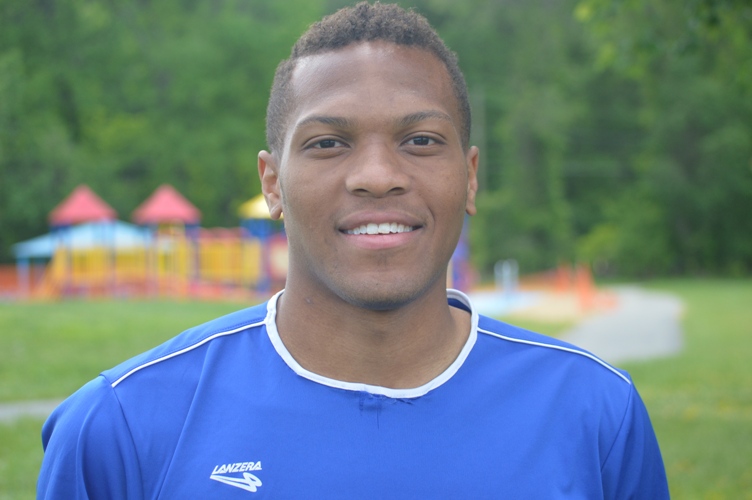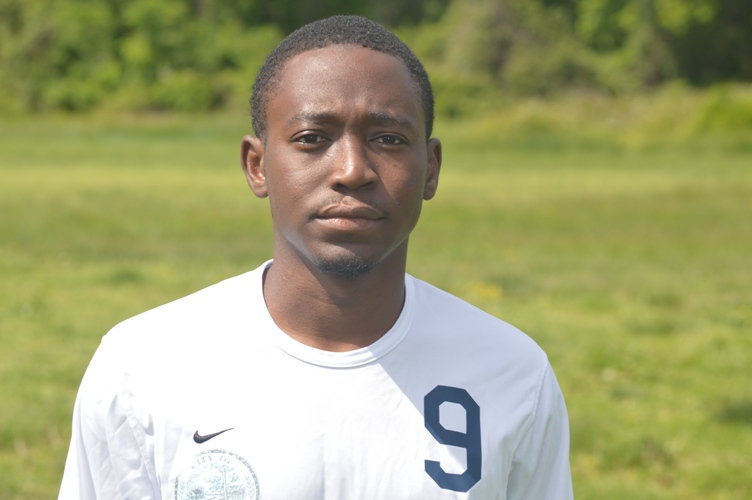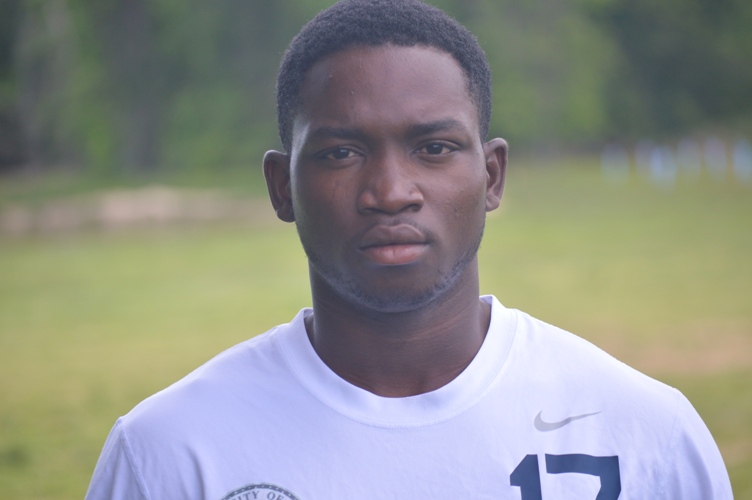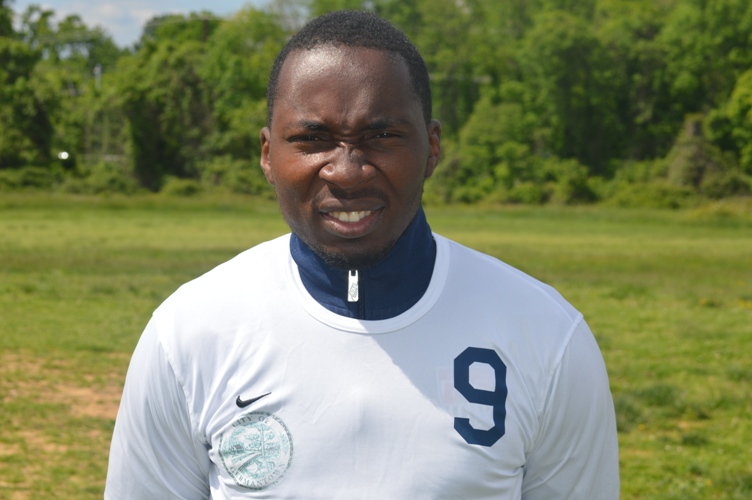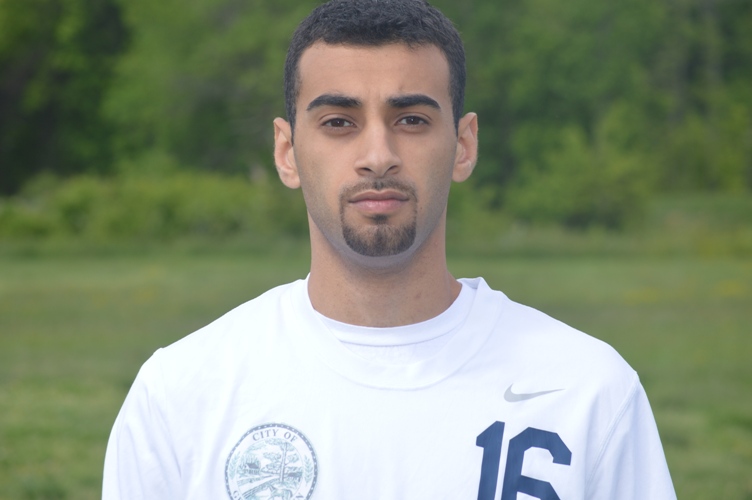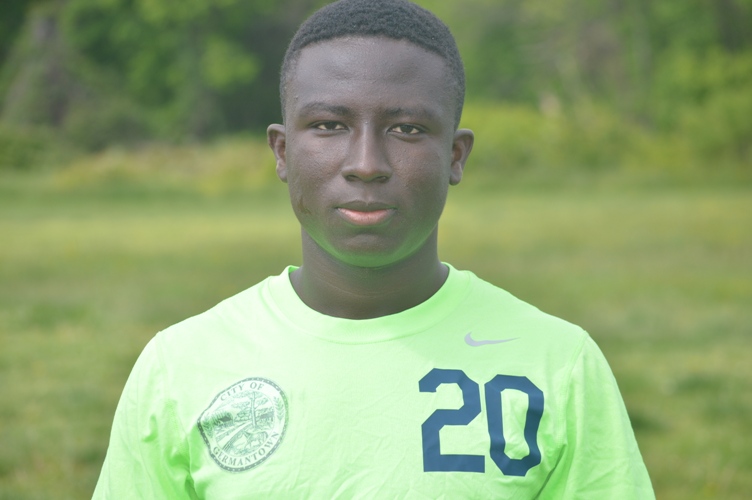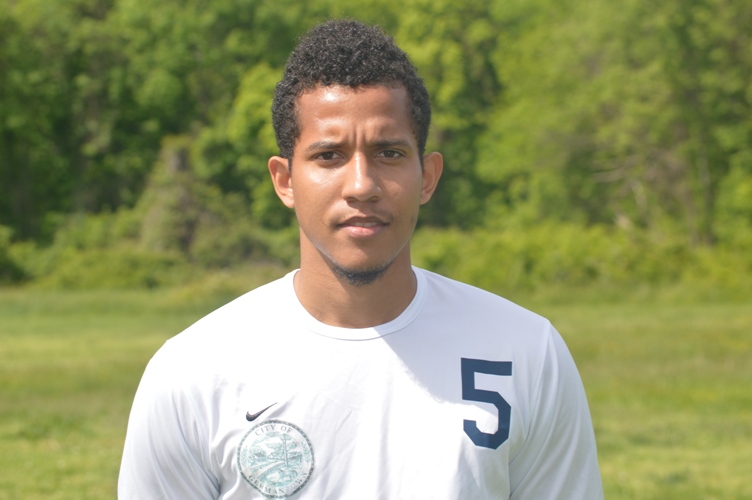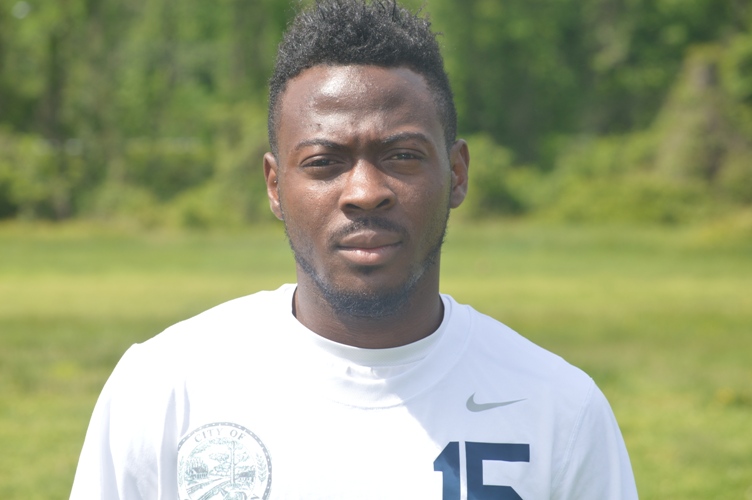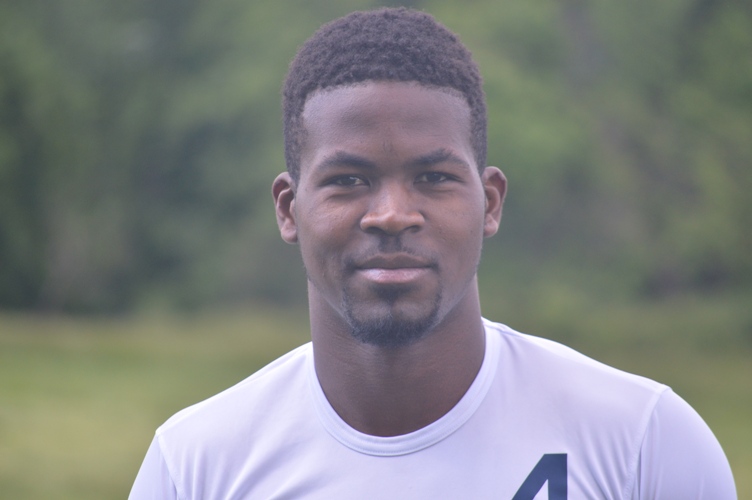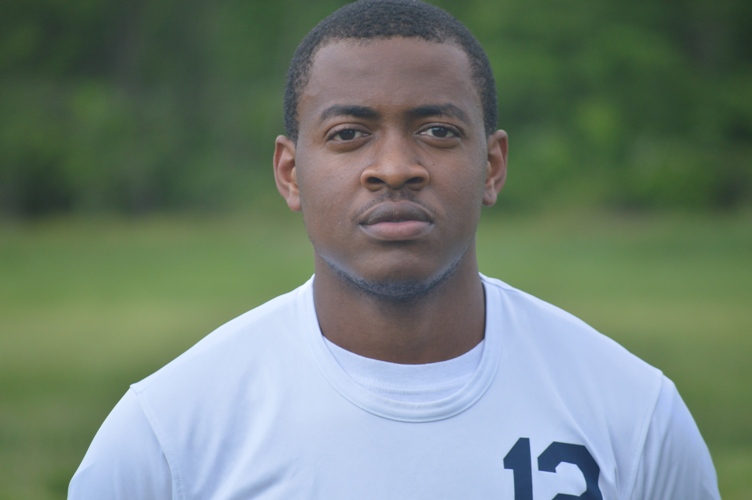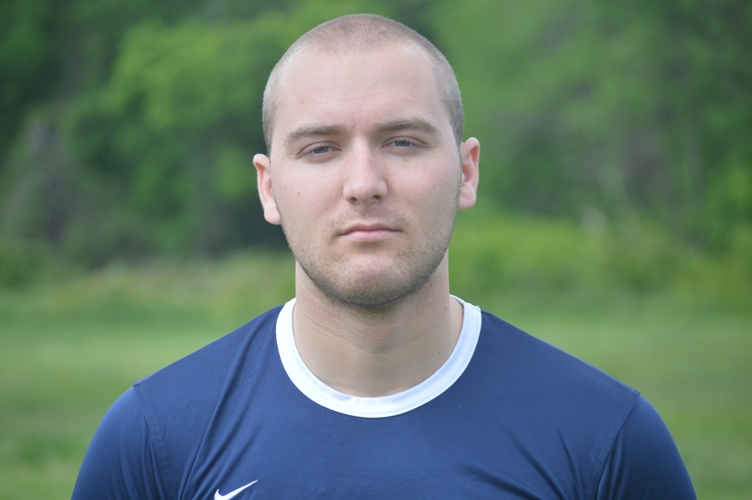

The Diaspora World Cup operates in some of the major cities and metro areas in
United States and
Canada. Our network of register players includes 20 cities, 200 countries, 400
teams, and 10,000
players. Join our movement to solve the world's most pressing challenges:
Illiteracy
Who We are text will be here Who We are text will be here Who We are text will
be here Who We
are text will be here Who We are text will be here Who We are text will be here
Who We are text
will be here Who We are text will be here Who We are text will be here
What We Do text will be here What We Do text will be here What We Do text will
be here What We
Do text will be here What We Do text will be here What We Do text will be here
What We Do text
will be here What We Do text will be here What We Do text will be here What We
Do text will be
here What We Do text will be here What We Do text will be here
Get Involved text will be here Get Involved text will be here Get Involved text
will be here Get
Involved text will be here Get Involved text will be here Get Involved text will
be here Get
Involved text will be here Get Involved text will be here Get Involved text will
be here Get
Involved text will be here
Education is a basic Human Right and the Diaspora World Cup global school
program focuses its
energy in some the poorest countries around the world. We build schools in some
of the poorest
countries around the worldthat historically had no adequate school structure.
Any member of the
World Diaspora has the power to end illiteracy around the world through the
power of soccer.
High-profile sport figures, global leaders, business leaders, political figure,
journalists,
activists, philanthropists, actors, and entrepreneurs united by their commitment
to the Diaspora
World Cup mission to eradicate illiteracy around the world through the power of
soccer. They serve
as role models and spread the Diaspora World Cup vision and commitment of a
world mobilized
through soccer.
Diaspora 2027: complete guide to all players | The Diaspora
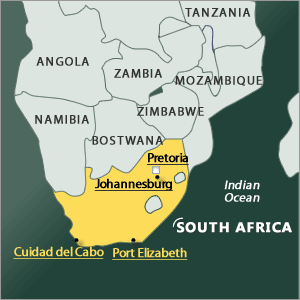
SOUTH A.
Welcome to the 2028 Diaspora World Cup. Burtonsville – Laurel
Burtonsville – Laurel
Welcome to the 2028 Diaspora World Cup. Burtonsville – Laurel
The South Australian diaspora in the DMV region is an exceptionally niche, highly specialized, and professional community. While the broader Australian-American community across the United States is relatively large, expats specifically originating from the state of South Australia (headquartered in Adelaide) form a unique sub-enclave in the nation's... The South Australian diaspora in the DMV region is an exceptionally niche, highly specialized, and professional community. While the broader Australian-American community across the United States is relatively large, expats specifically originating from the state of S...
More Information
Chelsea Official
Download The 5th Stand, Chelsea’s official mobile app, to see exclusive content, match action and all the latest news from Stamford Bridge.
More Information
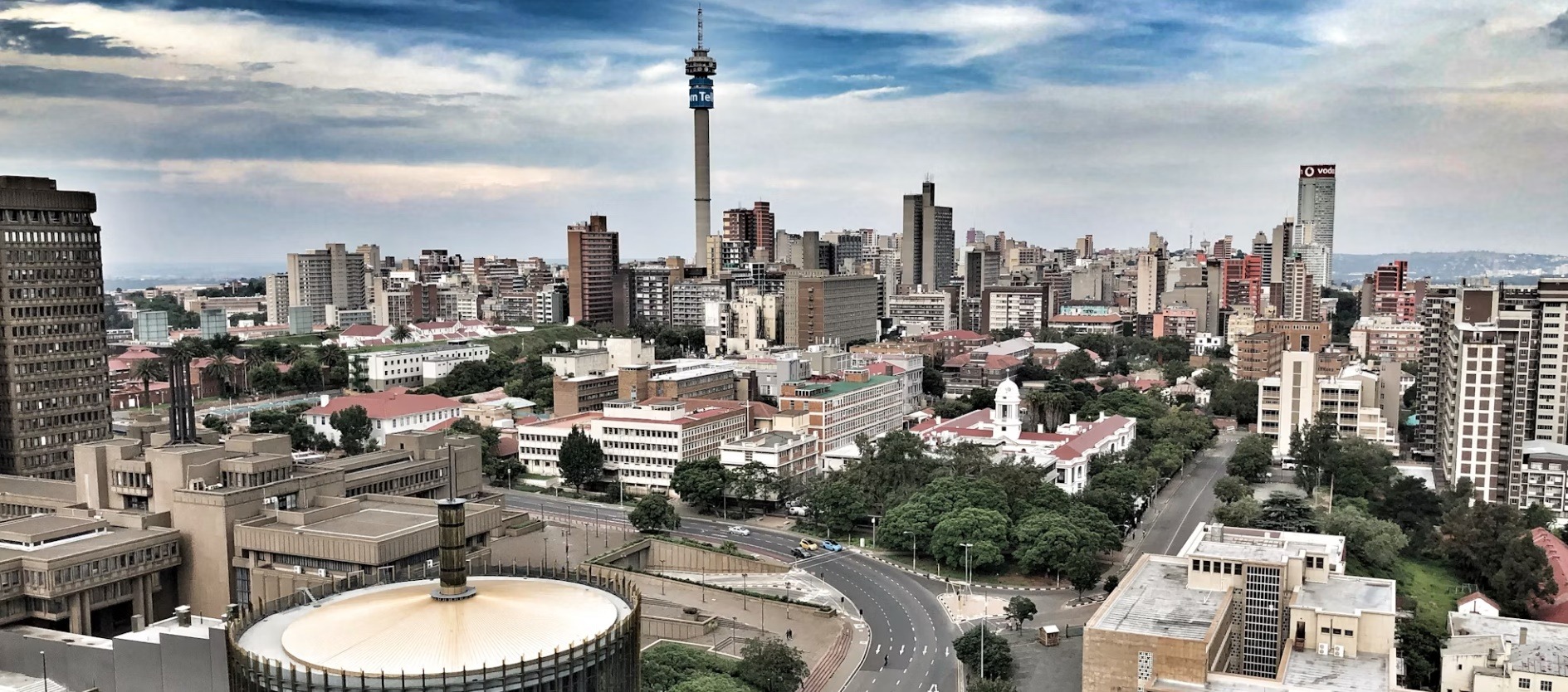
Street Soccer in South Africa
Street soccer is a vibrant part of football culture in South Africa, where children and teenagers regularly play informal football matches in neighbourhood streets, township communities, school playgrounds, public parks, community fields, and open spaces. These games provide young players with an exciting way to stay active, sharpen their football skills, and build strong friendships through the sport.
The fast and expressive style of street soccer encourages close ball control, quick passing, creative dribbling, and confident attacking play. Playing in smaller spaces helps participants improve their technique, teamwork, agility, and decision-making while adapting to different playing surfaces and match situations.
Street soccer provides an affordable and accessible way for communities across South Africa to enjoy football without requiring professional facilities. It promotes healthy lifestyles, strengthens local connections, and inspires many young players to pursue opportunities through schools, clubs, academies, and community competitions.
Street Soccer Culture in South Africa
Football is one of the most popular sports in South Africa, and street soccer is often where many children first develop their passion for the game. Informal matches organised by friends, schools, and local communities create an energetic and inclusive atmosphere where players of different ages and abilities can participate and showcase their talent.
Skills Developed Through Street Soccer
Street soccer helps players improve dribbling, first touch, passing accuracy, shooting technique, agility, balance, ball control, and tactical awareness. Regular games also strengthen communication, creativity, confidence, resilience, and the ability to make quick decisions in fast-paced situations.
Street Soccer and Community Development
Street soccer plays an important role in bringing communities together through football. It encourages teamwork, positive youth participation, and active lifestyles while providing aspiring players with valuable experience before progressing to school teams, local football clubs, academies, futsal programmes, or organised youth football competitions.
The SOUTH A. in the DMV Metro
The South Australian diaspora in the DMV region is an exceptionally niche, highly specialized, and professional community. While the broader Australian-American community across the United States is relatively large, expats specifically originating from the state of South Australia (headquartered in Adelaide) form a unique sub-enclave in the nation's capital. This community is predominantly composed of aerospace engineers, naval defense contractors, clean-energy policy advisors, space-tech executives, and high-level diplomats. [1]
🏛️ The AUKUS Framework and Defense Tech Boom
The geopolitical landscape of Washington, D.C., has directly accelerated the growth of the South Australian diaspora:
The Naval and Defense Pipeline: Because Adelaide is the undisputed naval shipbuilding capital of Australia, the landmark AUKUS trilateral security pact (between Australia, the UK, and the U.S.) has brought a significant wave of South Australian defense contractors, military attaches, and naval engineers to the DMV. They work directly alongside the Pentagon and major defense firms in Northern Virginia to coordinate submarine tech transfers and maritime security frameworks.
The Space and Innovation Corridor: Adelaide hosts the official Australian Space Agency. Consequently, local South Australian tech professionals in the DMV frequently liaise between the aerospace hubs of Northern Virginia (like Reston and Herndon) and South Australian innovation labs, driving transatlantic satellite and geospatial partnerships.
Cultural Footprint: The Wine and Cafe Culture
Because South Australia produces some of the world's most renowned premium wines (hailing from the Barossa Valley, McLaren Vale, and Clare Valley), gastronomy serves as a major cultural connection point for the local diaspora:
Wine Diplomacy: High-profile wine tastings and cultural events are routinely hosted by the Embassy of Australia on 16th Street NW. These events serve to introduce American policymakers and international development bankers to elite South Australian vintages, often acting as a soft-power networking tool for the diaspora.
The Aussie Cafe Wave: While not exclusively South Australian, the boom of authentic Australian-style cafes across the District—such as Bluestone Lane or local independent espresso bars—serves as the primary social "third space" where expats gather to find authentic flat whites, meat pies, and a taste of home.
Expat Scaffolding and Social Networks
Due to their numbers, South Australians rarely establish independent physical community centers. Instead, they operate through a combination of digital networks and broader Australian-American institutions:
The AAA-DC Network (Australian American Association of Washington, D.C.): This premier regional organization anchors the social calendar for local Australians. They coordinate major annual celebrations like Anzac Day (April 25th) dawn services and festive Australia Day (January 26th) gatherings, which provide an expansive venue for South Australians to mingle.
Digital Support Networks: The everyday social tissue of the diaspora relies heavily on active digital coordination. Grassroots spaces like the Australians in DC networks function as essential hubs where newly arrived families from Adelaide can share job openings, coordinate school district navigation, and share housing leads across the tri-state area.
Demographic Distribution
The population features a highly integrated suburban and urban footprint heavily aligned with the defense and tech sectors:
Northern Virginia (Fairfax and Arlington Counties): Highly favored by corporate defense professionals, aerospace contractors, and military families living in Arlington, Alexandria, and McLean due to proximity to the Pentagon and the Dulles tech corridor.
Washington, D.C. Proper: Comprising active diplomatic corps, international law practitioners, and multilateral civil servants residing near Dupont Circle, Foggy Bottom, and Georgetown.
Significance
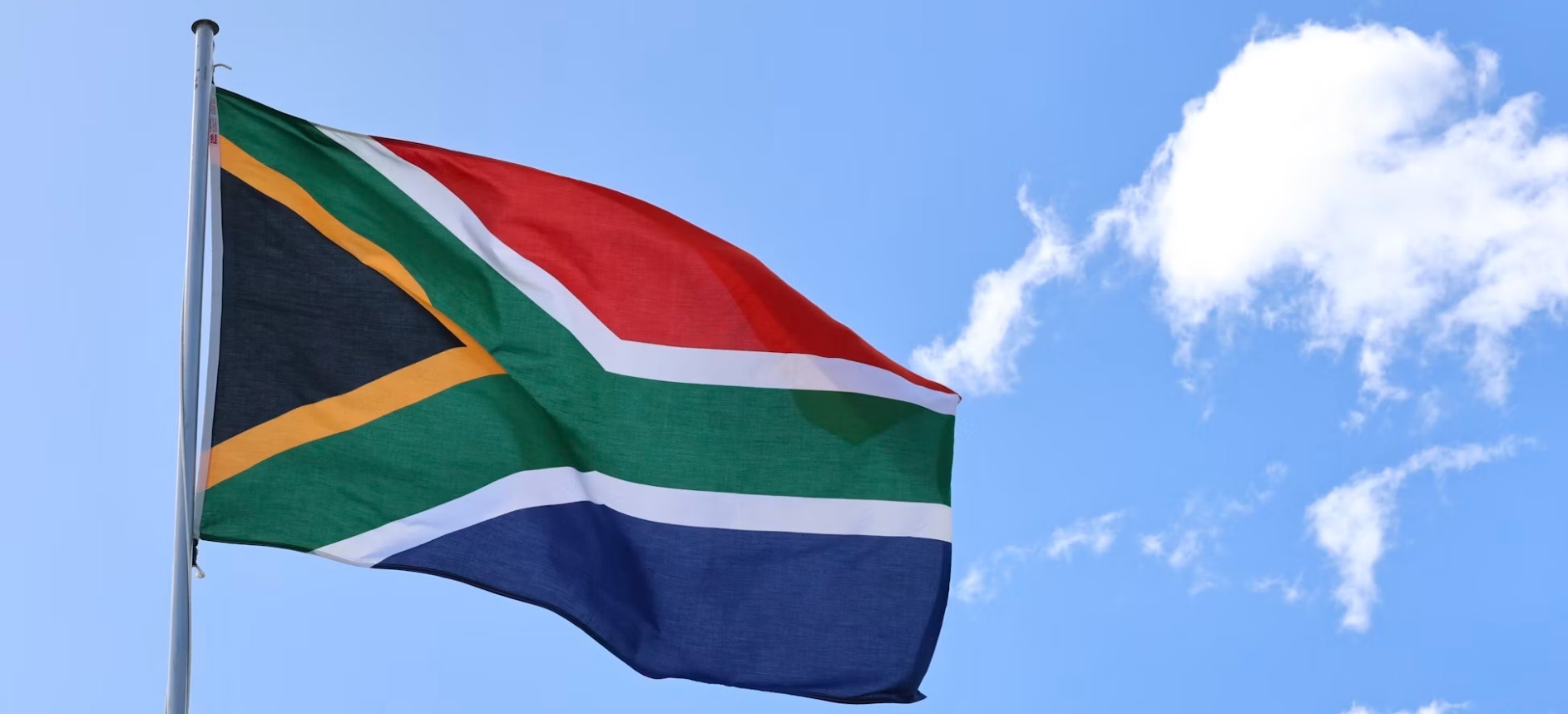
South African immigration has generally reflected colonial expansion, mining and industrial development, racial discrimination under apartheid, political exile, education, professional opportunities, economic uncertainty, security concerns, and family reunification.
South African migration to the United States remained relatively limited until the second half of the twentieth century. Early arrivals included merchants, sailors, miners, missionaries, students, academics, and professionals travelling for trade, education, or specialised employment. Later migrants came from the country’s African, Afrikaner, British, Indian, Jewish, Coloured, and other communities. Immigration expanded after American reforms in 1965 and during the apartheid era, when political activists, artists, intellectuals, and families left because of repression and racial discrimination. More recent arrivals have included doctors, engineers, scientists, educators, entrepreneurs, technology specialists, students, and relatives joining established families. South Africa is now one of the leading birth countries for sub-Saharan African immigrants in the United States.
South African Migration Before Apartheid
Before apartheid was formally introduced in 1948, migration was shaped by Dutch and British colonisation, slavery, warfare, agriculture, diamond and gold discoveries, and rapid industrialisation. European settlers, enslaved people, indentured Indian labourers, African workers, merchants, and professionals moved into and within the region under very different conditions. South Africans who travelled abroad generally went to Britain, neighbouring African territories, Australia, or other parts of the British Empire, while direct settlement in the United States remained comparatively uncommon. Those who reached America included sailors, missionaries, students, mining specialists, businesspeople, and performers. The United States maintained consular relations with the region during the nineteenth century and formally upgraded its diplomatic representation to ambassadorial level in 1949.
Late-Twentieth- and Early-Twenty-First-Century Immigration
Apartheid laws introduced after 1948 intensified racial segregation, political repression, forced removals, and restrictions on education, employment, and movement. These conditions encouraged some activists, academics, artists, professionals, and families to seek refuge or opportunity abroad. After apartheid ended and democratic government began in 1994, emigration continued for different reasons, including professional advancement, economic uncertainty, crime concerns, international study, business, and family connections. The United Kingdom, Australia, New Zealand, Canada, and the United States became important destinations, particularly for skilled workers. South African immigrants in America established professional networks, businesses, churches, cultural groups, and community organisations while maintaining connections through family visits, investment, charitable activity, and support for relatives at home.
Lorem ipsum dolor sit amet, consectetur adipiscing elit, sed do eiusmod tempor incididunt ut
labore et dolore magna aliqua. Ut enim ad minim veniam, quis nostrud exercitation ullamco
laboris nisi ut aliquip ex ea commodo consequat. Duis aute irure dolor in
reprehenderit in voluptate velit esse cillum dolore eu fugiat nulla pariatur.