
The Diaspora World Cup operates in some of the major cities and metro areas in
United States and
Canada. Our network of register players includes 20 cities, 200 countries, 400
teams, and 10,000
players. Join our movement to solve the world's most pressing challenges:
Illiteracy
Who We are text will be here Who We are text will be here Who We are text will
be here Who We
are text will be here Who We are text will be here Who We are text will be here
Who We are text
will be here Who We are text will be here Who We are text will be here
What We Do text will be here What We Do text will be here What We Do text will
be here What We
Do text will be here What We Do text will be here What We Do text will be here
What We Do text
will be here What We Do text will be here What We Do text will be here What We
Do text will be
here What We Do text will be here What We Do text will be here
Get Involved text will be here Get Involved text will be here Get Involved text
will be here Get
Involved text will be here Get Involved text will be here Get Involved text will
be here Get
Involved text will be here Get Involved text will be here Get Involved text will
be here Get
Involved text will be here
Education is a basic Human Right and the Diaspora World Cup global school
program focuses its
energy in some the poorest countries around the world. We build schools in some
of the poorest
countries around the worldthat historically had no adequate school structure.
Any member of the
World Diaspora has the power to end illiteracy around the world through the
power of soccer.
High-profile sport figures, global leaders, business leaders, political figure,
journalists,
activists, philanthropists, actors, and entrepreneurs united by their commitment
to the Diaspora
World Cup mission to eradicate illiteracy around the world through the power of
soccer. They serve
as role models and spread the Diaspora World Cup vision and commitment of a
world mobilized
through soccer.
Diaspora 2027: complete guide to all players | The Diaspora
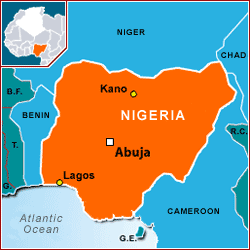
NIGERIA
Welcome to the 2028 Diaspora World Cup. Burtonsville – Laurel
Burtonsville – Laurel
Welcome to the 2028 Diaspora World Cup. Burtonsville – Laurel
The Nigerian diaspora in the DMV (District of Columbia, Maryland, and Virginia) is a large, highly educated, entrepreneurial, and culturally influential community. With tens of thousands of Nigerian-Americans and Nigerian immigrants across the region, the DMV is one of the most important Nigerian population centers in the United States. Unlike smaller African imm...The Nigerian diaspora in the DMV (District of Columbia, Maryland, and Virginia) is a large, highly educated, entrepreneurial, and culturally influential community. With tens of thousands of Nigerian-Americans and Nigerian immigrants across the region, the DMV is one of the most i...
More Information
Chelsea Official
Download The 5th Stand, Chelsea’s official mobile app, to see exclusive content, match action and all the latest news from Stamford Bridge.
More Information
Street Soccer in Nigeria
Street soccer is a major part of football culture in Nigeria, where children and teenagers regularly gather in neighbourhood streets, school fields, community grounds, beaches, and open spaces to play informal football matches. These games are an important part of everyday life, giving young players a chance to enjoy football, build friendships, and develop their skills from an early age.
The fast and energetic style of street soccer encourages creative dribbling, quick passing, close ball control, and explosive movement. Playing in small spaces helps players become more confident, improve their technique, and develop strong decision-making skills while adapting to different playing conditions.
Street soccer provides an affordable and accessible way for communities across Nigeria to enjoy football without requiring professional facilities. It promotes healthy lifestyles, strengthens community connections, and inspires many young players to pursue football through schools, academies, clubs, and local competitions.
Street Soccer Culture in Nigeria
Football is one of the most loved sports in Nigeria, and street soccer is often where many children first discover their passion for the game. Informal matches organised by friends, schools, and neighbourhood communities create a lively atmosphere where players of different ages and abilities can participate.
Skills Developed Through Street Soccer
Street soccer helps players improve dribbling, first touch, passing accuracy, agility, balance, ball control, and tactical awareness. Regular games also develop creativity, communication, confidence, and the ability to make quick decisions in high-pressure situations.
Street Soccer and Community Development
Street soccer plays an important role in bringing communities together through football. It encourages teamwork, positive youth engagement, and active lifestyles while providing aspiring players with valuable experience before progressing to school teams, local football clubs, academies, or organised youth football programmes.
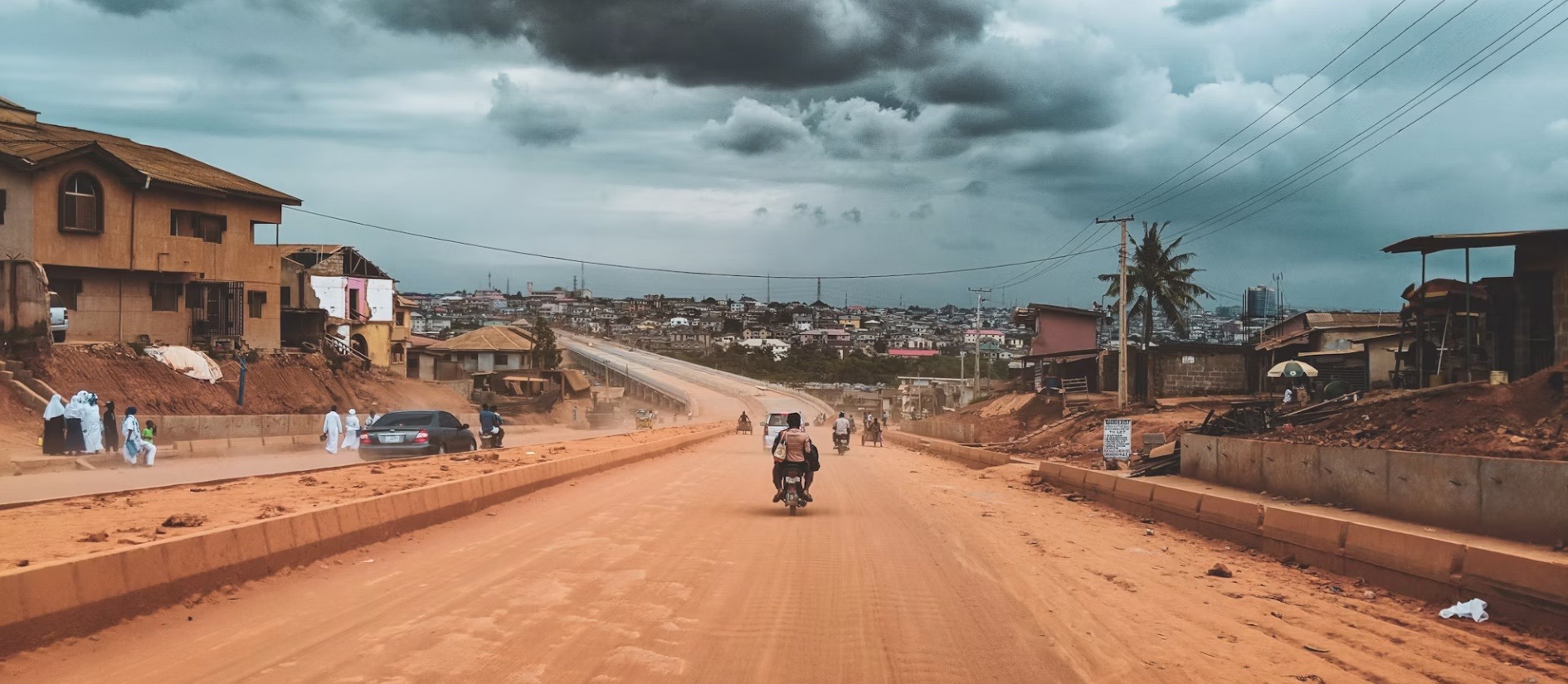
The NIGERIA in the DMV Metro
The Nigerian diaspora in the DMV (District of Columbia, Maryland, and Virginia) is a large, highly educated, entrepreneurial, and culturally influential community. With tens of thousands of Nigerian-Americans and Nigerian immigrants across the region, the DMV is one of the most important Nigerian population centers in the United States. Unlike smaller African immigrant communities, the Nigerian presence extends across healthcare, technology, federal contracting, law, education, entrepreneurship, finance, and entertainment, with particularly strong residential and commercial networks in Maryland and Northern Virginia.
Cultural Hubs & Community Networks
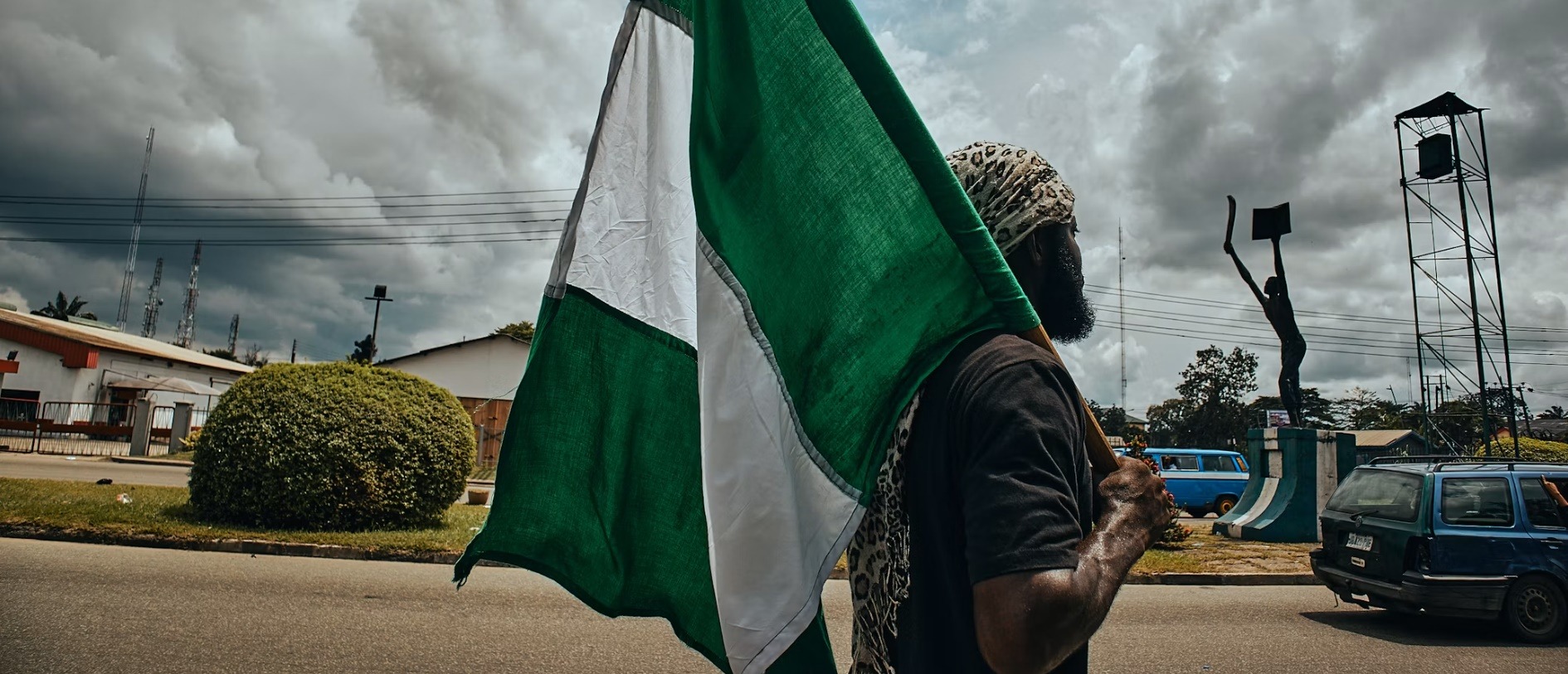
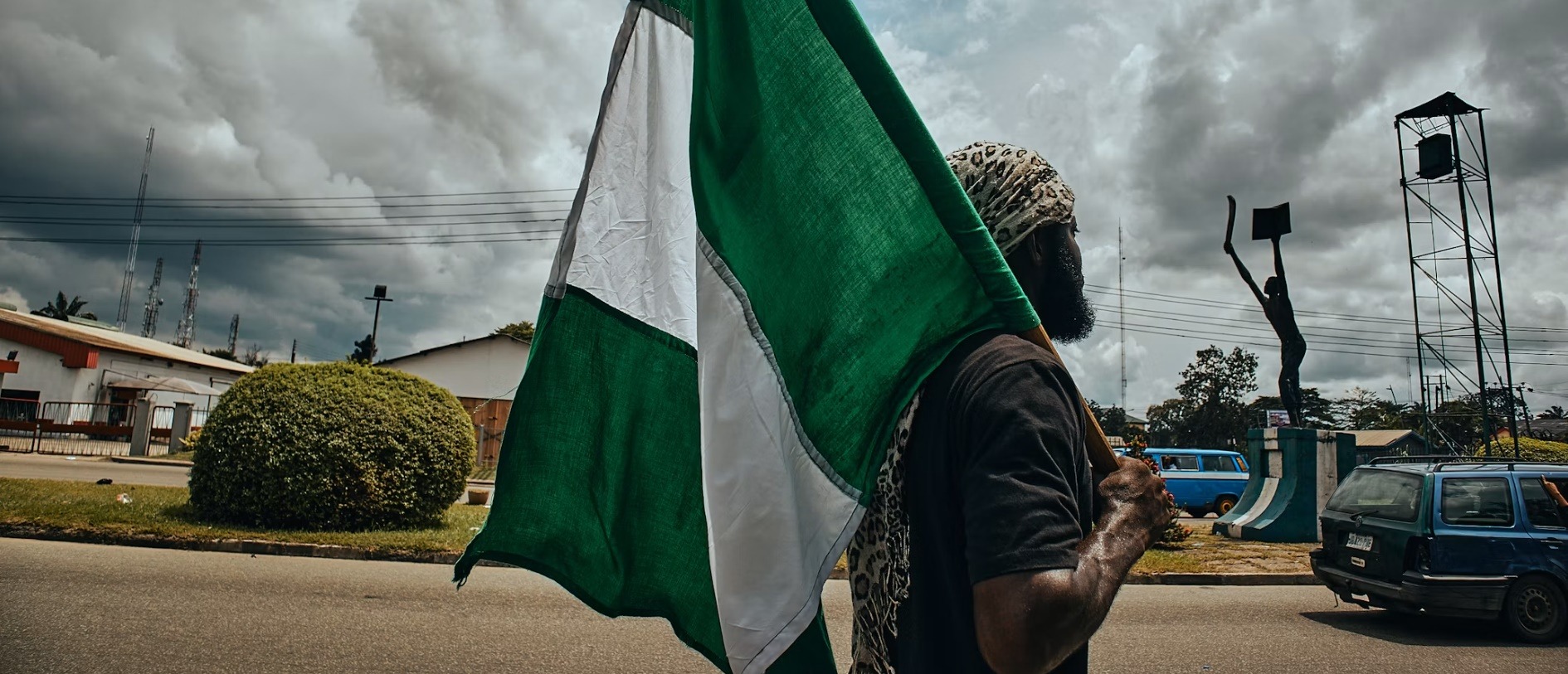
Embassy Hub: The Embassy of Nigeria in Washington, D.C. serves as the community's primary diplomatic and administrative anchor. It provides consular services while also supporting diplomatic, economic, cultural, and diaspora engagement. Nigerian Independence Day and other national celebrations provide major opportunities for the community to connect.
Professional Networks: Nigerian-American professionals maintain extensive networks across medicine, law, technology, finance, academia, and government. Organizations such as the Nigerian American Lawyers Association (NALA) provide professional mentorship, networking, community service, and opportunities for Nigerian-American attorneys and legal professionals to build connections.
Nigerian Community Organizations: Regional umbrella organizations and state- and ethnicity-based associations bring together Yoruba, Igbo, Edo, Hausa, and other Nigerian communities. These groups organize cultural programs, professional networking, political engagement, charitable initiatives, and community-development projects.
Key Cultural Gatherings
Nigerian Independence Day: Celebrated annually on October 1, Independence Day is one of the largest Nigerian community celebrations in the DMV. Galas, cultural programs, concerts, church events, political receptions, and community festivals bring together families, business leaders, artists, and civic organizations.
Afrobeats Concerts & Festivals: The DMV has become a major East Coast destination for Nigerian and African music. International Afrobeats stars regularly perform for large audiences at major venues in Washington and Baltimore, while regional festivals combine live music with African fashion, food, art, and entrepreneurship.
Passport DC: During the annual Passport DC embassy-tour season, Nigerian cultural programming provides the wider Washington public with opportunities to experience Nigerian food, music, dance, crafts, and history.
Culinary & Social Anchors
The Nigerian community is particularly visible through the DMV's extensive West African restaurant, grocery, fashion, and nightlife ecosystem.
Lanham & Prince George's County: The Maryland corridor around Lanham, Bowie, Hyattsville, and neighboring Prince George's County serves as an important Nigerian commercial and residential base. African supermarkets, restaurants, shipping companies, beauty businesses, churches, and fashion retailers provide everyday infrastructure for the community.
Nigerian Restaurants: Restaurants such as Project Suya and The Palms Restaurant & Bar contribute to the region's Nigerian and West African food scene. Nigerian restaurants frequently operate as informal social hubs where customers meet friends, watch football, celebrate birthdays, and conduct business.
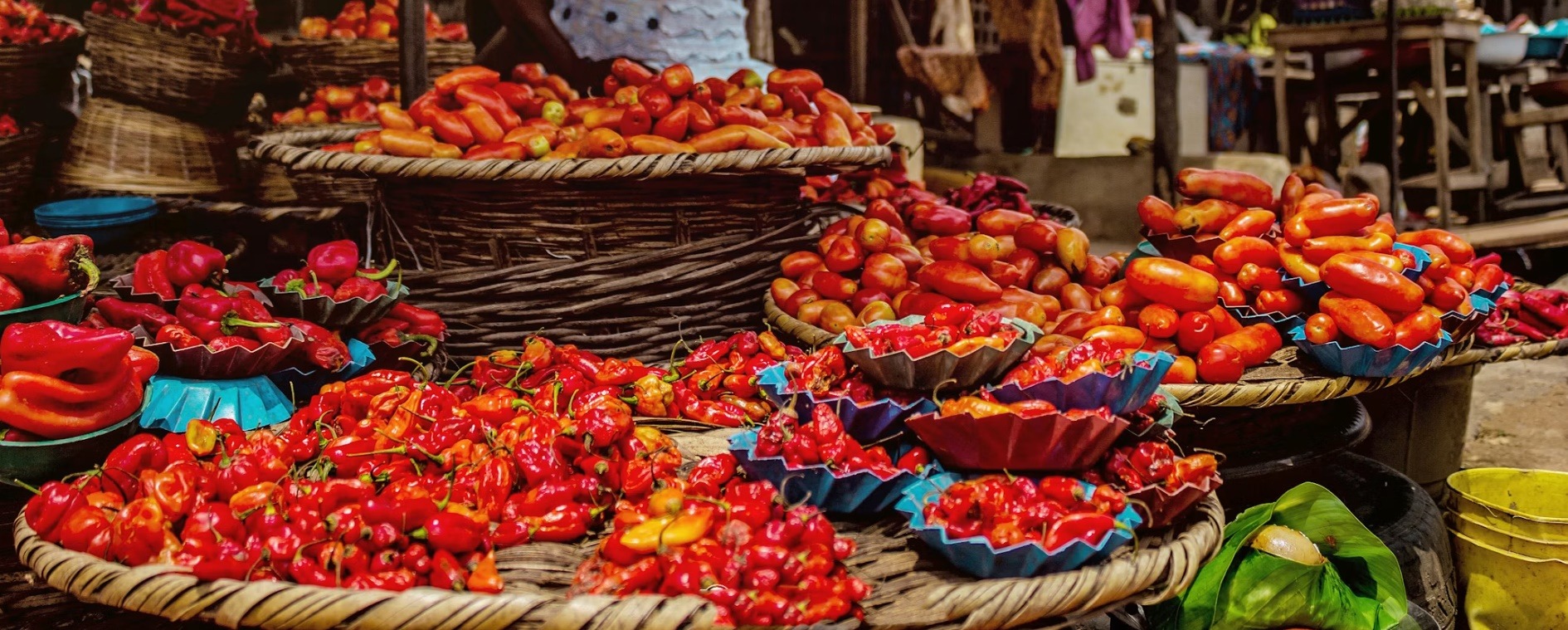
African Markets & Fashion: Specialized African grocery stores and boutiques provide ingredients such as yam, plantain, egusi, palm oil, and specialty spices, while fashion retailers supply traditional fabrics and outfits, including aso ebi worn for weddings and major celebrations.
Faith & Community Life
Churches and religious organizations form another major pillar of Nigerian-American life in the DMV. Large Nigerian-led congregations and Christian fellowships provide worship, youth programming, marriage and family activities, charitable initiatives, and extensive social networks. These institutions often function as community centers extending well beyond religious services.
Overall, the Nigerian community in the DMV combines substantial professional influence with a highly visible cultural ecosystem. The Embassy of Nigeria provides the diplomatic anchor, while professional associations, churches, cultural organizations, restaurants, African markets, concerts, and large-scale festivals create a dense network connecting Nigerian-Americans across Maryland, Virginia, and Washington, D.C.
Significance
Immigration from Nigeria has generally reflected British colonial rule, educational advancement, professional employment, economic opportunity, political change, family reunification, skilled migration, and international business.
Migration from Nigeria has historically been shaped by its position as Africa's most populous country, its colonial history, and expanding global educational and professional opportunities. During the twentieth century, many Nigerians travelled abroad for higher education, professional training, and employment, particularly to the United Kingdom and later the United States. Political transitions, economic reforms, and globalization further encouraged migration through education, skilled employment, entrepreneurship, business investment, and family sponsorship. Today, Nigerian immigrants represent one of the largest and most highly educated African immigrant communities in the United States, contributing significantly to healthcare, engineering, education, technology, business, finance, research, and public service while maintaining strong cultural, linguistic, and family ties with Nigeria.
Nigerian Migration Before Independence
Before independence, present-day Nigeria was administered as the British Colony and Protectorate of Nigeria under British colonial rule. Migration during the colonial period was influenced by agriculture, trade, mining, government administration, missionary education, military service, and regional commerce. Residents frequently travelled throughout West Africa and the United Kingdom as traders, teachers, students, civil servants, soldiers, and members of extended families. Direct migration to the United States remained relatively limited because political, educational, and commercial connections were centred primarily on the United Kingdom and other British territories. Nigeria gained independence from the United Kingdom on October 1, 1960, and the United States recognized the new nation shortly thereafter before establishing diplomatic relations.
Late-Twentieth- and Early-Twenty-First-Century Immigration
Migration increased after independence as educational opportunities, economic development, and expanding professional careers encouraged many Nigerians to seek opportunities abroad. Political instability, periods of military rule, economic restructuring, and regional security challenges also contributed to migration, while universities and employers in the United States attracted growing numbers of highly skilled professionals. Students, physicians, nurses, engineers, scientists, academics, entrepreneurs, information technology specialists, financial professionals, business executives, and researchers increasingly travelled to the United States for university education, specialized employment, scientific research, investment, or family reunification. In the United States, Nigerian immigrants often rely on family networks, churches, mosques, cultural associations, alumni organizations, and professional groups for support with housing, employment, education, and community integration while preserving English, Yoruba, Igbo, Hausa, and numerous other Indigenous languages, traditional cuisine, music, cultural heritage, religious practices, and close relationships with relatives in Nigeria.
Lorem ipsum dolor sit amet, consectetur adipiscing elit, sed do eiusmod tempor incididunt ut
labore et dolore magna aliqua. Ut enim ad minim veniam, quis nostrud exercitation ullamco
laboris nisi ut aliquip ex ea commodo consequat. Duis aute irure dolor in
reprehenderit in voluptate velit esse cillum dolore eu fugiat nulla pariatur.