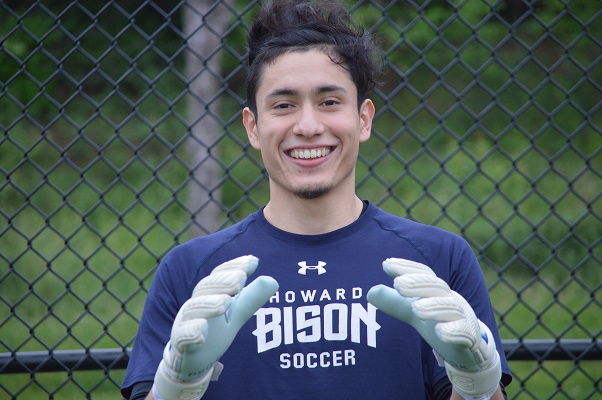

The Diaspora World Cup operates in some of the major cities and metro areas in
United States and
Canada. Our network of register players includes 20 cities, 200 countries, 400
teams, and 10,000
players. Join our movement to solve the world's most pressing challenges:
Illiteracy
Who We are text will be here Who We are text will be here Who We are text will
be here Who We
are text will be here Who We are text will be here Who We are text will be here
Who We are text
will be here Who We are text will be here Who We are text will be here
What We Do text will be here What We Do text will be here What We Do text will
be here What We
Do text will be here What We Do text will be here What We Do text will be here
What We Do text
will be here What We Do text will be here What We Do text will be here What We
Do text will be
here What We Do text will be here What We Do text will be here
Get Involved text will be here Get Involved text will be here Get Involved text
will be here Get
Involved text will be here Get Involved text will be here Get Involved text will
be here Get
Involved text will be here Get Involved text will be here Get Involved text will
be here Get
Involved text will be here
Education is a basic Human Right and the Diaspora World Cup global school
program focuses its
energy in some the poorest countries around the world. We build schools in some
of the poorest
countries around the worldthat historically had no adequate school structure.
Any member of the
World Diaspora has the power to end illiteracy around the world through the
power of soccer.
High-profile sport figures, global leaders, business leaders, political figure,
journalists,
activists, philanthropists, actors, and entrepreneurs united by their commitment
to the Diaspora
World Cup mission to eradicate illiteracy around the world through the power of
soccer. They serve
as role models and spread the Diaspora World Cup vision and commitment of a
world mobilized
through soccer.
Diaspora 2027: complete guide to all players | The Diaspora
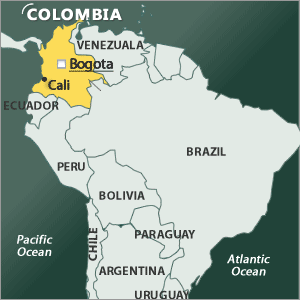
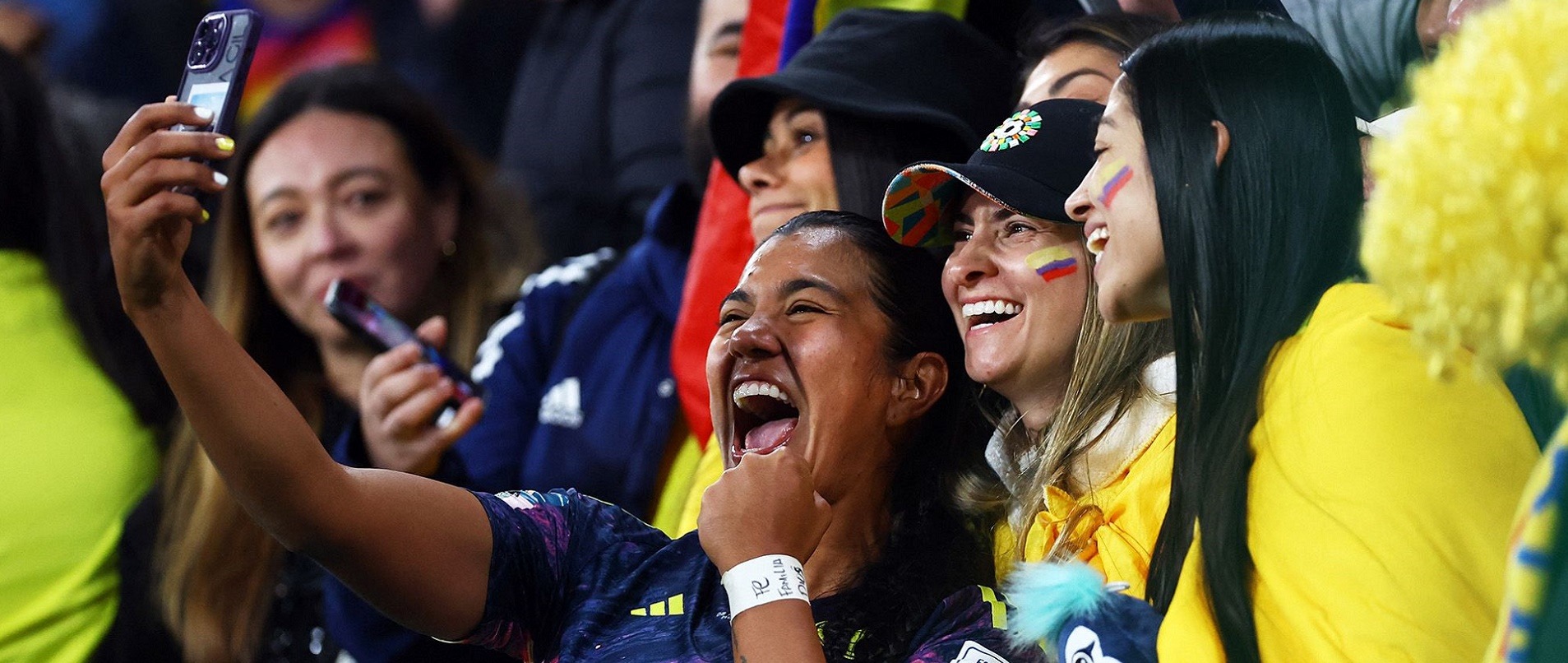
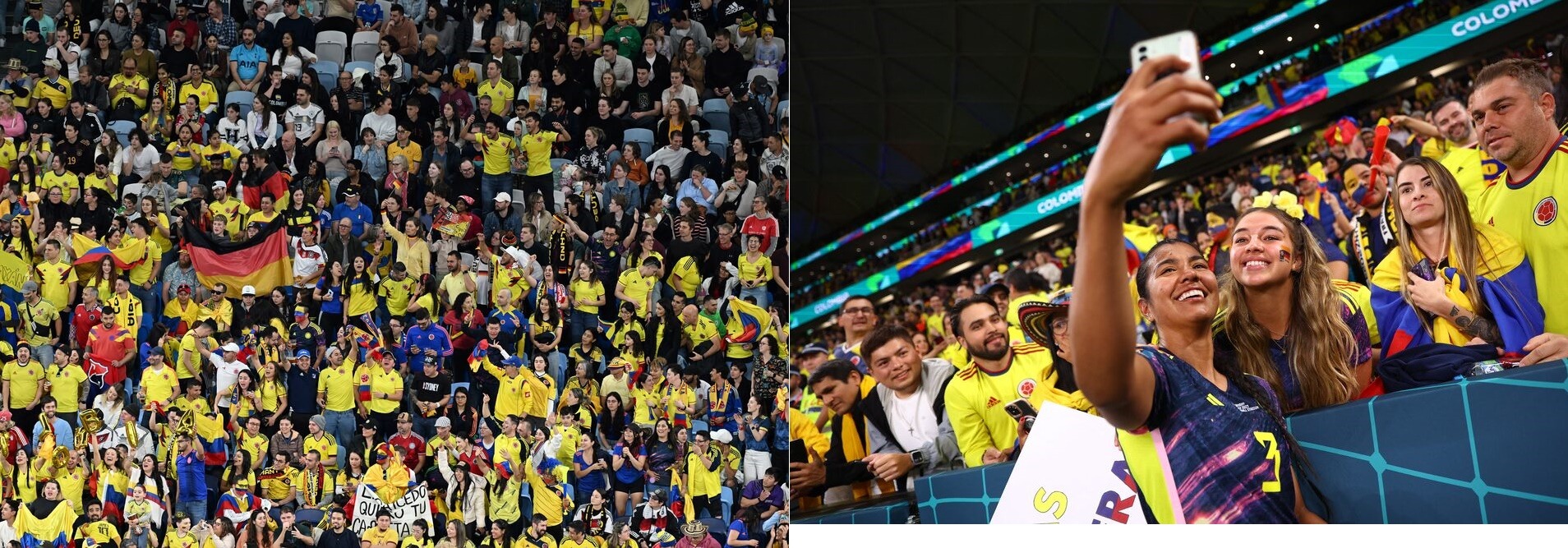
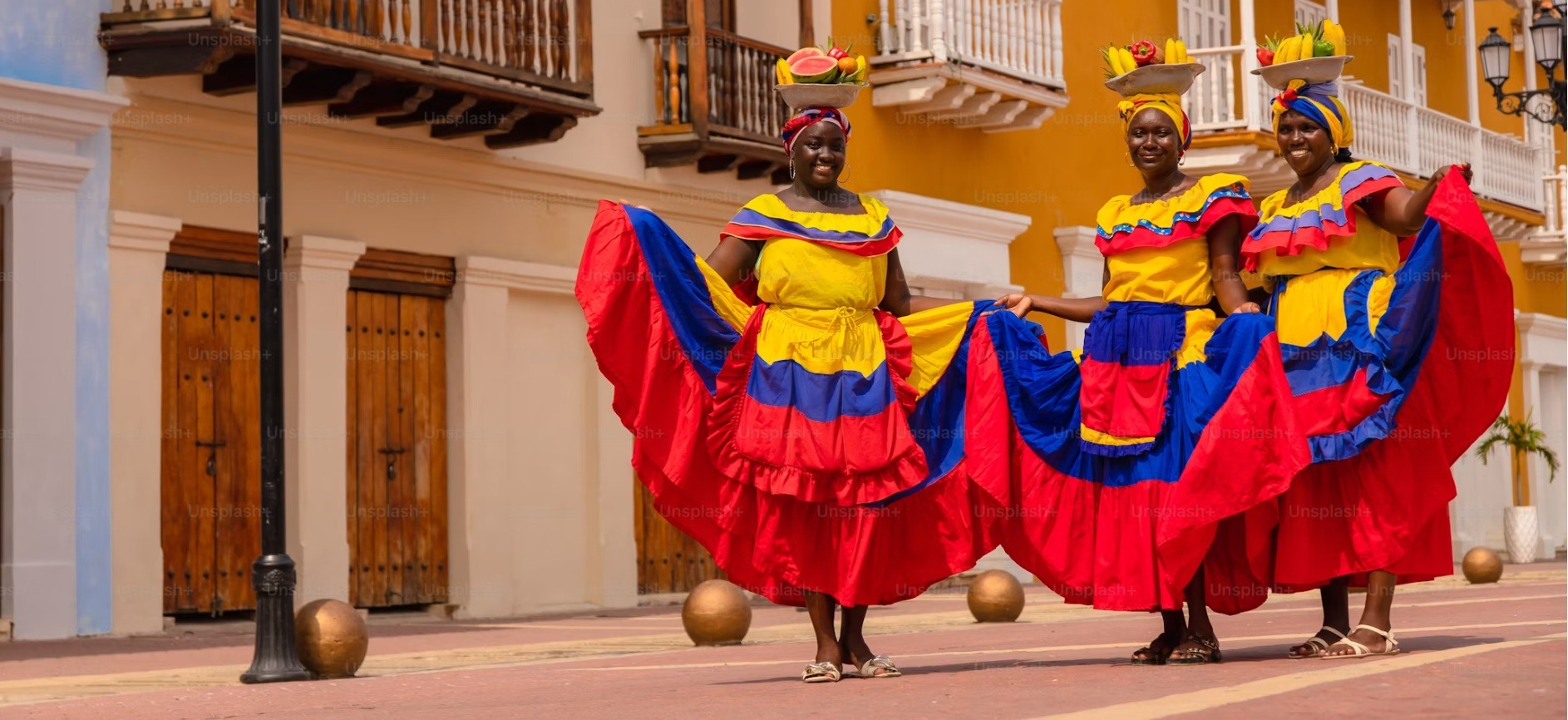
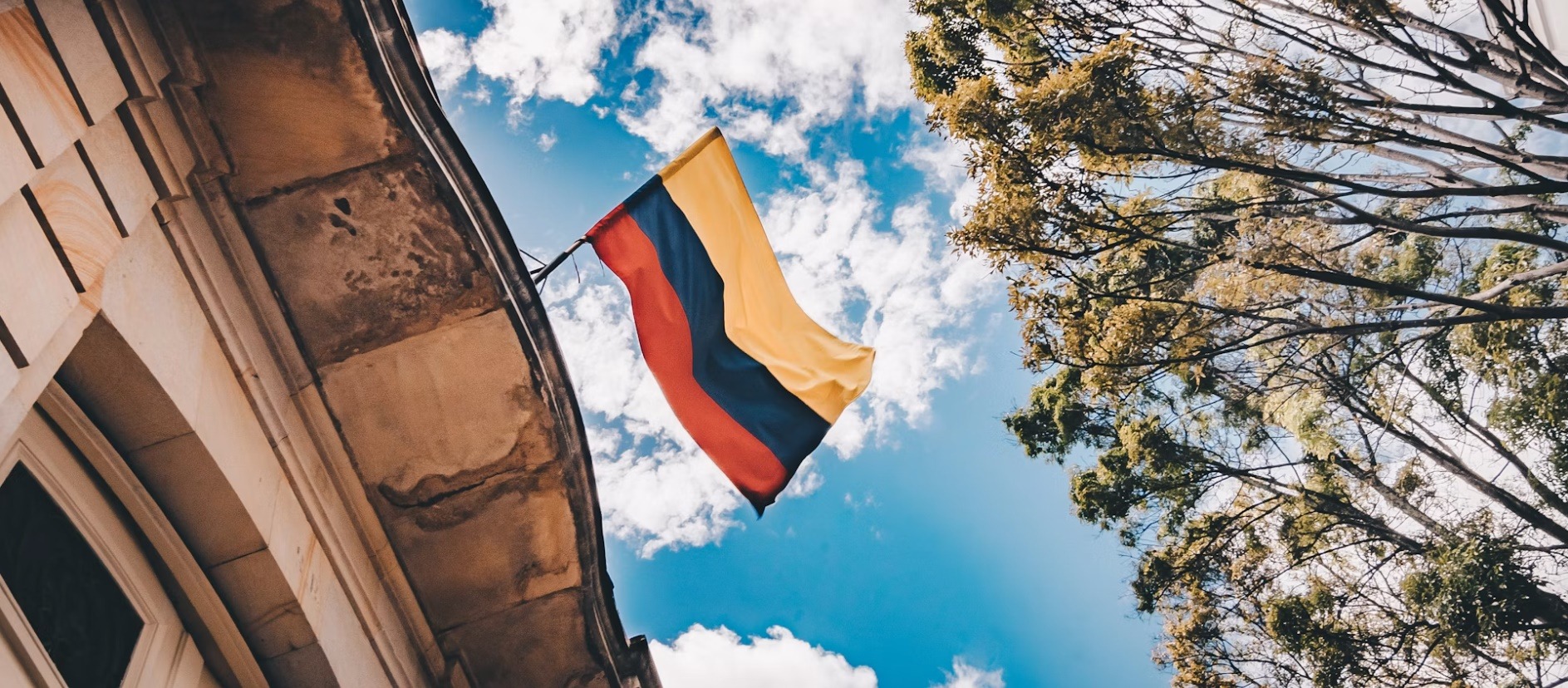
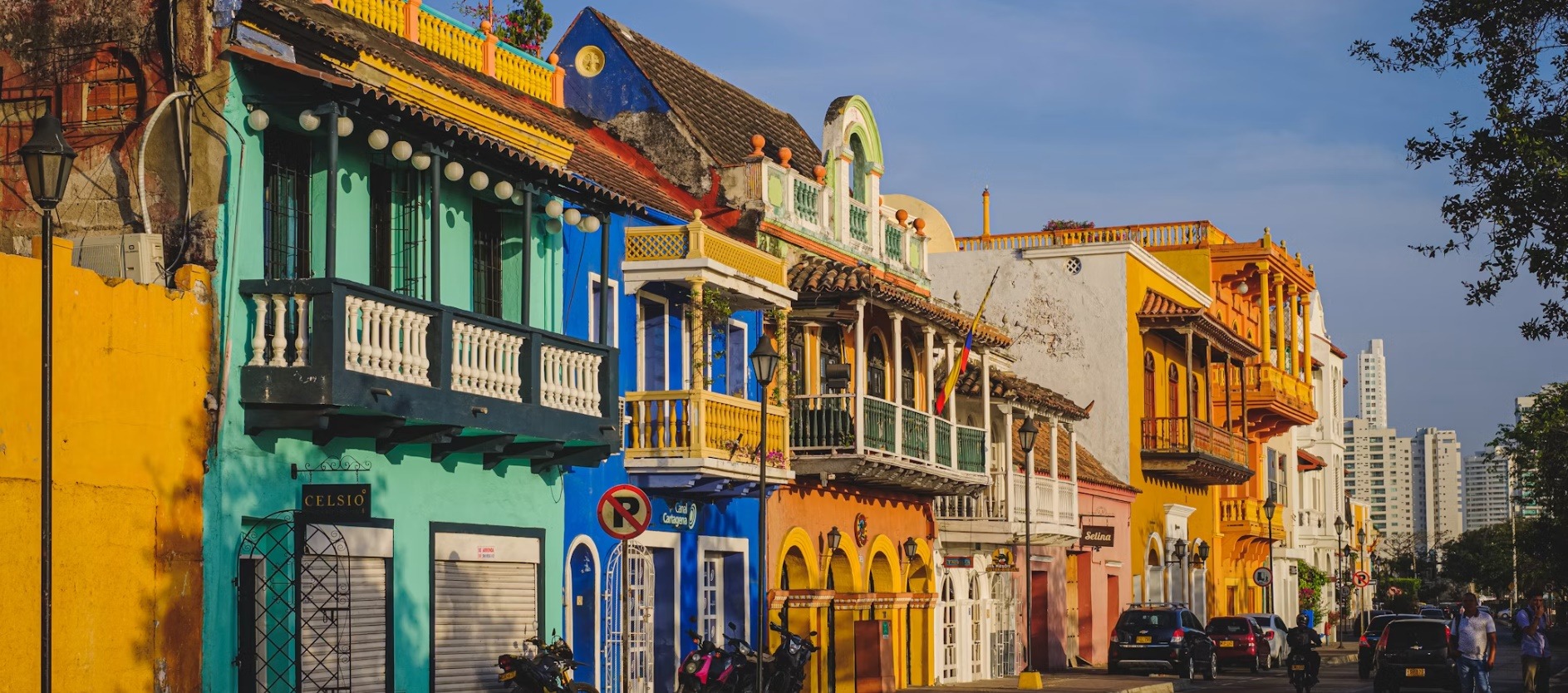
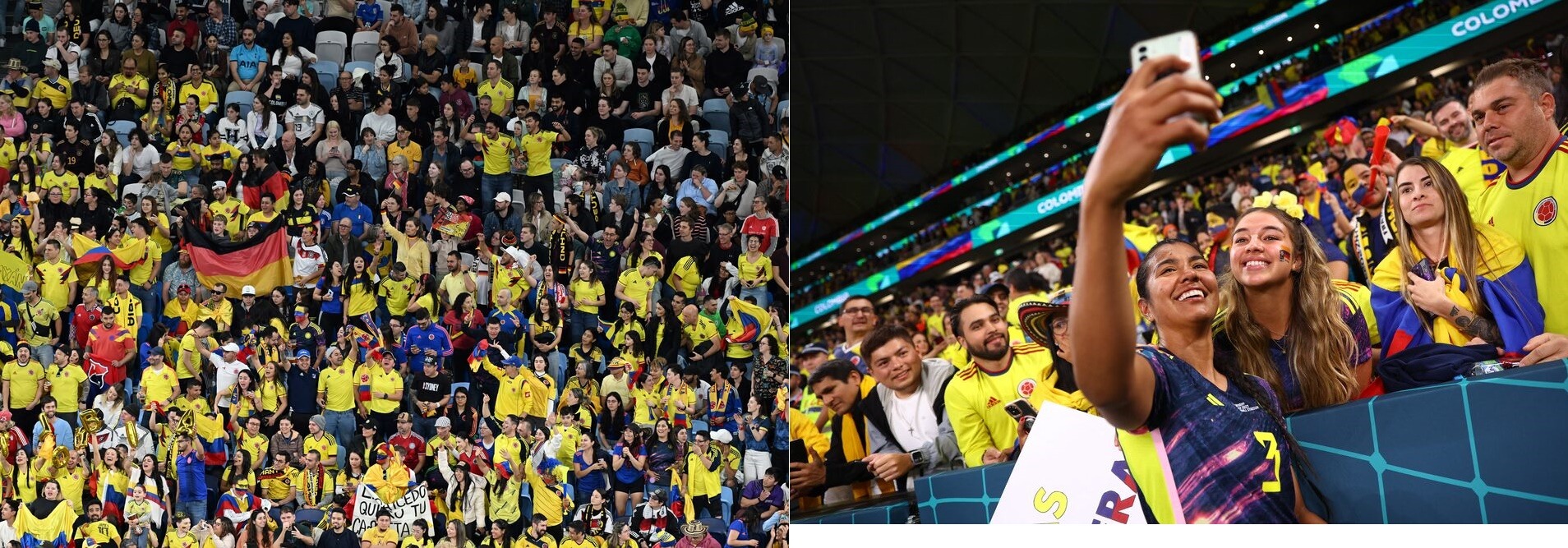
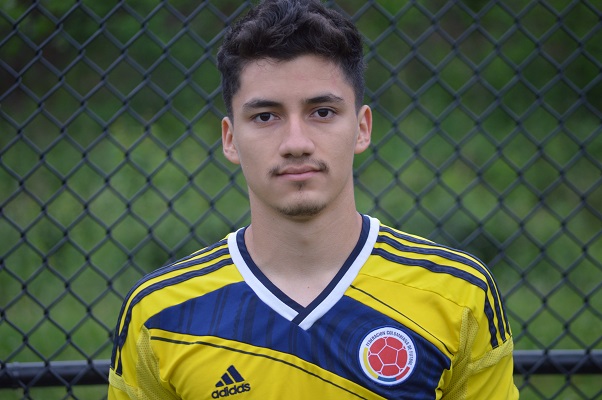
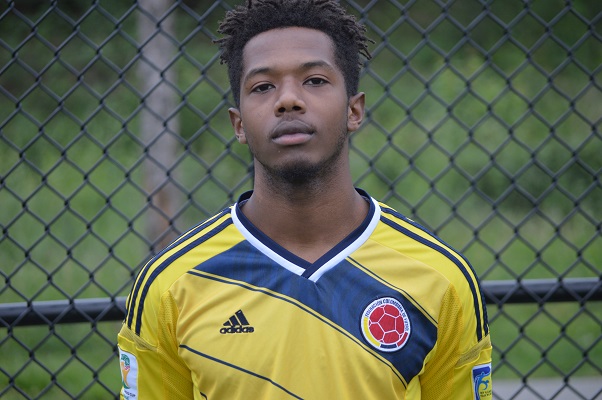
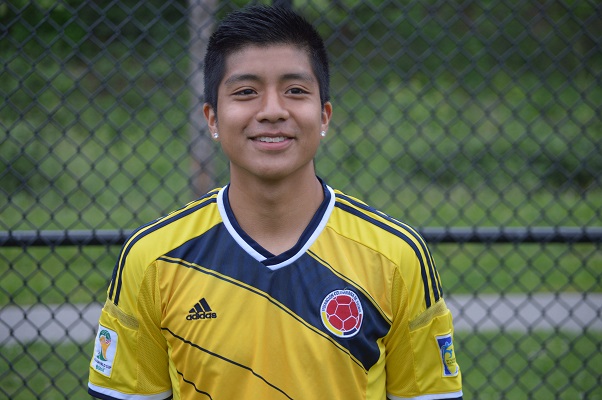
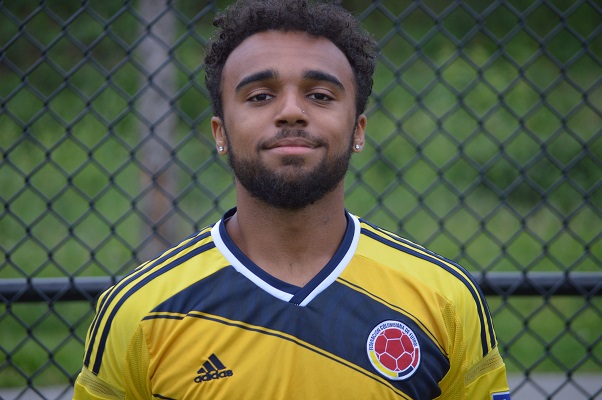
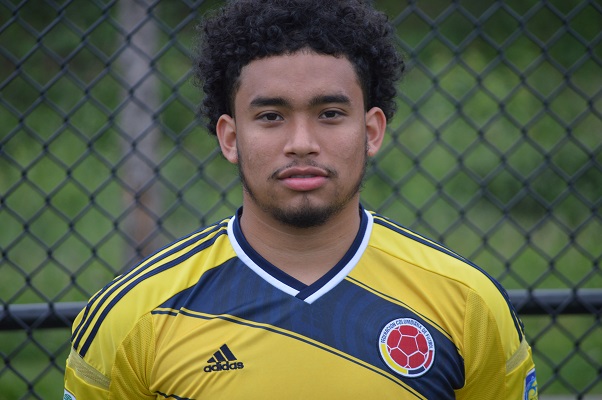
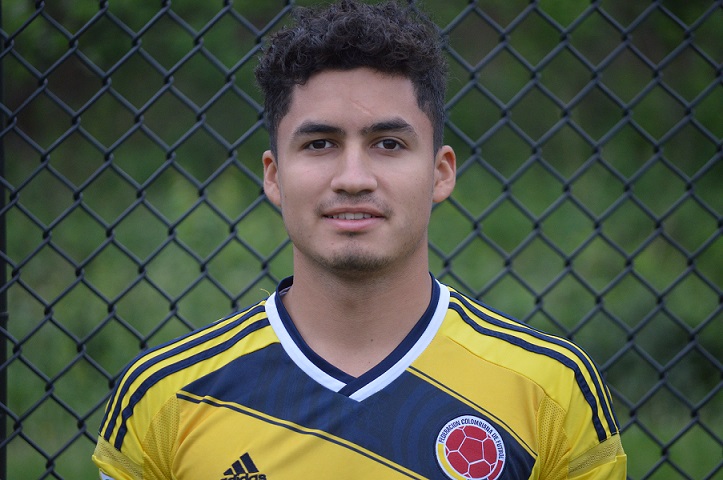
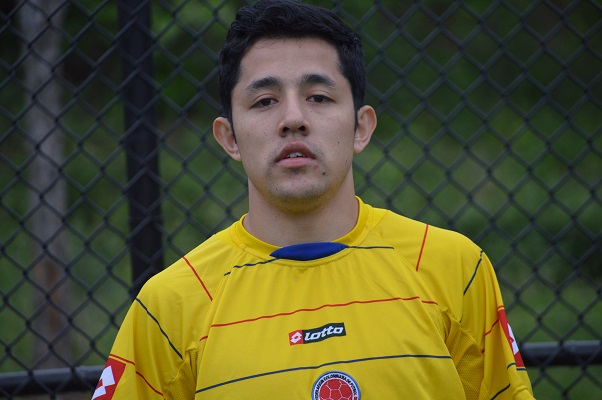
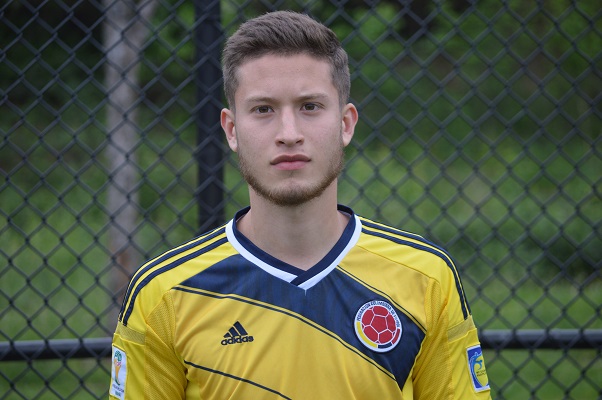
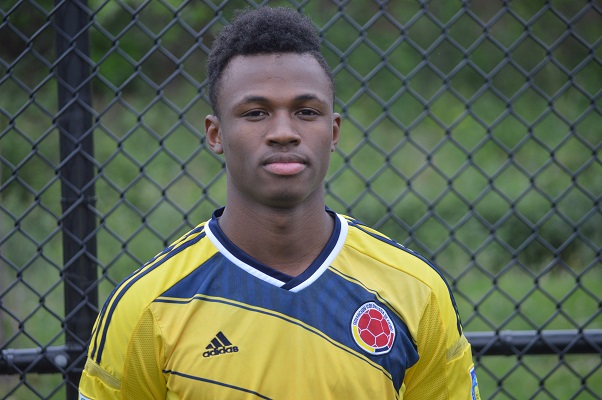
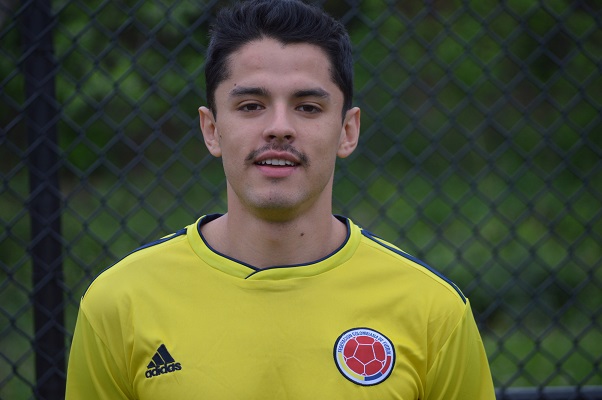
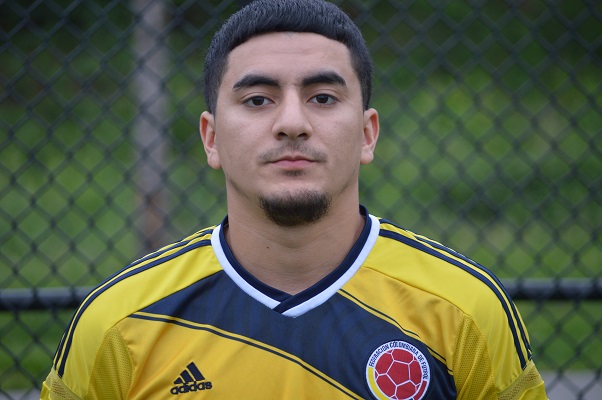
COLOMBIA
Welcome to the 2028 Diaspora World Cup. Burtonsville – Laurel
Burtonsville – Laurel
Welcome to the 2028 Diaspora World Cup. Burtonsville – Laurel
The Washington-Arlington-Alexandria (DC-VA-MD-WV) metropolitan area, locally known as the DMV, is home to a vibrant community of over 54,000 Colombian Americans. As one of the top ten largest Colombian populations in the United States, the community is spread dynamically across District neighborhoods and surrounding suburban hubs. Population Hubs & Demographics...The Washington-Arlington-Alexandria (DC-VA-MD-WV) metropolitan area, locally known as the DMV, is home to a vibrant community of over 54,000 Colombian Americans. As one of the top ten largest Colombian populations in the United States, the community is spread dynamically across D...
More Information
Chelsea Official
Download The 5th Stand, Chelsea’s official mobile app, to see exclusive content, match action and all the latest news from Stamford Bridge.
More Information
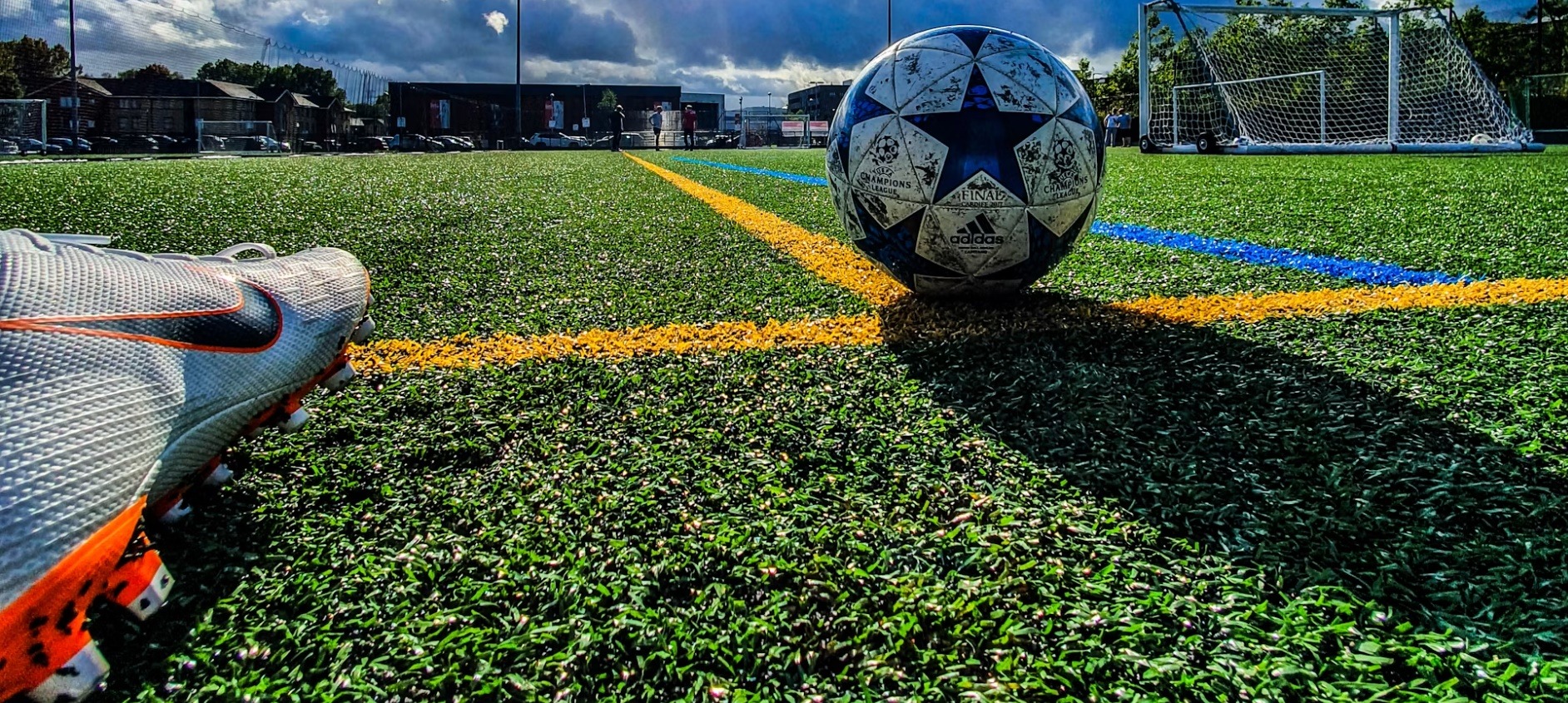
Street Soccer in Colombia
Street soccer is an important part of everyday life in Colombia, where children and teenagers regularly gather in neighbourhood streets, school playgrounds, parks, and community courts for informal football matches. These friendly games are played throughout the week, giving young players an exciting way to stay active while improving their football skills.
Playing on smaller pitches encourages quick dribbling, close ball control, accurate passing, and fast decision-making. The informal nature of street soccer allows players to express creativity, build confidence, and develop strong teamwork through continuous play with friends.
Street soccer provides an affordable and accessible way for communities across Colombia to enjoy football without requiring professional facilities. It promotes healthy lifestyles, strengthens friendships, and continues to inspire young players to follow the country's rich football tradition.
Street Soccer Culture in Colombia
Football is deeply rooted in Colombian culture, and street soccer is where many young players first discover their passion for the game. Informal matches organised by neighbours, schools, and local communities create a lively environment where players of all ages and abilities can participate.
Skills Developed Through Street Soccer
Street soccer helps players improve dribbling, first touch, passing accuracy, agility, balance, close ball control, and awareness. Regular play also strengthens communication, creativity, and the ability to make quick decisions under pressure.
Street Soccer and Community Development
Street soccer brings communities together through a shared love of football while encouraging active lifestyles among young people. It also provides aspiring players with a strong foundation before progressing to school teams, football academies, local clubs, or organised youth football programmes.
The Colombia in the DMV Metro
The Washington-Arlington-Alexandria (DC-VA-MD-WV) metropolitan area, locally known as the DMV, is home to a vibrant community of over 54,000 Colombian Americans. As one of the top ten largest Colombian populations in the United States, the community is spread dynamically across District neighborhoods and surrounding suburban hubs.
Population Hubs & Demographics
Unlike regions where the diaspora is concentrated in a single neighborhood, Colombian immigrants in the DMV are distributed across both urban centers and suburban counties:
Montgomery County, MD: Holds the highest concentration in the region, particularly centered around areas like North Bethesda and Silver Spring.
District of Columbia: Home to thousands of residents, largely concentrated within the multicultural corridors of Upper Georgia Avenue, Mount Pleasant, and Columbia Heights.
Northern Virginia: Notable communities thrive in Loudoun County and Fairfax County (specifically Springfield and Alexandria).
Community & Cultural Anchors
Diplomatic Presence: The focal point for official engagement is the over 54,000 Colombian Americans.located on Massachusetts Avenue NW, alongside the Consulate General which actively coordinates outreach and civic programs for the diaspora.
Gastronomy: The culinary scene features diverse concepts ranging from the Michelin-starred El Cielo in La Cosecha to long-standing suburban favorites like La Fonda Paisa in Silver Spring and Aroma Cafe in Springfield.
Civic Solidarity: Local grassroots efforts and businesses—such as Inca Social and Poder del Pueblo—frequently organize cultural festivals and humanitarian fundraisers at hubs like the Festival Center on Columbia Road.
If you are looking for something specific, please let me know if you want to find Colombian restaurants, connect with local cultural organizations, or locate consular services in the DMV.
Significance
Colombian immigration to the United States has generally reflected political violence, armed conflict, economic instability, employment opportunities, education, asylum, professional work, and family reunification.
Colombian migration to the United States remained limited until the middle of the twentieth century. Early arrivals mainly included merchants, diplomats, students, academics, artists, businesspeople, and professionals travelling for education, trade, or specialised employment. Significant immigration began during the 1950s and expanded through the 1960s and 1970s. Migration gained further momentum during the 1980s and 1990s as armed conflict, political violence, drug-related insecurity, unemployment, and economic instability encouraged people to leave Colombia. Family sponsorship, professional employment, university education, asylum, and established immigrant networks supported continued settlement. Colombian communities developed especially in Florida, New York, New Jersey, Texas, and other states, where immigrants established businesses, restaurants, churches, newspapers, professional organisations, and cultural associations.
Colombian Migration Before the Major Immigration Waves
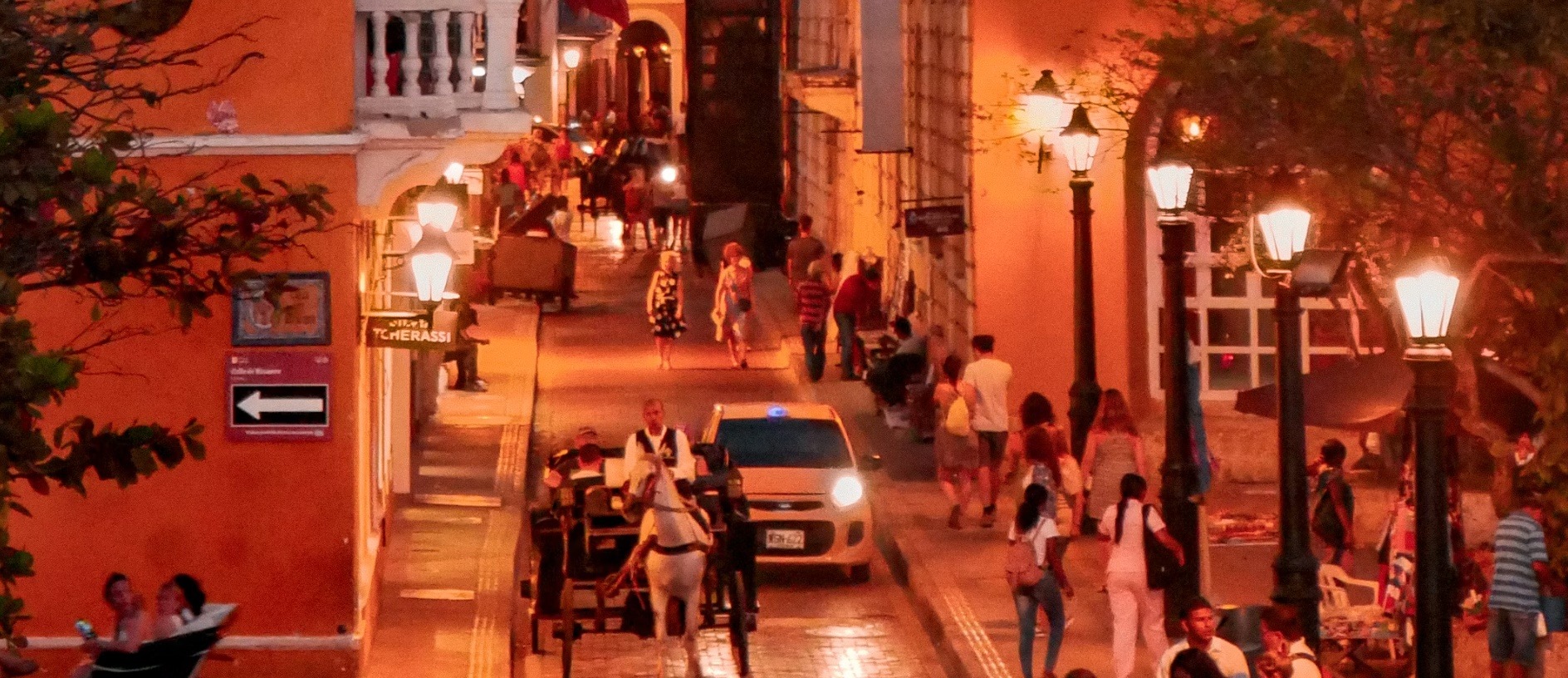
Before the 1950s, direct Colombian immigration to the United States was uncommon. Colombia effectively achieved independence from Spain by 1819, and the United States recognised the new Colombian federation in 1822 and established a diplomatic mission in 1823. Early connections between the countries were based mainly on diplomacy, maritime trade, education, commerce, and travel through the Caribbean ports of Cartagena and Santa Marta. Colombians who reached the United States were commonly government representatives, merchants, sailors, students, religious workers, intellectuals, or members of internationally connected families. Fewer than 7,000 Colombian immigrants reportedly settled in the United States between 1820 and 1950. Most Colombians who moved abroad during this period chose nearby Latin American countries because travelling there was less expensive and family, commercial, and cultural connections were already established.
Late-Twentieth-Century Immigration
Colombian immigration increased considerably during the late twentieth century as prolonged armed conflict, guerrilla warfare, paramilitary violence, drug trafficking, political intimidation, kidnapping, unemployment, and economic uncertainty disrupted communities. Arrivals included professionals, business owners, students, skilled workers, refugees, asylum seekers, and relatives joining established families. The Immigration and Nationality Act of 1965 expanded family- and employment-based immigration opportunities, helping Colombian communities grow in Miami, New York, Orlando, Houston, Tampa, and surrounding areas. Many immigrants maintained close relationships with Colombia through remittances, visits, property ownership, charitable projects, and family communication. Colombian Americans created restaurants, shops, churches, media outlets, cultural festivals, and professional associations while preserving Spanish, regional food, music, dance, religious traditions, and national celebrations. Family reunification later became the leading permanent immigration pathway for Colombians entering the United States.
Lorem ipsum dolor sit amet, consectetur adipiscing elit, sed do eiusmod tempor incididunt ut
labore et dolore magna aliqua. Ut enim ad minim veniam, quis nostrud exercitation ullamco
laboris nisi ut aliquip ex ea commodo consequat. Duis aute irure dolor in
reprehenderit in voluptate velit esse cillum dolore eu fugiat nulla pariatur.