
Responsive Header
  • Where We Work
  • Cameroon
  • The Diaspora World Cup operates in some of the major cities and metro areas in United States and Canada. Our network of register players includes 20 cities, 200 countries, 400 teams, and 10,000 players. Join our movement to solve the world's most pressing challenges: Illiteracy
  • Who We are text will be here Who We are text will be here Who We are text will be here Who We are text will be here Who We are text will be here Who We are text will be here Who We are text will be here Who We are text will be here Who We are text will be here
  • What We Do text will be here What We Do text will be here What We Do text will be here What We Do text will be here What We Do text will be here What We Do text will be here What We Do text will be here What We Do text will be here What We Do text will be here What We Do text will be here What We Do text will be here What We Do text will be here
  • Get Involved text will be here Get Involved text will be here Get Involved text will be here Get Involved text will be here Get Involved text will be here Get Involved text will be here Get Involved text will be here Get Involved text will be here Get Involved text will be here Get Involved text will be here
  • Education is a basic Human Right and the Diaspora World Cup global school program focuses its energy in some the poorest countries around the world. We build schools in some of the poorest countries around the worldthat historically had no adequate school structure. Any member of the World Diaspora has the power to end illiteracy around the world through the power of soccer.
  • High-profile sport figures, global leaders, business leaders, political figure, journalists, activists, philanthropists, actors, and entrepreneurs united by their commitment to the Diaspora World Cup mission to eradicate illiteracy around the world through the power of soccer. They serve as role models and spread the Diaspora World Cup vision and commitment of a world mobilized through soccer.
  •  
  •  
Diaspora 2027: complete guide to all players | The Diaspora
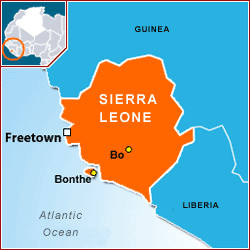
SIERRA L.
Burtonsville – Laurel
Welcome to the 2027 Diaspora World Cup.
Burtonsville – Laurel

Significance

Sierra Leonean immigration has generally reflected British colonial rule, education, economic hardship, political instability, civil war, refugee displacement, professional employment, asylum, and family reunification.

Sierra Leonean migration to the United States remained limited until the second half of the twentieth century. Early voluntary arrivals mainly included students, diplomats, academics, religious workers, merchants, and professionals seeking education or specialised employment. Immigration increased during the 1980s and 1990s as economic decline, political instability, and civil conflict encouraged more people to leave. Later arrivals included refugees, asylum seekers, healthcare workers, engineers, educators, entrepreneurs, and relatives joining established families. Sierra Leonean communities developed in cities such as Washington, New York, Philadelphia, Chicago, and Atlanta, supported by churches, mosques, cultural associations, businesses, and family networks.

Sierra Leonean Migration Before Independence

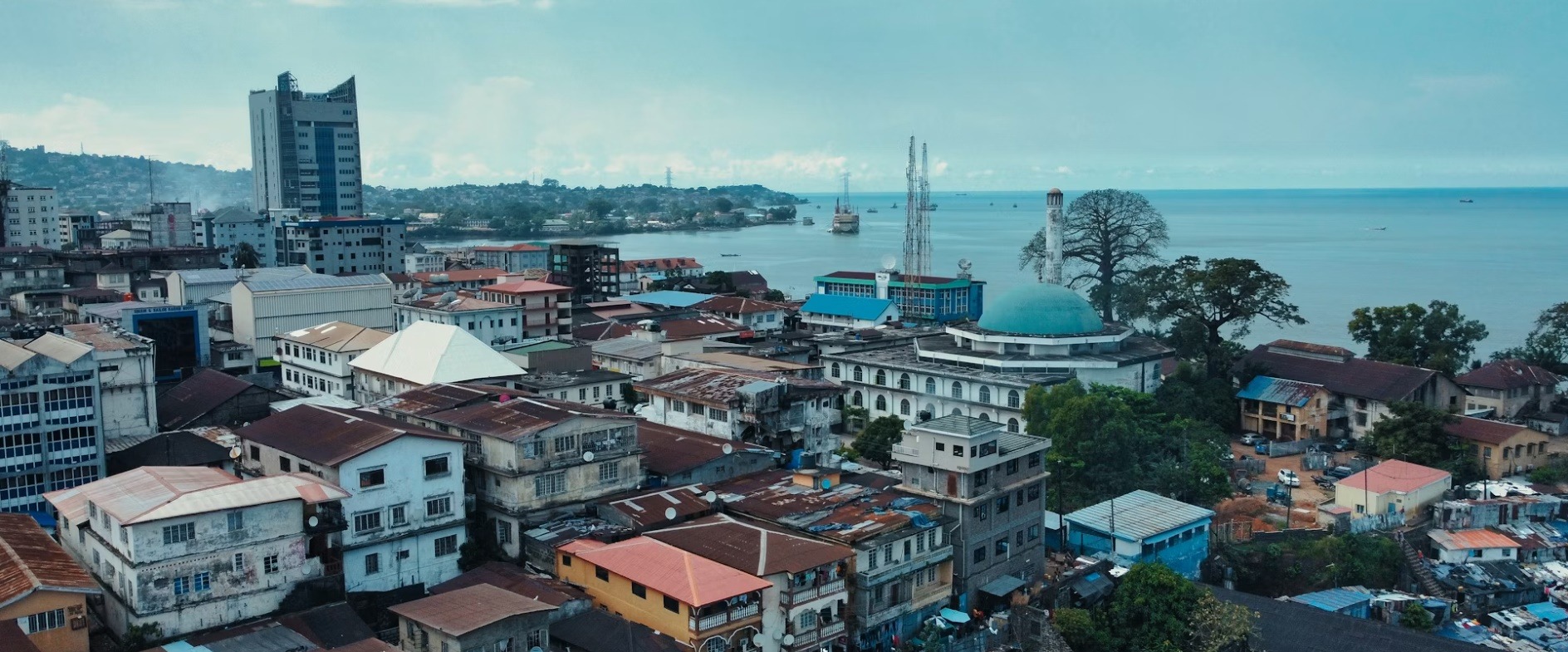
Before independence, migration was shaped by the Atlantic slave trade, British colonial administration, regional commerce, agriculture, education, and maritime employment. Many Africans from the Sierra Leone region were forcibly transported across the Atlantic during the era of slavery. Freetown was later established as a settlement for formerly enslaved and free Black people arriving from Britain, Nova Scotia, Jamaica, and other locations. During the nineteenth and early twentieth centuries, Sierra Leoneans travelled mainly to neighbouring West African territories and Britain as traders, sailors, students, soldiers, teachers, and government workers. Direct migration to the United States remained uncommon because the country’s strongest political, educational, and economic connections were with Britain and West Africa.

Late-Twentieth- and Early-Twenty-First-Century Immigration

Sierra Leone gained independence from Britain on April 27, 1961, and the United States recognised the new country and established diplomatic relations that same day. Migration gradually expanded through university programmes, professional employment, family sponsorship, and the Diversity Visa programme. The civil war that began in 1991 created the country’s largest modern displacement crisis, forcing hundreds of thousands to flee mainly to Guinea and Liberia and displacing many more within Sierra Leone. Some refugees were later resettled in the United States, while others arrived through asylum or family reunification. Peace was declared in 2002, and many refugees subsequently returned home, although Sierra Leonean communities abroad continued supporting relatives through remittances, investment, charitable work, and professional knowledge.

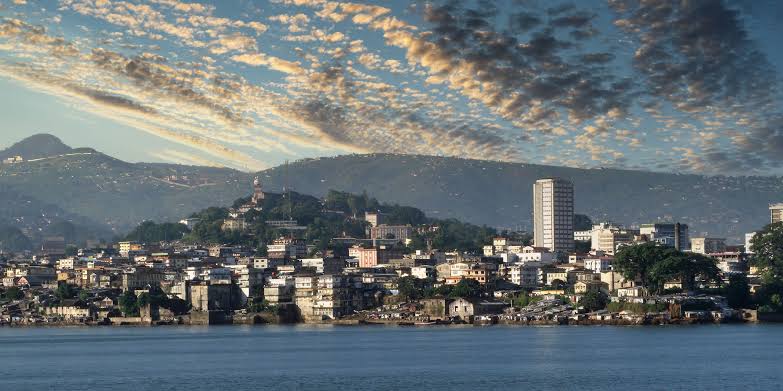
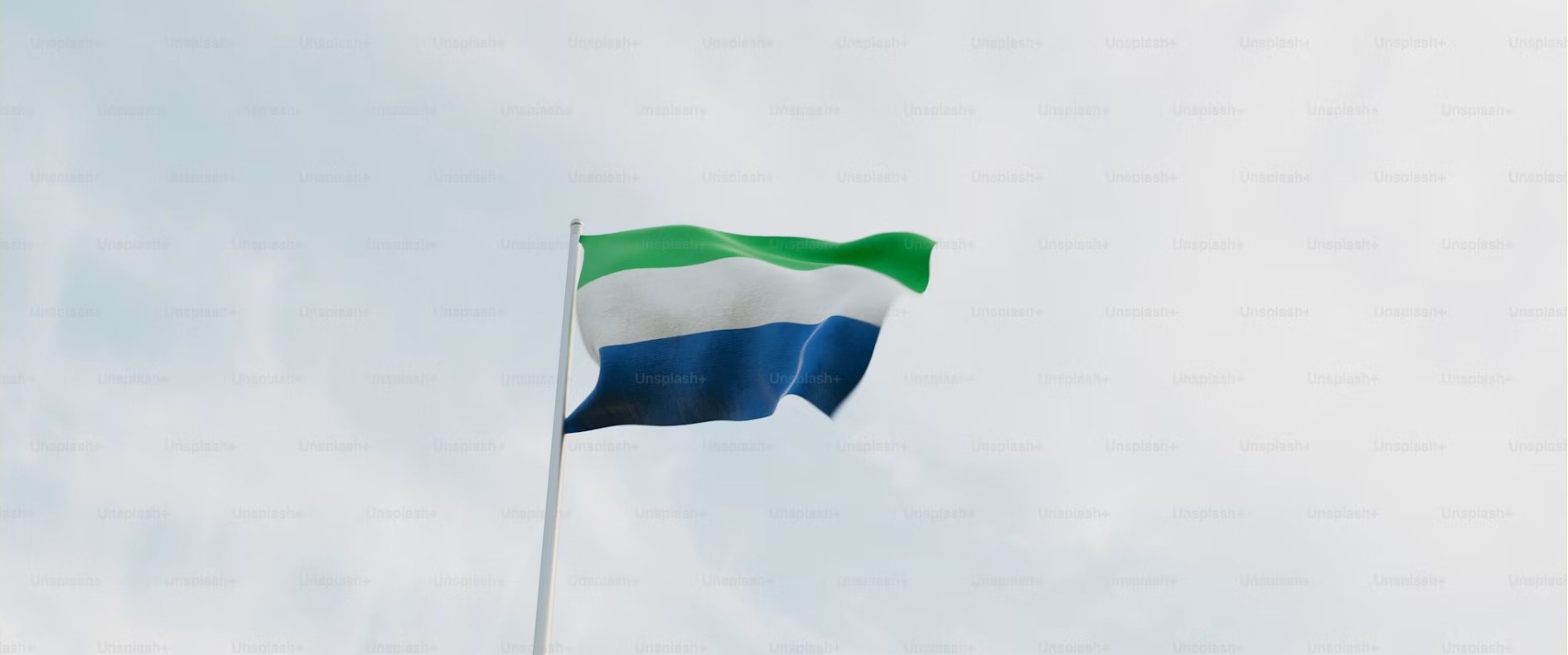
Sierra L. country image
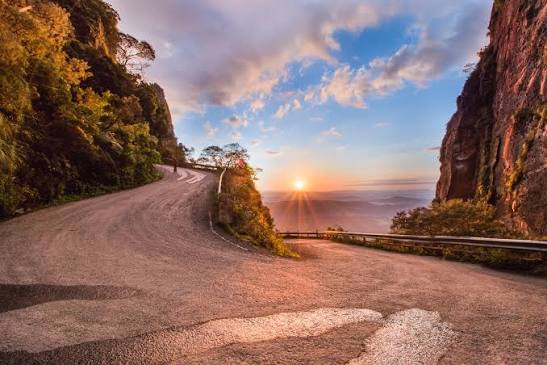
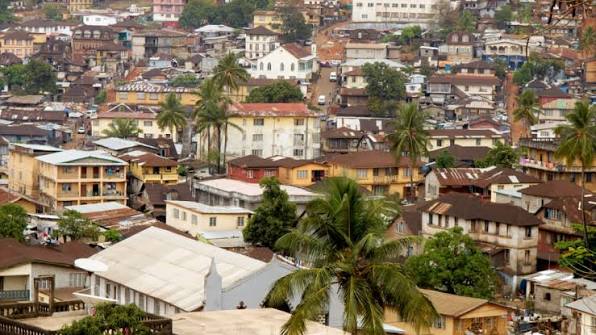
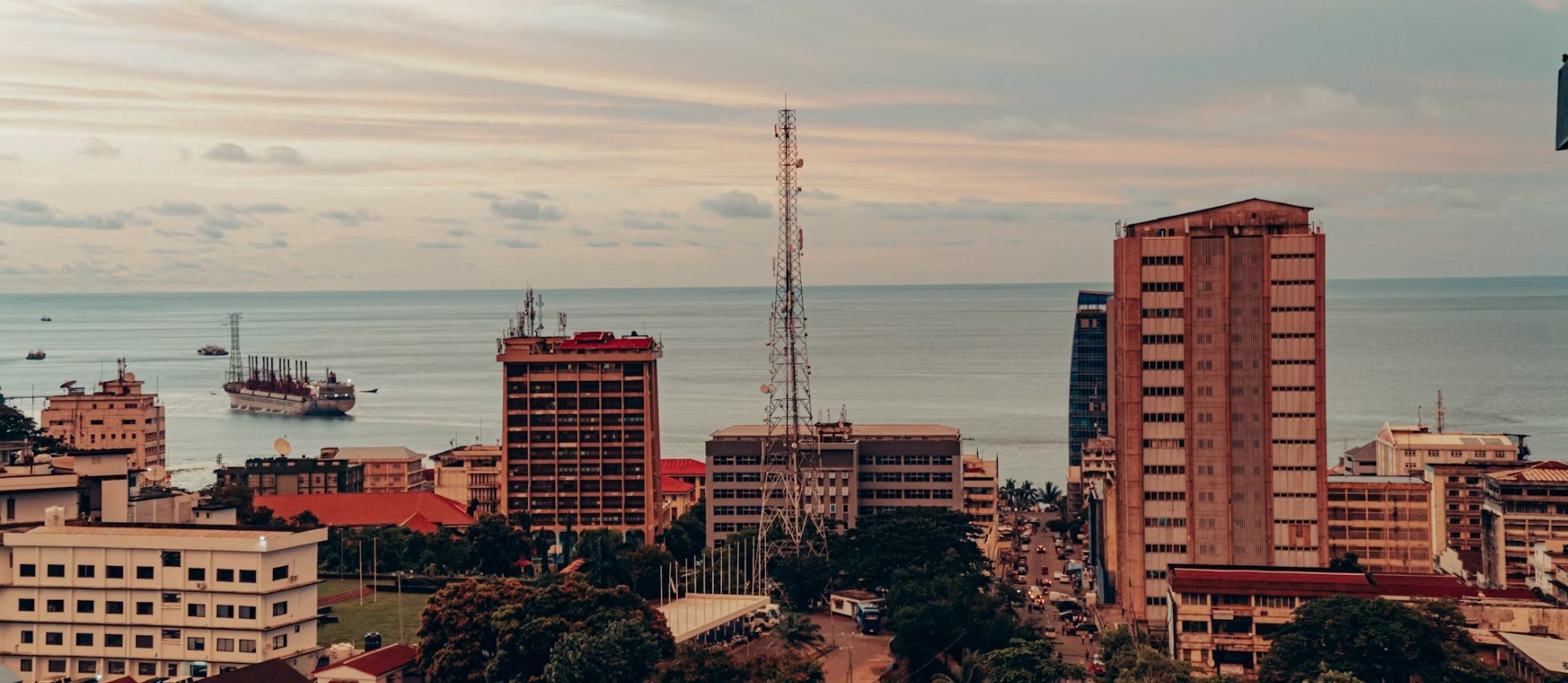
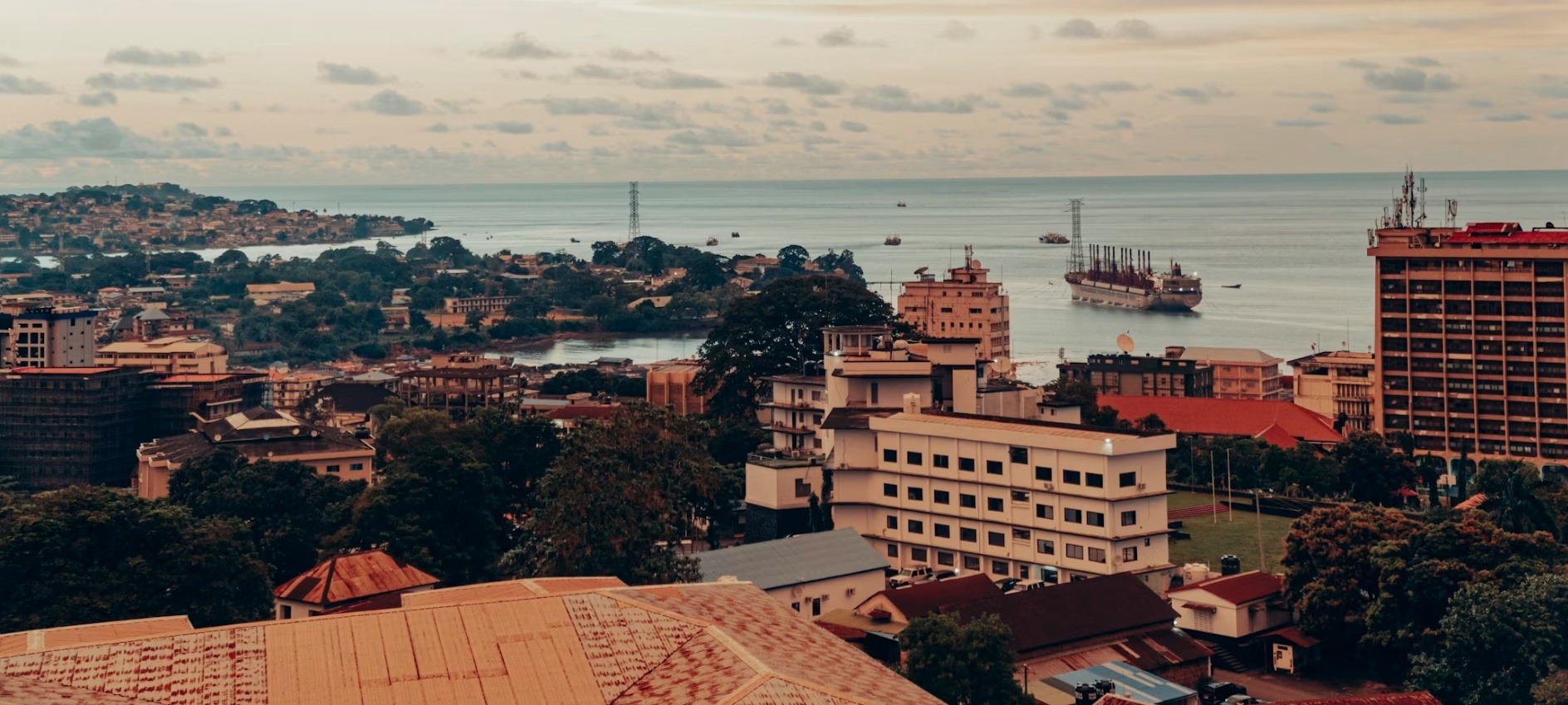
Sierra L. overview image
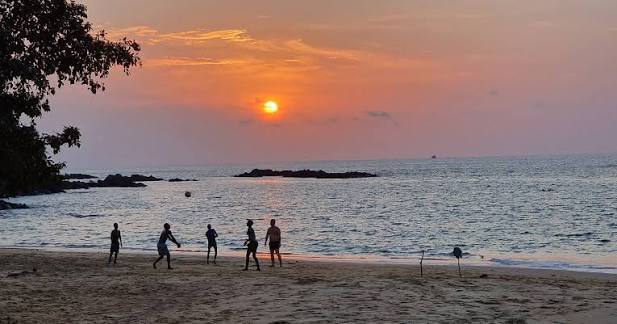
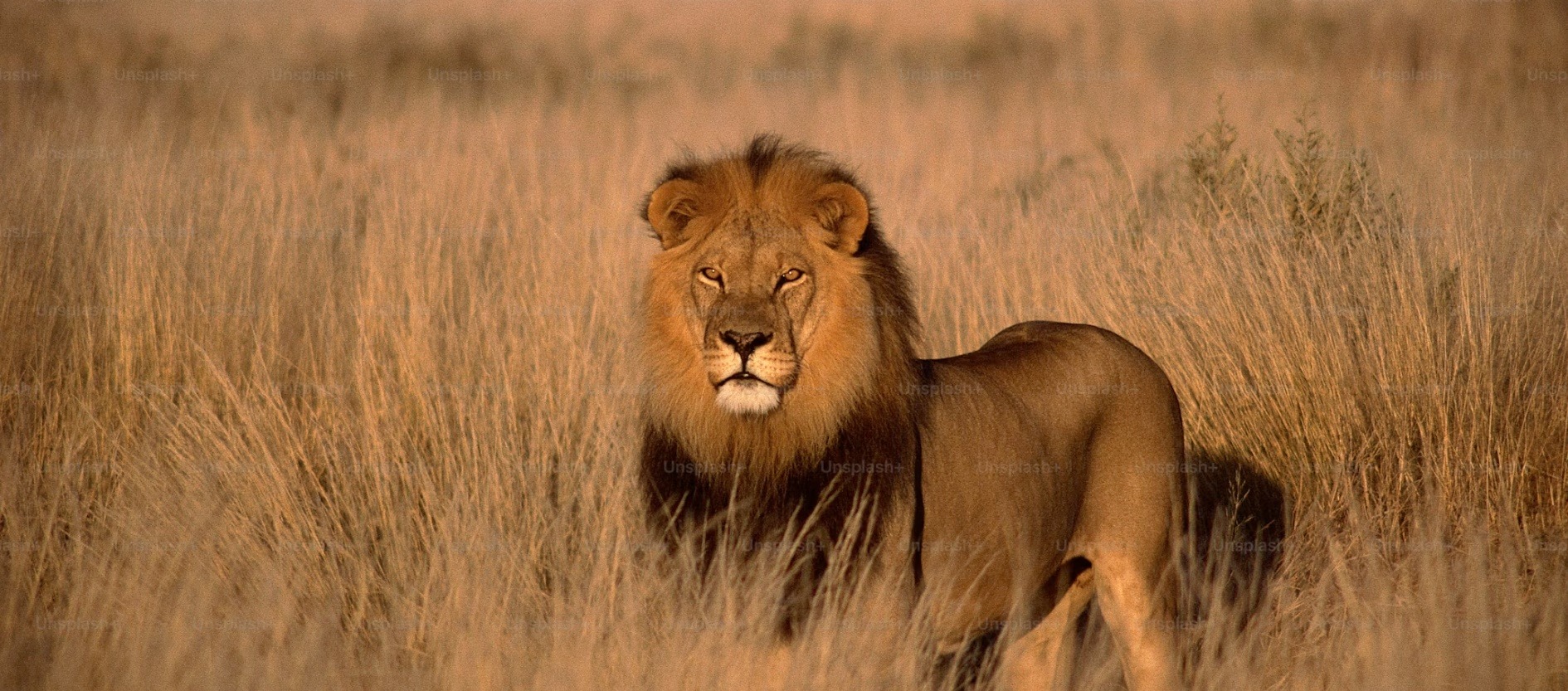
Sierra L. anthem image

Team Standings

Teams Mp W D L GF GA Pt
African U. African U. 0 0 0 0 0 0 0
Cameroon Cameroon 0 0 0 0 0 0 0
Colombia Colombia 0 0 0 0 0 0 0
England England 0 0 0 0 0 0 0
Ethiopia Ethiopia 0 0 0 0 0 0 0
Ghana Ghana 0 0 0 0 0 0 0
Haiti Haiti 0 0 0 0 0 0 0
Jamaica Jamaica 0 0 0 0 0 0 0
Sierra L. Sierra L. 0 0 0 0 0 0 0
Tanzania Tanzania 0 0 0 0 0 0 0

Squad List

Caulker Arnold
Goalkeeper
Charles Koroma
Defender
Edgerton Camara
Midfielder
Emmanuel Sanah
Midfielder
Ernest Gobah
Midfielder
Getsing Andrew
Defender
Jalloh Alpha
Forward
Joel Pratt
Goalkeeper
Kabia Alhassan
Defender
Kabia Alimamy
Goalkeeper
Kamara Abuba
Defender
Mohamed Gazzi
Midfielder
Mohamed Milo
Midfielder
Patrick Putu
Forward
Paul Brewah
Midfielder
Saidu Kamara
Forward
Sattie Sesay
Midfielder
Teddy Brown
Midfielder
Telli Bangura
Defender

Coaching Staff
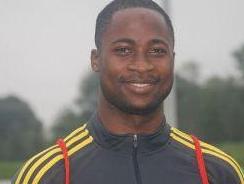
Chuk Seisay
C
Chuk Seisay
Head Coach