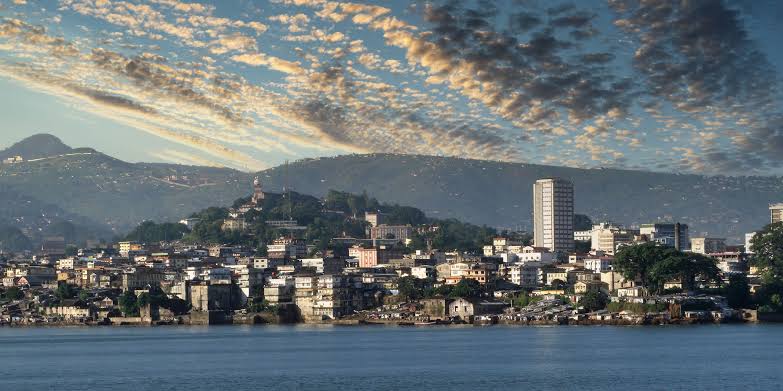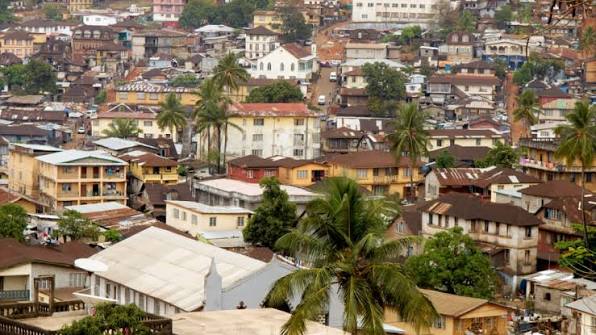

The Diaspora World Cup operates in some of the major cities and metro areas in
United States and
Canada. Our network of register players includes 20 cities, 200 countries, 400
teams, and 10,000
players. Join our movement to solve the world's most pressing challenges:
Illiteracy
Who We are text will be here Who We are text will be here Who We are text will
be here Who We
are text will be here Who We are text will be here Who We are text will be here
Who We are text
will be here Who We are text will be here Who We are text will be here
What We Do text will be here What We Do text will be here What We Do text will
be here What We
Do text will be here What We Do text will be here What We Do text will be here
What We Do text
will be here What We Do text will be here What We Do text will be here What We
Do text will be
here What We Do text will be here What We Do text will be here
Get Involved text will be here Get Involved text will be here Get Involved text
will be here Get
Involved text will be here Get Involved text will be here Get Involved text will
be here Get
Involved text will be here Get Involved text will be here Get Involved text will
be here Get
Involved text will be here
Education is a basic Human Right and the Diaspora World Cup global school
program focuses its
energy in some the poorest countries around the world. We build schools in some
of the poorest
countries around the worldthat historically had no adequate school structure.
Any member of the
World Diaspora has the power to end illiteracy around the world through the
power of soccer.
High-profile sport figures, global leaders, business leaders, political figure,
journalists,
activists, philanthropists, actors, and entrepreneurs united by their commitment
to the Diaspora
World Cup mission to eradicate illiteracy around the world through the power of
soccer. They serve
as role models and spread the Diaspora World Cup vision and commitment of a
world mobilized
through soccer.
Diaspora 2027: complete guide to all players | The Diaspora
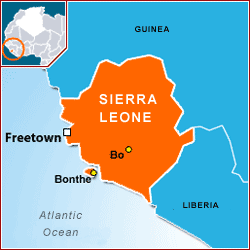
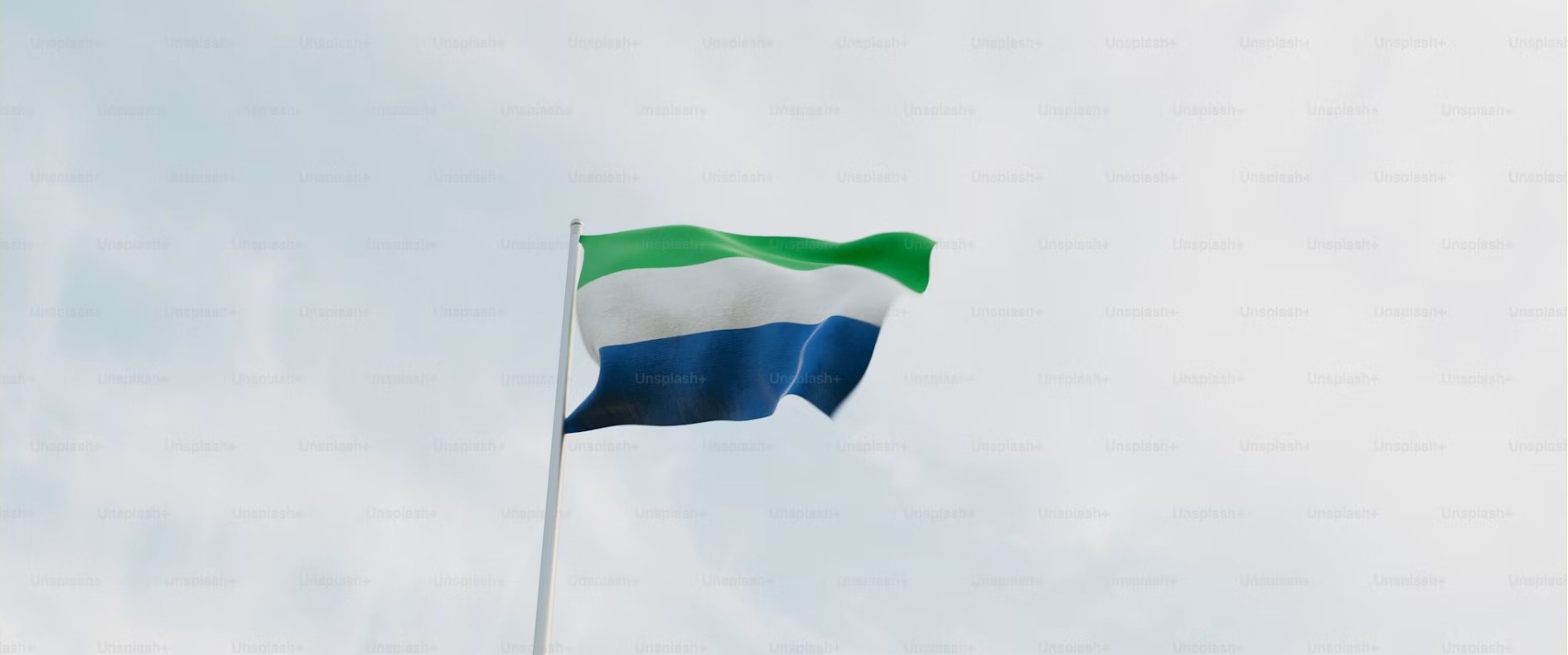
SIERRA L.
Welcome to the 2028 Diaspora World Cup. Burtonsville – Laurel
Burtonsville – Laurel
Welcome to the 2028 Diaspora World Cup. Burtonsville – Laurel
The Sierra Leonean diaspora in the DMV region is one of the largest, most economically influential, and civically organized West African communities in the United States. Numbering in the tens of thousands, the DMV area—particularly the suburban bands of Maryland and Northern Virginia—serves as the premier cultural, political, and professional hub for Sierra...The Sierra Leonean diaspora in the DMV region is one of the largest, most economically influential, and civically organized West African communities in the United States. Numbering in the tens of thousands, the DMV area—particularly the suburban bands of Maryland and Northern...
More Information
Chelsea Official
Download The 5th Stand, Chelsea’s official mobile app, to see exclusive content, match action and all the latest news from Stamford Bridge.
More Information
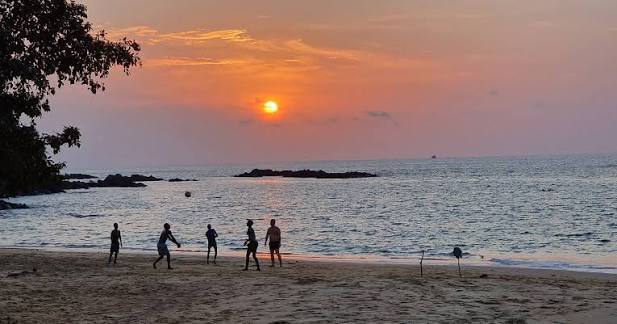
Street Soccer in Sierra Leone
Street soccer is a popular community activity in Sierra Leone, where children and teenagers regularly play informal football matches in neighbourhood streets, school grounds, village fields, community spaces, and open areas. These games provide young players with a fun and accessible way to stay active, improve their football skills, and build lasting friendships.
The energetic style of street soccer encourages quick passing, close ball control, creative dribbling, and fast movement. Playing on different surfaces and in compact spaces helps participants develop adaptability, confidence, teamwork, and the ability to make quick decisions during matches.
Street soccer offers an affordable way for communities across Sierra Leone to enjoy football without requiring professional facilities or expensive equipment. It promotes healthy lifestyles, strengthens social connections, and inspires many young people to pursue their passion for the sport.
Street Soccer Culture in Sierra Leone
Football is one of the most popular sports in Sierra Leone, and street soccer is often where many children first experience the excitement of the game. Informal matches organised by schools, neighbours, and local communities create an inclusive environment where players of different ages and abilities can participate.
Skills Developed Through Street Soccer
Street soccer helps players improve dribbling, first touch, passing accuracy, shooting technique, agility, balance, ball control, and awareness. Regular games also strengthen communication, creativity, confidence, and the ability to make quick decisions in fast-paced situations.
Street Soccer and Community Development
Street soccer brings communities together through football while encouraging teamwork, positive youth participation, and active lifestyles. It also provides aspiring players with valuable experience before progressing to school teams, local football clubs, academies, or organised youth football programmes.
The Sierra L.in the DMV Metro
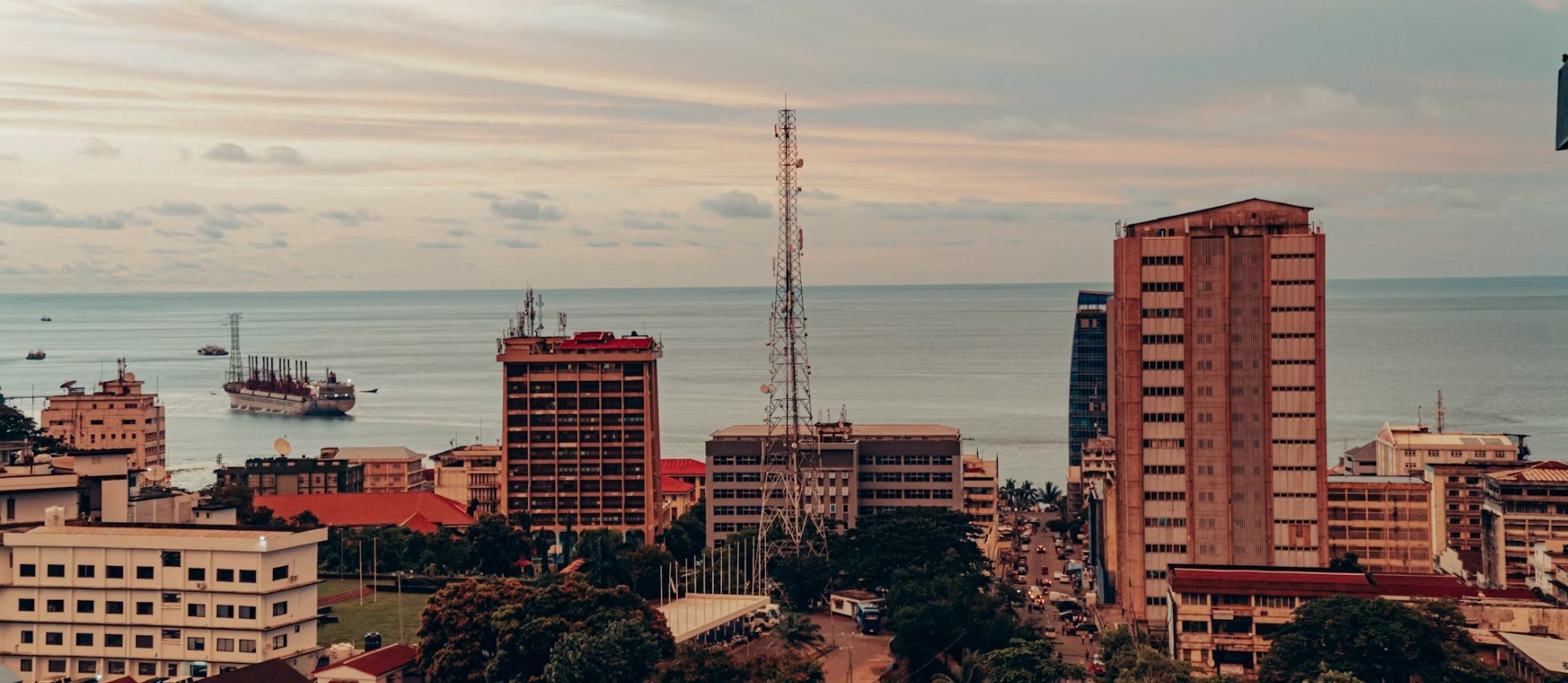
The Sierra Leonean diaspora in the DMV region is one of the largest, most economically influential, and civically organized West African communities in the United States. Numbering in the tens of thousands, the DMV area—particularly the suburban bands of Maryland and Northern Virginia—serves as the premier cultural, political, and professional hub for Sierra Leoneans nationwide.
The community features a powerful mix of healthcare executives, cybersecurity contractors, international development experts, real estate developers, and high-visibility cultural figures.
🏛️ The Geopolitical Hub: Diplomacy and National Policy
Because it surrounds the seat of U.S. federal power, the DMV diaspora plays a direct role in shaping bilateral relations, civic trade, and development initiatives in Freetown:
The Embassy of Sierra Leone: Located on 19th Street NW, the Embassy of Sierra Leone in Washington, D.C. is the central administrative and consular anchor for the tri-state area. Led by diplomatic officials, the embassy handles passport tracking, dual-citizenship navigation, and emergency travel aid.
The Diaspora Investment Pipeline: The embassy acts as a vital bridge for the Sierra Leonean government’s direct outreach programs. It routinely hosts high-profile Diaspora Town Hall Meetings, bringing visiting cabinet ministers to the DMV to pitch infrastructure, agricultural modernization, and green-energy startup portfolios directly to affluent local professionals.
🤝 Civic Scaffolding: Regional and Alumni Networks
Socio-cultural organizing within the DMV is deeply structured, running on an extensive network of school alumni associations and regional non-profits:
The Krio and Ethnic Alliances: The community maintains tight social bonds through specialized cultural platforms, such as the Krio Heritage Society and regional networks that pass down traditional Krio language lines and ancestral folklore to second-generation youth.
Alumni Network Powerhouses: A unique facet of the local diaspora is the massive footprint of secondary school alumni associations (e.g., The Prince of Wales Alumni Association, The Annie Walsh Old Girls Association, and The Methodist Boys’ High School Alumni). Based heavily in Maryland, these groups function as powerful professional networking engines, hosting elegant annual dinner dances and fundraisers to build schools, supply computers, and ship medical goods back home.
Gastronomic Footprint: Cassava Leaf and Jollof
Traditional food serves as the strongest social framework for the diaspora, with several family-owned hubs doubling as informal civic community spaces:
Suburban Culinary Touchstones: Establishments like Mansaray’s Restaurant and African Dishes in Prince George's County, MD, alongside specialized caterers in Northern Virginia, serve as vital culinary comfort zones. Local families and expats gather here to speak Krio, share community news, and find traditional dishes like slow-simmered Cassava Leaf stew, Plassas, authentic Jollof Rice, and savory Fry Fish.
Significance
Sierra Leonean immigration has generally reflected British colonial rule, education, economic hardship, political instability, civil war, refugee displacement, professional employment, asylum, and family reunification.
Sierra Leonean migration to the United States remained limited until the second half of the twentieth century. Early voluntary arrivals mainly included students, diplomats, academics, religious workers, merchants, and professionals seeking education or specialised employment. Immigration increased during the 1980s and 1990s as economic decline, political instability, and civil conflict encouraged more people to leave. Later arrivals included refugees, asylum seekers, healthcare workers, engineers, educators, entrepreneurs, and relatives joining established families. Sierra Leonean communities developed in cities such as Washington, New York, Philadelphia, Chicago, and Atlanta, supported by churches, mosques, cultural associations, businesses, and family networks.
Sierra Leonean Migration Before Independence
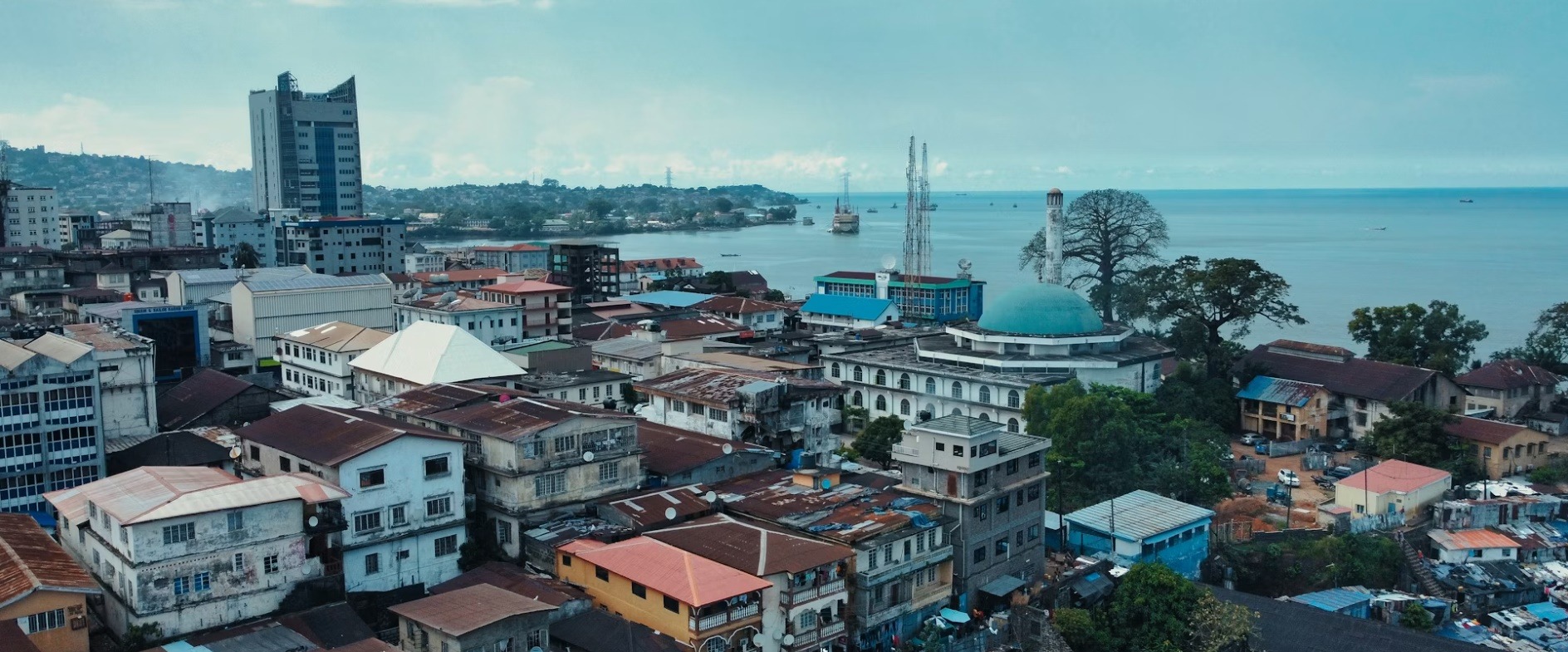
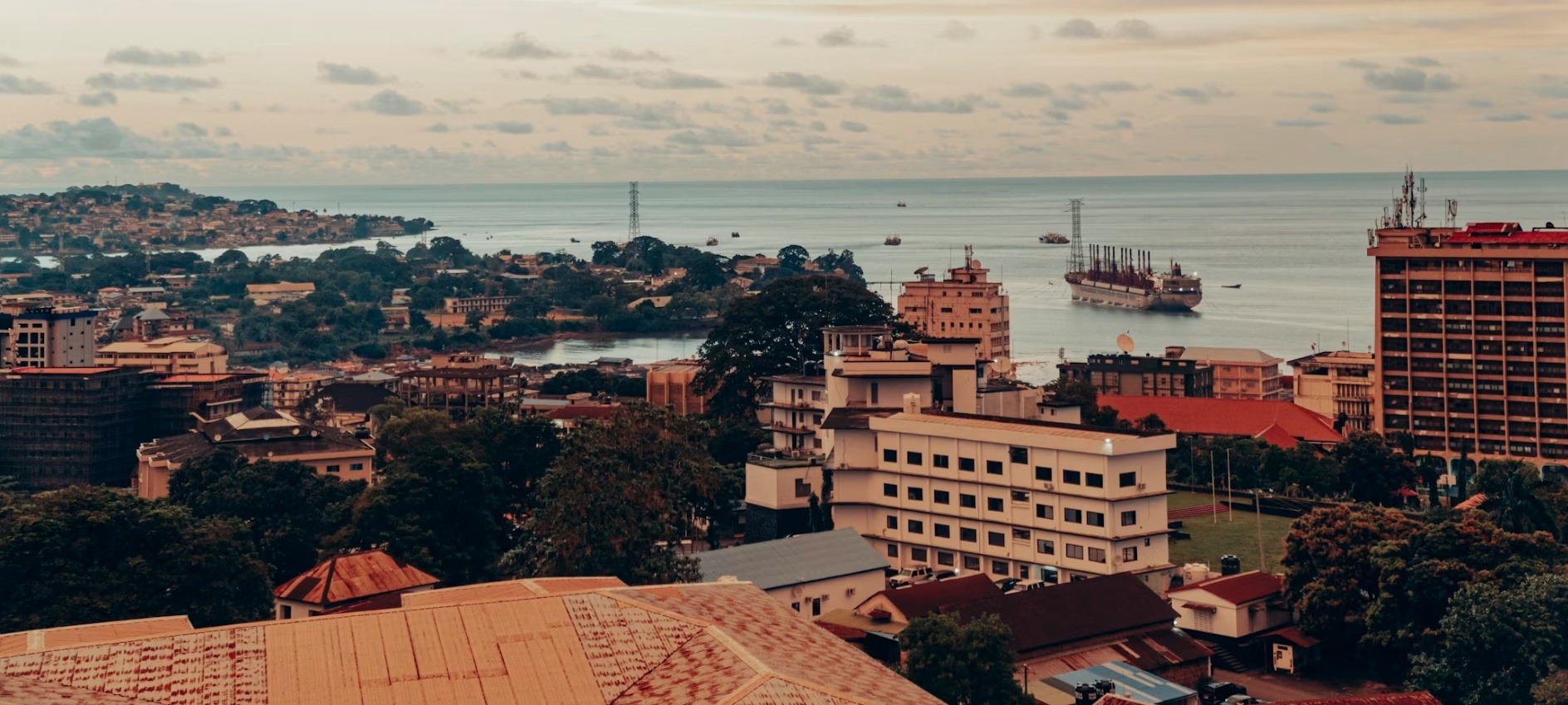
Before independence, migration was shaped by the Atlantic slave trade, British colonial administration, regional commerce, agriculture, education, and maritime employment. Many Africans from the Sierra Leone region were forcibly transported across the Atlantic during the era of slavery. Freetown was later established as a settlement for formerly enslaved and free Black people arriving from Britain, Nova Scotia, Jamaica, and other locations. During the nineteenth and early twentieth centuries, Sierra Leoneans travelled mainly to neighbouring West African territories and Britain as traders, sailors, students, soldiers, teachers, and government workers. Direct migration to the United States remained uncommon because the country’s strongest political, educational, and economic connections were with Britain and West Africa.
Late-Twentieth- and Early-Twenty-First-Century Immigration
Sierra Leone gained independence from Britain on April 27, 1961, and the United States recognised the new country and established diplomatic relations that same day. Migration gradually expanded through university programmes, professional employment, family sponsorship, and the Diversity Visa programme. The civil war that began in 1991 created the country’s largest modern displacement crisis, forcing hundreds of thousands to flee mainly to Guinea and Liberia and displacing many more within Sierra Leone. Some refugees were later resettled in the United States, while others arrived through asylum or family reunification. Peace was declared in 2002, and many refugees subsequently returned home, although Sierra Leonean communities abroad continued supporting relatives through remittances, investment, charitable work, and professional knowledge.
Lorem ipsum dolor sit amet, consectetur adipiscing elit, sed do eiusmod tempor incididunt ut
labore et dolore magna aliqua. Ut enim ad minim veniam, quis nostrud exercitation ullamco
laboris nisi ut aliquip ex ea commodo consequat. Duis aute irure dolor in
reprehenderit in voluptate velit esse cillum dolore eu fugiat nulla pariatur.