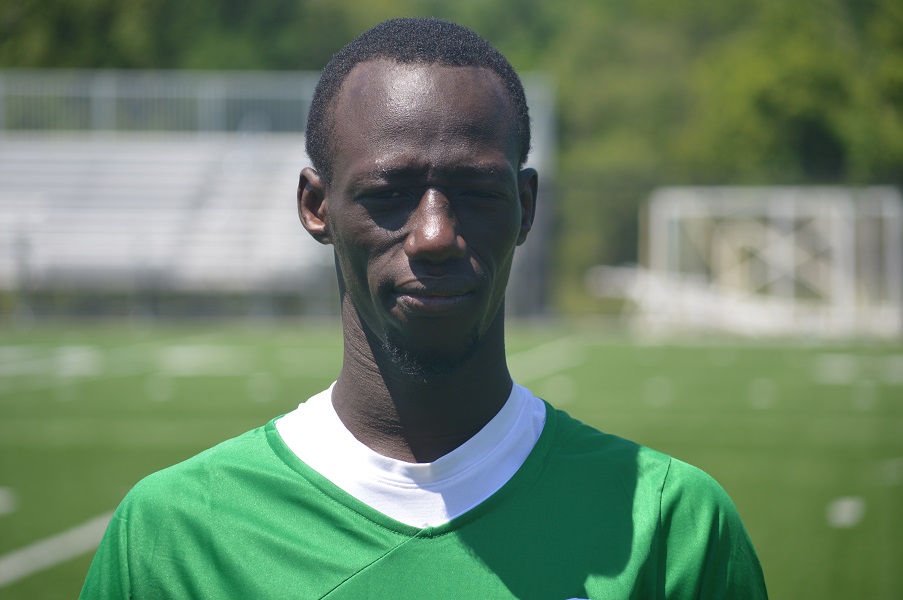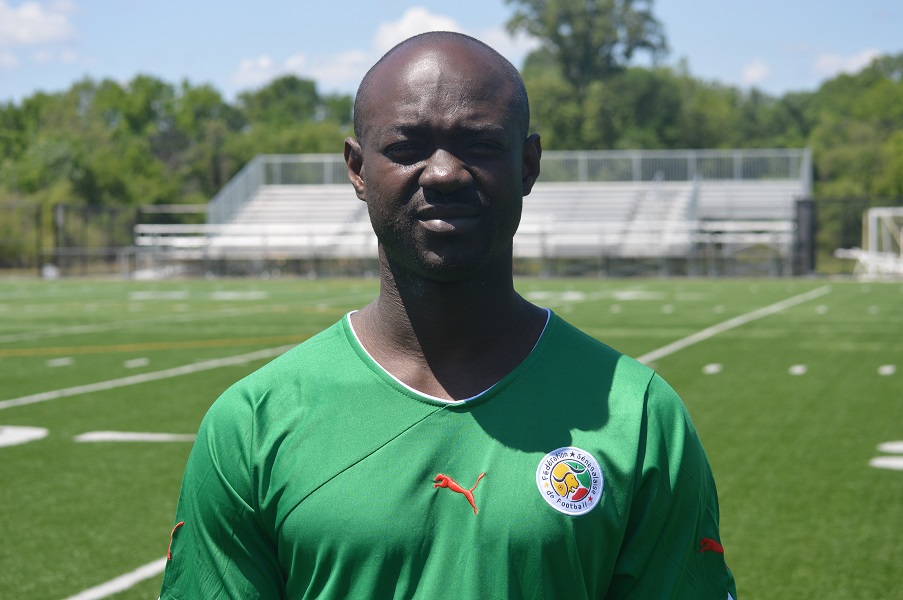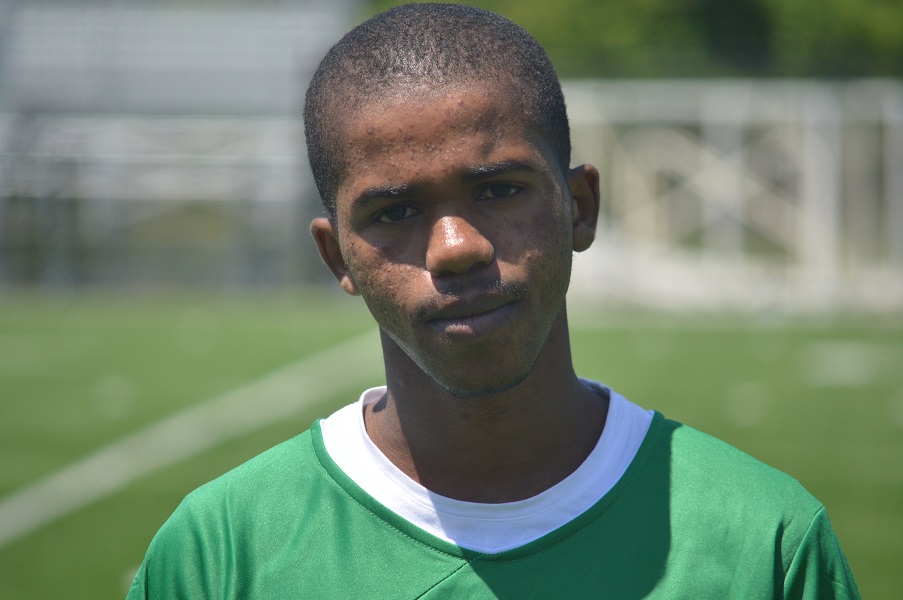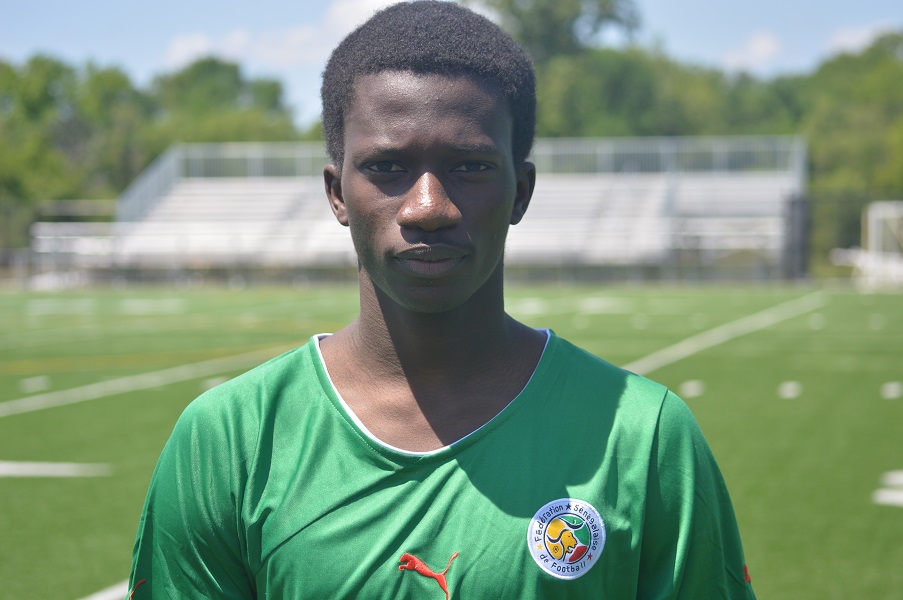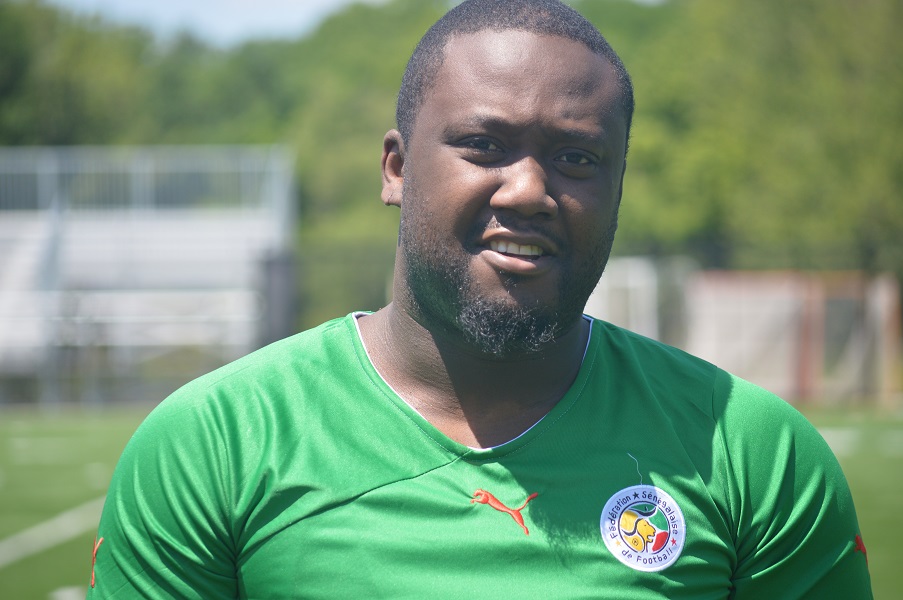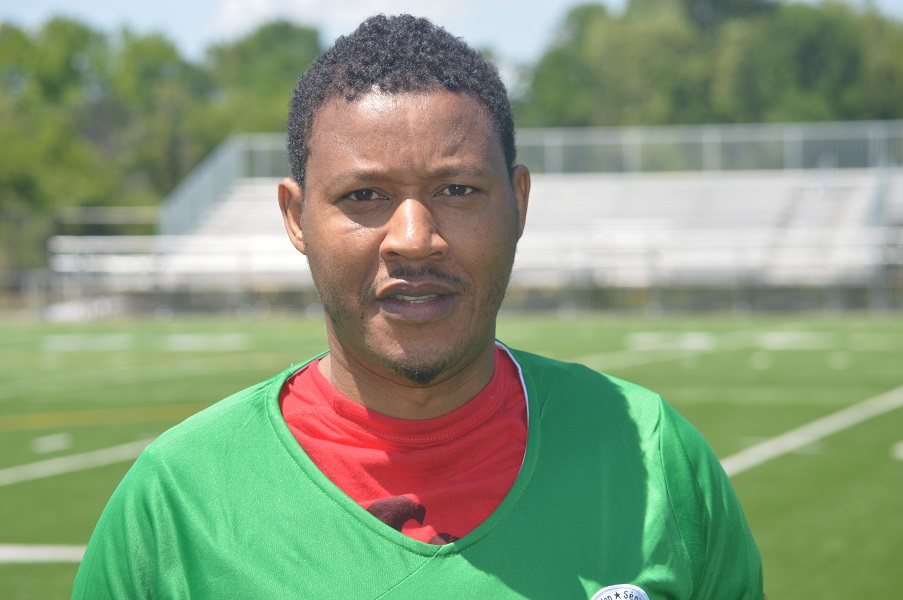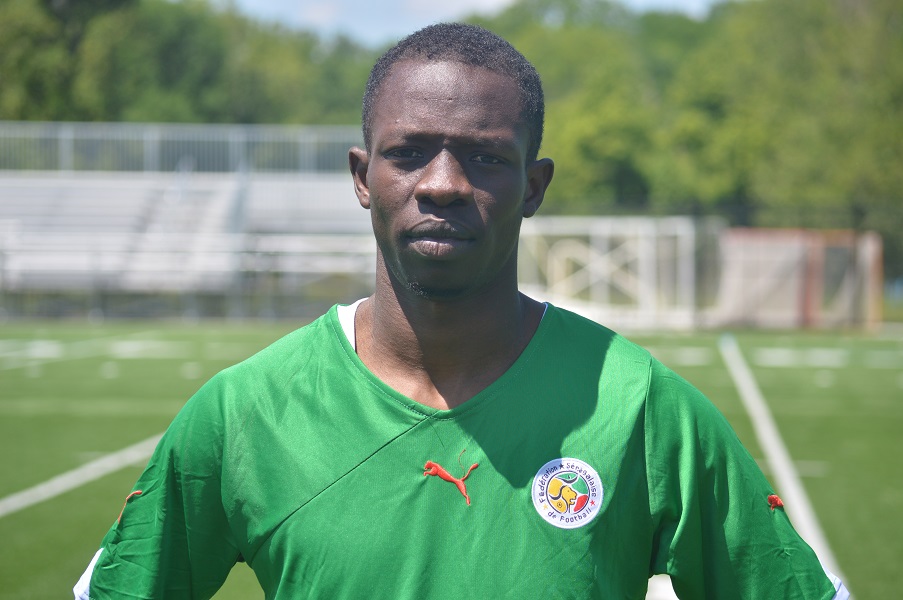

The Diaspora World Cup operates in some of the major cities and metro areas in
United States and
Canada. Our network of register players includes 20 cities, 200 countries, 400
teams, and 10,000
players. Join our movement to solve the world's most pressing challenges:
Illiteracy
Who We are text will be here Who We are text will be here Who We are text will
be here Who We
are text will be here Who We are text will be here Who We are text will be here
Who We are text
will be here Who We are text will be here Who We are text will be here
What We Do text will be here What We Do text will be here What We Do text will
be here What We
Do text will be here What We Do text will be here What We Do text will be here
What We Do text
will be here What We Do text will be here What We Do text will be here What We
Do text will be
here What We Do text will be here What We Do text will be here
Get Involved text will be here Get Involved text will be here Get Involved text
will be here Get
Involved text will be here Get Involved text will be here Get Involved text will
be here Get
Involved text will be here Get Involved text will be here Get Involved text will
be here Get
Involved text will be here
Education is a basic Human Right and the Diaspora World Cup global school
program focuses its
energy in some the poorest countries around the world. We build schools in some
of the poorest
countries around the worldthat historically had no adequate school structure.
Any member of the
World Diaspora has the power to end illiteracy around the world through the
power of soccer.
High-profile sport figures, global leaders, business leaders, political figure,
journalists,
activists, philanthropists, actors, and entrepreneurs united by their commitment
to the Diaspora
World Cup mission to eradicate illiteracy around the world through the power of
soccer. They serve
as role models and spread the Diaspora World Cup vision and commitment of a
world mobilized
through soccer.
Diaspora 2027: complete guide to all players | The Diaspora
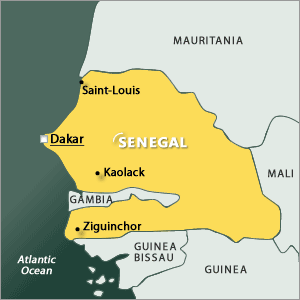
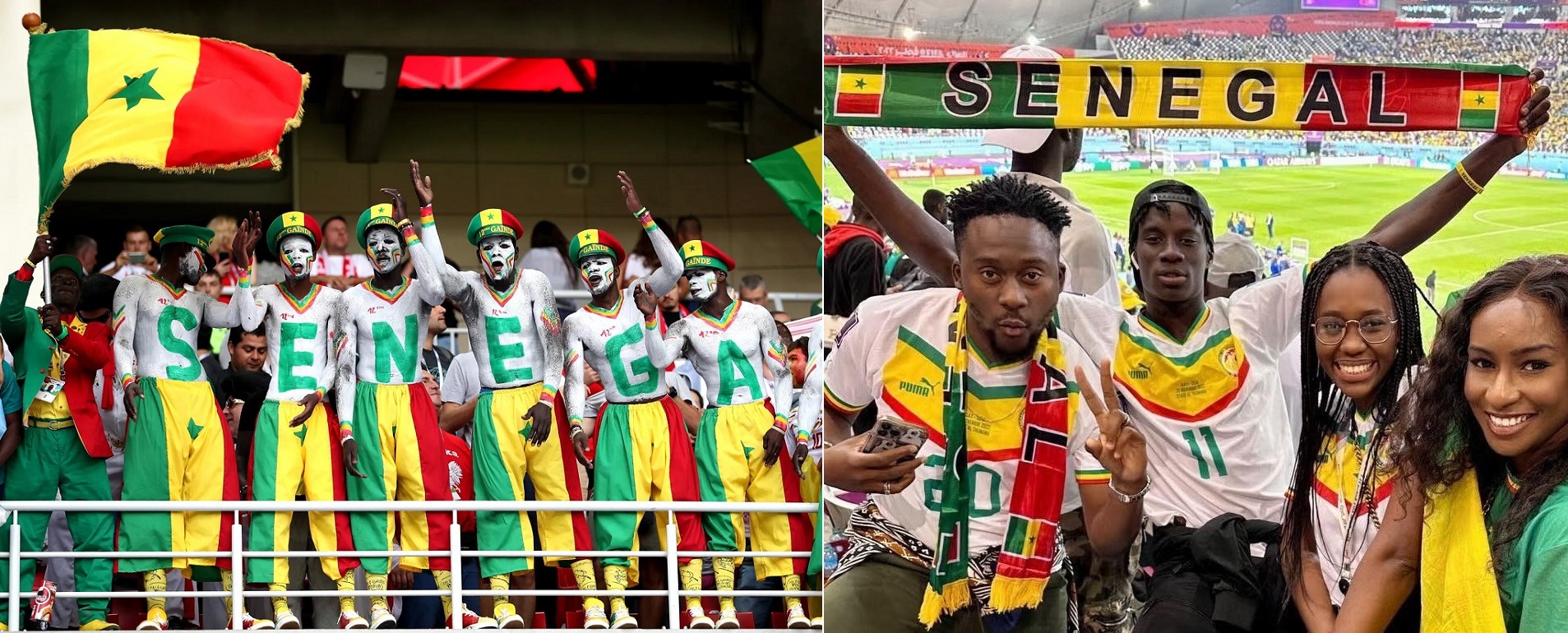
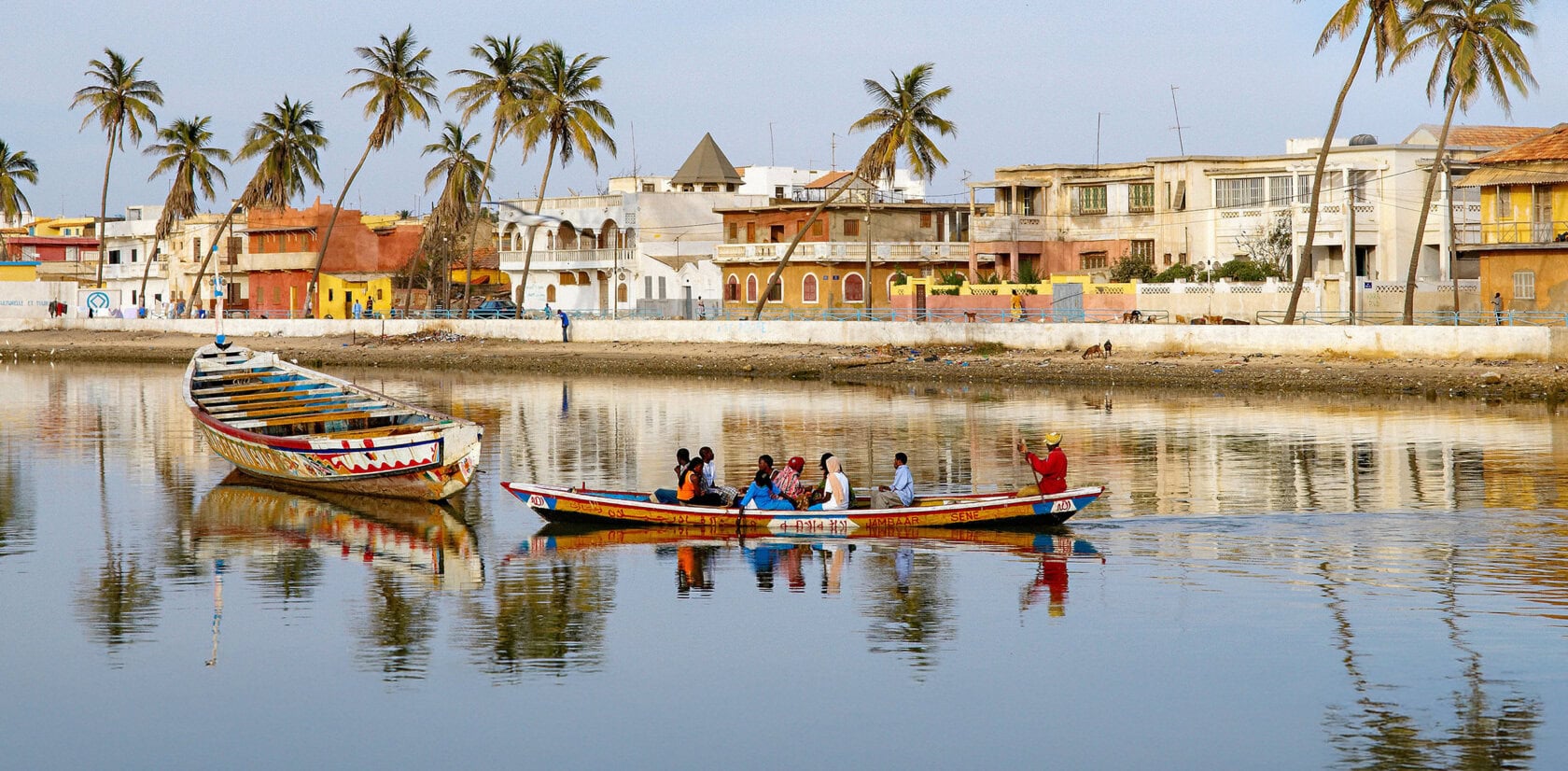
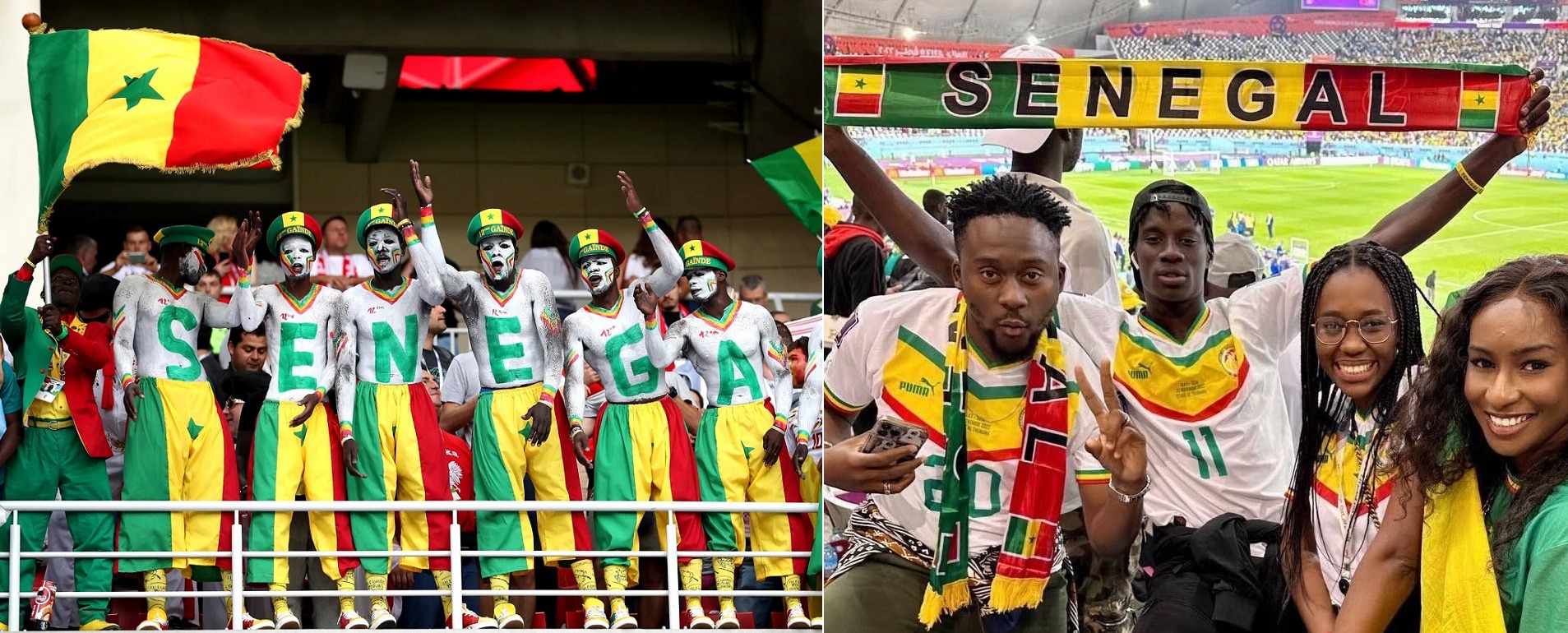
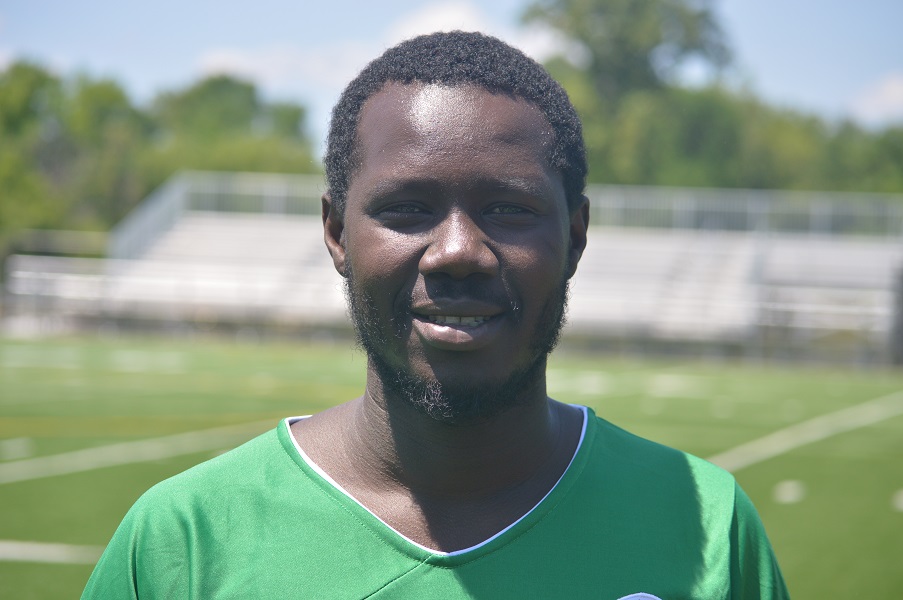
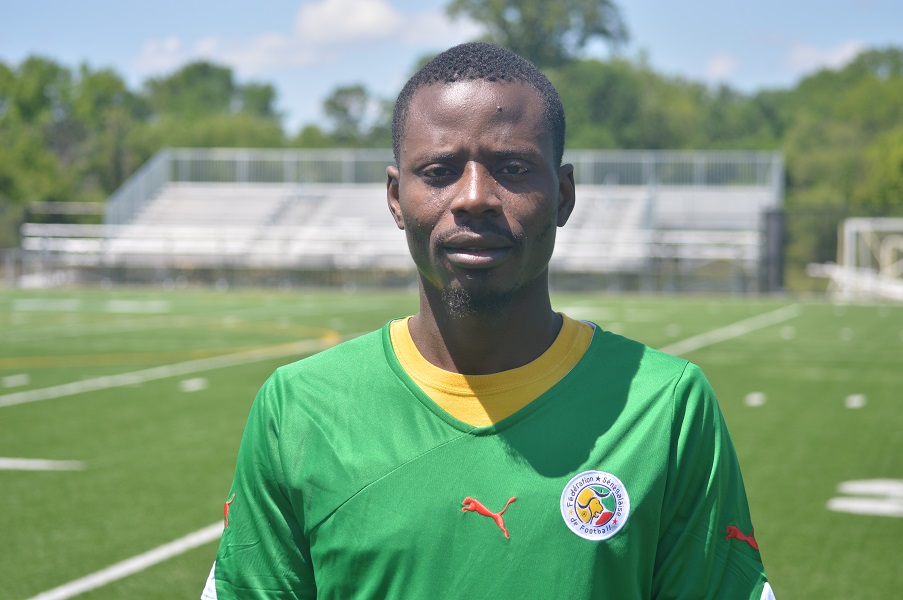
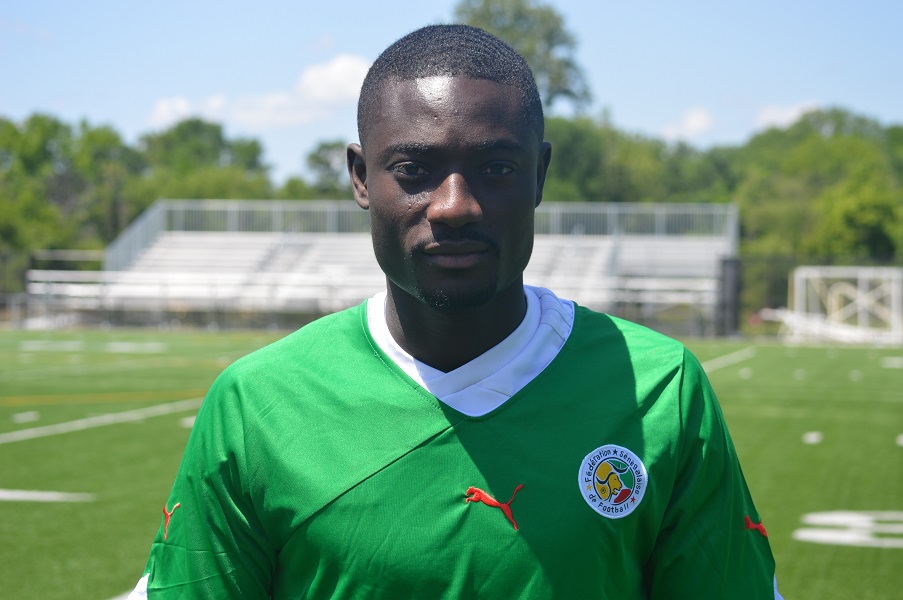
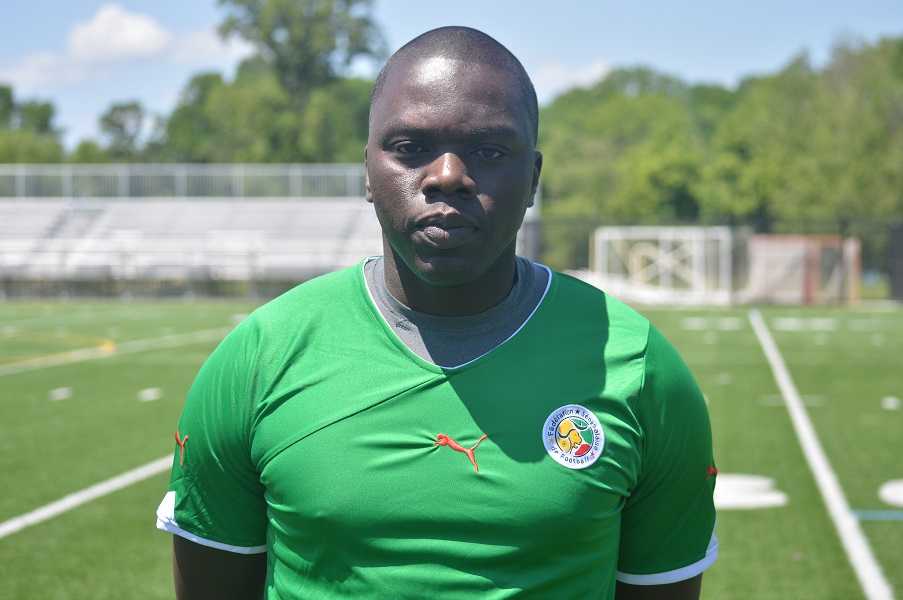
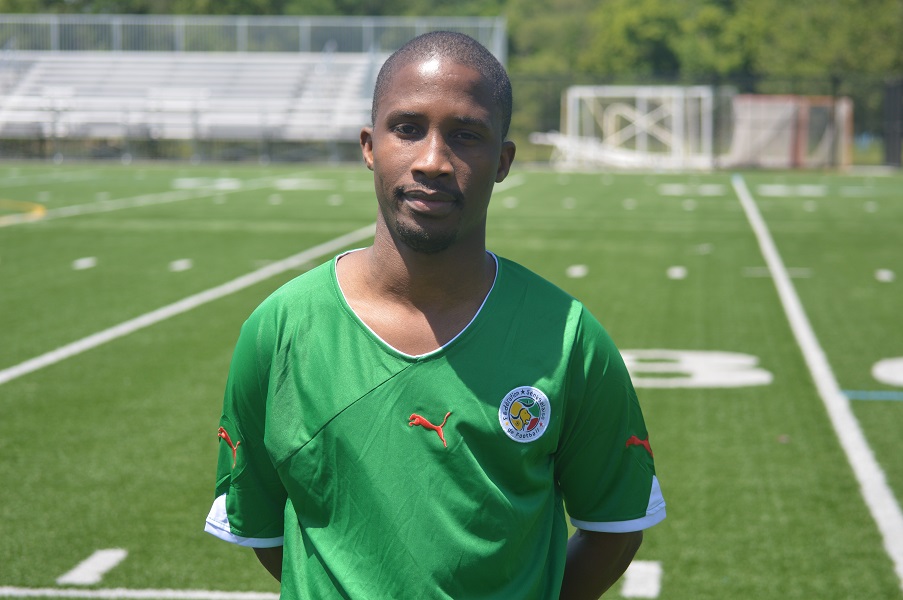
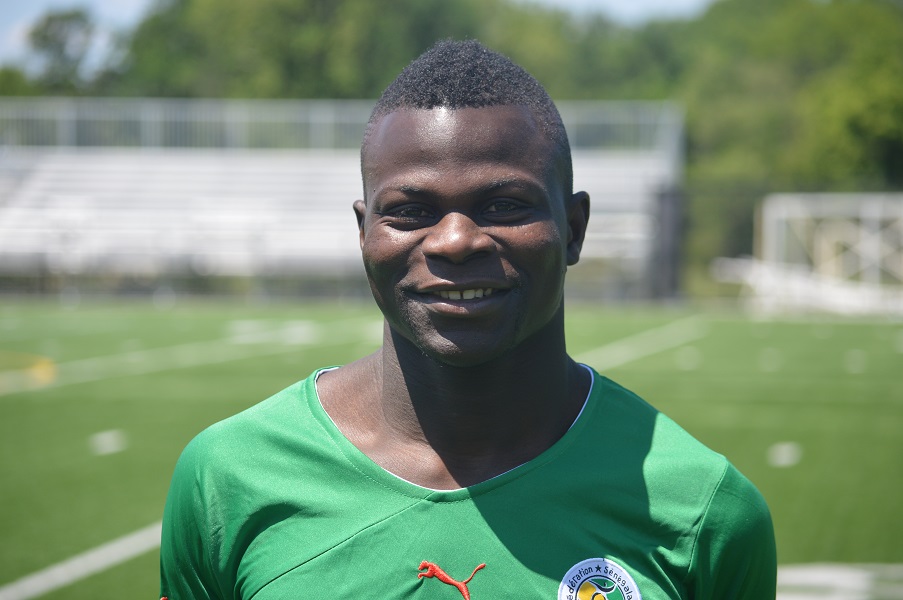
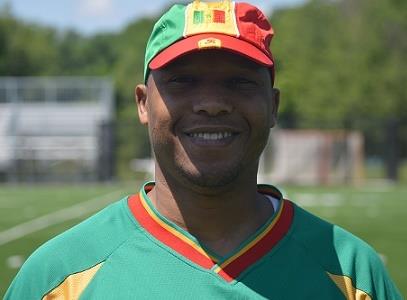
SENEGAL
Welcome to the 2028 Diaspora World Cup. Burtonsville – Laurel
Burtonsville – Laurel
Welcome to the 2028 Diaspora World Cup. Burtonsville – Laurel
The Senegalese diaspora in the Washington, D.C., Maryland, and Virginia (DMV) area is a well-established and growing West African immigrant community. Centered around community organizations, diplomatic institutions, cultural networks, and Senegalese-owned businesses, the community supports newcomers while maintaining strong cultural and social ties. Core Communi...The Senegalese diaspora in the Washington, D.C., Maryland, and Virginia (DMV) area is a well-established and growing West African immigrant community. Centered around community organizations, diplomatic institutions, cultural networks, and Senegalese-owned businesses, the communi...
More Information
Chelsea Official
Download The 5th Stand, Chelsea’s official mobile app, to see exclusive content, match action and all the latest news from Stamford Bridge.
More Information
Street Soccer in Senegal
Street soccer is a major part of football culture in Senegal, where children and teenagers regularly gather in neighbourhood streets, sandy fields, school grounds, beaches, and community spaces to play informal football matches. These games provide young players with an opportunity to enjoy the sport, develop their abilities, and create strong connections with friends and local communities.
The energetic and skillful nature of street soccer encourages creative dribbling, quick passing, close ball control, and confident movement. Playing in smaller spaces helps participants improve their technique, adaptability, teamwork, and decision-making while experiencing different styles of play.
Street soccer offers an affordable and accessible way for communities across Senegal to enjoy football without requiring professional facilities. It promotes active lifestyles, strengthens community relationships, and inspires many young players to pursue football through schools, clubs, academies, and local competitions.
Street Soccer Culture in Senegal
Football is deeply connected to Senegalese communities, and street soccer is often where many children first discover their passion for the game. Informal matches organised by friends, schools, and neighbourhood groups create an energetic environment where players of different ages and skill levels can participate.
Skills Developed Through Street Soccer
Street soccer helps players improve dribbling, first touch, passing accuracy, shooting ability, agility, balance, ball control, and tactical awareness. Regular games also develop creativity, communication, confidence, and the ability to make quick decisions during fast-paced situations.
Street Soccer and Community Development
Street soccer brings communities together through football while encouraging teamwork, positive youth participation, and active lifestyles. It also provides aspiring players with valuable experience before progressing to school teams, local football clubs, academies, futsal programmes, or organised youth football competitions.
The SENEGAL in the DMV Metro
The Senegalese diaspora in the Washington, D.C., Maryland, and Virginia (DMV) area is a well-established and growing West African immigrant community. Centered around community organizations, diplomatic institutions, cultural networks, and Senegalese-owned businesses, the community supports newcomers while maintaining strong cultural and social ties.
Core Community Organizations
Senegalese Association of the DMV (SA-DMV / TeamSenegal): A major community organization supporting Senegalese residents through cultural programs, networking, community events, and newcomer resources.
Embassy of the Republic of Senegal: Located in Washington, D.C., the Senegalese Embassy serves as the main diplomatic and administrative hub for Senegalese nationals and promotes Senegalese cultural and national events.
African Community Center DC-Metro (ACC-DC): A broader African immigrant organization serving communities across the DMV, including West African immigrants. It provides support with employment, housing, integration, and community resources.
Office on African Affairs (MOAA): A District of Columbia government office that supports African immigrant communities through outreach, language access, capacity building, and connections to local services.
Cultural & Social Hubs
Senegalese restaurants and food businesses: Restaurants such as Koité Grill and Chez Dior provide gathering places for Senegalese residents and other West Africans.
West African community networks: Senegalese residents participate in broader West African cultural, religious, business, and social networks throughout Maryland, Virginia, and Washington, D.C.
Cultural events: Community organizations and the Senegalese Embassy help organize celebrations, cultural programs, and events connected to Senegalese heritage and national holidays.
Significance
Senegalese immigration has generally reflected French colonial rule, labour migration, economic hardship, overseas education, professional opportunities, family reunification, religious networks, and the search for improved living conditions.
Senegalese migration to the United States remained limited until the second half of the twentieth century. Early voluntary arrivals mainly included students, diplomats, academics, merchants, religious leaders, and professionals travelling for education, trade, or specialised employment. Immigration expanded after changes to American immigration law in 1965 and the introduction of the Diversity Visa programme in 1990. Later arrivals included traders, healthcare workers, engineers, technology professionals, entrepreneurs, university students, and relatives joining established families. By 2024, approximately 42,000 Senegal-born immigrants were living in the United States. Senegalese communities preserve Wolof, French, Islamic traditions, food, music, clothing, and close family connections through cultural and religious associations.
Senegalese Migration Before Independence
Before independence, migration was shaped by regional trade, pastoral movement, agriculture, French colonial administration, military recruitment, and labour demand. Senegalese workers, traders, sailors, soldiers, students, and religious scholars travelled mainly within French West Africa and between Senegal and France. Colonial authorities recruited Senegalese soldiers and workers, particularly during the two World Wars, while Dakar became an important administrative, commercial, and transportation centre. Migration to the United States remained uncommon because Senegal’s strongest political, educational, and economic connections were with France and neighbouring African territories. Colonial labour recruitment helped establish migration routes that later supported larger post-independence communities in Europe.
Late-Twentieth- and Early-Twenty-First-Century Immigration
Senegal withdrew from the Mali Federation and declared independence on August 20, 1960; the United States recognised the new republic and established diplomatic relations on September 24. During later decades, most Senegalese emigration was directed toward France and other European and West African countries, although the United States gradually became an important destination. Economic difficulties, unemployment, declining agricultural opportunities, education, and family networks encouraged migration abroad. Senegalese immigrants reached America through family sponsorship, university programmes, professional employment, asylum, and the Diversity Visa programme. Overseas communities established businesses, restaurants, religious circles, cultural organisations, and support networks while contributing remittances, investment, professional knowledge, and assistance to families and communities in Senegal.
Lorem ipsum dolor sit amet, consectetur adipiscing elit, sed do eiusmod tempor incididunt ut
labore et dolore magna aliqua. Ut enim ad minim veniam, quis nostrud exercitation ullamco
laboris nisi ut aliquip ex ea commodo consequat. Duis aute irure dolor in
reprehenderit in voluptate velit esse cillum dolore eu fugiat nulla pariatur.