
Responsive Header
  • Where We Work
  • Cameroon
  • The Diaspora World Cup operates in some of the major cities and metro areas in United States and Canada. Our network of register players includes 20 cities, 200 countries, 400 teams, and 10,000 players. Join our movement to solve the world's most pressing challenges: Illiteracy
  • Who We are text will be here Who We are text will be here Who We are text will be here Who We are text will be here Who We are text will be here Who We are text will be here Who We are text will be here Who We are text will be here Who We are text will be here
  • What We Do text will be here What We Do text will be here What We Do text will be here What We Do text will be here What We Do text will be here What We Do text will be here What We Do text will be here What We Do text will be here What We Do text will be here What We Do text will be here What We Do text will be here What We Do text will be here
  • Get Involved text will be here Get Involved text will be here Get Involved text will be here Get Involved text will be here Get Involved text will be here Get Involved text will be here Get Involved text will be here Get Involved text will be here Get Involved text will be here Get Involved text will be here
  • Education is a basic Human Right and the Diaspora World Cup global school program focuses its energy in some the poorest countries around the world. We build schools in some of the poorest countries around the worldthat historically had no adequate school structure. Any member of the World Diaspora has the power to end illiteracy around the world through the power of soccer.
  • High-profile sport figures, global leaders, business leaders, political figure, journalists, activists, philanthropists, actors, and entrepreneurs united by their commitment to the Diaspora World Cup mission to eradicate illiteracy around the world through the power of soccer. They serve as role models and spread the Diaspora World Cup vision and commitment of a world mobilized through soccer.
  •  
  •  
Diaspora 2027: complete guide to all players | The Diaspora
SENEGAL
Burtonsville – Laurel
Welcome to the 2027 Diaspora World Cup.
Burtonsville – Laurel

Significance

Senegalese immigration has generally reflected French colonial rule, labour migration, economic hardship, overseas education, professional opportunities, family reunification, religious networks, and the search for improved living conditions.

Senegalese migration to the United States remained limited until the second half of the twentieth century. Early voluntary arrivals mainly included students, diplomats, academics, merchants, religious leaders, and professionals travelling for education, trade, or specialised employment. Immigration expanded after changes to American immigration law in 1965 and the introduction of the Diversity Visa programme in 1990. Later arrivals included traders, healthcare workers, engineers, technology professionals, entrepreneurs, university students, and relatives joining established families. By 2024, approximately 42,000 Senegal-born immigrants were living in the United States. Senegalese communities preserve Wolof, French, Islamic traditions, food, music, clothing, and close family connections through cultural and religious associations.

Senegalese Migration Before Independence

Before independence, migration was shaped by regional trade, pastoral movement, agriculture, French colonial administration, military recruitment, and labour demand. Senegalese workers, traders, sailors, soldiers, students, and religious scholars travelled mainly within French West Africa and between Senegal and France. Colonial authorities recruited Senegalese soldiers and workers, particularly during the two World Wars, while Dakar became an important administrative, commercial, and transportation centre. Migration to the United States remained uncommon because Senegal’s strongest political, educational, and economic connections were with France and neighbouring African territories. Colonial labour recruitment helped establish migration routes that later supported larger post-independence communities in Europe.

Late-Twentieth- and Early-Twenty-First-Century Immigration

Senegal withdrew from the Mali Federation and declared independence on August 20, 1960; the United States recognised the new republic and established diplomatic relations on September 24. During later decades, most Senegalese emigration was directed toward France and other European and West African countries, although the United States gradually became an important destination. Economic difficulties, unemployment, declining agricultural opportunities, education, and family networks encouraged migration abroad. Senegalese immigrants reached America through family sponsorship, university programmes, professional employment, asylum, and the Diversity Visa programme. Overseas communities established businesses, restaurants, religious circles, cultural organisations, and support networks while contributing remittances, investment, professional knowledge, and assistance to families and communities in Senegal.

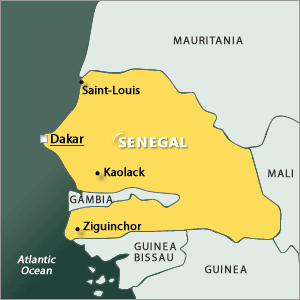
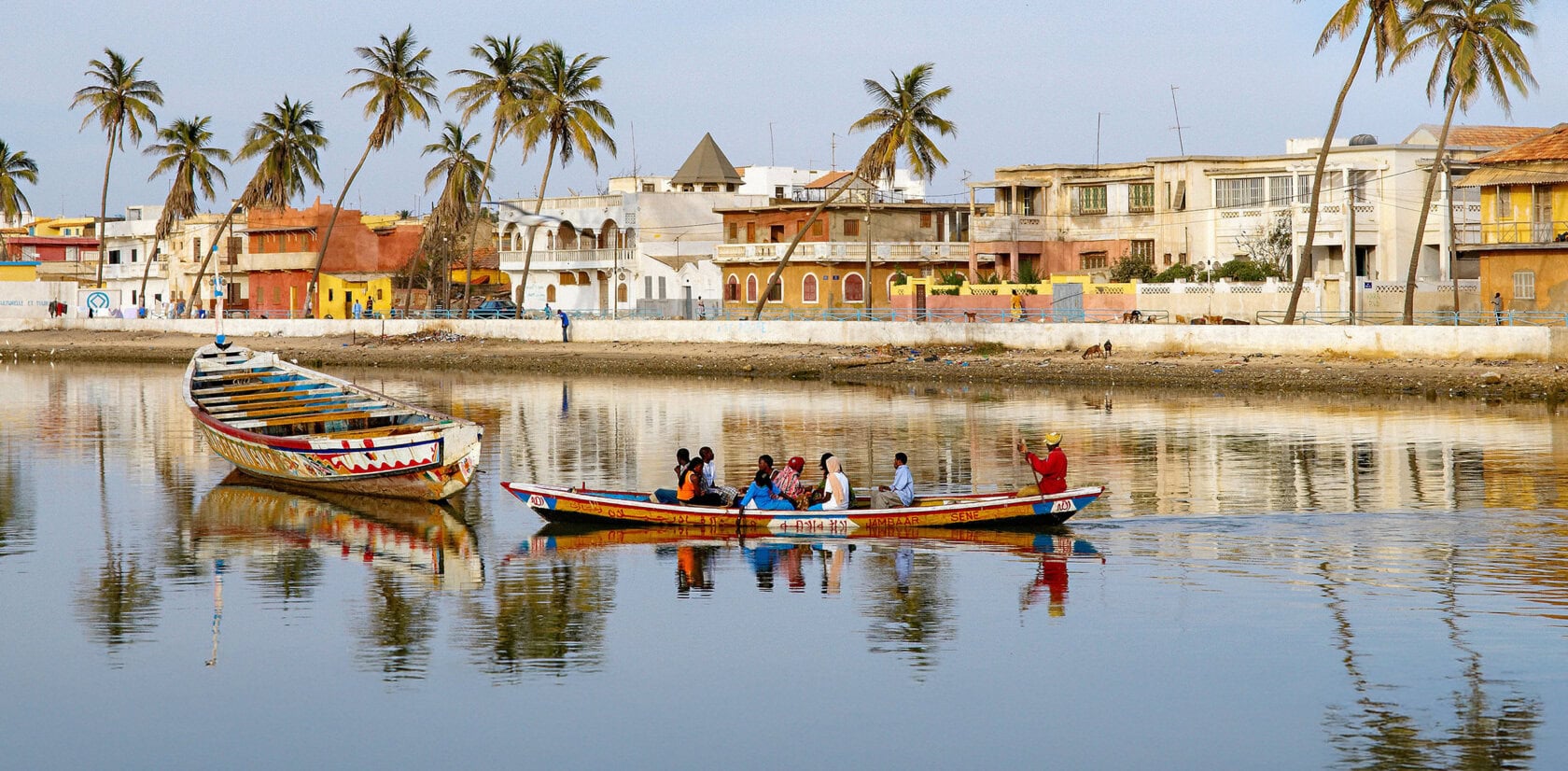
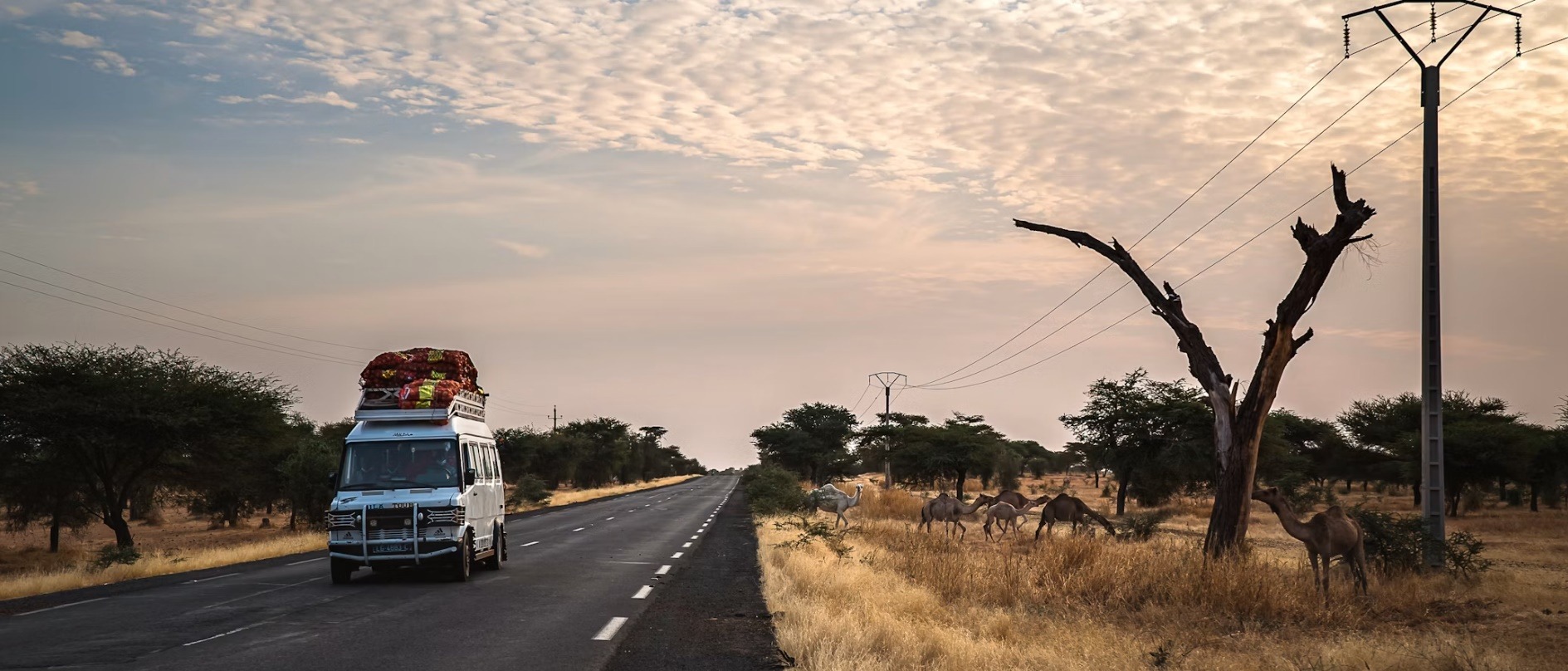
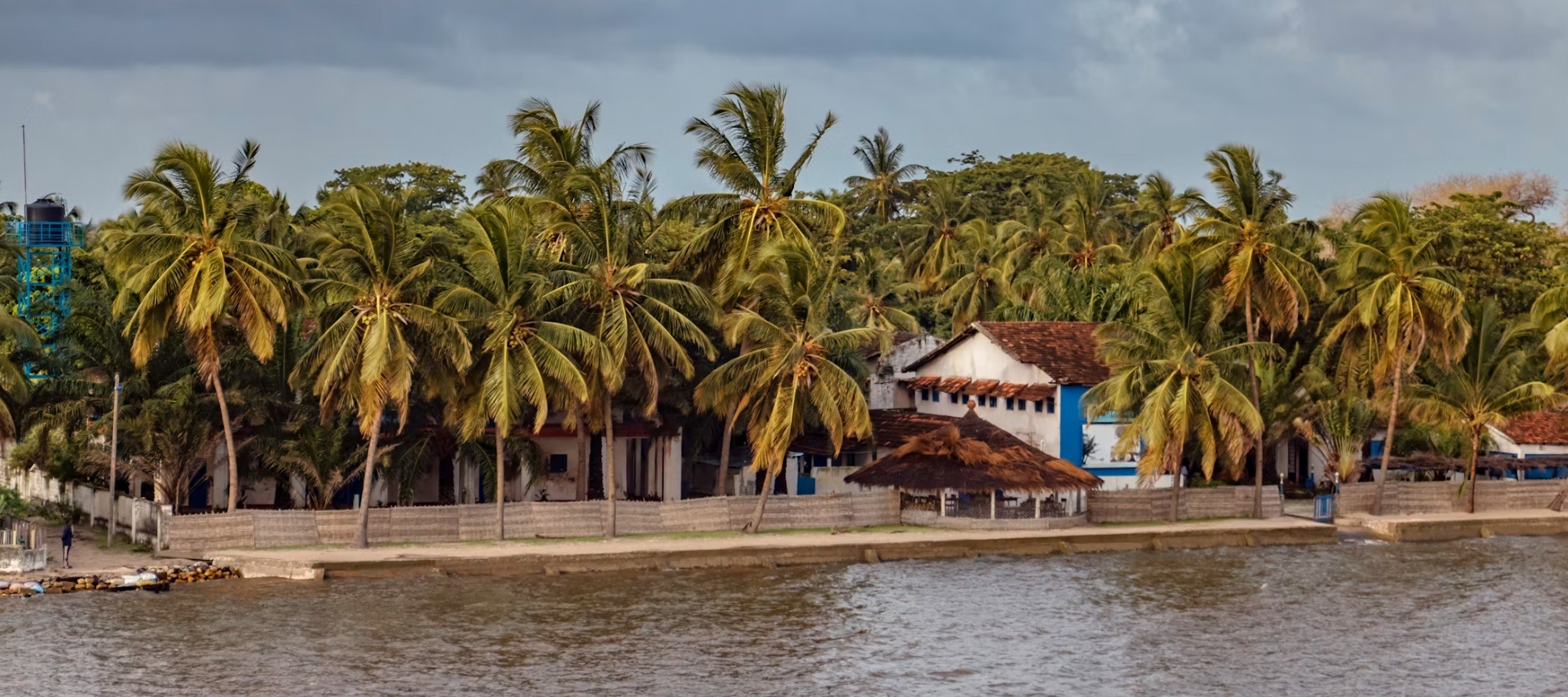
Senegal country image
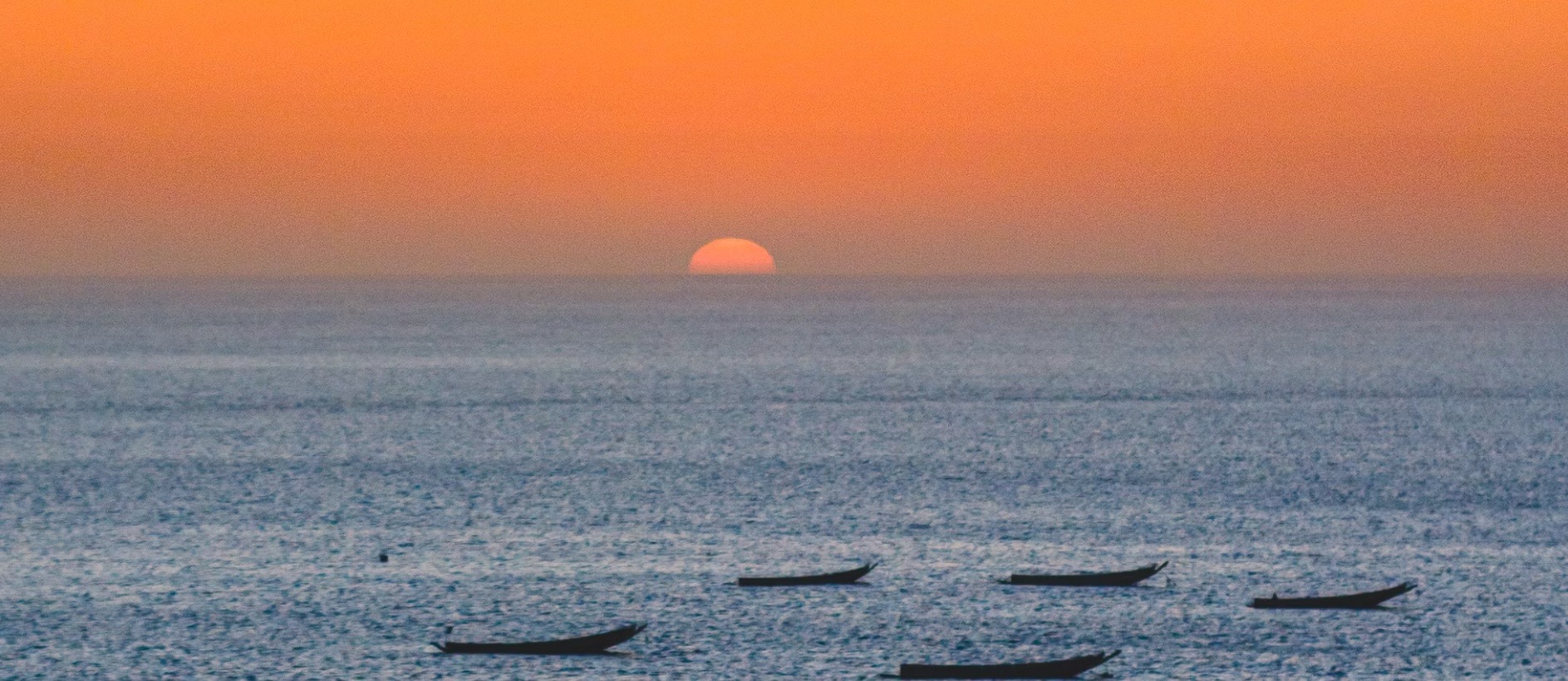
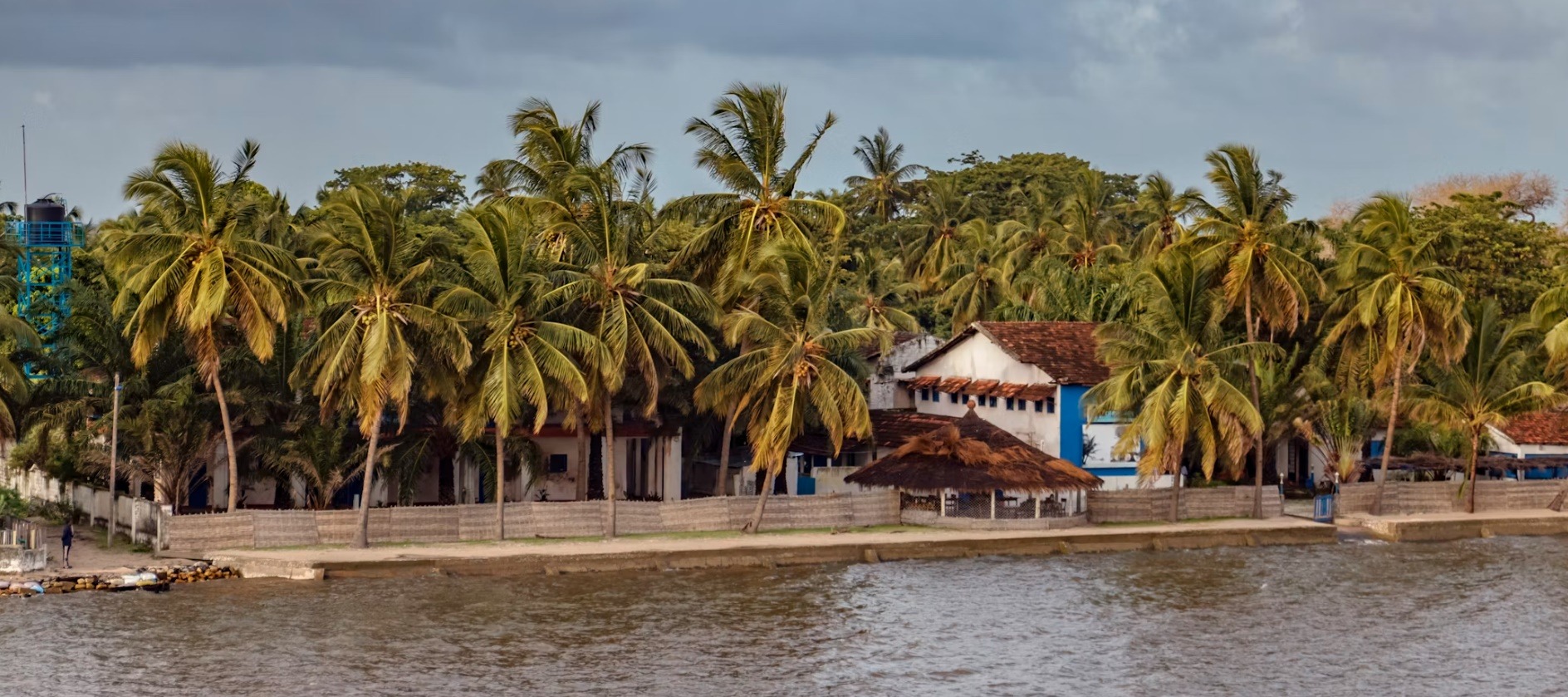
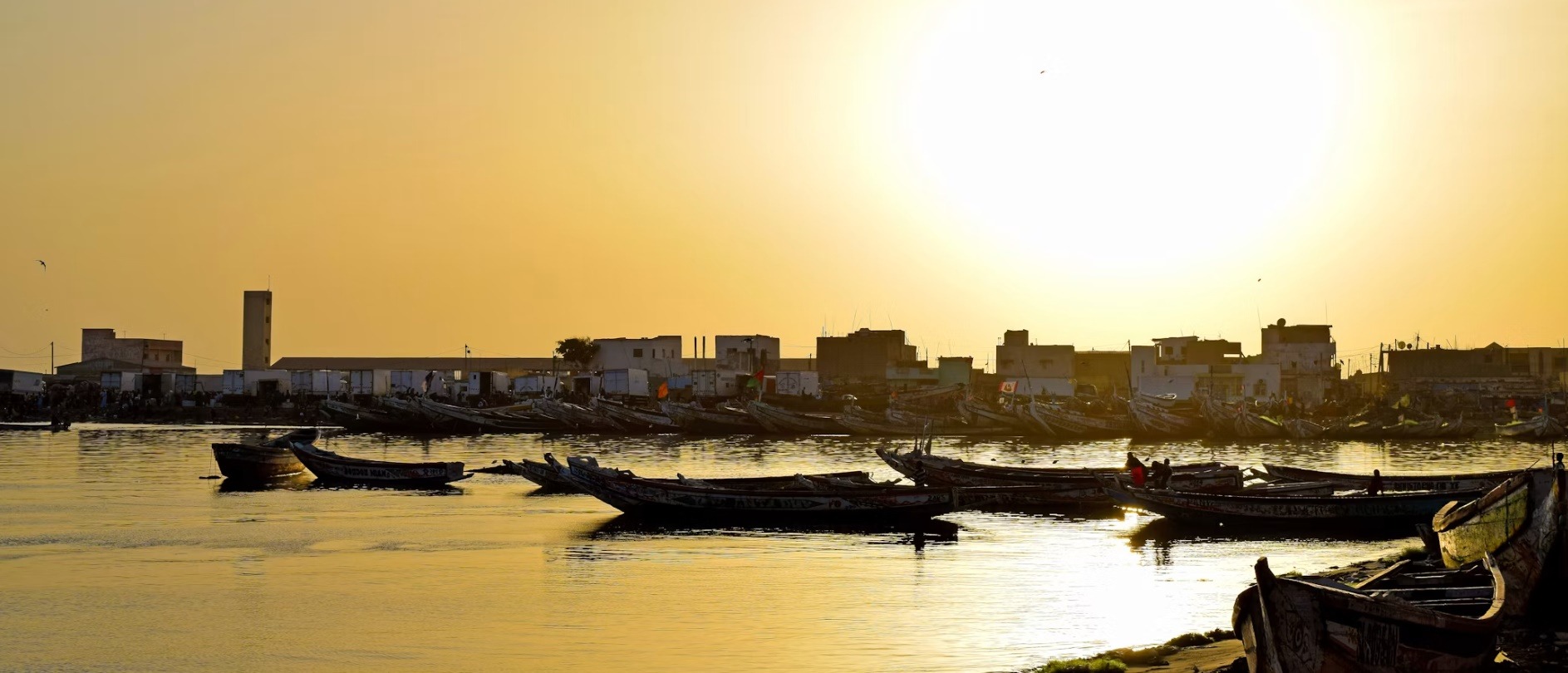
Senegal overview image
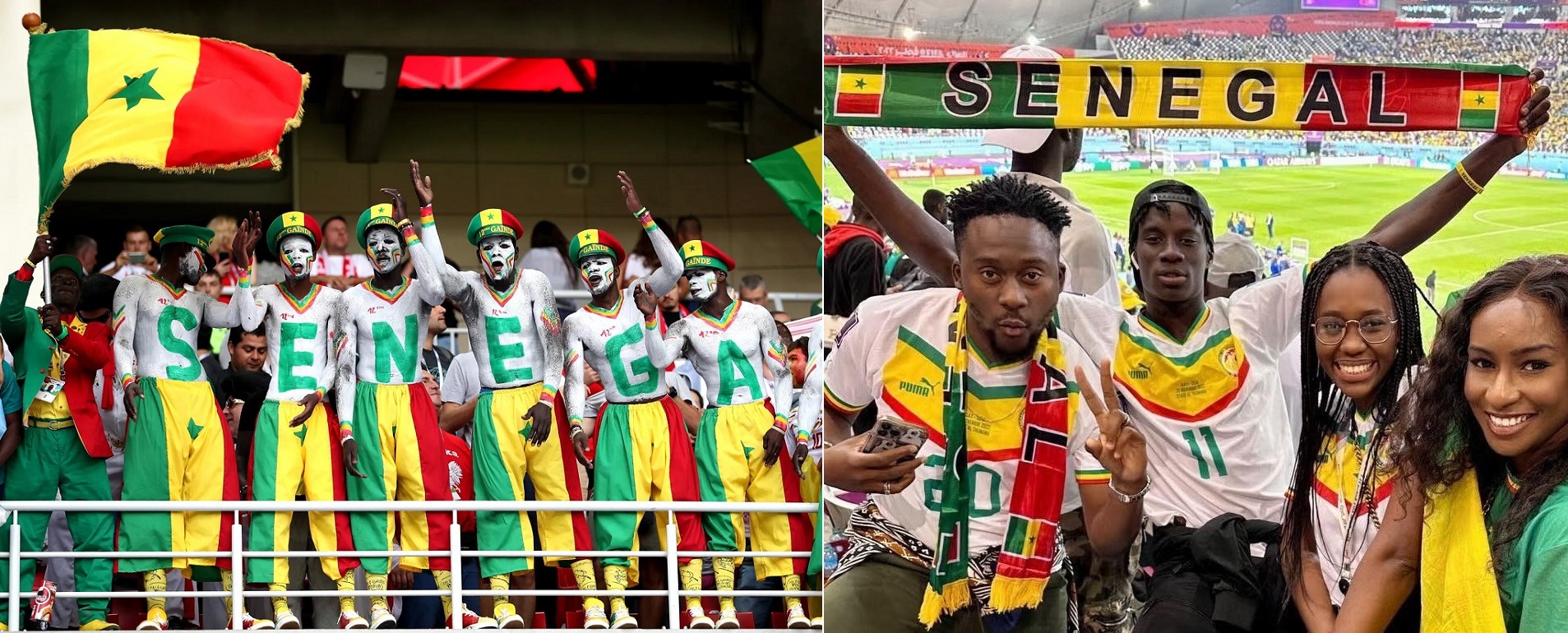
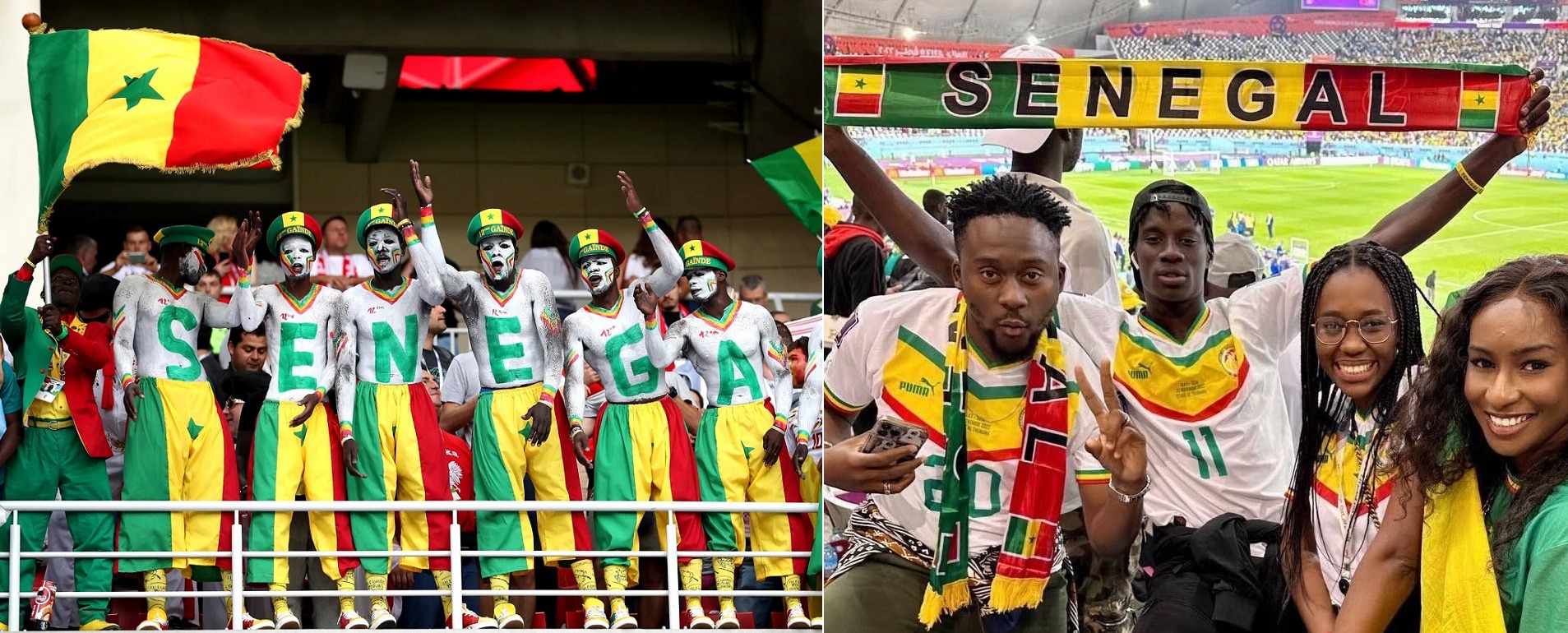
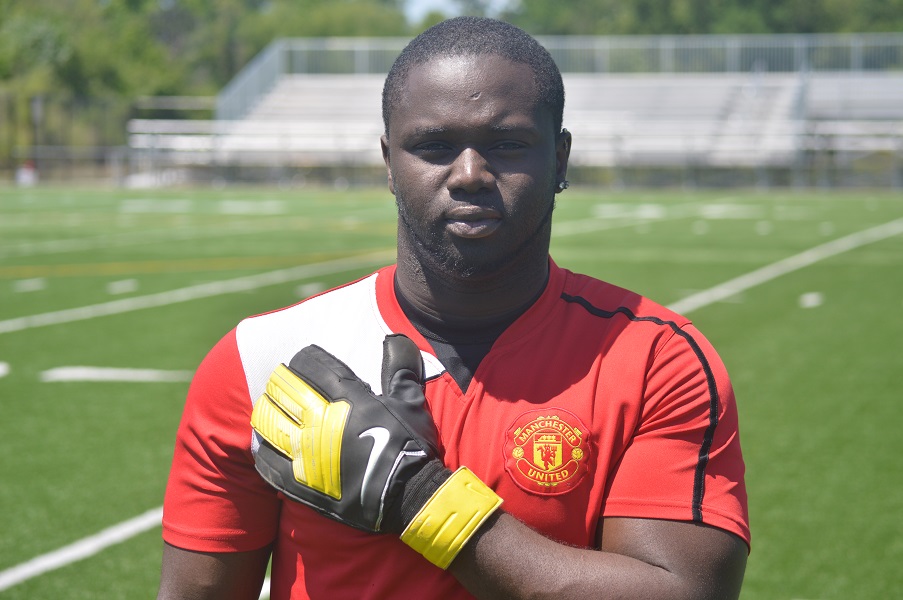
Senegal anthem image

Team Standings

Teams Mp W D L GF GA Pt
Guinea-B. Guinea-B. 0 0 0 0 0 0 0
India India 0 0 0 0 0 0 0
Liberia Liberia 9 5 3 1 27 8 18
Mozambique Mozambique 0 0 0 0 0 0 0
Netherlands Netherlands 0 0 0 0 0 0 0
Nigeria Nigeria 0 0 0 0 0 0 0
Senegal Senegal 0 0 0 0 0 0 0
South A. South A. 0 0 0 0 0 0 0
Swaziland Swaziland 0 0 0 0 0 0 0
United S. United S. 0 0 0 0 0 0 0

Squad List

Boubacar Jobe
Goalkeeper
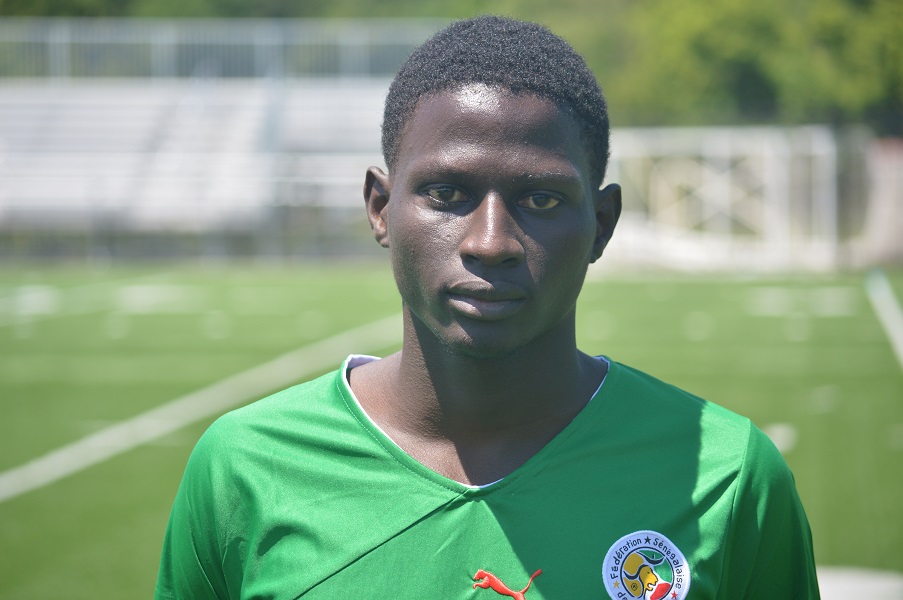
Camille Bassene
Defender
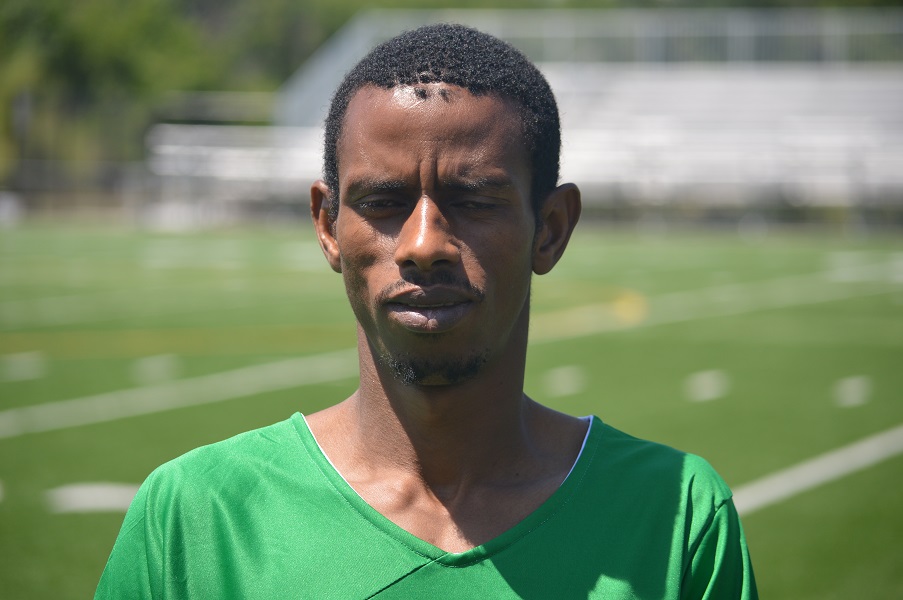
Diallo Amadou
Forward
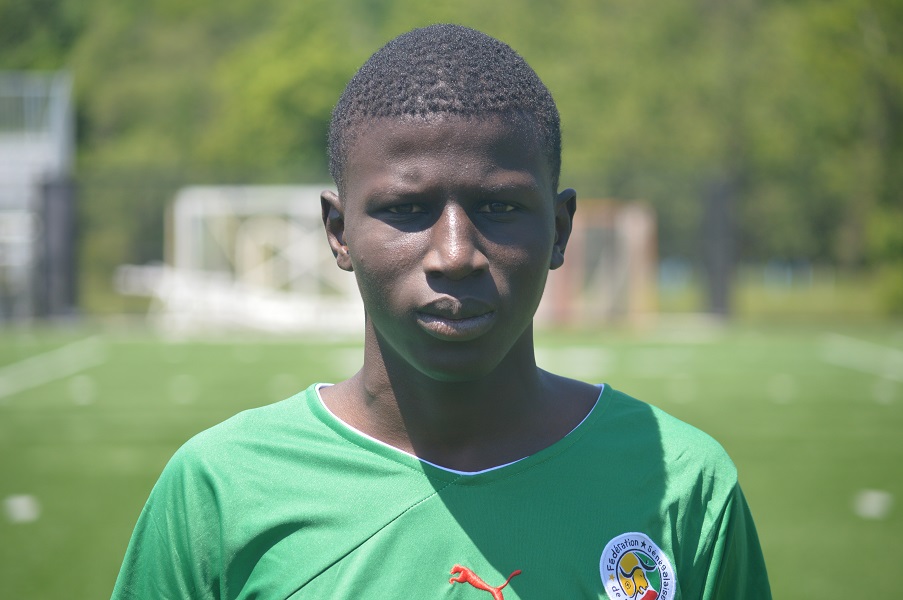
Doura Ndiaye
Forward
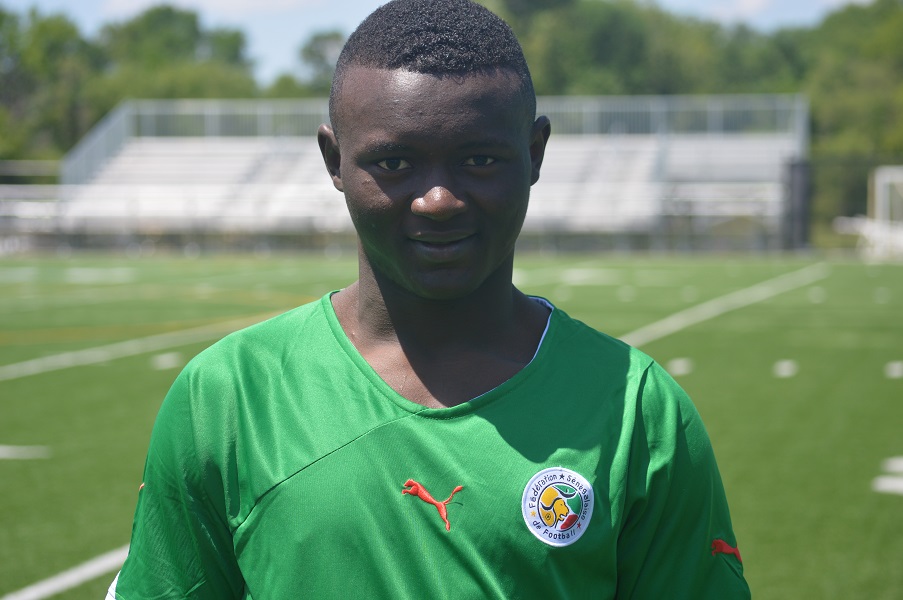
Eloi Bassene
Midfielder
Etienne Doumbi
Midfielder
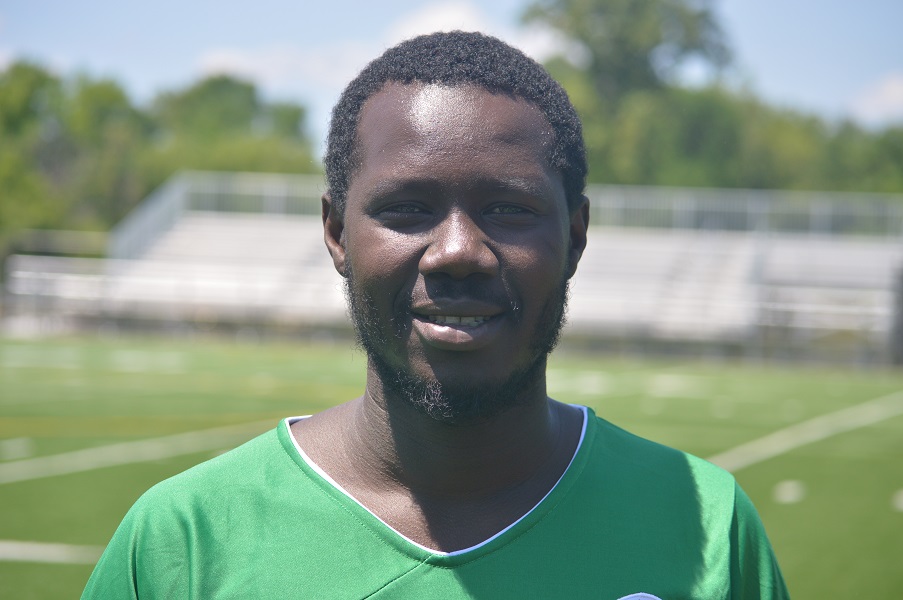
Ibrahima Mar
Defender
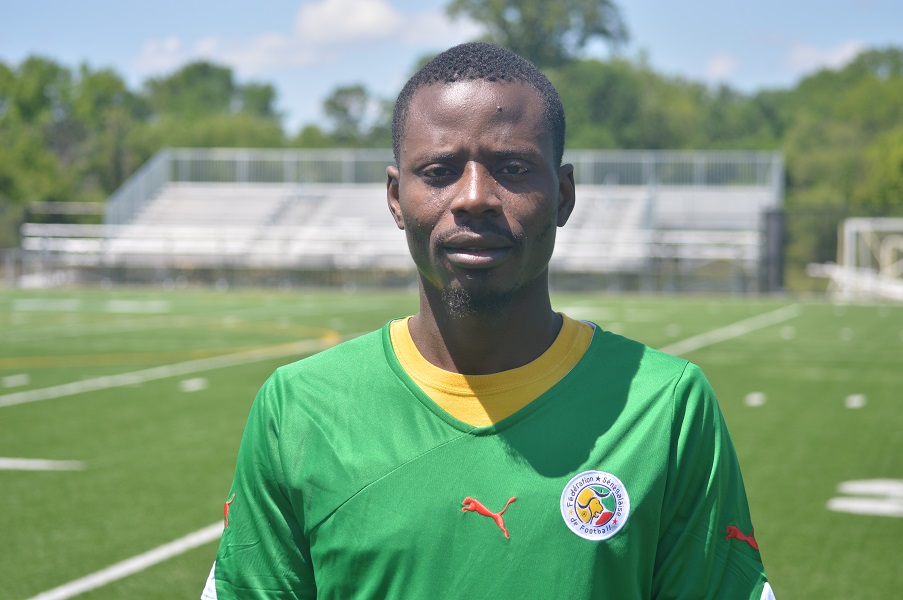
Karim Souley
Midfielder
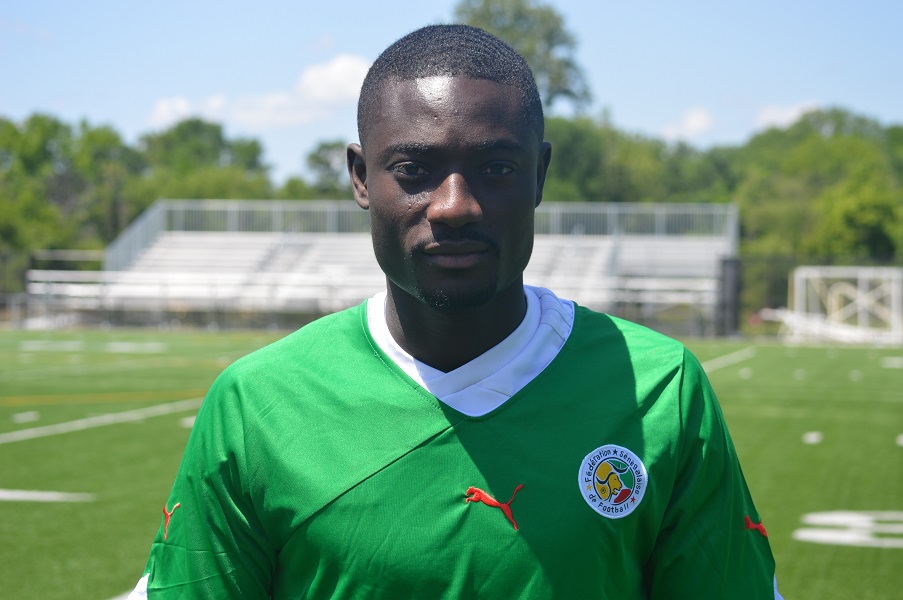
Keba Cisse
Midfielder
Lamine Biatta
Midfielder
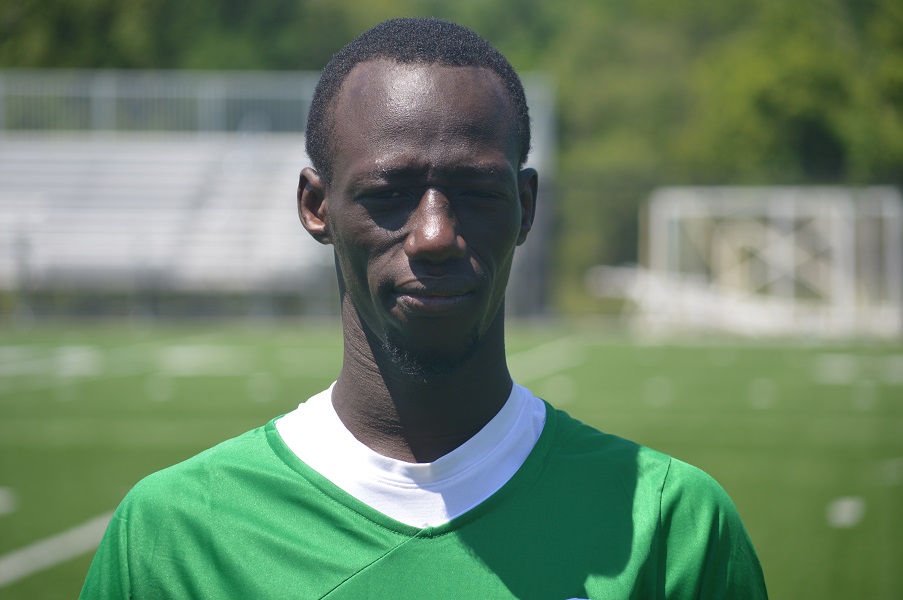
Mamadou Ndam
Midfielder
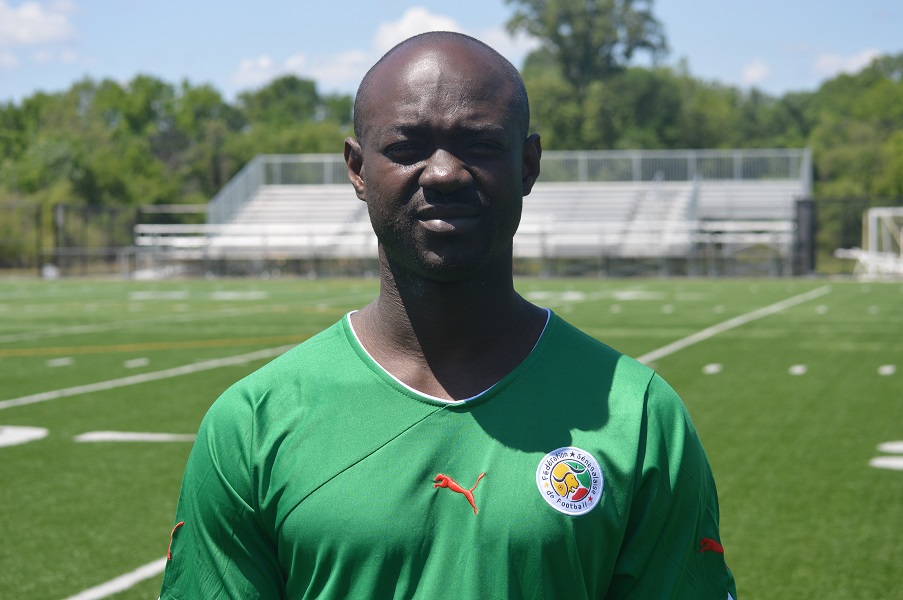
Marco Amadou
Forward
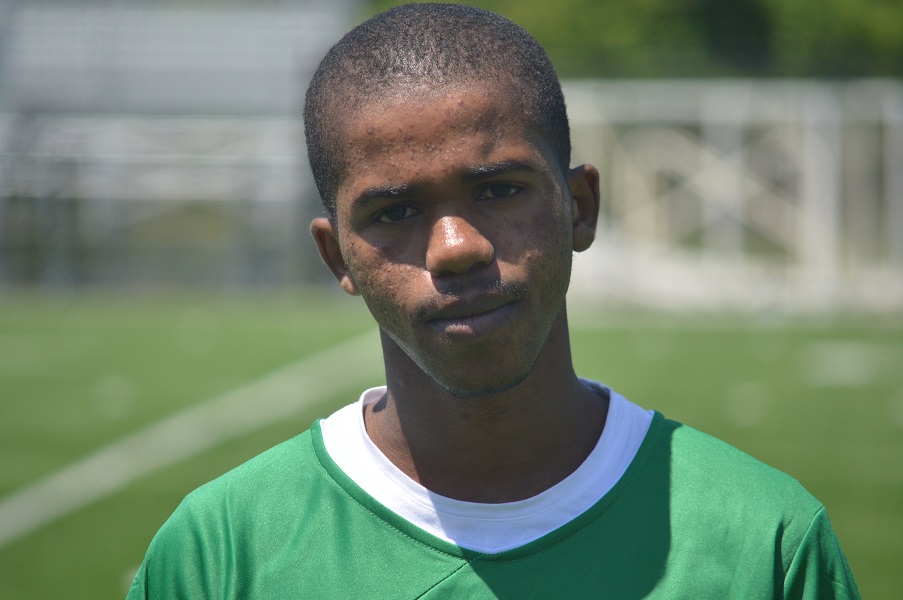
Moctar Diallo
Defender
Moctar Diane
Goalkeeper
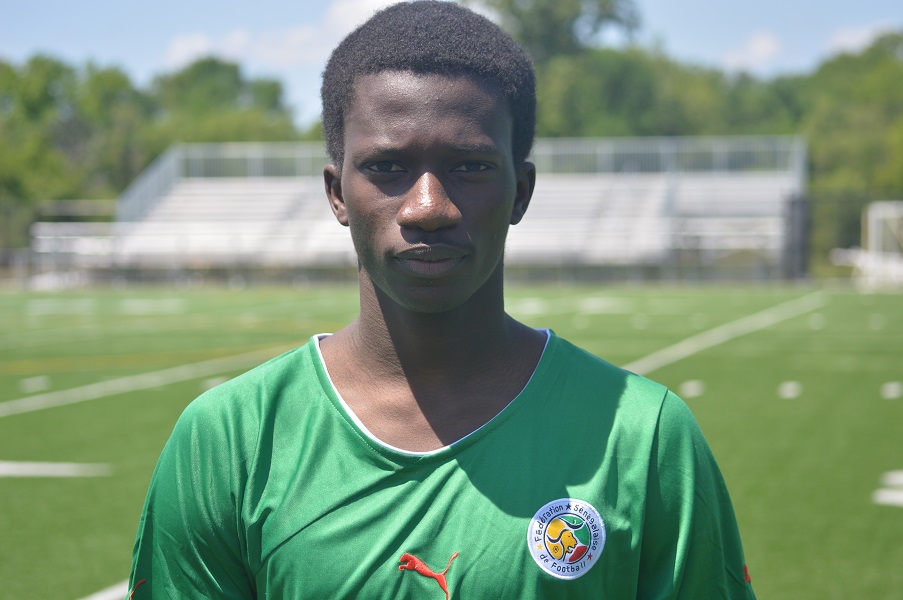
Mohamed Gueye
Defender
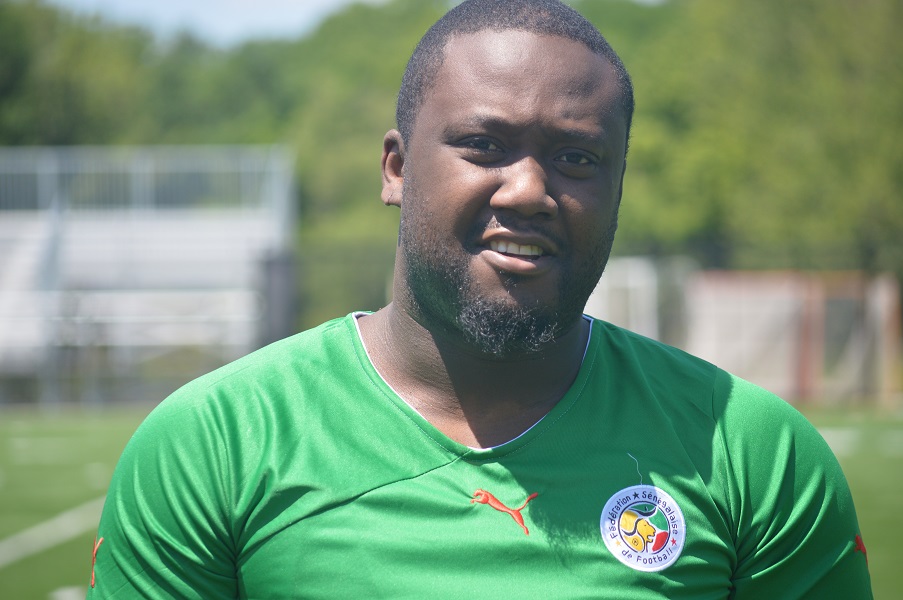
Moussa Sy
Forward
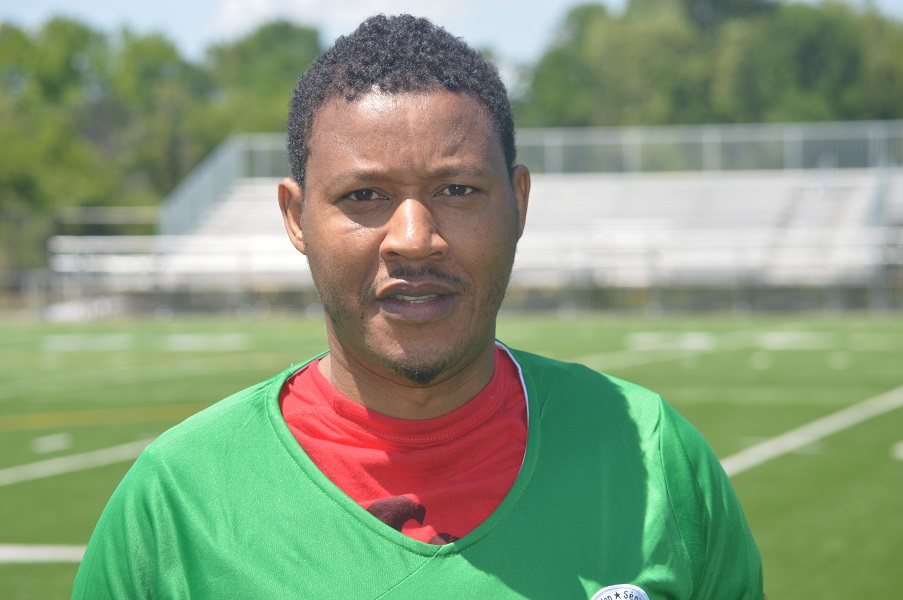
Omar Ndiaye
Defender
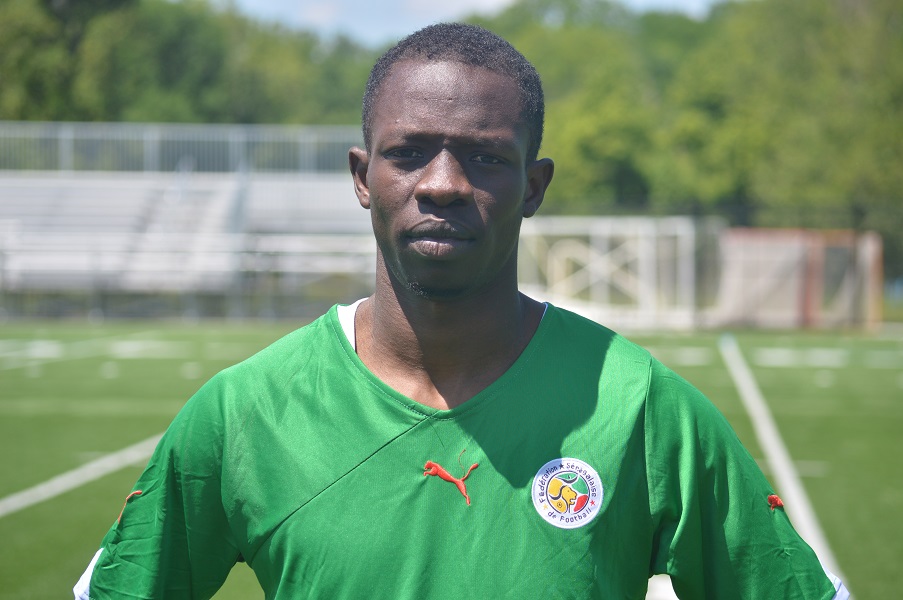
Papa Toure
Forward
Raoul Dembele
Defender
Raymond Banko
Goalkeeper
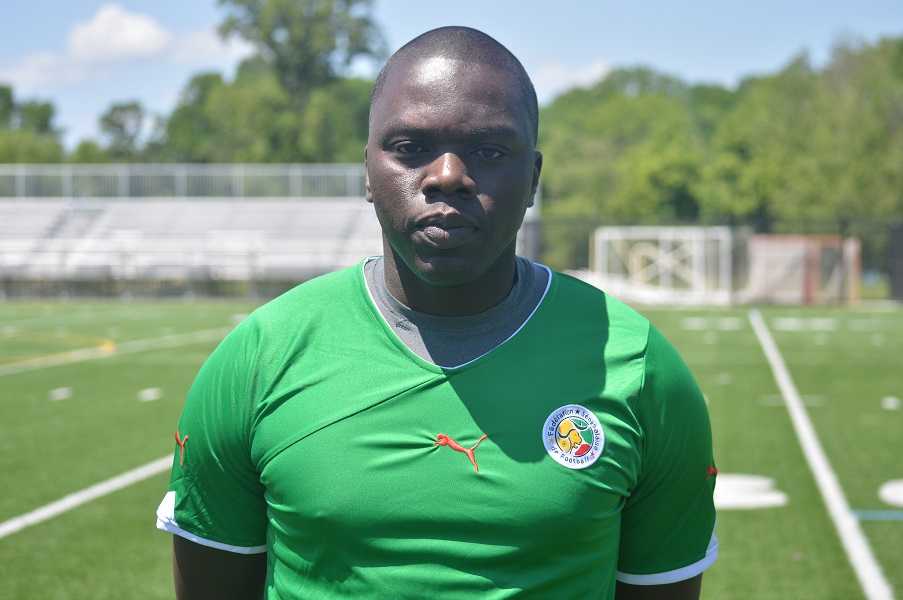
Souley Diallo
Midfielder
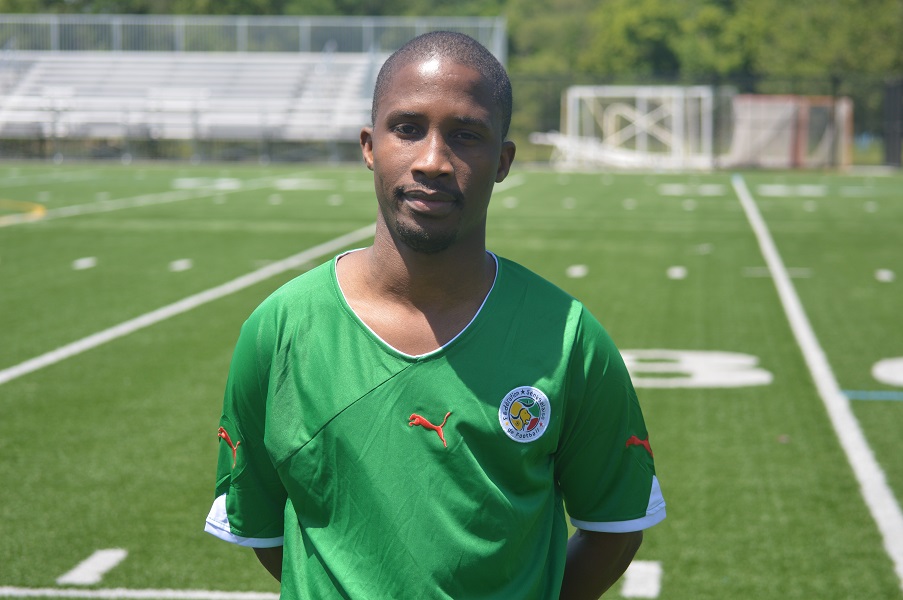
Wulah Cooper
Midfielder
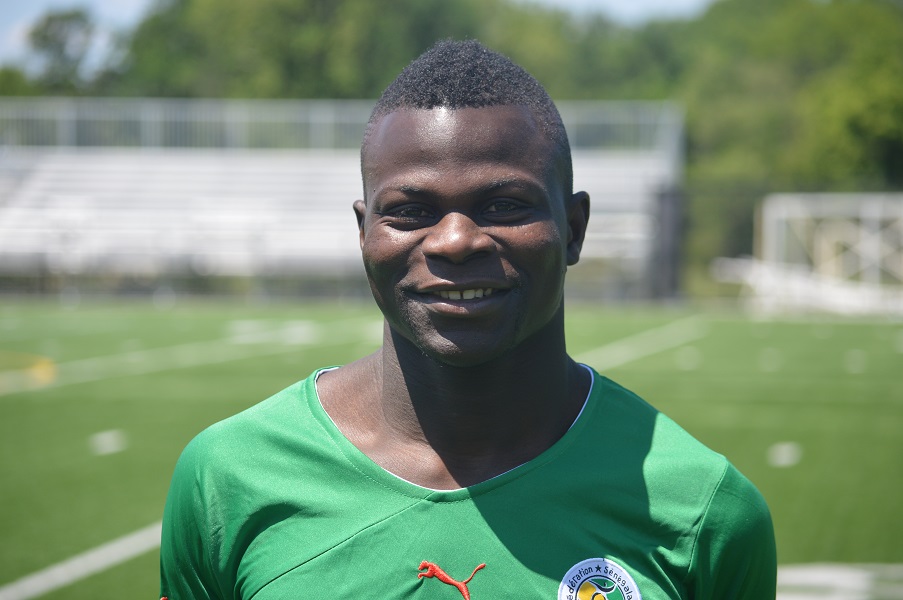
Yank Houba
Forward

Coaching Staff
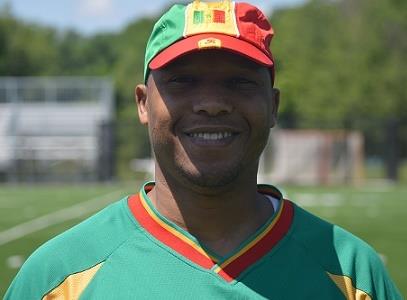
Mody Ndiaye
C
Mody Ndiaye
Head Coach