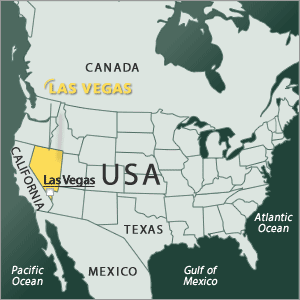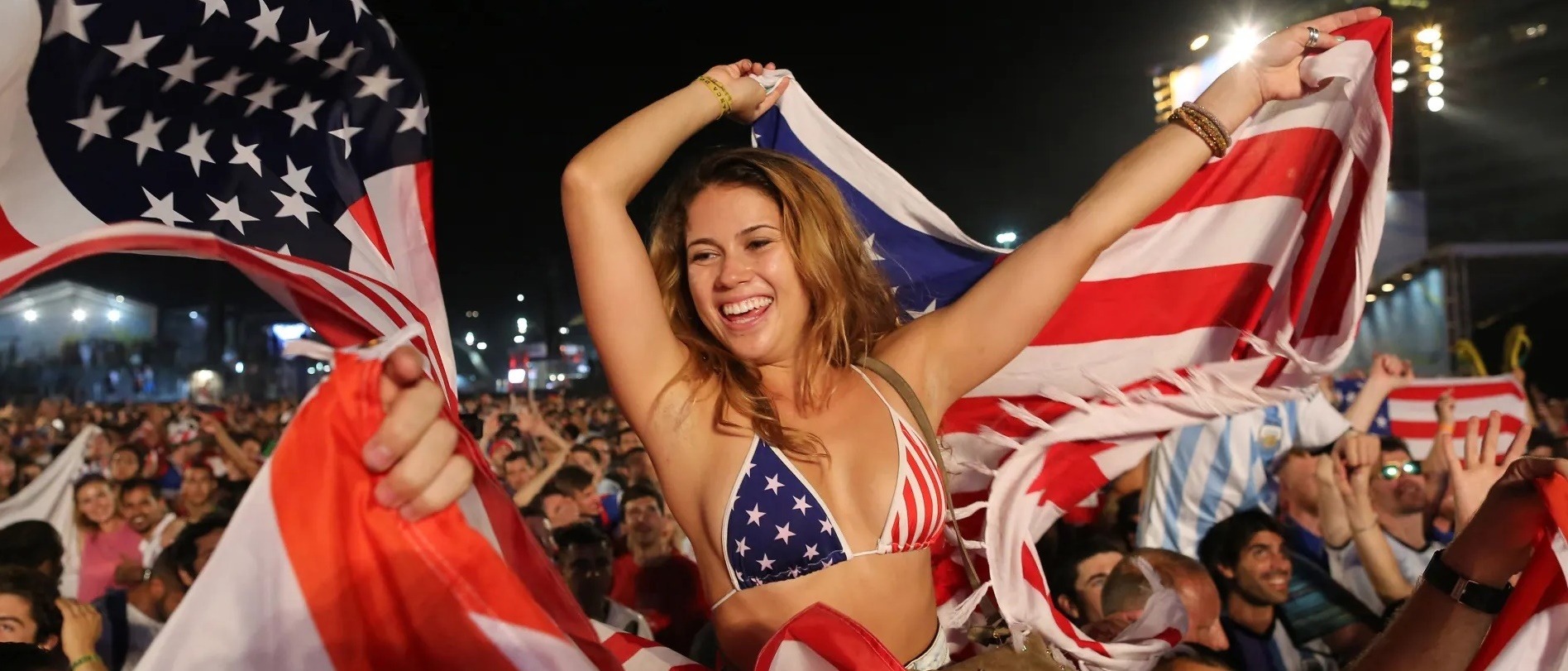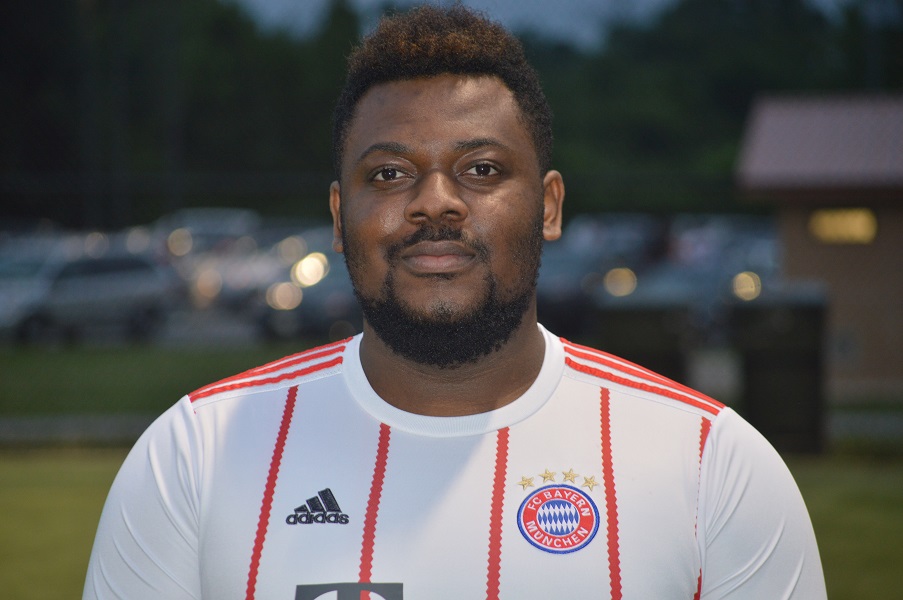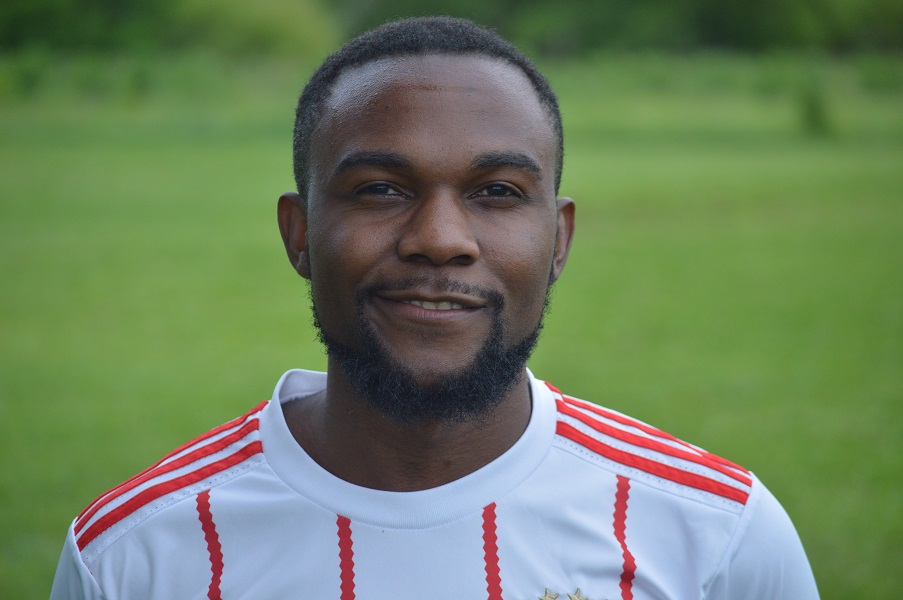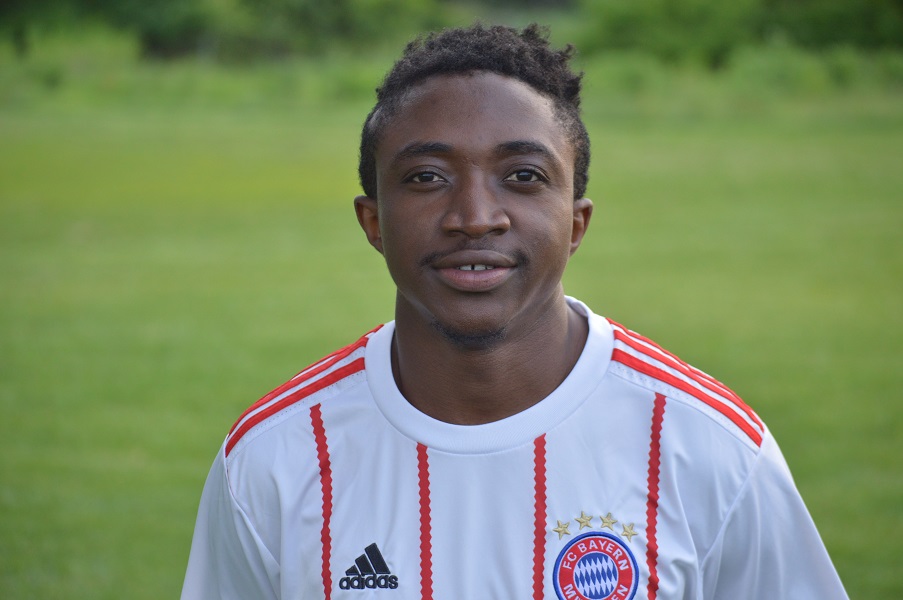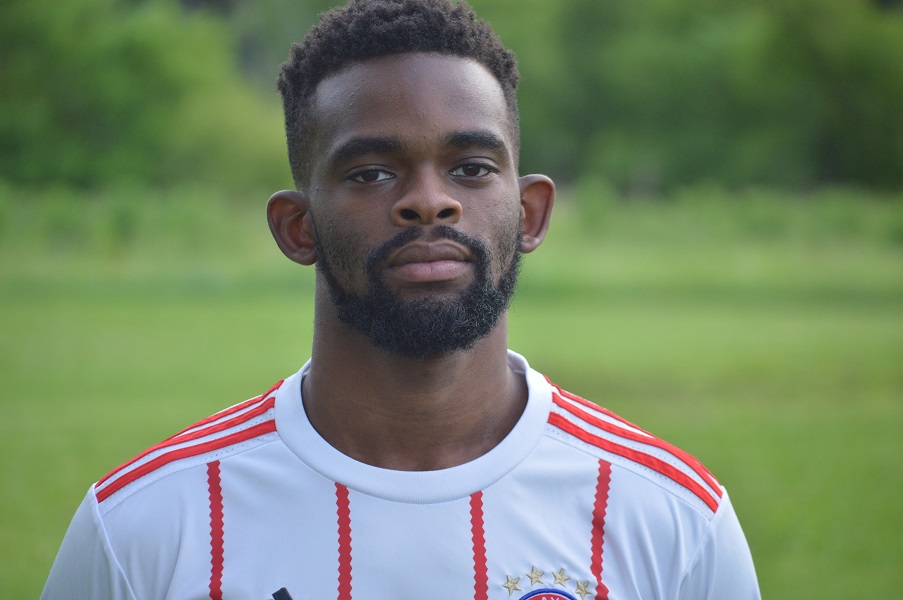

The Diaspora World Cup operates in some of the major cities and metro areas in
United States and
Canada. Our network of register players includes 20 cities, 200 countries, 400
teams, and 10,000
players. Join our movement to solve the world's most pressing challenges:
Illiteracy
Who We are text will be here Who We are text will be here Who We are text will
be here Who We
are text will be here Who We are text will be here Who We are text will be here
Who We are text
will be here Who We are text will be here Who We are text will be here
What We Do text will be here What We Do text will be here What We Do text will
be here What We
Do text will be here What We Do text will be here What We Do text will be here
What We Do text
will be here What We Do text will be here What We Do text will be here What We
Do text will be
here What We Do text will be here What We Do text will be here
Get Involved text will be here Get Involved text will be here Get Involved text
will be here Get
Involved text will be here Get Involved text will be here Get Involved text will
be here Get
Involved text will be here Get Involved text will be here Get Involved text will
be here Get
Involved text will be here
Education is a basic Human Right and the Diaspora World Cup global school
program focuses its
energy in some the poorest countries around the world. We build schools in some
of the poorest
countries around the worldthat historically had no adequate school structure.
Any member of the
World Diaspora has the power to end illiteracy around the world through the
power of soccer.
High-profile sport figures, global leaders, business leaders, political figure,
journalists,
activists, philanthropists, actors, and entrepreneurs united by their commitment
to the Diaspora
World Cup mission to eradicate illiteracy around the world through the power of
soccer. They serve
as role models and spread the Diaspora World Cup vision and commitment of a
world mobilized
through soccer.
Diaspora 2027: complete guide to all players | The Diaspora
UNITED S.
Welcome to the 2028 Diaspora World Cup. Burtonsville – Laurel
Burtonsville – Laurel
Welcome to the 2028 Diaspora World Cup. Burtonsville – Laurel
The United States (U.S.) "diaspora" within the DMV represents a unique sociopolitical dynamic. Because the phrase "diaspora" typically describes communities living outside their home nation, applying it to domestic citizens within the U.S. capital region highlights two distinct, highly visible groups: Native Washingtonians displaced by gentrification (the interna...The United States (U.S.) "diaspora" within the DMV represents a unique sociopolitical dynamic. Because the phrase "diaspora" typically describes communities living outside their home nation, applying it to domestic citizens within the U.S. capital region highlights two distinct,...
More Information
Chelsea Official
Download The 5th Stand, Chelsea’s official mobile app, to see exclusive content, match action and all the latest news from Stamford Bridge.
More Information
Street Soccer in United States
Street soccer is a popular recreational activity in the United States, where children and teenagers regularly play informal football matches in neighbourhood parks, school playgrounds, community courts, residential areas, public sports facilities, and local futsal venues. These games provide young players with an enjoyable way to stay active, improve their football skills, and build friendships through the sport.
The fast-paced nature of street soccer encourages close ball control, quick passing, creative dribbling, and intelligent movement. Playing in smaller spaces helps participants strengthen their technical ability, confidence, teamwork, and decision-making while adapting to different playing environments.
Street soccer offers an accessible and affordable way for communities across the United States to enjoy football without requiring professional stadiums or expensive facilities. It promotes healthy lifestyles, strengthens community connections, and inspires many young players to continue their football journey through schools, local clubs, academies, futsal programmes, and organised competitions.
Street Soccer Culture in United States
Football continues to grow in popularity throughout the United States, and street soccer is often where many children first develop their passion for the game. Informal matches organised by schools, friends, and neighbourhood communities create an inclusive atmosphere where players of different ages and skill levels can participate while sharing their enthusiasm for football.
Skills Developed Through Street Soccer
Street soccer helps players improve dribbling, first touch, passing accuracy, shooting technique, agility, balance, ball control, tactical awareness, and spatial awareness. Regular games also strengthen communication, creativity, confidence, composure, and the ability to make quick decisions during fast-paced matches.
Street Soccer and Community Development
Street soccer brings communities together through football while encouraging teamwork, positive youth participation, and active lifestyles. It also provides aspiring players with valuable experience before progressing to school teams, local football clubs, academies, futsal programmes, or organised youth football competitions.
UNITED S.
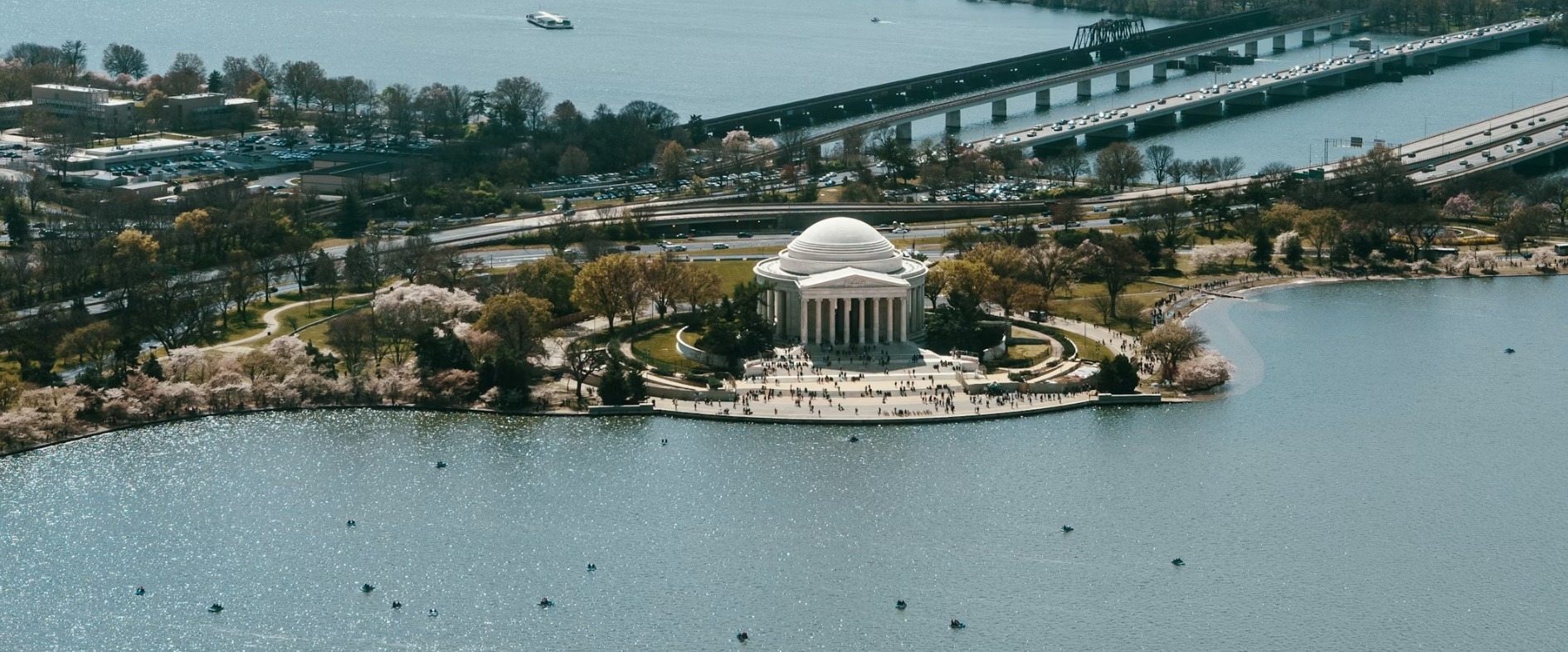
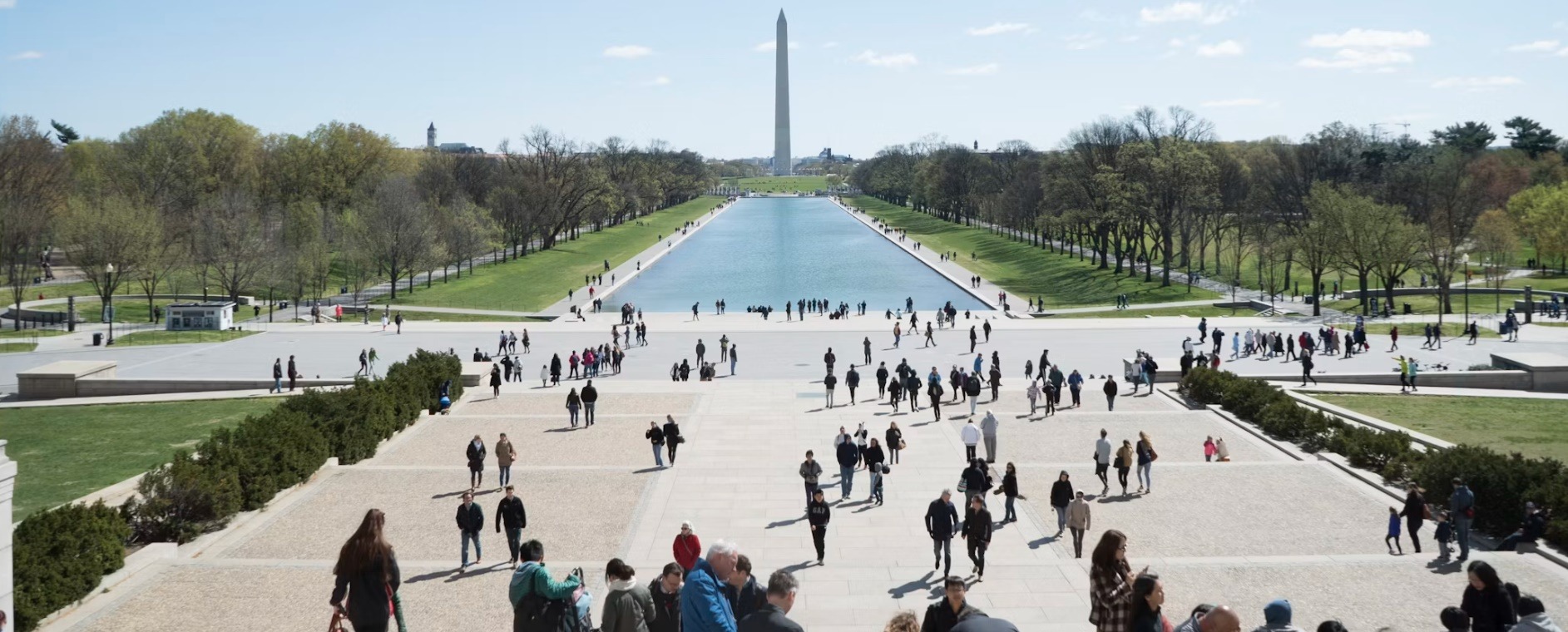
The United States (U.S.) "diaspora" within the DMV represents a unique sociopolitical dynamic. Because the phrase "diaspora" typically describes communities living outside their home nation, applying it to domestic citizens within the U.S. capital region highlights two distinct, highly visible groups: Native Washingtonians displaced by gentrification (the internal D.C. diaspora) and the Indigenous American diaspora consisting of tribal citizens relocated to the capital from sovereign nations across the country.
✊ The Native Washingtonian Diaspora
In a city famous for its highly transient influx of politicians, students, and military personnel, generational residents differentiate between the federal "Washington" and their local hometown, "D.C.":
The Gentrification Exodus: Over the last three decades, rapid redevelopment and skyrocketing housing costs have caused an unprecedented internal migration. Tens of thousands of historically Black, multi-generational Native Washingtonian families have been priced out of the District proper.
Suburban Relocation: This demographic shift has created a localized "hometown diaspora" in the surrounding suburbs. Displaced native residents have primarily re-established strong, culturally cohesive communities in Prince George's County, MD, and parts of Charles County, MD.
Preserving "D.C." Culture: Despite being physically pushed outside the city limits, this community actively preserves the District’s distinct hyper-local cultural anchors—such as Go-Go music, Mambo Sauce, and regional slang—through mobile festivals, underground artistic exhibitions, and digital preservation initiatives.
🪶 The Indigenous American Diaspora
Washington, D.C., is built on the ancestral, unceded lands of the Anacostan (Nacotchtank), Piscataway, and Pamunkey peoples. Today, the DMV is home to a unique "Indigenous diaspora":
Inter-Tribal Relocation: Thousands of Native Americans from sovereign tribal nations nationwide (including the Navajo, Cherokee, and Lakota) migrate to the DMV. They are primarily drawn by federal government appointments, law careers, the Department of the Interior, and national advocacy organizations.
Institutional Visibility: This diaspora heavily shapes the visual and legislative landscape of the capital. They utilize spaces like the National Museum of the American Indian and federal policy tables to bridge the gap between tribal sovereignty and federal administration.
Significance
Immigration has profoundly shaped the United States by influencing its population, economy, languages, religions, food, arts, scientific development, political life, and cultural identity.
Immigration to the United States began during the colonial era and continued through successive movements from Europe, Africa, Asia, Latin America, the Caribbean, the Middle East, and other regions. People arrived seeking land, employment, religious freedom, education, political safety, and family reunification. The country’s early development also depended heavily on the forced transportation and enslavement of Africans, whose labour and cultural contributions became fundamental to American history. Later immigrants worked in agriculture, mining, railways, factories, construction, commerce, healthcare, science, and technology. They established neighbourhoods, businesses, churches, mosques, synagogues, temples, newspapers, schools, mutual-aid societies, and cultural organisations that transformed communities across the nation.
Immigration Before American Independence
Before independence, migration was shaped by European colonisation, religious conflict, commercial expansion, indentured labour, and the Atlantic slave trade. English, Dutch, French, Spanish, Swedish, German, Irish, Scottish, and other settlers established colonies on lands already inhabited by Indigenous peoples. Some Europeans came voluntarily as farmers, merchants, religious dissenters, artisans, soldiers, and administrators, while others arrived under contracts as indentured servants. Africans were forcibly transported to the colonies and enslaved on plantations, farms, docks, and in urban trades. Colonial settlement produced economic growth and new institutions, but it also caused Indigenous displacement, warfare, disease, and extensive loss of land. By the American Revolution, the colonies contained populations of diverse European, African, Indigenous, and mixed backgrounds.
Nineteenth- and Twentieth-Century Immigration
Immigration increased dramatically during the nineteenth century as Irish, German, Scandinavian, Chinese, Italian, Jewish, Polish, Russian, and other migrants arrived because of famine, poverty, persecution, political conflict, and industrial employment. From 1892 to 1924, more than 12 million immigrants were processed at Ellis Island. Discriminatory laws later restricted Chinese immigration and introduced national-origin quotas that favoured certain European countries. After World War II, refugees, displaced persons, professionals, students, and families entered through new programmes. The Immigration and Nationality Act amendments of 1965 abolished the national-origins quota system and expanded immigration through family and employment categories, contributing to greater migration from Asia, Latin America, Africa, and the Caribbean.
Lorem ipsum dolor sit amet, consectetur adipiscing elit, sed do eiusmod tempor incididunt ut
labore et dolore magna aliqua. Ut enim ad minim veniam, quis nostrud exercitation ullamco
laboris nisi ut aliquip ex ea commodo consequat. Duis aute irure dolor in
reprehenderit in voluptate velit esse cillum dolore eu fugiat nulla pariatur.