
The Diaspora World Cup operates in some of the major cities and metro areas in
United States and
Canada. Our network of register players includes 20 cities, 200 countries, 400
teams, and 10,000
players. Join our movement to solve the world's most pressing challenges:
Illiteracy
Who We are text will be here Who We are text will be here Who We are text will
be here Who We
are text will be here Who We are text will be here Who We are text will be here
Who We are text
will be here Who We are text will be here Who We are text will be here
What We Do text will be here What We Do text will be here What We Do text will
be here What We
Do text will be here What We Do text will be here What We Do text will be here
What We Do text
will be here What We Do text will be here What We Do text will be here What We
Do text will be
here What We Do text will be here What We Do text will be here
Get Involved text will be here Get Involved text will be here Get Involved text
will be here Get
Involved text will be here Get Involved text will be here Get Involved text will
be here Get
Involved text will be here Get Involved text will be here Get Involved text will
be here Get
Involved text will be here
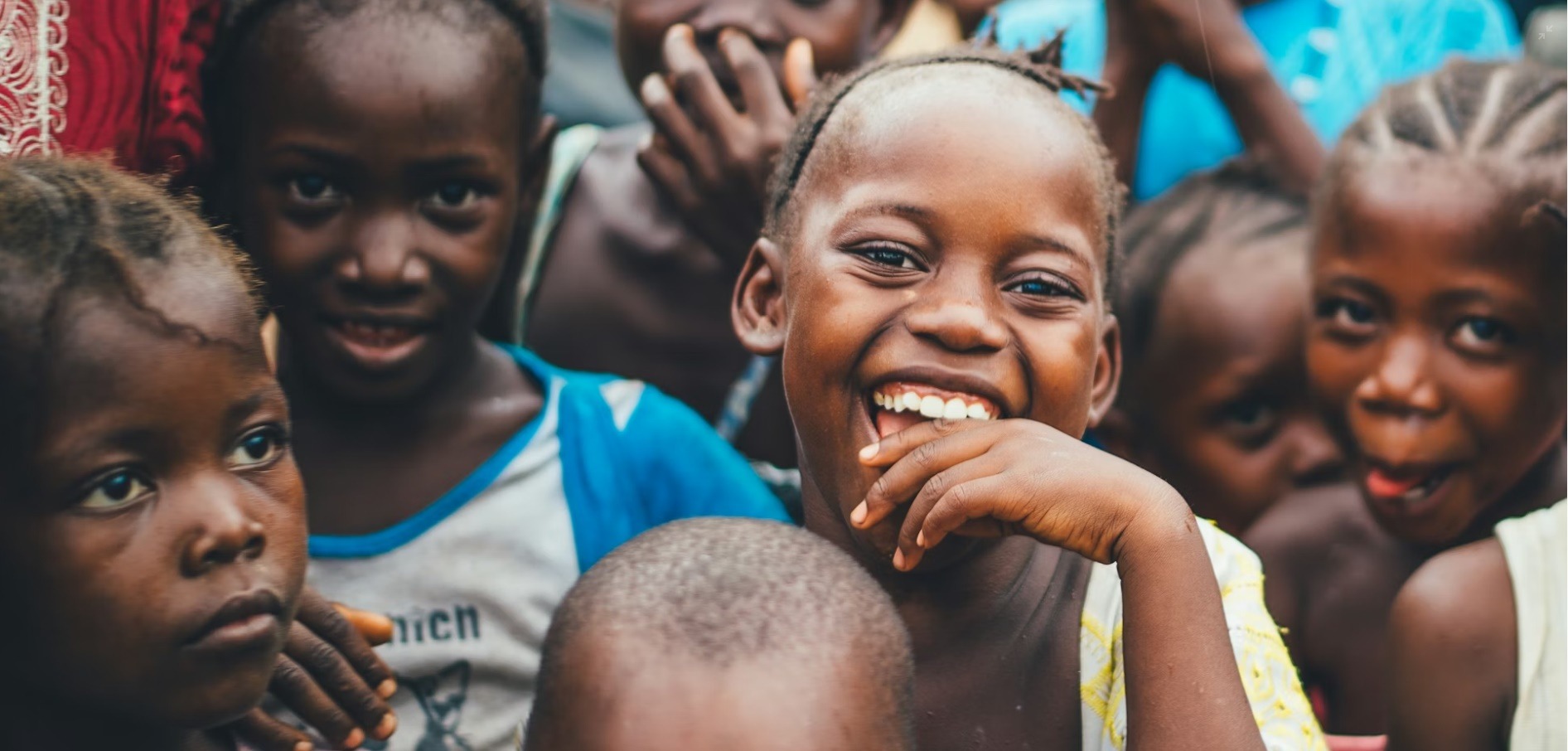
Education is a basic Human Right and the Diaspora World Cup global school
program focuses its
energy in some the poorest countries around the world. We build schools in some
of the poorest
countries around the worldthat historically had no adequate school structure.
Any member of the
World Diaspora has the power to end illiteracy around the world through the
power of soccer.
High-profile sport figures, global leaders, business leaders, political figure,
journalists,
activists, philanthropists, actors, and entrepreneurs united by their commitment
to the Diaspora
World Cup mission to eradicate illiteracy around the world through the power of
soccer. They serve
as role models and spread the Diaspora World Cup vision and commitment of a
world mobilized
through soccer.
Diaspora 2027: complete guide to all players | The Diaspora
AFRICAN U.
Welcome to the 2028 Diaspora World Cup. Burtonsville – Laurel
Burtonsville – Laurel
Welcome to the 2028 Diaspora World Cup. Burtonsville – Laurel
The DMV (Washington, D.C., Maryland, and Virginia) metropolitan area hosts one of the largest, most vibrant African diaspora populations in the United States. Communities from nations such as Ethiopia, Nigeria, Ghana, Eritrea, Somalia, and Cameroon heavily shape the region's cultural, economic, and civic life. History and Growth Early arrivals: Began in the late...The DMV (Washington, D.C., Maryland, and Virginia) metropolitan area hosts one of the largest, most vibrant African diaspora populations in the United States. Communities from nations such as Ethiopia, Nigeria, Ghana, Eritrea, Somalia, and Cameroon heavily shape the region's cult...
More Information
Chelsea Official
Download The 5th Stand, Chelsea’s official mobile app, to see exclusive content, match action and all the latest news from Stamford Bridge.
More Information
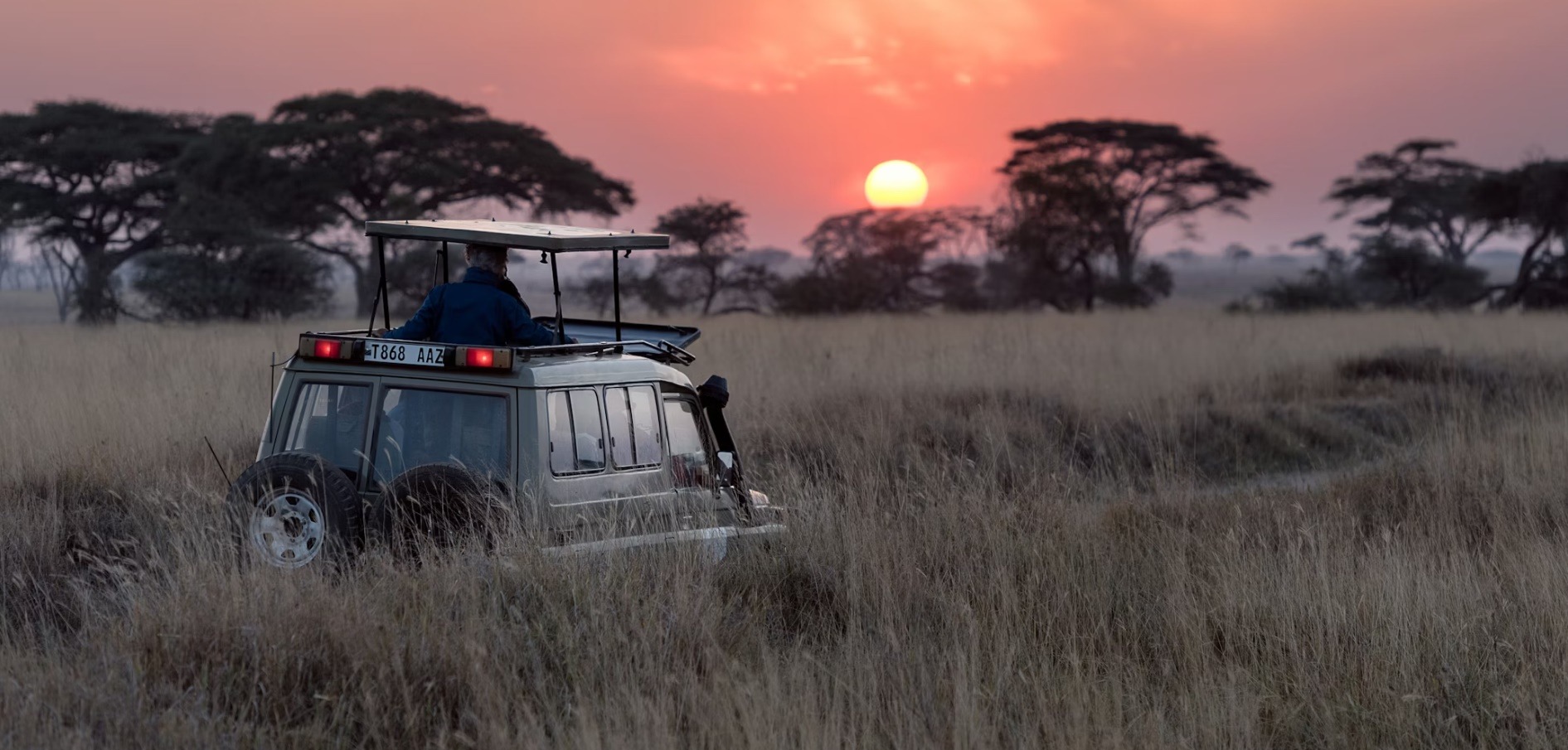
Street Soccer in African Union
Street soccer is enjoyed across many African Union member countries, where football is one of the most popular sports among children and teenagers. Informal matches are commonly played in neighbourhood streets, school grounds, community fields, and open public spaces, bringing together players of different ages throughout the year.
Street soccer plays an important role in developing football skills in areas where access to professional facilities may be limited. Small-sided games encourage creativity, quick thinking, close ball control, and teamwork while allowing players to enjoy the sport in a fun and inclusive environment.
The accessibility of street soccer makes it a popular community activity that promotes physical fitness, friendship, and a shared passion for football across diverse cultures and regions.
Street Soccer Culture in African Union
Football is deeply rooted in many African communities, and street soccer is often the first introduction to the sport for young players. Informal games are organised by friends, schools, neighbourhood groups, and local communities, creating opportunities for everyone to participate regardless of experience.
Skills Developed Through Street Soccer
Street soccer helps players strengthen dribbling, passing, balance, agility, and ball control. The fast-paced nature of the game encourages communication, confidence, creativity, and quick decision-making in challenging situations.
Street Soccer and Community Development
Street soccer helps unite communities by encouraging social interaction and active lifestyles among young people. It also provides a foundation for talented players to progress into school teams, local football clubs, youth academies, and organised football development programmes.
The African U. in the DMV Metro
The DMV (Washington, D.C., Maryland, and Virginia) metropolitan area hosts one of the largest, most vibrant African diaspora populations in the United States. Communities from nations such as Ethiopia, Nigeria, Ghana, Eritrea, Somalia, and Cameroon heavily shape the region's cultural, economic, and civic life.
History and Growth
Early arrivals: Began in the late 1950s and 1960s as diplomats and students attending institutions like Howard University.
Later migration: Expanded significantly from the 1980s onward through refugee resettlements, diversity visas, and professional migration, making the metro area a top U.S. destination for sub-Saharan immigrants.
Multicultural fabric: Blends deeply with the region's long-standing African American community, broadening local Black community life into a multi-ethnic network.
Community and Economy
Enterprise and culture: Home to numerous African-owned grocery stores, markets, and civic organizations across D.C., Maryland, and Virginia.
Advocacy and networking: Organizations like African Communities Together offer direct support and legal advocacy, while groups like the African Diaspora Network expand economic empowerment and policy engagement from their regional offices.
Significance
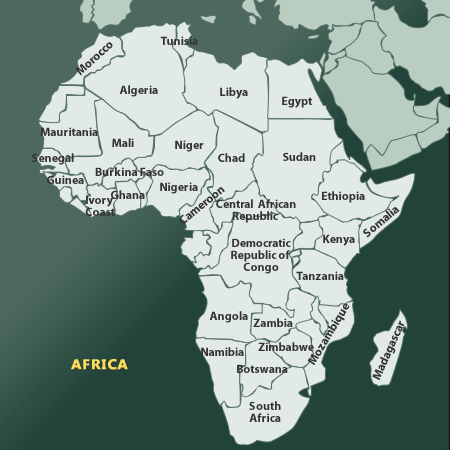
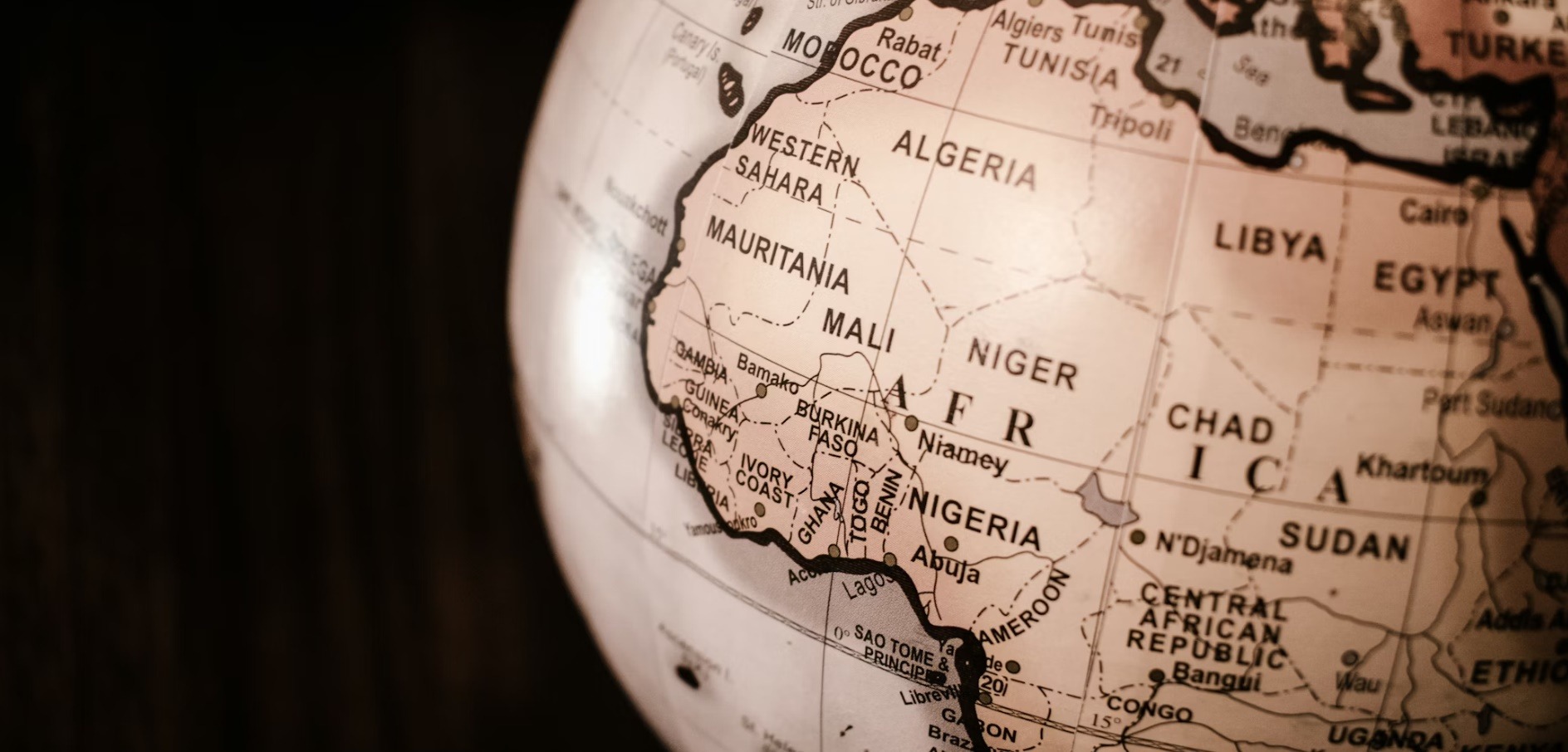
Migration within and beyond Africa has generally reflected employment opportunities, regional trade, political conflict, economic inequality, environmental pressures, and the search for safety.
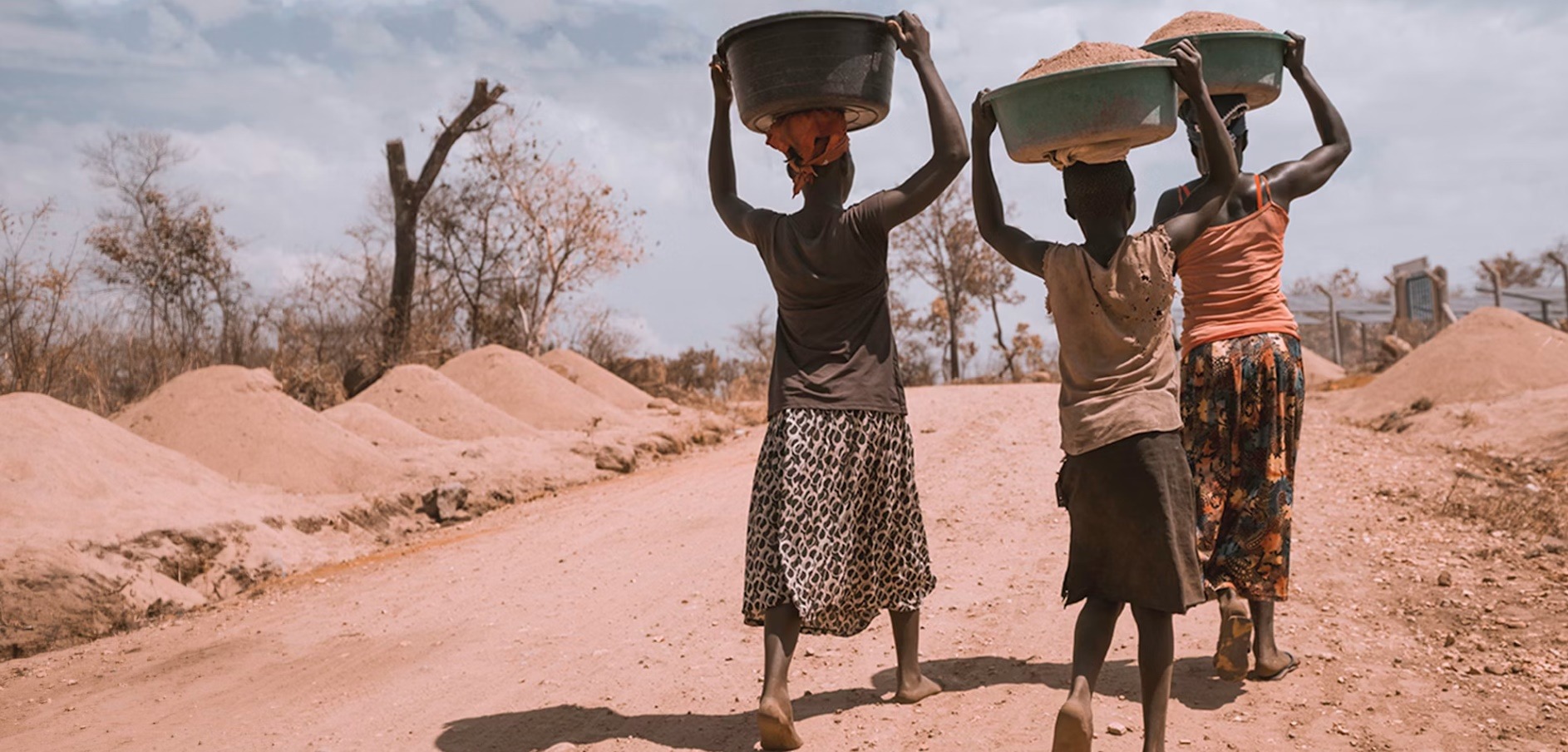
African migration developed through centuries of trade, farming, pastoral movement, family connections, and labour migration across different regions of the continent. During the colonial period, newly created borders divided communities and encouraged workers to travel to mines, plantations, ports, railways, and growing cities. Migration increased after African countries gained independence because of employment, education, civil wars, political instability, drought, and economic hardship. Although some Africans migrated to Europe, North America, and the Middle East, most remained within Africa and settled in neighbouring countries. The African Union now promotes cooperation among member states to improve migration management, protect displaced people, reduce human trafficking, and support safer movement across the continent.
African Migration Before the African Union
Before the African Union was created, movement across Africa was influenced by traditional trade routes, seasonal agriculture, livestock farming, marriage, religious travel, and family relationships. European colonial governments later established national borders that separated ethnic groups and disrupted long-established patterns of movement. At the same time, colonial industries recruited large numbers of African workers for mines, farms, plantations, construction projects, ports, and railway systems. After independence, migration continued as people moved toward cities and economically stronger countries in search of employment and education. Political repression, military coups, civil wars, and regional conflicts also forced many families to seek protection in neighbouring states, creating large refugee and displaced populations throughout Africa.
Twenty-First-Century Migration
The African Union was officially established in 2002 and made migration, regional integration, refugee protection, and economic development important parts of its continental policies. During the twenty-first century, Africans have continued to migrate for employment, education, trade, family reunification, and safety from political violence or environmental disasters. Regional organisations have encouraged easier movement between participating countries, while the African Union has promoted safer, orderly, and legal migration. Most African migrants continue to live in other African countries, although significant communities have also developed in Europe, North America, and the Middle East. Migrants contribute through business, healthcare, agriculture, construction, transportation, education, and technology but may still experience discrimination, exploitation, unemployment, unsafe journeys, and uncertain legal status.
Lorem ipsum dolor sit amet, consectetur adipiscing elit, sed do eiusmod tempor incididunt ut
labore et dolore magna aliqua. Ut enim ad minim veniam, quis nostrud exercitation ullamco
laboris nisi ut aliquip ex ea commodo consequat. Duis aute irure dolor in
reprehenderit in voluptate velit esse cillum dolore eu fugiat nulla pariatur.