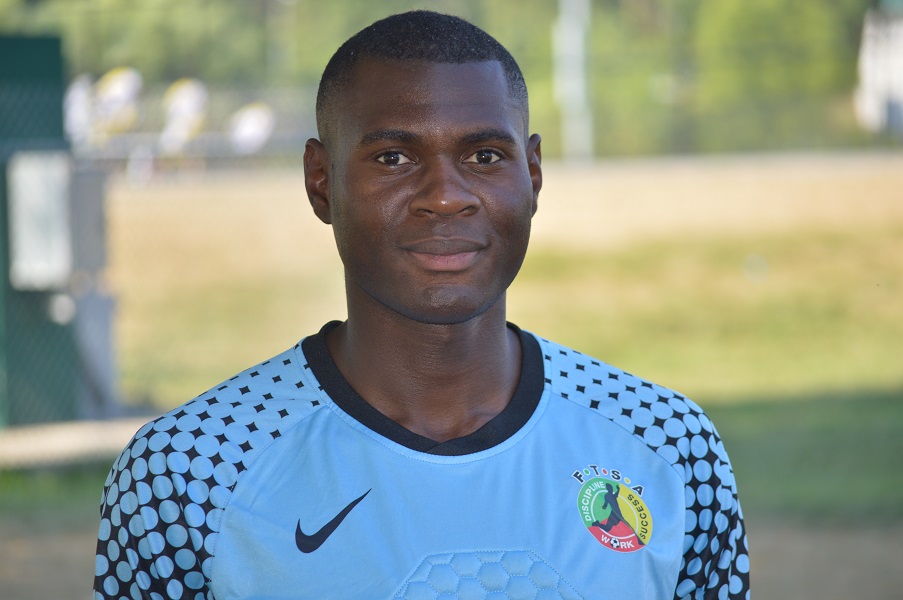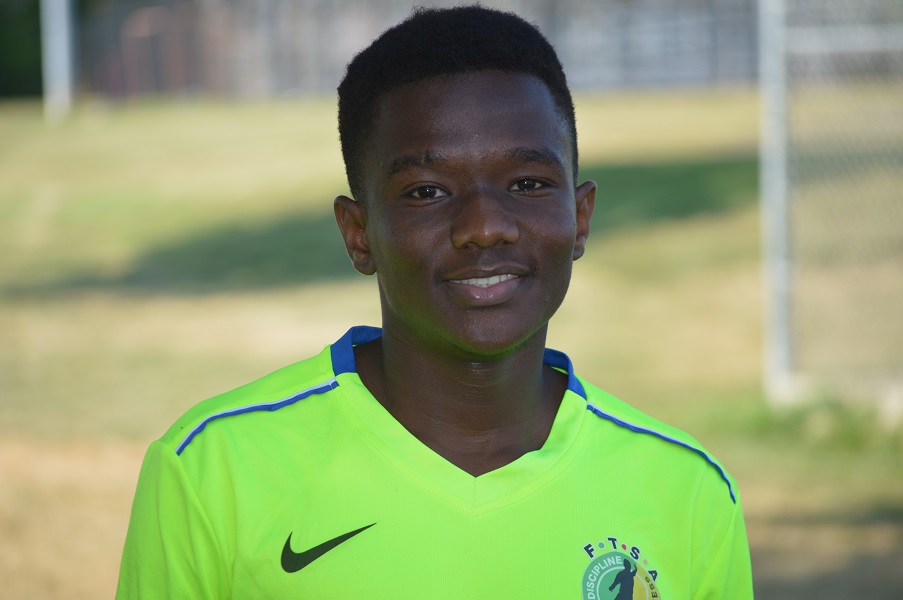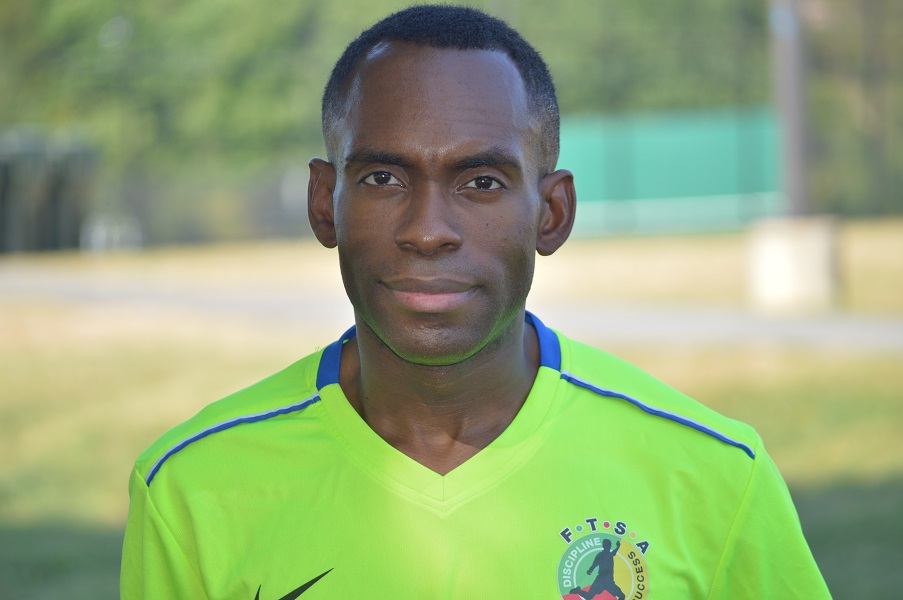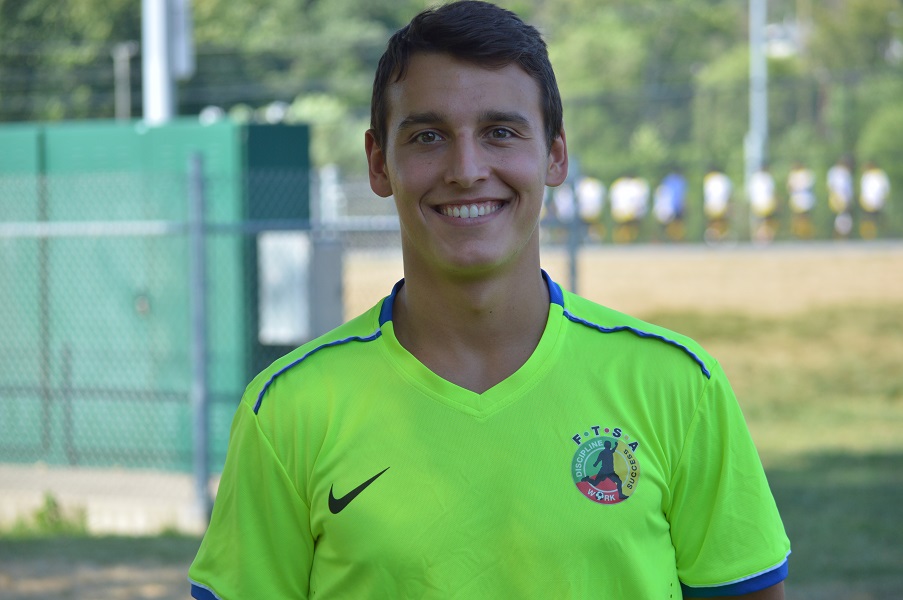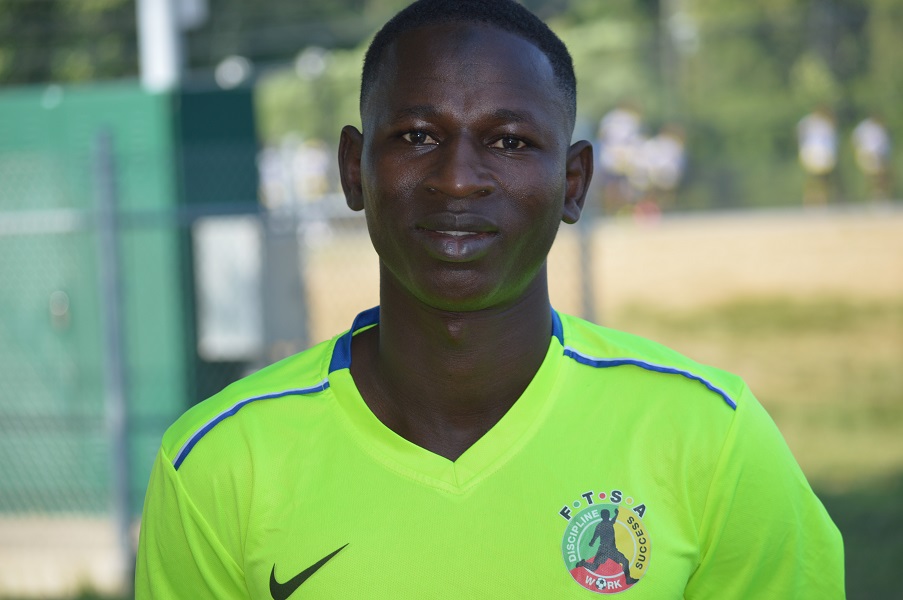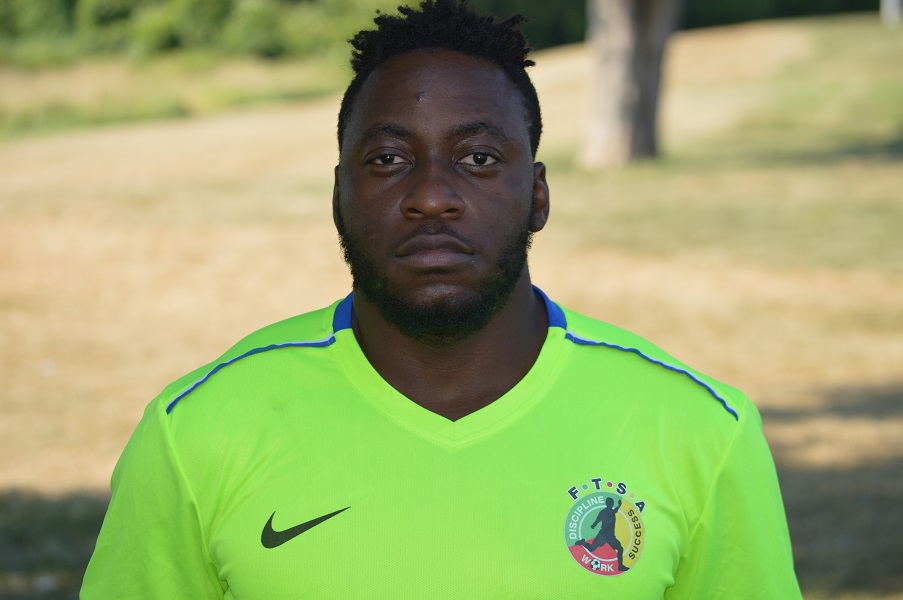

The Diaspora World Cup operates in some of the major cities and metro areas in
United States and
Canada. Our network of register players includes 20 cities, 200 countries, 400
teams, and 10,000
players. Join our movement to solve the world's most pressing challenges:
Illiteracy
Who We are text will be here Who We are text will be here Who We are text will
be here Who We
are text will be here Who We are text will be here Who We are text will be here
Who We are text
will be here Who We are text will be here Who We are text will be here
What We Do text will be here What We Do text will be here What We Do text will
be here What We
Do text will be here What We Do text will be here What We Do text will be here
What We Do text
will be here What We Do text will be here What We Do text will be here What We
Do text will be
here What We Do text will be here What We Do text will be here
Get Involved text will be here Get Involved text will be here Get Involved text
will be here Get
Involved text will be here Get Involved text will be here Get Involved text will
be here Get
Involved text will be here Get Involved text will be here Get Involved text will
be here Get
Involved text will be here
Education is a basic Human Right and the Diaspora World Cup global school
program focuses its
energy in some the poorest countries around the world. We build schools in some
of the poorest
countries around the worldthat historically had no adequate school structure.
Any member of the
World Diaspora has the power to end illiteracy around the world through the
power of soccer.
High-profile sport figures, global leaders, business leaders, political figure,
journalists,
activists, philanthropists, actors, and entrepreneurs united by their commitment
to the Diaspora
World Cup mission to eradicate illiteracy around the world through the power of
soccer. They serve
as role models and spread the Diaspora World Cup vision and commitment of a
world mobilized
through soccer.
Diaspora 2027: complete guide to all players | The Diaspora
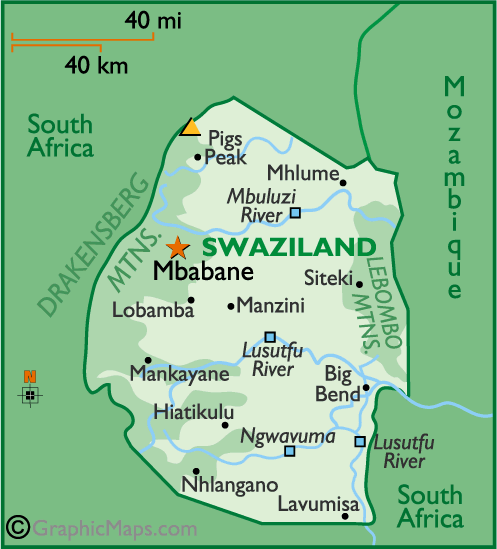
SWAZILAND
Welcome to the 2028 Diaspora World Cup. Burtonsville – Laurel
Burtonsville – Laurel
Welcome to the 2028 Diaspora World Cup. Burtonsville – Laurel
The Swaziland (officially Eswatini) diaspora in the DMV (District of Columbia, Maryland, and Virginia) region is an exceptionally small, close-knit, and transient community. Because the home country has a small total population (around 1.2 million), its global diaspora is highly concentrated in closer regional hubs like South Africa. In the U.S. capital region, t...The Swaziland (officially Eswatini) diaspora in the DMV (District of Columbia, Maryland, and Virginia) region is an exceptionally small, close-knit, and transient community. Because the home country has a small total population (around 1.2 million), its global diaspora is highly...
More Information
Chelsea Official
Download The 5th Stand, Chelsea’s official mobile app, to see exclusive content, match action and all the latest news from Stamford Bridge.
More Information
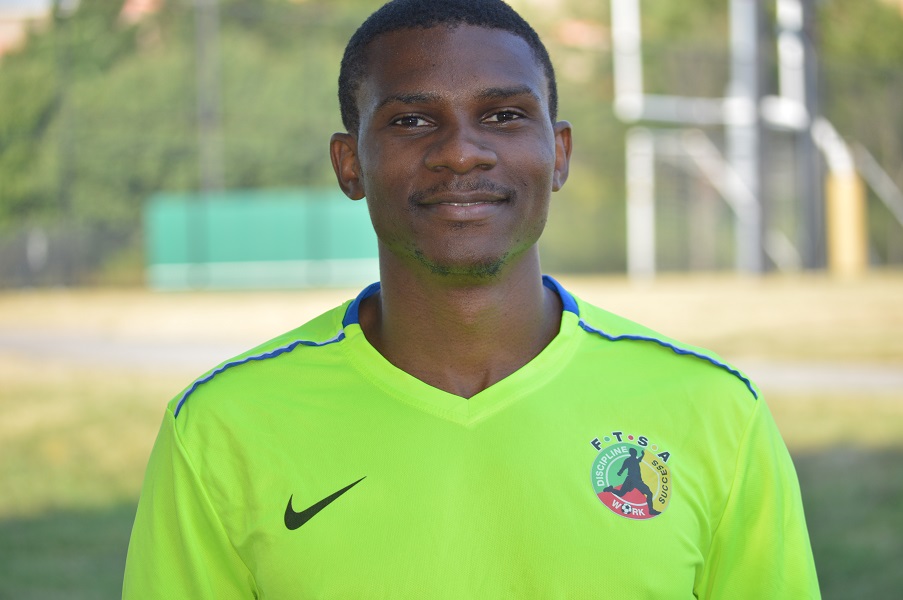
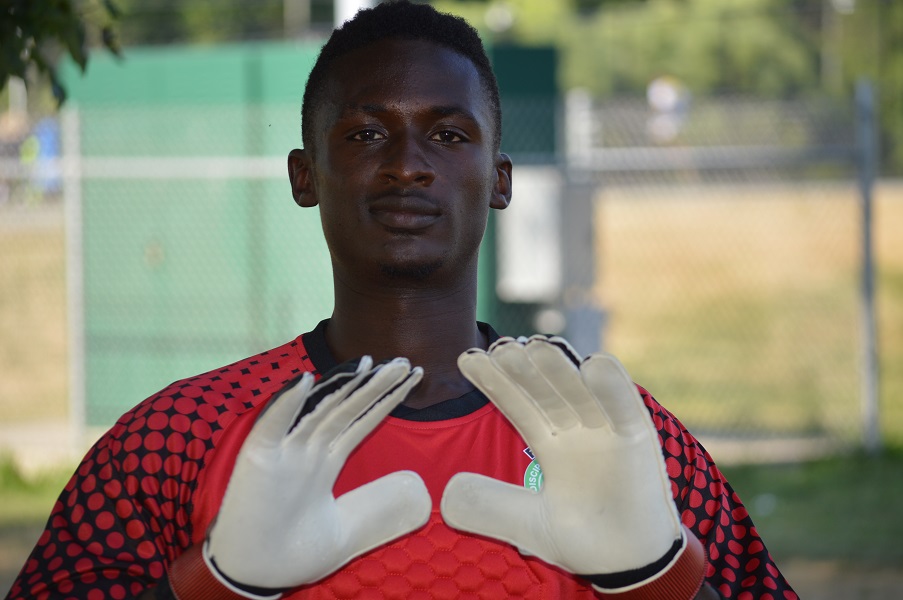
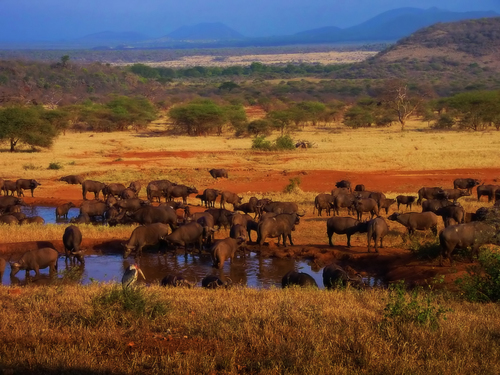
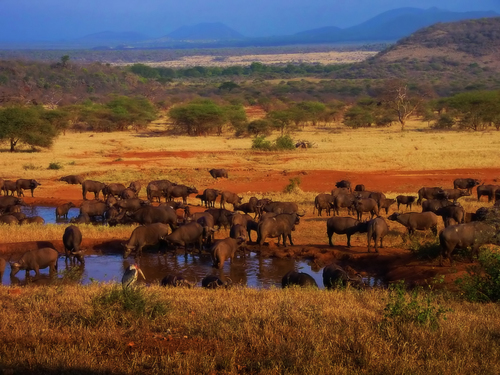
Street Soccer in Eswatini (Swaziland)
Street soccer is a popular community activity in Eswatini (formerly known as Swaziland), where children and teenagers regularly play informal football matches in neighbourhood areas, school grounds, village fields, community spaces, and open playgrounds. These games provide young players with an enjoyable way to stay active, improve their football skills, and build strong friendships through the sport.
The energetic style of street soccer encourages quick passing, close ball control, creative dribbling, and continuous movement. Playing on smaller pitches and different surfaces helps participants improve adaptability, confidence, teamwork, and decision-making while enjoying competitive but friendly matches.
Street soccer remains one of the most accessible and affordable ways for communities across Eswatini to enjoy football without requiring professional facilities. It promotes healthy lifestyles, strengthens community relationships, and inspires many young players to continue their football journey.
Street Soccer Culture in Eswatini (Swaziland)
Football is one of the most popular sports in Eswatini, and street soccer is often where many children first develop their passion for the game. Informal matches organised by schools, friends, and local communities create a welcoming environment where players of different ages and abilities can participate while sharing their enthusiasm for football.
Skills Developed Through Street Soccer
Street soccer helps players improve dribbling, first touch, passing accuracy, shooting technique, agility, balance, ball control, and tactical awareness. Regular games also strengthen communication, creativity, confidence, resilience, and the ability to make quick decisions during fast-paced situations.
Street Soccer and Community Development
Street soccer brings communities together through football while encouraging teamwork, positive youth participation, and active lifestyles. It also provides aspiring players with valuable experience before progressing to school teams, local football clubs, academies, or organised youth football programmes.
The SWAZILAND in the DMV Metro
The Swaziland (officially Eswatini) diaspora in the DMV (District of Columbia, Maryland, and Virginia) region is an exceptionally small, close-knit, and transient community. Because the home country has a small total population (around 1.2 million), its global diaspora is highly concentrated in closer regional hubs like South Africa. In the U.S. capital region, the Swati community does not form a large residential neighborhood; instead, it operates as a specialized network of diplomats, international development consultants, public health experts, and university students.
🏛️ The Diplomatic and Institutional Anchor
Because the community is concentrated around Washington, D.C., its civic and formal administrative life centers almost entirely on formal diplomatic channels: [1]
The Embassy of the Kingdom of Eswatini: Located on 16th Street NW, the Embassy of Eswatini acts as the absolute institutional and administrative core for the diaspora. The embassy handles passport renewals and consular affairs for Swati nationals residing across the United States. [1]
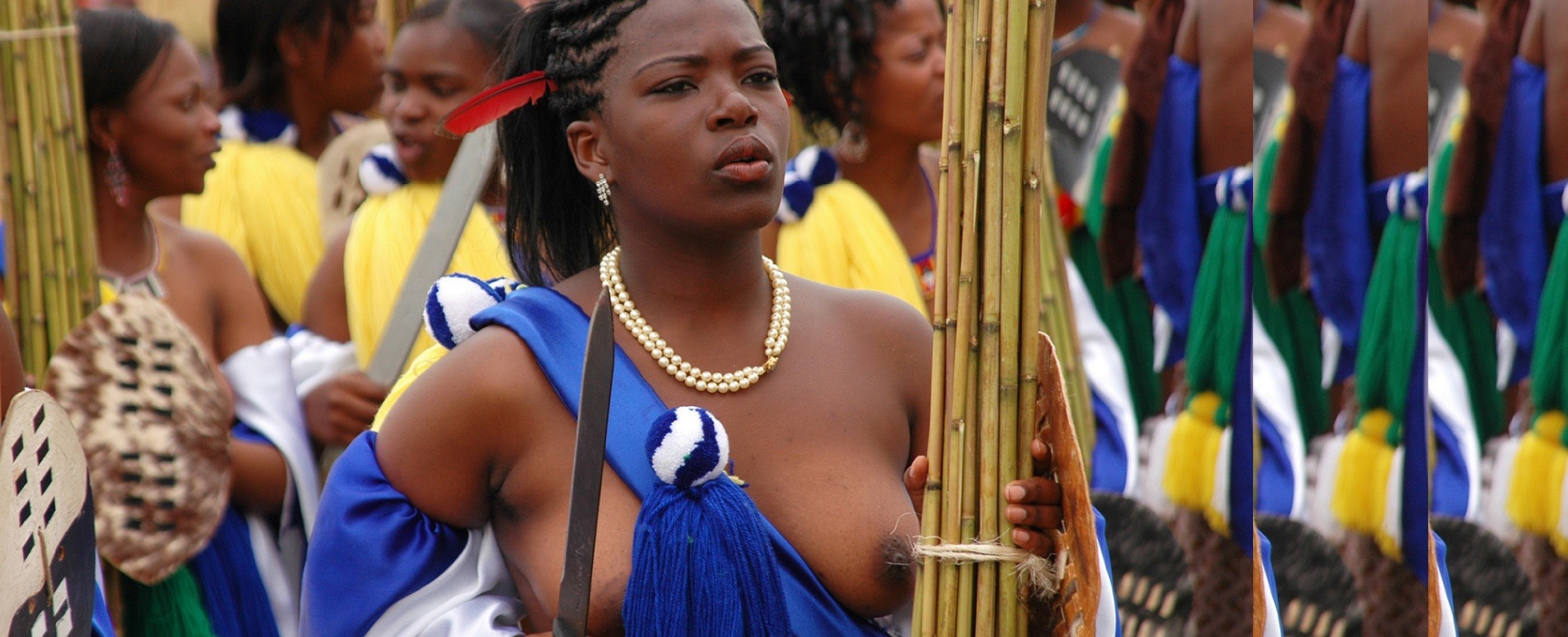
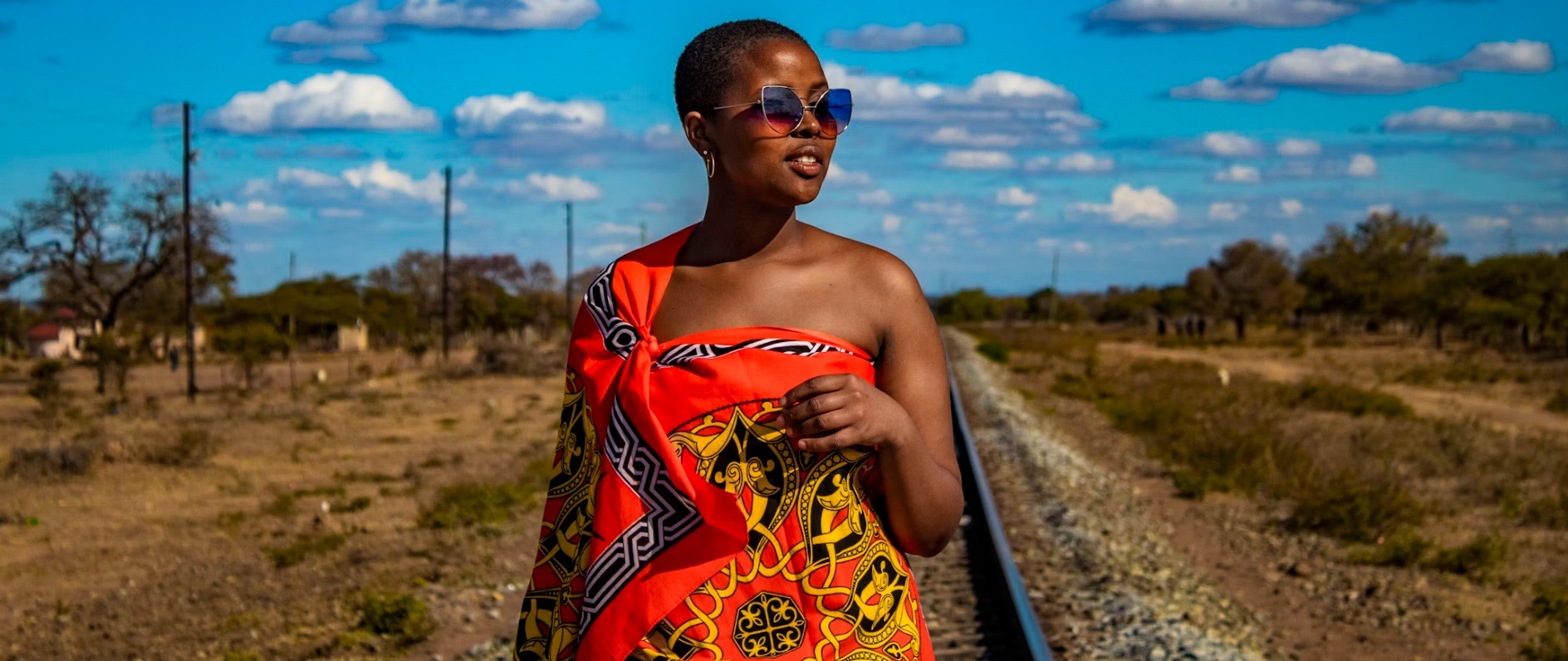
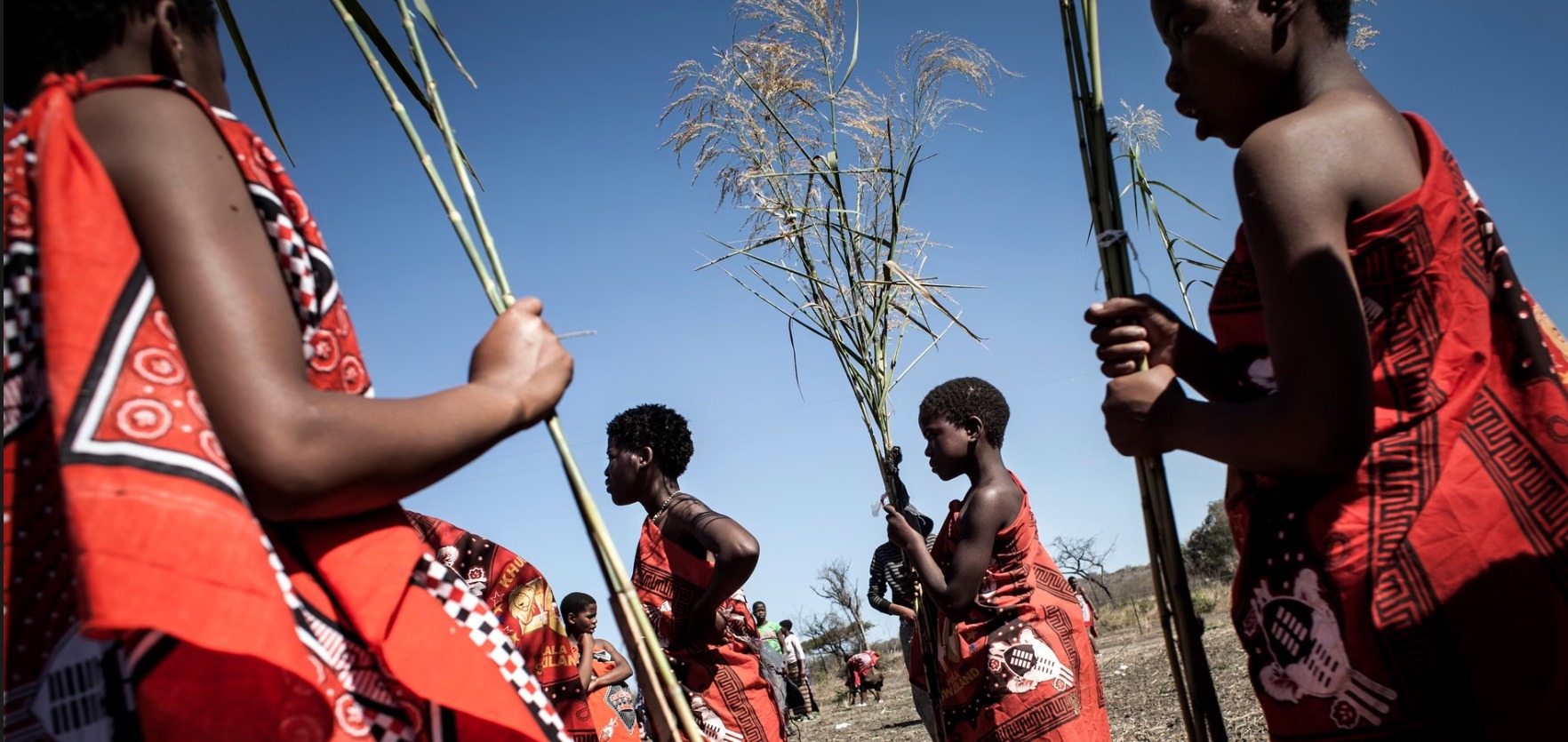
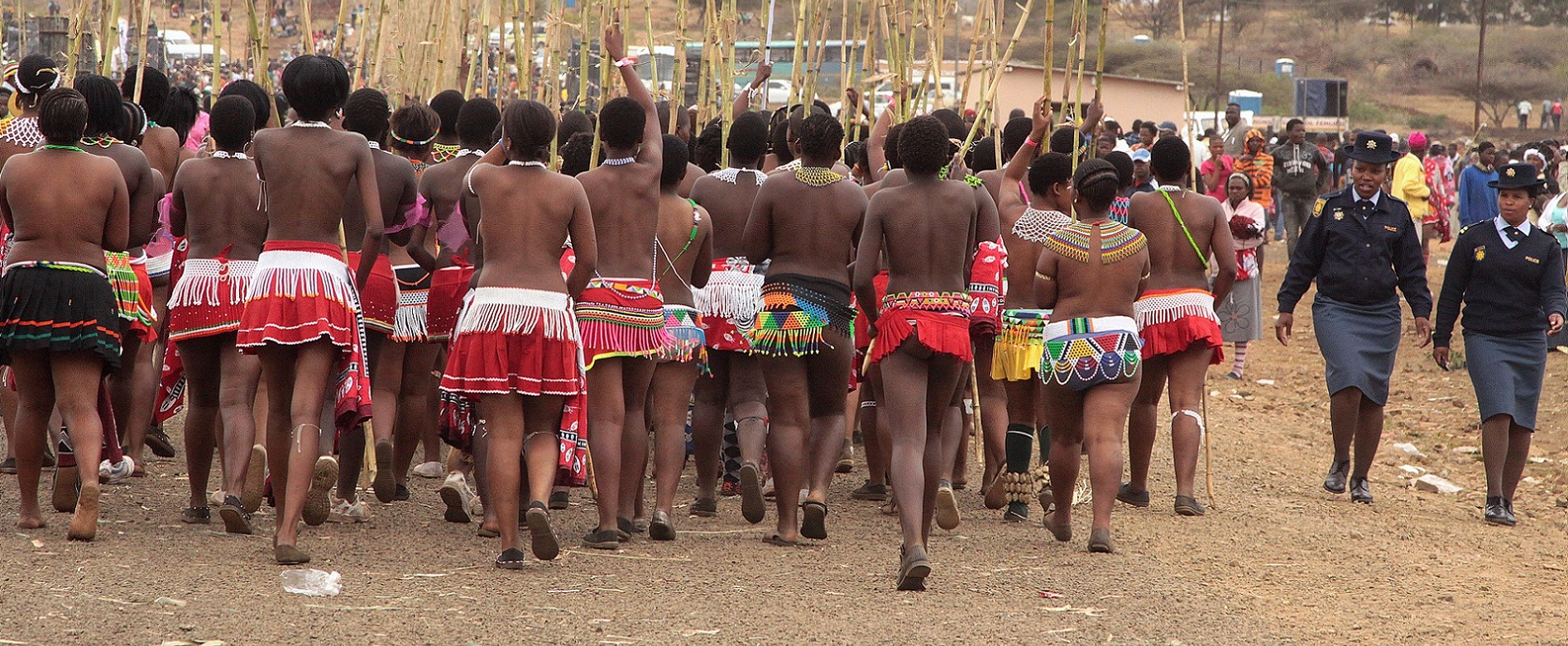
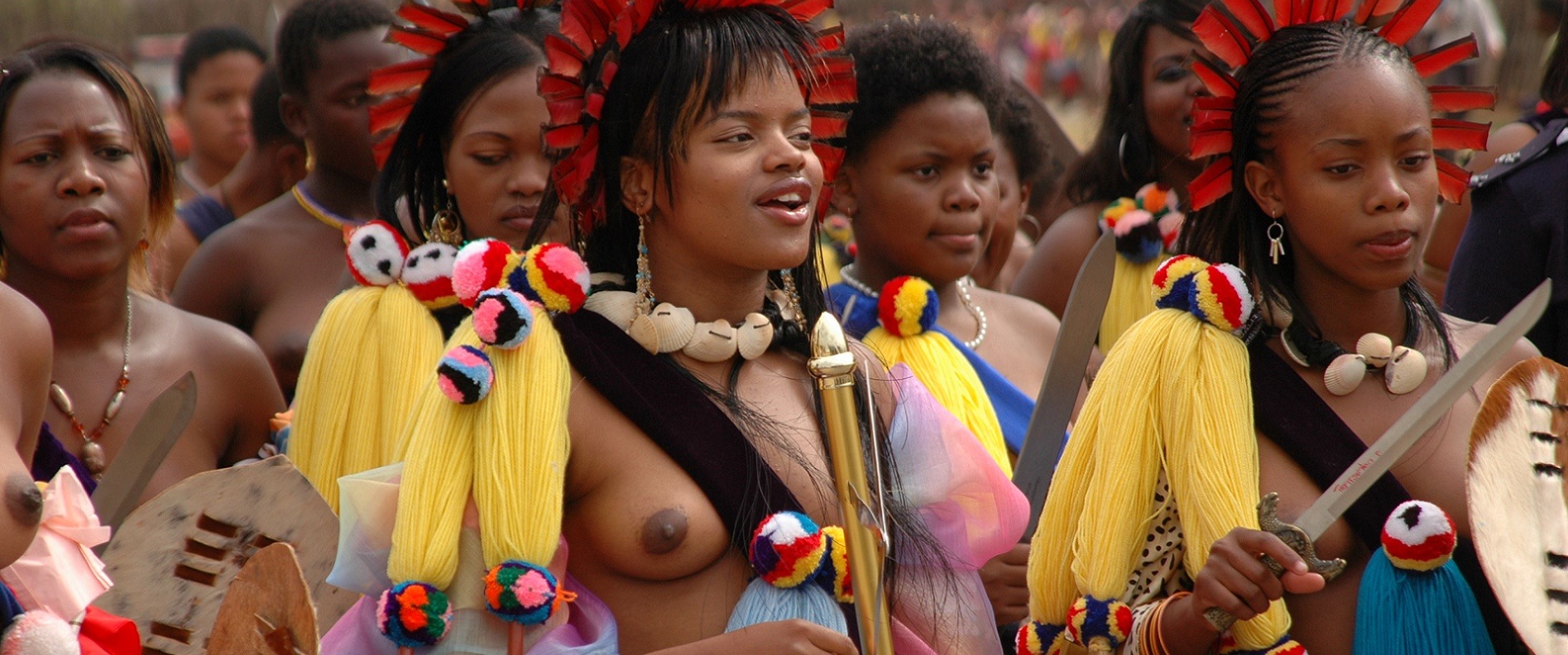
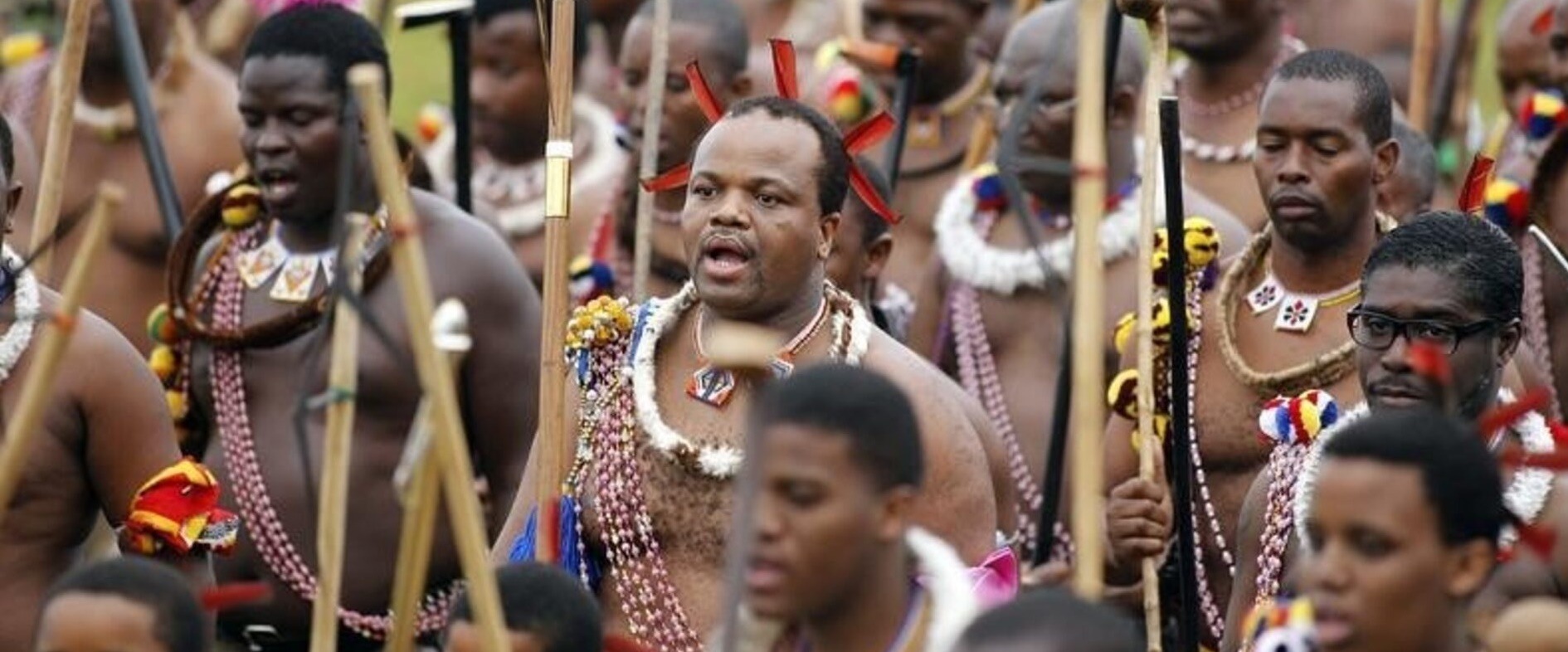
Cultural Windows: The embassy serves as a vital focal point for introducing Swati heritage to the broader American public. They occasionally host targeted cultural events, highlighting the nation's vibrant traditions of beadwork, music, and garments, alongside seasonal observances like the Incwala (First Fruits Festival) and the Umhlanga (Reed Dance). [1]
🤝 Strategic Geopolitical and Public Health Networks
Due to the strong footprint of federal and global health organizations in the DMV, many Swati professionals in the region are highly active in global development:
Multilateral Integration: Members of the diaspora are frequently employed by downtown D.C. institutions such as the World Bank and the International Monetary Fund (IMF), consulting on economic sustainability and trade infrastructure for Southern Africa.
Public Health and PEPFAR: Given Eswatini’s history of managing high HIV prevalence rates through deep structural support from the U.S. President’s Emergency Plan for AIDS Relief (PEPFAR), the local diaspora contains a notable cohort of public health researchers and medical analysts collaborating with global agencies like USAID and the National Institutes of Health (NIH) in Bethesda, MD.
🌍 Inter-African and Southern African Social Spaces
Because of their small numbers, Swati nationals in the DMV rarely establish independent physical community spaces or restaurants. Instead, they integrate into broader, highly collaborative networks:
Southern African Alliances: Swati expats frequently bond socially with larger regional diaspora networks, heavily intermingling with the South African, Zimbabwean, and Basotho (Lesotho) communities in the DMV.
Shared Cultural Events: Families and young professionals routinely connect through pan-African student groups across regional universities (such as Georgetown and Howard University) and gather at multi-cultural African festivals hosted throughout Washington D.C. and Silver Spring, MD.
🗺️ Demographic Distribution
The population features a highly integrated suburban and urban footprint:
Washington, D.C. Proper: Mostly comprised of active diplomatic personnel, international development experts, and graduate students residing near Foggy Bottom, DuPont Circle, and Columbia Heights.
Suburban Maryland & Northern Virginia: Small pockets of multi-generational families and healthcare contractors live in Montgomery County, MD, and Fairfax County, VA, utilizing digital communication groups to maintain strong ties.
Significance
Swazi migration has generally reflected British colonial rule, regional labour demand, limited domestic employment, mining, agriculture, education, professional opportunities, family connections, and the search for improved living conditions.
Migration from Swaziland—officially renamed Eswatini in 2018—has historically occurred mainly within southern Africa rather than through large-scale movement to the United States. Swazi workers commonly travelled to South Africa for employment in gold and coal mines, farms, factories, domestic service, and construction. Students, traders, teachers, healthcare workers, government officials, and families also moved between Eswatini, South Africa, Mozambique, and other neighbouring countries. Direct migration to the United States remained comparatively limited and mainly involved university students, diplomats, religious workers, academics, skilled professionals, businesspeople, and relatives joining established family members. Migrants maintained connections through remittances, return visits, cultural organisations, and support for relatives at home.
Swazi Migration Before Independence
Before independence, migration was shaped by regional population movement, British administration, agriculture, mining, taxation, land loss, and employment opportunities in South Africa. Swazi men frequently travelled across the border as contract workers in mines, farms, and industrial centres, and their wages became important sources of support for rural households. Other residents moved for trade, education, military service, religious training, and family responsibilities. During the colonial period, some workers living inside and outside Swaziland contributed part of their earnings to funds intended to recover land lost through earlier concession agreements. Direct migration to the United States was uncommon because most political, educational, and economic connections operated through Britain and southern Africa. Swaziland gained independence on September 6, 1968.
Late-Twentieth- and Early-Twenty-First-Century Migration
After independence, labour migration to South Africa continued, although expanding sugar production, forestry, manufacturing, government services, and urban employment created additional opportunities within Swaziland. Economic difficulties, unemployment, education, and specialised careers still encouraged some citizens to move to South Africa, Britain, the United States, Canada, and other countries. Students, nurses, doctors, teachers, engineers, academics, businesspeople, and family-sponsored migrants formed small overseas communities. Eswatini also received workers and refugees from neighbouring African countries, making it both a country of emigration and immigration. Swazi communities abroad preserved siSwati, traditional food, music, dance, Christianity, Indigenous customs, and national ceremonies while maintaining close family and economic relationships with Eswatini.
Lorem ipsum dolor sit amet, consectetur adipiscing elit, sed do eiusmod tempor incididunt ut
labore et dolore magna aliqua. Ut enim ad minim veniam, quis nostrud exercitation ullamco
laboris nisi ut aliquip ex ea commodo consequat. Duis aute irure dolor in
reprehenderit in voluptate velit esse cillum dolore eu fugiat nulla pariatur.