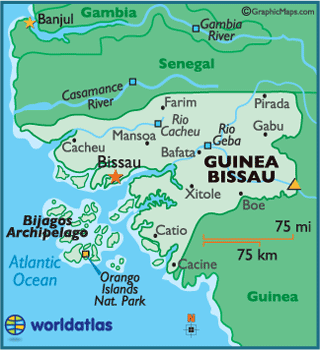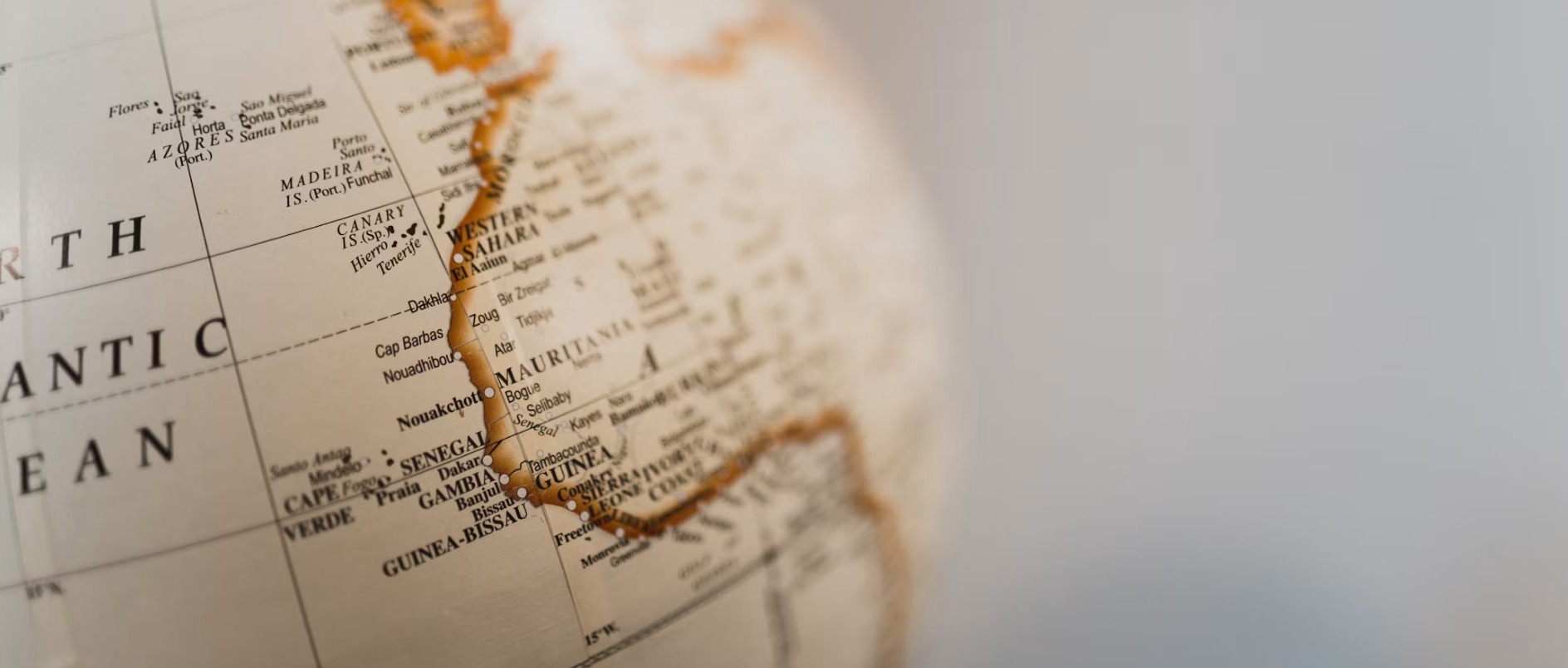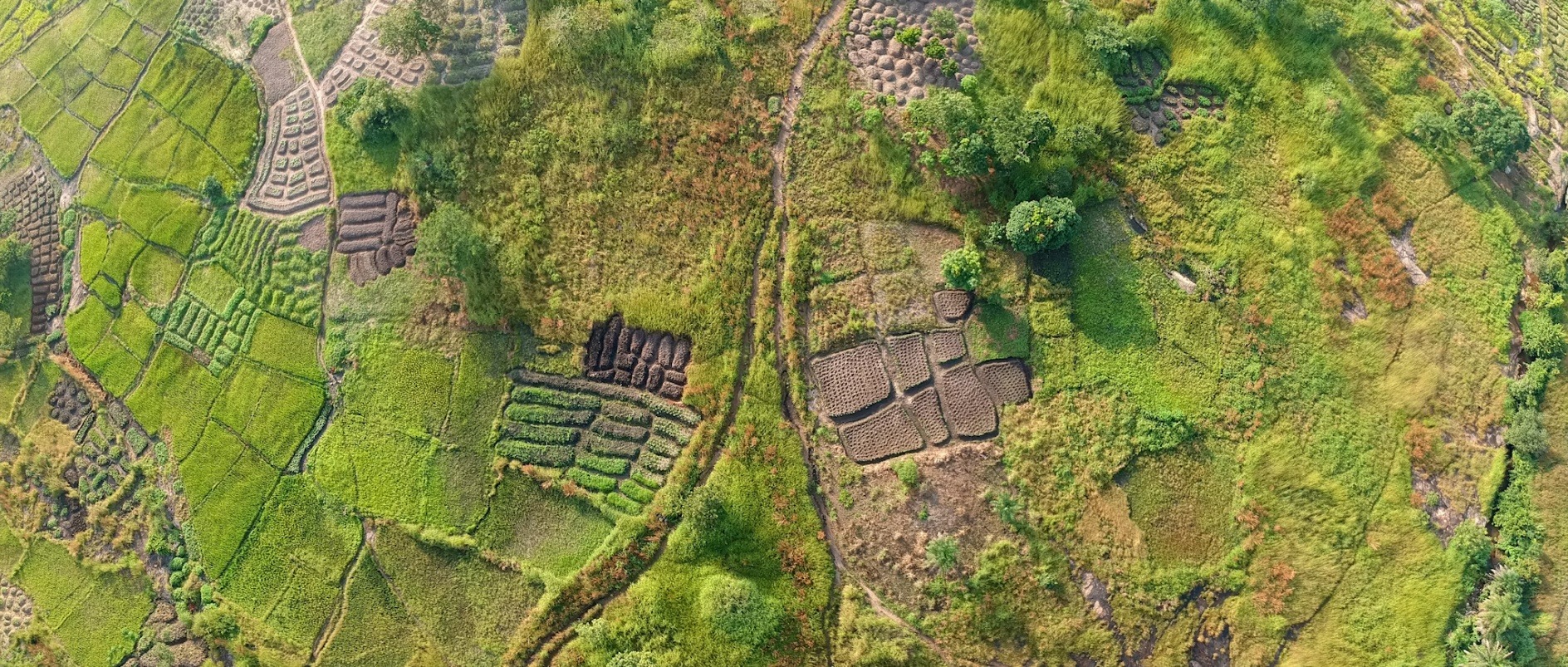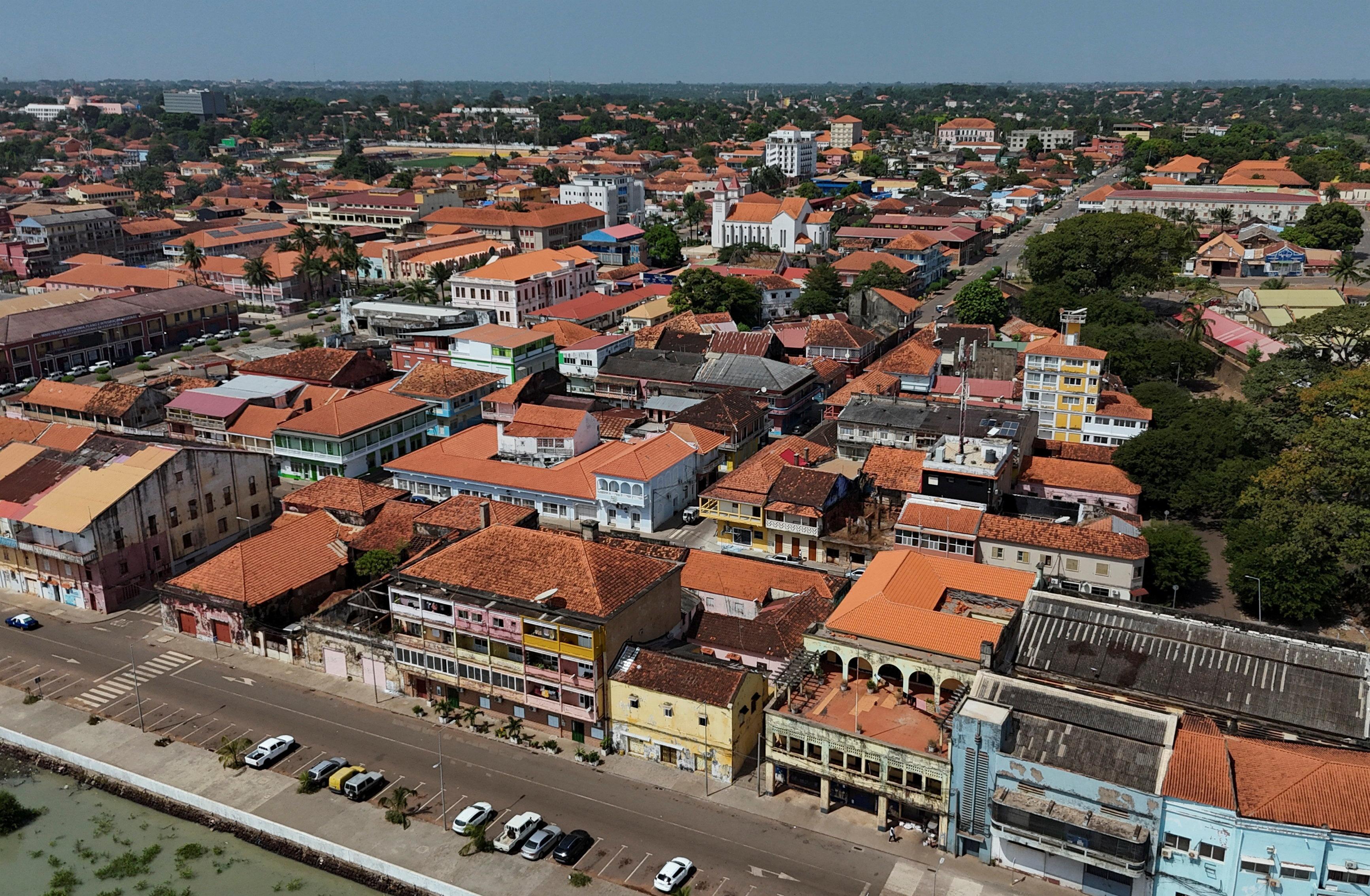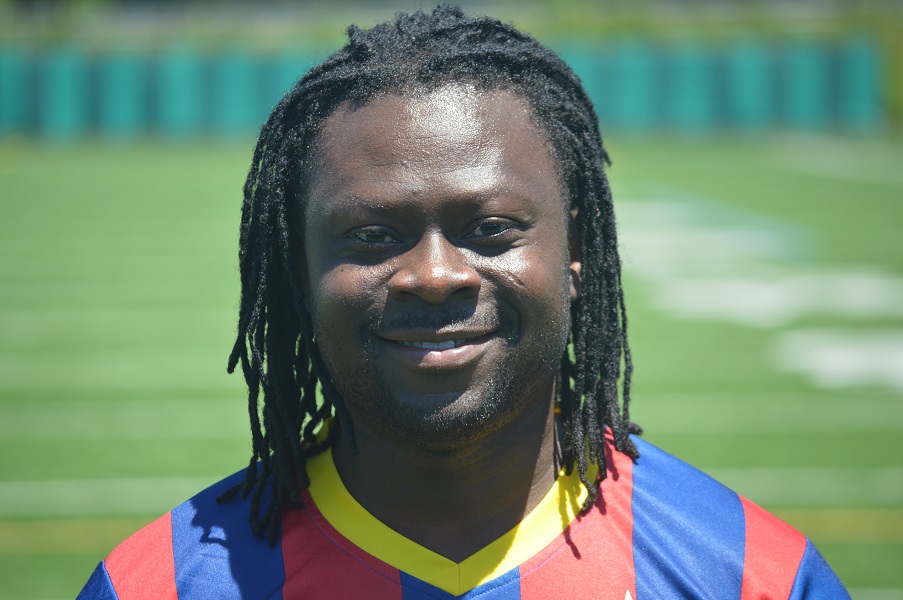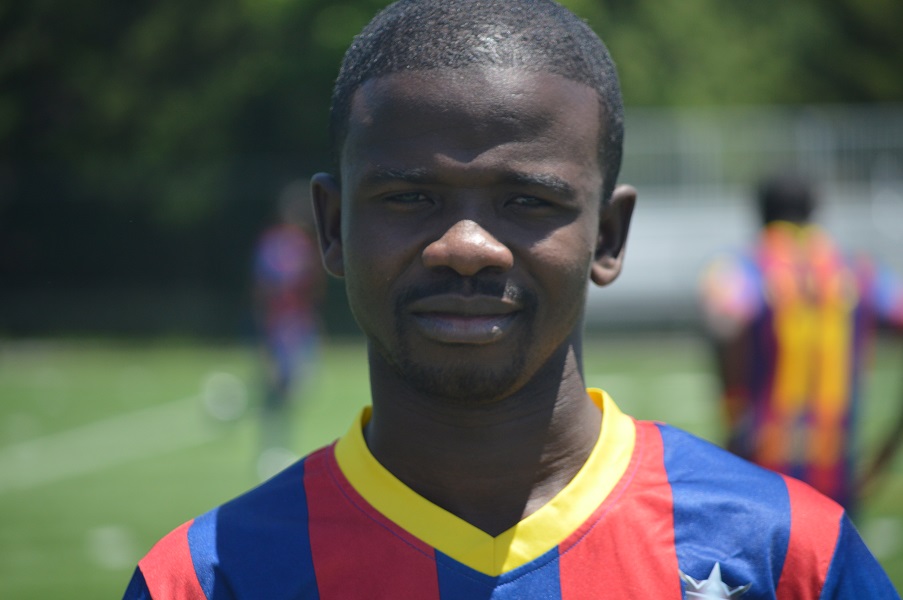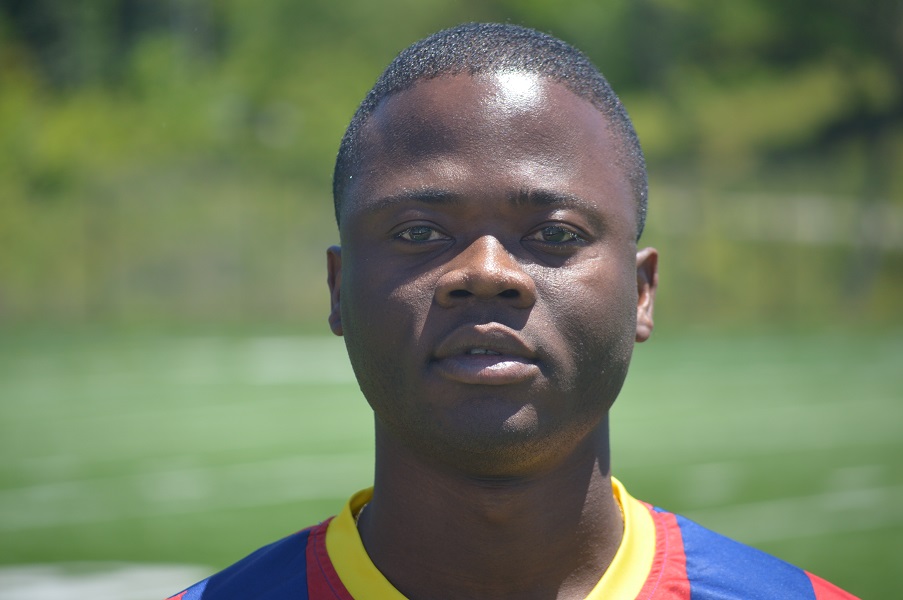

The Bissau-Guinean diaspora in the DMV (Washington, D.C., Maryland, and Virginia) is a compact, close-knit, and emerging West African community distinguished by its Portuguese-speaking and Creole heritage. Compared with larger Senegalese and Guinean communities in the region, the Bissau-Guinean population relies more heavily on diplomatic institutions, family networks, grassroots associations, and broader Lusophone and West African organizations.
Community Hubs and Institutional Presence
-
The Embassy of the Republic of Guinea-Bissau: Located in Washington, D.C., the Embassy serves as the principal diplomatic and community anchor for Bissau-Guinean nationals. It provides consular and administrative services while supporting cultural programming, official outreach, and connections between the diaspora and institutions in Guinea-Bissau.
-
Bissau-Guinean Community Networks: Local grassroots associations help families and newcomers with housing, employment, social integration, language assistance, mutual aid, and connections to broader West African organizations.
-
Balanta Heritage & Diaspora Networks: Organizations focused on Balanta history, genealogy, and ancestral connections contribute an additional layer of cultural identity and transnational engagement, including initiatives related to diaspora recognition and connections with communities in Guinea-Bissau.
-
Lusophone & West African Networks: Because the community is small, Bissau-Guineans frequently participate in wider Portuguese-speaking and West African social, religious, and professional networks throughout Maryland, Virginia, and Washington, D.C.
Cultural and Social Dynamics
-
Independence Day: September 24 is the major national celebration, bringing together families and community members for music, dancing, traditional clothing, food, and cultural performances.
-
Gumbe Music & Dance: Gumbe provides an important cultural expression of Bissau-Guinean identity. Music and dance events help younger generations remain connected to national heritage while introducing the wider DMV public to Guinea-Bissau's culture.
-
Portuguese & Creole Heritage: Portuguese and Guinea-Bissau Creole language traditions are maintained through family networks, cultural gatherings, community organizations, and connections with the wider Lusophone community.
-
West African Cultural Overlap: Bissau-Guineans frequently share social spaces with Senegalese, Guinean, Cape Verdean, and other West African communities because of geographic proximity and overlapping family, linguistic, and cultural connections.
-
Culinary Traditions: Community events and home-based cooking preserve dishes such as cafriela de galinha, mancarrra/peanut-based stews, rice dishes, grilled meats, seafood, and palm-based beverages. Broader West African restaurants and markets provide additional access to familiar ingredients and flavors.
-
Family & Mutual Aid: Given the community's relatively small size, family networks and informal mutual assistance are especially important for newcomers, major life events, financial support, and connections to the homeland.
-
Community Structure: The Bissau-Guinean DMV community is best understood as a small, network-based Lusophone West African diaspora, with the Embassy providing the formal institutional anchor while family organizations, West African networks, cultural events, music, and food provide the community's everyday social infrastructure.