 Sign In




 Facebook
 X-Twitter
 Instagram
 Linkedin
 Youtube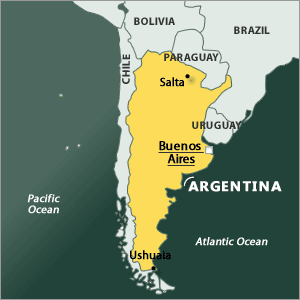
More Information
More Information
Street Soccer in Argentina
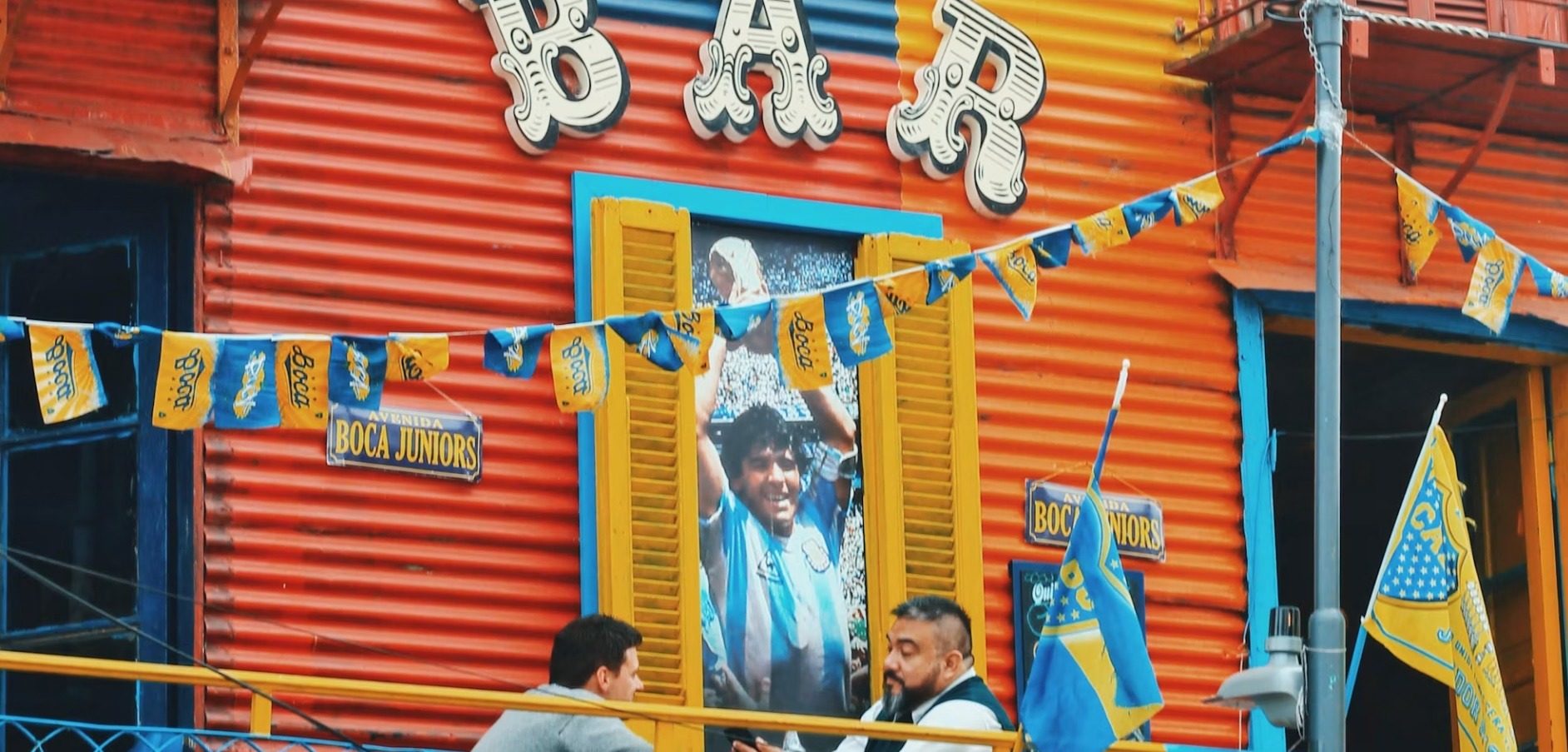
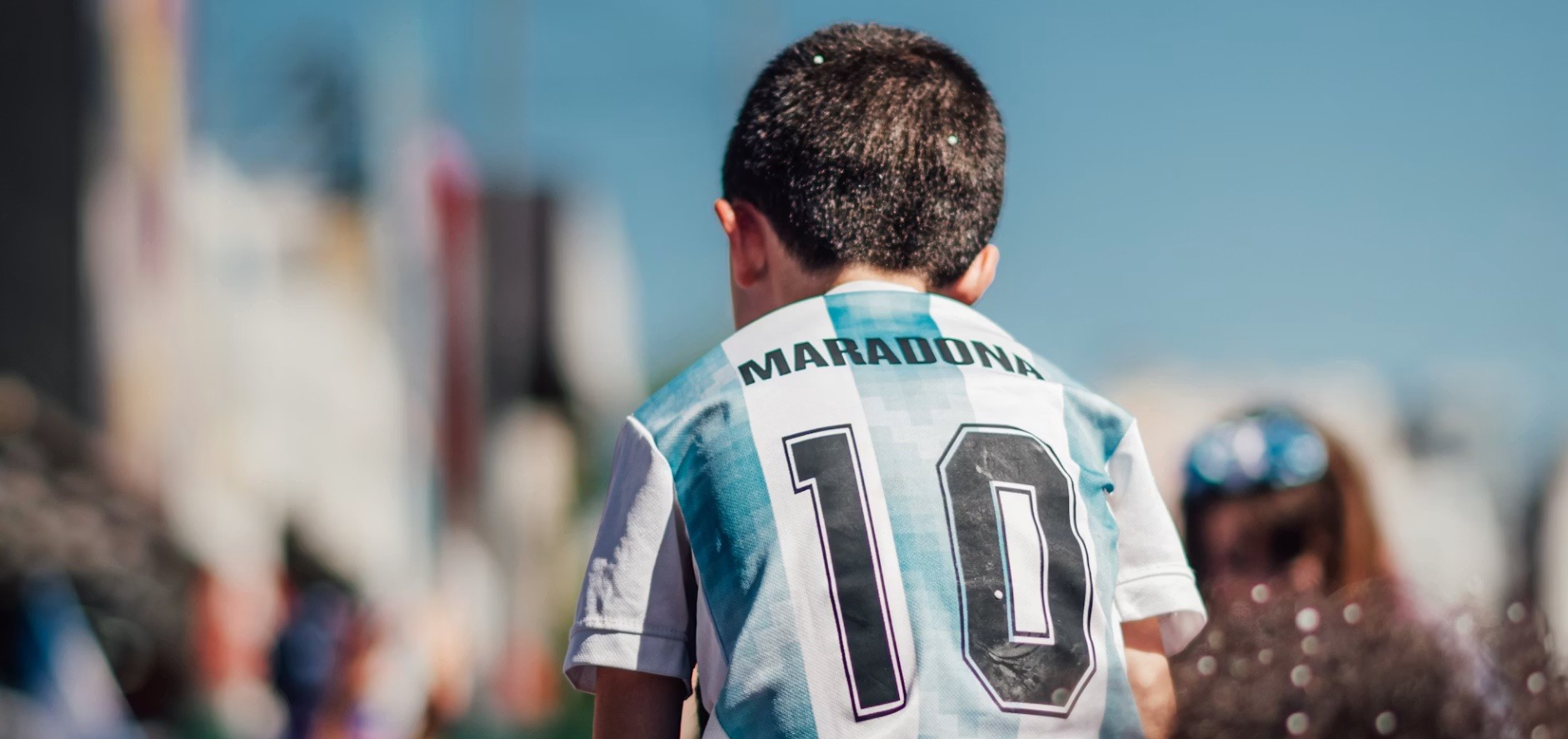
Street soccer is at the heart of Argentina's football identity and has inspired generations of talented players. Across cities like Buenos Aires, Rosario, and Córdoba, children and teenagers regularly gather in neighbourhood streets, public squares, local parks, and school playgrounds to enjoy fast-paced informal matches. These games are more than recreation—they are often where young players first discover their love for football.
Playing in compact spaces encourages creativity, quick footwork, precise dribbling, and intelligent movement. Without strict rules or formal coaching, players learn to improvise, solve problems on the ball, and develop the technical style that Argentine football is widely known for.
Street soccer remains an important part of everyday life, bringing communities together while providing an accessible pathway for aspiring footballers to sharpen their skills and enjoy the game.
Street Soccer Culture in Argentina
Argentina has one of the richest football traditions in the world, and street soccer continues to shape that culture from an early age. Informal matches are a common sight in neighbourhoods, where players of different ages compete with passion and creativity. Many young footballers take their first steps in the sport through these local games before progressing to youth academies and football clubs.
Skills Developed Through Street Soccer
The fast rhythm of Argentine street soccer helps players master close ball control, quick dribbling, vision, accurate passing, balance, and agility. Constant one-on-one situations encourage confidence, flair, and the ability to make smart decisions under pressure, creating technically gifted and creative footballers.
Street Soccer and Community Development
Street soccer plays an important role in strengthening local communities by bringing people together through a shared love of football. It provides young players with an inclusive environment to stay active, build friendships, and develop their potential before moving into organised youth leagues, football academies, or professional club systems.
The Argentinian in the DMV Metro

- Embassy of Argentina: Serves as the political and cultural hub of the community, regularly hosting public art exhibitions, diplomatic gatherings, and civic events from its historic mansion in the heart of Washington, D.C.
- CEDA Washington: Operating since 1968, the Comisión Esperanza de Damas Argentinas is an all-volunteer NGO that strengthens the diaspora's cultural capital while fundraising for health and education projects in low-income areas of Argentina.
- Escuela Argentina de Washington, DC: Founded by CEDA in 1969, this dual-campus school in Potomac, MD, offers a complementary Saturday curriculum accredited by the Ministry of Education of Argentina. It educates over 450 students from Pre-K through 12th grade in Argentine history, language, and culture.
- Festival Argentino: An annual summer cultural tradition held in Arlington, VA. The festival draws thousands of residents from across the DMV to enjoy live tango, folklore, rock, pop music, and extensive artisanal crafts and food exhibitors.
- El Patio (Rockville, MD): A neighborhood staple for over 20 years. It acts as a full-service restaurant, bakery, and specialty market importing Argentine goods. Known locally as "La Casa de la Albiceleste," it turns into an electric watch party environment for major international soccer matches.
- Tango Pastry (Vienna, VA & Washington, D.C.): Led by an Argentine chef, this bakery group expanded its traditional empanada and alfajor footprint from Virginia into the district via a community-backed Kickstarter campaign.
- Local Milongas: Non-profit cultural groups like Tango Mercurio host regular classes and community outreach events, keeping the traditional dance forms alive across the DMV.
- Embassy of Argentina: The central diplomatic and cultural asset hosting events for local expats.
- Escuela Argentina de Washington: A weekend heritage school preserving language, geography, and history for diaspora children.
- El Patio (Randolph): A multi-concept restaurant, bakery, and grocery store central to community soccer watch parties.
- Festival Argentino: A massive annual celebration highlighting national music, food, and dance traditions.
Significance
Argentine immigration to the United States has generally reflected economic opportunity, political persecution, military dictatorship, financial instability, professional employment, education, and family reunification.
Argentine migration to the United States remained relatively limited until the middle of the twentieth century. Noticeable movement began during the 1950s and 1960s, when doctors, scientists, academics, engineers, businesspeople, and other educated professionals travelled in search of better employment and research opportunities. Migration increased during the military dictatorship of 1976–1983, when political persecution and state violence forced many people to leave Argentina. Additional arrivals followed periods of inflation, unemployment, and economic instability, particularly the financial crisis of 2001. Argentine communities gradually developed in New York, Florida, California, New Jersey, and other metropolitan areas, supported by family networks, cultural associations, restaurants, businesses, and professional organisations.
Argentine Migration Before the Major Immigration Waves
Argentine migration to the United States was uncommon during the nineteenth and early twentieth centuries because Argentina itself was an important destination for international immigrants. Millions of Europeans, particularly Italians and Spaniards, settled in Argentina during this period, contributing to the rapid growth of Buenos Aires and other cities. Argentines who travelled to the United States generally did so as diplomats, merchants, students, artists, sailors, or professionals rather than as part of a large migration movement. Reliable statistics are difficult to establish because American immigration authorities classified Argentines within broader Hispanic categories before the 1970s. More visible Argentine settlement began during the 1950s and 1960s, when highly educated professionals entered the United States for specialised employment, university study, medical work, scientific research, and improved economic opportunities.
Late-Twentieth-Century Immigration
Argentine immigration increased substantially during the late twentieth century as political and economic conditions became more unstable. The military dictatorship that ruled from 1976 to 1983 persecuted political opponents, intellectuals, students, journalists, union members, and human-rights activists, encouraging many to seek protection abroad. Later migrants arrived because of inflation, unemployment, reduced professional opportunities, and repeated economic crises. Argentine immigrants commonly settled in metropolitan areas such as New York, Los Angeles, and Miami, where existing Spanish-speaking and Italian-descended communities supported their adjustment. Many worked in medicine, science, education, finance, technology, hospitality, business, and the arts. Migration rose again around Argentina’s 2001 financial collapse, while family sponsorship, employment, education, and professional networks remained important pathways to settlement in the United States.


Latest Fixtures & Results
| 04.03.2028 |  |
Argentina | - |  |
Belarus |
| 04.10.2028 |  |
Peru | - | |
Argentina |
| 04.17.2028 | |
Argentina | - |  |
Estonia |
| 04.24.2028 |  |
Romania | - | |
Argentina |
| 05.01.2028 | |
Argentina | - |  |
Greece |
| 05.08.2028 |  |
Australia | - | |
Argentina |
| 05.15.2028 | |
Argentina | - |  |
Somalia |
| 05.22.2028 | |
Argentina | - |  |
Botswana |
| 05.29.2028 |  |
Honduras | - | |
Argentina |
