The Diaspora World Cup operates in some of the major cities and metro areas in
United States and
Canada. Our network of register players includes 20 cities, 200 countries, 400
teams, and 10,000
players. Join our movement to solve the world's most pressing challenges:
Illiteracy
Who We are text will be here Who We are text will be here Who We are text will
be here Who We
are text will be here Who We are text will be here Who We are text will be here
Who We are text
will be here Who We are text will be here Who We are text will be here
What We Do text will be here What We Do text will be here What We Do text will
be here What We
Do text will be here What We Do text will be here What We Do text will be here
What We Do text
will be here What We Do text will be here What We Do text will be here What We
Do text will be
here What We Do text will be here What We Do text will be here
Get Involved text will be here Get Involved text will be here Get Involved text
will be here Get
Involved text will be here Get Involved text will be here Get Involved text will
be here Get
Involved text will be here Get Involved text will be here Get Involved text will
be here Get
Involved text will be here
Education is a basic Human Right and the Diaspora World Cup global school
program focuses its
energy in some the poorest countries around the world. We build schools in some
of the poorest
countries around the worldthat historically had no adequate school structure.
Any member of the
World Diaspora has the power to end illiteracy around the world through the
power of soccer.
High-profile sport figures, global leaders, business leaders, political figure,
journalists,
activists, philanthropists, actors, and entrepreneurs united by their commitment
to the Diaspora
World Cup mission to eradicate illiteracy around the world through the power of
soccer. They serve
as role models and spread the Diaspora World Cup vision and commitment of a
world mobilized
through soccer.
Diaspora 2027: complete guide to all players | The Diaspora
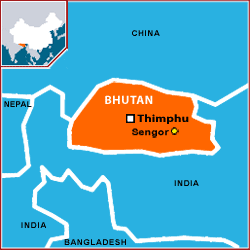
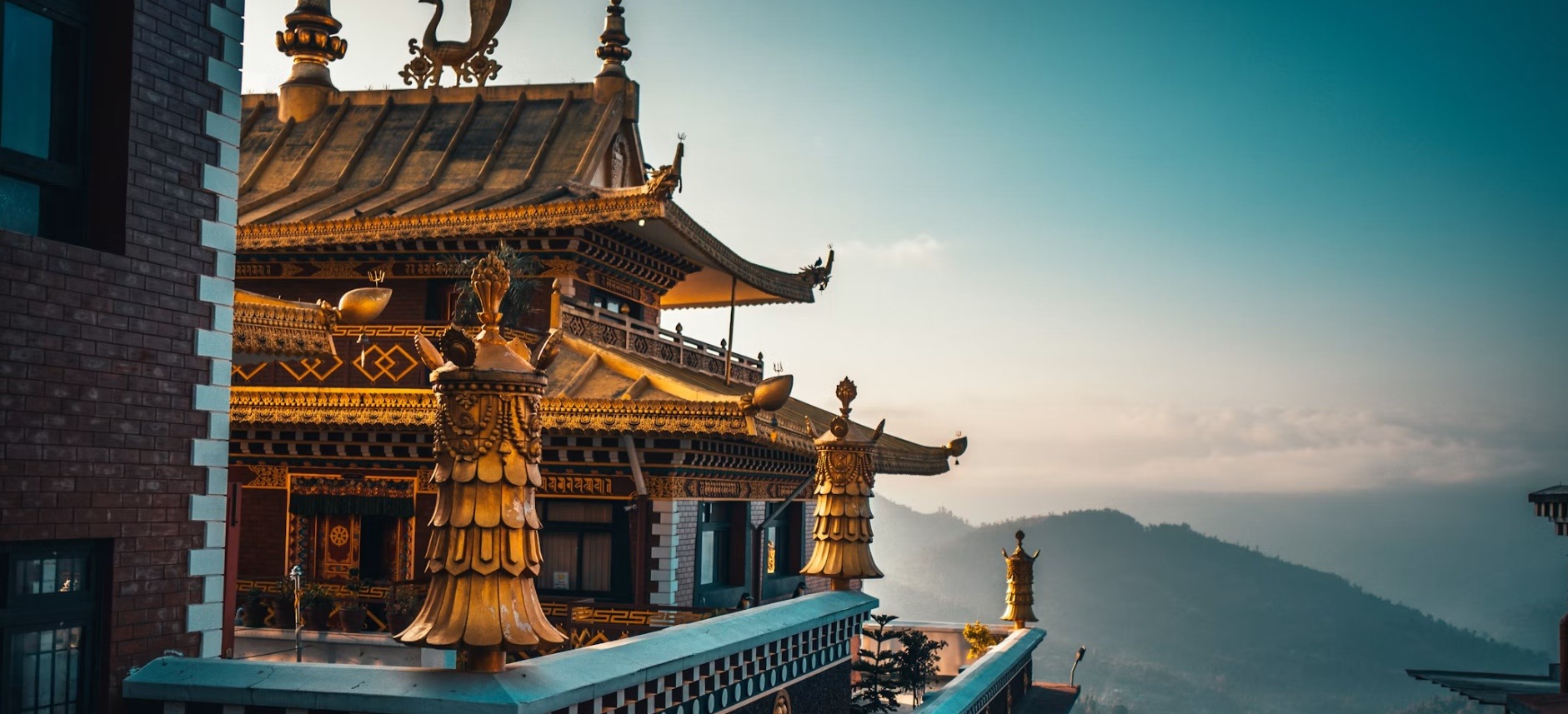
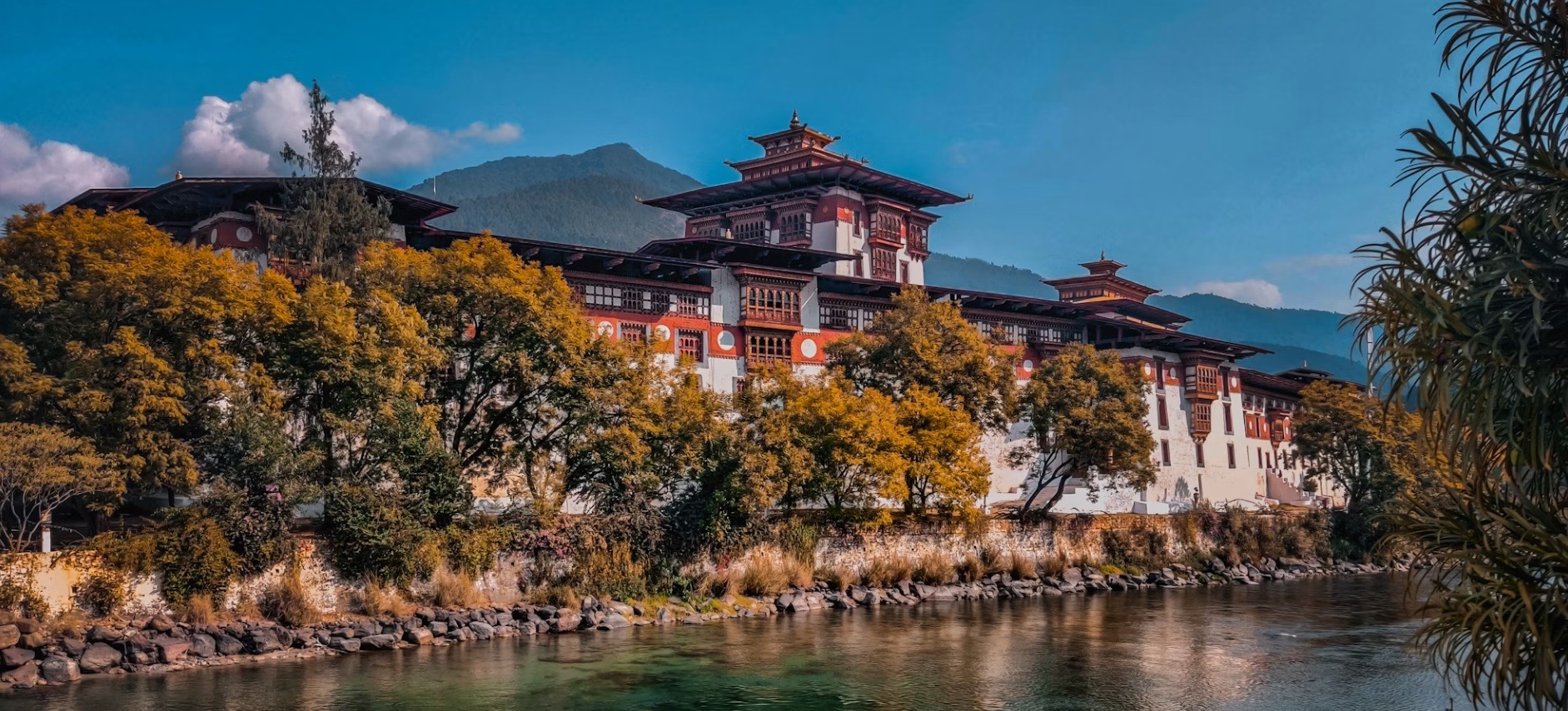
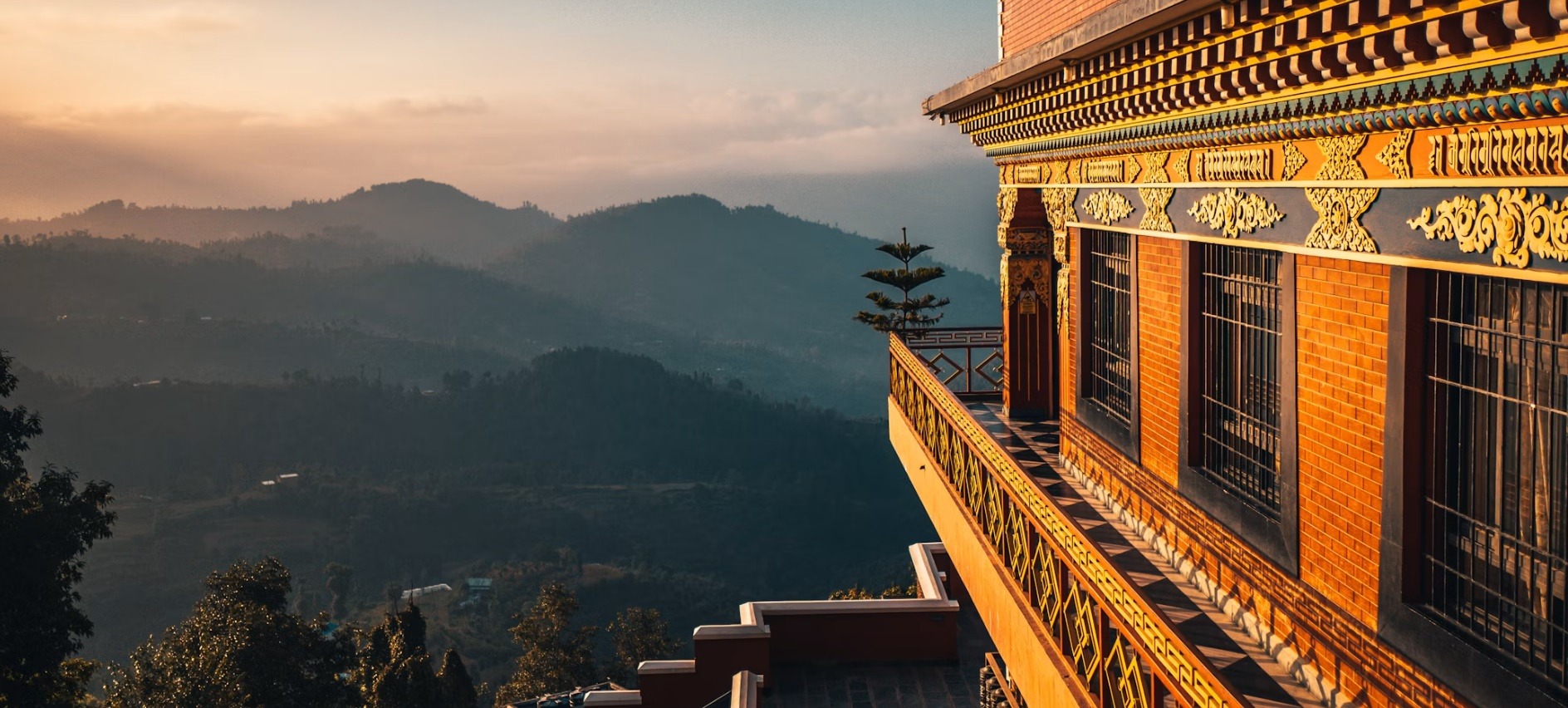
BHUTAN
Welcome to the 2028 Diaspora World Cup. Gaithersburg – M. Village
Gaithersburg – M. Village
Welcome to the 2028 Diaspora World Cup. Gaithersburg – M. Village
The Bhutanese diaspora in the DMV (Washington, D.C., Maryland, and Virginia) area is a small but historically complex community. While the largest single community of Bhutanese Americans resides in Ohio, the DMV serves as an important regional hub for advocacy, cultural retention, and international relations. 👥 Demographics and Identity Dual Identifications:...The Bhutanese diaspora in the DMV (Washington, D.C., Maryland, and Virginia) area is a small but historically complex community. While the largest single community of Bhutanese Americans resides in Ohio, the DMV serves as an important regional hub for advocacy, cultural retention...
More Information
Chelsea Official
Download The 5th Stand, Chelsea’s official mobile app, to see exclusive content, match action and all the latest news from Stamford Bridge.
More Information
Street Soccer in Bhutan
Street soccer is a popular way for children and teenagers in Bhutan to enjoy football, with informal matches taking place in village open spaces, school playgrounds, neighbourhoods, and community grounds. These friendly games bring young people together and provide an enjoyable opportunity to stay active while developing their football skills.
Playing on compact and sometimes uneven surfaces helps participants improve close ball control, accurate passing, quick reactions, and teamwork. The informal nature of street soccer encourages creativity and confidence, allowing players to learn through regular play with friends.
Street soccer offers an accessible and low-cost way for communities across Bhutan to enjoy football without requiring professional facilities. It promotes physical fitness, strengthens friendships, and inspires young players to continue participating in the sport.
Street Soccer Culture in Bhutan
Football has become increasingly popular in Bhutan, and street soccer is often the first step for many young players. Informal matches organised by schools, neighbours, and local communities create a welcoming atmosphere where players of all ages can enjoy the game together.
Skills Developed Through Street Soccer
Street soccer helps players improve dribbling, passing accuracy, first touch, agility, balance, ball control, and awareness. Regular play also develops communication, quick decision-making, and confidence in challenging situations.
Street Soccer and Community Development
Street soccer brings communities together through football while encouraging healthy and active lifestyles among young people. It also provides aspiring players with valuable experience before joining school teams, local football clubs, or organised youth football programmes.
The Bhutan in the DMV Metro
The Bhutanese diaspora in the DMV (Washington, D.C., Maryland, and Virginia) area is a small but historically complex community. While the largest single community of Bhutanese Americans resides in Ohio, the DMV serves as an important regional hub for advocacy, cultural retention, and international relations.
👥 Demographics and Identity
Dual Identifications: The majority of the local Bhutanese population consists of Lhotshampas (Nepali-speaking southern Bhutanese). Many initially arrived in the United States as political refugees via camps in Nepal. Because of this background, many register or socially integrate within broader DMV Nepali community groups.
Religious Diversity: Reflecting the Lhotshampa demographic, a significant portion of the local diaspora practices Hinduism, alongside a traditional Buddhist minority.
🏛️ Diplomatic and Organizational Presence
No Official Embassy: Bhutan does not maintain an official embassy in Washington, D.C., making its diplomatic profile in the capital unique compared to other South Asian nations. Its primary diplomatic link in the U.S. is the Permanent Mission to the United Nations in New York.
Institutional Support: Despite the lack of an embassy, Washington, D.C. hosts the headquarters of The Bhutan Foundation. This organization serves as a major bridge between the U.S. and Bhutan, focusing on cultural heritage preservation, environmental conservation, and sustainable development.
🗺️ Key Regional Hubs
The map below highlights locations relevant to Bhutanese community interaction and organizational support within the DMV metro region.
Significance
Bhutanese immigration to the United States has generally reflected ethnic conflict, citizenship disputes, forced displacement, refugee resettlement, education, professional employment, and family reunification.
Bhutanese migration to the United States remained limited until the late twentieth and early twenty-first centuries. The largest migration wave involved Nepali-speaking Bhutanese, commonly known as Lhotshampas, who left or were expelled from southern Bhutan during the late 1980s and early 1990s. More than 100,000 eventually lived in refugee camps in eastern Nepal. After years without a permanent solution, international resettlement began in 2007–2008, and the United States received the largest share of refugees. Bhutanese communities later developed across states including Texas, New York, Indiana, North Carolina, and Georgia, supported by family networks, religious institutions, cultural organisations, and refugee-assistance programmes.
Bhutanese Migration Before the Refugee Crisis
Before the refugee crisis, direct migration from Bhutan to the United States was uncommon. Most movement connected with Bhutan occurred within South Asia, particularly through relationships with India and Nepal. Small numbers of Bhutanese travelled overseas for education, diplomatic work, religious activities, professional training, or specialised employment, but they did not establish a large and clearly identifiable community in the United States. During the 1980s, citizenship policies and cultural regulations increasingly affected Nepali-speaking residents of southern Bhutan. A nationwide census conducted in 1985 resulted in many residents being classified as noncitizens, while growing political tensions, protests, arrests, and restrictions eventually encouraged thousands of families to leave the country.
Late-Twentieth- and Early-Twenty-First-Century Immigration
Bhutanese immigration increased after tens of thousands of Lhotshampas entered Nepal during the early 1990s and remained in refugee camps for many years. Repeated negotiations did not produce widespread repatriation, leading the international community to organise resettlement in the United States, Canada, Australia, New Zealand, and several European countries. By 2015, more than 100,000 refugees had been resettled internationally, with most moving to the United States. New arrivals often faced language barriers, unfamiliar employment systems, mental-health pressures, housing difficulties, and separation from relatives. Community organisations helped families obtain education, healthcare, employment, and cultural support while preserving Nepali language, Hindu and Buddhist traditions, food, music, festivals, and connections with relatives abroad.
Lorem ipsum dolor sit amet, consectetur adipiscing elit, sed do eiusmod tempor incididunt ut
labore et dolore magna aliqua. Ut enim ad minim veniam, quis nostrud exercitation ullamco
laboris nisi ut aliquip ex ea commodo consequat. Duis aute irure dolor in
reprehenderit in voluptate velit esse cillum dolore eu fugiat nulla pariatur.
 Sign In




 Facebook
 X-Twitter
 Instagram
 Linkedin
 Youtube