 Sign In




 Facebook
 X-Twitter
 Instagram
 Linkedin
 Youtube





Squad List


Brian Barry
Midfielder

Bryan Moffa
Defender

Chad Muesel
Midfielder

Chris Ports
Midfielder

Chris Williams
Defender

Cody Pearson
Defender

Craig Nearhood
Forward

Danny Baxter
Midfielder

Elton Joe
Forward

George Cover
Midfielder

Gillis Andrew
Midfielder

Glenn Leitch
Forward

Jon Ports
Forward

Josh Taylor
Defender

Kris Ward
Goalkeeper

Marcus Green
Midfielder

Matt Beckman
Defender

Matt Shell
Defender

Maxx Hurkamp
Defender

Mike Gill
Midfielder

Mike Novotny
Midfielder

Mikias Teketele
Midfielder

Nick Gill
Defender

Paul Ankrah
Goalkeeper

Phil Latham
Goalkeeper

Powell Cucciella
Forward

Ray Kuemmer
Midfielder

Taron Beale
Defender

Tommy Appel
Midfielder

Zua Antonio
Forward
Coaching Staff
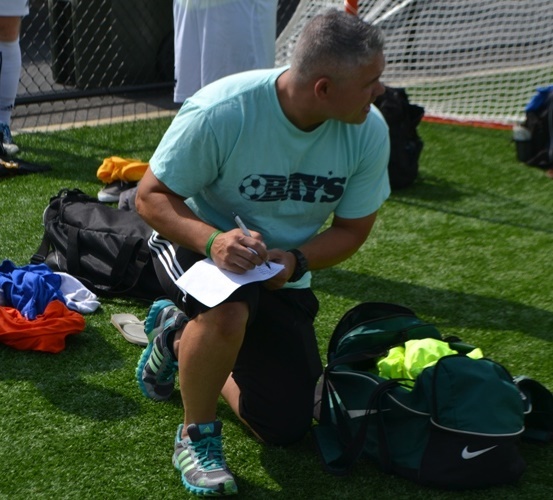
Bryan Bugarin
Head Coach

All bets are off
Lorem ipsum dolor sit amet, consectetur adipiscing elit, sed do eiusmod tempor incididunt ut
labore et dolore magna aliqua. Ut enim ad minim veniam, quis nostrud exercitation ullamco
laboris nisi ut aliquip ex ea commodo consequat. Duis aute irure dolor in
reprehenderit in voluptate velit esse cillum dolore eu fugiat nulla pariatur.