Sign In




 Facebook
 X-Twitter
 Instagram
 Linkedin
 Youtube

Significance
Syrian migration has generally reflected regional trade, family relationships, education, employment opportunities, religious and ethnic tensions, political instability, armed conflict, and the search for safety and economic security in neighbouring countries, Europe, and North America.
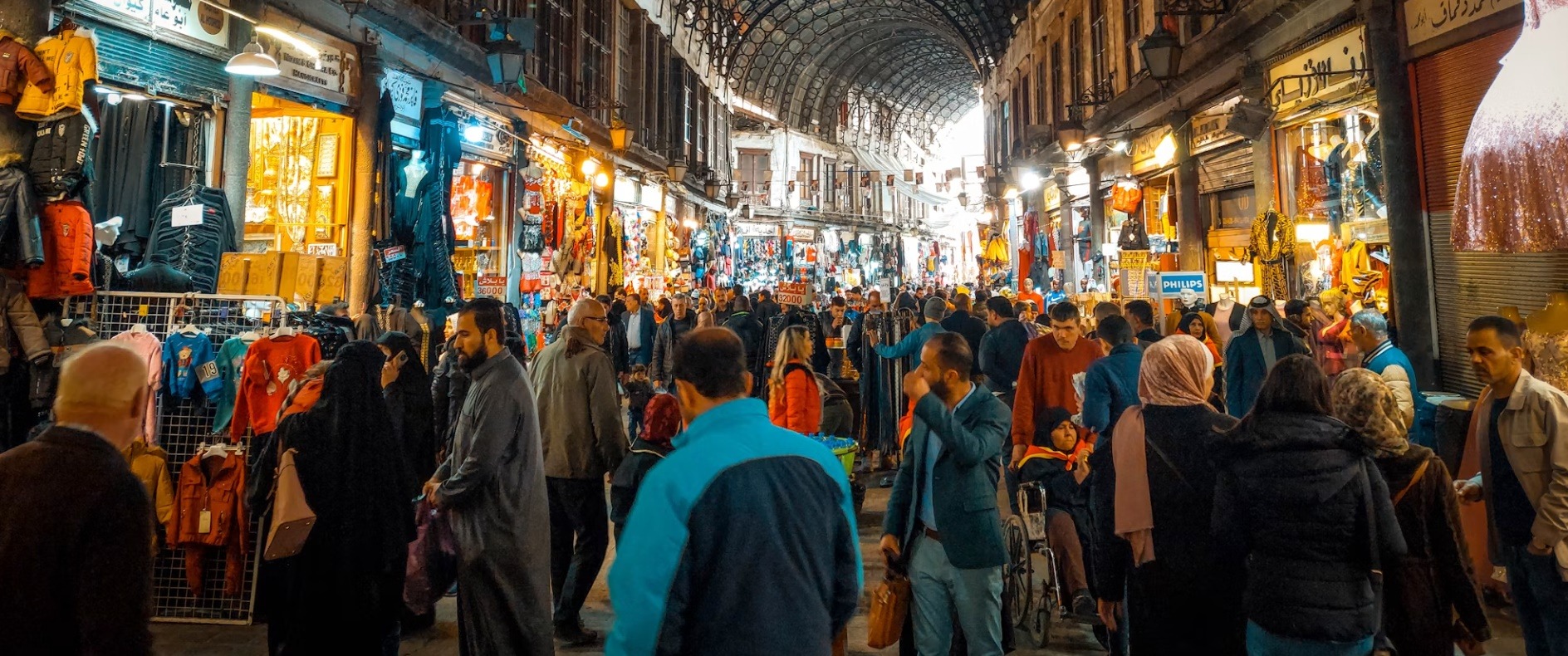
Syrian migration developed from long-established Middle Eastern traditions of travel, trade, agriculture, marriage, pilgrimage, and family connections between communities across the eastern Mediterranean. Damascus and Aleppo were important commercial centres linking the Mediterranean coast with Mesopotamia, Anatolia, Arabia, and Persia. Migration increased during the late nineteenth and early twentieth centuries as economic pressures, military service, political change, and religious tensions encouraged Syrians to settle elsewhere. Communities gradually developed in Egypt, Europe, North America, and South America. After 2011, armed conflict caused extensive internal displacement and large-scale migration to Türkiye, Lebanon, Jordan, Iraq, Europe, and other destinations. Syrian migrants continued to maintain relationships with their homeland through family support, cultural organisations, religious institutions, financial assistance, and the preservation of Arabic, traditional foods, music, and community customs.
Syrian Migration Before French Rule
Migration across the Syrian region existed centuries before European colonial administration, as merchants, farmers, pastoralists, craftspeople, scholars, and religious travellers moved in search of trade, land, water, education, security, and new settlements. Syria’s position between Asia, Africa, and Europe made it an important meeting place for numerous peoples and empires. Damascus and Aleppo attracted Arab, Armenian, Kurdish, Turkish, Jewish, Greek, and other communities. The region became part of the Ottoman Empire during the early sixteenth century and remained under Ottoman authority until World War I. During the nineteenth century, improved transportation and expanding international commerce encouraged greater movement through Syrian ports and cities. Economic hardship, local conflicts, and compulsory military service also encouraged some residents to migrate to Egypt, the Americas, and other parts of the Ottoman Empire.
Twentieth- and Twenty-First-Century Migration
Syrian migration increased during the twentieth century as colonial rule, independence, urbanisation, education, and international employment opportunities changed the population’s movement. After the Ottoman Empire collapsed, Syria came under a French mandate approved by the League of Nations in 1922. Syria gained full independence in 1946, but later political instability and economic difficulties encouraged some citizens to seek education and employment abroad. Syrians established communities in neighbouring Arab countries, Europe, the United States, Canada, Brazil, Argentina, and Australia. Beginning in 2011, protests developed into a prolonged armed conflict that displaced millions of people within Syria and across international borders. Syrian families, businesses, cultural associations, mosques, churches, and extended-family networks helped displaced people find housing, employment, education, and community support while preserving their language, religious traditions, cultural identity, and close relationships with relatives living in Syria.