The Diaspora World Cup operates in some of the major cities and metro areas in
United States and
Canada. Our network of register players includes 20 cities, 200 countries, 400
teams, and 10,000
players. Join our movement to solve the world's most pressing challenges:
Illiteracy
Who We are text will be here Who We are text will be here Who We are text will
be here Who We
are text will be here Who We are text will be here Who We are text will be here
Who We are text
will be here Who We are text will be here Who We are text will be here
What We Do text will be here What We Do text will be here What We Do text will
be here What We
Do text will be here What We Do text will be here What We Do text will be here
What We Do text
will be here What We Do text will be here What We Do text will be here What We
Do text will be
here What We Do text will be here What We Do text will be here
Get Involved text will be here Get Involved text will be here Get Involved text
will be here Get
Involved text will be here Get Involved text will be here Get Involved text will
be here Get
Involved text will be here Get Involved text will be here Get Involved text will
be here Get
Involved text will be here
Education is a basic Human Right and the Diaspora World Cup global school
program focuses its
energy in some the poorest countries around the world. We build schools in some
of the poorest
countries around the worldthat historically had no adequate school structure.
Any member of the
World Diaspora has the power to end illiteracy around the world through the
power of soccer.
High-profile sport figures, global leaders, business leaders, political figure,
journalists,
activists, philanthropists, actors, and entrepreneurs united by their commitment
to the Diaspora
World Cup mission to eradicate illiteracy around the world through the power of
soccer. They serve
as role models and spread the Diaspora World Cup vision and commitment of a
world mobilized
through soccer.
Diaspora 2027: complete guide to all players | The Diaspora
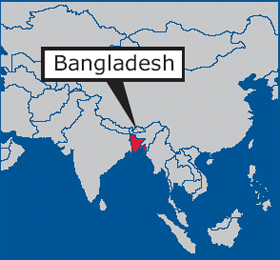
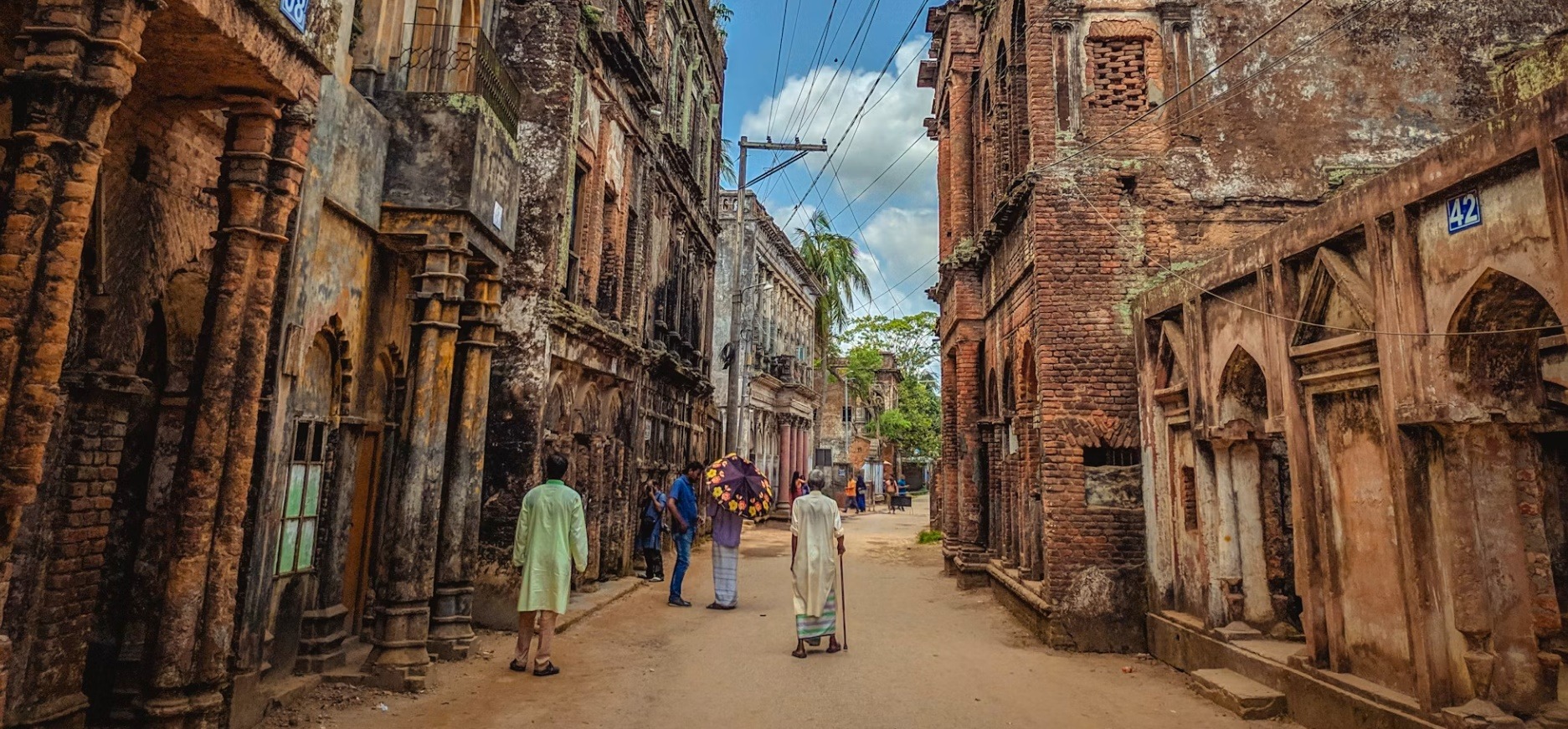
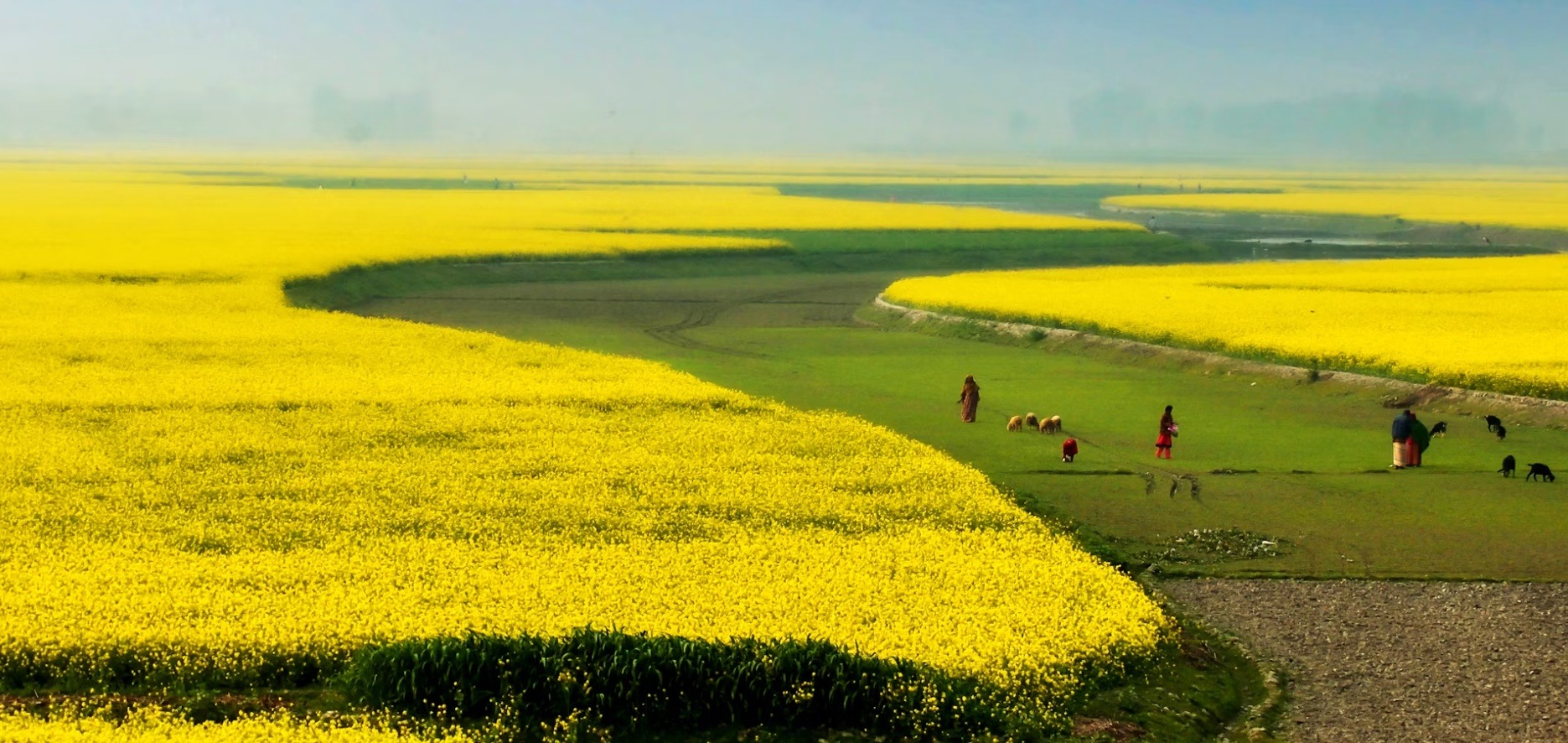
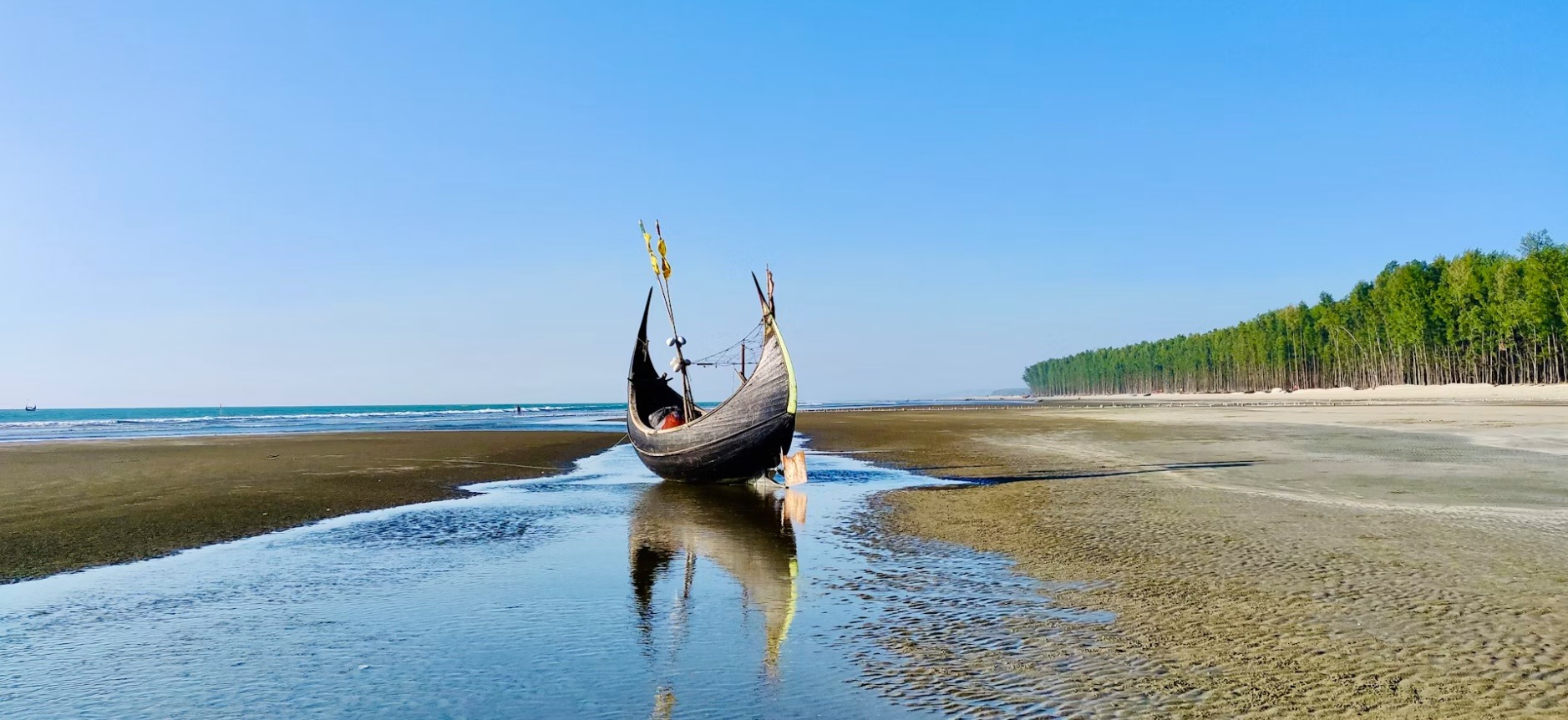
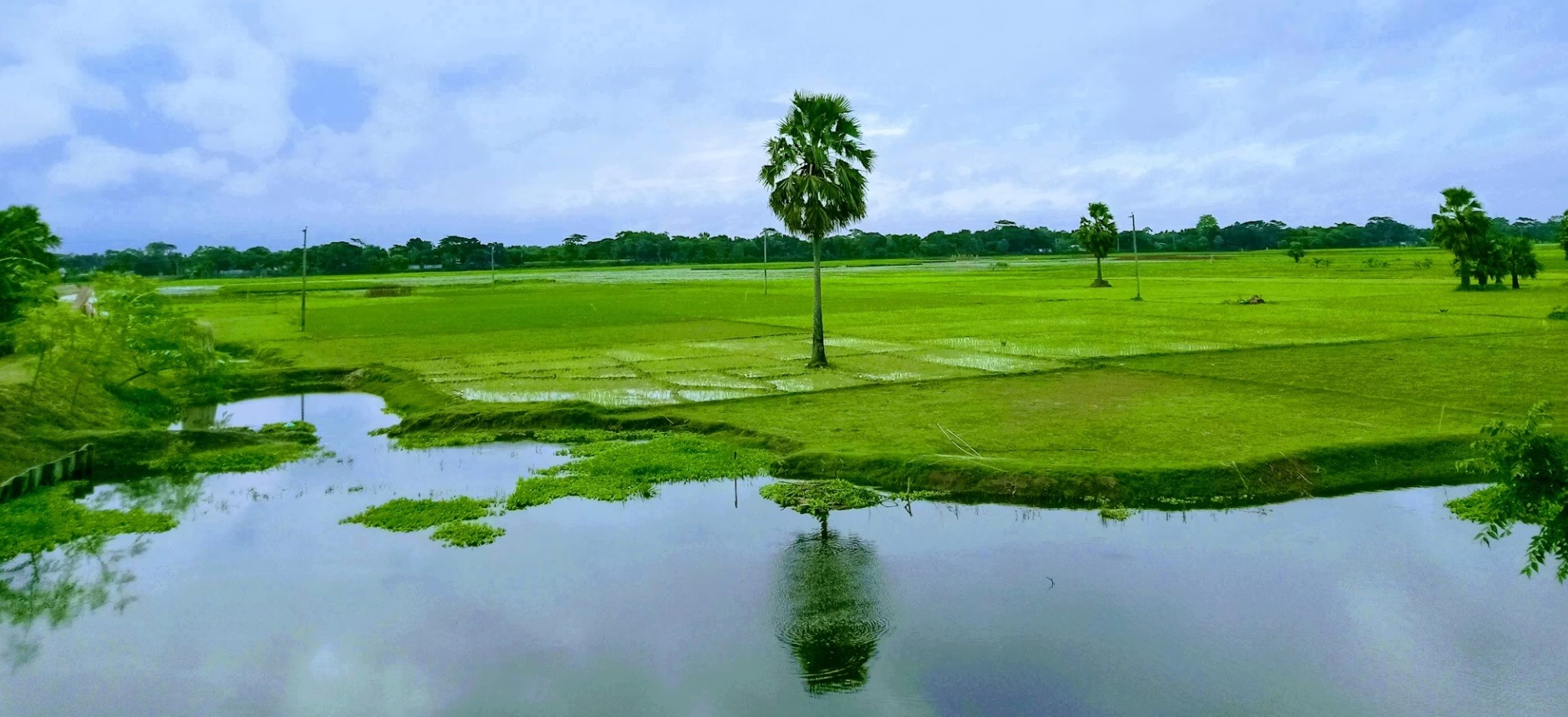
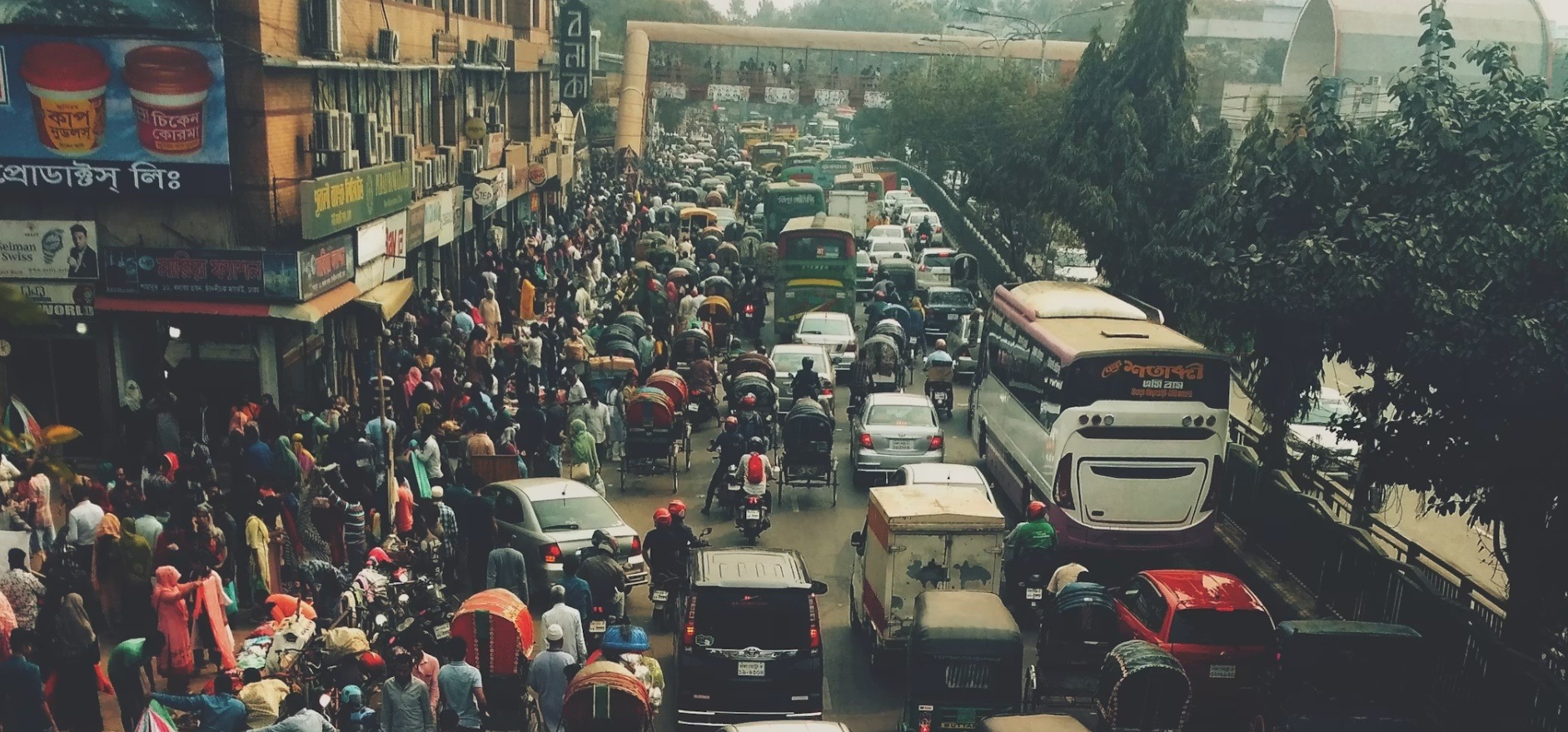
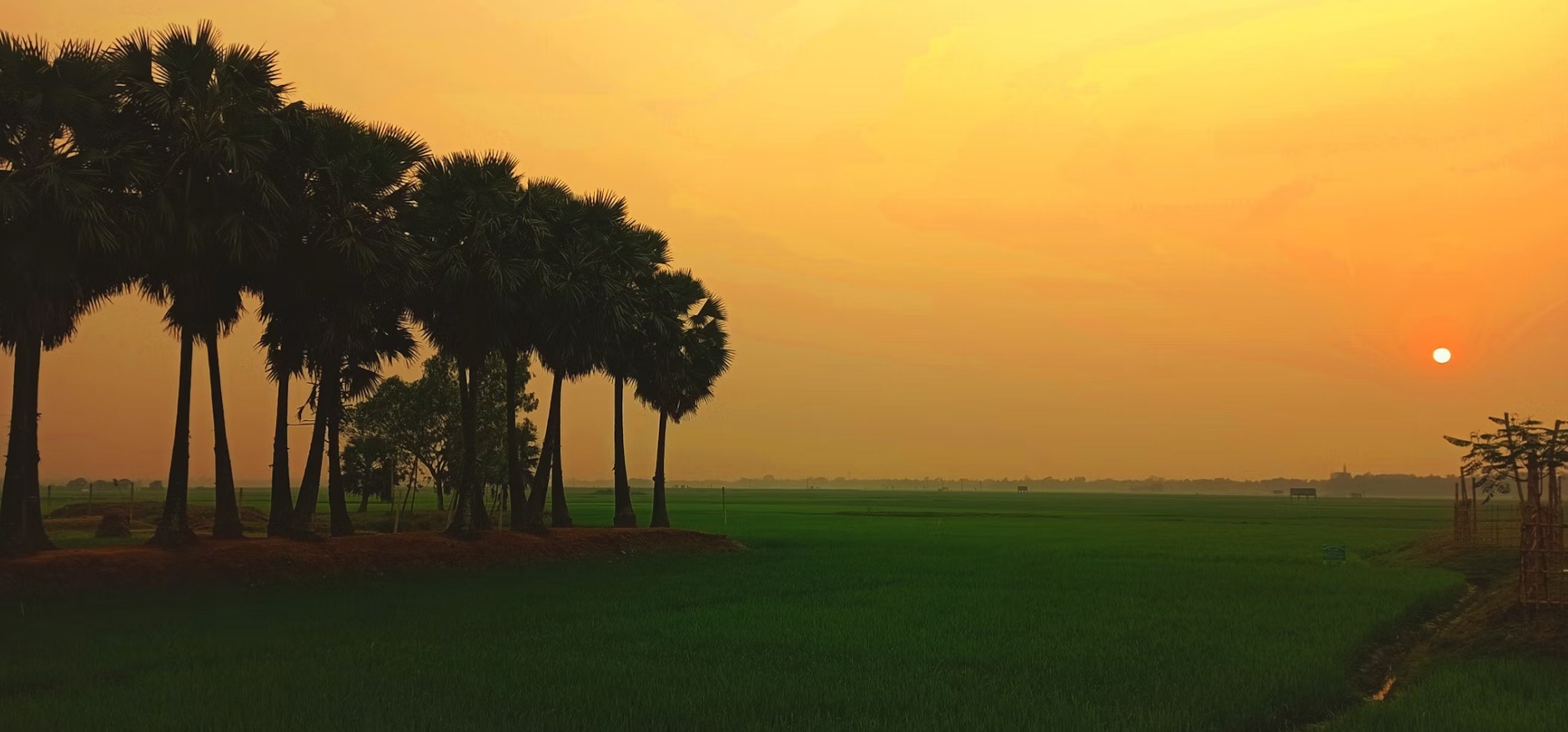
BANGLADESH
Welcome to the 2028 Diaspora World Cup. Gaithersburg – M. Village
Gaithersburg – M. Village
Welcome to the 2028 Diaspora World Cup. Gaithersburg – M. Village
The Bangladeshi diaspora in the DMV (Washington, D.C., Maryland, and Virginia) metropolitan area is a rapidly growing, vibrant community of approximately 15,000 to 20,000 residents. While New York City remains the primary hub for Bangladeshi Americans, the DMV has established itself as one of the top five metro areas for this diaspora in the United States, driven...The Bangladeshi diaspora in the DMV (Washington, D.C., Maryland, and Virginia) metropolitan area is a rapidly growing, vibrant community of approximately 15,000 to 20,000 residents. While New York City remains the primary hub for Bangladeshi Americans, the DMV has established its...
More Information
Chelsea Official
Download The 5th Stand, Chelsea’s official mobile app, to see exclusive content, match action and all the latest news from Stamford Bridge.
More Information
Street Soccer in Bangladesh
Street soccer is widely enjoyed in Bangladesh, where children and teenagers often play football in neighbourhood lanes, school grounds, public parks, village fields, and open community spaces. Friendly matches are especially popular after school and during holidays, giving young players a fun way to stay active and enjoy the game together.
These informal matches help players improve dribbling, close ball control, passing accuracy, and quick decision-making. Playing in limited spaces encourages creativity and teamwork while allowing participants to develop their football skills through regular practice.
Street soccer offers an affordable and accessible way for communities to enjoy football without requiring professional facilities. It promotes physical fitness, strengthens friendships, and inspires many young people to continue their passion for the sport.
Street Soccer Culture in Bangladesh
Football has a strong following in Bangladesh, and street soccer remains a common starting point for many young players. Informal games are organised by friends, neighbours, schools, and local communities, creating an enjoyable environment where everyone can participate.
Skills Developed Through Street Soccer
Street soccer helps players improve first touch, passing, agility, balance, ball control, and awareness. The fast pace of the game also encourages communication, confidence, and the ability to make quick decisions under pressure.
Street Soccer and Community Development
Street soccer brings people together through a shared love of football and encourages active lifestyles among children and teenagers. It also helps aspiring players build the experience needed before progressing to school teams, local football clubs, or organised youth football programmes.
The Afghanistan in the DMV Metro
The Bangladeshi diaspora in the DMV (Washington, D.C., Maryland, and Virginia) metropolitan area is a rapidly growing, vibrant community of approximately 15,000 to 20,000 residents. While New York City remains the primary hub for Bangladeshi Americans, the DMV has established itself as one of the top five metro areas for this diaspora in the United States, driven by professional opportunities in governance, IT, defense, and higher education.
Demographics & Hubs
The diaspora is heavily anchored in the suburbs of the nation's capital, with a significant presence spanning Northern Virginia and Central Maryland.
Fairfax County, VA: Holds the largest concentration of Bangladeshi residents in the Southern United States, counting nearly 5,000 residents. High concentrations are found in Alexandria, Annandale, and Woodbridge.
Maryland Suburbs: Montgomery County and Prince George's County host established pockets of families, professionals, and international students.
Overall Metrics: Statewide data estimates over 12,090 Bangladeshi residents in Virginia and 6,567 in Maryland, alongside smaller student and diplomatic populations in the District of Columbia.
Community & Cultural Institutions
The DMV's Bangladeshi community maintains its heritage through active social organizations, educational networks, and religious centers.
BCCDI (Bangladesh Center for Community Development Inc.): Based in Woodbridge, Virginia, this prominent non-profit runs the BCCDI Bangla School to teach the Bengali language, history, and arts to next-generation youth.
Aamra Bangali Foundation: Operates across the greater Washington D.C. area to promote Bengali literature, fund cultural fellowships, and encourage civic participation in mainstream US politics.
Religious Landmarks: Spiritual hubs like the Baitul Mukarram Masjid in Arlington, VA, provide dedicated spaces for the predominantly Muslim diaspora to gather for daily prayers, community outreach, and Eid celebrations.
Cultural Festivals & Live Music
The DMV community frequently hosts major cultural showcases, bringing prominent artists from Dhaka to the metro area.
Baishakhi Mela: Annual celebrations, like the one hosted by Friends and Family DMV in Annandale, Virginia, gather thousands of local families to experience traditional food stalls, clothing pop-ups, and live performances.
The Washington Mega Concert: Large-scale musical events frequently take place in the area. A major concert featuring acclaimed Bangladeshi singers like Kona, Zhilik, and Imran Mahmudul is scheduled for September 12, 2026, in Washington, D.C..
Alternative Events: The community has diversified into modern sub-genres, including regional electronic and dance music events like the "Bangla [Pr]events" rave hosted in the D.C. metro area.
Political Engagement & Activism
Given its proximity to Capitol Hill and embassy circles, the DMV diaspora plays a critical role in political advocacy and home-country diplomacy.
July Uprising Commemorations: Following the landmark political shifts in Bangladesh, a coalition of local diaspora organizations—including the Center for Society and Culture (CSC), July House Washington, and the Bangladeshi American Network for Democracy (BAND)—frequently organize forums like the "36 July" event in Woodbridge, VA, featuring prominent figures such as filmmaker Mostofa Sarwar Farooki and journalist Mushfiqul Fazal Ansarey.
Diplomatic Channels: The Bangladesh Embassy in Washington, D.C. serves as a focal point, regularly hosting community briefs, Congressional outreach sessions, and cultural diplomacy events to bridge relations between the US government and the diaspora.
Significance
Bangladeshi immigration to the United States has generally reflected colonial rule, political upheaval, the 1971 War of Independence, economic hardship, education, professional employment, family reunification, and the search for greater security.
Bangladeshi migration to the United States remained limited during the early twentieth century but increased after American immigration laws became less restrictive toward Asian immigrants in the 1960s. Students, academics, doctors, engineers, businesspeople, and other professionals were among the early arrivals. Migration expanded after Bangladesh gained independence in 1971, when political instability, poverty, limited employment, and family connections encouraged more people to move abroad. Family-sponsored immigration and employment opportunities later supported the growth of Bangladeshi communities in New York, New Jersey, Texas, California, Michigan, Florida, and the Washington, D.C., region. Immigrants established businesses, mosques, cultural associations, newspapers, restaurants, and professional organisations while preserving Bengali language, food, music, religious traditions, and connections with Bangladesh.
Bangladeshi Migration Before Independence
Before Bangladesh became independent, the region was governed first as part of British India and later as East Pakistan. Migration to the United States was uncommon because most people who left Bengal travelled within South Asia or to Britain and other parts of the British Empire. Early arrivals included sailors, merchants, students, diplomats, religious workers, and professionals seeking education or employment. The Immigration Act of 1917 placed much of Asia within the Asiatic Barred Zone, severely restricting migration from the region. After British India was partitioned in 1947, present-day Bangladesh became East Pakistan, separated geographically from West Pakistan. Political inequality, economic hardship, language disputes, and limited opportunities encouraged some educated residents to study or work overseas, although a large and identifiable Bangladeshi American community had not yet developed.
Late-Twentieth-Century Immigration
Bangladeshi immigration increased during the late twentieth century following the country’s independence in 1971 and the establishment of formal diplomatic relations with the United States in 1972. The Immigration and Nationality Act of 1965 had removed earlier national-origin barriers and created broader opportunities through family sponsorship and employment-based migration. New arrivals included students, physicians, engineers, scientists, teachers, entrepreneurs, skilled workers, and families joining relatives already living in America. Political instability, natural disasters, unemployment, and limited economic opportunities also influenced migration. Bangladeshi communities expanded most visibly in New York City and surrounding areas, with additional settlements in California, Texas, New Jersey, Michigan, Florida, Washington, D.C., Detroit, and Los Angeles. Community organisations helped newcomers obtain employment and housing while promoting Bengali culture, education, charitable work, and continued engagement with Bangladesh.
Lorem ipsum dolor sit amet, consectetur adipiscing elit, sed do eiusmod tempor incididunt ut
labore et dolore magna aliqua. Ut enim ad minim veniam, quis nostrud exercitation ullamco
laboris nisi ut aliquip ex ea commodo consequat. Duis aute irure dolor in
reprehenderit in voluptate velit esse cillum dolore eu fugiat nulla pariatur.
 Sign In




 Facebook
 X-Twitter
 Instagram
 Linkedin
 Youtube