Sign In




 Facebook
 X-Twitter
 Instagram
 Linkedin
 Youtube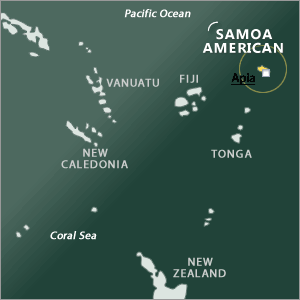

Significance
American Samoan migration to the United States has generally reflected military service, family relationships, education, employment opportunities, and the territory’s political association with the United States.
American Samoan migration developed from long-established Polynesian traditions of travel, trade, marriage, and family connections between Pacific islands. Movement to Hawaii and the continental United States increased after American Samoa came under U.S. administration in 1900. During and after World War II, military service, government employment, education, healthcare, and higher-paying jobs encouraged many residents to relocate. American Samoan communities gradually developed in Hawaii, California, Washington, Utah, and other states. Migrants continued to maintain close relationships with their home islands through family support, church organisations, cultural events, financial assistance, and the preservation of the Samoan language and traditional way of life.
American Samoan Migration Before U.S. Administration
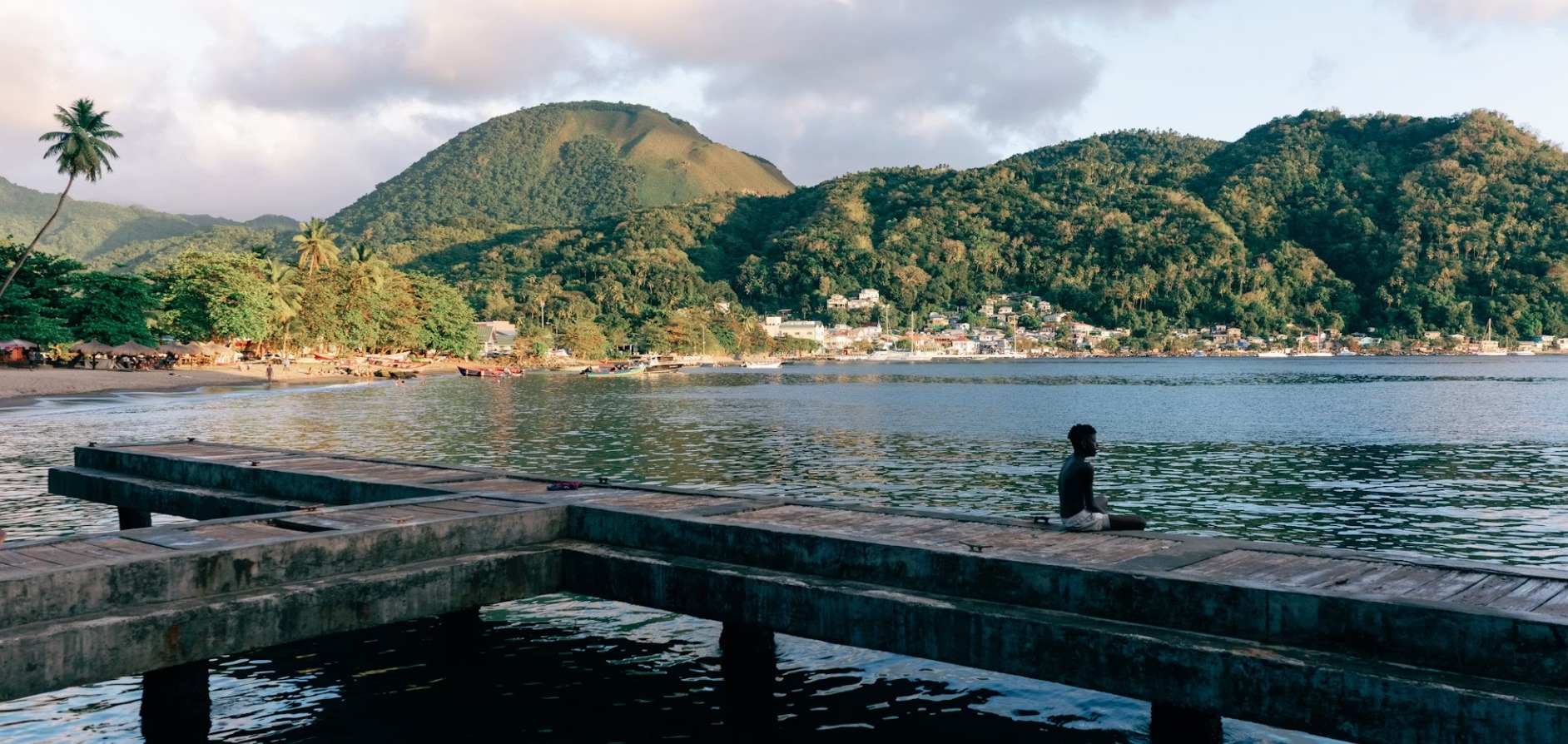
Migration across the Samoan Islands existed centuries before European contact, as Polynesian navigators travelled between islands for fishing, trade, agriculture, marriage, political alliances, and family responsibilities. European explorers, missionaries, merchants, and naval powers began arriving during the eighteenth and nineteenth centuries. Pago Pago’s protected harbour attracted international interest because it provided a useful location for ships travelling across the Pacific. Competition among foreign powers eventually divided the Samoan archipelago. In 1900, the traditional leaders of Tutuila transferred authority over the island to the United States. Despite increasing foreign influence, Samoan communities continued to preserve fa’a Samoa, or the Samoan way of life.
Twentieth-Century Migration
American Samoan migration increased during the twentieth century as transportation and economic connections with the United States expanded. Pago Pago developed as an American naval station, while World War II introduced military activity, infrastructure projects, wage employment, and greater contact with other Pacific territories. After the war, many American Samoans moved to Hawaii and the continental United States for military service, education, healthcare, professional employment, and family reunification. Limited land and employment opportunities also encouraged families to settle elsewhere. Samoan churches, cultural associations, and extended-family networks helped new arrivals preserve their language, religious traditions, community responsibilities, and close relationships with relatives living in American Samoa.