The Diaspora World Cup operates in some of the major cities and metro areas in
United States and
Canada. Our network of register players includes 20 cities, 200 countries, 400
teams, and 10,000
players. Join our movement to solve the world's most pressing challenges:
Illiteracy
Who We are text will be here Who We are text will be here Who We are text will
be here Who We
are text will be here Who We are text will be here Who We are text will be here
Who We are text
will be here Who We are text will be here Who We are text will be here
What We Do text will be here What We Do text will be here What We Do text will
be here What We
Do text will be here What We Do text will be here What We Do text will be here
What We Do text
will be here What We Do text will be here What We Do text will be here What We
Do text will be
here What We Do text will be here What We Do text will be here
Get Involved text will be here Get Involved text will be here Get Involved text
will be here Get
Involved text will be here Get Involved text will be here Get Involved text will
be here Get
Involved text will be here Get Involved text will be here Get Involved text will
be here Get
Involved text will be here
Education is a basic Human Right and the Diaspora World Cup global school
program focuses its
energy in some the poorest countries around the world. We build schools in some
of the poorest
countries around the worldthat historically had no adequate school structure.
Any member of the
World Diaspora has the power to end illiteracy around the world through the
power of soccer.
High-profile sport figures, global leaders, business leaders, political figure,
journalists,
activists, philanthropists, actors, and entrepreneurs united by their commitment
to the Diaspora
World Cup mission to eradicate illiteracy around the world through the power of
soccer. They serve
as role models and spread the Diaspora World Cup vision and commitment of a
world mobilized
through soccer.
Diaspora 2027: complete guide to all players | The Diaspora
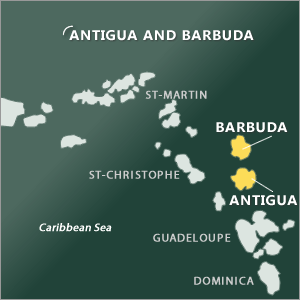
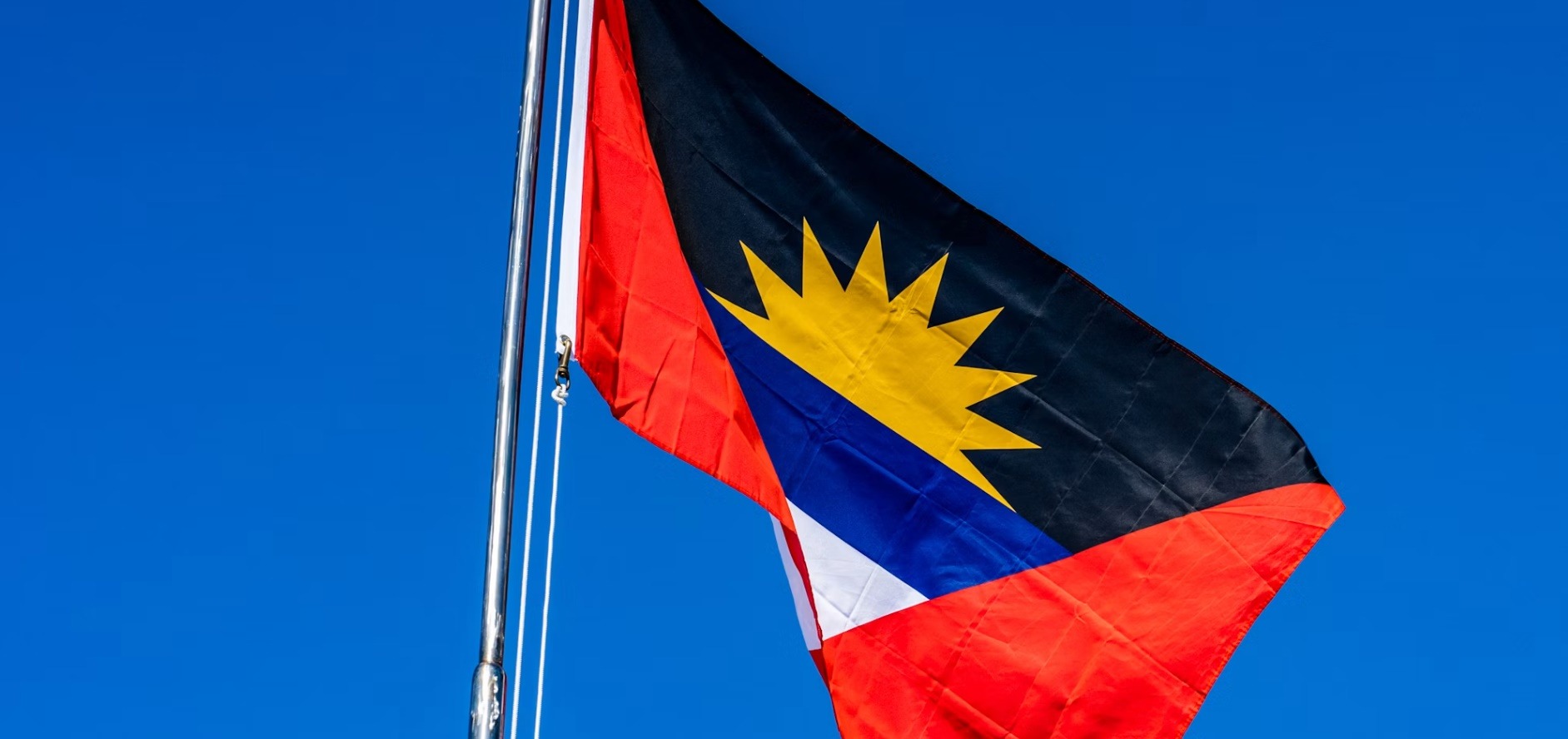
ANTIGUA B.
Welcome to the 2028 Diaspora World Cup. Germantown – Clarksburg
Germantown – Clarksburg
Welcome to the 2028 Diaspora World Cup. Germantown – Clarksburg
The Antigua and Barbuda diaspora maintains a small but culturally rich and active presence across the Washington D.C., Maryland, and Virginia (DMV) region. The community anchors its civic representation through its official embassy while celebrating its heritage via major regional Caribbean networks and cultural festivals. 🏛️ Diplomatic & Civic Representat...The Antigua and Barbuda diaspora maintains a small but culturally rich and active presence across the Washington D.C., Maryland, and Virginia (DMV) region. The community anchors its civic representation through its official embassy while celebrating its heritage via major regiona...
More Information
Chelsea Official
Download The 5th Stand, Chelsea’s official mobile app, to see exclusive content, match action and all the latest news from Stamford Bridge.
More Information
Street Soccer in Antigua and Barbuda
Street soccer is widely enjoyed across Antigua and Barbuda, where children and teenagers often gather in neighbourhoods, schoolyards, community courts, and open recreational spaces for friendly football matches. These informal games are a regular part of daily life and provide an enjoyable way for young people to stay active while sharing their passion for the sport.
With limited space and smaller teams, players learn to think quickly, move efficiently, and maintain close control of the ball. The relaxed environment encourages creativity, teamwork, and confidence, allowing participants to develop their skills through regular play.
Street soccer remains an accessible form of football that requires minimal equipment, making it easy for communities across the islands to take part. It promotes healthy lifestyles, social interaction, and a lifelong interest in the game.
Street Soccer Culture in Antigua and Barbuda
Football is an important community sport in Antigua and Barbuda, and street soccer helps introduce many young players to the game. Friendly matches are commonly organised by neighbours, classmates, and local youth groups, creating a welcoming atmosphere where everyone can participate.
Skills Developed Through Street Soccer
Street soccer helps players improve dribbling, passing, first touch, balance, agility, and spatial awareness. The quick pace of the game also strengthens communication, creativity, and decision-making in challenging situations.
Street Soccer and Community Development
Street soccer brings communities together by encouraging participation, friendship, and teamwork through football. It also provides a valuable starting point for young players who later move on to school competitions, local football clubs, and youth development programmes.
The Antigua B. in the DMV Metro
The Antigua and Barbuda diaspora maintains a small but culturally rich and active presence across the Washington D.C., Maryland, and Virginia (DMV) region. The community anchors its civic representation through its official embassy while celebrating its heritage via major regional Caribbean networks and cultural festivals.
🏛️ Diplomatic & Civic Representation
The primary institutional hub for the diaspora in the metropolitan area is theEmbassy of Antigua and Barbuda, located in the Georgetown neighborhood of Washington, D.C. Led by veteran diplomat Sir Ronald Sanders, the embassy manages essential consular services for nationals and serves as a vital focal point for community engagement, independence day receptions, and regional advocacy within the Organization of American States (OAS).
🎉 Cultural Visibility & Community Footprint
While smaller in sheer numbers compared to other Caribbean populations in the DMV, Antiguans and Barbudans are deeply embedded in the broader West Indian community of the region:
The Baltimore-Washington One Caribbean Carnival: This massive annual festival, held every July in Druid Hill Park, traces its historical roots directly to the Antiguan diaspora. It was originally founded in 1981 by the West Indian Association of Maryland under the leadership of Dr. Elaine Simon, an Antiguan and Barbudan native.
Artistic and Academic Presence: Members of the diaspora actively shape local spaces, including prominent DMV-based figures like Creative Alliance resident artist Ayana Gordon—a Baltimore-based Antiguan-Haitian photographer and storyteller.
Significance
Antiguan and Barbudan migration has generally reflected colonial rule, limited employment opportunities, family connections, economic change, natural disasters, education, and the search for work abroad.
Migration from Antigua and Barbuda developed through movement between Caribbean islands for trade, employment, marriage, education, and family responsibilities. During the colonial period, the islands’ plantation economy depended heavily on the forced migration of enslaved Africans. After slavery ended, limited land, declining sugar production, low wages, and restricted employment encouraged residents to seek opportunities in Britain, the United States, Canada, the U.S. Virgin Islands, and other Caribbean territories. Migration continued after independence in 1981 through family reunification, education, professional employment, and regional mobility. At the same time, the expansion of tourism, construction, hospitality, and services attracted foreign workers to Antigua and Barbuda, transforming the country into both a source and destination of migration.
Antiguan and Barbudan Migration Before Independence
Before independence, migration was shaped by British colonial rule and the development of sugar plantations on Antigua. English settlement began during the seventeenth century, and large numbers of enslaved Africans were forcibly transported to the islands to work in the sugar industry. After slavery was abolished in 1834, many workers remained economically dependent on plantations and had limited access to land or secure employment. Barbuda developed differently, with a smaller population and an economy based on agriculture, livestock, fishing, and regional trade. During the nineteenth and early twentieth centuries, residents increasingly travelled to neighbouring Caribbean islands, Britain, and North America for seasonal work, military service, education, and better wages. Overseas migration became an important way for families to obtain financial support while maintaining close cultural and family connections with the islands.
Late-Twentieth-Century Migration
Antiguan and Barbudan migration continued during the late twentieth century as the sugar industry declined and the national economy shifted toward tourism, construction, transportation, and financial services. Many residents moved abroad for university education, healthcare, professional training, employment, and family reunification, creating communities in the United Kingdom, the United States, Canada, and other Caribbean territories. Antigua and Barbuda gained independence from Britain on November 1, 1981, but migration remained an important part of family and economic life. Migrants supported relatives through remittances, return visits, property investment, and community organisations. Expanding hotels, restaurants, construction projects, and public services also created demand for workers from other Caribbean countries and overseas. As a result, Antigua and Barbuda became both an emigrant society with a substantial diaspora and a destination for regional and international migrants.
Lorem ipsum dolor sit amet, consectetur adipiscing elit, sed do eiusmod tempor incididunt ut
labore et dolore magna aliqua. Ut enim ad minim veniam, quis nostrud exercitation ullamco
laboris nisi ut aliquip ex ea commodo consequat. Duis aute irure dolor in
reprehenderit in voluptate velit esse cillum dolore eu fugiat nulla pariatur.
 Sign In




 Facebook
 X-Twitter
 Instagram
 Linkedin
 Youtube