The Diaspora World Cup operates in some of the major cities and metro areas in
United States and
Canada. Our network of register players includes 20 cities, 200 countries, 400
teams, and 10,000
players. Join our movement to solve the world's most pressing challenges:
Illiteracy
Who We are text will be here Who We are text will be here Who We are text will
be here Who We
are text will be here Who We are text will be here Who We are text will be here
Who We are text
will be here Who We are text will be here Who We are text will be here
What We Do text will be here What We Do text will be here What We Do text will
be here What We
Do text will be here What We Do text will be here What We Do text will be here
What We Do text
will be here What We Do text will be here What We Do text will be here What We
Do text will be
here What We Do text will be here What We Do text will be here
Get Involved text will be here Get Involved text will be here Get Involved text
will be here Get
Involved text will be here Get Involved text will be here Get Involved text will
be here Get
Involved text will be here Get Involved text will be here Get Involved text will
be here Get
Involved text will be here
Education is a basic Human Right and the Diaspora World Cup global school
program focuses its
energy in some the poorest countries around the world. We build schools in some
of the poorest
countries around the worldthat historically had no adequate school structure.
Any member of the
World Diaspora has the power to end illiteracy around the world through the
power of soccer.
High-profile sport figures, global leaders, business leaders, political figure,
journalists,
activists, philanthropists, actors, and entrepreneurs united by their commitment
to the Diaspora
World Cup mission to eradicate illiteracy around the world through the power of
soccer. They serve
as role models and spread the Diaspora World Cup vision and commitment of a
world mobilized
through soccer.
Diaspora 2027: complete guide to all players | The Diaspora
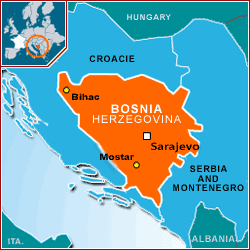
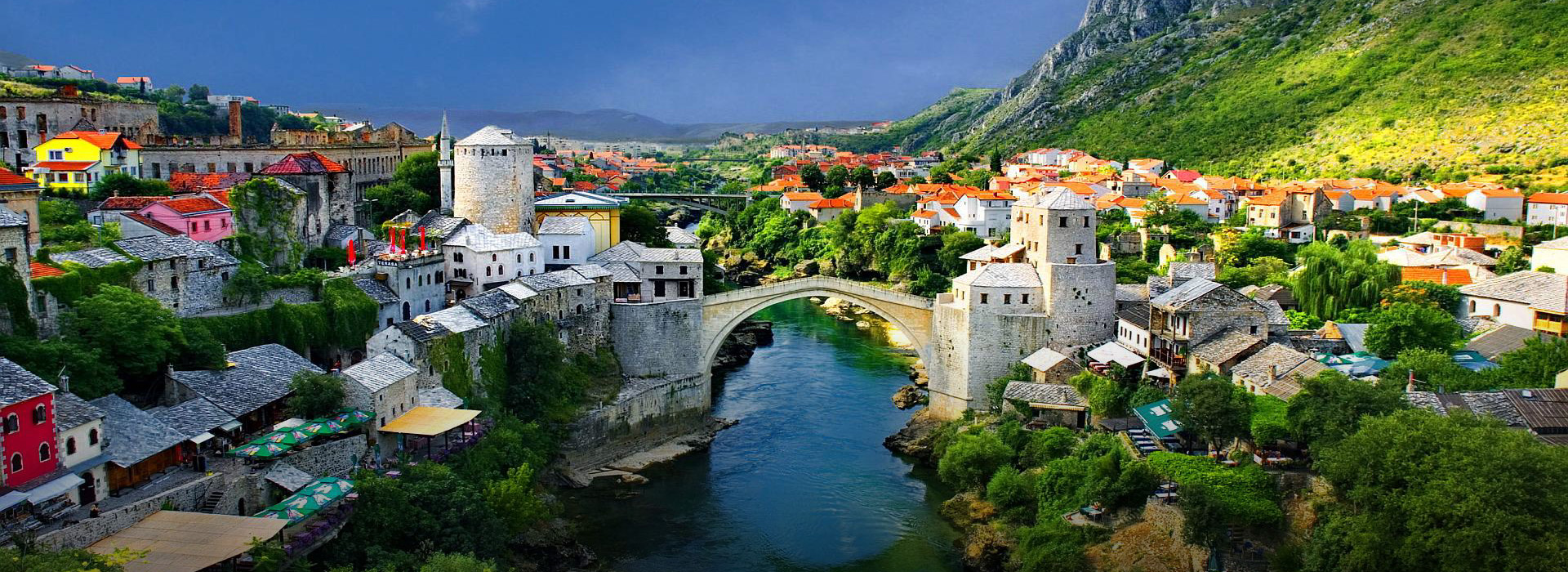
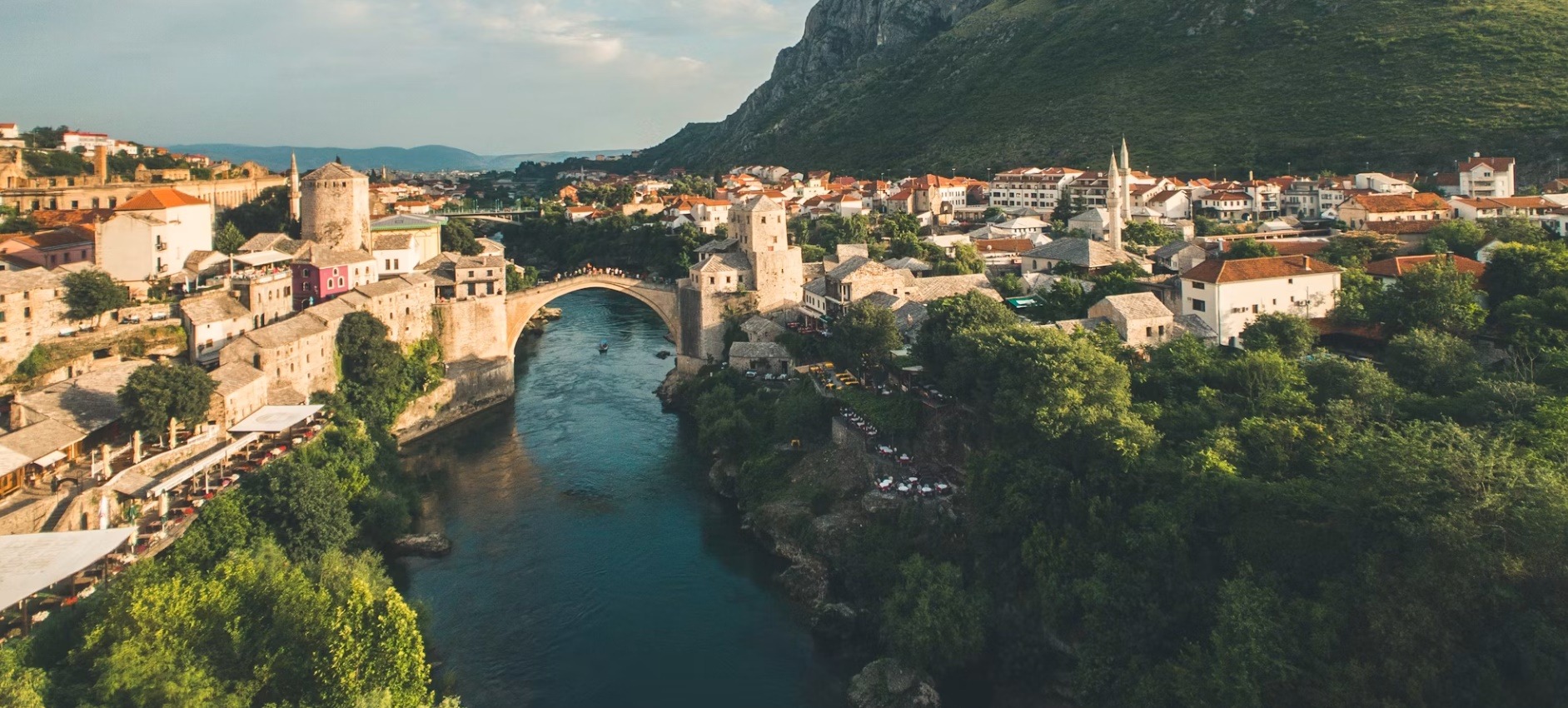
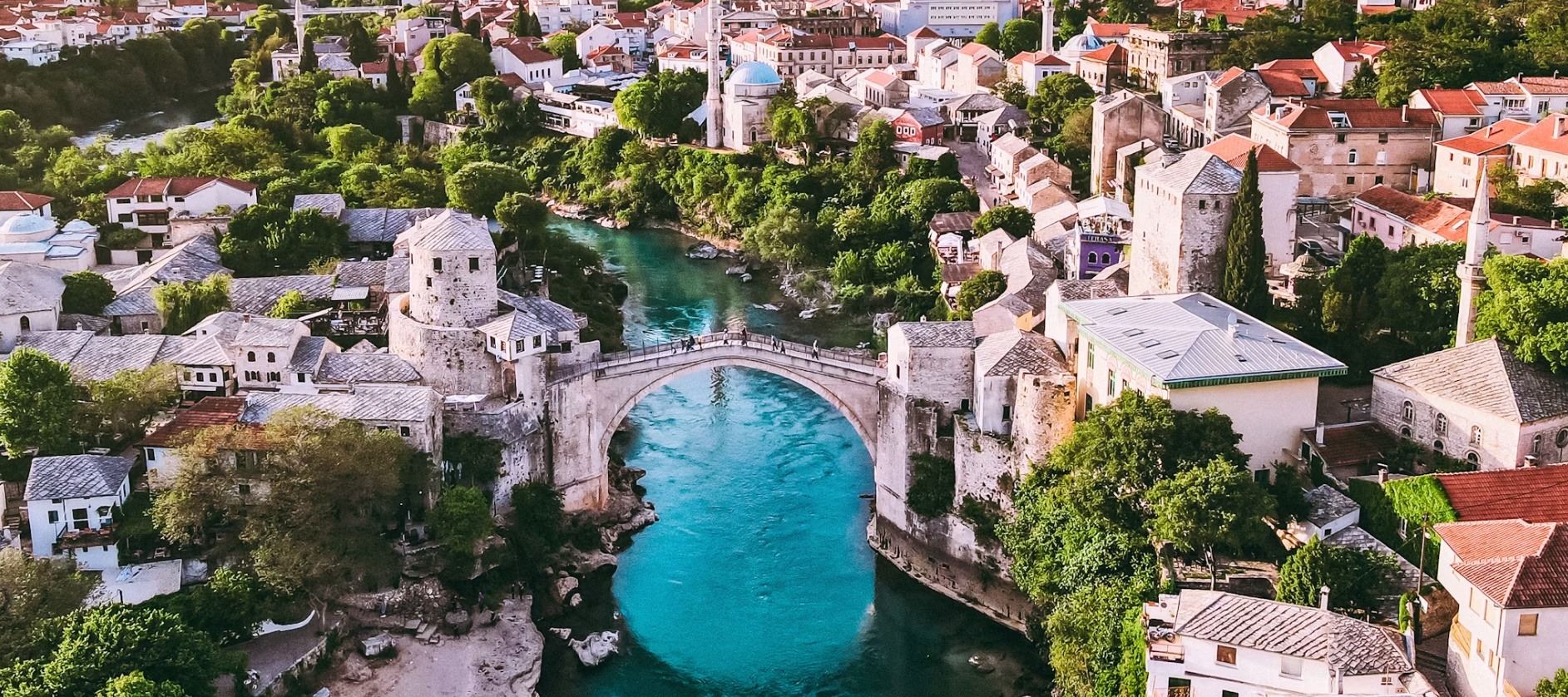
BOSNIA H.
Welcome to the 2028 Diaspora World Cup. Germantown – Clarksburg
Germantown – Clarksburg
Welcome to the 2028 Diaspora World Cup. Germantown – Clarksburg
The Bosnian and Herzegovinian diaspora in the DMV (Washington D.C., Maryland, and Virginia) is a highly active and integrated community that expanded primarily due to displacement during the 1992–1995 Bosnian War. Unlike larger historical enclaves like St. Louis or Chicago, the DMV diaspora is strongly characterized by professional networking, civic advocacy, a...The Bosnian and Herzegovinian diaspora in the DMV (Washington D.C., Maryland, and Virginia) is a highly active and integrated community that expanded primarily due to displacement during the 1992–1995 Bosnian War. Unlike larger historical enclaves like St. Louis or Chicago, the...
More Information
Chelsea Official
Download The 5th Stand, Chelsea’s official mobile app, to see exclusive content, match action and all the latest news from Stamford Bridge.
More Information
Street Soccer in Bosnia and Herzegovina
Street soccer is a popular activity in Bosnia and Herzegovina, where children and teenagers often gather in neighbourhood courtyards, school playgrounds, parks, and community sports areas for informal football matches. These friendly games are part of everyday life and give young players an enjoyable way to stay active while developing their football skills.
Playing on smaller courts encourages accurate passing, close ball control, quick movement, and smart decision-making. The fast pace of street soccer also helps players build confidence, improve teamwork, and develop technical abilities through regular practice with friends.
Street soccer provides an affordable and accessible way for communities to enjoy football without requiring professional facilities. It promotes healthy lifestyles, strengthens friendships, and inspires many young people to continue playing the sport.
Street Soccer Culture in Bosnia and Herzegovina
Football has a strong tradition in Bosnia and Herzegovina, and street soccer remains an important part of youth football culture. Informal matches are commonly organised by friends, schools, and local neighbourhoods, creating a welcoming environment where players of all ages and skill levels can participate.
Skills Developed Through Street Soccer
Street soccer helps players improve dribbling, passing accuracy, first touch, agility, balance, close ball control, and awareness. Regular play also develops communication, creativity, and the ability to make quick decisions in tight spaces.
Street Soccer and Community Development
Street soccer brings local communities together through a shared passion for football while encouraging active lifestyles among young people. It also provides aspiring players with valuable experience before progressing to school teams, local football clubs, or organised youth football programmes.
The Bosnia A. in the DMV Metro
The Bosnian and Herzegovinian diaspora in the DMV (Washington D.C., Maryland, and Virginia) is a highly active and integrated community that expanded primarily due to displacement during the 1992–1995 Bosnian War. Unlike larger historical enclaves like St. Louis or Chicago, the DMV diaspora is strongly characterized by professional networking, civic advocacy, and institutional engagement due to its proximity to the United States capital.
🏛️ Diplomatic and Civic Foundations
Because of its strategic location, the DMV serves as the primary gateway for relations between the diaspora and the home country.
Embassy Presence: The Embassy of Bosnia and Herzegovina in Washington D.C. acts as a central institutional anchor.
State Cooperation: High-level diplomatic meetings, such as those with the Maryland-Bosnia and Herzegovina Exchange Council (MBHEC), routinely take place here to bridge state-level partnerships with the local community.
National Advocacy: Major national groups like the Advisory Council for Bosnia and Herzegovina (ACBH) operate out of the area to handle congressional relations and policy advocacy.
🤝 Professional and Community Organizations
The local community is highly educated and focuses on networking, charity, and preserving heritage.
BHeart: A notable women-led non-profit organization based in the Washington D.C. area that organizes cultural events, humanitarian aid initiatives, and educational programs.
National Networks: Local professionals frequently engage with national organizations like the Bosnian American Professional Association (BAPA) and BHAAAS to support mentoring and professional development.
Social Hubs: Active regional hubs like the Bosnians in Washington D.C. Facebook Group serve as daily platforms for housing, community news, and local business support.
Significance
Bosnian immigration to the United States has generally reflected economic hardship, changing imperial rule, the two World Wars, political repression, the breakup of Yugoslavia, ethnic persecution, refugee resettlement, education, employment, and family reunification.
Bosnian migration to the United States began in noticeable numbers during the late nineteenth and early twentieth centuries, when labourers, farmers, miners, artisans, and families left the Balkans for industrial and agricultural opportunities. Early immigrants were often recorded as Austro-Hungarian or Yugoslav rather than Bosnian because Bosnia and Herzegovina was not yet an independent country. Migration increased dramatically during the 1992–1995 Bosnian War, when violence, ethnic cleansing, detention, and the destruction of communities displaced millions of people. The United States established a refugee-admission programme for vulnerable Bosnians, and arrivals increased substantially during the second half of the 1990s. Bosnian communities later developed in cities such as St. Louis, Chicago, New York, Detroit, and Jacksonville.
Bosnian Migration Before Independence
Before Bosnia and Herzegovina became independent, migration was shaped by Ottoman rule, Austro-Hungarian administration, poverty, military obligations, limited farmland, and industrial employment abroad. Early Bosnian arrivals included miners, factory workers, farmers, merchants, students, and skilled tradespeople who settled mainly in industrial areas of the United States. Because Bosnia later formed part of the Kingdom of Yugoslavia and socialist Yugoslavia, American records commonly identified these immigrants under broader national or ethnic categories. Further movement followed World War I, the collapse of Austria-Hungary, World War II, political persecution, and the establishment of socialist Yugoslavia. Some refugees and displaced persons entered the United States after World War II, while later arrivals came for university education, specialised work, marriage, or family reunification.
Late-Twentieth-Century Immigration
Bosnian immigration increased dramatically after Bosnia and Herzegovina declared independence from Yugoslavia in 1992 and was recognised by the United States. The war that followed lasted until 1995 and involved siege warfare, ethnic cleansing, mass displacement, detention camps, and the killing of approximately 100,000 people. The United States began a special refugee-admission programme for Bosnians in 1993, and annual arrivals rose from 1,485 in 1995 to 21,357 in 1997. Refugees included Bosniaks, Bosnian Croats, Bosnian Serbs, and people from mixed families who had lost homes, relatives, employment, and community connections. Resettlement agencies and established immigrant networks helped newcomers obtain housing, language instruction, education, and employment. Bosnian Americans later established restaurants, businesses, mosques, churches, cultural associations, and community organisations while preserving Bosnian language, food, music, religious traditions, and family ties.
Lorem ipsum dolor sit amet, consectetur adipiscing elit, sed do eiusmod tempor incididunt ut
labore et dolore magna aliqua. Ut enim ad minim veniam, quis nostrud exercitation ullamco
laboris nisi ut aliquip ex ea commodo consequat. Duis aute irure dolor in
reprehenderit in voluptate velit esse cillum dolore eu fugiat nulla pariatur.
 Sign In




 Facebook
 X-Twitter
 Instagram
 Linkedin
 Youtube