
Responsive Header
  • Where We Work
  • Cameroon
  • The Diaspora World Cup operates in some of the major cities and metro areas in United States and Canada. Our network of register players includes 20 cities, 200 countries, 400 teams, and 10,000 players. Join our movement to solve the world's most pressing challenges: Illiteracy
  • Who We are text will be here Who We are text will be here Who We are text will be here Who We are text will be here Who We are text will be here Who We are text will be here Who We are text will be here Who We are text will be here Who We are text will be here
  • What We Do text will be here What We Do text will be here What We Do text will be here What We Do text will be here What We Do text will be here What We Do text will be here What We Do text will be here What We Do text will be here What We Do text will be here What We Do text will be here What We Do text will be here What We Do text will be here
  • Get Involved text will be here Get Involved text will be here Get Involved text will be here Get Involved text will be here Get Involved text will be here Get Involved text will be here Get Involved text will be here Get Involved text will be here Get Involved text will be here Get Involved text will be here
  • Education is a basic Human Right and the Diaspora World Cup global school program focuses its energy in some the poorest countries around the world. We build schools in some of the poorest countries around the worldthat historically had no adequate school structure. Any member of the World Diaspora has the power to end illiteracy around the world through the power of soccer.
  • High-profile sport figures, global leaders, business leaders, political figure, journalists, activists, philanthropists, actors, and entrepreneurs united by their commitment to the Diaspora World Cup mission to eradicate illiteracy around the world through the power of soccer. They serve as role models and spread the Diaspora World Cup vision and commitment of a world mobilized through soccer.
  •  
  •  
Diaspora 2027: complete guide to all players | The Diaspora
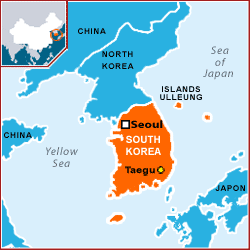
SOUTH K.
Germantown – Clarksburg
Welcome to the 2027 Diaspora World Cup.
Germantown – Clarksburg

Significance

South Korean immigration to the United States has generally reflected plantation labour, Japanese colonial rule, war, political instability, overseas education, professional employment, business opportunities, family reunification, and international adoption.

Korean migration to the United States began in significant numbers during the early twentieth century. In 1903, the first major group arrived in Hawaii, where many worked on sugar plantations alongside labourers from other Asian and European countries. Additional arrivals included students, political activists, merchants, religious leaders, and women who migrated as picture brides. Immigration later expanded after World War II and the Korean War, bringing students, military spouses, adopted children, refugees, and professionals. South Korean communities developed particularly in California, New York, New Jersey, Virginia, Texas, Illinois, and Hawaii, where immigrants established churches, businesses, newspapers, schools, restaurants, professional associations, and cultural organisations.

Korean Migration Before South Korea

Before the Republic of Korea was established, migration was shaped by rural poverty, political unrest, Japanese colonial rule, missionary connections, and demand for plantation workers in Hawaii. Early immigrants frequently worked in sugar production before some moved to California and other mainland states for agriculture, mining, domestic service, education, and small-business opportunities. Korean independence activists in the United States organised associations, published newspapers, raised funds, and supported resistance to Japanese control. Immigration became increasingly restricted after Japan assumed authority over Korean foreign relations in 1905 and the United States introduced laws limiting Asian migration. Because Korea had not yet been divided, early migrants were generally identified simply as Koreans rather than as South or North Koreans.
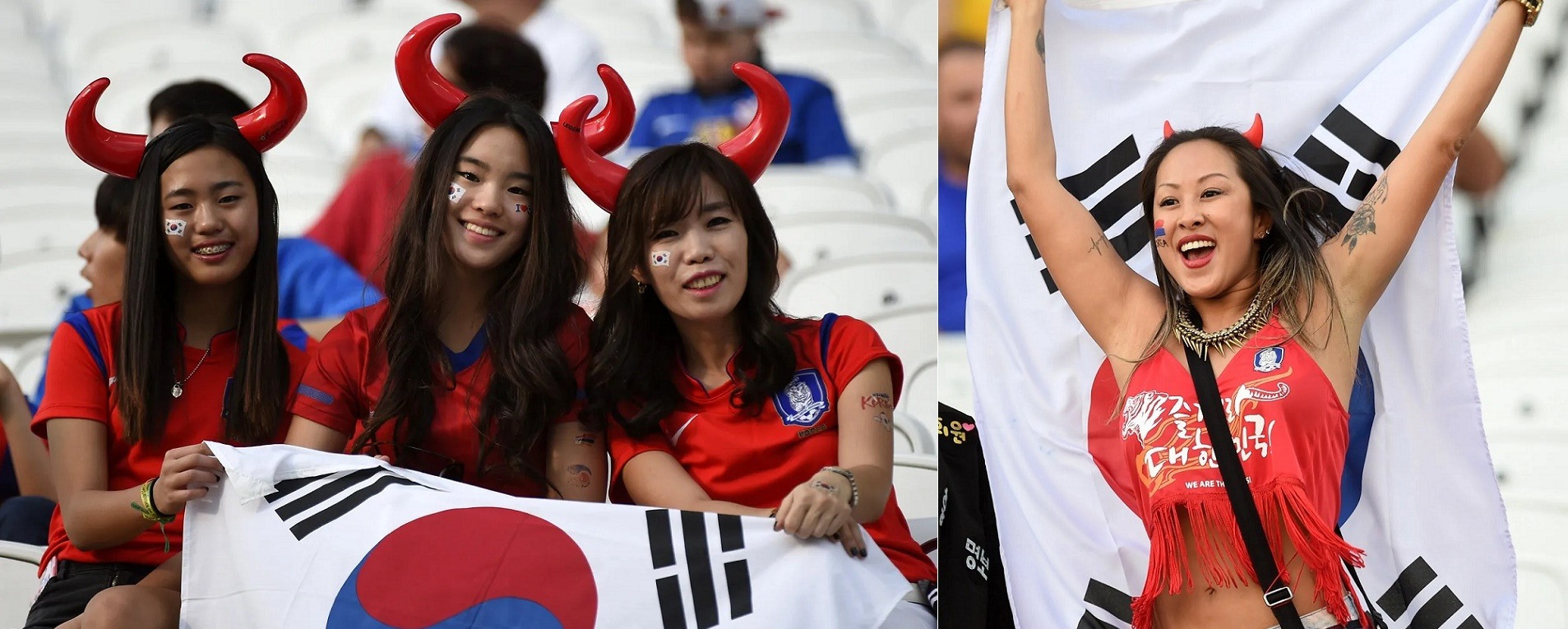
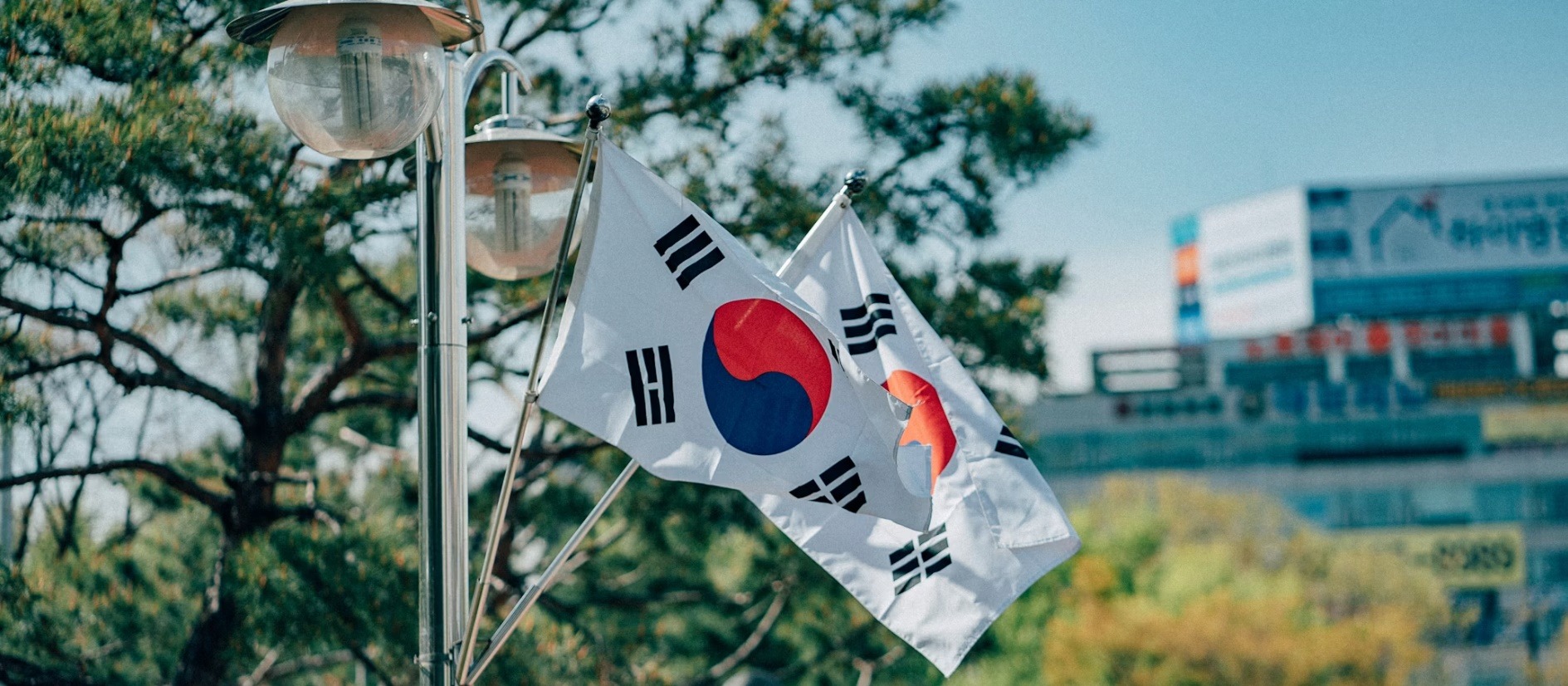
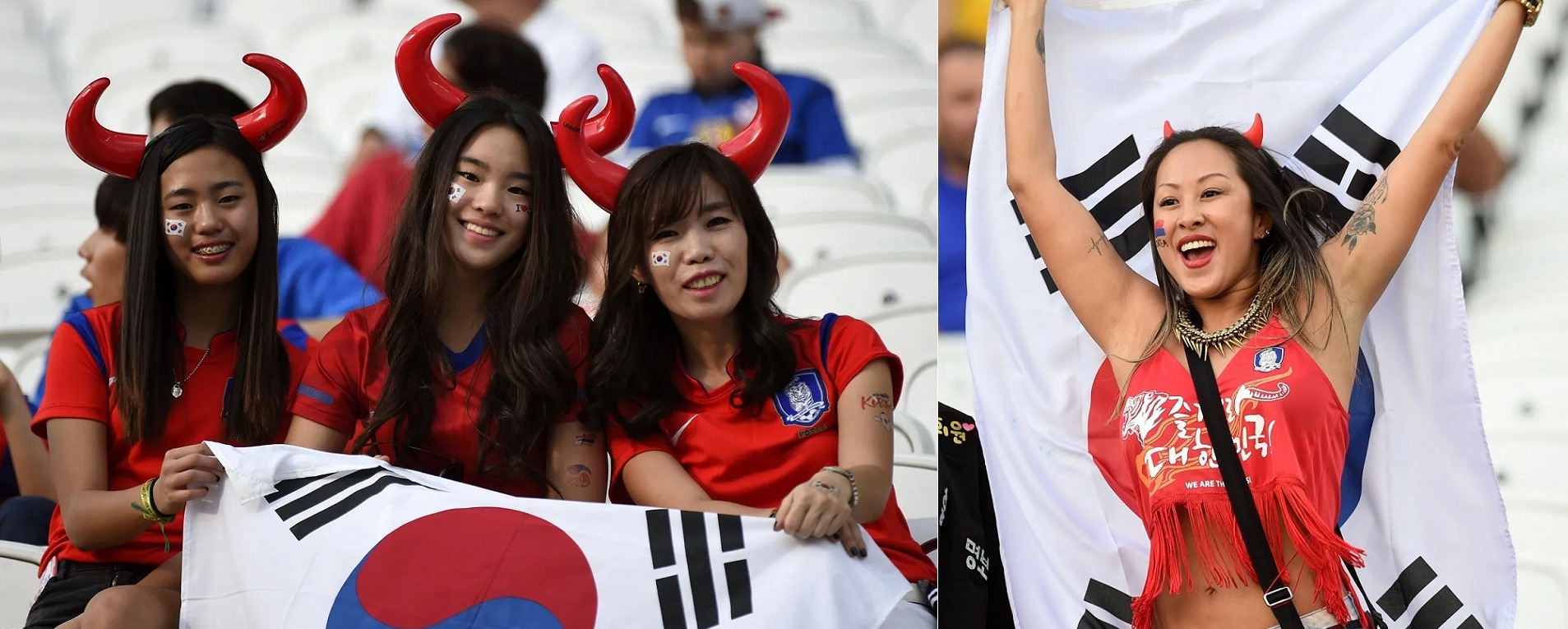
Late-Twentieth- and Early-Twenty-First-Century Immigration

The Republic of Korea was established in 1948, and the United States formally recognised it on January 1, 1949. The Korean War of 1950–1953 produced widespread destruction and encouraged migration through marriage, adoption, education, and humanitarian pathways. The most substantial immigration wave began after the Immigration and Nationality Act of 1965 removed earlier barriers to Asian immigration. South Korean doctors, nurses, engineers, scientists, academics, entrepreneurs, students, and families increasingly settled in the United States through employment and family sponsorship. Korean immigrants created strong commercial and religious communities while preserving the Korean language, food, music, holidays, and family traditions. As South Korea became more prosperous and politically stable, immigration growth slowed, and some immigrants or their American-born children later returned to Korea.

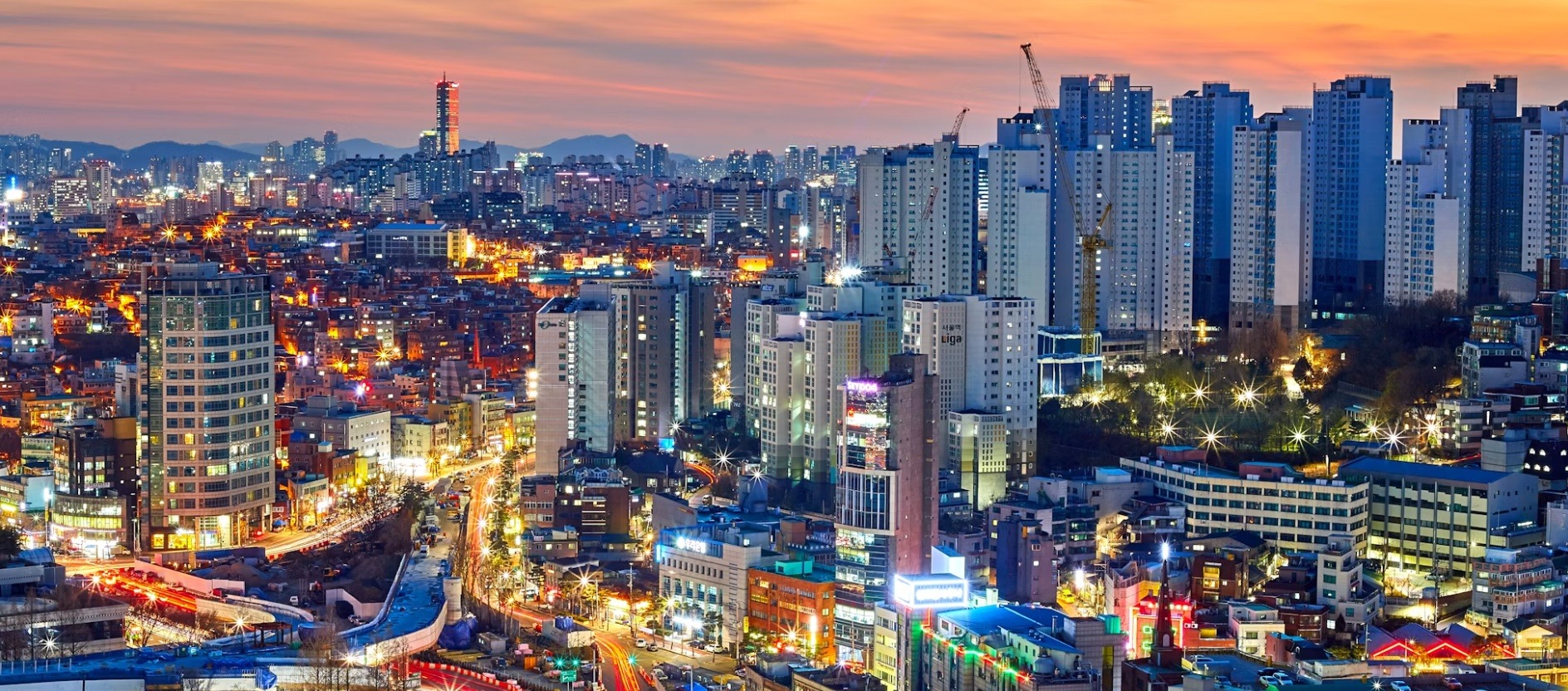
South K. country image
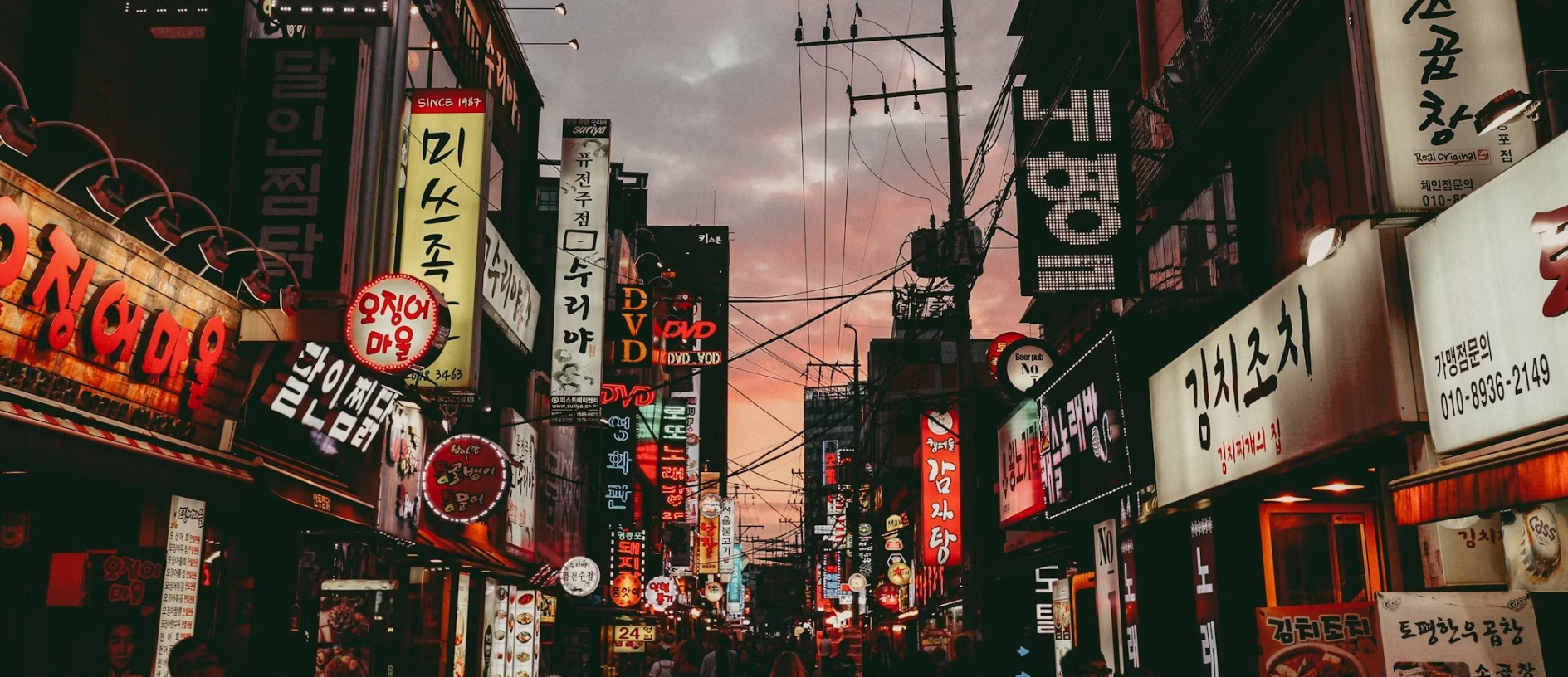
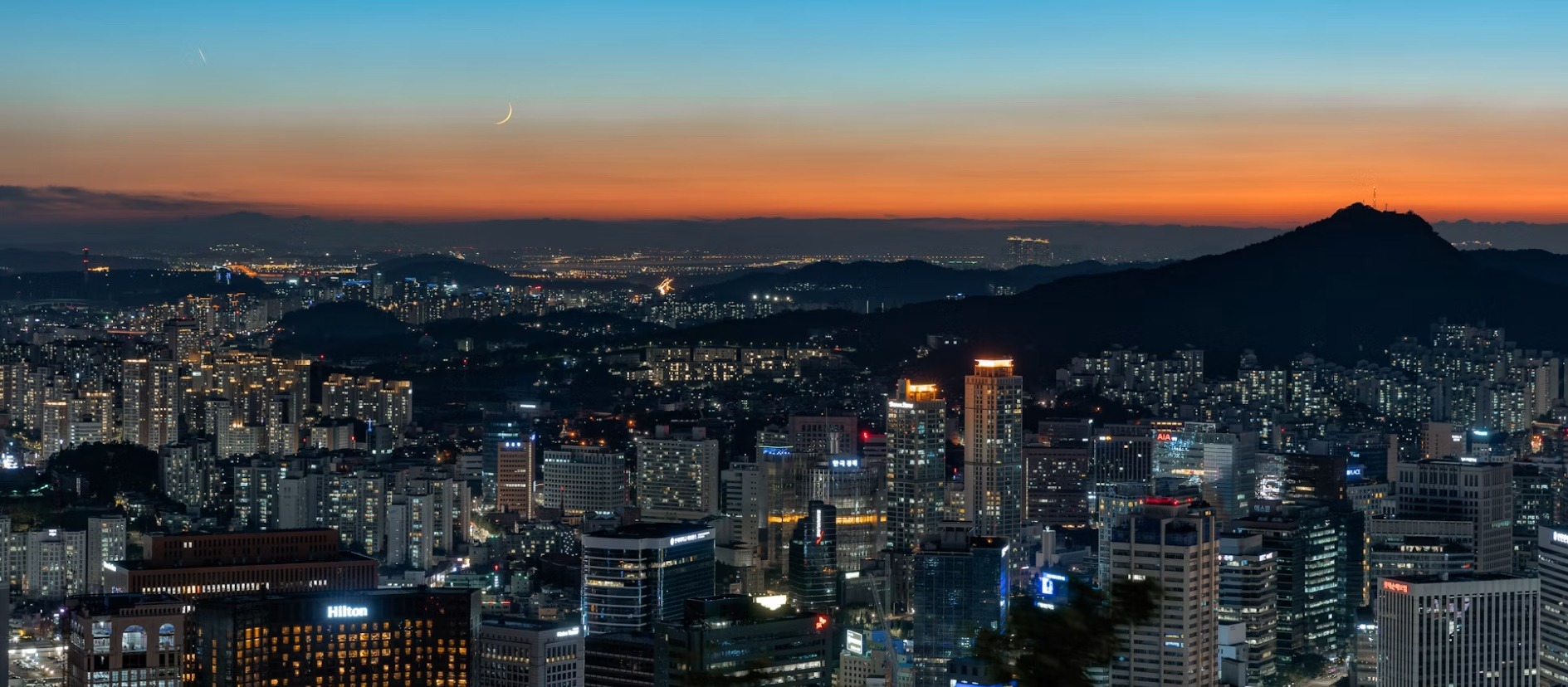
South K. overview image
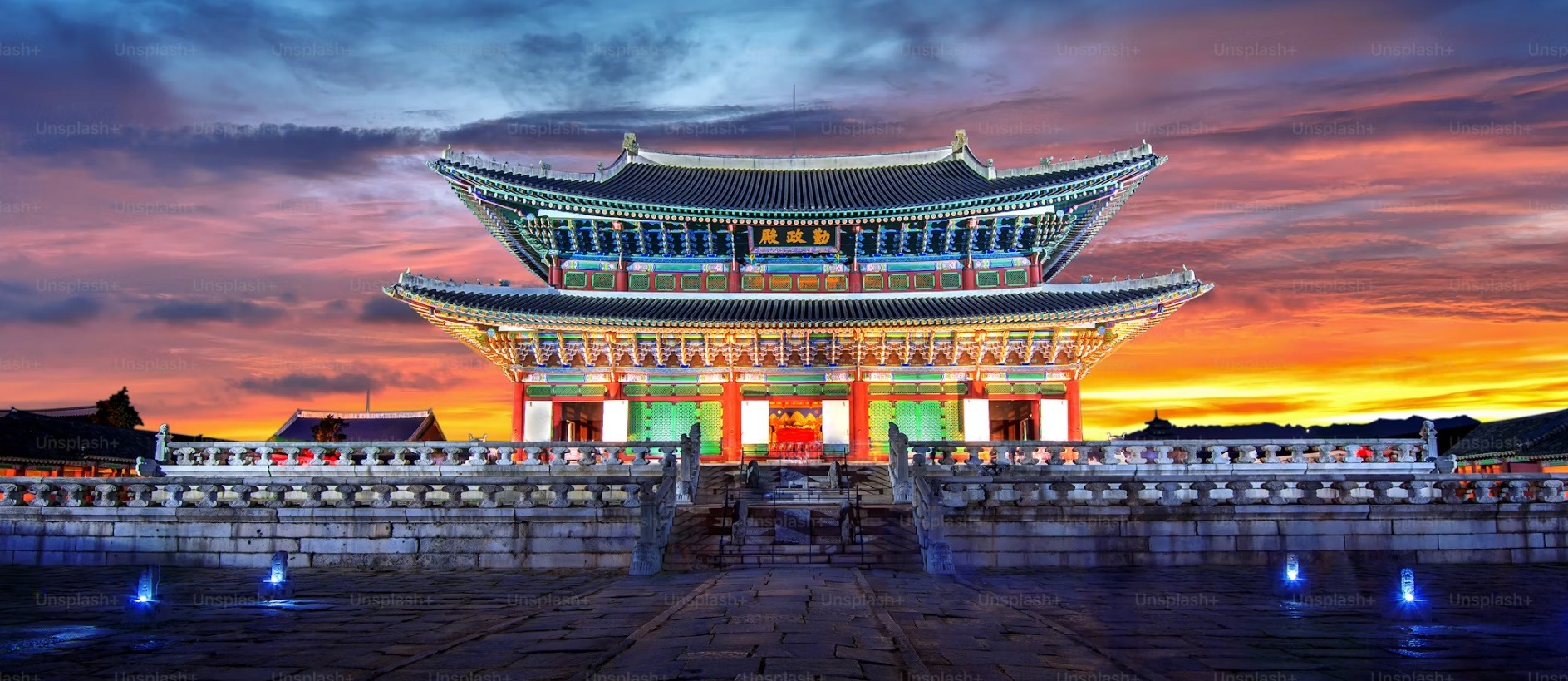
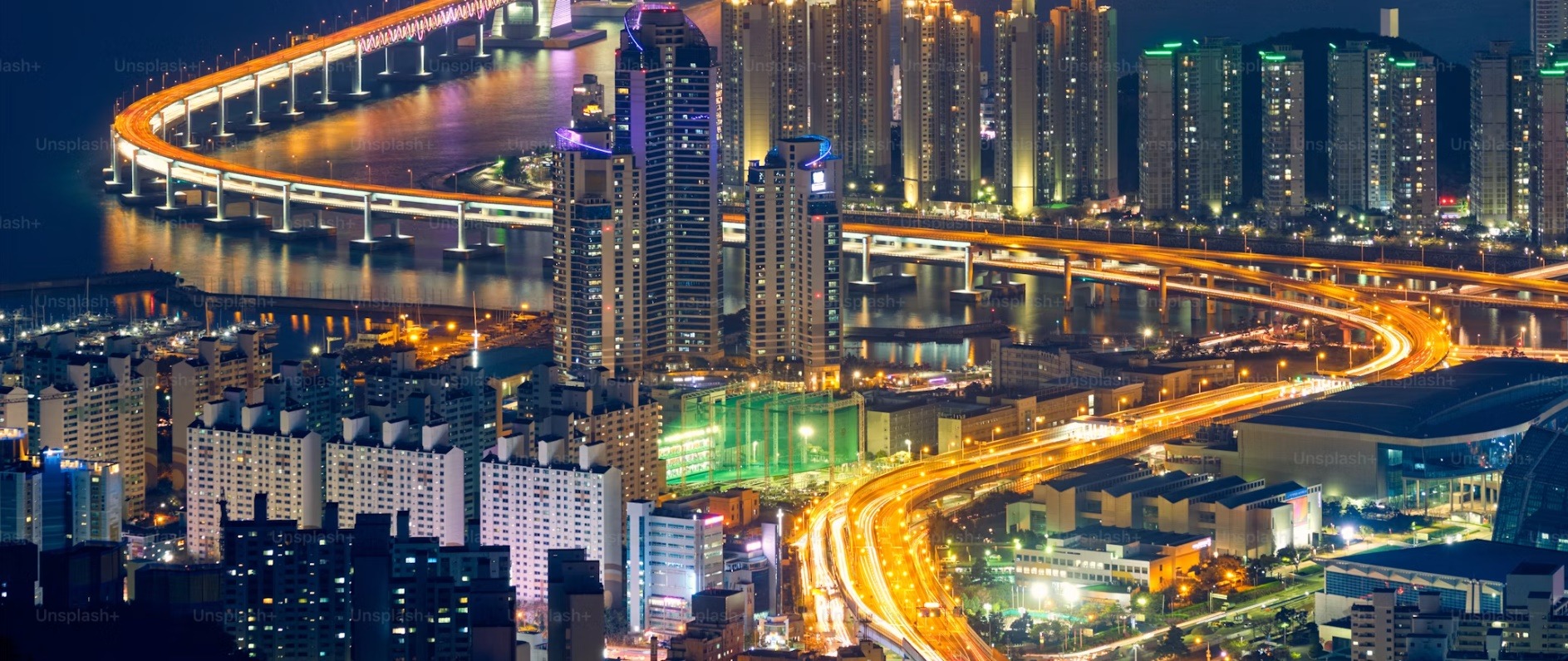
South K. anthem image

Team Standings

Teams Mp W D L GF GA Pt
Bermuda Bermuda 0 0 0 0 0 0 0
Finland Finland 0 0 0 0 0 0 0
Israel Israel 0 0 0 0 0 0 0
Italy Italy 0 0 0 0 0 0 0
Mexico Mexico 0 0 0 0 0 0 0
Norway Norway 0 0 0 0 0 0 0
Pakistan Pakistan 0 0 0 0 0 0 0
Saudi A. Saudi A. 0 0 0 0 0 0 0
Seychelles Seychelles 0 0 0 0 0 0 0
South K. South K. 0 0 0 0 0 0 0