The Diaspora World Cup operates in some of the major cities and metro areas in
United States and
Canada. Our network of register players includes 20 cities, 200 countries, 400
teams, and 10,000
players. Join our movement to solve the world's most pressing challenges:
Illiteracy
Who We are text will be here Who We are text will be here Who We are text will
be here Who We
are text will be here Who We are text will be here Who We are text will be here
Who We are text
will be here Who We are text will be here Who We are text will be here
What We Do text will be here What We Do text will be here What We Do text will
be here What We
Do text will be here What We Do text will be here What We Do text will be here
What We Do text
will be here What We Do text will be here What We Do text will be here What We
Do text will be
here What We Do text will be here What We Do text will be here
Get Involved text will be here Get Involved text will be here Get Involved text
will be here Get
Involved text will be here Get Involved text will be here Get Involved text will
be here Get
Involved text will be here Get Involved text will be here Get Involved text will
be here Get
Involved text will be here
Education is a basic Human Right and the Diaspora World Cup global school
program focuses its
energy in some the poorest countries around the world. We build schools in some
of the poorest
countries around the worldthat historically had no adequate school structure.
Any member of the
World Diaspora has the power to end illiteracy around the world through the
power of soccer.
High-profile sport figures, global leaders, business leaders, political figure,
journalists,
activists, philanthropists, actors, and entrepreneurs united by their commitment
to the Diaspora
World Cup mission to eradicate illiteracy around the world through the power of
soccer. They serve
as role models and spread the Diaspora World Cup vision and commitment of a
world mobilized
through soccer.
Diaspora 2027: complete guide to all players | The Diaspora
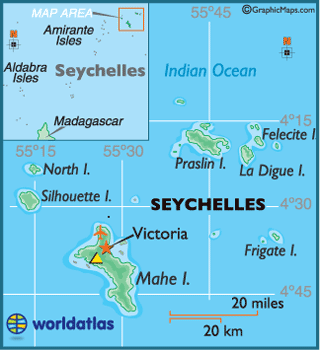
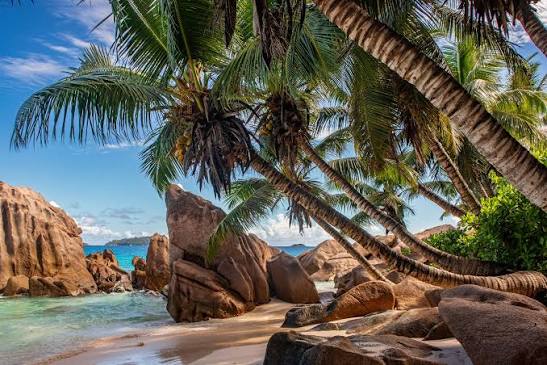
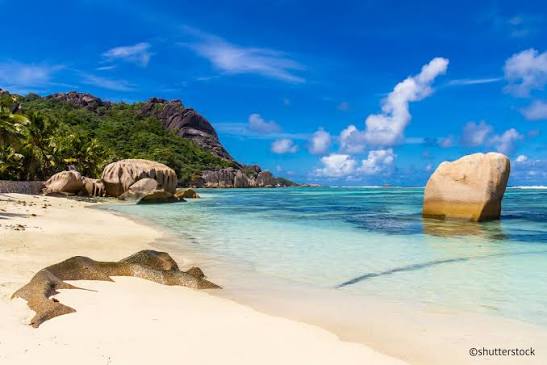
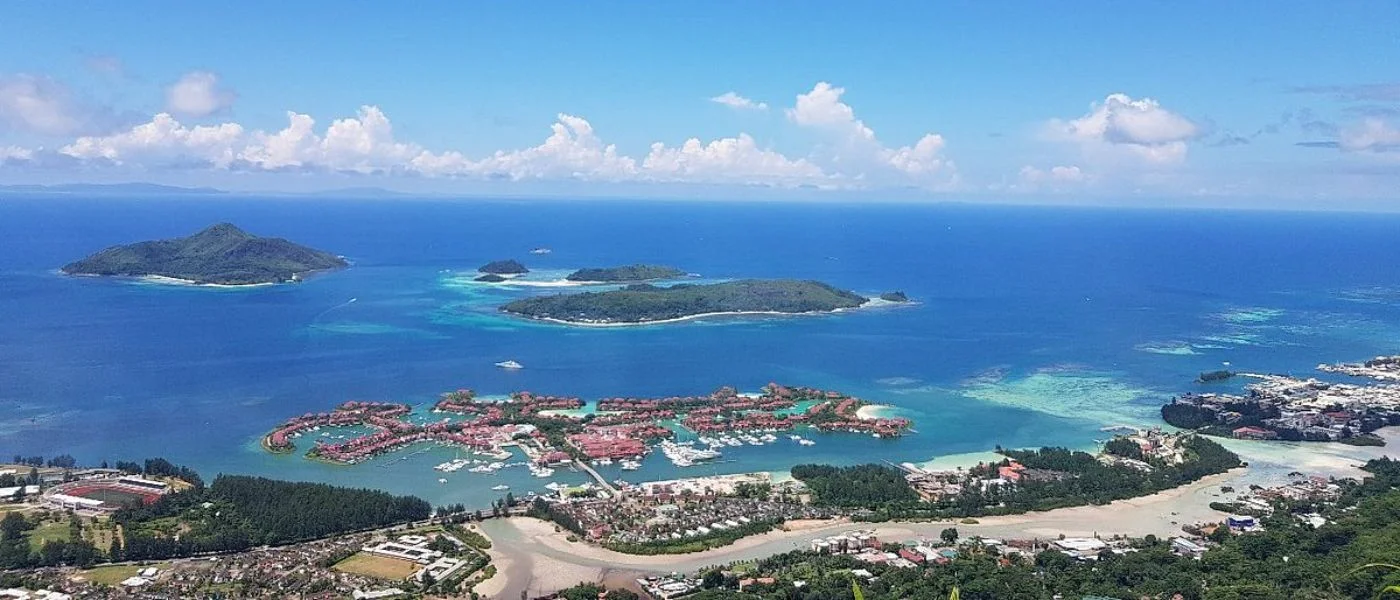
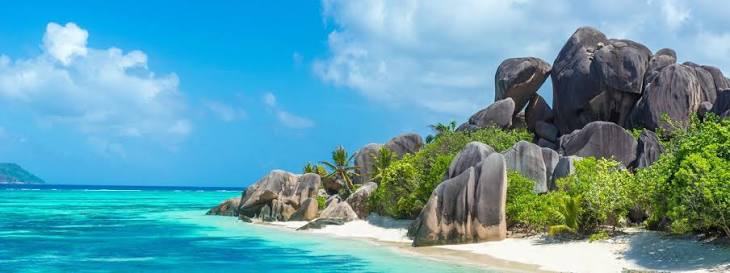
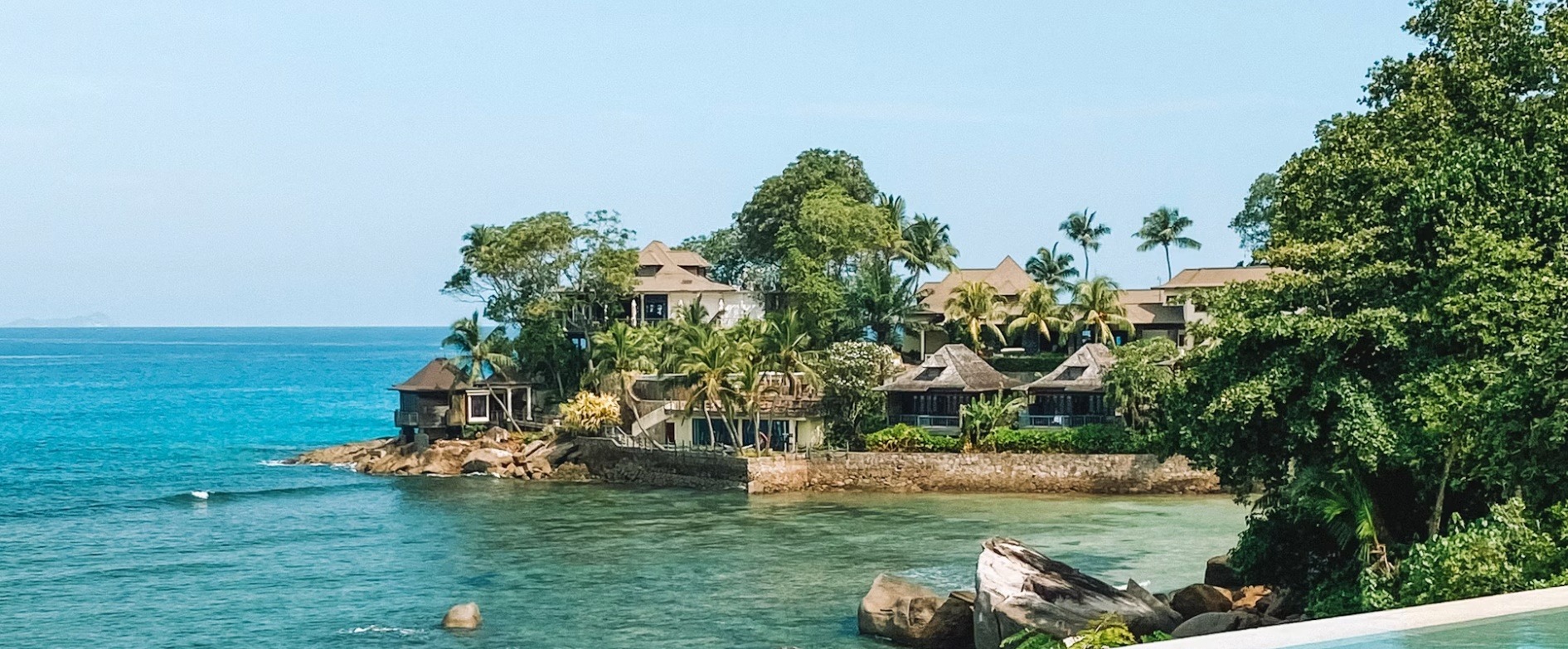
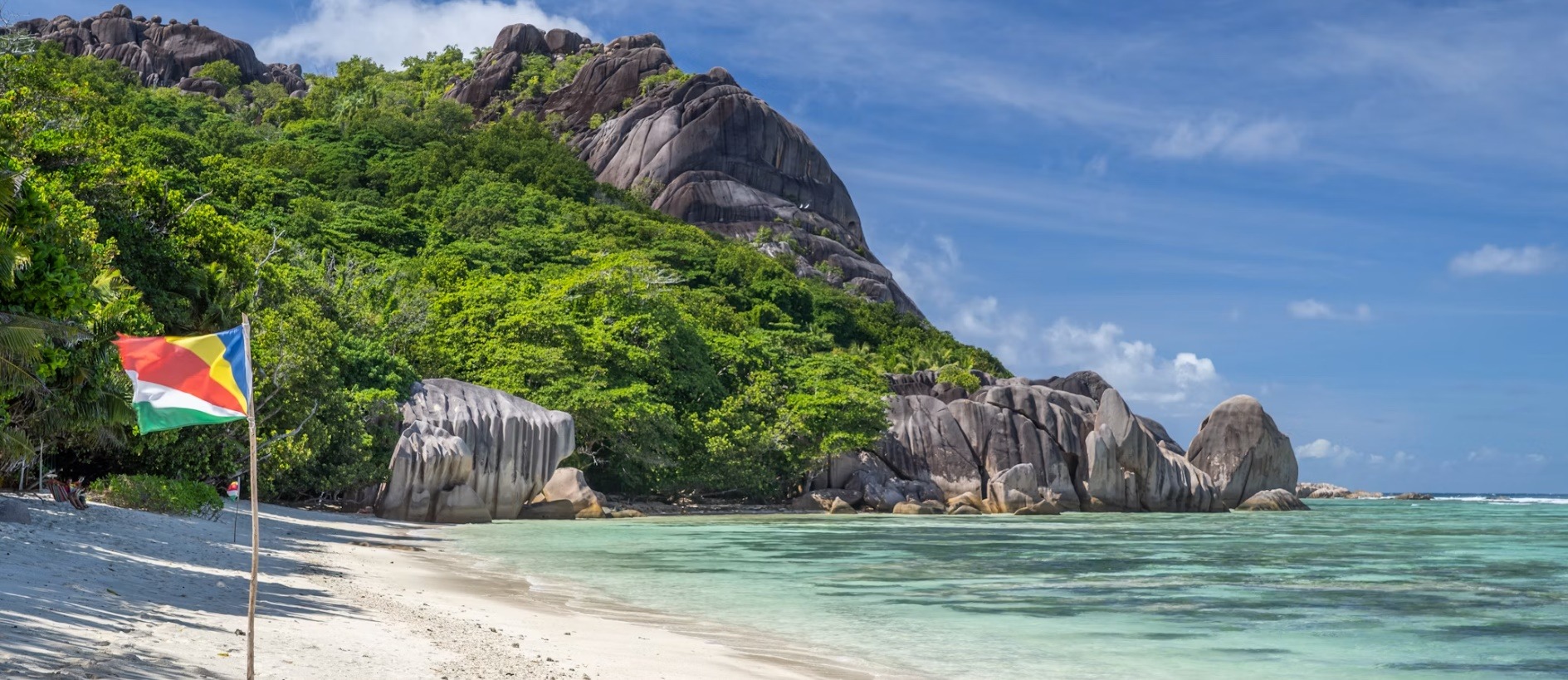
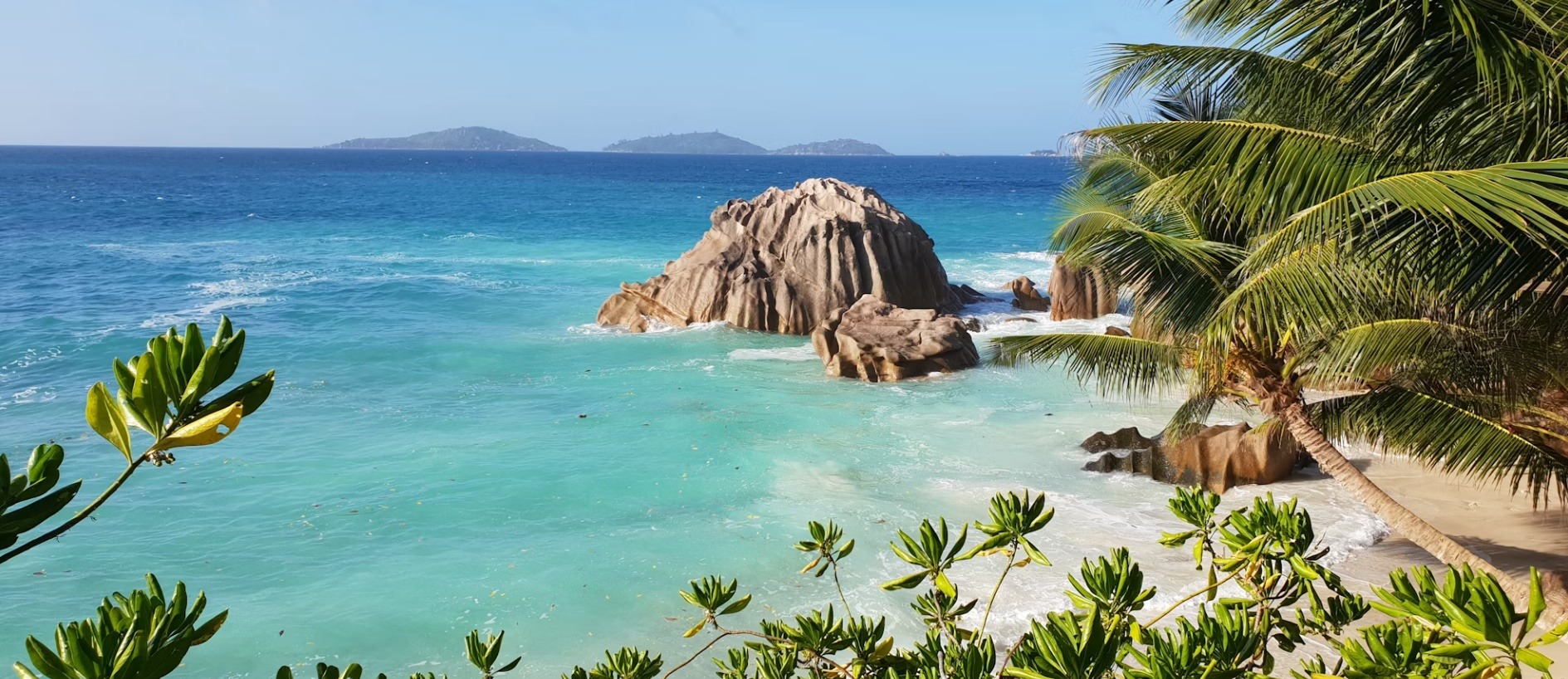
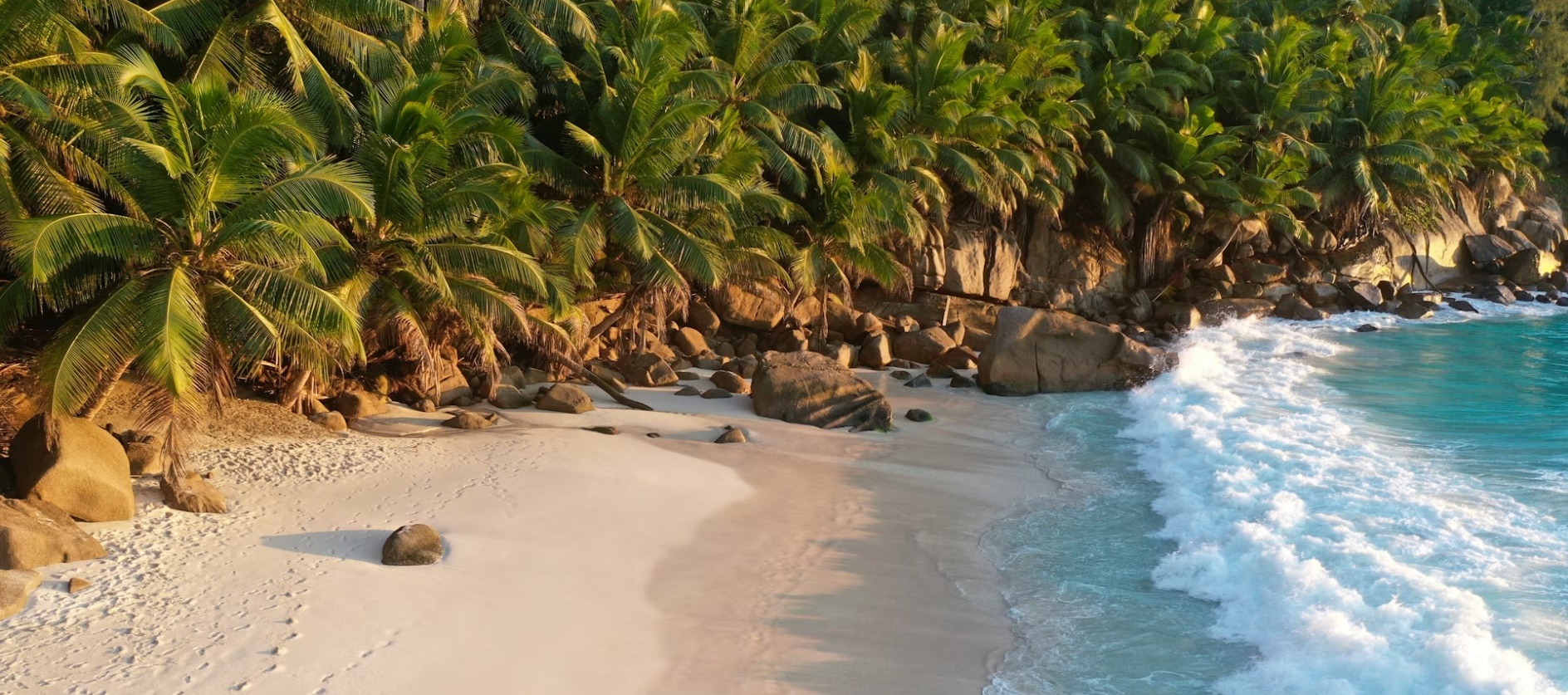
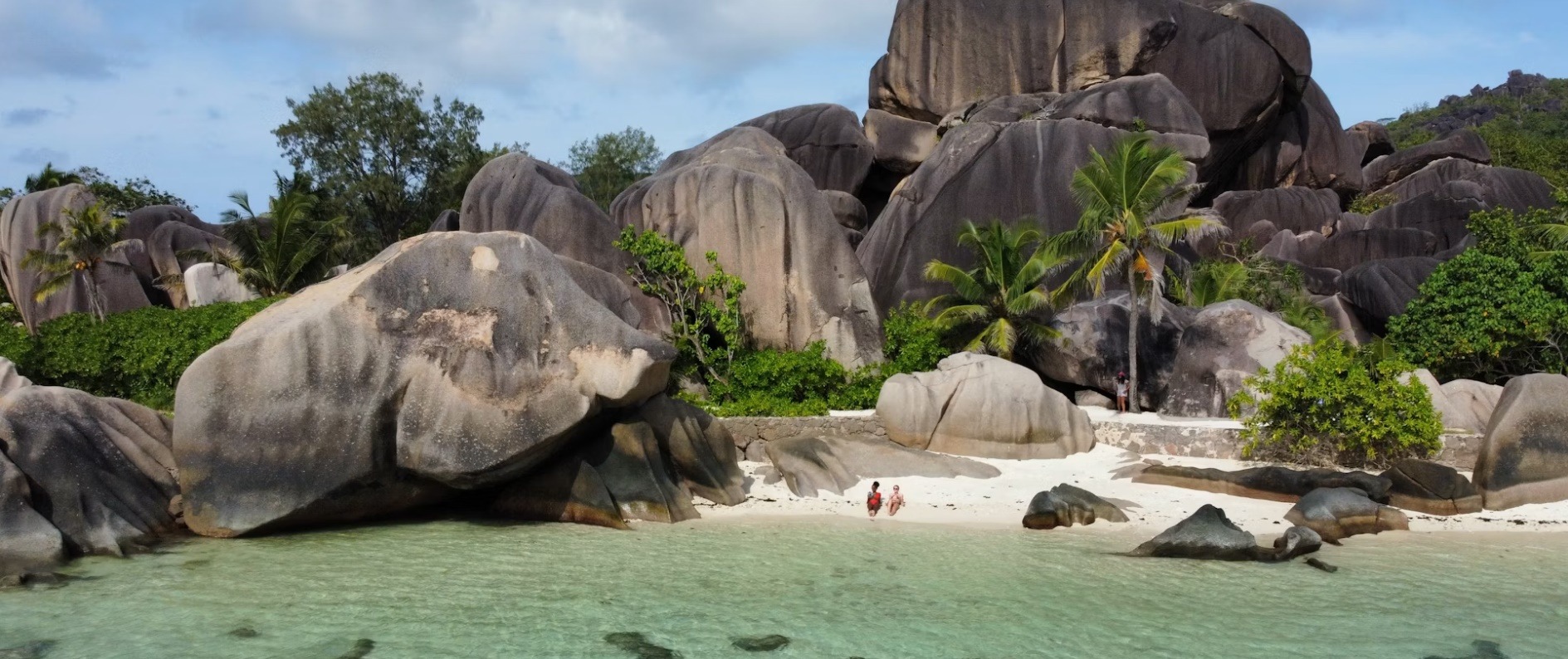
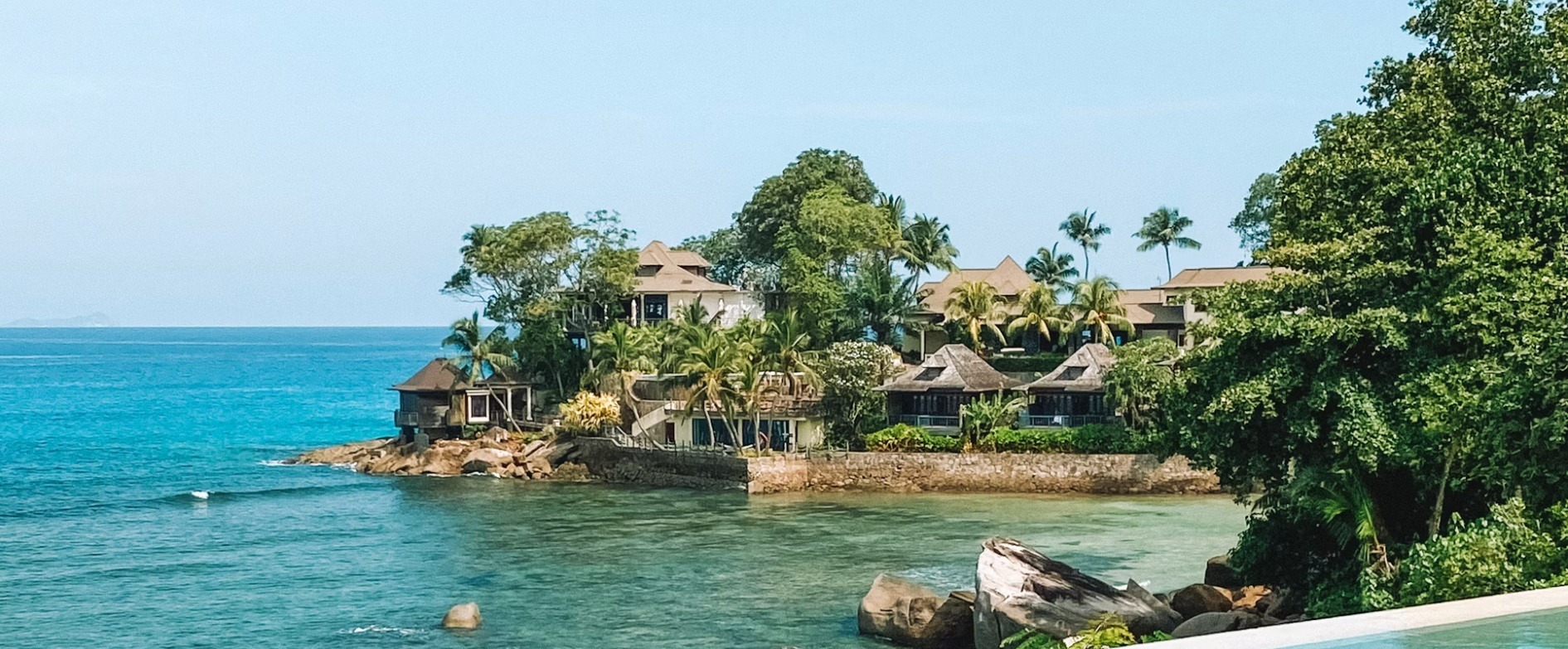
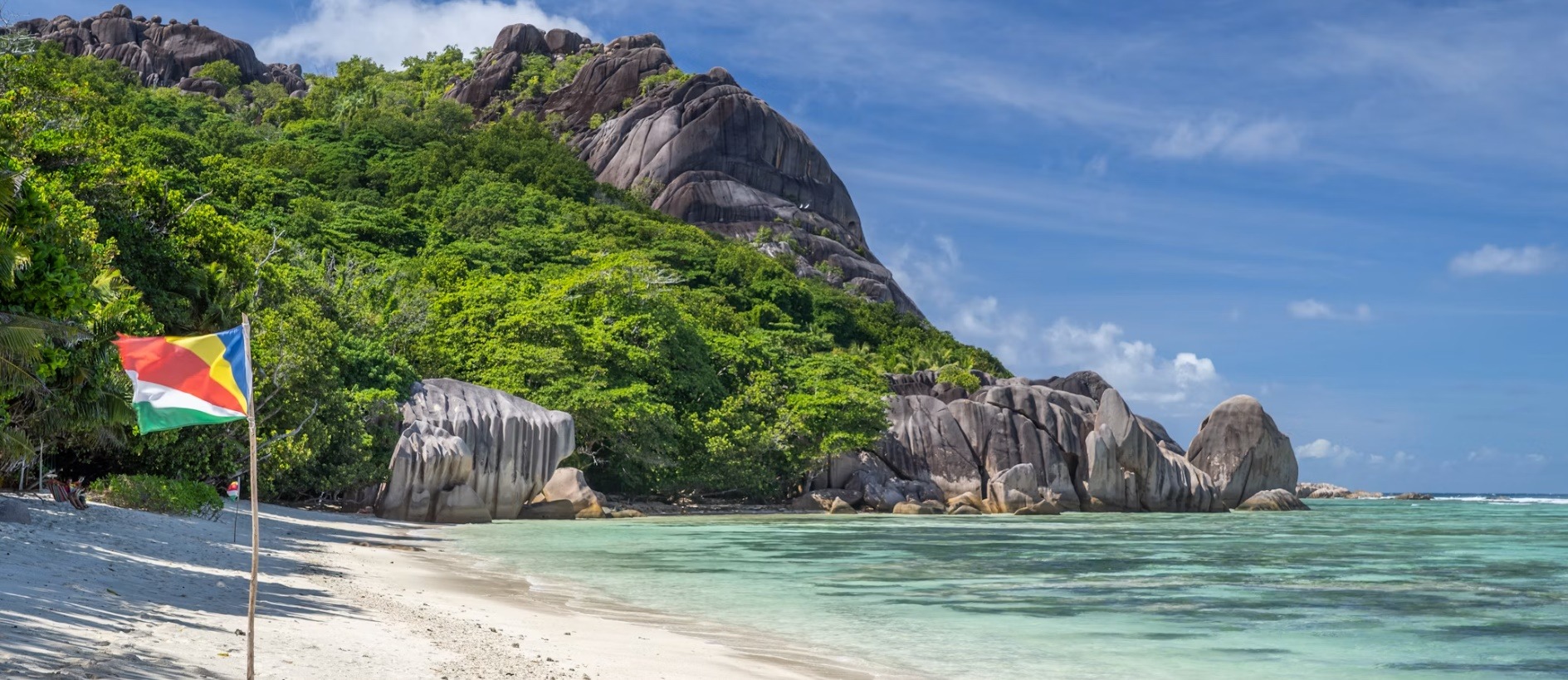
SEYCHELLES
Welcome to the 2028 Diaspora World Cup. Germantown – Clarksburg
Germantown – Clarksburg
Welcome to the 2028 Diaspora World Cup. Germantown – Clarksburg
The Seychelles diaspora in the DMV region is an exceptionally small, highly specialized, and low-profile community. Because the home nation has a total population of around 100,000, its global diaspora is tiny, with most expats living in the UK, Australia, and France. In the U.S. capital region, the Seychellois presence operates as a transient network of diplomat...The Seychelles diaspora in the DMV region is an exceptionally small, highly specialized, and low-profile community. Because the home nation has a total population of around 100,000, its global diaspora is tiny, with most expats living in the UK, Australia, and France. In the U.S....
More Information
Chelsea Official
Download The 5th Stand, Chelsea’s official mobile app, to see exclusive content, match action and all the latest news from Stamford Bridge.
More Information
Street Soccer in Seychelles
Street soccer is a popular recreational activity in Seychelles, where children and teenagers regularly gather in neighbourhood areas, school playgrounds, community courts, parks, beaches, and open spaces to play informal football matches. These games provide young players with an enjoyable way to stay active, improve their football skills, and spend time with friends.
The relaxed yet competitive nature of street soccer encourages close ball control, quick passing, creative dribbling, and constant movement. Playing in smaller spaces helps participants develop confidence, teamwork, adaptability, and fast decision-making while enjoying football in a variety of outdoor settings.
Street soccer offers an affordable and accessible way for communities across Seychelles to enjoy football without requiring professional facilities. It promotes healthy lifestyles, strengthens community relationships, and inspires many young people to continue their passion for the sport.
Street Soccer Culture in Seychelles
Football is widely enjoyed throughout Seychelles, and street soccer is often where many children first develop their interest in the game. Informal matches organised by schools, neighbours, and local communities create a welcoming atmosphere where players of different ages and skill levels can participate.
Skills Developed Through Street Soccer
Street soccer helps players improve dribbling, first touch, passing accuracy, shooting technique, agility, balance, ball control, and awareness. Regular games also strengthen communication, creativity, confidence, and the ability to make quick decisions during fast-paced play.
Street Soccer and Community Development
Street soccer brings communities together through football while encouraging teamwork, positive youth participation, and active lifestyles. It also provides aspiring players with valuable experience before progressing to school teams, local football clubs, academies, or organised youth football programmes.
The SEYCHELLES in the DMV Metro
The Seychelles diaspora in the DMV region is an exceptionally small, highly specialized, and low-profile community. Because the home nation has a total population of around 100,000, its global diaspora is tiny, with most expats living in the UK, Australia, and France. In the U.S. capital region, the Seychellois presence operates as a transient network of diplomats, maritime security advisors, blue-economy policy experts, and environmental scientists.
The Geopolitical and Diplomatic Anchor
Because it centers on the nation’s capital, the diaspora's civic and formal administrative life relies on formal diplomatic channels:
The Embassy of Seychelles: Located on O Street NW, the Embassy of the Republic of Seychelles acts as the absolute institutional and consular core for the diaspora. It manages visa logistics, passport tracking, and official communications for Seychellois nationals across the United States.
Bilateral Navigation: Local Seychellois professionals in the DMV frequently sit at the intersection of maritime security and global climate finance, navigating state-level partnerships alongside the U.S. State Department and naval defense networks.
Strategic Climate and Blue-Economy Networks
Given that Seychelles is a global leader in pioneered "Blue Bonds" and marine conservation, a notable segment of the local diaspora is active in international environmental infrastructure
Oceanic and Coral Advocacy: Local Seychellois environmental scientists and policy analysts frequently hold positions within downtown D.C. institutions like the World Bank, the Global Environment Facility (GEF), and major environmental non-profits. They work to channel international climate resilience grants back to the Western Indian Ocean to protect marine biodiversity and combat rising sea levels.
Pan-African and Creole Alliances
Due to their small numbers, Seychellois nationals in the DMV rarely establish independent physical community centers or restaurants. Instead, they integrate into broader regional networks:
The Indian Ocean and Creole Connection: Local expats share close social and cultural bonds with neighboring Indian Ocean nations (like Mauritius and Madagascar) and Francophone Caribbean diasporas. They frequently participate in collaborative networks that celebrate shared Creole language lines, traditional Sega music, and ancestral folklore.
Shared Cultural Events: Families and young professionals routinely connect through pan-African professional groups and gather at multi-cultural African festivals hosted throughout Washington D.C. and Silver Spring, MD.
Demographic Distribution
The population features a highly integrated suburban and urban footprint heavily aligned with the international policy sector:
Washington, D.C. Proper: Strongly centered around Foggy Bottom, DuPont Circle, and Georgetown, primarily comprising active diplomatic corps, international law practitioners, and multilateral development bank staffers.
Suburban Maryland & Northern Virginia: Small pockets of multi-generational families and graduate students live in Montgomery County, MD, and Fairfax County, VA, utilizing digital communication networks to stay connected.
Significance
Seychellois migration has generally reflected French and British colonial rule, the islands’ small labour market, overseas education, professional opportunities, family reunification, political change, and established connections across the Indian Ocean and Europe.
Migration from Seychelles has historically been directed toward the United Kingdom, France, Australia, Canada, South Africa, Mauritius, and other international destinations, while comparatively small communities developed in the United States. Early migrants included sailors, students, teachers, nurses, government employees, merchants, tourism workers, and professionals seeking education or specialised employment overseas. The country’s limited population and employment market encouraged some skilled residents to build careers abroad, although return migration also remained important. Seychellois communities preserve Seychellois Creole, English, French, religious traditions, Creole cuisine, music, dance, and close family relationships. Seychelles is simultaneously a country of emigration, immigration, and internal migration.
Seychellois Migration Before Independence
Permanent settlement in Seychelles began under French colonial rule during the eighteenth century, and the islands later came under British control. The population developed through the movement of Europeans, enslaved Africans, liberated Africans, and people from India, China, Madagascar, Mauritius, and other Indian Ocean territories. Residents worked in agriculture, fishing, maritime trade, government service, coconut production, cinnamon cultivation, and other island industries. Movement abroad commonly involved travel to Mauritius, East Africa, India, Britain, and neighbouring islands for employment, education, trade, or administrative service. Direct migration to the United States remained uncommon because the islands’ strongest political and economic connections were with Britain, France, Mauritius, and the wider Indian Ocean region. Seychelles remained under British sovereignty until June 29, 1976.
Late-Twentieth- and Early-Twenty-First-Century Migration
Seychelles became independent on June 29, 1976, and the United States recognised the new country that same day. During the following decades, migration expanded through university education, healthcare employment, tourism, international business, government service, skilled work, and family reunification. Seychellois migrants reaching the United States commonly included students, diplomats, academics, professionals, businesspeople, and relatives joining established families. At the same time, the growth of tourism, fisheries, construction, and service industries attracted foreign workers to Seychelles, making immigration increasingly important to the national economy. The government later introduced a national diaspora policy to strengthen cultural, professional, and economic relationships with Seychellois communities living overseas.
Lorem ipsum dolor sit amet, consectetur adipiscing elit, sed do eiusmod tempor incididunt ut
labore et dolore magna aliqua. Ut enim ad minim veniam, quis nostrud exercitation ullamco
laboris nisi ut aliquip ex ea commodo consequat. Duis aute irure dolor in
reprehenderit in voluptate velit esse cillum dolore eu fugiat nulla pariatur.
 Sign In




 Facebook
 X-Twitter
 Instagram
 Linkedin
 Youtube