 Sign In




 Facebook
 X-Twitter
 Instagram
 Linkedin
 Youtube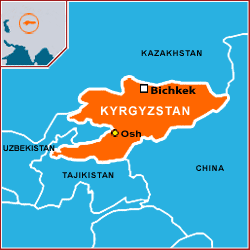
More Information
More Information
Street Soccer in Kyrgyzstan
Street soccer is a popular activity in Kyrgyzstan, where children and teenagers regularly gather in neighbourhood courtyards, school grounds, village fields, public parks, and community spaces to enjoy informal football matches. These games provide a fun way for young people to stay active, strengthen friendships, and improve their football skills outside organised training.
Playing on compact and sometimes uneven surfaces encourages quick passing, close ball control, sharp movement, and creative play. The fast pace of street soccer helps participants develop confidence, teamwork, and adaptability while learning to react quickly in different game situations.
Street soccer offers an affordable and accessible way for communities across Kyrgyzstan to enjoy football without requiring professional facilities. It promotes healthy lifestyles, encourages social interaction, and inspires many young players to continue developing their interest in the sport.
Street Soccer Culture in Kyrgyzstan
Football continues to grow in popularity throughout Kyrgyzstan, and street soccer is often where many children first experience the excitement of the game. Informal matches organised by schools, neighbours, and local communities create an inclusive atmosphere where players of different ages and abilities can participate.
Skills Developed Through Street Soccer
Street soccer helps players improve dribbling, first touch, passing accuracy, agility, balance, ball control, and awareness. Regular matches also strengthen communication, creativity, confidence, and the ability to make quick decisions under pressure.
Street Soccer and Community Development
Street soccer brings communities together through football while encouraging teamwork, positive youth engagement, and active outdoor recreation. It also provides aspiring players with valuable experience before progressing to school teams, local football clubs, academies, or organised youth football programmes.
The KYRGYZSTAN in the DMV Metro

The Kyrgyz diaspora in the DMV (Washington, D.C., Maryland, and Virginia) is a young, emerging, and highly professional Central Asian community. Unlike larger Kyrgyz-American concentrations in Chicago and New York, the DMV population is strongly connected to Washington's international-development, technology, federal-consulting, finance, and academic sectors, with university students representing an important younger component.
Community Hubs and Institutional Presence
-
Embassy of the Kyrgyz Republic: Located on Massachusetts Avenue NW in Washington, D.C., the Embassy serves as the principal diplomatic and community anchor for Kyrgyz nationals in the region. It provides consular services while supporting cultural exhibitions, national celebrations, professional networking, and diaspora engagement.
-
Kyrgyz Children's Future (KCF): A Virginia-based nonprofit founded by local diaspora volunteers and families with connections to Kyrgyzstan. The organization combines humanitarian support for children in Kyrgyzstan with local cultural activities, picnics, and community-building initiatives.
-
Professional & Student Networks: The DMV community includes young professionals working in international development, federal consulting, technology, finance, and related fields, alongside Kyrgyz students at universities throughout the metropolitan region.
Cultural and Social Dynamics
-
Independence Day & National Celebrations: Embassy-hosted events and community gatherings provide important opportunities for Kyrgyz nationals to celebrate national identity, traditional culture, and ties to the homeland.
-
Cultural Preservation: Kyrgyz language, food, music, traditional clothing, and Central Asian customs are maintained primarily through embassy programming, family networks, community gatherings, and nonprofit activities.
-
Humanitarian Engagement: Organizations such as KCF maintain strong transnational connections by directing charitable projects and assistance toward children and communities in Kyrgyzstan.
-
Central Asian Networks: Because the Kyrgyz population remains relatively small, residents frequently interact with broader Kazakh, Uzbek, Tajik, and other Central Asian communities through cultural events, professional networks, restaurants, and university organizations.
-
Youth & Professional Orientation: The community has a particularly strong younger-generation profile, with students and early-career professionals using Washington's international institutions as a platform for career development and cross-border engagement.
-
Community Structure: The Kyrgyz DMV community is best understood as an emerging, network-based professional diaspora, with the Embassy providing diplomatic infrastructure and grassroots nonprofits supplying much of the community's cultural, humanitarian, and social connectivity.
Significance
Immigration from Kyrgyzstan has generally reflected the legacy of the Soviet Union, political transition, economic opportunity, educational advancement, professional employment, family reunification, skilled migration, and international business.
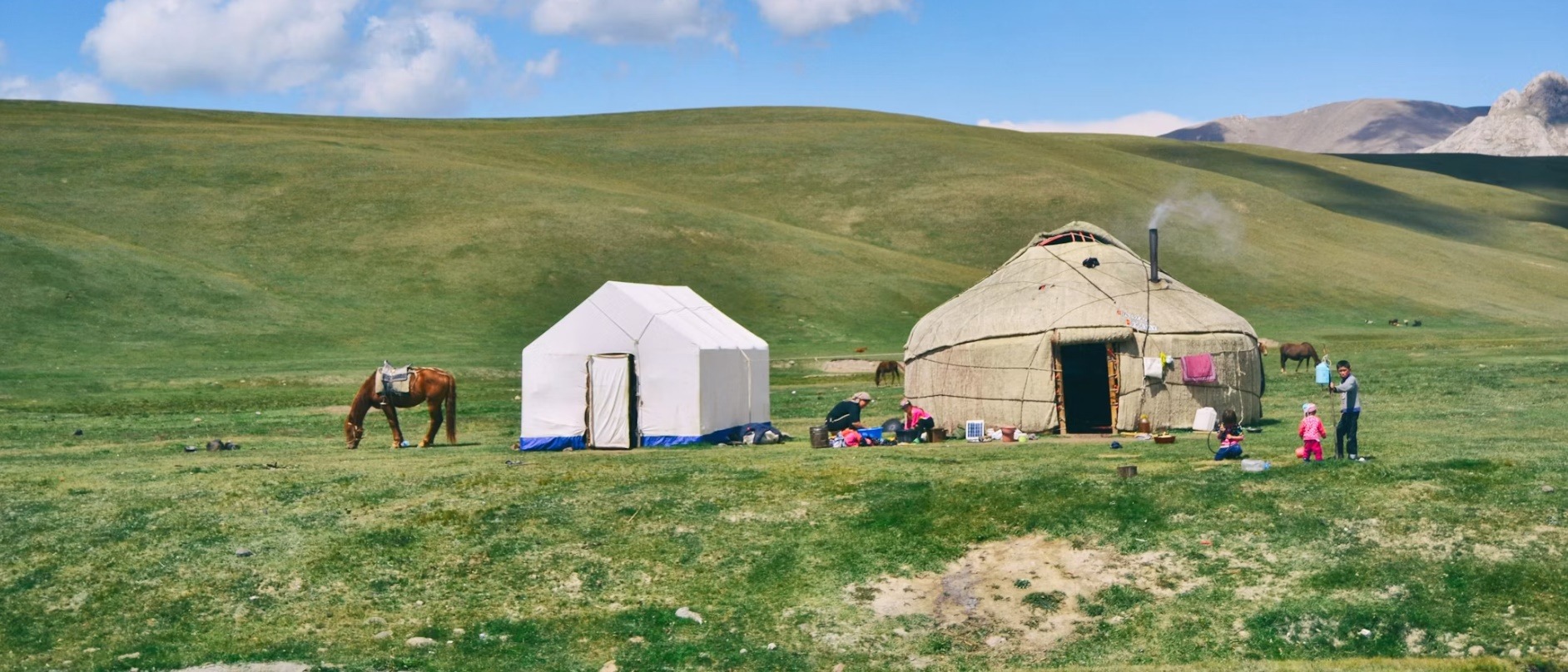
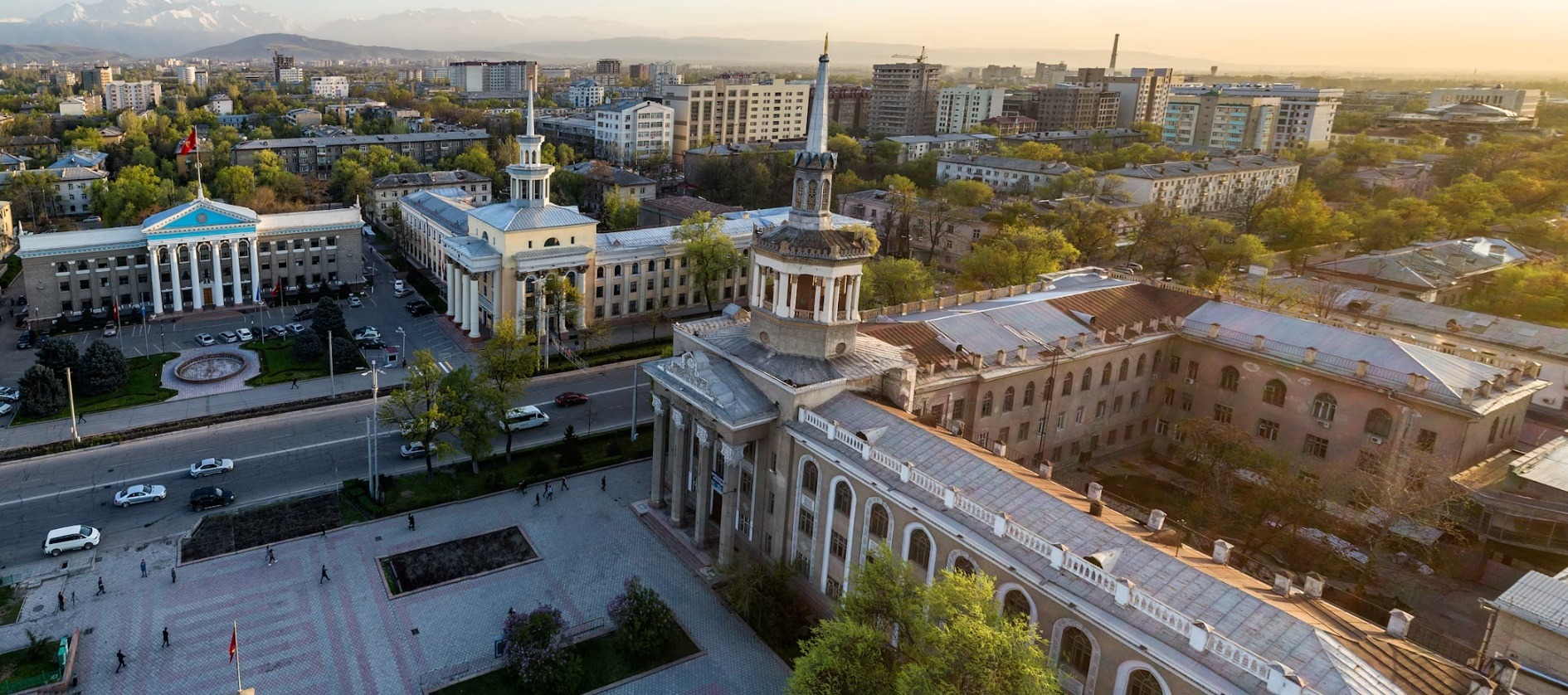
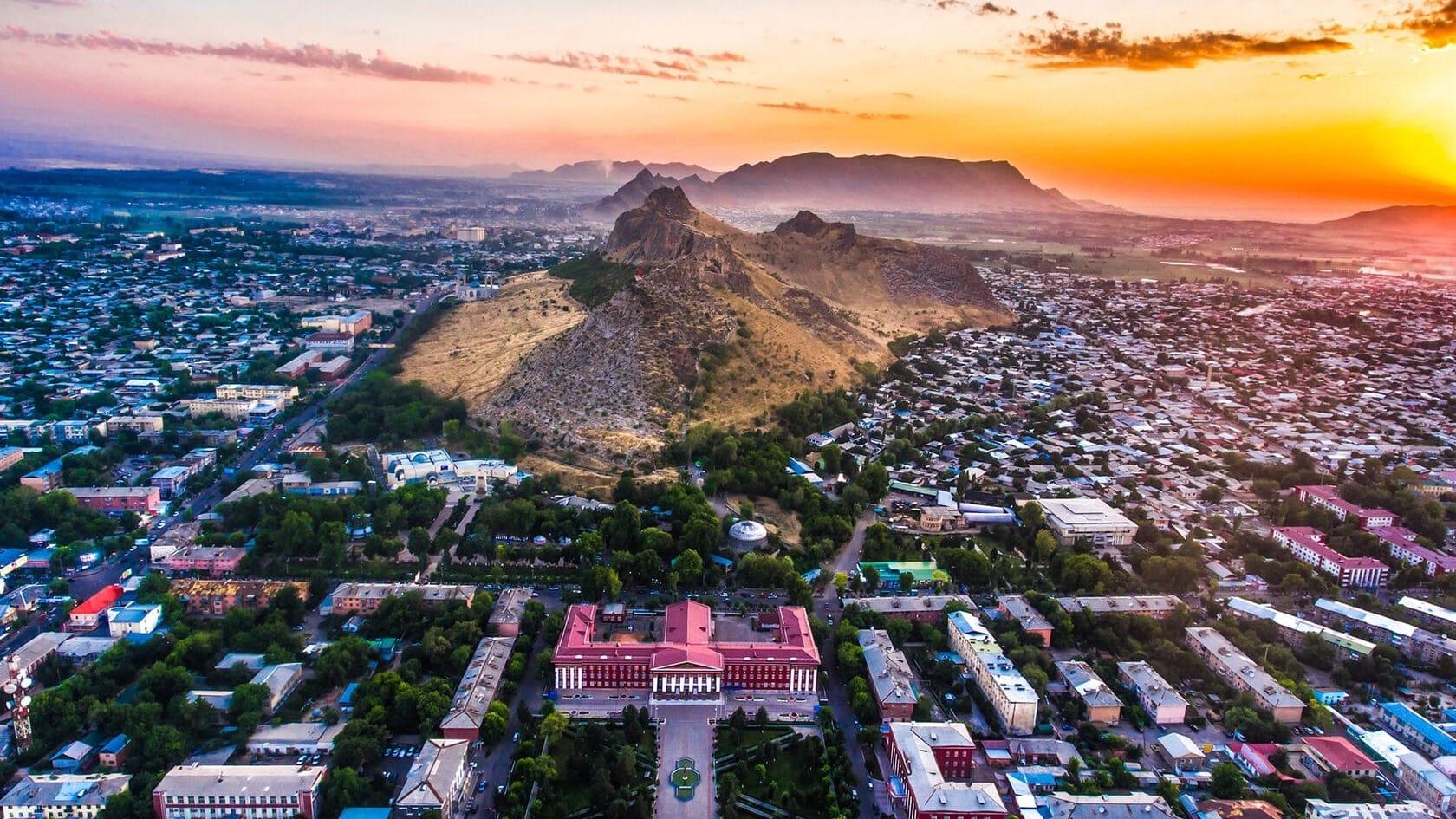
Migration from Kyrgyzstan has historically been shaped by its location in Central Asia and its experience as part of the Soviet Union. Before independence, migration primarily occurred within the Soviet republics for education, industrial development, agriculture, military service, and government assignments. Following the dissolution of the Soviet Union in 1991, many Kyrgyz citizens sought opportunities abroad because of economic restructuring, political transition, and expanding global educational and professional opportunities. The United States became a destination for students, healthcare professionals, engineers, researchers, entrepreneurs, and skilled workers through higher education, employment, family sponsorship, and business investment. Today, Kyrgyz immigrants maintain strong cultural, linguistic, and family ties with their homeland while contributing to diverse sectors of the American economy.
Kyrgyz Migration Before Independence
Before independence, Kyrgyzstan was one of the republics of the Soviet Union, having previously been incorporated into the Russian Empire. Migration during the Soviet era was influenced by collective agriculture, industrialization, mining, scientific research, military service, higher education, and government administration. Residents frequently relocated throughout the Soviet Union as farmers, engineers, teachers, healthcare workers, scientists, students, military personnel, and civil servants. Direct migration to the United States remained relatively uncommon because international travel was tightly regulated and political, educational, and economic connections were concentrated within the Soviet bloc. Kyrgyzstan declared independence on August 31, 1991, following the dissolution of the Soviet Union, and the United States recognized the new nation later that year before establishing diplomatic relations.
Late-Twentieth- and Early-Twenty-First-Century Immigration
Migration increased after independence as economic reforms, expanding educational opportunities, and globalization encouraged many Kyrgyz citizens to pursue careers abroad. Students, physicians, engineers, scientists, academics, entrepreneurs, information technology specialists, business professionals, and researchers increasingly travelled to the United States for university education, specialized employment, scientific collaboration, investment, or family reunification. Academic exchange programs, international organizations, and multinational companies have continued to strengthen migration in recent decades. In the United States, Kyrgyz immigrants often rely on family networks, cultural associations, religious institutions, alumni organizations, and professional groups for support with housing, employment, education, and community integration while preserving Kyrgyz, Russian, traditional cuisine, music, cultural heritage, religious practices, and close relationships with relatives in Kyrgyzstan.





Latest Fixtures & Results
| 04.03.2027 |  |
Kyrgyzstan | - |  |
Uruguay |
| 04.10.2027 |  |
Turkmenistan | - | |
Kyrgyzstan |
| 04.18.2027 | |
Kyrgyzstan | - |  |
Kuwait |
| 04.25.2027 |  |
Austria | - | |
Kyrgyzstan |
| 05.02.2027 | |
Kyrgyzstan | - |  |
Uzbekistan |
| 05.09.2027 |  |
Yemen | - | |
Kyrgyzstan |
| 05.16.2027 | |
Kyrgyzstan | - |  |
Timor-L. |
| 05.23.2027 |  |
Andorra | - | |
Kyrgyzstan |
| 05.30.2027 | |
Kyrgyzstan | - |  |
Vietnam |
