Sign In




 Facebook
 X-Twitter
 Instagram
 Linkedin
 Youtube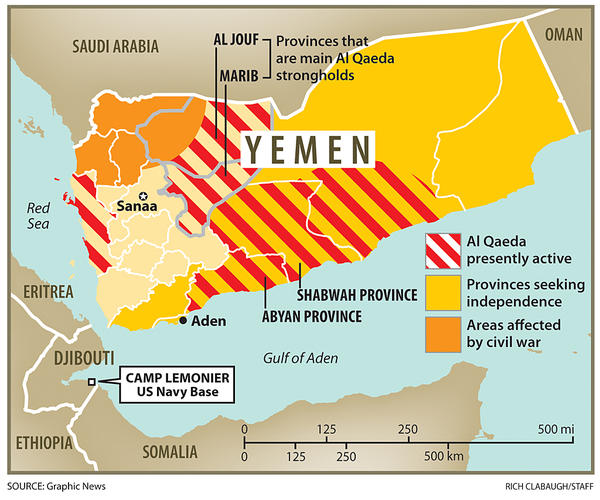
More Information
More Information
Street Soccer in Yemen
Street soccer is a popular recreational activity in Yemen, where children and teenagers regularly play informal football matches in neighbourhood streets, village squares, school playgrounds, community grounds, and open spaces. These games provide young players with an enjoyable and accessible way to stay active, improve their football skills, and build strong friendships through the sport.
The fast-paced nature of street soccer encourages close ball control, quick passing, creative dribbling, and intelligent movement. Playing in smaller spaces helps participants improve their technical ability, confidence, teamwork, and decision-making while adapting to different playing surfaces and local conditions.
Street soccer offers an affordable way for communities across Yemen to enjoy football without requiring professional facilities. It promotes healthy lifestyles, strengthens neighbourhood relationships, and inspires many young people to continue their football journey through schools, local clubs, academies, and organised youth competitions.
Street Soccer Culture in Yemen
Football is one of the most popular sports in Yemen, and street soccer is often where many children first develop their passion for the game. Informal matches organised by schools, friends, and neighbourhood communities create a welcoming atmosphere where players of different ages and abilities can participate while sharing their love for football.
Skills Developed Through Street Soccer
Street soccer helps players improve dribbling, first touch, passing accuracy, shooting technique, agility, balance, ball control, tactical awareness, and spatial awareness. Regular games also strengthen communication, creativity, confidence, resilience, and the ability to make quick decisions during fast-paced situations.
Street Soccer and Community Development
Street soccer brings communities together through football while encouraging teamwork, positive youth participation, and active lifestyles. It also provides aspiring players with valuable experience before progressing to school teams, local football clubs, academies, or organised youth football programmes.
The YEMEN in the DMV Metro

- The Washington Center for Yemeni Studies (WCYS): This prominent, DMV-based organization acts as a primary vehicle for community voice, hosting events like the National Yemen Advocacy Days. They bring together diaspora leaders from across the U.S. to engage directly with lawmakers on Capitol Hill.
- Diplomatic Liaison: The community maintains strong, active ties with the Yemen Embassy in Washington D.C. The diaspora regularly coordinates with diplomatic figures for community town halls, unity celebrations, and cultural initiatives.
- Professional Mobilization: The region hosts a growing network of Yemeni professionals working in government contracting, technology, NGOs, and academia, shifting the narrative toward active political and economic development.
- Northern Virginia (Alexandria, Arlington, and Fairfax County): This area holds a high concentration of the diaspora. It is home to many Yemeni professionals, political refugees who arrived after the 2014 conflict, and local business owners.
- Maryland Suburbs: Pockets of Yemeni families are settled in parts of Montgomery and Prince George’s counties, often connecting via shared Islamic community centers and regional Arab-American coalitions.
- Mercy Bakery: Local chapters and diaspora groups regularly host high-profile fundraisers in cities like Alexandria, VA, to fund initiatives like Mercy Bakery, which provides free bread to families in Yemen.
- Grassroots Networking: Digital spaces like the Yemeni American Community DMV serve as hubs to organize everything from local voter registration drives to humanitarian aid shipments.
- Yemeni Coffee Houses: Neighborhoods across DC, Arlington, and Fairfax feature highly popular Yemeni coffee shops (such as Haraz Coffee House, Qamaria, and local independent cafes).
- Community Hubs: These spaces serve as cultural bridges, introducing the broader DMV public to authentic Yemeni hospitality, cardamoms-infused blends, and traditional pastries, while acting as social gathering points for the diaspora itself.
Significance
Yemeni immigration to the United States has generally reflected maritime employment, economic hardship, political conflict, family reunification, education, industrial work, refugee displacement, and the search for security and better opportunities.
Yemeni migration to the United States began in small numbers during the late nineteenth and early twentieth centuries. Early arrivals were mainly sailors, labourers, merchants, and young men seeking temporary employment. Some worked in shipping and steel production, while others joined automobile factories and other industries around Detroit and Dearborn. Communities also developed in New York, Buffalo, California, and parts of the Midwest. Immigration increased after the 1965 reform of American immigration law expanded family-based migration. Political instability, unemployment, regional conflicts, and established family networks encouraged additional settlement. Yemeni immigrants created mosques, businesses, restaurants, grocery stores, cultural organisations, and community associations while preserving Arabic, Islamic traditions, food, music, and close family connections with Yemen.
Yemeni Migration Before Unification
Before Yemen became a unified country, migration was influenced by maritime trade, Ottoman administration in the north, British control of Aden in the south, poverty, and limited employment. Britain occupied Aden in 1839 and developed it as an important port, attracting sailors, traders, dockworkers, and labourers from across the region. Northern Yemen became independent after the collapse of Ottoman rule in 1918, while South Yemen gained independence from Britain in 1967. Early Yemeni migrants reached the United States through international shipping routes and commonly found employment in automobile plants, steel mills, farms, and maritime industries. Many initially intended to work temporarily and send earnings to relatives, but permanent communities gradually formed through marriage and family migration. The United States formally recognised the Kingdom of Yemen in 1946.
Late-Twentieth- and Early-Twenty-First-Century Immigration
North and South Yemen united to form the Republic of Yemen in 1990, but political conflict, the 1994 civil war, unemployment, and economic hardship continued to encourage emigration. Yemeni immigration to the United States expanded through family sponsorship, education, employment, asylum, and humanitarian pathways. The conflict that intensified in 2015 caused extensive destruction, displacement, food insecurity, and separation of families, encouraging further movement within Yemen and toward neighbouring countries and overseas destinations. Yemeni American communities grew especially in Dearborn and Hamtramck, Michigan; New York City; Buffalo and Lackawanna, New York; and areas of California. Mosques, shops, schools, media organisations, and community groups helped newcomers obtain housing, employment, education, and language assistance while maintaining religious traditions, regional identities, and support for relatives affected by the continuing humanitarian crisis.