
Responsive Header
  • Where We Work
  • Cameroon
  • The Diaspora World Cup operates in some of the major cities and metro areas in United States and Canada. Our network of register players includes 20 cities, 200 countries, 400 teams, and 10,000 players. Join our movement to solve the world's most pressing challenges: Illiteracy
  • Who We are text will be here Who We are text will be here Who We are text will be here Who We are text will be here Who We are text will be here Who We are text will be here Who We are text will be here Who We are text will be here Who We are text will be here
  • What We Do text will be here What We Do text will be here What We Do text will be here What We Do text will be here What We Do text will be here What We Do text will be here What We Do text will be here What We Do text will be here What We Do text will be here What We Do text will be here What We Do text will be here What We Do text will be here
  • Get Involved text will be here Get Involved text will be here Get Involved text will be here Get Involved text will be here Get Involved text will be here Get Involved text will be here Get Involved text will be here Get Involved text will be here Get Involved text will be here Get Involved text will be here
  • Education is a basic Human Right and the Diaspora World Cup global school program focuses its energy in some the poorest countries around the world. We build schools in some of the poorest countries around the worldthat historically had no adequate school structure. Any member of the World Diaspora has the power to end illiteracy around the world through the power of soccer.
  • High-profile sport figures, global leaders, business leaders, political figure, journalists, activists, philanthropists, actors, and entrepreneurs united by their commitment to the Diaspora World Cup mission to eradicate illiteracy around the world through the power of soccer. They serve as role models and spread the Diaspora World Cup vision and commitment of a world mobilized through soccer.
  •  
  •  
Diaspora 2027: complete guide to all players | The Diaspora
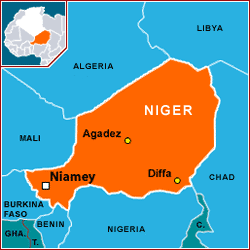
NIGER
Oakdale - Frederick
Welcome to the 2027 Diaspora World Cup.
Oakdale - Frederick

Significance

Immigration from Niger has generally reflected French colonial rule, economic opportunity, educational advancement, professional employment, political instability, regional mobility, family reunification, and humanitarian migration.

Migration from Niger has historically been shaped by regional movement across the Sahel and longstanding ties with neighboring West African countries. Nigeriens have commonly migrated to Nigeria, Algeria, Libya, Benin, Burkina Faso, and other neighboring countries for trade, pastoral livelihoods, education, seasonal employment, and family connections. Overseas migration has remained comparatively limited but has gradually expanded through higher education, professional employment, international organizations, and family sponsorship. Political instability, economic challenges, food insecurity, and regional conflict have also contributed to humanitarian migration in recent decades. Today, Nigerien immigrants in the United States include students, healthcare professionals, academics, entrepreneurs, and skilled workers who maintain strong cultural, linguistic, and family ties with their homeland.

Nigerien Migration Before Independence

Before independence, Niger formed part of French West Africa as the French Colony of Niger under French colonial administration. Migration during the colonial period was influenced by agriculture, livestock herding, trans-Saharan trade, government administration, military recruitment, missionary education, and regional commerce. Residents frequently travelled throughout West and North Africa as herders, traders, farmers, students, civil servants, and members of extended families. Direct migration to the United States remained relatively limited because political, educational, and commercial connections were centred primarily on France and neighboring French territories. Niger gained independence from France on August 3, 1960, and the United States recognized the new nation shortly thereafter before establishing diplomatic relations.

Late-Twentieth- and Early-Twenty-First-Century Immigration

Migration increased after independence as educational opportunities, economic challenges, and expanding professional careers encouraged many Nigeriens to seek opportunities abroad. Periods of political instability, military coups, insurgent violence, drought, and food insecurity also contributed to displacement and international migration, with some individuals later arriving in the United States through educational, employment, family reunification, asylum, or humanitarian pathways. Students, physicians, engineers, scientists, academics, entrepreneurs, information technology specialists, business professionals, and researchers increasingly travelled to the United States for university education, specialized employment, scientific research, investment, or family reunification. In the United States, Nigerien immigrants often rely on family networks, mosques, cultural associations, community organizations, and professional groups for support with housing, employment, education, language services, and community integration while preserving French, Hausa, Zarma, Tuareg, Fulfulde, and other Indigenous languages, traditional cuisine, music, cultural heritage, religious practices, and close relationships with relatives in Niger.

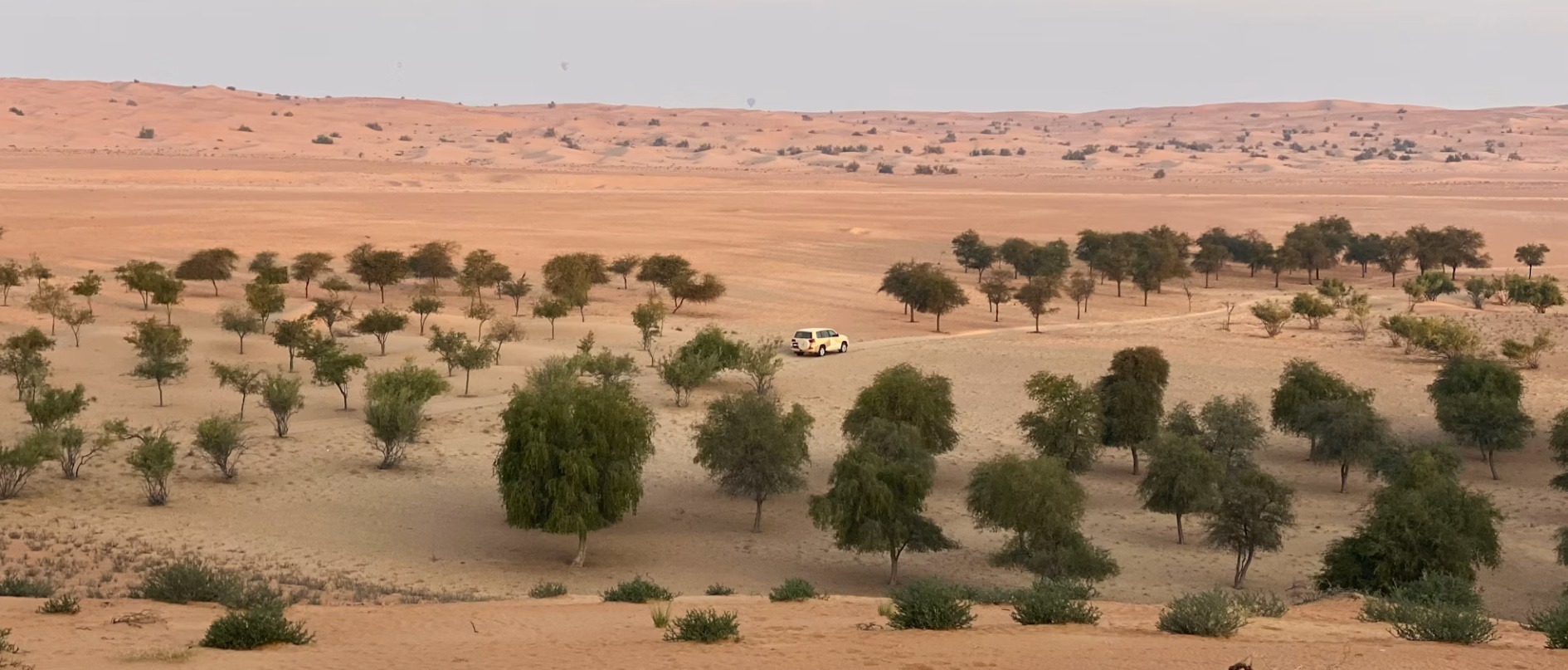
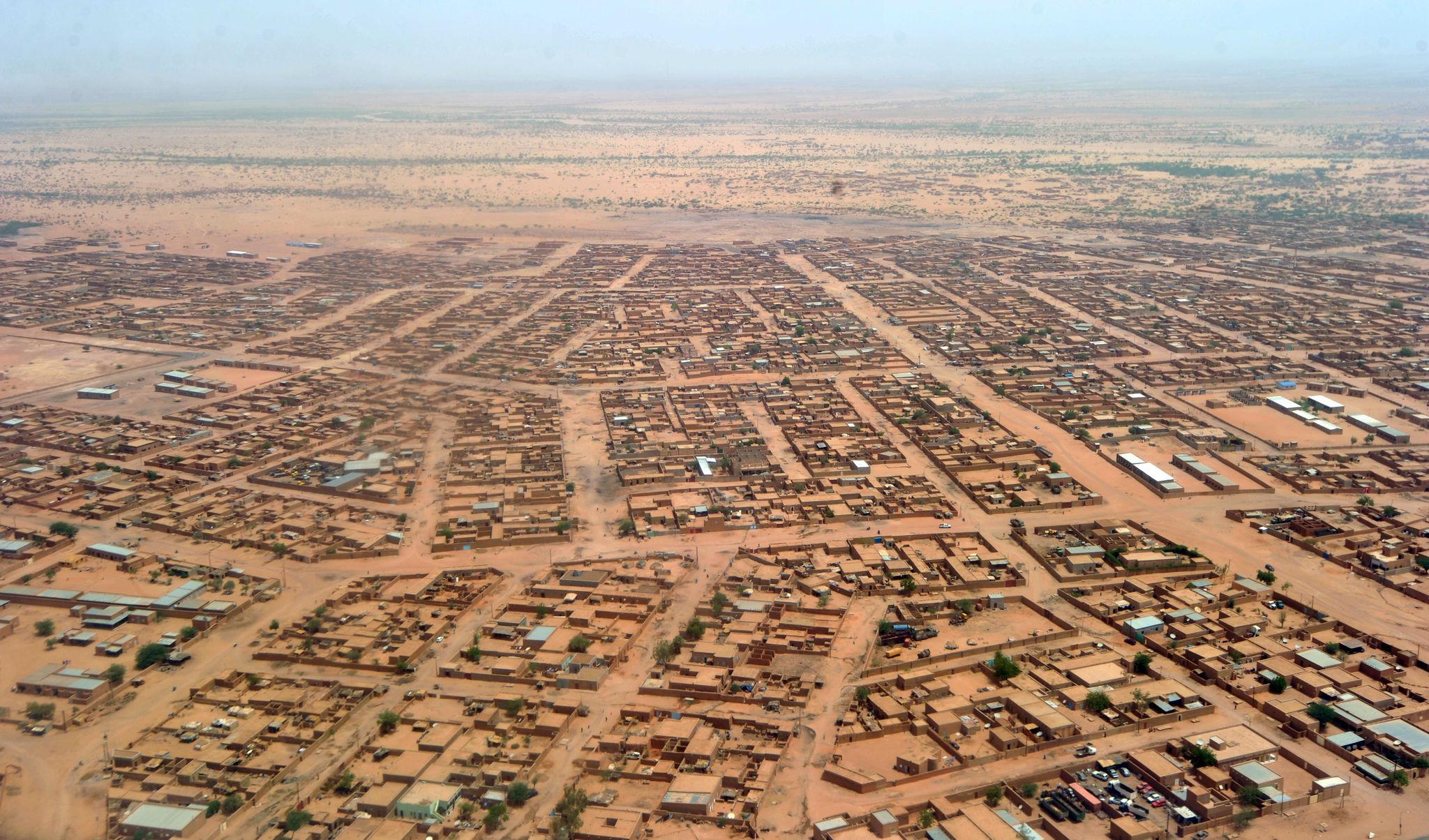
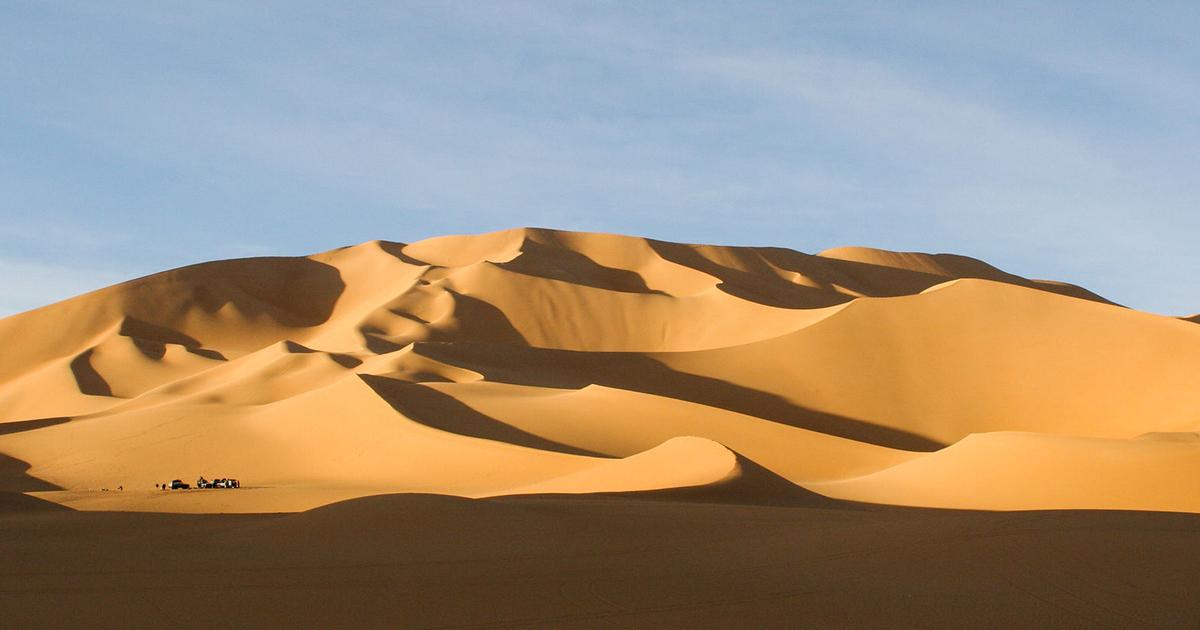
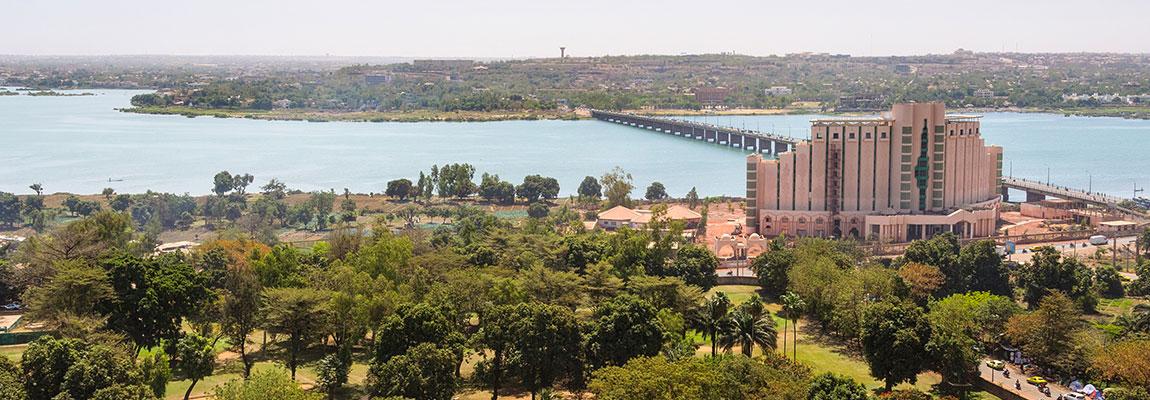
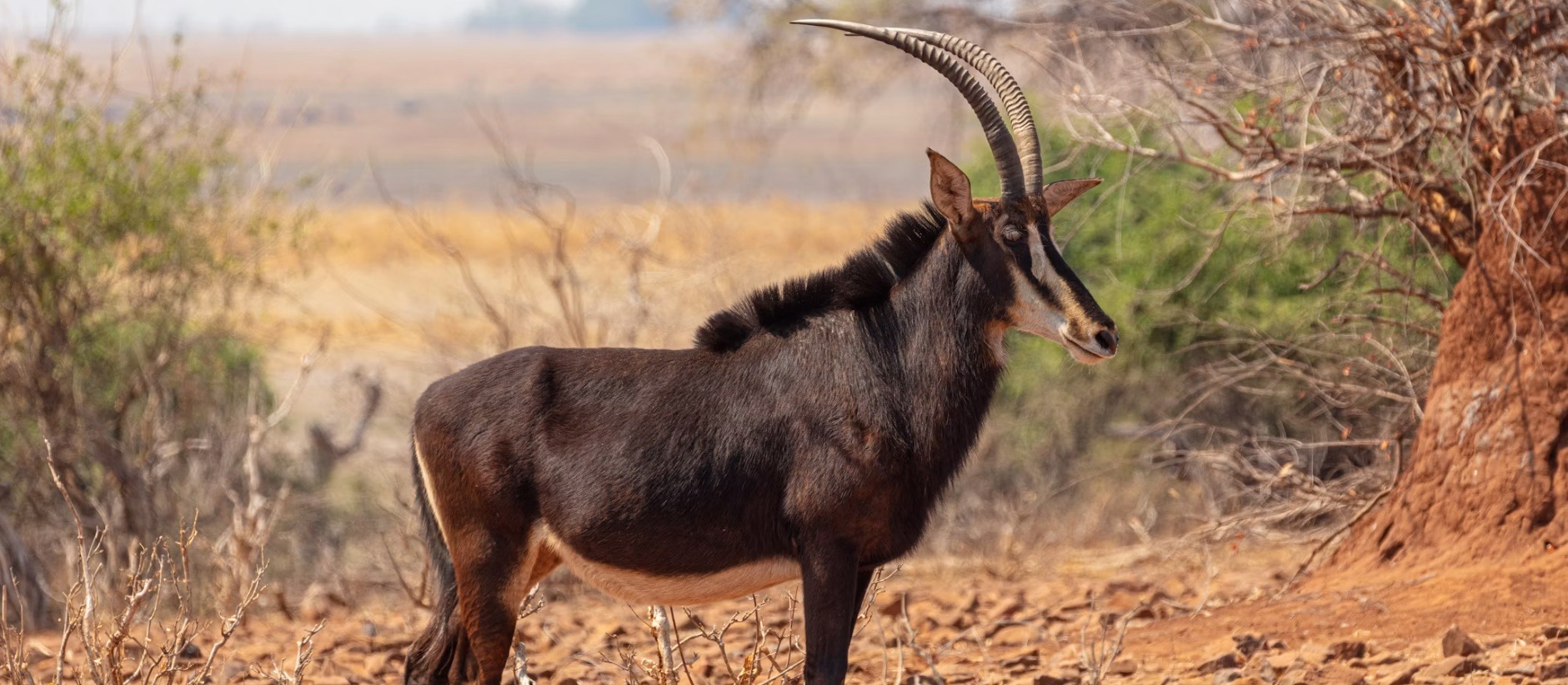
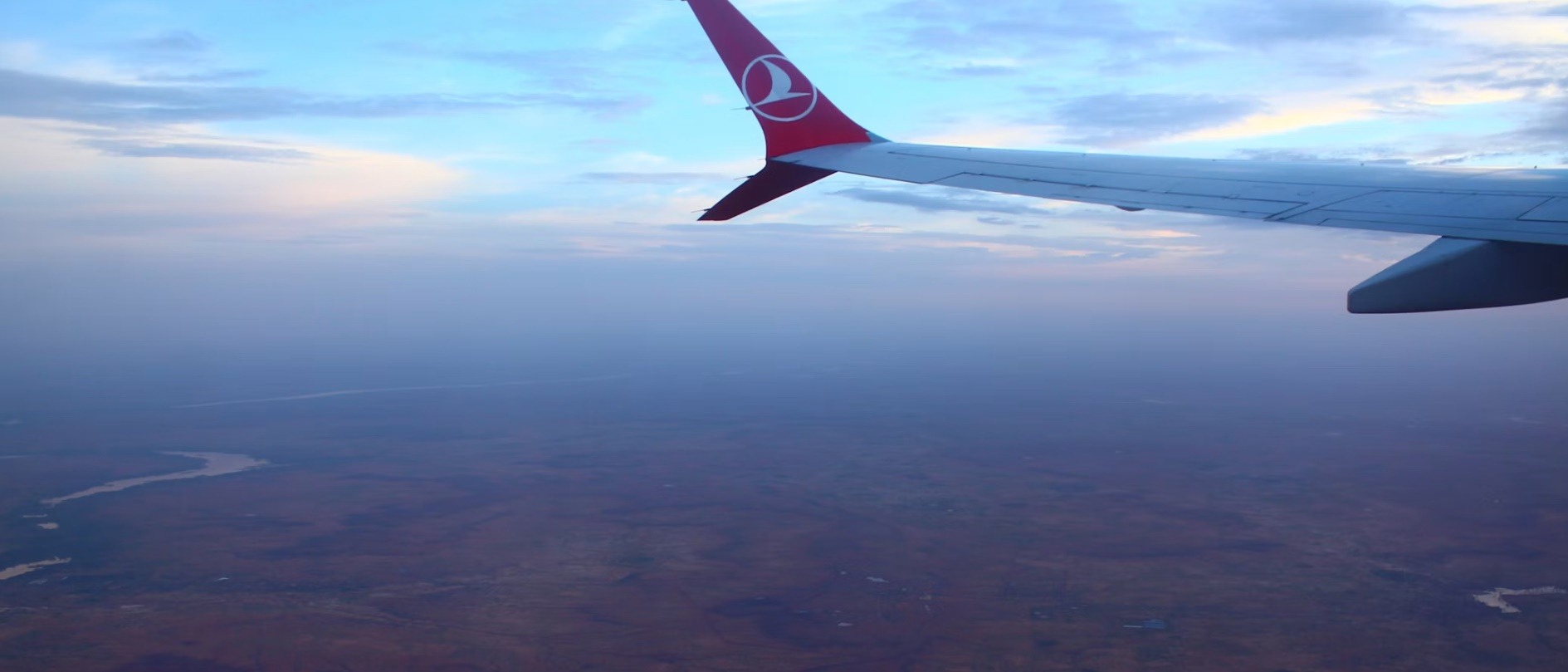
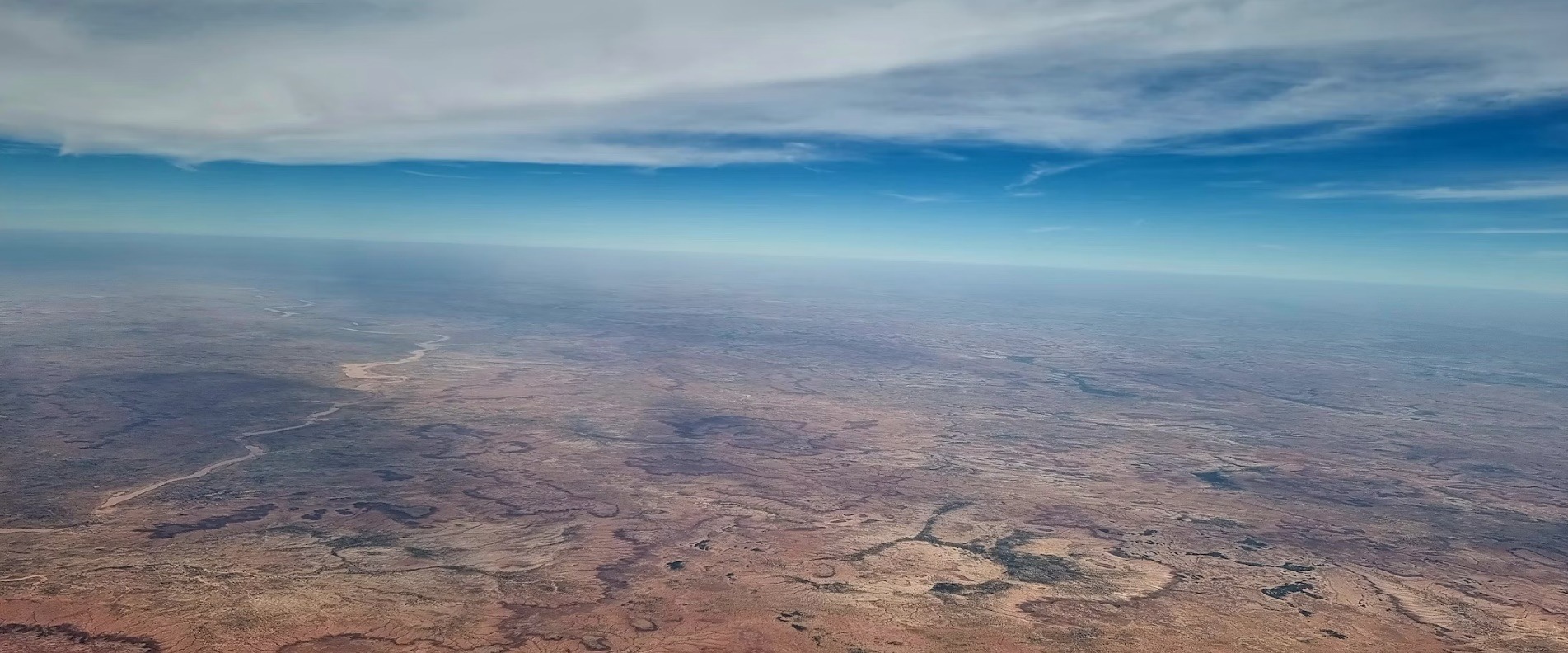
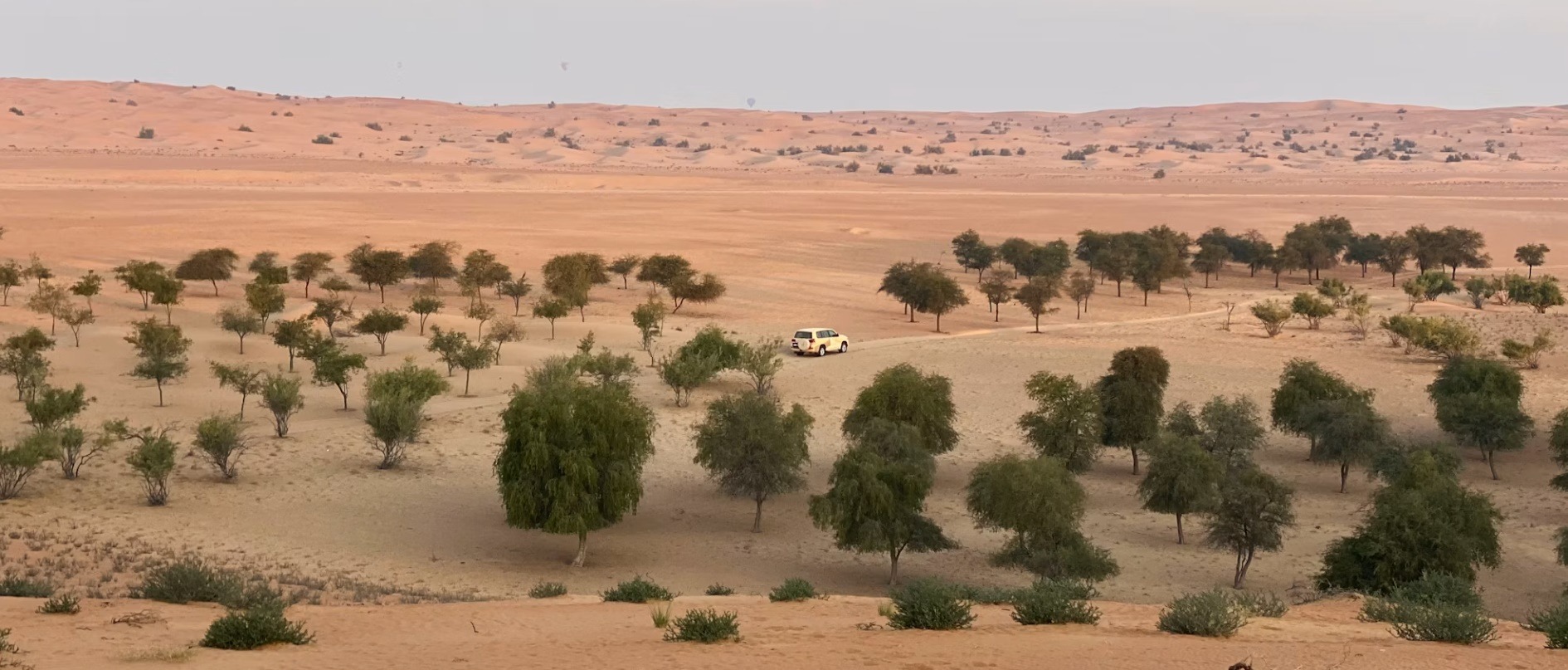
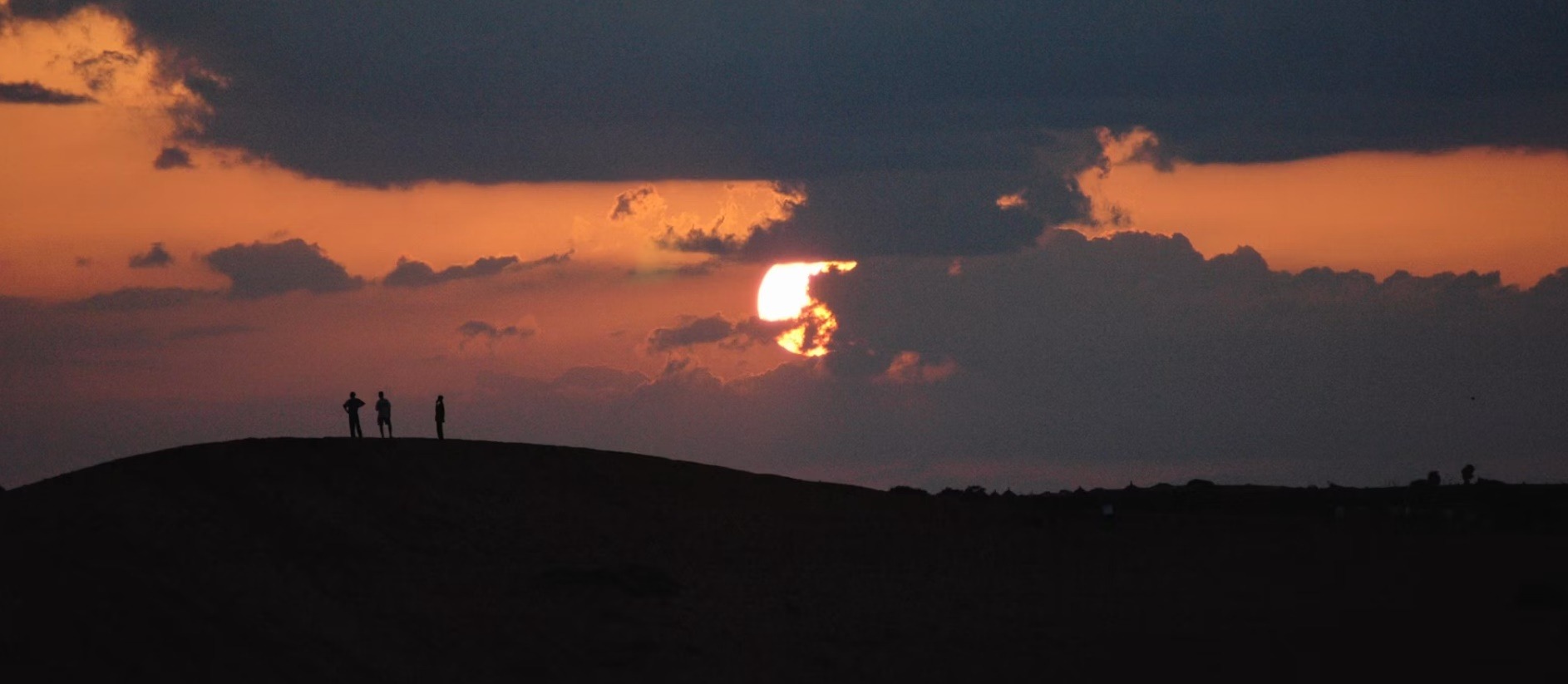
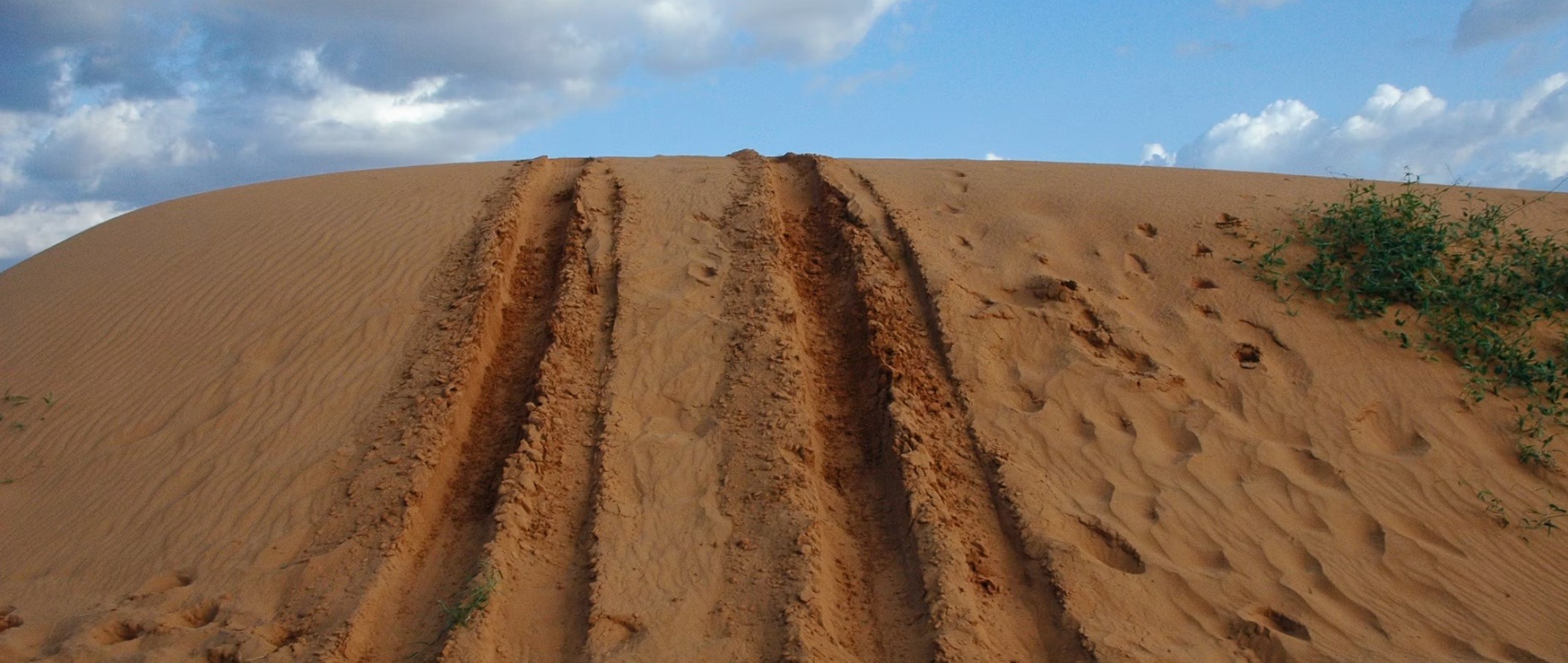
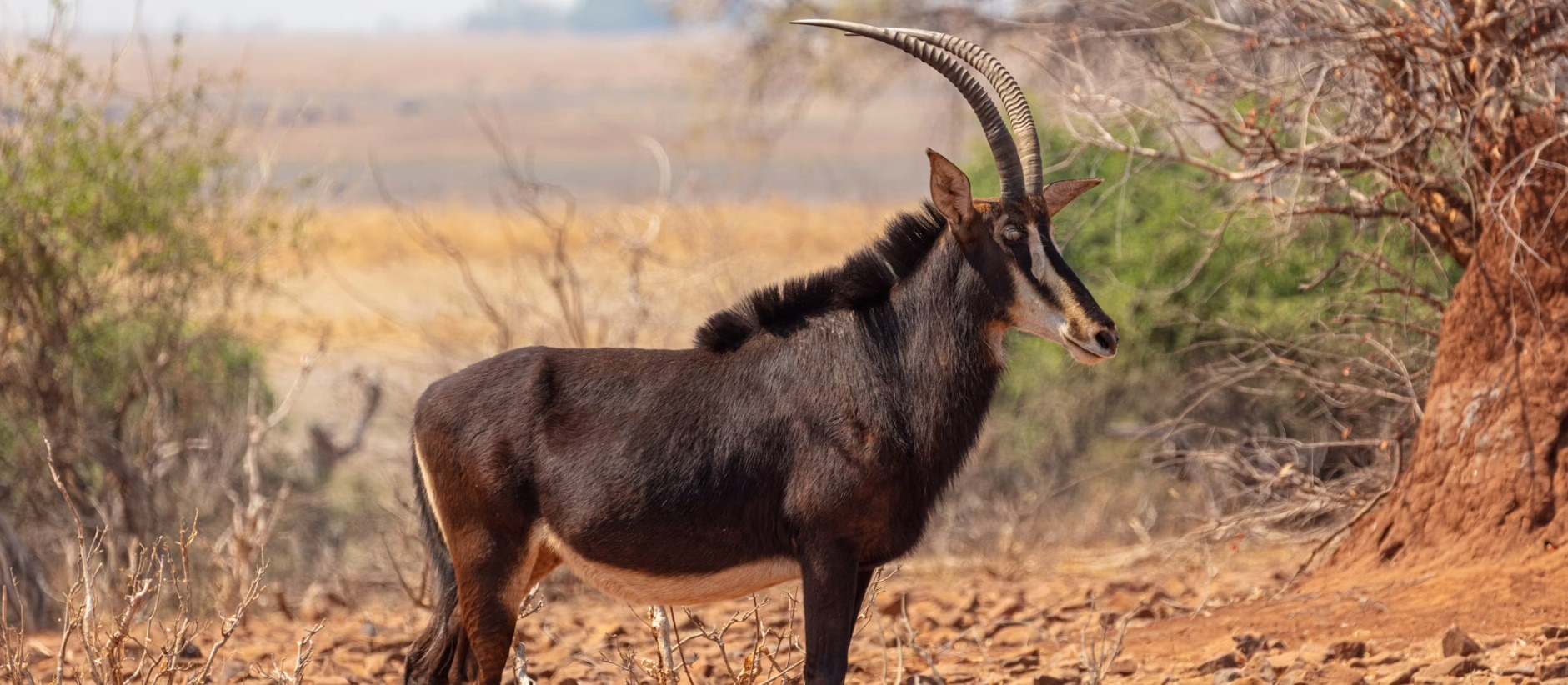
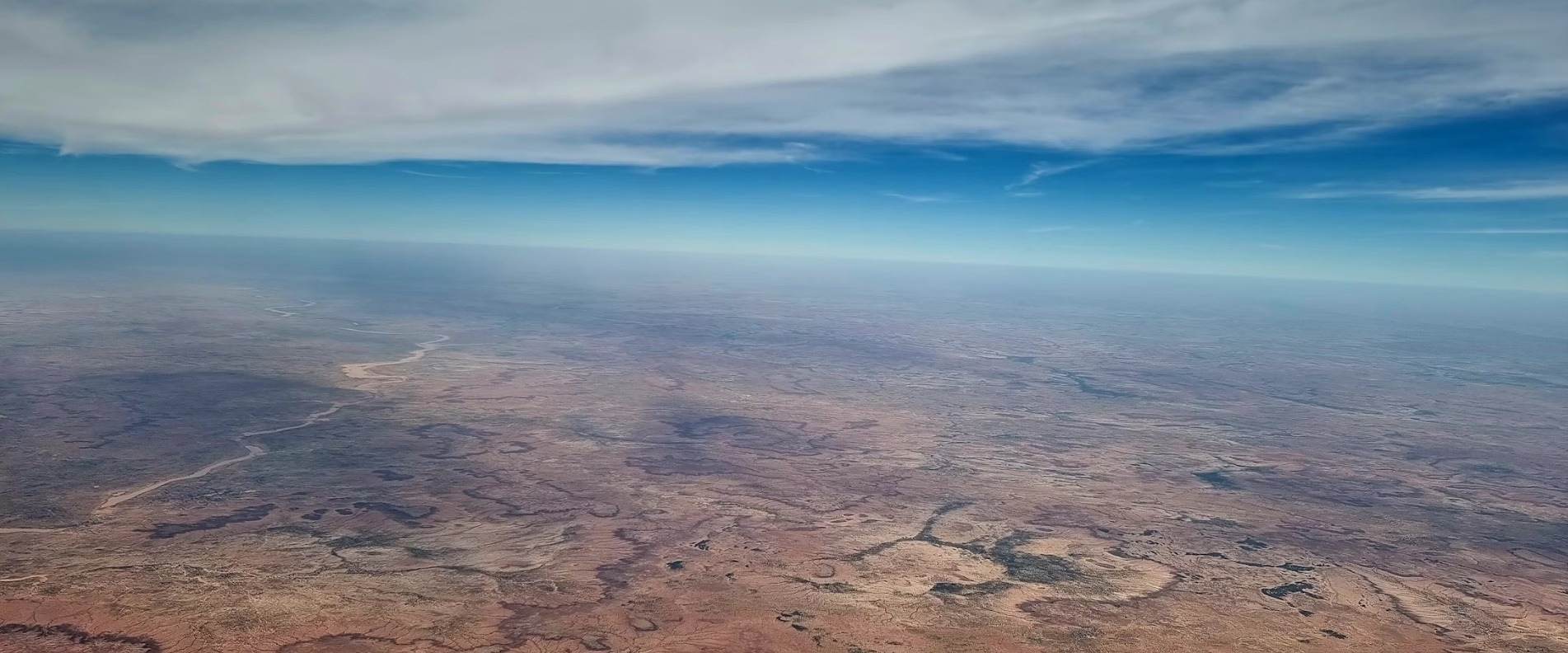
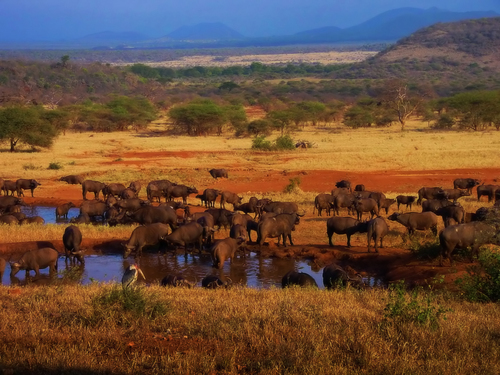
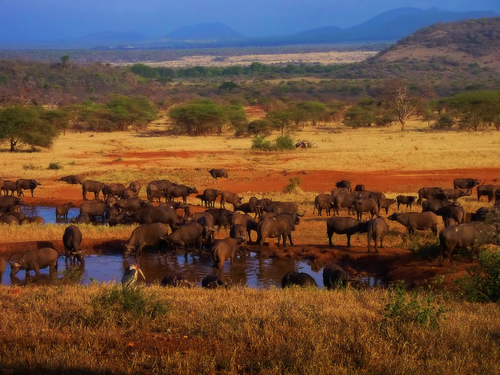
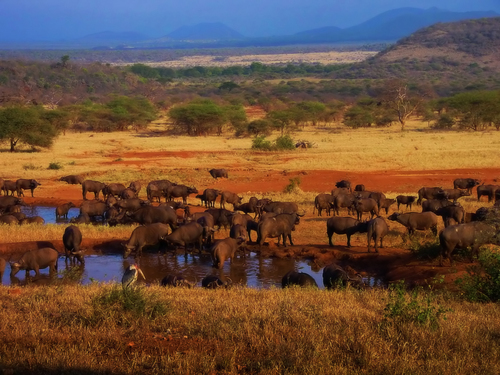
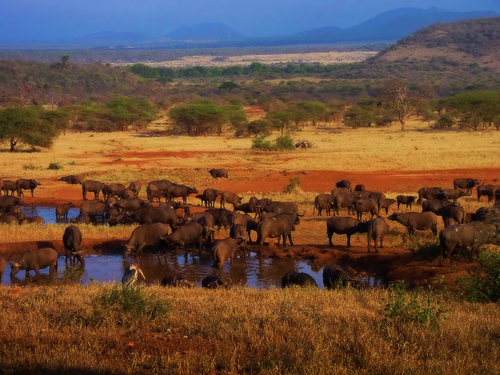
Niger country image
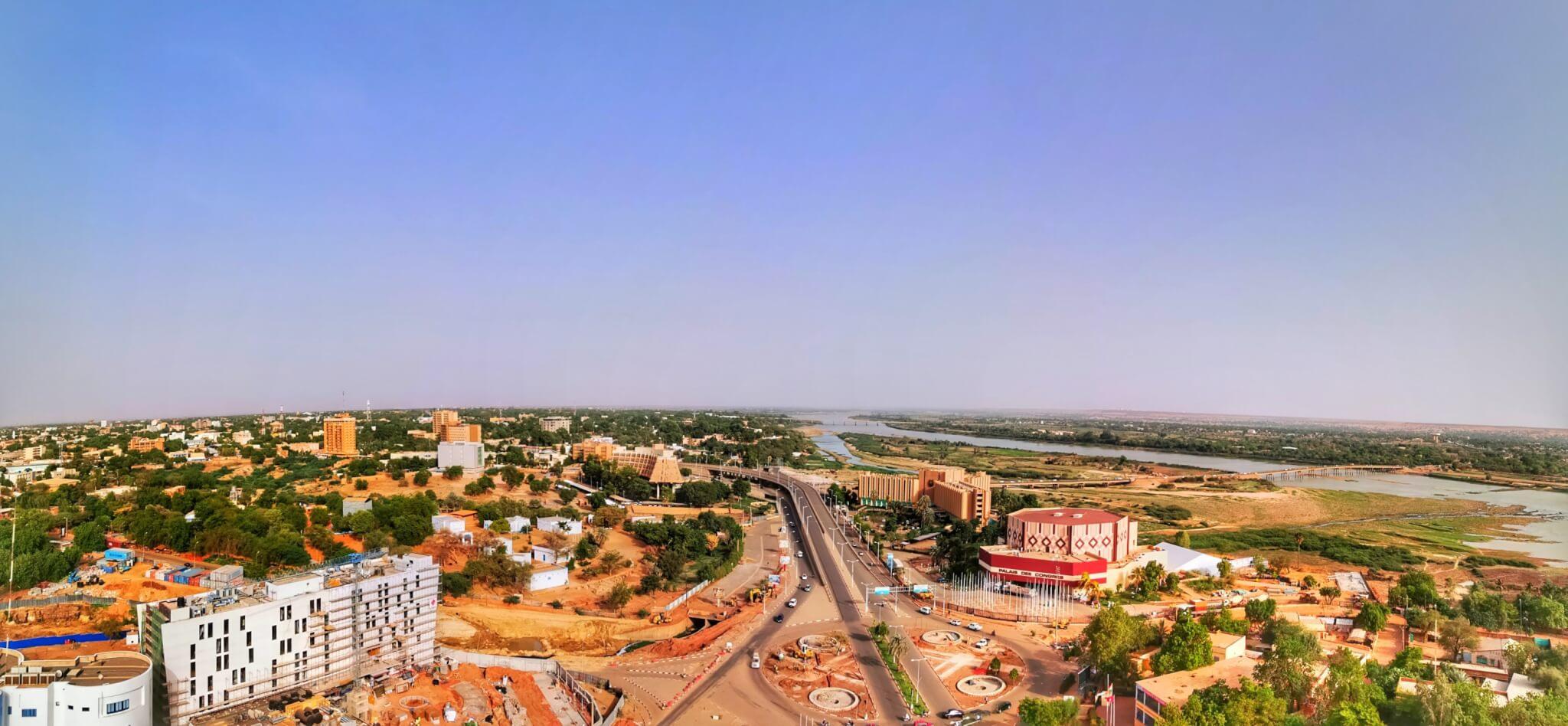
Niger country image
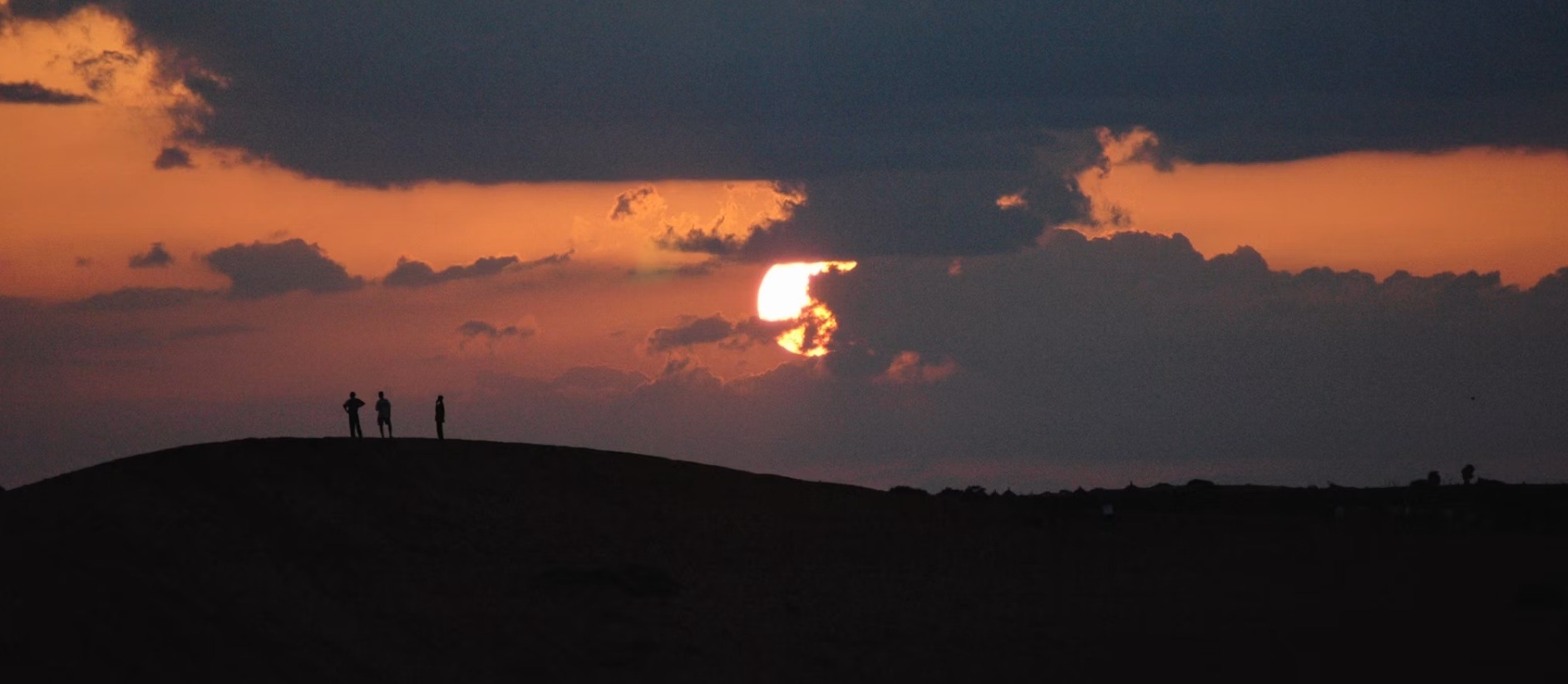
Niger country image
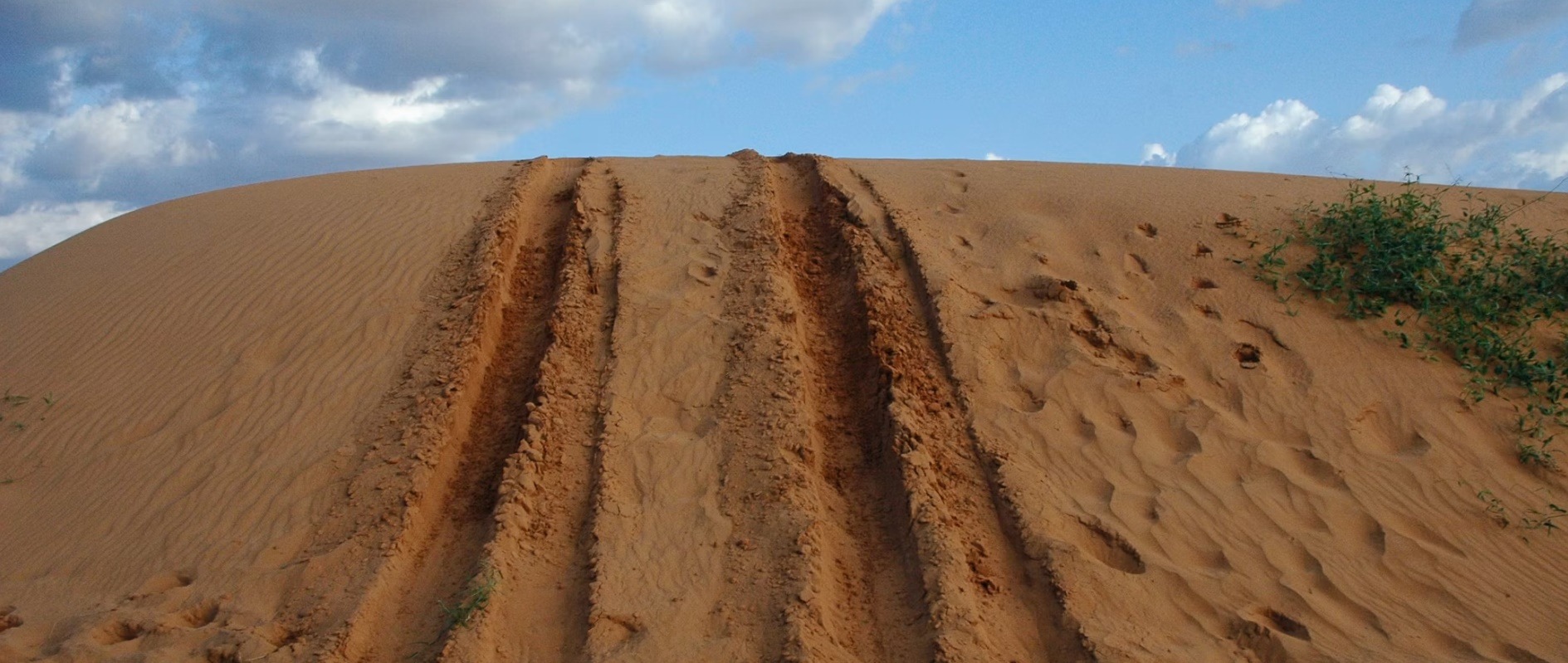
Niger country image
Niger overview image
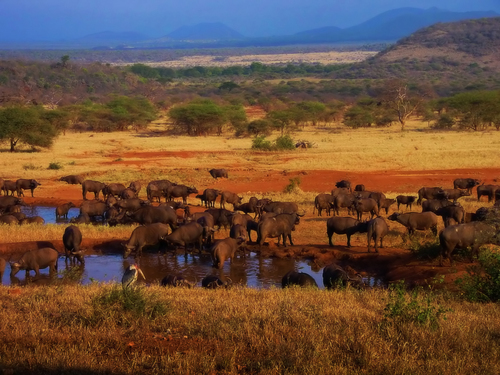
Niger anthem image
Niger anthem image
Niger anthem image
Niger anthem image

Team Standings

Teams Mp W D L GF GA Pt
Cuba Cuba 0 0 0 0 0 0 0
Cyprus Cyprus 0 0 0 0 0 0 0
El Salvador El Salvador 0 0 0 0 0 0 0
Georgia Georgia 0 0 0 0 0 0 0
Iceland Iceland 0 0 0 0 0 0 0
Kazakhstan Kazakhstan 0 0 0 0 0 0 0
Luxembourg Luxembourg 0 0 0 0 0 0 0
Namibia Namibia 0 0 0 0 0 0 0
Niger Niger 0 0 0 0 0 0 0
St. Lucia St. Lucia 0 0 0 0 0 0 0

Squad List

Dicko Samba
Midfielder
Doural Wahab
Forward
Hammani Abdou
Goalkeeper
Ide Djibril
Forward
Jorges Rios
Midfielder
Laouali Soumaila
Forward
Lassane Doudou
Midfielder
Mo Ahmed
Midfielder
Moussa Issoufou
Forward
Noma Amadou
Forward
Omar Abdou
Defender
Oura Mounkeila
Defender
Pele Niger
Midfielder
Saley Tahirou
Goalkeeper
Souleymane Ly
Defender
Zakari Kimba
Defender

Coaching Staff
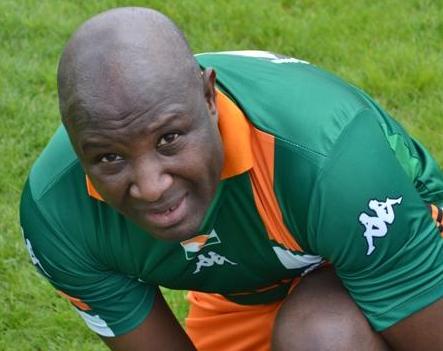
Pele Ibrahim
C
Pele Ibrahim
Head Coach