
The Diaspora World Cup operates in some of the major cities and metro areas in
United States and
Canada. Our network of register players includes 20 cities, 200 countries, 400
teams, and 10,000
players. Join our movement to solve the world's most pressing challenges:
Illiteracy
Who We are text will be here Who We are text will be here Who We are text will
be here Who We
are text will be here Who We are text will be here Who We are text will be here
Who We are text
will be here Who We are text will be here Who We are text will be here
What We Do text will be here What We Do text will be here What We Do text will
be here What We
Do text will be here What We Do text will be here What We Do text will be here
What We Do text
will be here What We Do text will be here What We Do text will be here What We
Do text will be
here What We Do text will be here What We Do text will be here
Get Involved text will be here Get Involved text will be here Get Involved text
will be here Get
Involved text will be here Get Involved text will be here Get Involved text will
be here Get
Involved text will be here Get Involved text will be here Get Involved text will
be here Get
Involved text will be here
Education is a basic Human Right and the Diaspora World Cup global school
program focuses its
energy in some the poorest countries around the world. We build schools in some
of the poorest
countries around the worldthat historically had no adequate school structure.
Any member of the
World Diaspora has the power to end illiteracy around the world through the
power of soccer.
High-profile sport figures, global leaders, business leaders, political figure,
journalists,
activists, philanthropists, actors, and entrepreneurs united by their commitment
to the Diaspora
World Cup mission to eradicate illiteracy around the world through the power of
soccer. They serve
as role models and spread the Diaspora World Cup vision and commitment of a
world mobilized
through soccer.
Diaspora 2027: complete guide to all players | The Diaspora
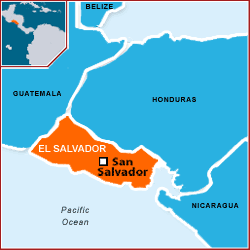
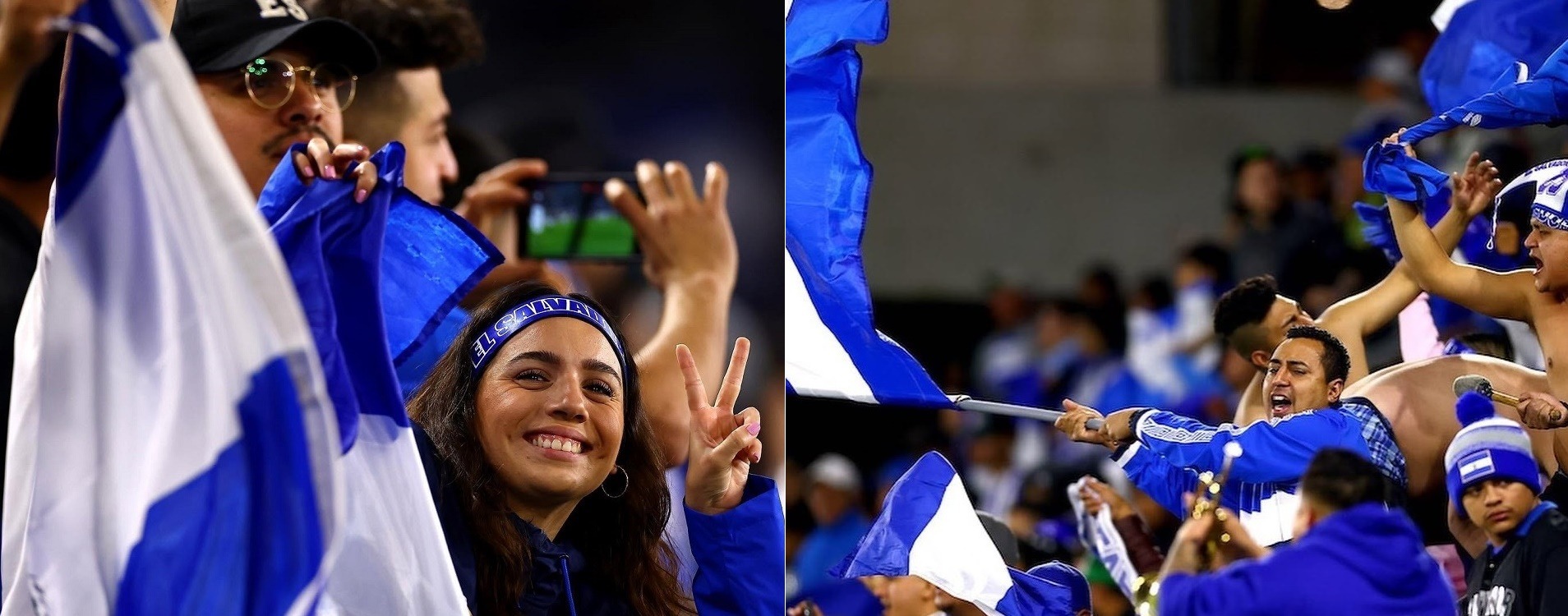
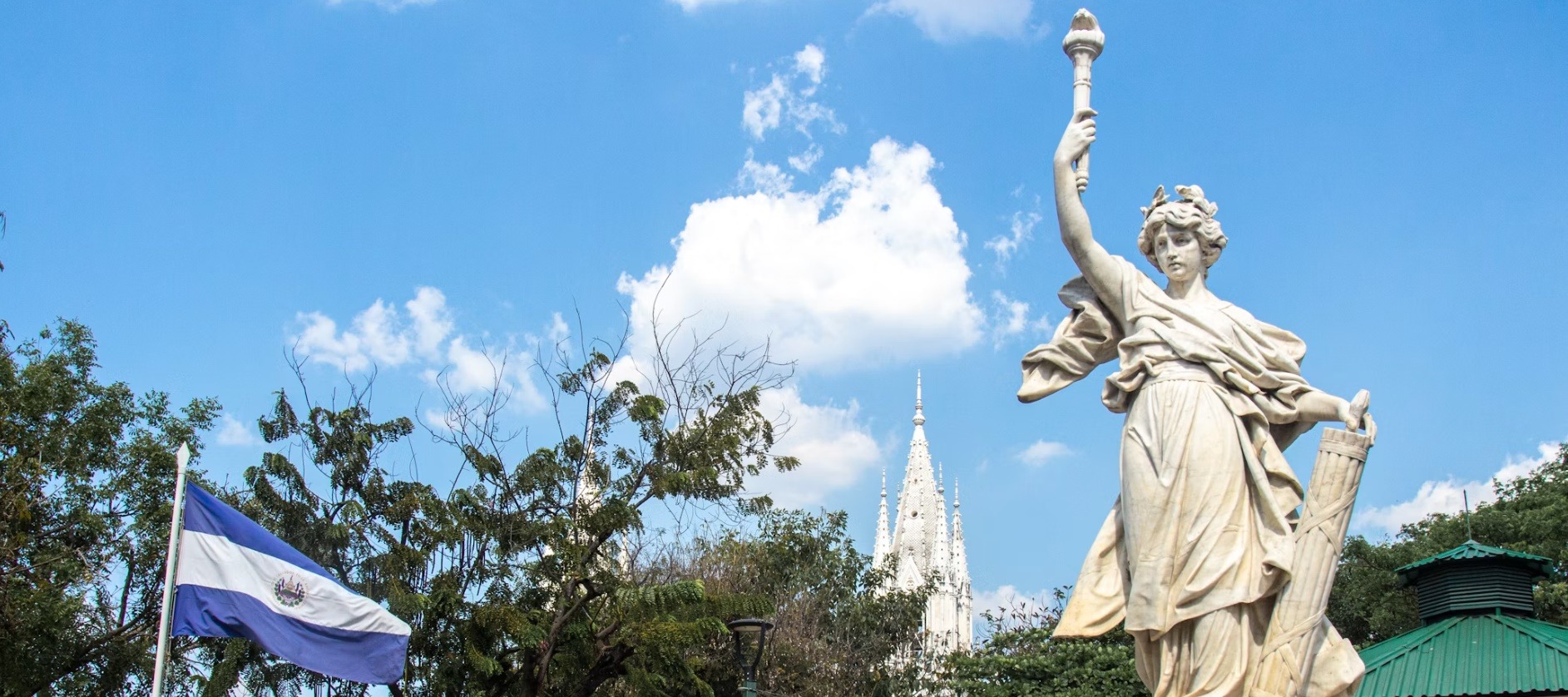
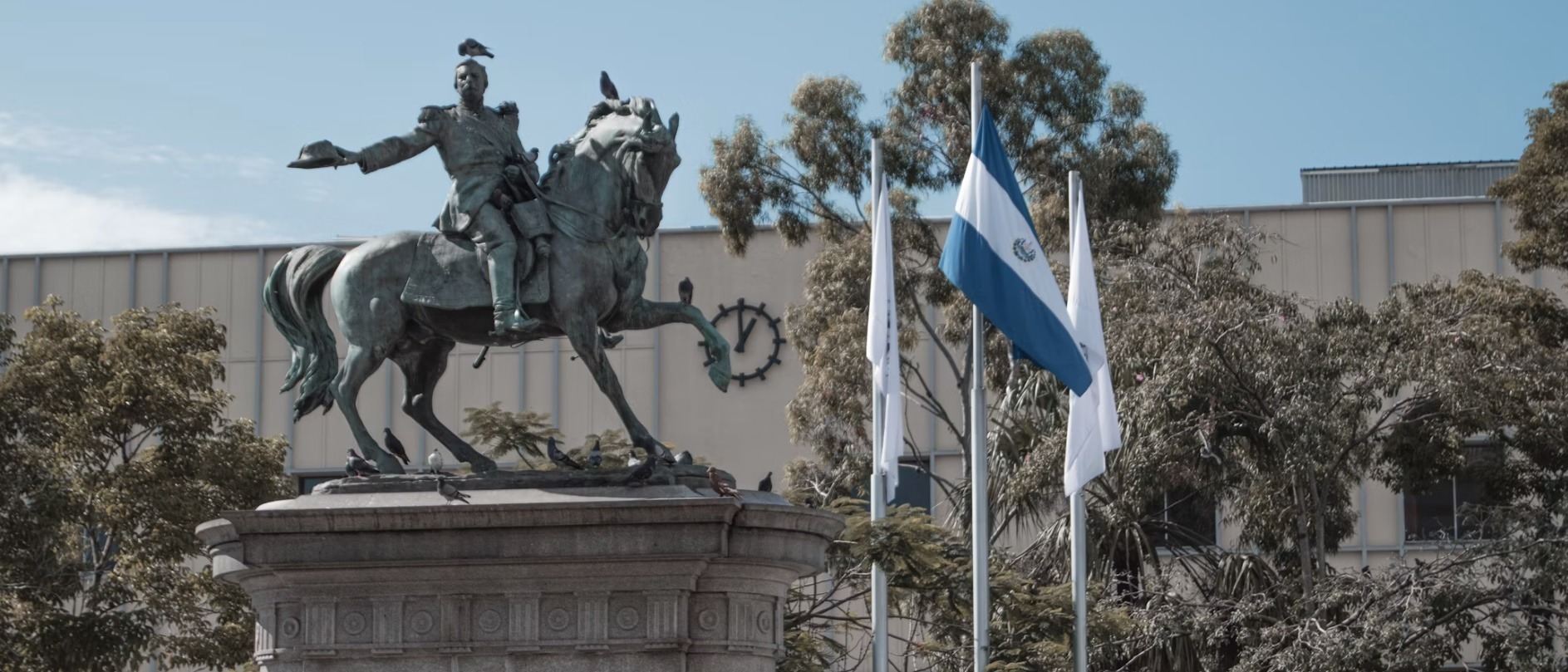
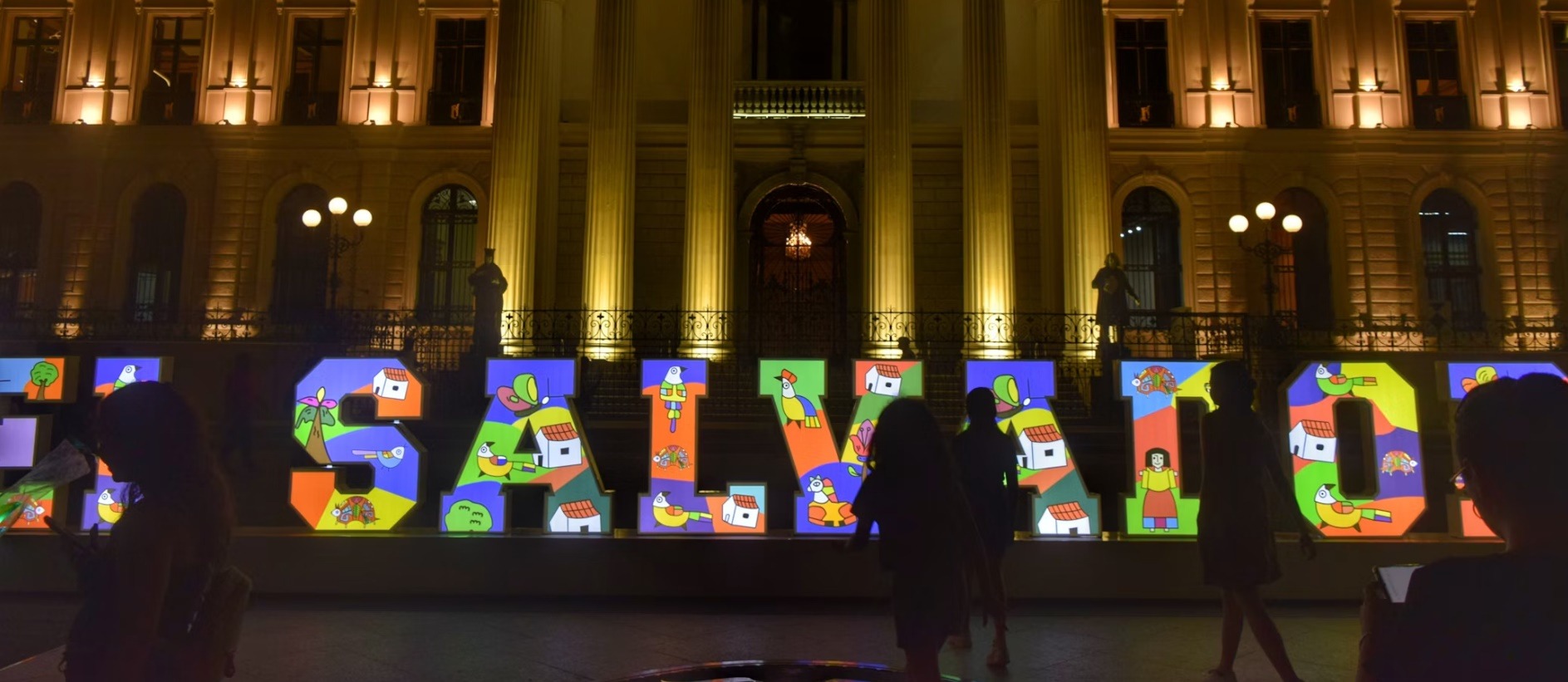
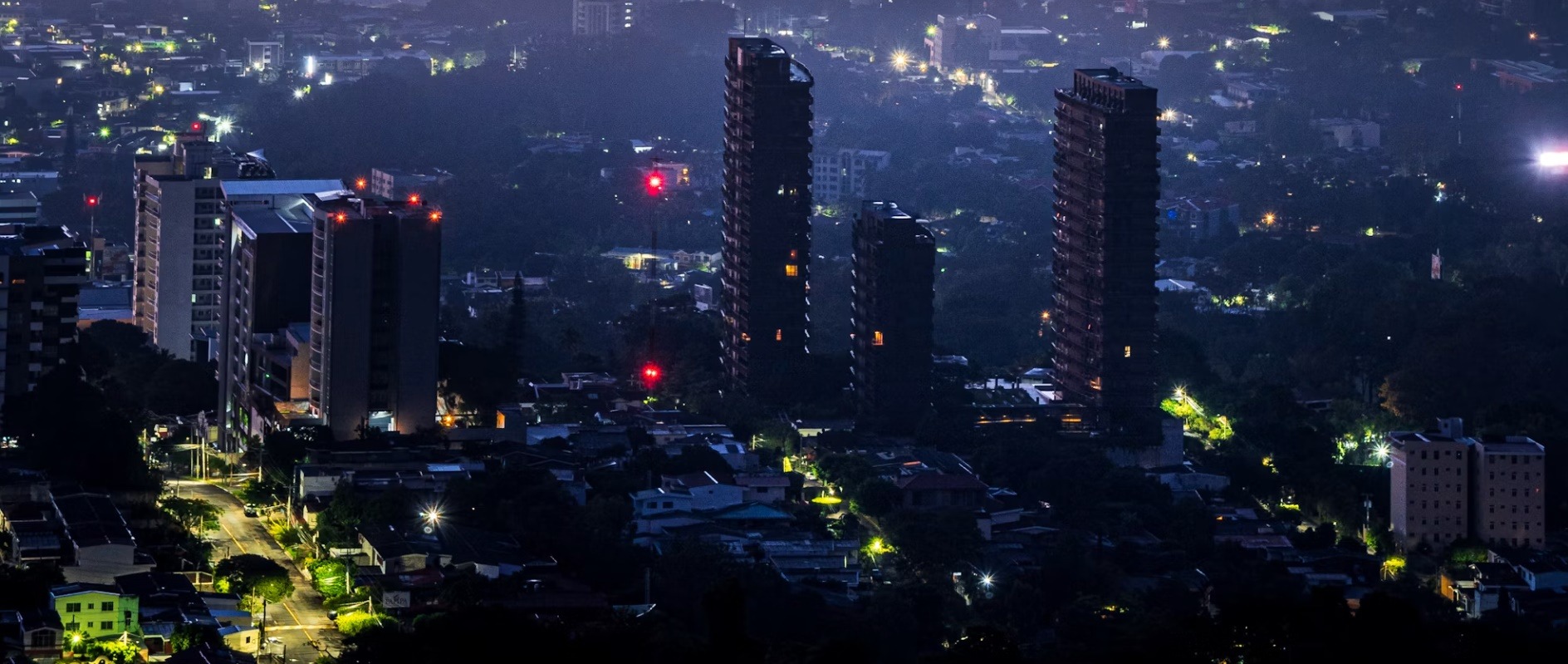
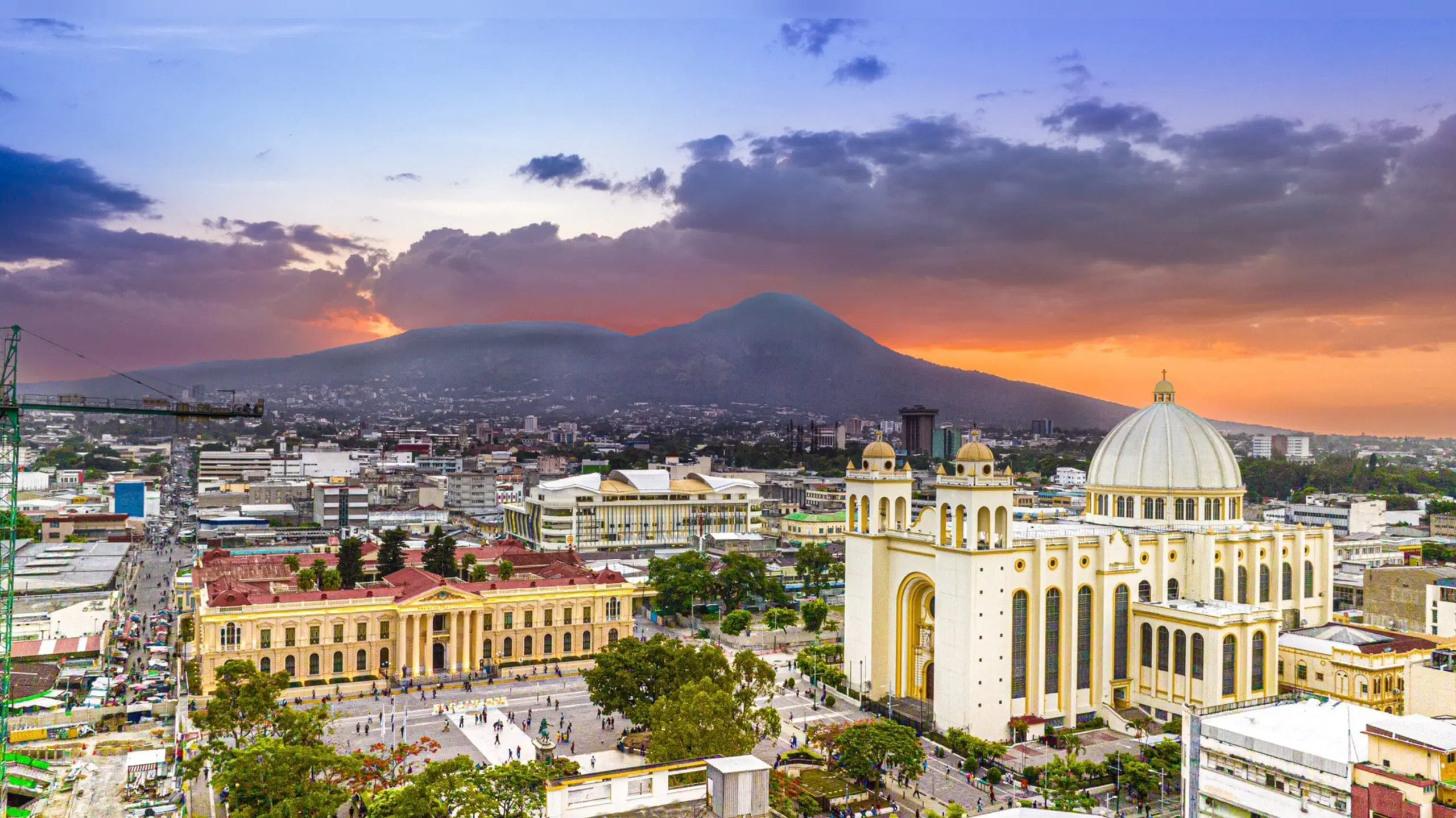
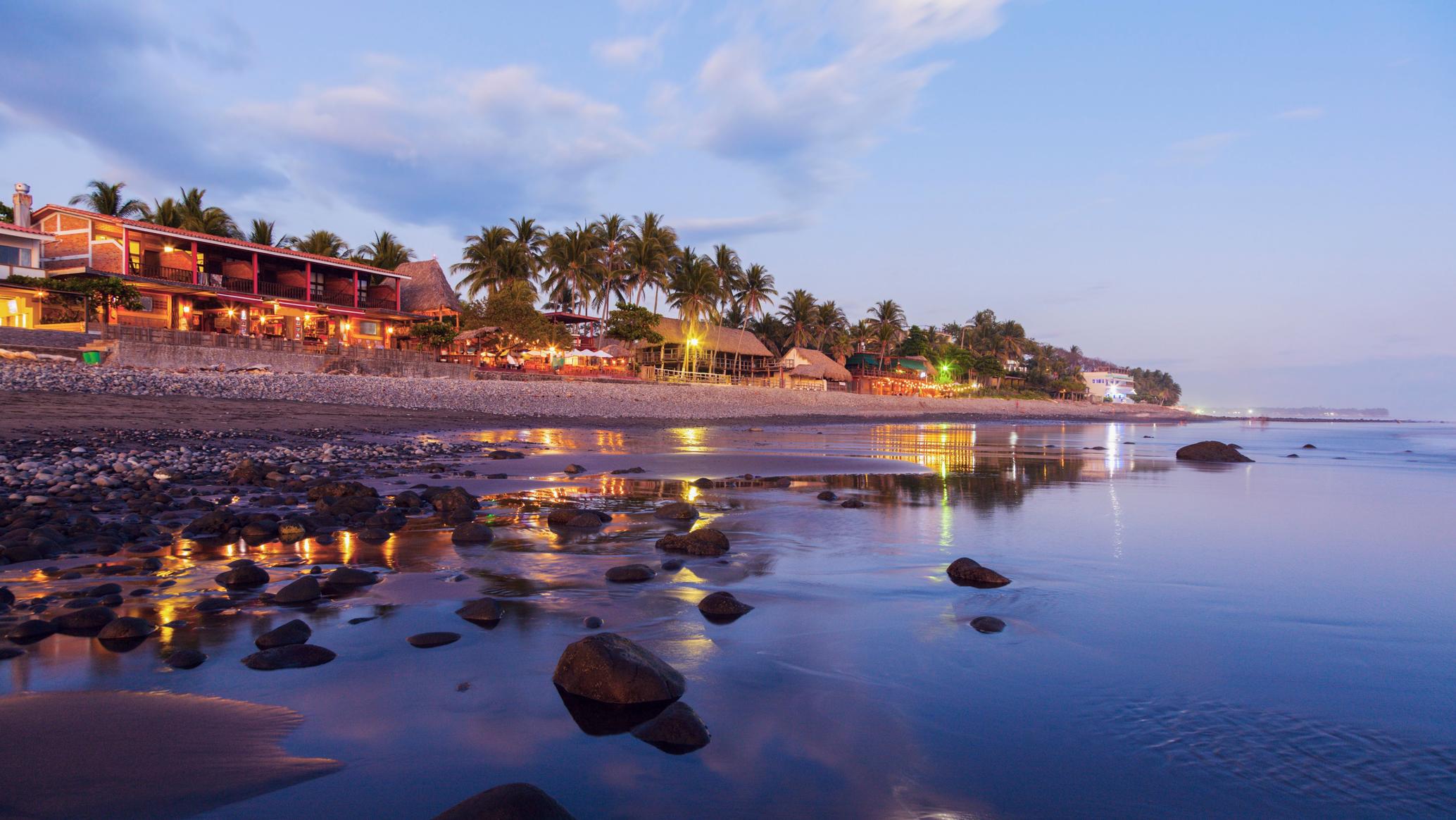
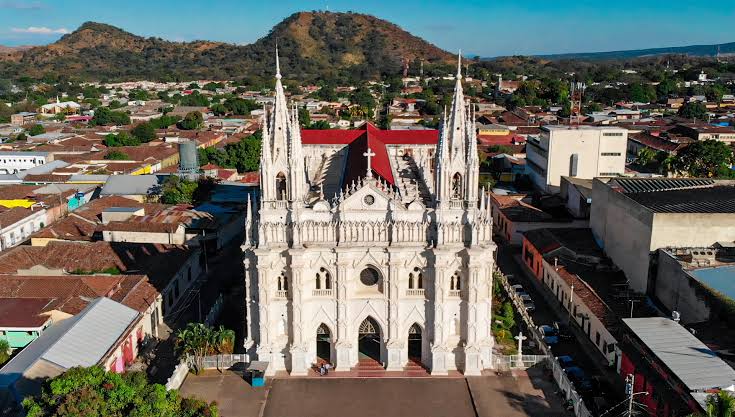
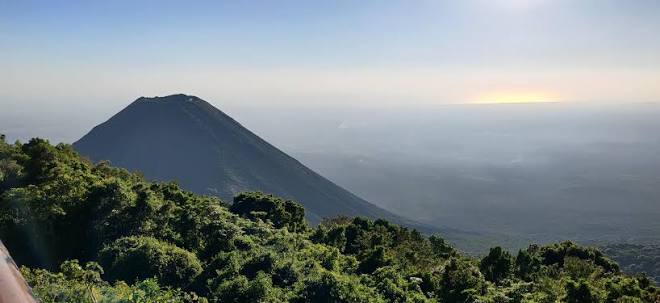
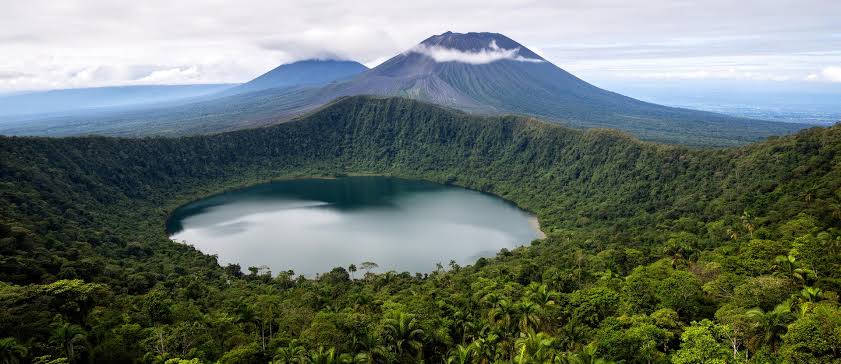
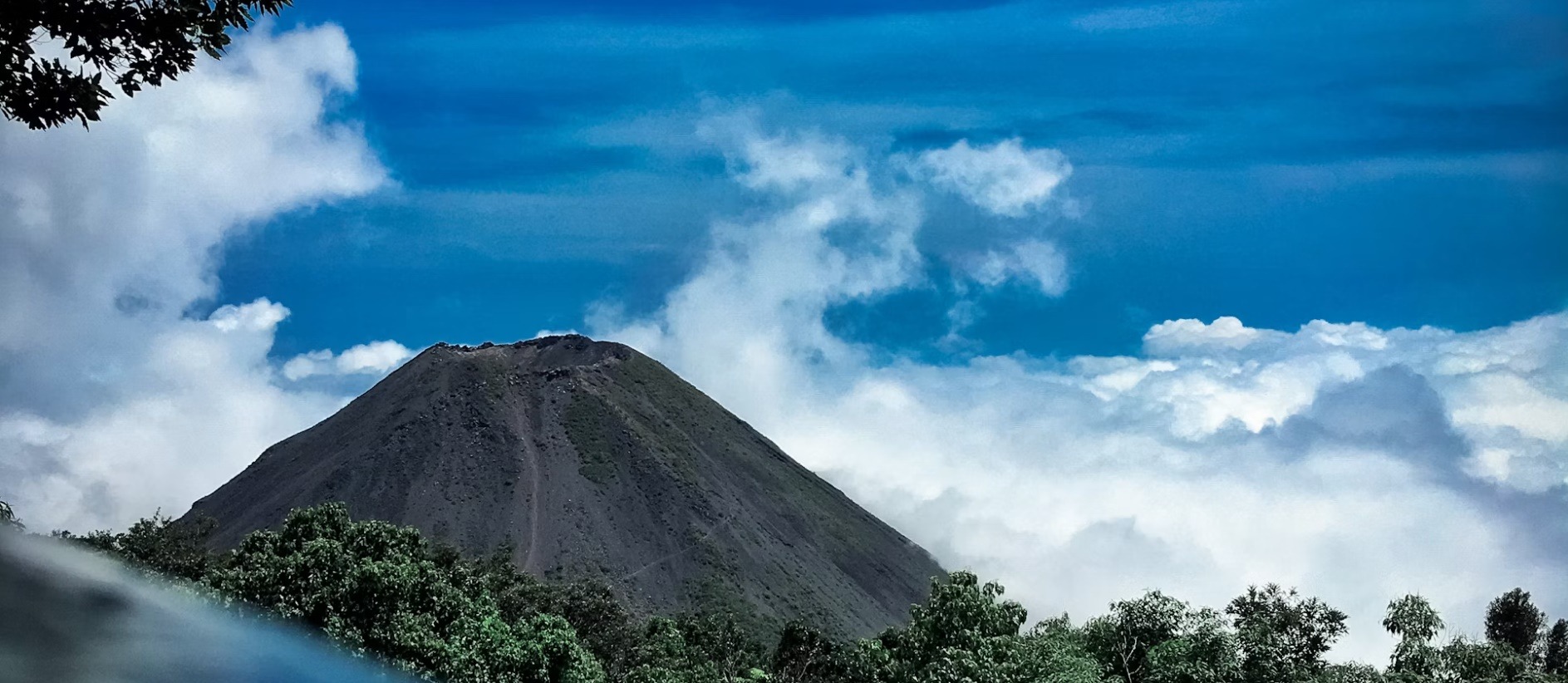
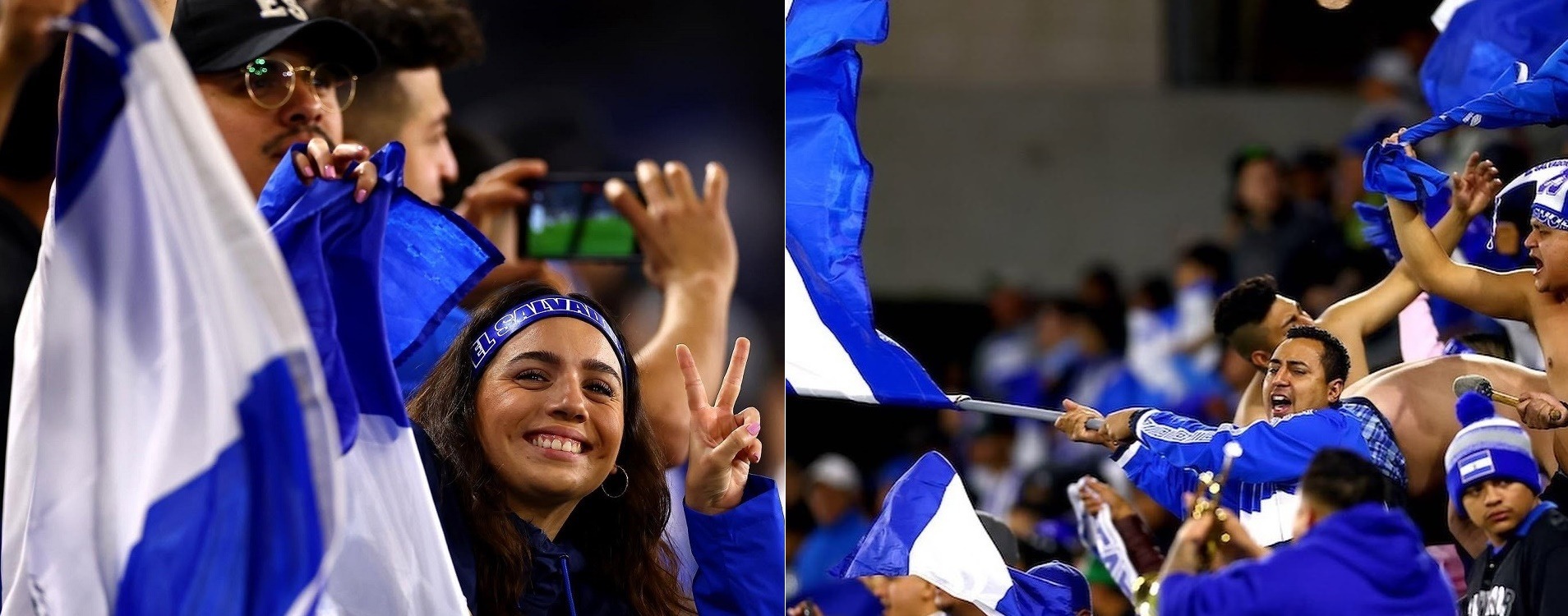
EL SALVADOR
Welcome to the 2028 Diaspora World Cup. Oakdale - Frederick
Oakdale - Frederick
Welcome to the 2028 Diaspora World Cup. Oakdale - Frederick
The Washington, D.C. metropolitan area (DMV) hosts the largest Salvadoran diaspora community in the United States, numbering over 260,000 residents. Salvadorans form the largest Hispanic immigrant group in the District of Columbia and surrounding suburban counties. History and Settlement Early Roots: Initial migration began in the 1960s and 1970s via domestic and...The Washington, D.C. metropolitan area (DMV) hosts the largest Salvadoran diaspora community in the United States, numbering over 260,000 residents. Salvadorans form the largest Hispanic immigrant group in the District of Columbia and surrounding suburban counties. History and Se...
More Information
Chelsea Official
Download The 5th Stand, Chelsea’s official mobile app, to see exclusive content, match action and all the latest news from Stamford Bridge.
More Information
Street Soccer in El Salvador
Street soccer is a popular part of football culture in El Salvador, where children and teenagers often gather in neighbourhood streets, school courts, community fields, and public spaces to play informal matches. These games are a common way for young players to enjoy football, stay active, and build connections with friends and neighbours.
The fast and competitive style of street soccer helps players develop quick footwork, close ball control, passing skills, and creativity. Playing in limited spaces encourages quick thinking, individual skill, and teamwork while allowing participants to improve through regular practice and friendly competition.
Street soccer provides an affordable way for communities across El Salvador to enjoy football without requiring professional facilities. It promotes physical activity, strengthens social bonds, and gives young players a chance to develop their passion for the sport.
Street Soccer Culture in El Salvador
Football is deeply connected with daily life in El Salvador, and street soccer is often where many young players first discover their love for the game. Informal matches organised by friends, schools, and local communities create a strong sense of participation and togetherness.
Skills Developed Through Street Soccer
Street soccer helps players improve dribbling, ball control, passing accuracy, agility, balance, and awareness. The quick pace of matches also builds confidence, communication, creativity, and the ability to make fast decisions.
Street Soccer and Community Development
Street soccer plays an important role in bringing communities together through football and encouraging positive activities among young people. It also helps aspiring players gain experience before joining local clubs, school teams, or organised football programmes.
The EL Salvador in the DMV Metro
The Washington, D.C. metropolitan area (DMV) hosts the largest Salvadoran diaspora community in the United States, numbering over 260,000 residents. Salvadorans form the largest Hispanic immigrant group in the District of Columbia and surrounding suburban counties.
History and Settlement
Early Roots: Initial migration began in the 1960s and 1970s via domestic and service work connections.
Civil War Wave: The 1980s Salvadoran Civil War triggered a massive wave of refugees who settled heavily in D.C. neighborhoods like Mount Pleasant and Adams Morgan.
Suburban Growth: Communities expanded outward into Maryland (especially Montgomery and Prince George's counties) and Northern Virginia (such as Fairfax County).
Community Support and Culture
Advocacy Groups: Local institutions like CARECEN (Central American Resource Center) and CASA originated during the 1980s sanctuary movement to provide legal, social, and labor support.
Food and Traditions: Pupuserias and traditional markets are deeply embedded across the DMV landscape, serving as cultural anchors for first- and second-generation families.
Significance
Salvadoran immigration to the United States has generally reflected political repression, civil war, economic inequality, natural disasters, insecurity, employment opportunities, family reunification, and established migration networks.
Salvadoran migration to the United States remained relatively limited until the late twentieth century. Early arrivals included merchants, agricultural workers, sailors, students, diplomats, religious workers, and professionals travelling for employment, education, or trade. Large-scale migration began during the late 1970s and 1980s as political repression and civil war forced hundreds of thousands of people to leave their homes. Many settled in California, Texas, New York, Maryland, Virginia, and the Washington, D.C., metropolitan area. Migration continued after the war through family reunification and in response to poverty, natural disasters, and insecurity. Salvadoran immigrants established churches, businesses, restaurants, newspapers, cultural associations, and community organisations while maintaining close connections with relatives in El Salvador.
Salvadoran Migration Before the Civil War
Before the civil war, direct migration from El Salvador to the United States was comparatively uncommon. El Salvador became independent from Spain in 1821 and later joined the Federation of Central American States with Guatemala, Honduras, Nicaragua, and Costa Rica. Early connections with the United States were based mainly on diplomacy, agriculture, maritime commerce, education, and the export of coffee and other products. Salvadorans travelling north were commonly merchants, students, government representatives, sailors, religious workers, professionals, or political exiles. Most international migrants initially moved within Central America because neighbouring countries were easier and less expensive to reach. During the 1960s and 1970s, land inequality, unemployment, political conflict, and increasing violence began encouraging greater movement toward the United States.
Late-Twentieth- and Early-Twenty-First-Century Immigration
Salvadoran immigration increased dramatically during the 1980–1992 civil war, when government repression, guerrilla warfare, massacres, and economic disruption displaced large numbers of people. Many travelled through Mexico and settled in Los Angeles, Houston, New York, Washington, D.C., and nearby communities. Although numerous Salvadorans initially struggled to receive asylum, American churches, legal organisations, and immigrant groups helped refugees obtain protection and employment. The Immigration Reform and Control Act of 1986 enabled approximately 146,000 Salvadorans to gain legal status. After the war ended, migration continued through family reunification and in response to earthquakes, hurricanes, poverty, inequality, and violence. Salvadoran communities preserved Spanish, traditional food, music, religious customs, festivals, and family relationships while supporting their homeland through remittances and community projects.
Lorem ipsum dolor sit amet, consectetur adipiscing elit, sed do eiusmod tempor incididunt ut
labore et dolore magna aliqua. Ut enim ad minim veniam, quis nostrud exercitation ullamco
laboris nisi ut aliquip ex ea commodo consequat. Duis aute irure dolor in
reprehenderit in voluptate velit esse cillum dolore eu fugiat nulla pariatur.