
Responsive Header
  • Where We Work
  • Cameroon
  • The Diaspora World Cup operates in some of the major cities and metro areas in United States and Canada. Our network of register players includes 20 cities, 200 countries, 400 teams, and 10,000 players. Join our movement to solve the world's most pressing challenges: Illiteracy
  • Who We are text will be here Who We are text will be here Who We are text will be here Who We are text will be here Who We are text will be here Who We are text will be here Who We are text will be here Who We are text will be here Who We are text will be here
  • What We Do text will be here What We Do text will be here What We Do text will be here What We Do text will be here What We Do text will be here What We Do text will be here What We Do text will be here What We Do text will be here What We Do text will be here What We Do text will be here What We Do text will be here What We Do text will be here
  • Get Involved text will be here Get Involved text will be here Get Involved text will be here Get Involved text will be here Get Involved text will be here Get Involved text will be here Get Involved text will be here Get Involved text will be here Get Involved text will be here Get Involved text will be here
  • Education is a basic Human Right and the Diaspora World Cup global school program focuses its energy in some the poorest countries around the world. We build schools in some of the poorest countries around the worldthat historically had no adequate school structure. Any member of the World Diaspora has the power to end illiteracy around the world through the power of soccer.
  • High-profile sport figures, global leaders, business leaders, political figure, journalists, activists, philanthropists, actors, and entrepreneurs united by their commitment to the Diaspora World Cup mission to eradicate illiteracy around the world through the power of soccer. They serve as role models and spread the Diaspora World Cup vision and commitment of a world mobilized through soccer.
  •  
  •  
Diaspora 2027: complete guide to all players | The Diaspora
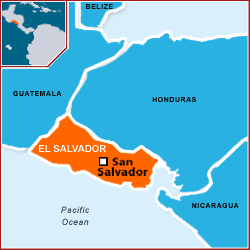
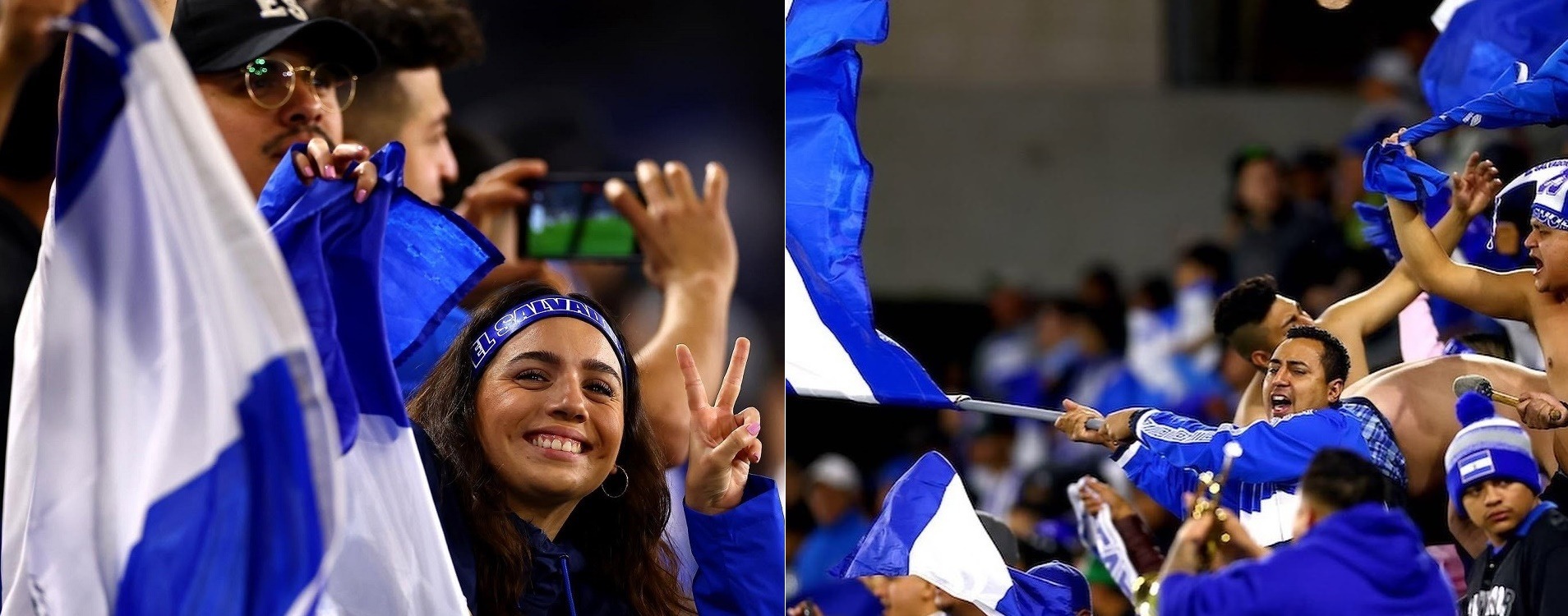
EL SALVADOR
Oakdale - Frederick
Welcome to the 2027 Diaspora World Cup.
Oakdale - Frederick

Significance

Salvadoran immigration to the United States has generally reflected political repression, civil war, economic inequality, natural disasters, insecurity, employment opportunities, family reunification, and established migration networks.

Salvadoran migration to the United States remained relatively limited until the late twentieth century. Early arrivals included merchants, agricultural workers, sailors, students, diplomats, religious workers, and professionals travelling for employment, education, or trade. Large-scale migration began during the late 1970s and 1980s as political repression and civil war forced hundreds of thousands of people to leave their homes. Many settled in California, Texas, New York, Maryland, Virginia, and the Washington, D.C., metropolitan area. Migration continued after the war through family reunification and in response to poverty, natural disasters, and insecurity. Salvadoran immigrants established churches, businesses, restaurants, newspapers, cultural associations, and community organisations while maintaining close connections with relatives in El Salvador.

Salvadoran Migration Before the Civil War

Before the civil war, direct migration from El Salvador to the United States was comparatively uncommon. El Salvador became independent from Spain in 1821 and later joined the Federation of Central American States with Guatemala, Honduras, Nicaragua, and Costa Rica. Early connections with the United States were based mainly on diplomacy, agriculture, maritime commerce, education, and the export of coffee and other products. Salvadorans travelling north were commonly merchants, students, government representatives, sailors, religious workers, professionals, or political exiles. Most international migrants initially moved within Central America because neighbouring countries were easier and less expensive to reach. During the 1960s and 1970s, land inequality, unemployment, political conflict, and increasing violence began encouraging greater movement toward the United States.

Late-Twentieth- and Early-Twenty-First-Century Immigration

Salvadoran immigration increased dramatically during the 1980–1992 civil war, when government repression, guerrilla warfare, massacres, and economic disruption displaced large numbers of people. Many travelled through Mexico and settled in Los Angeles, Houston, New York, Washington, D.C., and nearby communities. Although numerous Salvadorans initially struggled to receive asylum, American churches, legal organisations, and immigrant groups helped refugees obtain protection and employment. The Immigration Reform and Control Act of 1986 enabled approximately 146,000 Salvadorans to gain legal status. After the war ended, migration continued through family reunification and in response to earthquakes, hurricanes, poverty, inequality, and violence. Salvadoran communities preserved Spanish, traditional food, music, religious customs, festivals, and family relationships while supporting their homeland through remittances and community projects.

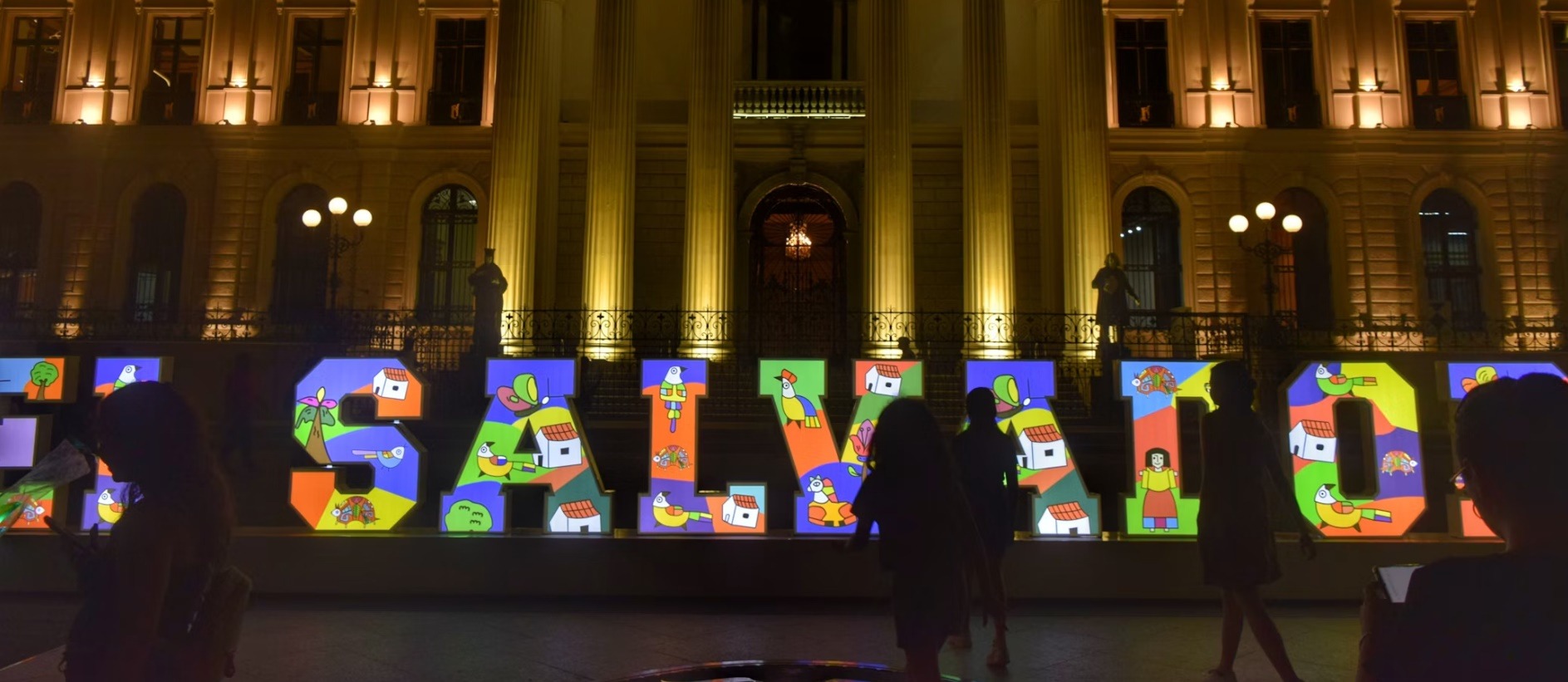
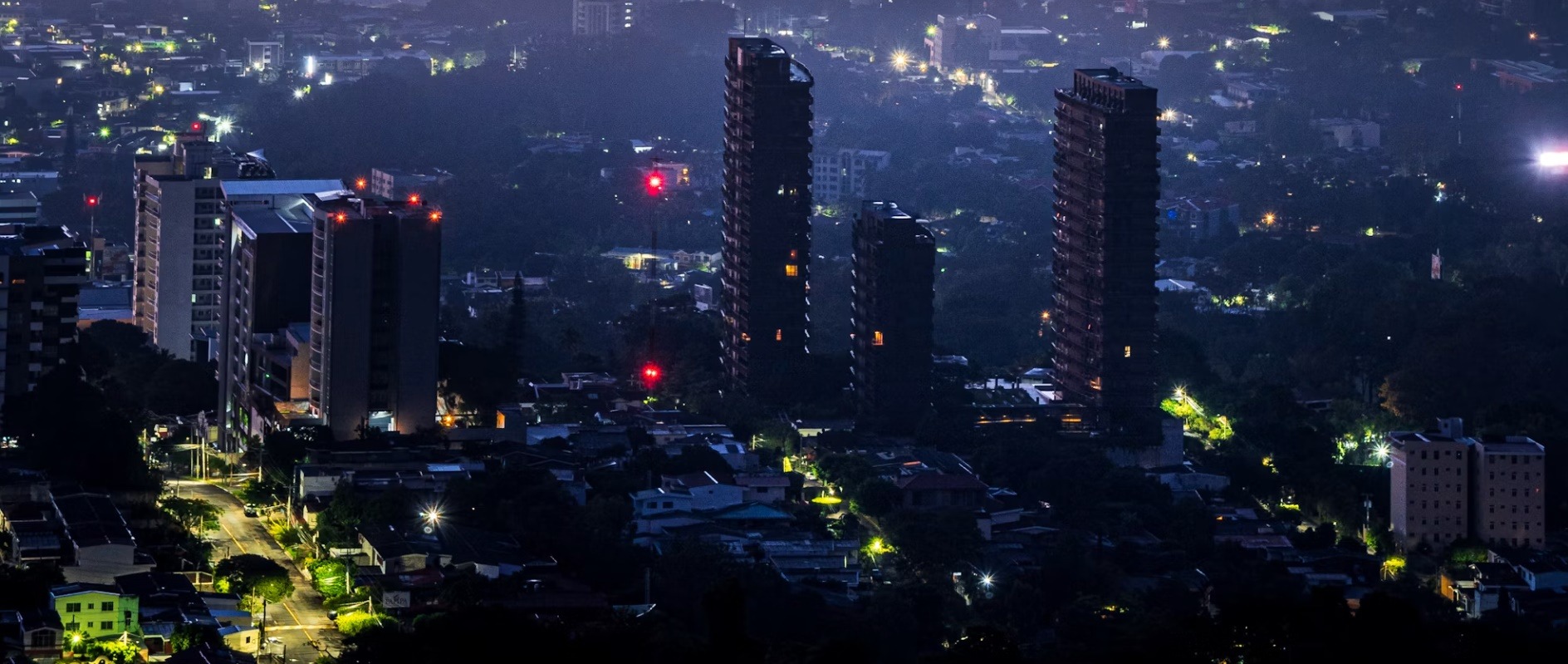
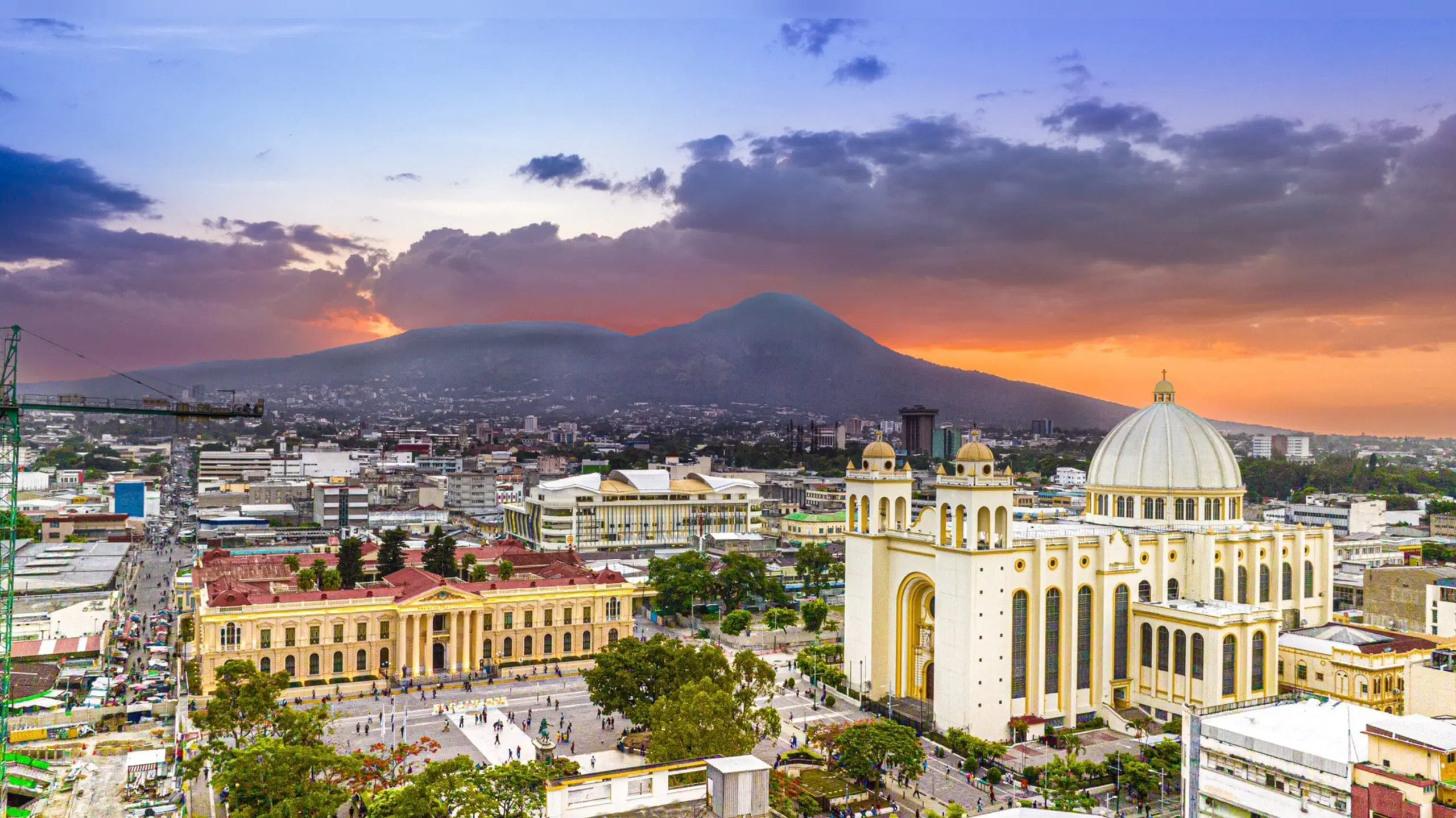
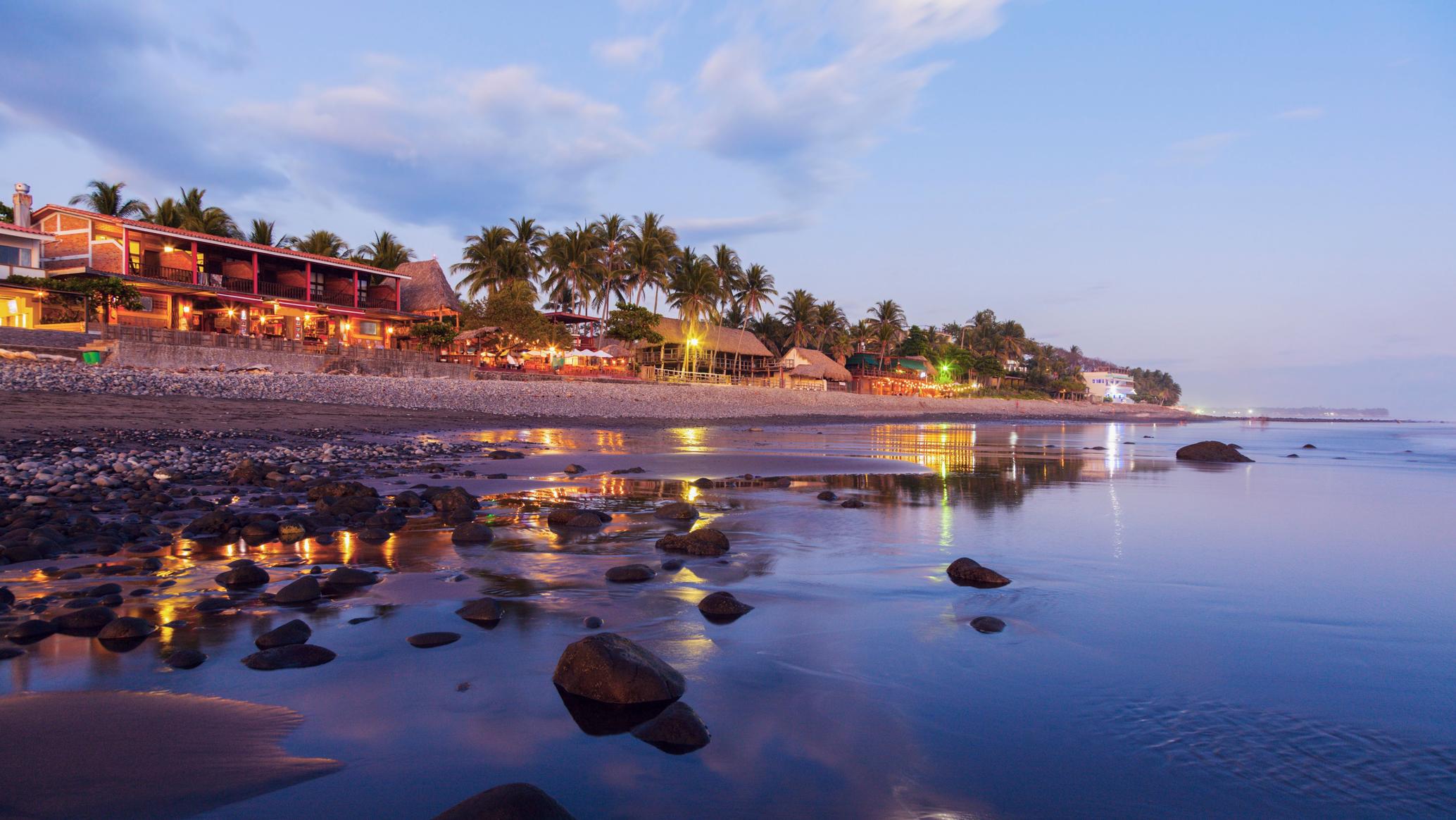
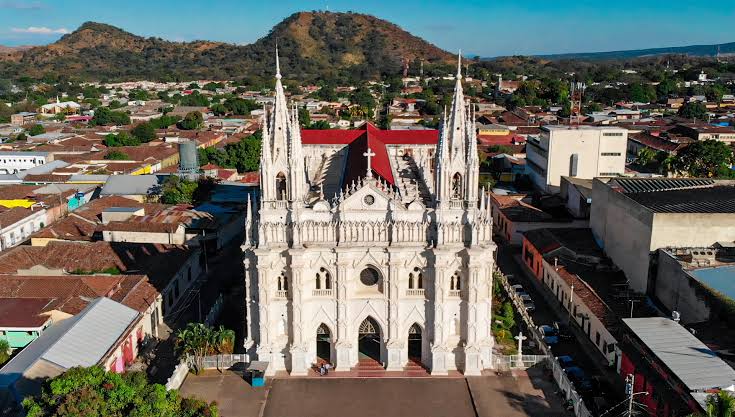
El Salvador  country image
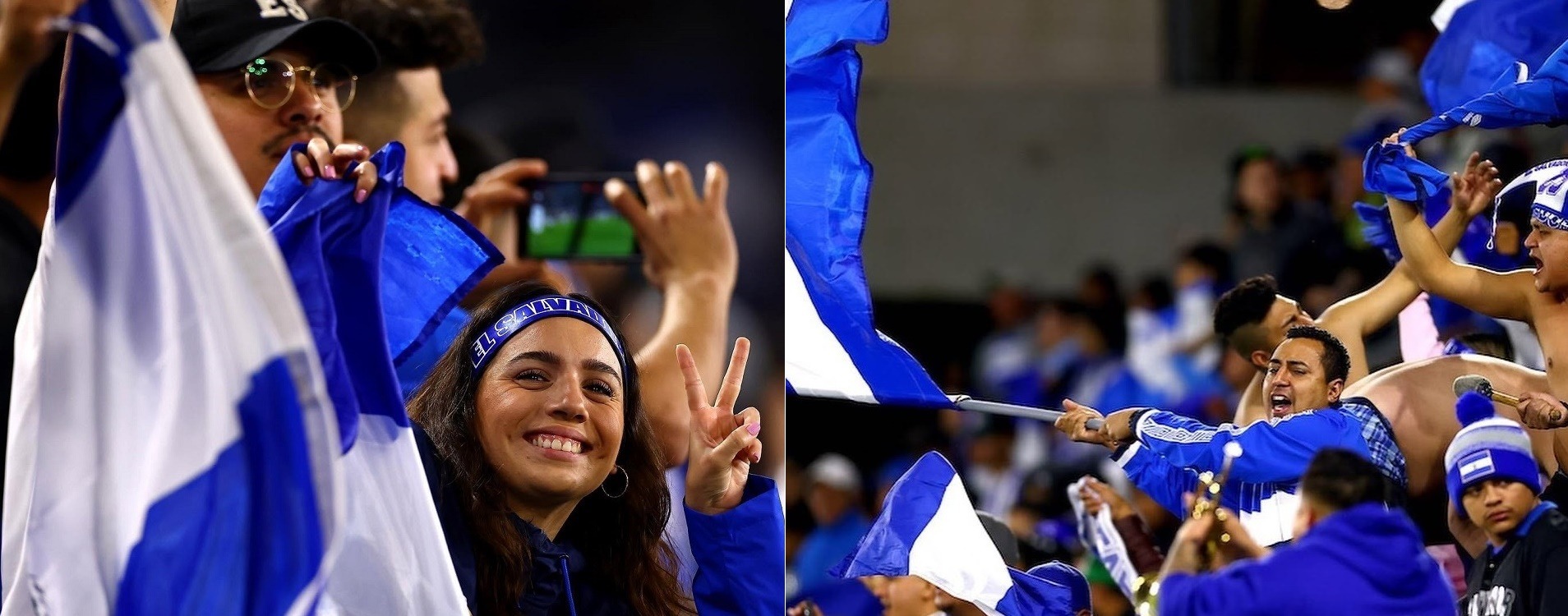
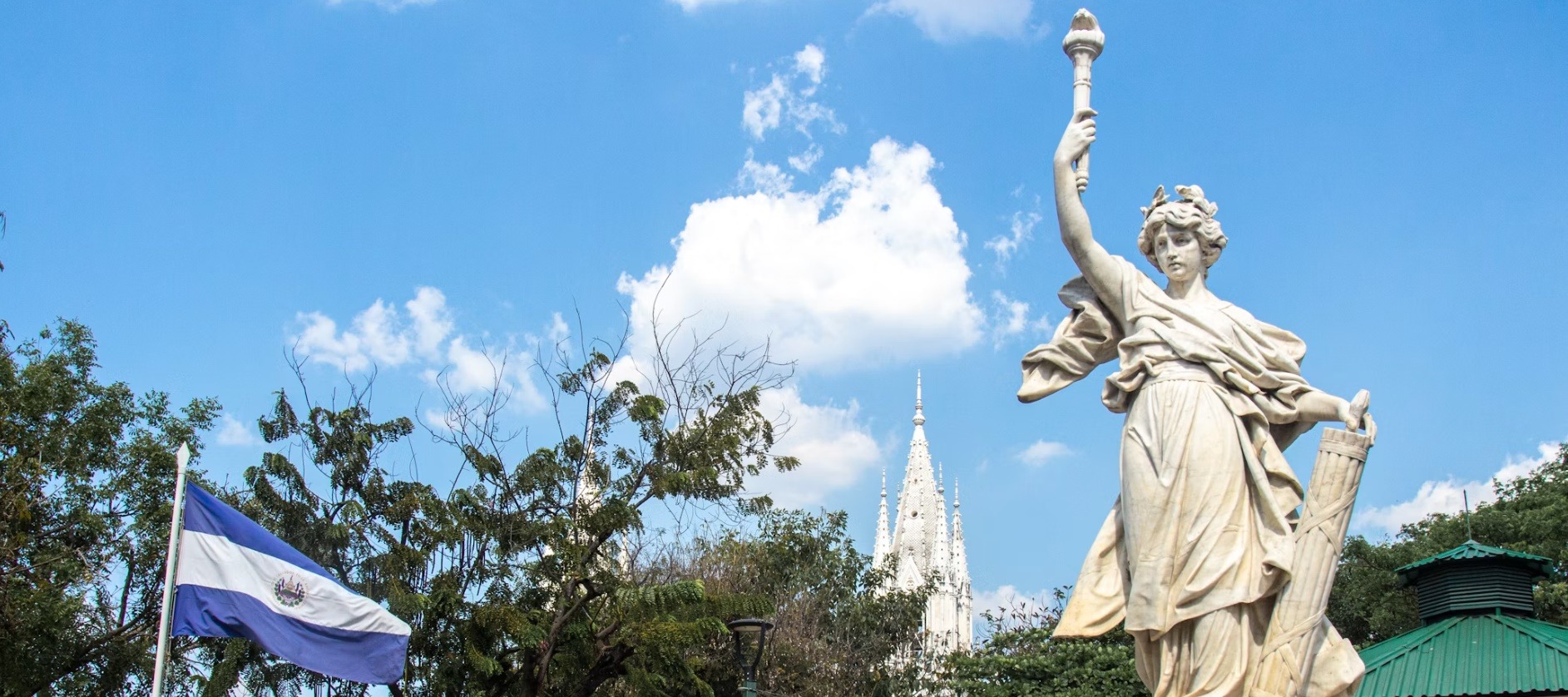
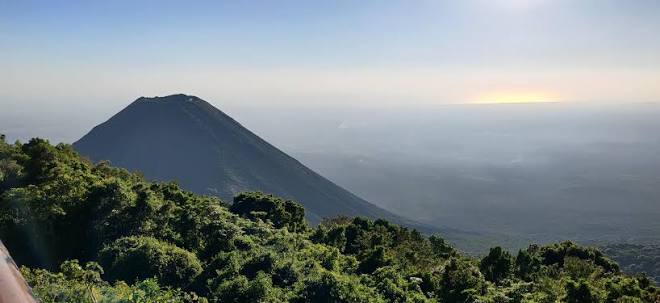
El Salvador  overview image
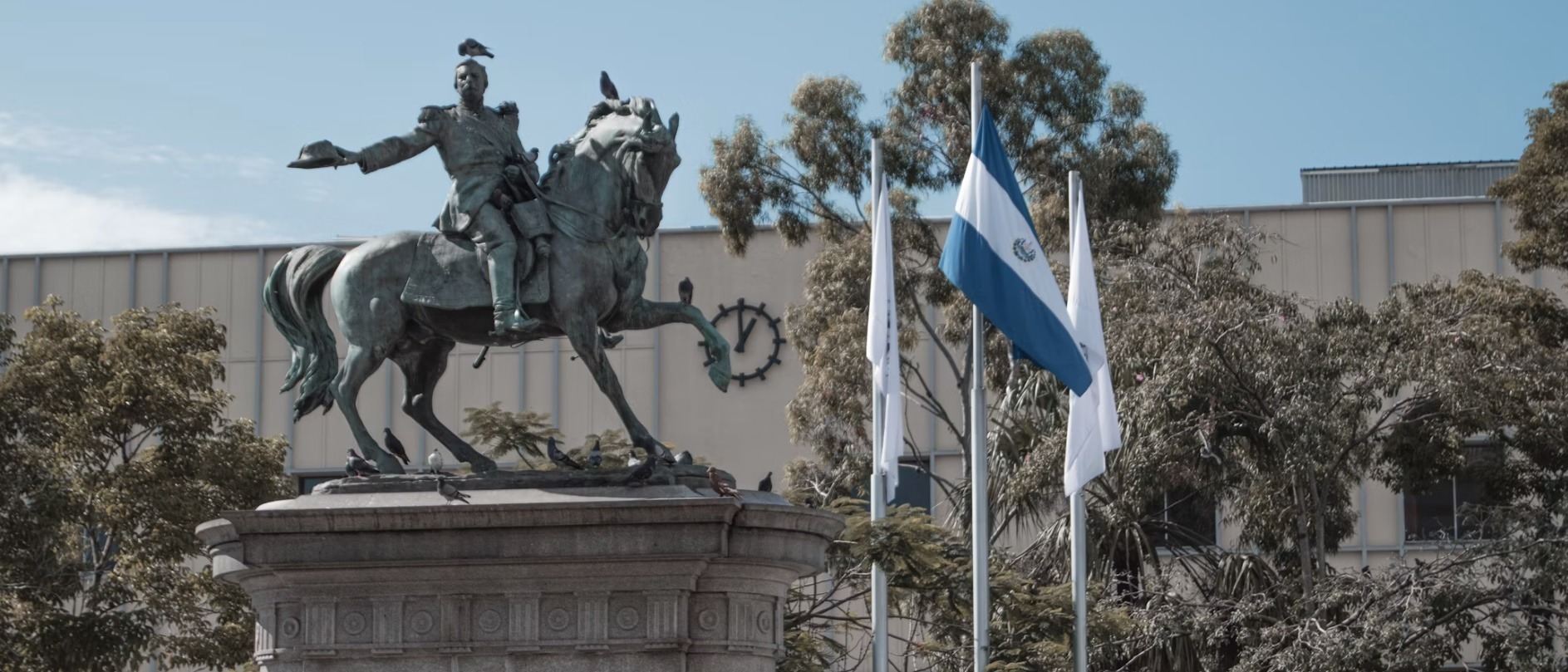
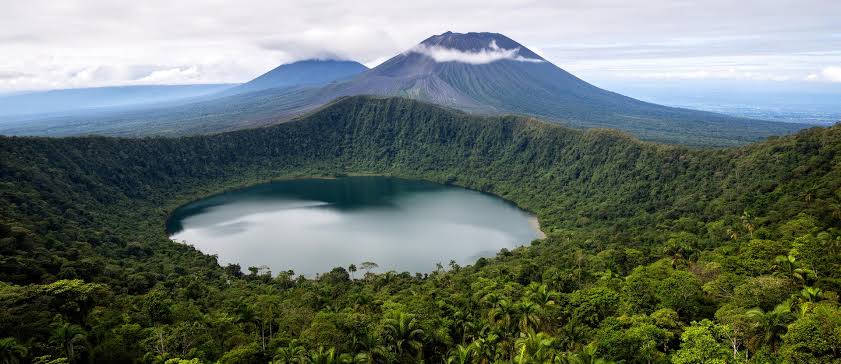
El Salvador  anthem image

Team Standings

Teams Mp W D L GF GA Pt
Cuba Cuba 0 0 0 0 0 0 0
Cyprus Cyprus 0 0 0 0 0 0 0
El Salvador El Salvador 0 0 0 0 0 0 0
Georgia Georgia 0 0 0 0 0 0 0
Iceland Iceland 0 0 0 0 0 0 0
Kazakhstan Kazakhstan 0 0 0 0 0 0 0
Luxembourg Luxembourg 0 0 0 0 0 0 0
Namibia Namibia 0 0 0 0 0 0 0
Niger Niger 0 0 0 0 0 0 0
St. Lucia St. Lucia 0 0 0 0 0 0 0

Squad List

Carlos Cruz
Forward
Edwin Funes
Goalkeeper
Fito Jajia
Forward
Irsa Franco
Defender
Jesus Palacios
Goalkeeper
Juan Mauricio
Midfielder
Julio Guzman
Defender
Manuel Arieta
Midfielder
Menjiva Angel
Defender
Nectaly Saravia
Defender
Raul Reyes
Defender
Rene Monterrosa
Midfielder
Romero Anthony
Defender
Sossa Alejandro
Midfielder
Stanley Castillo
Midfielder
Tango Amica
Forward

Coaching Staff
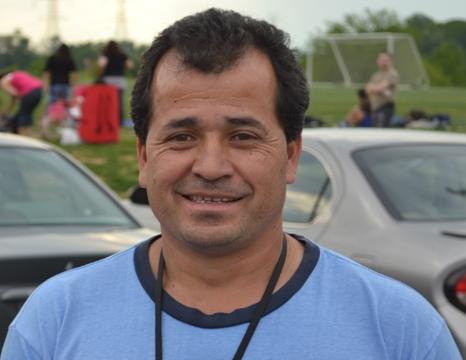
Manual Lopez
C
Manual Lopez
Head Coach