
Responsive Header
  • Where We Work
  • Cameroon
  • The Diaspora World Cup operates in some of the major cities and metro areas in United States and Canada. Our network of register players includes 20 cities, 200 countries, 400 teams, and 10,000 players. Join our movement to solve the world's most pressing challenges: Illiteracy
  • Who We are text will be here Who We are text will be here Who We are text will be here Who We are text will be here Who We are text will be here Who We are text will be here Who We are text will be here Who We are text will be here Who We are text will be here
  • What We Do text will be here What We Do text will be here What We Do text will be here What We Do text will be here What We Do text will be here What We Do text will be here What We Do text will be here What We Do text will be here What We Do text will be here What We Do text will be here What We Do text will be here What We Do text will be here
  • Get Involved text will be here Get Involved text will be here Get Involved text will be here Get Involved text will be here Get Involved text will be here Get Involved text will be here Get Involved text will be here Get Involved text will be here Get Involved text will be here Get Involved text will be here
  • Education is a basic Human Right and the Diaspora World Cup global school program focuses its energy in some the poorest countries around the world. We build schools in some of the poorest countries around the worldthat historically had no adequate school structure. Any member of the World Diaspora has the power to end illiteracy around the world through the power of soccer.
  • High-profile sport figures, global leaders, business leaders, political figure, journalists, activists, philanthropists, actors, and entrepreneurs united by their commitment to the Diaspora World Cup mission to eradicate illiteracy around the world through the power of soccer. They serve as role models and spread the Diaspora World Cup vision and commitment of a world mobilized through soccer.
  •  
  •  
Diaspora 2027: complete guide to all players | The Diaspora
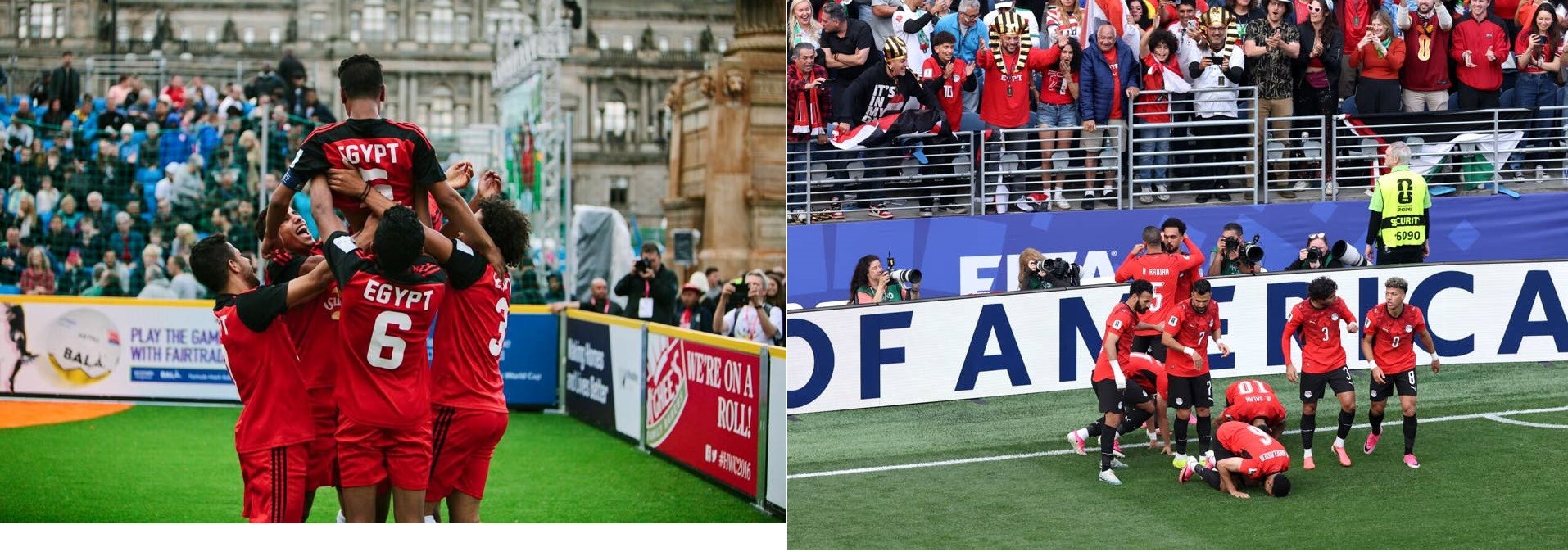
EGYPT
Oakdale - Frederick
Welcome to the 2027 Diaspora World Cup.
Oakdale - Frederick

Significance

Egyptian immigration to the United States has generally reflected British influence, political change, education, professional opportunities, economic hardship, religious concerns, family reunification, and the Diversity Visa programme.

Egyptian migration to the United States remained limited throughout most of the nineteenth and early twentieth centuries. Early arrivals mainly included merchants, diplomats, students, religious workers, academics, artists, and professionals travelling for trade, education, or specialised employment. Substantial immigration began during the 1970s, when political and economic changes encouraged larger numbers to seek opportunities abroad. Egyptian communities later developed most visibly in California, New York, New Jersey, Texas, and other states. Immigrants established Coptic churches, mosques, businesses, restaurants, professional associations, cultural organisations, and family networks while preserving Arabic, Coptic religious traditions, Egyptian food, music, festivals, and close relationships with relatives in Egypt.

Egyptian Migration Before the Major Immigration Waves

Before the 1970s, direct Egyptian immigration to the United States was uncommon. Egypt formally gained limited independence from Britain in 1922, and the United States recognised Egyptian independence and established diplomatic relations on April 26 of that year. Earlier movement mainly involved sailors, merchants, government representatives, students, intellectuals, religious figures, and members of internationally connected families. Egyptian professionals more commonly migrated within the Arab world, where teachers, doctors, administrators, and other skilled workers contributed to neighbouring countries. Fewer than 12,000 Egyptian immigrants settled permanently in the United States between 1820 and 1969. Restrictive American immigration quotas, travel costs, and stronger connections with Europe and the Middle East prevented the early development of a large Egyptian American population.
Late-Twentieth- and Early-Twenty-First-Century Immigration

Egyptian immigration increased during the 1970s as the United States’ 1965 immigration reforms expanded opportunities for non-European migrants through family sponsorship and skilled employment. Approximately 24,000 Egypt-born people became lawful permanent residents during the 1970s, and migration continued through the following decades. New arrivals included doctors, engineers, scientists, academics, entrepreneurs, students, religious minorities, and relatives joining established families. Family reunification and the Diversity Visa programme became especially important immigration pathways. Political unrest, economic instability, limited professional opportunities, and the events surrounding Egypt’s 2011 revolution encouraged further migration. Egyptian immigrants formed strong communities around New York City, Los Angeles, and other metropolitan areas, supported by churches, mosques, businesses, charities, media outlets, and professional organisations.

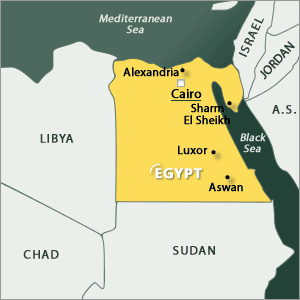
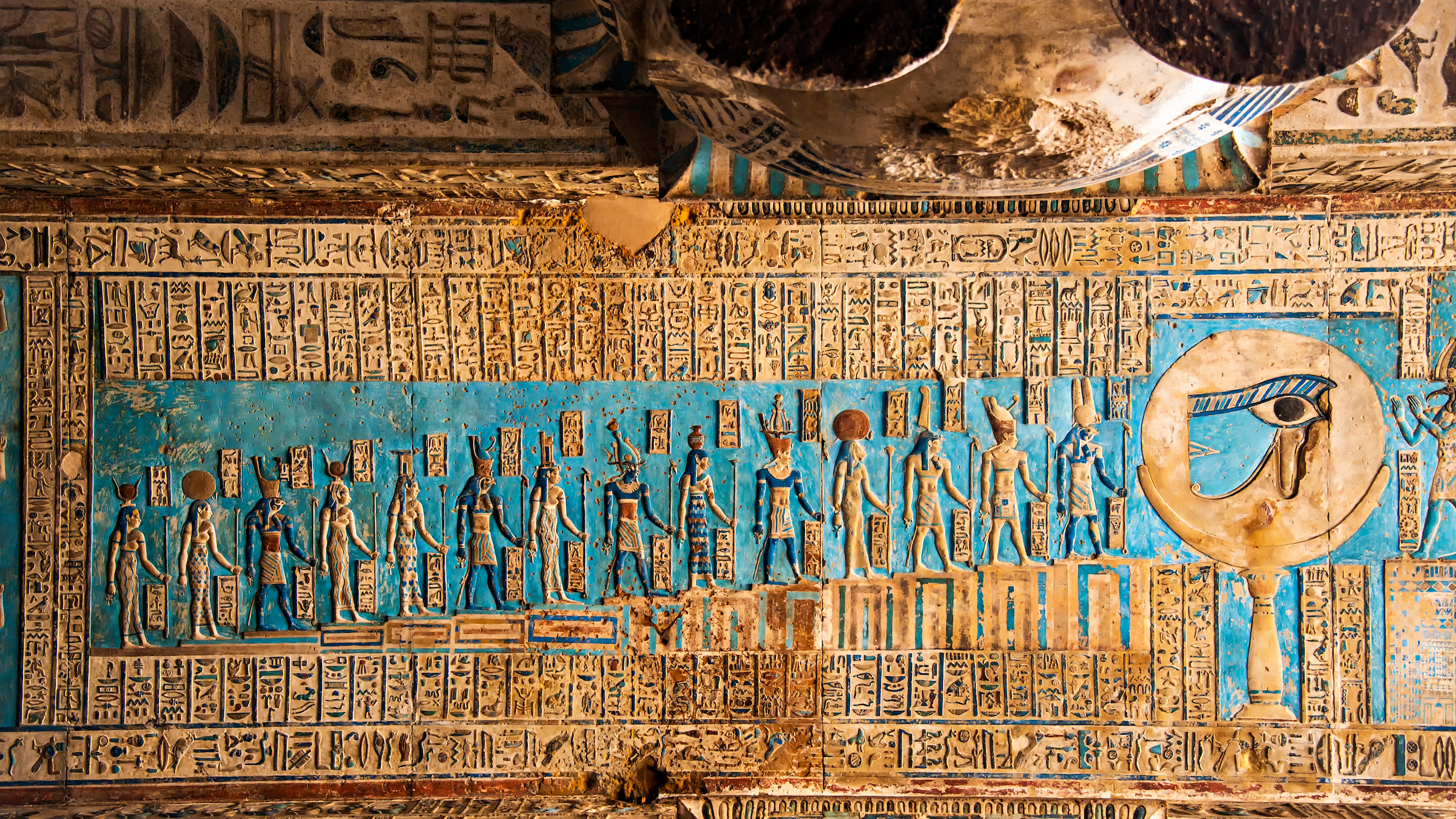
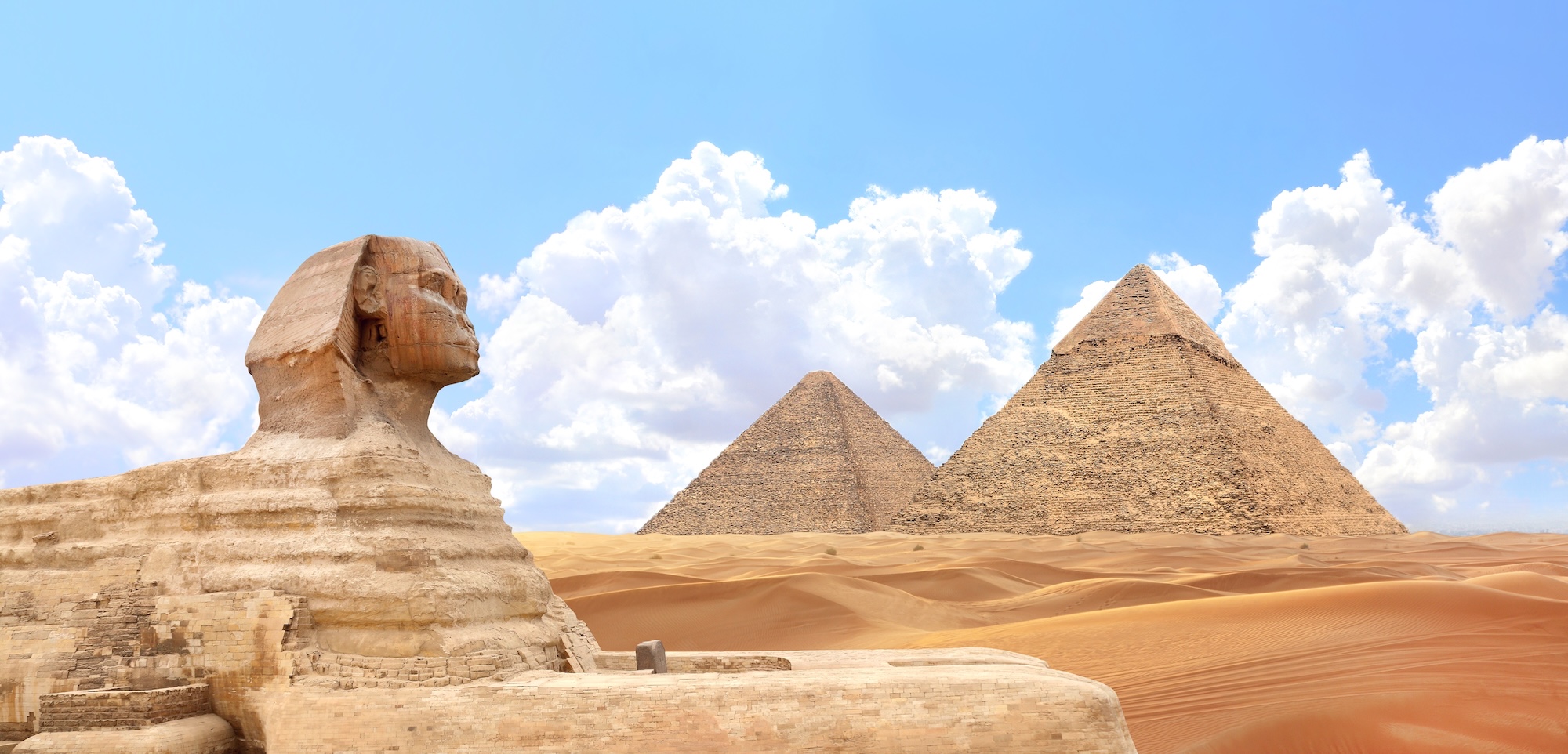
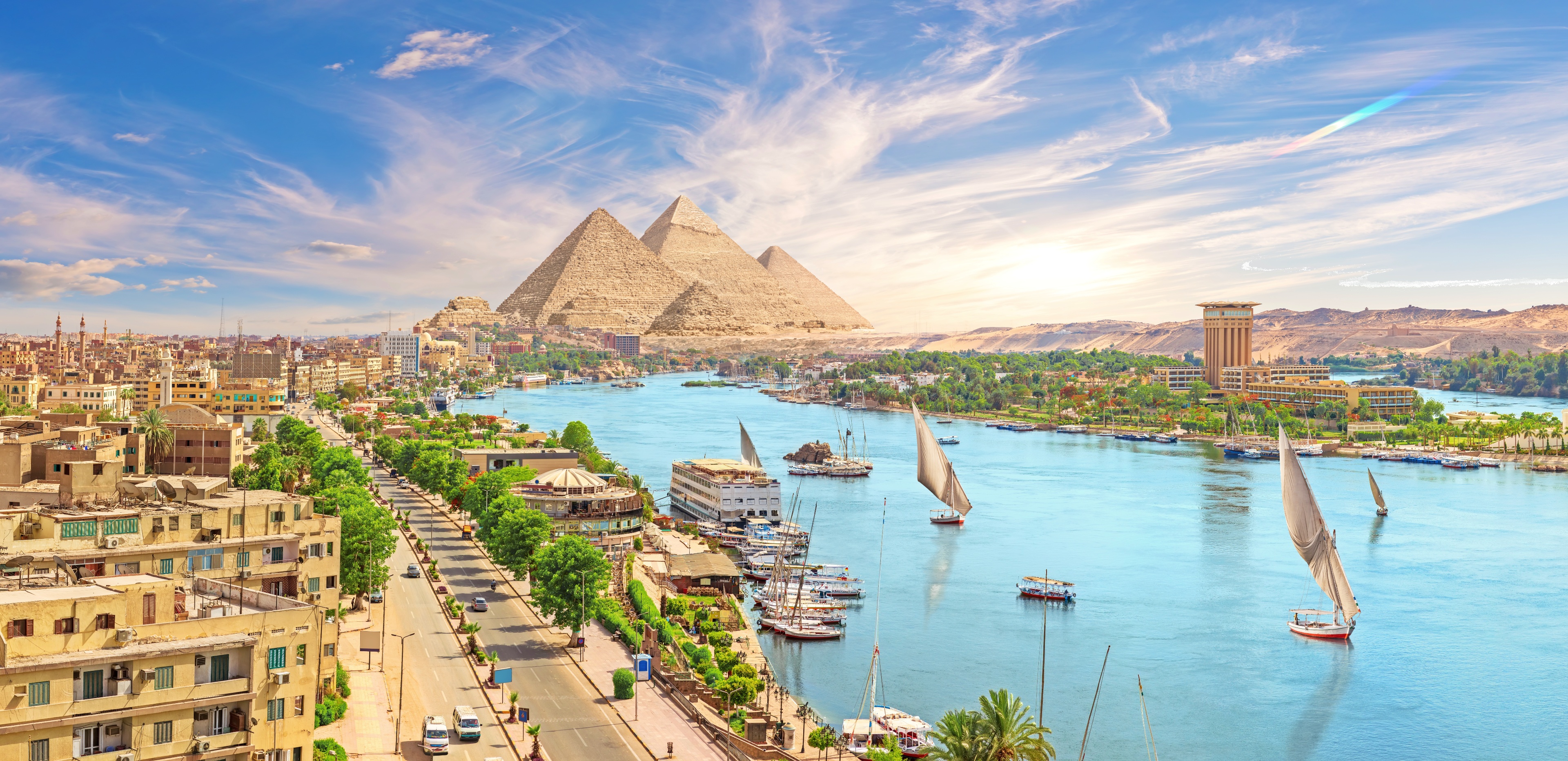
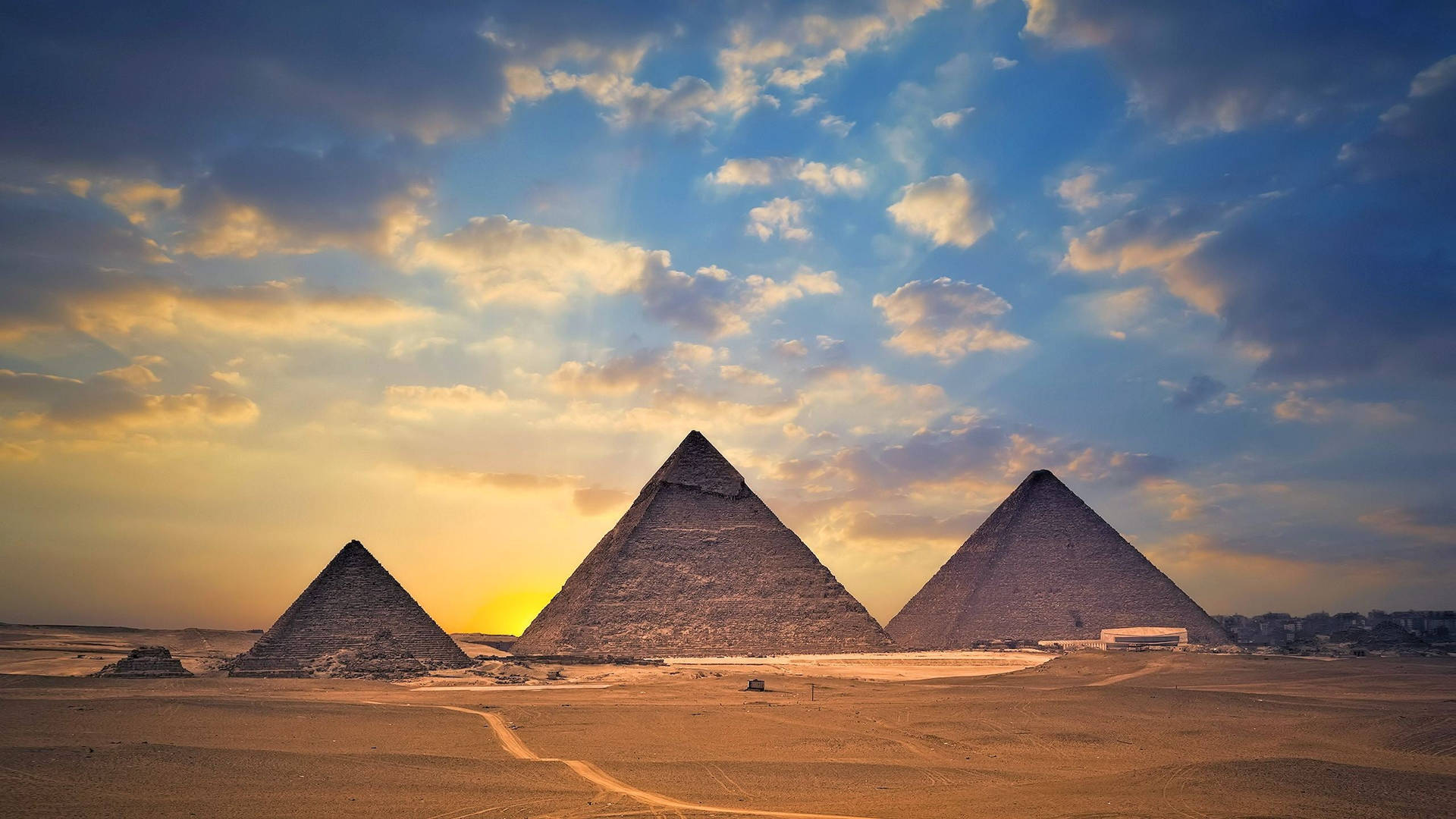
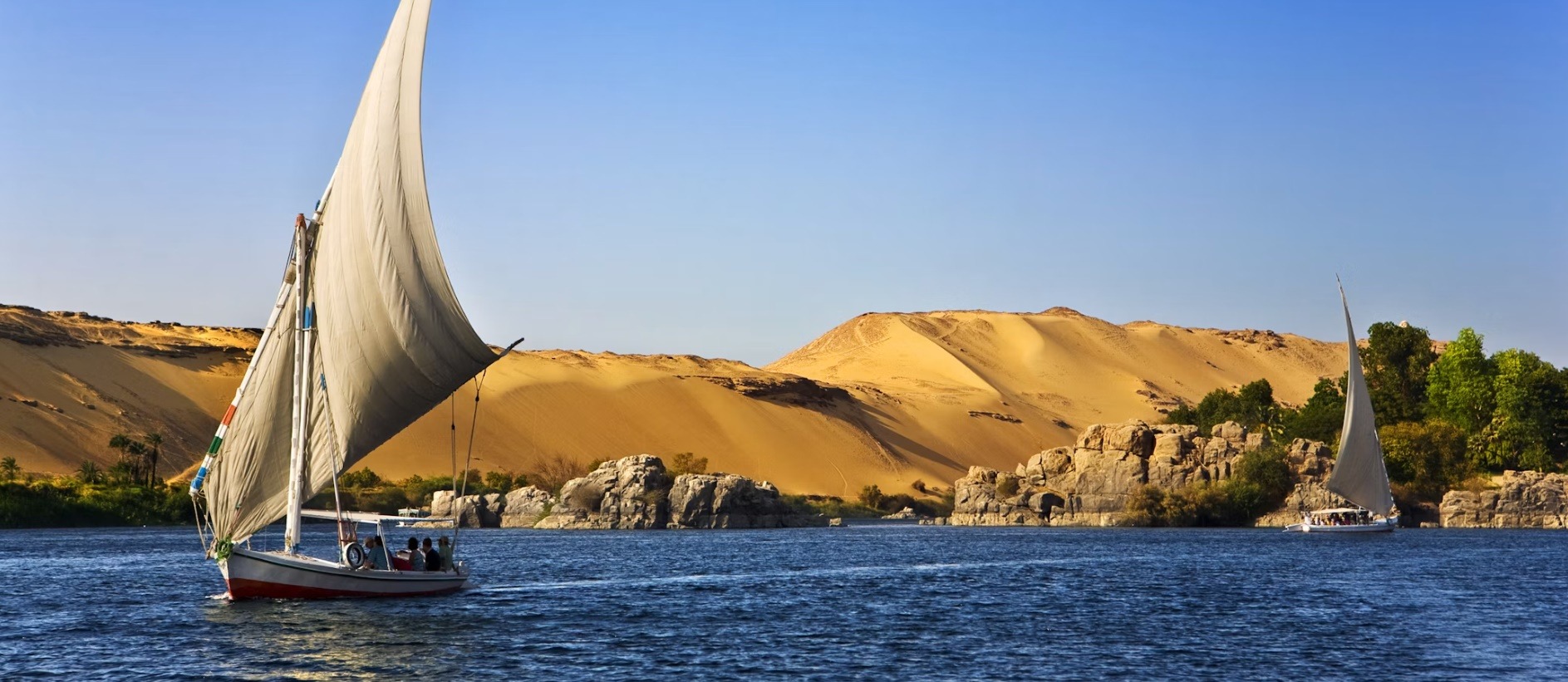
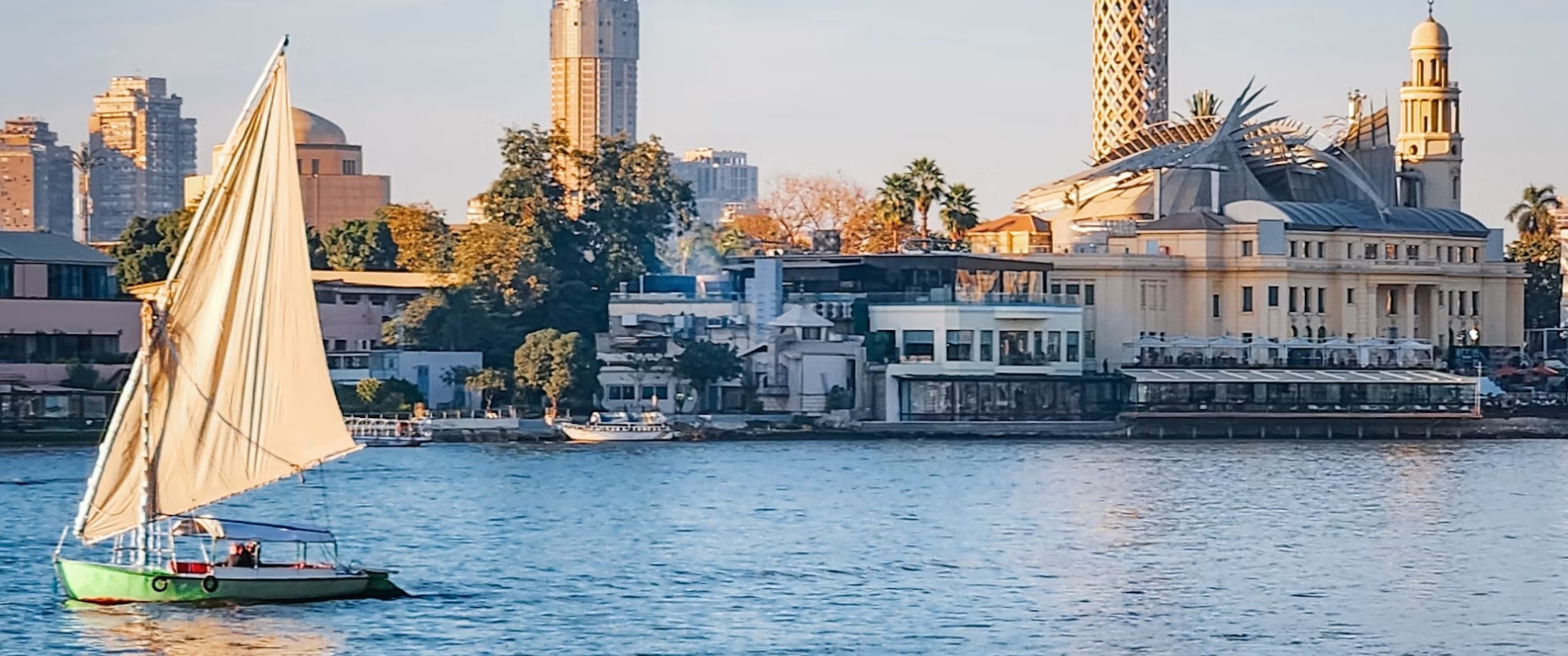
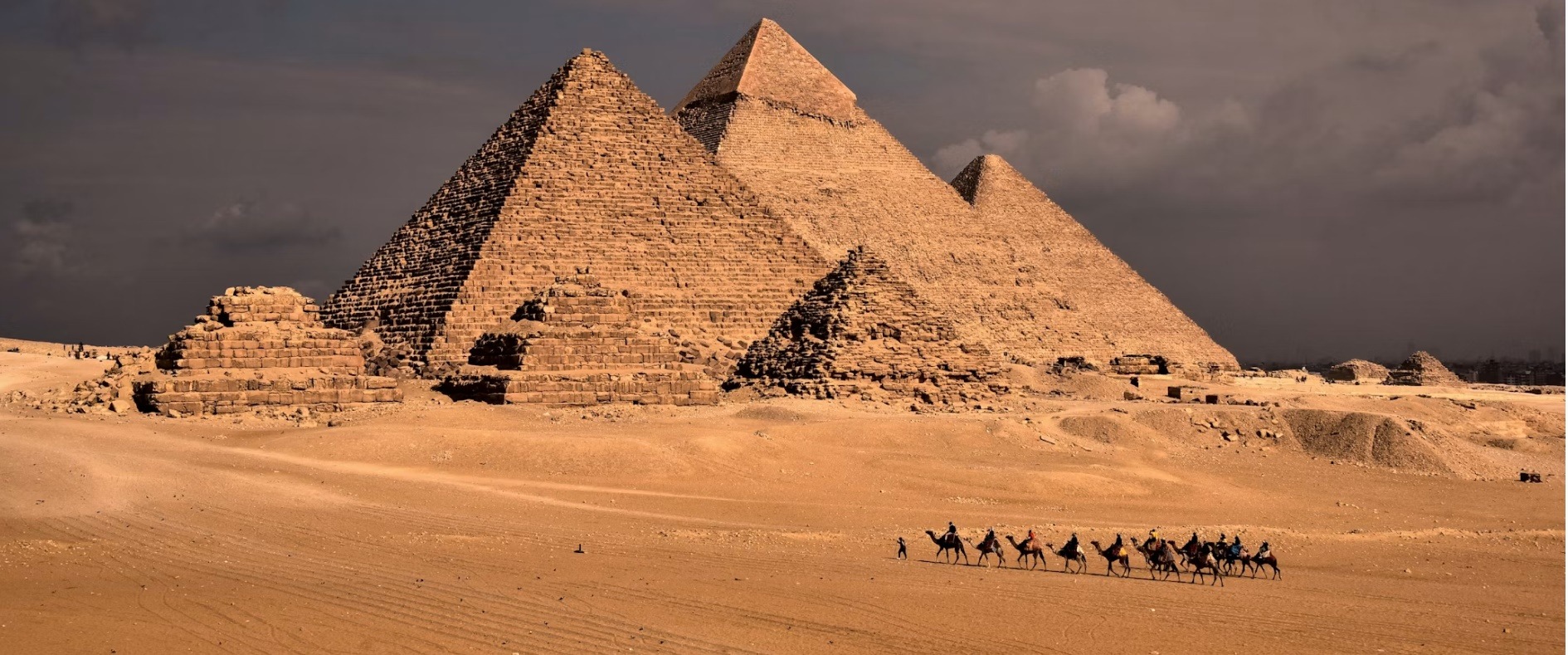
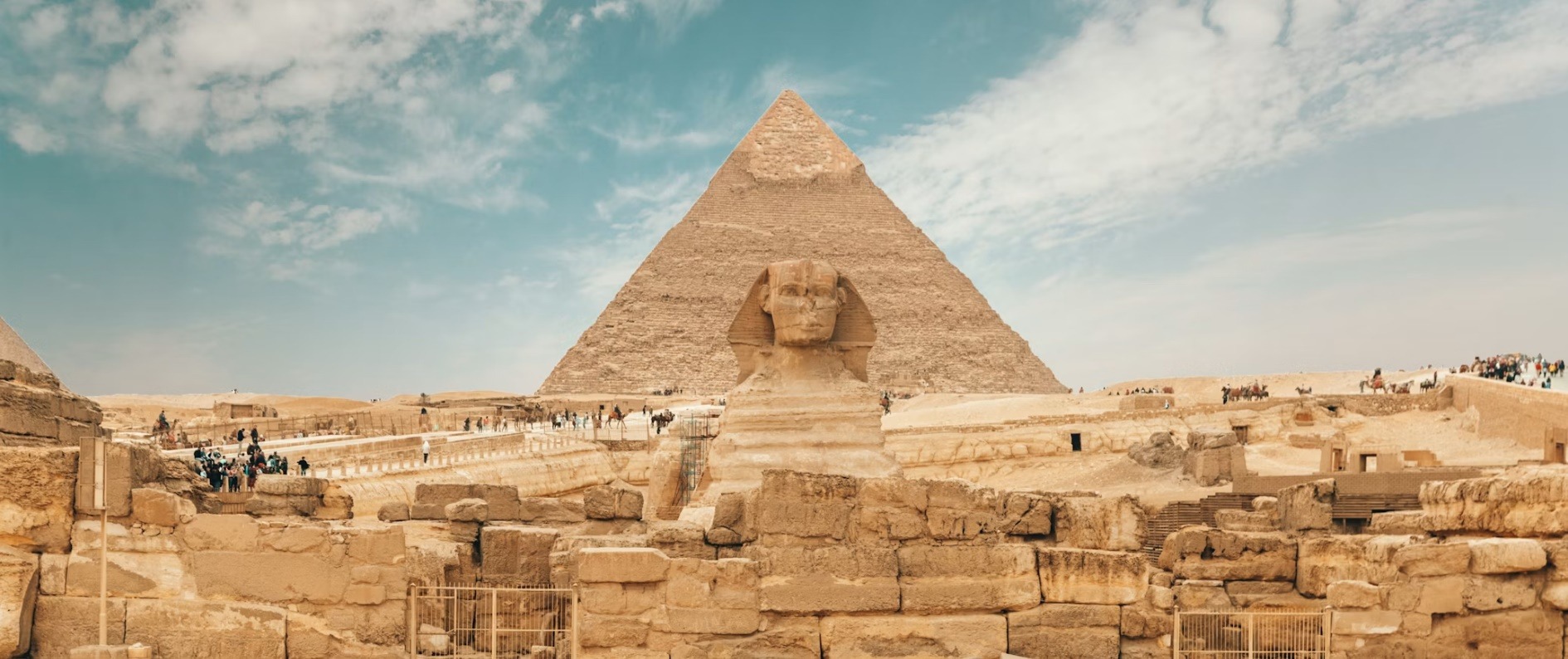
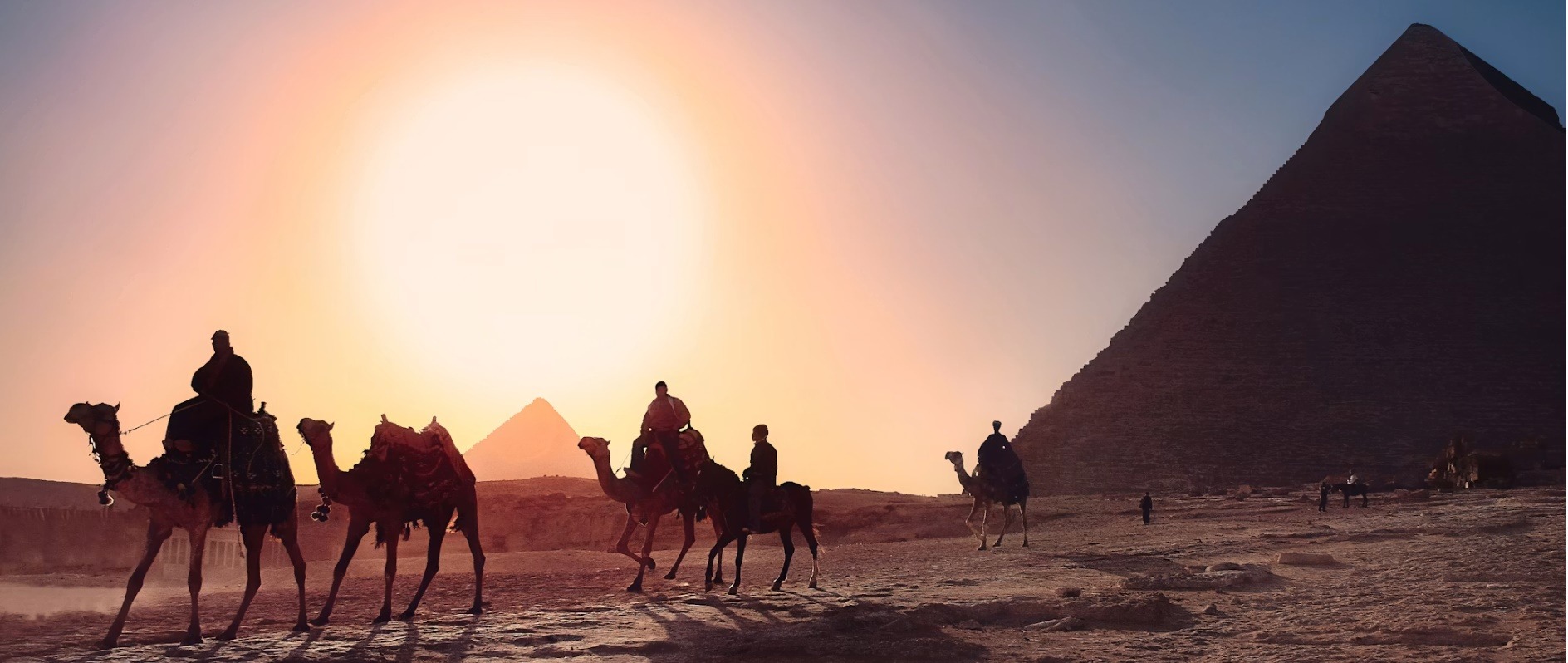
Egypt country image
Egypt country image
Egypt country image
Egypt country image
Egypt country image
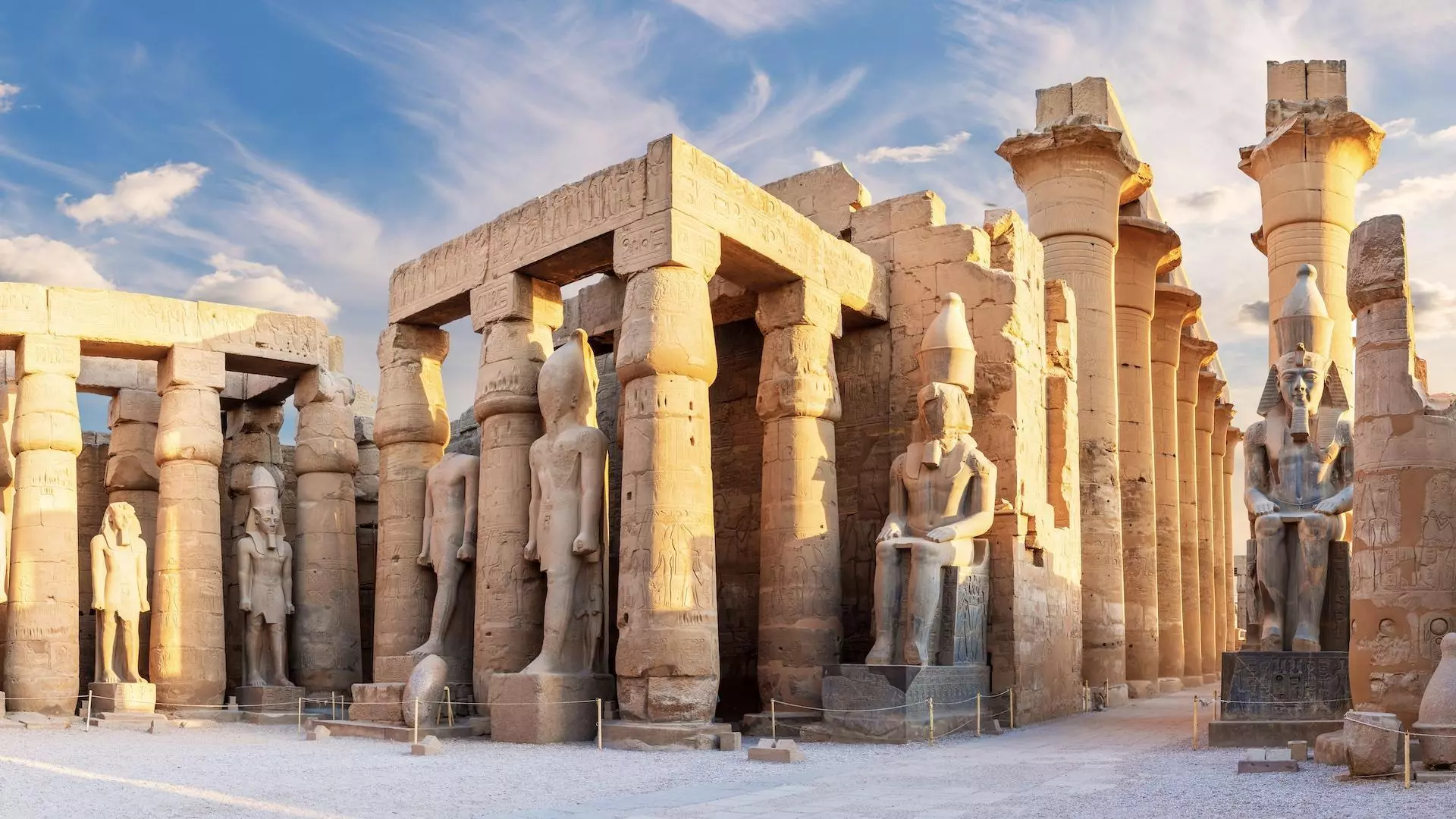
Egypt overview image
Egypt anthem image
Egypt anthem image
Egypt anthem image
Egypt anthem image
Egypt anthem image

Team Standings

Teams Mp W D L GF GA Pt
Czech R. Czech R. 0 0 0 0 0 0 0
Egypt Egypt 0 0 0 0 0 0 0
Iran Iran 0 0 0 0 0 0 0
Latvia Latvia 0 0 0 0 0 0 0
Moldova Moldova 0 0 0 0 0 0 0
N. Ireland N. Ireland 0 0 0 0 0 0 0
Nepal Nepal 0 0 0 0 0 0 0
Paraguay Paraguay 0 0 0 0 0 0 0
Portugal Portugal 0 0 0 0 0 0 0
Russia Russia 0 0 0 0 0 0 0