
Responsive Header
  • Where We Work
  • Cameroon
  • The Diaspora World Cup operates in some of the major cities and metro areas in United States and Canada. Our network of register players includes 20 cities, 200 countries, 400 teams, and 10,000 players. Join our movement to solve the world's most pressing challenges: Illiteracy
  • Who We are text will be here Who We are text will be here Who We are text will be here Who We are text will be here Who We are text will be here Who We are text will be here Who We are text will be here Who We are text will be here Who We are text will be here
  • What We Do text will be here What We Do text will be here What We Do text will be here What We Do text will be here What We Do text will be here What We Do text will be here What We Do text will be here What We Do text will be here What We Do text will be here What We Do text will be here What We Do text will be here What We Do text will be here
  • Get Involved text will be here Get Involved text will be here Get Involved text will be here Get Involved text will be here Get Involved text will be here Get Involved text will be here Get Involved text will be here Get Involved text will be here Get Involved text will be here Get Involved text will be here
  • Education is a basic Human Right and the Diaspora World Cup global school program focuses its energy in some the poorest countries around the world. We build schools in some of the poorest countries around the worldthat historically had no adequate school structure. Any member of the World Diaspora has the power to end illiteracy around the world through the power of soccer.
  • High-profile sport figures, global leaders, business leaders, political figure, journalists, activists, philanthropists, actors, and entrepreneurs united by their commitment to the Diaspora World Cup mission to eradicate illiteracy around the world through the power of soccer. They serve as role models and spread the Diaspora World Cup vision and commitment of a world mobilized through soccer.
  •  
  •  
Diaspora 2027: complete guide to all players | The Diaspora
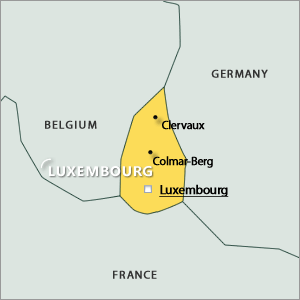
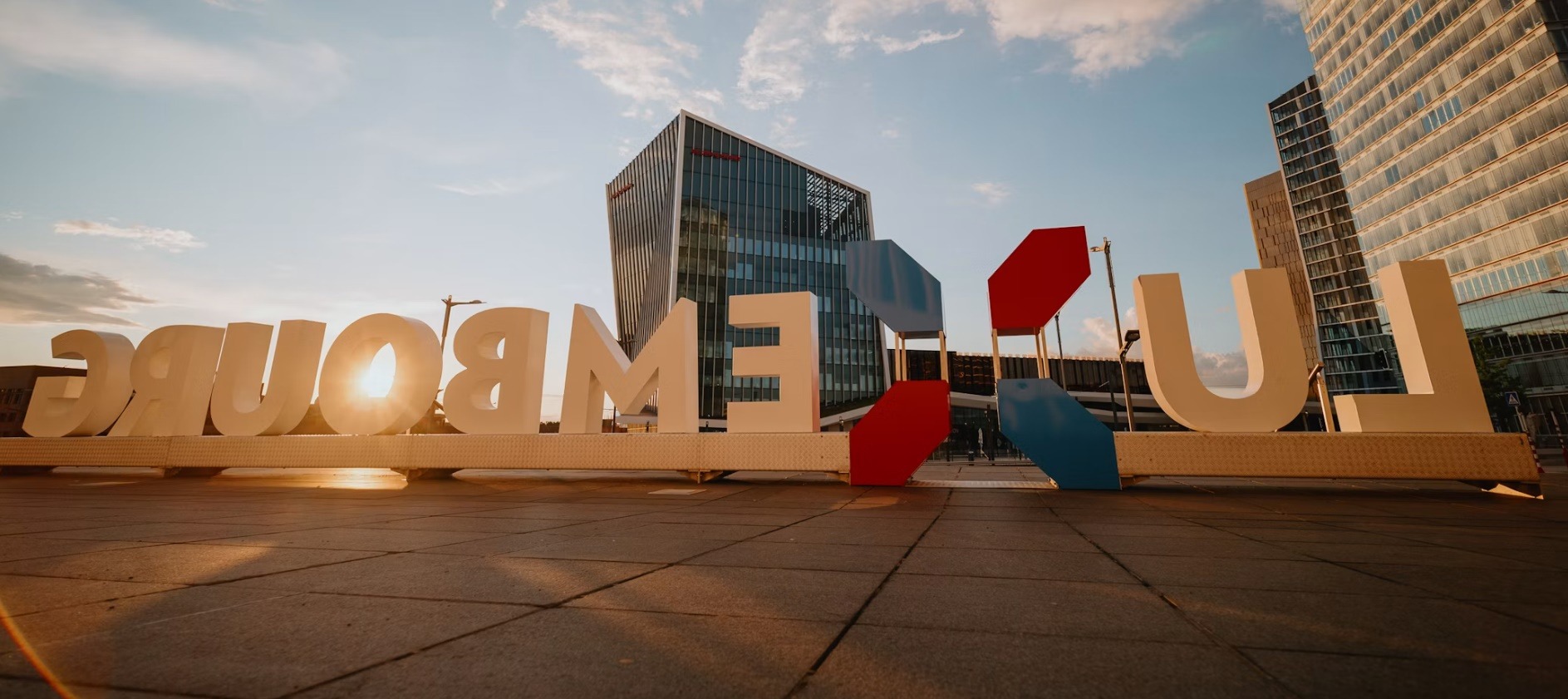
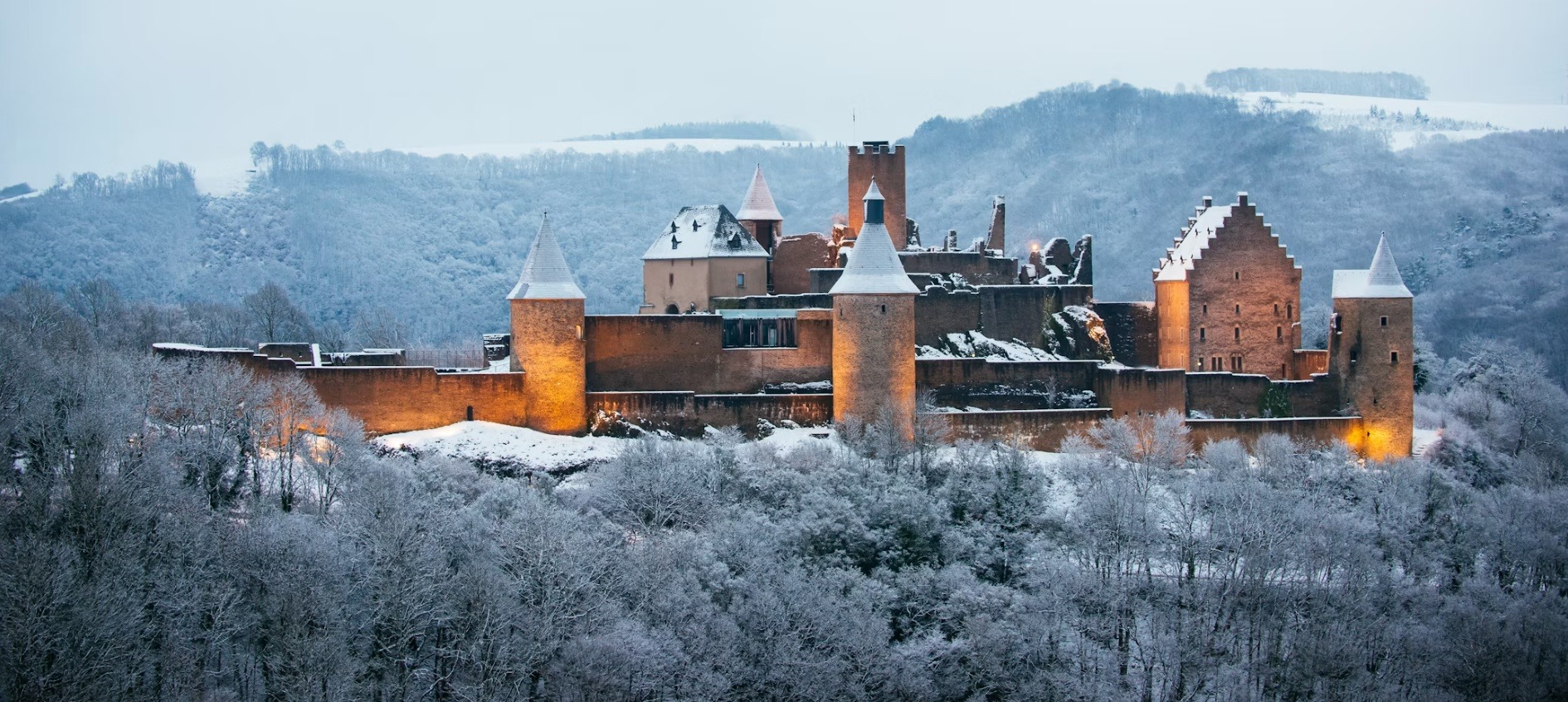
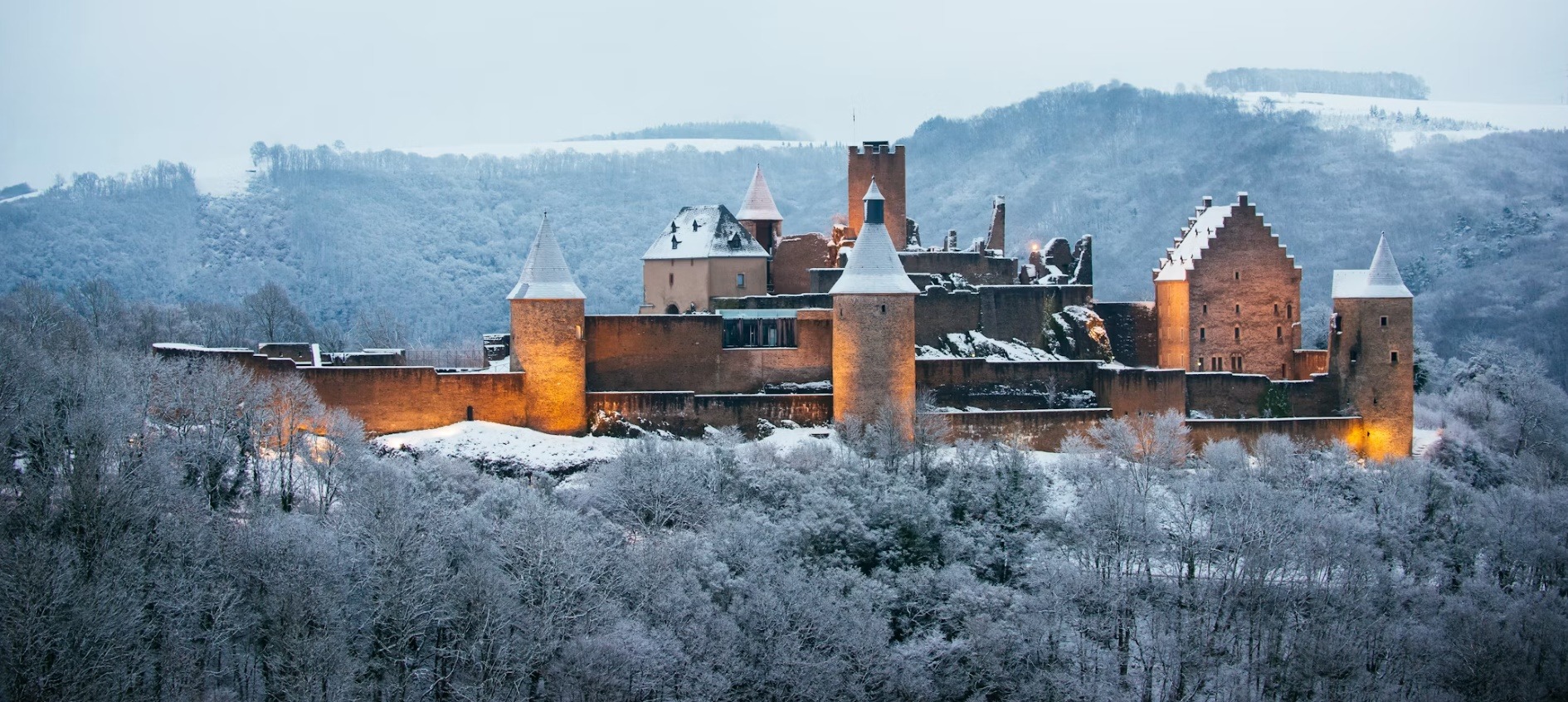
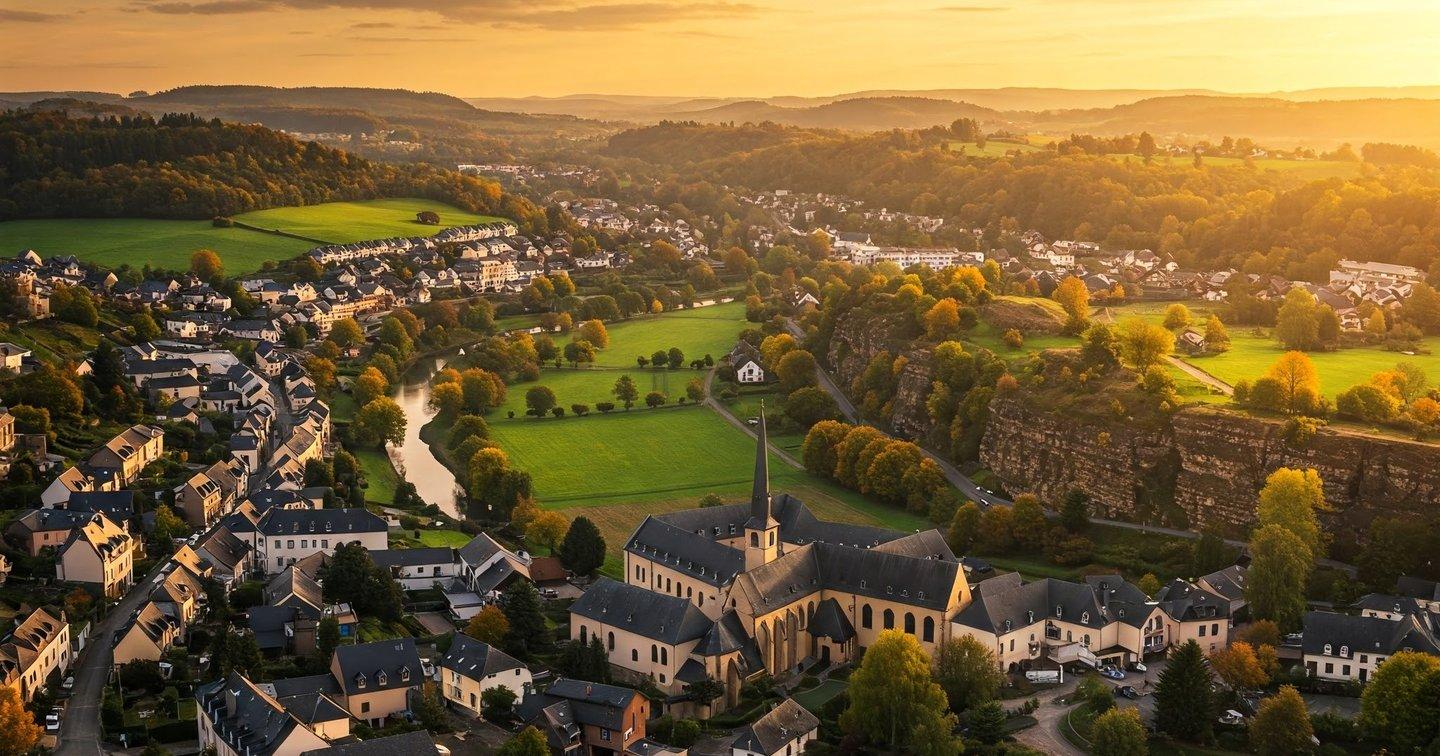
LUXEMBOURG
Oakdale - Frederick
Welcome to the 2027 Diaspora World Cup.
Oakdale - Frederick

Significance

Immigration from Luxembourg has generally reflected economic opportunity, education, professional employment, international business, scientific research, family reunification, entrepreneurship, and cultural exchange.

Migration from Luxembourg has historically been modest because of the country's small population, strong economy, and high standard of living. During the nineteenth century, some Luxembourgers emigrated to North America seeking agricultural land and economic opportunities, with communities forming in parts of the American Midwest. In the modern era, migration to the United States has primarily involved students, researchers, healthcare professionals, financial specialists, entrepreneurs, corporate executives, and skilled workers pursuing higher education, specialized employment, multinational business, and family reunification. Today, Luxembourger immigrants maintain strong cultural, linguistic, and economic ties with their homeland while contributing to diverse professional sectors in the United States.

Luxembourger Migration Before Independence

Before achieving full sovereignty, Luxembourg experienced periods of rule under the Holy Roman Empire, the Spanish and Austrian Habsburgs, France, and the Netherlands. Migration during earlier centuries was influenced by agriculture, regional trade, craftsmanship, military service, and commerce with neighboring Belgium, France, and Germany. During the nineteenth century, economic hardship and limited farmland encouraged some Luxembourgers to emigrate to the United States as farmers, craftsmen, merchants, teachers, and skilled laborers. The Treaty of London of 1867 affirmed Luxembourg's independence and permanent neutrality, strengthening its status as a sovereign state and expanding its international diplomatic and commercial relationships.
Late-Twentieth- and Early-Twenty-First-Century Immigration

Migration patterns evolved during the late twentieth and early twenty-first centuries as globalization, higher education, and international finance created new opportunities abroad. Students, physicians, engineers, scientists, academics, entrepreneurs, financial professionals, information technology specialists, and corporate executives increasingly travelled to the United States for university education, specialized employment, research, investment, or family reunification. Academic exchange programs, multinational corporations, and financial cooperation have continued to support professional mobility between Luxembourg and the United States. In the United States, Luxembourger immigrants often rely on family networks, cultural organizations, alumni associations, and professional groups for support with housing, employment, education, and community integration while preserving Luxembourgish, French, and German languages, traditional cuisine, cultural heritage, local customs, and close relationships with relatives in Luxembourg.


Luxembourg country image
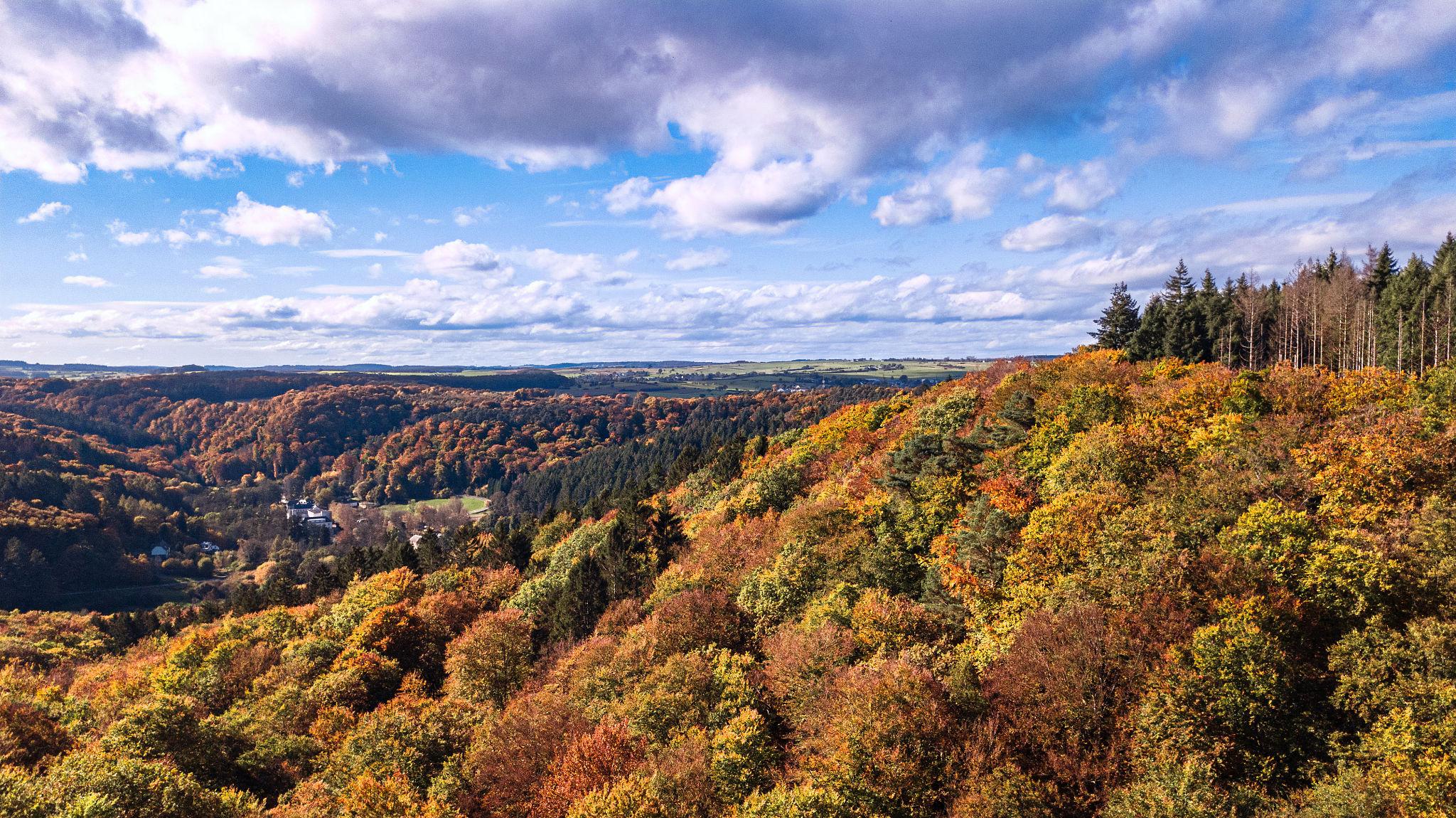
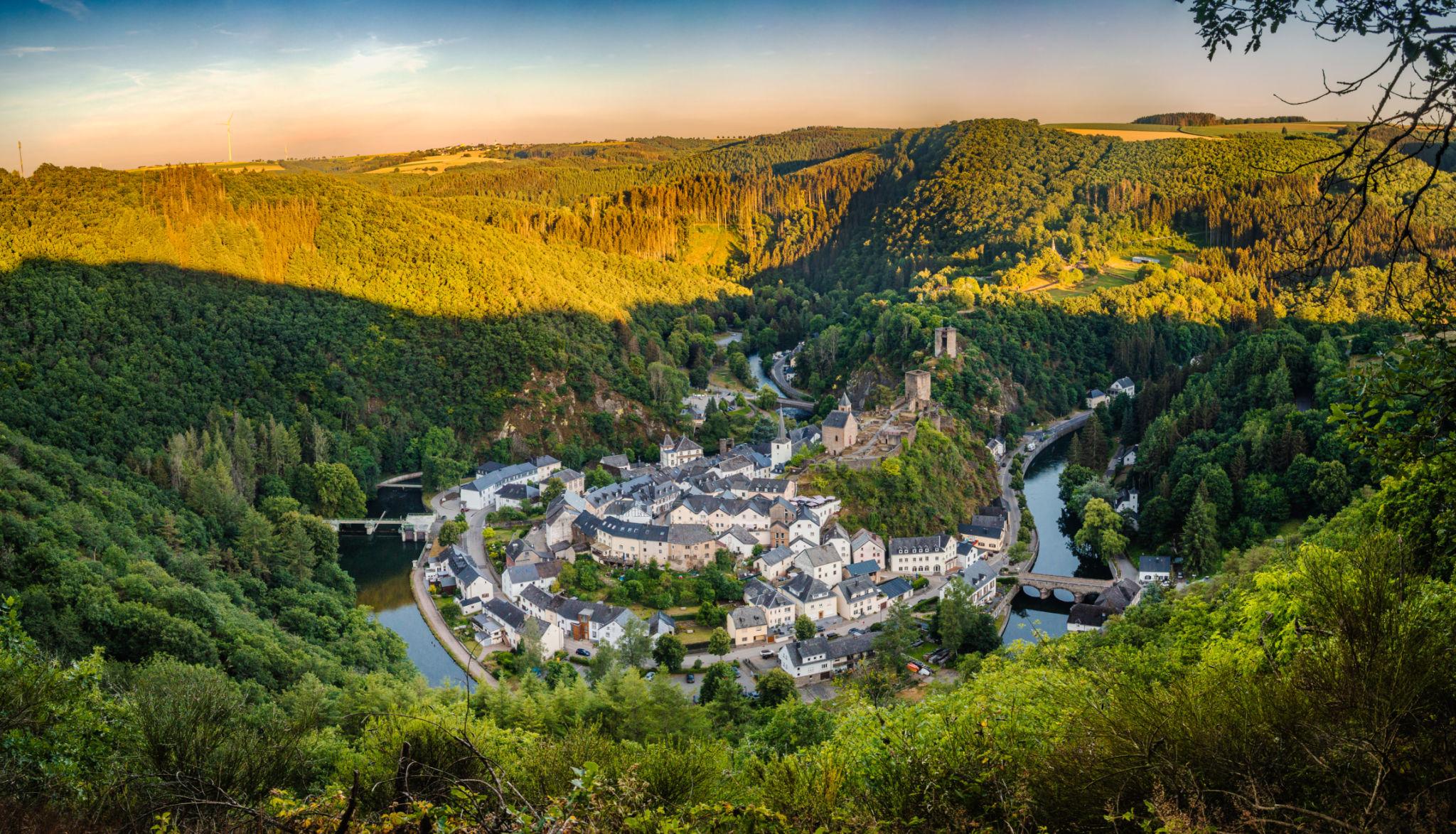
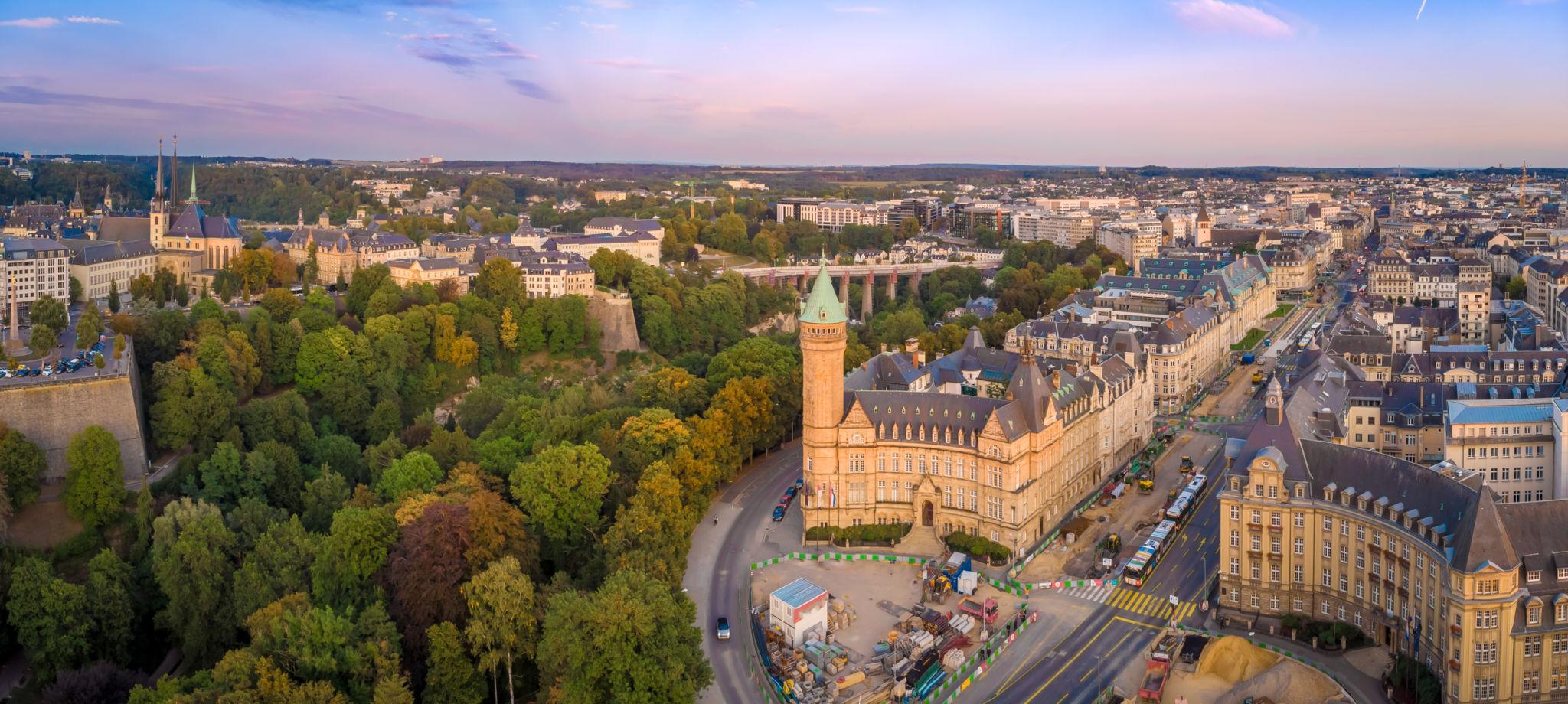
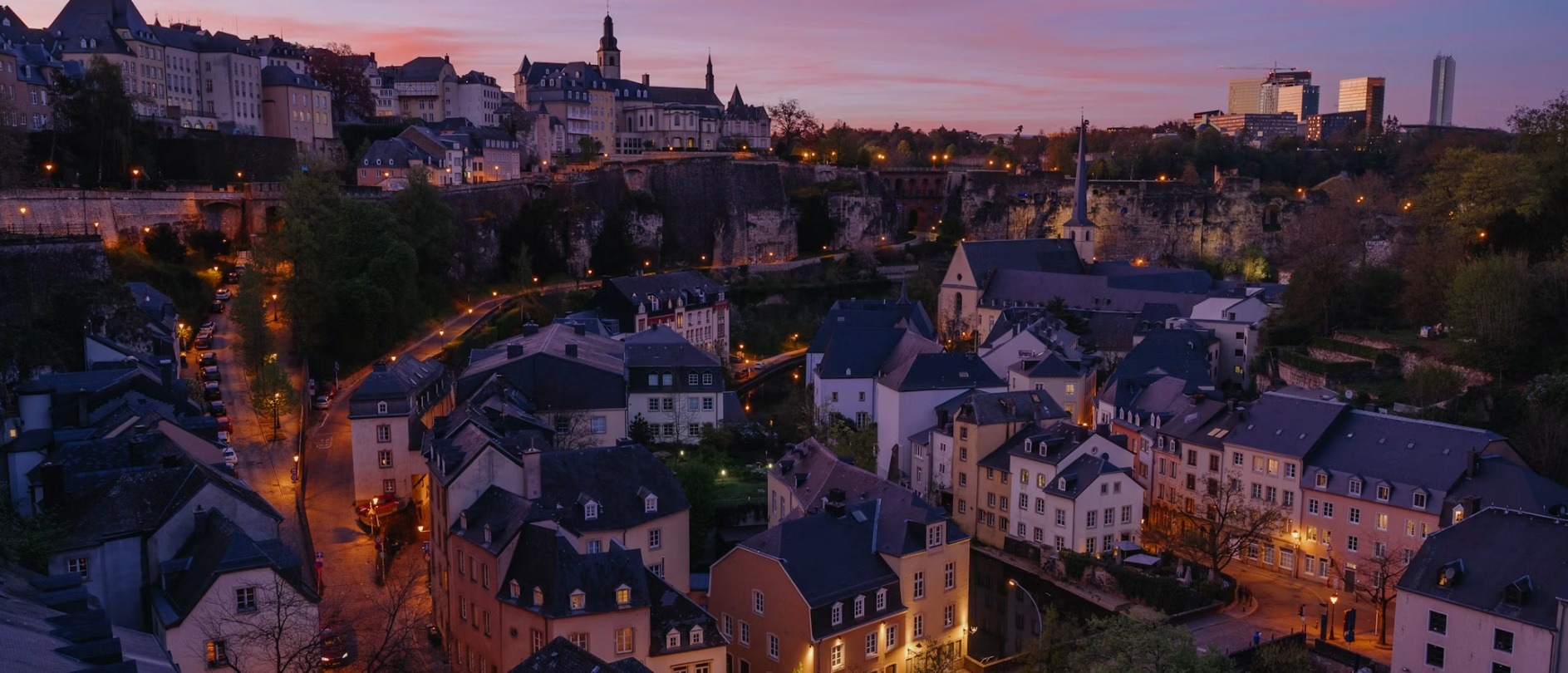
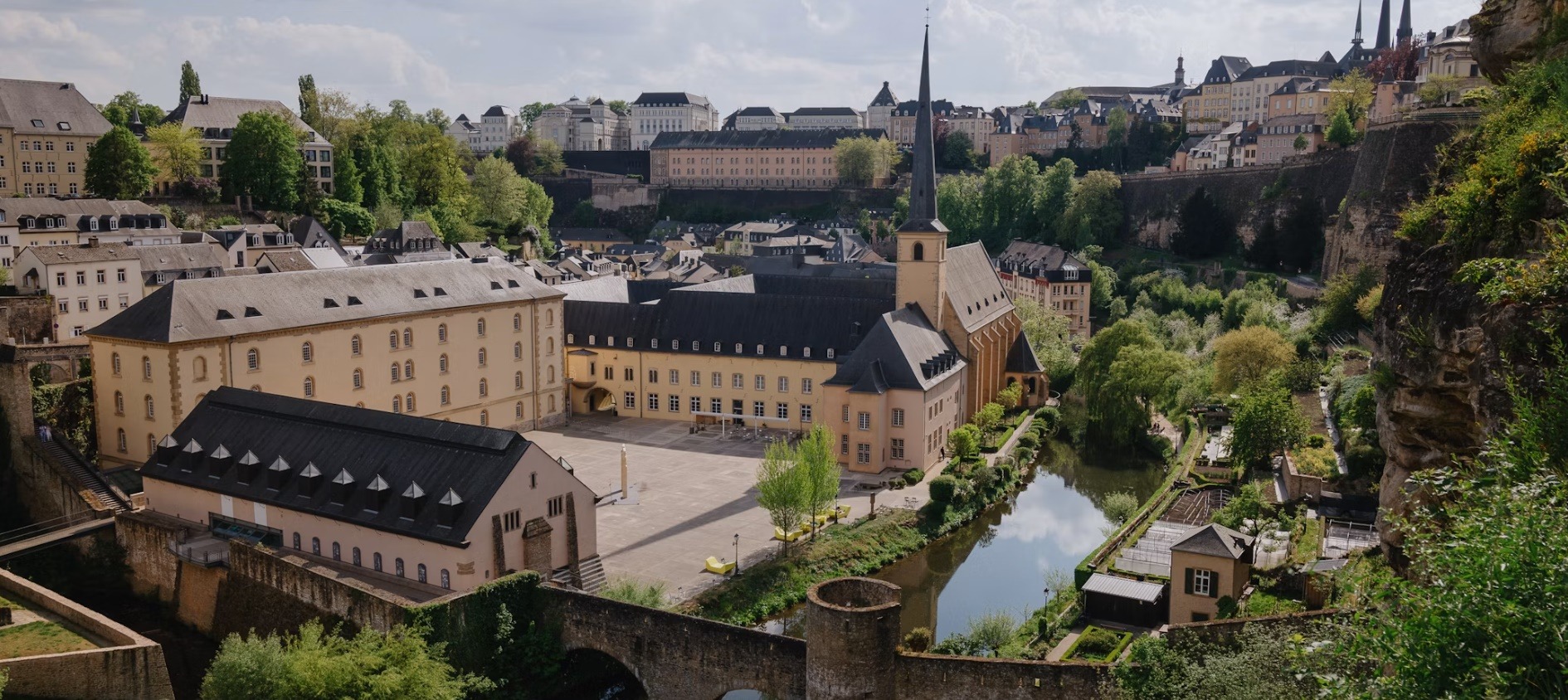
Luxembourg overview image
Luxembourg anthem image

Team Standings

Teams Mp W D L GF GA Pt
Cuba Cuba 0 0 0 0 0 0 0
Cyprus Cyprus 0 0 0 0 0 0 0
El Salvador El Salvador 0 0 0 0 0 0 0
Georgia Georgia 0 0 0 0 0 0 0
Iceland Iceland 0 0 0 0 0 0 0
Kazakhstan Kazakhstan 0 0 0 0 0 0 0
Luxembourg Luxembourg 0 0 0 0 0 0 0
Namibia Namibia 0 0 0 0 0 0 0
Niger Niger 0 0 0 0 0 0 0
St. Lucia St. Lucia 0 0 0 0 0 0 0